2027 Best Online Master's in Speech Pathology Degree Programs Ranking in Texas

Co-Founder and Chief Data Scientist

Reviewed by Rhea Paul, PhD
SLP Education & Research Expert
Choosing the right online master's program in speech pathology can be challenging, especially with so many options available in Texas. This article presents the 2027 Best Online Master's in Speech Pathology Degree Programs Ranking in Texas, carefully developed by the Research.com team of data scientists.
Our goal is to help you make a confident, informed choice about which programs are worth considering for your future. Pursuing a speech pathology degree opens doors to rewarding careers that make a real difference in people's lives.
Explore this guide to find programs that fit your goals and lifestyle, and take a positive step toward your professional journey.
Key benefits of getting online speech pathology degree in Texas
- Salary: Graduates with a speech pathology degree in Texas can expect mean annual wages around $92,630 for roles like Speech-Language Pathologist or Pediatric Speech-Language Pathologist, reflecting strong earning potential in this rewarding field.
- Career Paths: Many Texas graduates start in clinical settings, schools, or healthcare, enjoying diverse opportunities that build rewarding careers helping others communicate effectively.
- Online Degree Benefits: Earning your speech pathology degree online from Texas universities offers flexibility and convenience, allowing you to balance work and study while gaining the same quality education as traditional programs.
- 2027 Best Online Master's in Speech Pathology Degree Programs Ranking in Texas
- What can I expect from online speech pathology degree in Texas?
- Where can I work with online speech pathology degree in Texas?
What can I expect from online speech pathology degree in Texas?
The average cost of an online speech pathology degree in Texas typically ranges between $25,000 and $50,000, depending on the university and program length. Graduates from popular institutions like Texas A&M or the University of Texas often share how investing in these programs was both a financial commitment and a source of great personal fulfillment. Many emphasize the value of flexible tuition plans and financial aid opportunities tailored specifically to Texas residents.
Students frequently appreciate that while costs can seem significant, the programs offer not only accreditation recognized by the Texas licensure board but also well-structured clinical placements within local communities. These clinical hours are essential and give a real sense of hands-on learning, which graduates remember fondly as transformative moments in their education.
The balance between cost and program quality becomes clear when you consider that this investment leads to a career with a projected 25% job growth in Texas, alongside meaningful work improving communication and quality of life. Alumni often highlight how the combination of affordable tuition and strong state support made their journey both manageable and rewarding.
Where can I work with online speech pathology degree in Texas?
Graduates from Texas universities with online speech pathology degrees often find themselves welcomed into diverse and rewarding career paths that truly make a difference. Many alumni from respected programs at institutions like the University of Texas and Texas Woman's University share how their training prepared them to thrive in public school settings, supporting children who struggle to communicate effectively. The satisfaction of witnessing a student's progress is frequently described as deeply fulfilling.
Others recall stepping into bustling hospital environments in cities such as Houston or Dallas, where clinical expertise is crucial in helping patients recover speech and swallowing abilities after serious illnesses or injuries. These real-world experiences foster a keen sense of purpose and connection.
Private practices also attract many graduates seeking flexibility and the chance to tailor therapy for varied clients, from toddlers in early intervention programs to adults rebuilding communication skills. Across all paths, Texas SLPs appreciate the strong demand statewide and the vibrant community of professionals dedicated to improving lives.
Graduates from well-regarded Texas programs like those at the University of Texas or Texas Tech often find their online speech pathology degrees open doors to competitive salaries. According to recent data, a typical speech-language pathologist in Texas earns an average annual wage around $92,630, closely matching the national mean. Early career professionals, especially those entering roles in public schools or healthcare centers, frequently start near $60,000 to $65,000 but experience steady growth as they gain experience and certifications.
Many graduates share how holding the Certificate of Clinical Competence (CCC) and Texas licensure boosts their earnings and job security. Experienced clinicians working in metropolitan areas such as Dallas and Houston report salaries climbing toward $90,000 or more, reflecting both demand and the cost of living.
Additionally, some specialized roles like pediatric speech-language pathologists and supervisors typically maintain salaries close to that $92,630 range, while research scientists with speech pathology backgrounds enjoy higher salaries around $112,380 annually. These figures confirm the lasting value of an online speech pathology degree from Texas institutions.
- All online speech pathology programs in Texas must be accredited by the Council on Academic Accreditation (CAA) to qualify for state licensure.
- The average tuition for an online master's in speech pathology in Texas ranges from $25,000 to $50,000, with public universities generally costing less than private ones.
- Speech-language pathologists in Texas earned a mean annual salary of about $79,000 in 2023, with starting salaries between $60,000 and $65,000.
- The Texas job market for speech pathology is growing faster than the national average due to population growth and increased demand for services.
- Students must complete a supervised clinical fellowship year after graduation to obtain full licensure and practice independently in Texas.
Completing an online speech pathology degree in Texas typically takes between two to three years, reflecting the commitment required to meet rigorous academic and clinical standards. Graduates from universities like Texas Tech or the University of North Texas often share how their journey balanced flexibility with structure-many appreciated the asynchronous coursework that allowed them to manage family or jobs alongside studies.
However, the real test lies in fulfilling the mandatory 400 clinical practicum hours mandated by the Council on Academic Accreditation, which demands hands-on experience in real-world settings. This clinical component, while challenging, brings rewarding moments as students witness tangible progress in their clients' communication skills, fueling motivation despite the extended timeline.
Following graduation, all students enter a clinical fellowship year lasting about 36 weeks under the Texas Department of Licensing and Regulation. This transitional phase often feels like the final, encouraging stride toward becoming a licensed speech-language pathologist in Texas-grads recall the excitement of applying classroom knowledge in meaningful community work, underscoring the value of pacing themselves through a journey both rigorous and deeply fulfilling.
To practice as a speech-language pathologist in Texas, graduates must meet state and national standards. The process generally follows these steps:
- Earn a CAA-accredited master’s degree with the required clinical practicum hours.
- Pass the Praxis® Examination in Speech-Language Pathology to demonstrate competency.
- Complete a 36-week Clinical Fellowship Year (CFY) under the mentorship of a licensed SLP.
- Apply for Texas licensure through the Speech-Language Pathology and Audiology Board of Examiners, submitting transcripts, exam scores, and CFY verification.
- Obtain the ASHA Certificate of Clinical Competence in Speech-Language Pathology (CCC-SLP) for national recognition.
Students should keep copies of transcripts, practicum documentation, Praxis scores, supervisor verification, and licensure correspondence. Missing paperwork can delay approval even after all academic and clinical requirements are complete. For cost-conscious students comparing tuition beyond Texas, review the cheapest speech pathology graduate programs in florida.
Graduates from prominent Texas universities often reflect on how choosing between online and on-campus speech pathology programs shaped their learning journey. Online programs at institutions like the University of Texas offer the flexibility to study asynchronously, which many found invaluable while balancing jobs or family life. One graduate shared how accessing lectures on their schedule reduced stress and allowed deeper focus during quieter hours at home. This flexibility, however, requires strong self-discipline and motivation to meet deadlines without the daily structure of campus life.
In contrast, those attending on-campus programs at schools such as Texas State University describe a vibrant atmosphere fueled by face-to-face interactions. They appreciated immediate access to lab facilities and campus resources, which enriched hands-on practice and fostered organic connections with peers and instructors. The immersive environment makes it easier to engage actively and build a supportive community.
Both paths demand completion of supervised clinical hours, often arranged nearby regardless of program format. Online students often recount how local practicum placements balanced their remote study while grounding their experience in the Texas healthcare context.
Speech-language pathologists in Texas must complete a sequence of education, clinical training, examination, fellowship, and application steps before independent practice. The core requirements include:
- Graduate from an ASHA CAA-accredited master’s program
- Complete at least 400 hours of supervised clinical practicum
- Pass the Praxis Exam in Speech-Language Pathology
- Finish a 36-week Clinical Fellowship Year (CFY)
- Apply for licensure with the Texas State Board of Examiners for Speech-Language Pathology and Audiology (TSBEP)
Meeting these steps grants eligibility for the ASHA Certificate of Clinical Competence (CCC-SLP) and state licensure. Because licensure is tied to program quality and clinical documentation, students should confirm accreditation status and clinical hour tracking before enrolling. To balance quality and cost, consider accredited, budget-friendly options such as the cheapest online slp programs.
The average cost of an online speech pathology degree in Texas varies significantly depending on whether a student qualifies as in-state or out-of-state and the type of institution they choose. For many, especially those attending well-known programs at universities such as Texas State University or the University of North Texas, the total tuition often falls closer to $13,889 for in-state residents based on median data, which is quite affordable compared to national averages. These lower costs allow graduates to feel optimistic about investing in their futures.
Out-of-state students pursuing a Texas online master's in speech pathology tuition fees generally face higher expenses, with median costs around $31,304. Despite this, many find the flexibility of online study, paired with financial aid options, to make the investment worthwhile. Graduates often speak about the relief of balancing work and study without the added burden of relocating, which reduces ancillary costs like commuting or housing.
Reflecting on the journey, many online learners from prominent Texas universities appreciate how the programs adapt to various financial situations, sometimes leveraging scholarships or employer tuition reimbursement. For those exploring career shifts, pairing this degree with resources available through affordable teaching degrees for adults can be a practical approach. These strategies lighten financial strain and bring the rewarding career of speech pathology into reach for more Texans.

Licensure and certification are essential considerations for anyone pursuing an online master’s in Speech Pathology in Texas. Students should verify current requirements with the Texas Board of Examiners for Speech-Language Pathology and Audiology (TBESPA) and the program they plan to attend, because rules and agency processes can change.
- Education and clinical hours: Applicants are expected to graduate from a Council on Academic Accreditation (CAA)-accredited master’s program in speech-language pathology and complete at least 400 supervised clinical practicum hours, including 25 hours of clinical observation and 375 hours of direct client contact.
- National examination: Candidates must successfully pass the Praxis® Examination in Speech-Language Pathology (code 5331). Official score reports must be sent directly to TBESPA.
- Clinical Fellowship Year (CFY): Graduates complete a 36-week Clinical Fellowship under the mentorship of an ASHA-certified SLP. Documentation includes 1,260 clock hours of supervised practice, with at least 80 client-related activities per quarter.
- State application and fees: Applicants submit the online licensure application and supporting transcripts to TBESPA and pay application, examination, and licensure fees, typically totaling under $200.
- ASHA certification: After licensure, graduates may apply for the Certificate of Clinical Competence in Speech-Language Pathology (CCC-SLP) from the American Speech-Language-Hearing Association to demonstrate national standards of excellence.
Continuing education is required to renew both the Texas license and ASHA certification every three years. Students comparing cost-conscious programs that satisfy licensure prerequisites can review the most affordable online master’s in speech pathology.
Many graduates from Texas universities like the University of Texas at Dallas and Texas State University recall how federal aid, especially through FAFSA, was their first step in managing tuition costs. While Pell Grants don't usually apply to graduate studies in speech pathology, subsidized and unsubsidized loans offered crucial financial relief, with limits up to $20,500 annually. This support often felt like a necessary foundation amid the expenses ranging between $20,000 and $50,000.
Beyond federal aid, institutional scholarships made a real difference. Several alumni mention receiving awards through the Texas Speech-Language-Hearing Association, which rewarded academic effort and commitment to serving Texas communities. These scholarships, sometimes over $5,000, not only eased financial stress but also inspired them to contribute back to underserved areas.
State grants, like those from the Texas Higher Education Coordinating Board, further lightened the burden, especially when tied to commitments to work in critical health fields across Texas. Meanwhile, working professionals often found employer tuition reimbursement invaluable-many school districts and healthcare providers understand the urgent need for skilled speech pathologists and support career growth accordingly.
This blend of federal, state, and employer support reflects a well-rounded safety net that many Texas speech pathology students have leaned on, easing their journey toward a rewarding, rapidly growing profession.
Before practicing as a speech-language pathologist in Texas, graduates must complete the state licensure pathway and may also pursue the ASHA Certificate of Clinical Competence (CCC-SLP). Because this section overlaps with other licensure information in this guide, use it as a checklist and confirm all current requirements with the Texas Department of Licensing and Regulation (TDLR) and the relevant licensing board before applying.
- Graduate from a CAA-accredited master’s program in speech-language pathology.
- Complete a supervised clinical fellowship year (CFY) totaling 1,260 hours under a licensed SLP.
- Pass the Praxis® Examination in Speech-Language Pathology with a score that meets or exceeds TDLR standards.
- Submit official transcripts, verification of CFY supervision, and exam scores to the TDLR along with the licensure application fee.
Earning the ASHA CCC-SLP credential can strengthen employability, especially in school districts and healthcare institutions. ASHA certification also facilitates multi-state licensure through ASHA’s Certification Maintenance program, which requires 30 continuing education hours every three years. Texas SLPs often use these professional development requirements to stay current with evidence-based practices, documentation standards, and telepractice guidelines.
Students comparing affordability across regions can review national cost examples, including Inexpensive Speech Pathology Degree Programs Ranking in Queens, NY, to understand how tuition and aid strategies may vary.
Enrolling in an online speech pathology degree program in Texas typically begins with earning a bachelor's degree from an accredited institution. Many graduates from popular Texas universities recall how having a background in communication sciences and disorders, psychology, or linguistics made the transition smoother. Even those without direct CSD coursework found taking prerequisite classes such as Introduction to Communication Disorders and Anatomy of Speech beneficial for feeling confident in their studies.
Competitive programs often expect a GPA of around 3.0, which many successful applicants achieved by balancing study and hands-on volunteer work. Some graduates shared that experience with individuals facing communication challenges not only enriched their understanding but also fueled their passion for the field.
While GRE scores are sometimes required, numerous Texas schools waive this, easing stress for many hopeful students. Additionally, practical clinical experience is essential-Texas programs emphasize supervised practicum hours to prepare students for licensure, a requirement well-known among alumni from institutions like Texas State or the University of Houston.
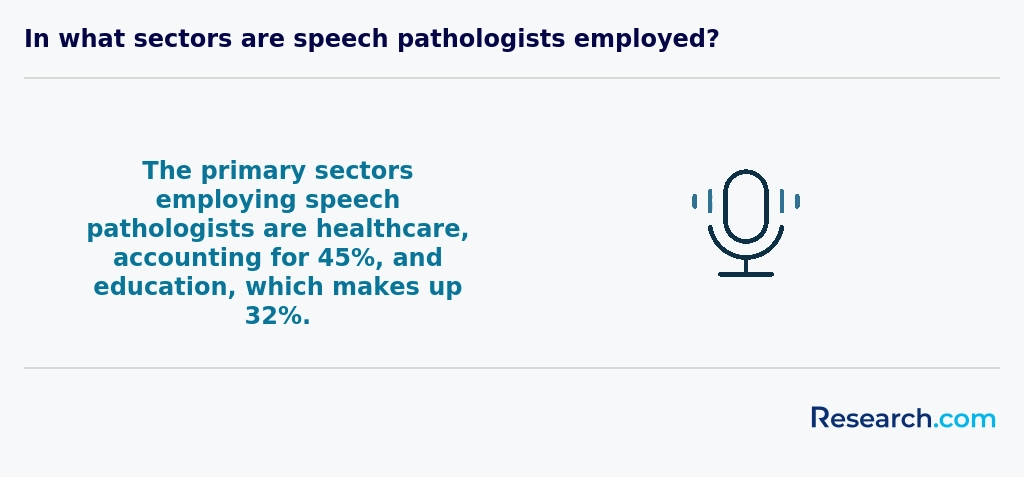
An online Speech Pathology program in Texas typically combines graduate-level coursework, interactive digital learning, faculty guidance, peer collaboration, and required clinical preparation. Students should expect rigorous academic expectations even when classes are delivered remotely.
- Online coursework: Programs may use recorded lectures, live class meetings, discussion boards, case studies, virtual simulations, and group projects. Some courses may be asynchronous, while others require scheduled participation.
- Clinical preparation: Online does not mean clinical-free. Students must complete supervised experiences and should confirm how placements are approved, monitored, and documented.
- Faculty and advising support: Strong programs provide academic advising, technical assistance, clinical coordination, career guidance, and access to faculty during the program.
- Time management demands: Students need to balance reading, assignments, exams, clinical hours, group work, and documentation. Flexibility is valuable, but online learning requires discipline.
- Career planning: Students should begin learning about employment settings, licensure steps, and specialty areas early in the program. Those comparing future earnings may want to explore what is the highest paying slp job as part of broader career research.
The best online programs blend flexibility with accountability. Look for clear communication, accessible faculty, transparent clinical requirements, and support systems that help students move from coursework to supervised practice and eventual employment.
Online speech pathology programs in Texas typically guide you through a thoughtfully structured set of courses that build both knowledge and practical skills. Graduates often recall how foundational classes like Introduction to Communication Disorders helped them grasp the diverse challenges faced by clients, making complex concepts more approachable. At well-regarded Texas universities, students delve into Anatomy and Physiology of the Speech Mechanism, which grounds their understanding of how biological structures work together for speech and swallowing-turning textbook theory into vivid, real-world insight.
Courses such as Speech and Language Development offer relatable examples of communication milestones from infancy to adulthood, helping students appreciate the nuances behind each case they might encounter later. Many have praised clinical practicum experiences, where supervised hours connect classroom lessons to real voices and faces, an essential feature that Texas licensure demands. The balance of scientific research, therapy techniques, and hands-on practice-common at respected Texas colleges-leaves graduates feeling confident and deeply prepared for their careers.
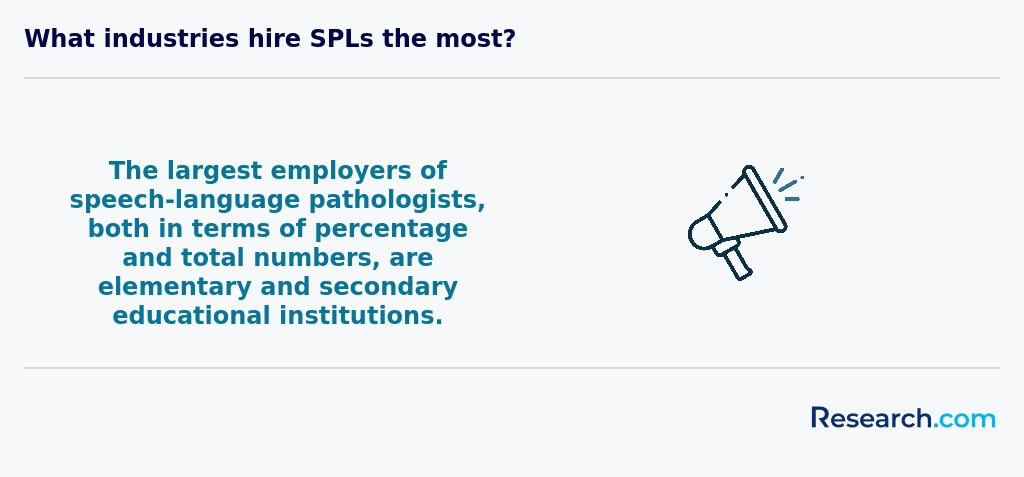
Online speech pathology specializations in Texas often include pediatric speech-language pathology, adult neurogenic communication disorders, and augmentative and alternative communication (AAC). Graduates from popular Texas universities frequently share how specializing in pediatric speech therapy allowed them to make a meaningful impact on children's lives in diverse communities across the state. This focus is vital given Texas's large child population needing speech services.
Another specialization that resonates well among graduates is adult neurogenic communication disorders. Many have worked in Texas hospitals and rehabilitation centers, helping adults recover from strokes or brain injuries, experiencing deep professional fulfillment. AAC specialization also stands out, especially for those committed to supporting non-verbal individuals in rural Texas, where resources can be limited.
For students exploring Texas online speech pathology degree options, programs often blend rigorous coursework with practical insights, helping them confidently face real-world challenges. Those interested in expanding their horizons might also consider voice disorders specializations. When researching programs, it's helpful to compare them with the best online graduate programs in ESL to find the right fit.
Choosing the best online speech pathology programs Texas offers means prioritizing accreditation by the Council on Academic Accreditation in Audiology and Speech-Language Pathology (CAA). Graduates from well-known institutions like the University of Texas or Texas State University often share how essential this is for obtaining Texas licensure and the CCC-SLP certification. These programs balance online coursework with supervised clinical hours, making it possible to complete practicum requirements locally, which has been a relief to many juggling work and studies.
Another key consideration is affordability. Public universities in Texas typically provide affordable speech pathology degrees Texas residents appreciate, sometimes reducing financial stress significantly. Stories from recent graduates frequently mention how accessible tuition and state-specific financial aid made their educational journey smoother and more enjoyable.
Look closely at faculty credentials and career support-programs where instructors hold Texas licenses or have worked in local healthcare settings better prepare students for real-world demands. Also, consider exploring other professional pathways, which some programs highlight similarly to fields like interior design certifications, showing the value of strong career services.
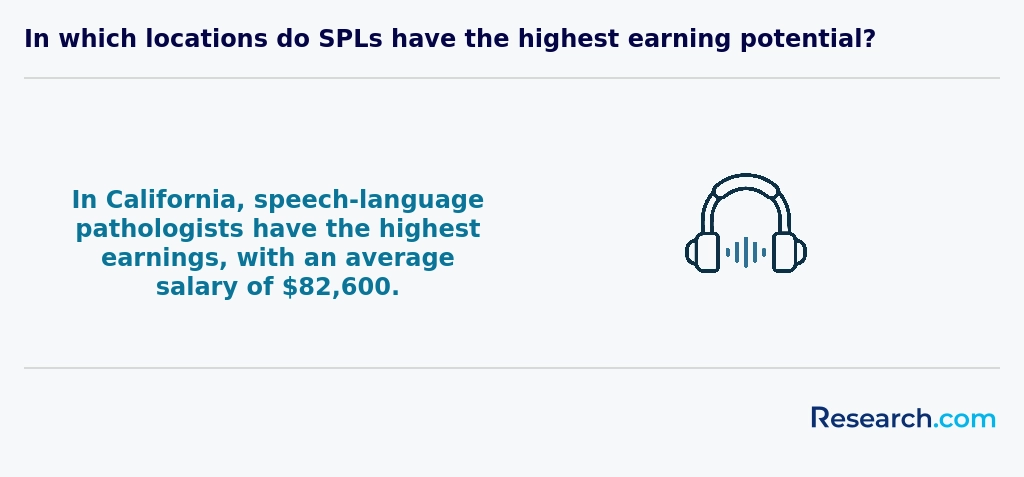
Graduates holding an online speech pathology degree in Texas find themselves welcomed into diverse and rewarding career paths. Many alumni from universities known for their speech pathology programs, such as the University of Texas and Texas State University, share how public school roles offer the chance to work closely with children facing speech and language delays, bringing daily fulfillment through early intervention efforts. This pathway is especially significant given the growing demand within Texas public schools.
Healthcare also presents rich opportunities, with SLPs playing critical roles in hospitals and rehabilitation centers treating adults recovering from strokes or brain injuries. Students often describe the deep satisfaction of helping patients regain communication, which transforms lives profoundly. Those focused on private practice appreciate the flexibility to specialize in areas like voice therapy or pediatric feeding disorders, crafting their unique professional journey.
Many find avenues beyond direct therapy, exploring speech technology or research roles at institutions connected to Texas universities. For those balancing interests, understanding how online speech pathology careers Texas options connect to real-world roles enhances clarity. Alongside clinical and academic opportunities, consider expanding your scope by exploring fields requiring empathy and specialized skills, similar to those needed for child life specialist job qualifications.
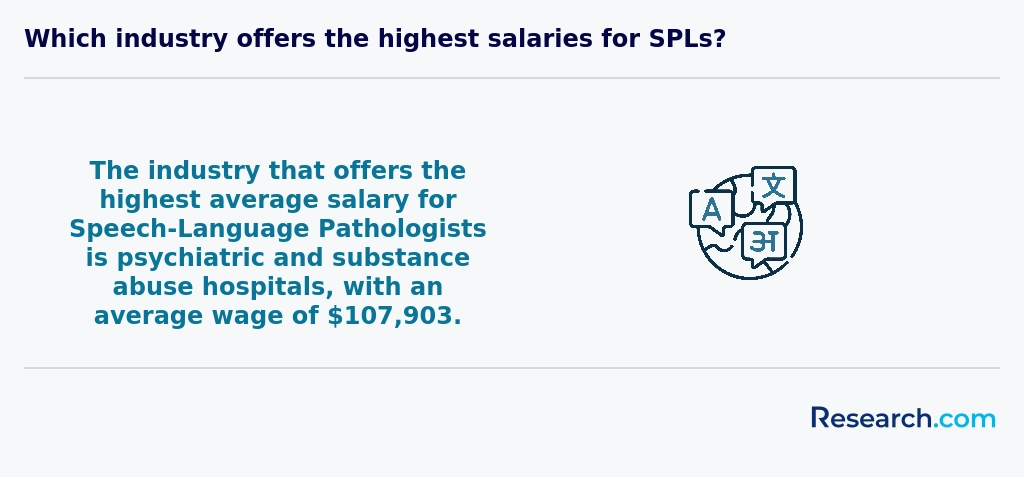
The job market for graduates with an online speech pathology degree in Texas is strong and full of opportunity. Graduates from well-known programs at Texas universities often find rewarding positions in diverse environments such as schools, hospitals, and private practice. Many share positive experiences of transitioning smoothly into the workforce, benefiting from curricula aligned with Texas licensure standards and the ASHA Certificate of Clinical Competence. Such preparation builds confidence when starting careers in this evolving field.
Texas's expanding population and aging demographics drive consistent demand for speech-language pathologists, supporting a favorable Texas speech pathology career outlook. Graduates often secure roles in public K-12 schools where therapy services are mandated, or in rehabilitation centers assisting patients recovering from strokes or injuries. Online speech pathology jobs Texas offer the flexibility to work remotely as telepractice grows, enhancing both career options and work-life balance.
Those considering this path might also find value in exploring related healthcare fields or educational positions; for instance, reviewing Louisiana teaching career requirements can provide insights into the education sector's structure and opportunities.
2027 Best Online Master's in Speech Pathology Degree Programs Ranking in Texas
Investing in your education is a significant decision that can shape your future, and the Research.com team understands the importance of making informed choices. To assist prospective students in Texas, we have meticulously crafted the "2027 Best Online Master's in Speech Pathology Degree Programs Ranking." Our commitment to quality, credibility, and accuracy is reflected in the extensive research and analysis conducted to compile this ranking.
We utilized the following reputable data sources to ensure a comprehensive evaluation of speech pathology programs:
By exploring this ranking, readers will gain valuable insights into the best online speech pathology master's programs available in Texas, empowering them to make well-informed decisions about their educational paths. For more details on our methodology, please visit our Research.com methodology page.


Frequently Asked Questions About speech pathology
Online speech pathology degree students in Texas can enhance their learning by actively engaging with interactive course materials and participating in virtual discussions. Since Texas requires speech pathology licensure through the Texas Department of Licensing and Regulation, students should ensure their chosen program meets state-specific clinical practicum and observation hour standards.
Utilizing local resources, such as clinics or healthcare facilities for supervised practice, helps meet Texas's 400-hour clinical experience requirement. Joining professional organizations like the Texas Speech-Language-Hearing Association connects students with networking and mentoring opportunities. Additionally, staying current with national standards from the American Speech-Language-Hearing Association fosters a comprehensive understanding applicable across Texas.
The field of speech pathology is evolving, with emerging niches offering new opportunities for specialists. One significant growth area in Texas is telepractice, where therapists deliver services remotely, expanding access in rural communities. According to the Texas Speech-Language-Hearing Association, telepractice has grown by over 30% in the last five years. Another niche is working with aging populations, addressing speech and swallowing disorders linked to dementia and strokes, which are increasing due to Texas's aging demographics.
There is also rising demand for bilingual speech pathologists skilled in both English and Spanish, reflecting Texas's large Hispanic population. Additionally, pediatric feeding disorders and autism spectrum disorder intervention are priority areas receiving more attention in online master's programs, preparing students for diverse clinical roles.
After completing an online speech pathology degree in Texas, it is essential to focus on obtaining state licensure, which requires passing the Praxis Speech-Language Pathology exam and meeting the Texas Department of Licensing and Regulation (TDLR) requirements. Gaining supervised clinical experience through a Clinical Fellowship Year (CFY) is mandatory before full certification.
Networking within Texas-specific professional organizations, such as the Texas Speech-Language-Hearing Association (TSHA), can increase job opportunities. Texas reports growing demand for speech-language pathologists, with the Bureau of Labor Statistics projecting a 25% employment growth in Texas through 2031.
Developing strong communication skills and staying updated via continuing education are crucial to career success.
Employers in Texas highly value several key skills in graduates with online speech pathology degrees. Communication skills rank at the top, as speech pathologists must clearly explain assessments and treatment plans to patients and families. Strong clinical knowledge, including proficiency in diagnosing and treating speech, language, and swallowing disorders, is essential. According to the Texas Department of Licensing and Regulation, graduates must also demonstrate competence in evidence-based practices. Additionally, cultural sensitivity and adaptability are crucial, given Texas's diverse population. Finally, employers seek graduates with teamwork abilities to collaborate effectively with educators, healthcare providers, and caregivers in multidisciplinary settings.
Finding internships in Texas relevant to a speech pathology degree involves several key steps. Start by contacting accredited programs listed by the American Speech-Language-Hearing Association (ASHA), as they often have established internship partnerships in local clinics, schools, and hospitals.
Networking through Texas speech pathology organizations, such as the Texas Speech-Language-Hearing Association (TSHA), can provide leads on internship openings.
Check hospital systems and public school districts in large Texas metro areas like Houston, Dallas, and Austin, as these frequently offer clinical placements aligned with degree requirements.
Early planning is critical since many internships require application months in advance and must meet ASHA's Clinical Fellowship Hour standards for certification.
Obtaining an online speech pathology degree in Texas can significantly enhance career mobility and advancement. Texas licenses speech-language pathologists through the Texas Department of Licensing and Regulation, which recognizes accredited online programs approved by the Council on Academic Accreditation (CAA). Graduates from these programs meet the education requirements for Texas licensure, allowing flexible entry into various work settings such as schools, hospitals, and private clinics.
According to the U.S. Bureau of Labor Statistics, Texas has one of the fastest-growing demands for speech pathologists, with a projected 21% job growth from 2022 to 2032. This growth opens many career opportunities.
Moreover, candidates with online degrees often benefit from the ability to continue working while studying, maintaining professional ties, and enhancing resumes. This flexibility supports career advancement without sacrificing current employment.
Studying for a speech pathology degree in Texas equips students with skills essential for collaborative work in healthcare, education, and social services. The curriculum emphasizes communication disorders within diverse populations, fostering teamwork with professionals like audiologists, occupational therapists, and educators. Clinical practicum requirements, supervised by licensed experts, provide hands-on experience in interdisciplinary settings, preparing graduates for real-world coordination.
Texas has over 10,000 licensed speech-language pathologists, many working in multidisciplinary teams across schools and medical centers (Texas Department of Licensing and Regulation, 2023). Programs also include coursework on cultural competence and ethical practices, critical for effective collaboration in Texas's varied communities.
When choosing between a thesis and a non-thesis speech pathology degree program online in Texas, consider your career goals. Thesis programs typically emphasize research and prepare students for doctoral studies or academic roles. In contrast, non-thesis options focus on practical skills, ideal for those aiming to enter clinical work quickly.
In Texas, speech pathology job growth is projected to increase by 23% through 2031 according to the Texas Workforce Commission. Those pursuing clinical certification via the American Speech-Language-Hearing Association (ASHA) might prefer non-thesis routes for faster completion.
Research-heavy students benefit from access to faculty mentorship and possibly contributing to Texas-specific studies in communication disorders.
Students based in Texas seeking to study speech pathology abroad face several challenges, as most U.S. accredited speech-language pathology programs require completion of clinical hours within the United States to meet certification standards. The American Speech-Language-Hearing Association (ASHA) mandates specific practicum and clinical experience, often difficult to fulfill entirely overseas.
That said, some international universities offer speech pathology programs; however, their credentials may not align with Texas licensure requirements. According to the Texas Department of Licensing and Regulation, graduates must complete a CFY (Clinical Fellowship Year) supervised within the U.S.
Therefore, many Texas students prefer online or hybrid programs from accredited U.S. universities, which allow remote coursework combined with local clinical placements. This approach ensures compliance with Texas licensure standards without relocating abroad.
Students pursuing an online speech pathology degree in Texas can benefit from several part-time job opportunities that enhance their education. Working as a speech therapy aide or assistant in clinics and schools provides hands-on experience with communication disorders and therapy techniques.
Texas schools often employ paraprofessionals to support speech-language pathologists, creating a practical learning environment. According to the Texas Education Agency, the demand for speech therapy aides is increasing alongside the growing student population with special needs.
Additionally, roles in rehabilitation centers or early childhood development programs offer exposure to diverse speech and language challenges. These jobs not only bolster clinical skills but also strengthen resumes for future certification requirements.
Online speech pathology students in Texas have multiple networking opportunities despite the remote format. Many programs encourage participation in virtual discussion groups, peer study sessions, and webinars featuring licensed speech-language pathologists. This fosters connections with fellow students and professionals across the state.
Texas hosts active chapters of organizations like the Texas Speech-Language-Hearing Association (TSHA), which offers online events, mentorship programs, and access to a network of over 3,000 professionals. Membership can help students engage with local practitioners and attend virtual or in-person conferences.
Additionally, clinical placements arranged by universities often connect students with Texas-based healthcare and educational institutions, offering valuable in-field networking and job prospects.
Alumni networks play a significant role in supporting online speech pathology students in Texas. These networks provide valuable opportunities for mentorship, allowing current students to connect with graduates who understand the local job market and certification requirements set by the Texas Department of Licensing and Regulation.
Moreover, studies show that participation in alumni groups can increase job placement rates by up to 20% for speech pathology graduates nationally. In Texas, where demand for speech-language pathologists is projected to grow 14% from 2021 to 2031 according to the Bureau of Labor Statistics, these connections help students access local clinics and school districts.
Alumni events and online forums often share updates about state licensure changes and continuing education options, essential for maintaining Texas speech pathology credentials.
Customizing an online speech pathology degree program in Texas allows students to align their education with specific career goals. Many Texas universities provide elective courses or specialization tracks, such as pediatric or adult speech therapy, enabling a tailored learning experience.
Students can select practicum locations within Texas to gain relevant hands-on experience based on their interests. Additionally, some programs offer flexible scheduling or accelerated paths to match professional commitments.
Accreditation by the Council on Academic Accreditation (CAA) ensures programs meet industry standards, crucial for state licensure through the Texas Department of Licensing and Regulation (TDLR).
Research from the Texas Speech-Language-Hearing Association highlights growing demand for pediatric speech therapists, which can guide specialization choices.
Online speech pathology students in Texas commonly face challenges related to clinical practicum requirements. Since licensure mandates hands-on experience, coordinating in-person clinical hours from a distance can be difficult. Texas requires 400 clinical hours for certification through the Texas Department of Licensing and Regulation. Scheduling these hours often requires finding approved supervisors and facilities nearby, which may not always align with students' locations.
Technology access and reliable internet can impact learning quality, especially for synchronous sessions. Some students report feeling isolated due to limited face-to-face interaction with peers and instructors. Additionally, navigating state-specific licensure rules alongside national standards adds complexity for online learners aiming to practice in Texas.
Graduates with an online speech pathology degree in Texas can pursue the Certificate of Clinical Competence in Speech-Language Pathology (CCC-SLP), awarded by the American Speech-Language-Hearing Association (ASHA). This credential is widely recognized and often required for professional practice.
To obtain the CCC-SLP, candidates must complete a master's degree, a supervised clinical fellowship, and pass the National Examination in Speech-Language Pathology. In Texas, the Department of Licensing and Regulation (TDLR) also requires state licensure to practice as a speech-language pathologist.
Licensure involves submitting proof of education, clinical hours, and passing the ASHA exam. These certifications ensure professionals meet industry standards and legal requirements statewide, enhancing employability and opportunities in clinical or educational settings.
Writing a winning application for an online speech pathology program in Texas requires clear organization and strong presentation. Start by ensuring you meet all prerequisite coursework and GPA requirements, which typically include undergraduate courses in communication sciences or related fields. Most Texas programs expect a minimum GPA of 3.0. Highlight any relevant professional experience or volunteer work with speech therapy clients to showcase practical skills.
Include a thoughtful personal statement that explains your motivation and commitment to the field. Texas universities often value applicants who demonstrate understanding of diverse populations, given the state's multicultural demographics. Request strong letters of recommendation from academic or clinical supervisors who know your abilities well. Finally, prepare thoroughly for the GRE if required, as some Texas schools still include it in their admission criteria.
The field of speech pathology is gaining recognition worldwide for its role in improving communication and quality of life. In the United States, including Texas, speech-language pathology is a fast-growing profession with a projected 21% job growth rate from 2021 to 2031, according to the U.S. Bureau of Labor Statistics. This demand reflects a global awareness of speech disorders and the need for specialized care.
Globally, many countries emphasize certification and advanced degrees to ensure professional standards. In Texas, online master's programs offer flexible paths aligned with the American Speech-Language-Hearing Association (ASHA) requirements, which are highly respected internationally. This alignment makes Texas-trained speech pathologists competitive in the global job market.
Moreover, telepractice has expanded globally, supported by technological advances and COVID-19-driven changes in healthcare. Texas speech pathologists trained online can access remote work opportunities, connecting with patients beyond state and national borders while meeting licensure regulations.
Gaining practical experience while studying for an online speech pathology degree in Texas is essential for licensure and career readiness. Most accredited programs require clinical practicum hours, which students typically complete at local healthcare facilities, schools, or telepractice settings. Texas students can arrange supervised placement through university partnerships or independently by contacting Texas clinics and schools that accept speech pathology students.
The Texas Department of Licensing and Regulation mandates 400 clock hours of supervised clinical experience for certification. This includes direct client contact and observation hours.
Many online students benefit from Texas-based virtual internships, allowing practice with telehealth clients under supervision. These options provide flexibility and meet state requirements while accommodating distance learners.
When choosing a concentration within an online speech pathology degree program in Texas, consider your career goals and interests first. Speech pathology offers various specializations, such as pediatric speech disorders, adult rehabilitation, or fluency and voice disorders. Research the demand for these specializations in Texas; for example, the Texas Workforce Commission reports a growing need for speech-language pathologists in schools and healthcare.
Accreditation is crucial. Ensure the program holds ASHA accreditation, as this impacts certification eligibility and employment opportunities. Also, consider clinical practicum availability in Texas, which is essential for hands-on experience.
Finally, review faculty expertise and alumni outcomes to find a program that aligns with your professional aspirations.
See What Experts Have To Say About Studying Speech Pathology
Read our interview with Speech Pathology experts

- Texas Speech Pathology Degree Programs, Online Included https://www.speechpathologydegrees.com/st/texas
- Hybrid Online MS-SLP Program | SLP Degree | USAHS https://www.usa.edu/college-of-rehabilitative-sciences/master-science-speech-language-pathology-ms-slp/
- Speech-Language Pathologist Salary Guide (2026) https://slponline.ithaca.edu/blog/speech-language-pathologist-salary-guide
- Alternative Careers for SLPs: 13 Non-Clinical Paths ... https://slptransitions.com/alternative-careers-speech-pathologists-slps/
- Speech-Language Pathology Prerequisites Online https://www.longwood.edu/slponline/
- Speech Language Pathology https://www.esc6.net/speech-language-pathology
- Post-Secondary Transition Services and the Elementary ... https://www.txsha.org/Education/Communicologist/Communicologist-Issues/Issue/post-secondary-transition-services-and-the-elementary-speech-language-pathologist
- Online Master's in Speech Pathology Programs: 2026 Guide https://speechpathologymastersprograms.com/
- Top Careers in Speech and Language Pathology: A Guide https://www.growwithcoral.com/blog/top-careers-in-speech-and-language-pathology-a-comprehensive-guide
- SLP Teletherapy Jobs for Speech-Language Pathologists https://www.vocovision.com/teletherapy-jobs/speech-language-pathologist-jobs/