Research.com is an editorially independent organization with a carefully engineered commission system that’s both transparent and fair. Our primary source of income stems from collaborating with affiliates who compensate us for advertising their services on our site, and we earn a referral fee when prospective clients decided to use those services. We ensure that no affiliates can influence our content or school rankings with their compensations. We also work together with Google AdSense which provides us with a base of revenue that runs independently from our affiliate partnerships. It’s important to us that you understand which content is sponsored and which isn’t, so we’ve implemented clear advertising disclosures throughout our site. Our intention is to make sure you never feel misled, and always know exactly what you’re viewing on our platform. We also maintain a steadfast editorial independence despite operating as a for-profit website. Our core objective is to provide accurate, unbiased, and comprehensive guides and resources to assist our readers in making informed decisions.

2027 Most Valuable Speech Pathology Degree Programs Ranking in Pittsburgh

Imed Bouchrika, PhD

by Imed Bouchrika, PhD

Co-Founder and Chief Data Scientist

What can I expect from speech pathology degree in Pittsburgh?

When it comes to the cost of a speech pathology degree in Pittsburgh, expect to spend somewhere in the range of $30,000 to $50,000 for a master's program at well-known schools like the University of Pittsburgh. Graduates often mention that while tuition can feel like a big investment, the quality of education and hands-on clinical experience make it totally worth it.

Many students find that financial aid, scholarships, or assistantships help ease the burden, especially at universities offering accredited programs that connect you with internships in local hospitals and schools. Imagine spending your days between classroom lectures and real-life practice in Pittsburgh's healthcare centers-graduates say this mix builds confidence and makes the fee feel more like an investment in their future.

Plus, once you finish your degree and the required clinical fellowship year, the median salary around $78,000 in Pittsburgh often helps graduates feel like the cost they paid was a smart step toward a rewarding career.

Where can I work with speech pathology degree in Pittsburgh?

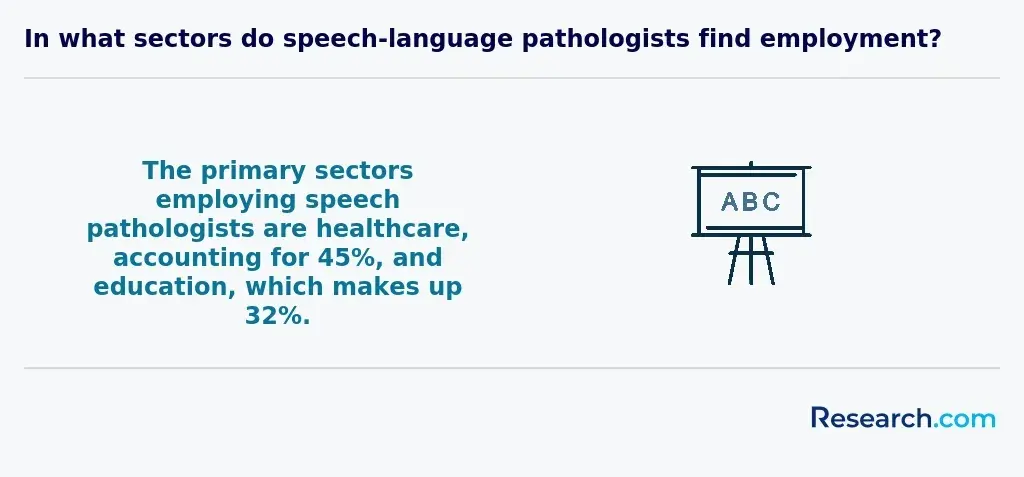
If you're studying speech pathology in Pittsburgh, you'll find plenty of cool places to kickstart your career right after graduation. Many grads from the University of Pittsburgh and Duquesne University land jobs at big hospitals like UPMC or Allegheny Health Network. Imagine working hands-on with patients recovering from strokes or brain injuries-super rewarding stuff!

Others jump into school settings, helping kids with speech delays or learning disabilities. Local schools in Allegheny County really value SLPs, so if you love working with kids, this can be a fulfilling path, especially supporting individual education programs (IEPs).

Some grads also dive into early intervention, working with tiny kids under three at clinics or community centers like the Western Pennsylvania Speech-Language-Hearing Foundation. Plus, there's growing demand for private practice and rehab centers, especially with Pittsburgh's aging population needing help with speech and swallowing challenges.

And if research or teaching sounds interesting, universities here are hubs for speech pathology studies. Graduates often feel lucky to combine hands-on work with academic projects, making Pittsburgh a vibrant place to build your career.

How much can I make with speech pathology degree in Pittsburgh?

If you're thinking about studying speech pathology in Pittsburgh, here's what you can expect to make once you graduate. Speech therapists in the area usually pull in around $81,000 a year, pretty close to the state average. Some grads from local schools land jobs that start in the $60,000 to $70,000 range, especially when they're fresh out with a master's degree. Imagine working at a hospital or medical center where the pay might even be a bit higher because of the specialized care you're providing.

For those who stick with it and gain experience, salaries can climb up to $95,000 a year. That's what a few graduates from Pittsburgh's popular speech pathology programs have told me - rewarding work and good money to match.

Also, don't forget speech-language pathology assistants make about $47,000 annually, which is a nice stepping stone if you're looking to get into the field. Other roles like clinical or community outreach coordinators clock in between $43,000 and $97,000, depending on the job.

Table of Contents

2027 Most Valuable Speech Pathology Degree Programs Ranking in Pittsburgh

# 1 position

Duquesne University

Master

Duquesne University offers a Master's program focused on speech pathology with a total cost of $74,086. The program admits students under an open admission policy, accepting 84% of applicants. With 12,893 candidates applying, the university supports students generously, as 100% receive financial aid, reflecting high aid availability. This combination of accessibility and financial support may appeal to prospective students targeting a career in speech pathology.

The University of Pittsburgh-Pittsburgh Campus offers a master's degree program focused on speech pathology, with a total cost of $57,296. The program is less selective, admitting 58% of its 60,898 applicants. About 74% of enrolled students receive moderate levels of financial aid, making the program financially accessible to many. These details highlight key considerations for prospective students evaluating this program.

The University of Pittsburgh-Pittsburgh Campus offers a bachelor's degree focusing on speech pathology. The program has a total cost of $57,296. It is less selective with an acceptance rate of 58%, and attracts 60,898 applicants. About 74% of students receive financial aid, indicating moderate aid levels for enrolled students.

# 4 position

Duquesne University

Bachelor

Duquesne University offers a Bachelor program focused on speech pathology, with a total cost of $74,086. The program has an open admission policy, accepting 84% of its 12,893 applicants. It provides a high level of financial aid, with 100% of students receiving support. This combination of accessibility and financial assistance may appeal to prospective students interested in this field of study.

# 5 position

Carlow University

Master

Carlow University offers a Master's program focused on speech pathology with a total cost of $51,682. The program has an open admission policy, accepting 87% of its 1,264 applicants. Students benefit from high financial aid availability, with 100% receiving support, making it accessible for many. This degree is designed for those seeking advanced education in speech pathology with considerable aid options and a broadly inclusive acceptance rate.

What speech pathology degree graduates have to say

  • Studying speech pathology at the University of Pittsburgh was transformative. The hands-on clinical experience combined with expert faculty guidance truly prepared me for real-world challenges. The supportive environment and city's vibrant culture made every step enjoyable. I'm proud to have earned my degree here. - Emily
  • The program at Duquesne University offered a perfect balance of rigorous coursework and community engagement. Learning in Pittsburgh's diverse neighborhoods enhanced my skills and empathy, making me a confident clinician ready to serve all ages. The friendships I formed were an added bonus. It was a rewarding journey. - Marcus
  • Point Park University's speech pathology degree gave me personalized attention and access to cutting-edge technology. I appreciated the small class sizes and passionate professors who encouraged creative approaches to therapy. Living in Pittsburgh added a unique charm and excitement to my educational experience. Truly grateful. - Hannah

How long does it take to complete speech pathology degree in Pittsburgh?

If you're thinking about diving into a speech pathology degree in Pittsburgh, you're looking at around six years total-from starting college to being ready for the professional world. Most students kick off with a bachelor's degree in something like communication sciences, which takes about four years at places like the University of Pittsburgh or Duquesne University. Graduates often say this phase feels like building a solid base, setting you up for the next step without feeling overwhelmed.

After that, you jump into a master's program in speech-language pathology, usually about two years full-time. Many grads mention how this part, with its mix of classes and hands-on clinical hours, feels intense but exciting-especially since you're clocking those crucial 400 clinical hours required by ASHA. Some folks choose part-time to keep working, which stretches the timeline a bit but makes life manageable.

Once you wrap the master's, there's a Clinical Fellowship Year, about 9 months to a year, where you gain real-world experience before getting fully certified. If you're up for even more, doctoral degrees take longer, focusing on research or advanced practice, but most are happily done and dusted after that initial six-year track.

Licensure Requirements in Pennsylvania

To become a licensed speech-language pathologist in Pennsylvania:

  1. Graduate from a CAA-accredited master’s program.
  2. Complete a 36-week clinical fellowship under licensed supervision.
  3. Pass the Praxis™ Speech-Language Pathology exam.
  4. Apply for a Pennsylvania state license through the Department of State.
  5. (Optional) Earn ASHA’s CCC-SLP credential for national recognition.

Maintain licensure by completing at least 30 hours of continuing education every three years. To plan for exam and licensure fees, consider the speech pathology degree cost in arizona page for comparative budgeting insights.

What's the difference between online and on-campus speech pathology degree?

If you're looking at speech pathology degrees in Pittsburgh, the biggest difference between online and on-campus programs comes down to how you learn and experience the field. For instance, students at popular Pittsburgh schools often share how on-campus classes gave them hands-on time in clinical settings, like local hospitals or schools, where they worked directly with clients and professors. This face-to-face interaction really helps build confidence and practical skills.

On the flip side, online programs offer awesome flexibility, especially if you're juggling work or family. You can dive into the theory-the anatomy, linguistics, and communication disorders-right from home. The catch? You still have to arrange your in-person clinical hours locally, which some online students find a bit tricky but rewarding once they connect with nearby clinics.

Graduates from both routes appreciate that Pittsburgh's programs meet national accreditation standards, so no matter the path, you're set up to get certified and start your career. It's really about what fits your lifestyle and learning style best!

Enhancing Your Career with Online Speech Pathology Programs

In today’s fast-paced world, many aspiring speech pathologists are increasingly turning to flexible learning options that can accommodate their busy schedules without compromising on quality. Online education not only provides a convenient alternative to traditional on-campus learning but also offers personalized pacing, accessibility to a wide range of expert faculty, and opportunities to engage with diverse classmates from across the country. These platforms are designed with interactive modules, virtual clinical simulations, and robust student support services to ensure that residents balance professional and personal commitments while advancing their careers. For those looking to combine flexibility with rigorous academic quality, exploring online slp graduate programs can be a game-changer. This approach allows students to deepen their expertise in speech pathology while seamlessly transitioning into a competitive, ever-evolving job market.

What is the average cost of speech pathology degree in Pittsburgh?

When it comes to the average cost of speech pathology degree in Pittsburgh, most grads find the total tuition lands around $57,000. If you're an in-state student at places like the University of Pittsburgh or nearby colleges, you might spend closer to $35,000 overall, which feels much more manageable. Out-of-state tuition tends to match the median total cost, so budget accordingly if you're coming from out of town.

A lot of students share how balancing costs with the quality of education here really makes the journey worth it. Pittsburgh's public universities usually offer good value, especially with in-state tuition that keeps things affordable. Plus, the universities often provide scholarships, financial aid, or assistantships, which many students find helpful to reduce their final expenses. It's comforting to know you're not alone in navigating the speech pathology degree tuition and fees Pittsburgh students face.

Keep in mind that tuition isn't the whole picture-there are extra expenses too, like textbooks and clinical practicum fees. That's why some students also explore flexible options like online slp graduate programs to save time and money while advancing their careers in speech-language pathology.

What is the average cost of speech pathology degree in Pittsburgh?

Faculty Expertise and Research Opportunities

Pittsburgh’s top speech pathology programs distinguish themselves through faculty who lead cutting-edge research and clinical innovation. Students benefit from mentorship by professors with published work in journals like the Journal of Speech, Language, and Hearing Research and active roles in the American Speech-Language-Hearing Association (ASHA). Many faculty members direct specialized labs—such as the UPMC Voice Center and the Language Processing Lab—where graduate students can participate in studies on neurogenic communication disorders, pediatric language development, and augmentative and alternative communication (AAC) technologies. Research opportunities span from pilot projects funded by NIH grants to collaborative investigations with UPMC and local school districts, ensuring exposure to both academic and applied settings. For example, master’s candidates often co-author articles on dysphagia management protocols or present at conferences like ASHA’s annual convention, bolstering their professional profiles even before graduation. Access to state-of-the-art equipment—including videofluoroscopic swallowing study suites and eye-tracking systems—further enhances hands-on learning. Graduate students concerned about budgeting for research expenses can compare program support levels by reviewing the institution’s research assistantship stipends and equipment grants. To explore alternative low-cost options with robust faculty guidance, see our Cheapest Speech Pathology Degree Programs Ranking in Iowa City, IA. Engaging with faculty-led initiatives not only deepens subject-matter expertise but also strengthens resumes for competitive careers in clinical practice, academia, and policy development.

What financial aid is available to speech pathology degree students in Pittsburgh?

If you're thinking about studying speech pathology in Pittsburgh, you'll be happy to know there are solid financial aid options that can really ease the burden of tuition. Many students from places like the University of Pittsburgh and Duquesne University share how scholarships specific to communication sciences helped them focus more on studies and less on bills. These schools offer scholarships based on merit or financial need, making it easier to keep costs manageable.

For those starting with a bachelor's before grad school, federal grants like the Pell Grant can be a real lifesaver. Graduate students often tap into federal loans like the Direct Unsubsidized Loan and Grad PLUS Loan, which tend to have reasonable interest rates and flexible payback plans-perfect for students juggling school and life.

  • State grants from Pennsylvania, including the Pennsylvania State Grant, provide extra help for residents studying at local universities, which tons of Pittsburgh students rely on.
  • Many grads also land graduate assistantships or teaching roles that come with tuition breaks and stipends, making a big difference in reducing expenses while gaining experience.

Filling out the FAFSA early is key, and many students find that staying on top of local scholarship deadlines opens doors to unexpected funds. Organizations like the American Speech-Language-Hearing Foundation also offer scholarships tailored just for speech pathology students, which can feel like a real win when juggling everything.

Certification and Licensure Requirements

After earning a CAA-accredited master’s degree, you must complete these steps to practice in Pennsylvania:

  1. Graduate from a CAA-accredited speech-language pathology program
  2. Complete a Clinical Fellowship Year (CFY) with at least 36 weeks of supervised practice
  3. Pass the Praxis® Examination in Speech-Language Pathology
  4. Apply for the Certificate of Clinical Competence (CCC-SLP) through ASHA
  5. Obtain state licensure from the Pennsylvania State Board for Speech-Language Pathology

For flexible pathways to meet accreditation and clinical requirements, consider exploring online speech pathology programs.

What are the prerequisites for enrolling in speech pathology degree program in Pittsburgh?

If you're aiming to dive into a speech pathology degree in Pittsburgh, you'll want to have a solid academic background first. Most grads from schools like the University of Pittsburgh or Duquesne University share how their journey began with a bachelor's degree in something like communication sciences, psychology, or linguistics. These undergrad programs usually expect you to have taken courses in biology and psychology, which makes jumping into graduate-level work much smoother.

For those ready to tackle a master's in speech-language pathology, the path includes checking off some key boxes: completing prerequisite courses like anatomy of speech and hearing, phonetics, and stats, and keeping your GPA around a 3.0 or better. Some grads recall their nerves pre-GRE, though lately many programs have dropped that requirement, which is a relief!

Hands-on experience is also a big deal here. Many students get a head start with observation hours before even starting their grad studies, which really helps connect textbook learning to real-world practice in Pittsburgh clinics. Plus, writing personal statements and gathering strong rec letters are your chance to show you're truly passionate about helping people communicate better.

What are the prerequisites for enrolling in speech pathology degree program in Pittsburgh?

Top High-Paying Specializations and Career Paths in Speech Pathology

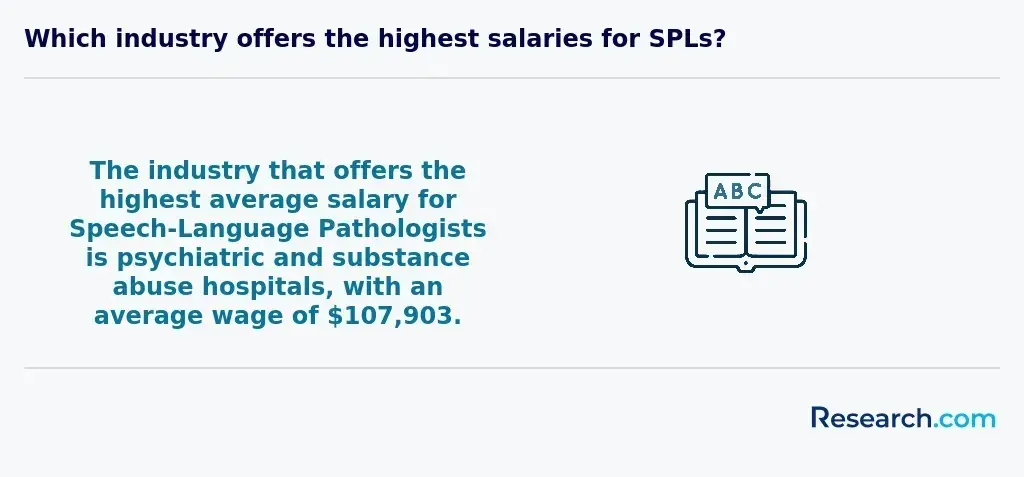
As the field of speech pathology continues to evolve, certain specialized roles offer significantly higher earning potential and leadership opportunities. Pursuing advanced certifications or niche training can position you for these coveted positions: • Clinical Director or Program Manager: Oversee therapy services in hospitals or school districts, with average salaries ranging from $90,000–$120,000. • Assistive Technology Specialist: Design and implement AAC systems for complex communication needs, earning between $75,000–$100,000. • Telepractice Coordinator: Lead remote therapy initiatives, capitalizing on the rise of virtual care to command salaries of $80,000–$110,000. • University Faculty or Research Scientist: Combine teaching and cutting-edge research at academic institutions, with compensation from $85,000–$130,000. • Private Practice Owner: Establish a personalized clinic, where entrepreneurial success can yield $100,000+ annually, depending on caseload and specialty. Emerging areas such as neurogenic communication disorders and pediatric feeding clinics are also seeing robust demand and competitive pay. For an in-depth overview of the top roles that maximize both impact and income, explore our highest-paying speech pathology jobs and careers. Continuous professional development—through certifications like BC-NCD or specialized AAC training—can further elevate your standing and salary in this dynamic profession.

What courses are typically in speech pathology degree programs in Pittsburgh?

If you're diving into a speech pathology degree in Pittsburgh, expect a mix of courses that really bring the subject to life. Graduates from places like the University of Pittsburgh often mention how courses in anatomy and physiology helped them understand the intricate workings of the vocal tract and hearing system-imagine learning exactly how your voice and hearing connect on a scientific level!

You'll also get hands-on with phonetics, where you practice listening to and transcribing all kinds of speech sounds. Many students find this super fun, almost like decoding a secret language.

Other key classes focus on communication science-covering language development and various speech or hearing disorders. This is where theory meets practice and helps you connect with real-world cases.

Specialized topics include everything from swallowing disorders to voice issues and neurological speech challenges. Clinical practicum is a big deal here too, with hospitals and clinics in Pittsburgh offering real settings to apply your skills with patients right away.

What types of specializations are available in speech pathology degree programs in Pittsburgh?

If you're looking into a speech pathology degree in Pittsburgh, you'll find plenty of specializations that really help you focus your career. Graduates from local schools like the University of Pittsburgh often mention how their programs dive into areas such as child language disorders, where you learn to support kids struggling with speech delays or articulation. Others get hands-on with adult neurogenic communication disorders, helping adults recover speech skills after a stroke or brain injury.

Many students love how Pittsburgh programs also cover voice and swallowing disorders-perfect if you're interested in treating voice issues or feeding challenges. Cognitive-communication disorders and fluency disorders like stuttering are also popular tracks. These specializations give you the tools to tackle real-world challenges in schools, hospitals, or rehab centers around the city. If you want to explore advanced speech therapy degree options Pittsburgh offers, you'll appreciate how students get solid clinical experiences paired with research opportunities, especially around bilingual or multicultural speech disorders, which are key in such a diverse region.

Plus, the city's programs connect well to the job market, and graduates often find careers tied to the highest-paying speech pathology jobs and careers locally and beyond.

How do you choose the best speech pathology degree in Pittsburgh?

Picking the best speech pathology degree in Pittsburgh means looking closely at program accreditation, since graduates from CAA-accredited schools can get certified by the American Speech-Language-Hearing Association, which everyone knows is a must for licensure. Graduates from local universities often mention how this accreditation made their job hunt easier and gave them confidence in the quality of their education.

Another thing to keep in mind is affordability. Many folks seeking affordable speech language pathology degrees Pittsburgh find tend to favor public universities, which offer lower tuition for residents. On top of that, checking out scholarships and financial aid options can really help ease the load. If you're curious about cost-effective choices, you might want to explore the Cheapest Speech Pathology Degree Programs Ranking in Iowa City, IA for comparison.

Hands-on clinical experience is where the real magic happens. Students from popular Pittsburgh colleges rave about their diverse clinical placements in hospitals and schools, saying those moments helped them feel ready to handle any challenge once they graduated. Plus, programs with faculty involved in active research bring exciting learning opportunities that really broaden your future career path.

How do you choose the best speech pathology degree in Pittsburgh?

What career paths are available for speech pathology degree students in Pittsburgh?

If you're diving into speech pathology careers in Pittsburgh, you'll find a great mix of options waiting for you. Graduates from local programs, like those at the University of Pittsburgh or Carnegie Mellon, often share how fulfilling it is to work in hospitals or schools right here in the city. Imagine helping stroke patients regain their communication skills at a place like UPMC or supporting kids with speech delays in Pittsburgh's public schools-both are real career paths ready for you.

Some grads also love how Pittsburgh's universities open doors to research and teaching, letting them explore speech science while shaping future clinicians. Others branch out into rehabilitation centers or early intervention roles, helping nursing home residents or working with families on communication technology. Lots of folks even find themselves consulting for communication device companies, which is a cool twist on traditional speech work.

If you want to keep your options flexible, check out degrees for seniors-they offer ways to study while balancing life. Pittsburgh really does offer speech pathology job opportunities that fit a wide range of passions and lifestyles.

What is the job market for speech pathology degree in Pittsburgh?

The speech pathology job outlook in Pittsburgh is pretty bright, especially if you're studying at one of the city's well-known universities or colleges. Graduates often share how exciting it is to step into a range of settings-from working in major hospitals like UPMC to supporting kids in local schools or helping patients recover at rehab centers. This mix of opportunities makes Pittsburgh unique and appealing for anyone passionate about speech therapy.

Many find the combination of Pittsburgh's growing healthcare scene and top-tier education really encouraging. Plus, tuition tends to be competitive, and some students explore options for cheap associate degrees online before diving deeper into their speech pathology studies.

Pittsburgh speech pathology career opportunities also benefit from the city's focus on healthcare innovation and strong licensing standards. This keeps the job market steady and gives graduates confidence they'll land meaningful positions where they can make a real difference in people's lives.

Frequently Asked Questions About speech pathology

How can speech pathology degree students in Pittsburgh maximize their learning experience?

Speech pathology degree students in Pittsburgh can enhance their learning by engaging actively in clinical placements offered by local hospitals and schools. These hands-on experiences are crucial for developing practical skills alongside academic knowledge. Institutions such as the University of Pittsburgh provide access to numerous community partnerships, allowing students to work with diverse populations.

Students should also take advantage of networking opportunities through Pittsburgh's professional organizations, like the Pennsylvania Speech-Language-Hearing Association. This can increase exposure to current industry trends and job prospects. Additionally, staying updated with evidence-based research through university libraries and online databases strengthens theoretical understanding.

What are the emerging niches within the speech pathology field?

The field of speech pathology is expanding with several emerging niches that present new opportunities for students in Pittsburgh. One growing area is telepractice, which has become prominent due to increased access to remote healthcare services. According to the American Speech-Language-Hearing Association (ASHA), telepractice allows clinicians to reach patients in rural or underserved areas of Pennsylvania, including parts of Pittsburgh's outskirts.

Another niche gaining traction is working with aging populations. With Pittsburgh's increasing elderly demographic, speech pathologists specializing in cognitive-communication disorders related to dementia and stroke recovery are in demand. Additionally, bilingual speech pathology, particularly focused on Spanish-English speakers in the region, is an important and growing specialization given Pittsburgh's diverse communities.

These niches reflect evolving healthcare needs and technological advances, influencing degree programs to adapt their training accordingly.

How to prepare for the job market after completing speech pathology degree in Pittsburgh?

Preparing for the job market after completing a speech pathology degree in Pittsburgh involves several key steps. First, obtaining state licensure is essential. In Pennsylvania, speech-language pathologists must be licensed by the State Board of Speech-Language Pathology. This requires completing a clinical fellowship and passing the Praxis exam, which tests knowledge and skills in the field.

Networking with local professionals and joining organizations such as the Pennsylvania Speech-Language-Hearing Association can provide valuable connections and job leads. Pittsburgh's healthcare sector, including hospitals and schools, offers diverse employment opportunities.

Internships and clinical placements during your degree help build practical experience, increasing employability. According to the Bureau of Labor Statistics, speech pathology jobs in Pennsylvania are projected to grow 13% through 2030, which suggests strong demand locally.

What are the top skills employers look for in speech pathology degree graduates in Pittsburgh?

Employers in Pittsburgh seek several key skills when hiring graduates with speech pathology degrees. Strong communication abilities are essential, as clinicians must effectively interact with patients of all ages. Critical thinking and problem-solving skills are highly valued to assess and create personalized treatment plans. Knowledge of evidence-based practices is important, supported by training accredited through the American Speech-Language-Hearing Association (ASHA).

Additionally, familiarity with local healthcare regulations and cultural competence is crucial in Pittsburgh's diverse communities. According to the Bureau of Labor Statistics, speech-language pathologists in Pennsylvania are expected to grow 11% through 2032, increasing demand for skilled professionals. Employers also prioritize internship and clinical experience gained during studies, which enhances practical readiness.

How to find internships in Pittsburgh relevant to a speech pathology degree?

Finding internships in Pittsburgh for speech pathology students involves targeting local hospitals, clinics, and schools that partner with universities offering accredited programs. The Pennsylvania Speech-Language-Hearing Association (PSHA) provides resources and listings of clinical placements in the region. Institutions like UPMC and Allegheny Health Network often host internships that give hands-on experience. Networking through university career centers and attending local professional events can also uncover opportunities. According to the Bureau of Labor Statistics, Pennsylvania expects steady growth in speech-language pathology jobs, encouraging expanded internship programs. Students should begin their search early to meet certification-related clinical hour requirements.

How does a speech pathology degree influence career mobility and advancement in Pittsburgh?

Obtaining a speech pathology degree in Pittsburgh significantly enhances career mobility and advancement opportunities in the region. Graduates with this credential are eligible to pursue state licensure, a critical step required to practice professionally in Pennsylvania. According to the U.S. Bureau of Labor Statistics, jobs for speech-language pathologists in Pittsburgh are projected to grow steadily over the next decade, reflecting increasing demand in healthcare and educational settings.

Local hospitals and school districts highly value candidates with accredited degrees and certifications, often offering higher starting salaries and leadership roles. Professional networking through Pittsburgh's clinical internships and university partnerships can further accelerate career progression.

How does studying for a speech pathology degree in Pittsburgh prepare for interdisciplinary roles?

Studying for a speech pathology degree in Pittsburgh offers strong preparation for interdisciplinary roles through a combination of coursework and clinical experiences. Programs often emphasize collaboration with related fields such as audiology, occupational therapy, and psychology. This approach reflects industry demands, where speech pathologists must work closely with diverse professionals to develop comprehensive treatment plans.

Many Pittsburgh institutions maintain partnerships with local hospitals and rehabilitation centers, enabling students to engage in real-world interdisciplinary settings. According to the Pennsylvania Department of Labor & Industry, such exposure improves employment prospects by cultivating teamwork and communication skills essential in healthcare environments.

Additionally, curricula typically include training on ethics, cultural competence, and technological tools, all vital in multidisciplinary contexts. This preparation ensures graduates can effectively contribute within integrated healthcare teams, a trend growing nationally and regionally.

How to choose between a thesis and a non-thesis speech pathology degree program in Pittsburgh?

Choosing between a thesis and a non-thesis speech pathology degree program in Pittsburgh depends largely on your career goals and interests. Thesis programs require conducting original research and writing a detailed paper, which can be beneficial if you plan to pursue a PhD or work in research and academia.

Non-thesis programs typically emphasize clinical practice and coursework, preparing students more directly for professional roles such as speech-language pathologists in healthcare or education.

In Pittsburgh, universities like the University of Pittsburgh offer both options. According to the American Speech-Language-Hearing Association (ASHA), clinical experience is crucial, regardless of track.

Consider your long-term plans when deciding which path matches your interests and time commitment.

What options do students based in Pittsburgh have for studying speech pathology abroad?

Students based in Pittsburgh who wish to study speech pathology abroad typically pursue exchange programs or partnerships offered through their home universities. While Pittsburgh itself does not have stand-alone overseas speech pathology degrees, institutions like the University of Pittsburgh provide opportunities for study abroad in countries with recognized speech-language pathology programs. These programs often include clinical placements aligned with American Speech-Language-Hearing Association (ASHA) standards.

Options are usually part of broader health sciences or communication disorders curricula and last a semester or a summer term. Students should consult their university's study abroad office for specific partners and requirements.

According to the American Speech-Language-Hearing Association, international clinical experience can enhance cultural competence, a valuable skill in Pittsburgh's diverse communities.

What part-time job opportunities in Pittsburgh can complement speech pathology degree education?

Students pursuing speech pathology degrees in Pittsburgh can benefit from part-time roles that provide practical experience. Working as a speech therapy aide or assistant in local clinics and schools is common, offering exposure to therapy techniques under supervision. Pittsburgh's healthcare sector, including facilities like UPMC, frequently hires support staff, supporting skill development in clinical settings.

Part-time opportunities in special education settings also complement speech pathology studies, where students assist teachers in communication strategies for children with speech or language disorders. According to the U.S. Bureau of Labor Statistics, such roles improve employability by enhancing hands-on experience.

Volunteering with organizations focused on speech and hearing, such as the Pittsburgh Speech & Hearing Center, can also expand practical knowledge.

What are the networking opportunities for speech pathology students in Pittsburgh?

Speech pathology students in Pittsburgh benefit from a variety of networking opportunities that help connect them with professionals and peers in the field. Local universities such as the University of Pittsburgh and Duquesne University host regular events through their speech-language pathology departments where students can meet faculty, alumni, and clinical supervisors.

Additionally, Pittsburgh's active chapter of the American Speech-Language-Hearing Association (ASHA) provides students with chances to attend workshops, seminars, and conferences. These events foster professional growth and access to job openings.

Pittsburgh's hospitals and clinics also offer internships and clinical placements, creating valuable contacts in healthcare settings. According to a 2023 report by the Pennsylvania Speech-Language-Hearing Association, over 60% of speech pathology graduates in the region found employment through networking during their studies.

How do alumni networks benefit speech pathology degree students in Pittsburgh?

Alumni networks play a crucial role for students pursuing speech pathology degrees in Pittsburgh. These networks provide valuable connections to experienced professionals working in local clinics, schools, and hospitals. According to the American Speech-Language-Hearing Association (ASHA), graduates with strong alumni ties tend to have higher employment rates within six months after graduation.

Students gain access to mentorship, internship opportunities, and job referrals through alumni groups. In Pittsburgh, where healthcare and education sectors are well established, these relationships can lead to competitive clinical placements and employment.

Moreover, alumni events and online platforms facilitate ongoing professional development and collaboration among speech pathology practitioners in the region.

How can I customize my speech pathology degree program in Pittsburgh to fit my career goals?

Students pursuing a speech pathology degree in Pittsburgh can tailor their programs by selecting electives and clinical experiences aligned with their career goals. Many universities offer specialization options such as pediatric speech disorders, neurogenic communication disorders, and augmentative communication. These tracks help focus learning and build relevant skills.

Additionally, Pittsburgh's strong network of healthcare facilities and schools allows students to customize clinical practica in varied settings, from hospitals to educational institutions. Pursuing research opportunities or internships with local experts can also enhance career readiness.

Accredited programs by the American Speech-Language-Hearing Association (ASHA) ensure graduates meet certification standards, supporting diverse professional paths.

What are the typical challenges that speech pathology students in Pittsburgh are facing?

Speech pathology students in Pittsburgh face a range of challenges during their studies. A common difficulty is balancing rigorous coursework with required clinical practicum hours, often totaling over 400 hours as mandated by the American Speech-Language-Hearing Association (ASHA). Many local programs require students to secure diverse clinical sites across the city, which can strain time and transportation resources.

Financial constraints also pose challenges. According to the Bureau of Labor Statistics, Pittsburgh's cost of living influences tuition and living expenses that students must manage alongside unpaid clinical work.

Additionally, students often report high academic pressure related to mastering both theoretical knowledge and practical skills, essential for certification exams. Limited local internship availability further intensifies competition among students.

What professional certifications can I pursue with a speech pathology degree?

With a speech pathology degree, graduates in Pittsburgh can pursue several key professional certifications to advance their careers. The most recognized credential is the Certificate of Clinical Competence in Speech-Language Pathology (CCC-SLP) awarded by the American Speech-Language-Hearing Association (ASHA). This certification is essential for many clinical and educational positions nationwide.

In Pennsylvania, speech pathologists must also obtain state licensure from the Pennsylvania State Board of Speech-Language and Hearing. Licensure requirements often include holding the CCC-SLP and completing a supervised clinical fellowship.

Additional certifications, such as Assistive Technology Professional (ATP) or fluency specialist credentials, can further enhance professional opportunities in Pittsburgh's healthcare and school systems.

How to write a winning application for a speech pathology program in Pittsburgh?

To write a winning application for a speech pathology program in Pittsburgh, start by focusing on your academic achievements, especially in communication sciences and related fields. Many universities in Pittsburgh, such as the University of Pittsburgh, require a strong GPA and relevant coursework. Including clinical experience or volunteer work related to speech-language pathology will strengthen your application. Programs often look for candidates who demonstrate clear motivation and understanding of the profession.

Additionally, a well-crafted personal statement explaining your interest in speech pathology and career goals is crucial. Letters of recommendation from professors or supervisors familiar with your skills can enhance your profile. Familiarize yourself with each program's specific prerequisites and deadlines, as these vary across institutions.

What are the global perspectives on a speech pathology career?

Speech pathology is recognized globally as a vital healthcare profession focused on communication and swallowing disorders. In the United States, including Pittsburgh, speech pathologists require a master's degree and certification from the American Speech-Language-Hearing Association (ASHA). Globally, credentialing standards vary, but the U.S. model often serves as a benchmark for rigorous training. According to ASHA, over 223,000 certified clinicians practice in the U.S., with a growing demand driven by an aging population and increased awareness of speech disorders.

In Pittsburgh, universities offering speech pathology degrees align with these national standards, ensuring graduates can compete internationally. The profession's global reach is supported by increasing research collaborations and telepractice, expanding career opportunities beyond local healthcare settings.

How can I gain practical experience while studying for a speech pathology degree in Pittsburgh?

Gaining practical experience while studying for a speech pathology degree in Pittsburgh is essential for career readiness. Many universities in the region incorporate clinical practicum components within their programs, allowing students to work under licensed speech-language pathologists. These placements often occur in healthcare facilities, schools, and community centers throughout the city.

Students can also seek internships or volunteer opportunities at local hospitals such as UPMC or Allegheny Health Network, which frequently collaborate with educational institutions. According to the American Speech-Language-Hearing Association (ASHA), supervised clinical hours are required to meet certification standards, making these experiences vital.

Additionally, Pittsburgh boasts a range of professional workshops and seminars that provide hands-on learning opportunities. Engaging with local speech pathology organizations helps build networks and further practical skills during academic study.

How do I choose the right concentration within a speech pathology degree program in Pittsburgh?

Choosing the right concentration within a speech pathology degree program in Pittsburgh involves carefully considering your career goals and interests. Many programs offer specializations such as pediatric, medical, or educational speech pathology. Research suggests that pediatric speech pathology remains in high demand locally due to Pittsburgh's numerous schools and children's hospitals, including UPMC Children's Hospital.

It's important to review program curricula and faculty expertise at Pittsburgh universities, as these influence training quality. Additionally, checking local job market trends via the Pennsylvania Department of Labor helps identify growing fields. Accredited programs approved by the American Speech-Language-Hearing Association (ASHA) ensure necessary professional standards and certification eligibility.

See What Experts Have To Say About Studying Speech Pathology

Read our interview with Speech Pathology experts

Rhea Paul

Rhea Paul

Speech Pathology Expert

Professor, Communication Disorders

Sacred Heart University

Do you have any feedback for this article?

Related Articles
2026 How to Get Into SLP Grad School: Requirements & Acceptance Rate thumbnail
Universities & Colleges AUG 3, 2026

2026 How to Get Into SLP Grad School: Requirements & Acceptance Rate

by Imed Bouchrika, PhD
2026 Best Accelerated Online Speech Pathology Degree Programs thumbnail
Degrees AUG 3, 2026

2026 Best Accelerated Online Speech Pathology Degree Programs

by Imed Bouchrika, PhD
2026 Most Affordable Online Masters in Speech Pathology thumbnail
Degrees AUG 3, 2026

2026 Most Affordable Online Masters in Speech Pathology

by Imed Bouchrika, PhD
2026 Best Online Teacher Certification Programs thumbnail
Degrees AUG 3, 2026

2026 Best Online Teacher Certification Programs

by Imed Bouchrika, PhD
2026 Easiest SLP Programs to Get Into thumbnail
Degrees AUG 3, 2026

2026 Easiest SLP Programs to Get Into

by Imed Bouchrika, PhD
2026 How to Make a Career Change from Teacher to SLP Speech Pathologist thumbnail