2027 Most Valuable Speech Pathology Degree Programs Ranking in South Carolina

Co-Founder and Chief Data Scientist

Reviewed by Rhea Paul, PhD
SLP Education & Research Expert
Choosing the right speech pathology degree program can be a life-changing step for students in South Carolina. This article introduces the 2027 Most Valuable Speech Pathology Degree Programs Ranking in South Carolina, thoughtfully created by the Research.com team of data scientists.
It aims to guide you in making a smart, informed decision about which programs offer real value and opportunity. Exploring these options can open doors to a rewarding career helping others communicate and connect more confidently in their lives.
Read on to discover programs that stand out and feel confident in your path forward.
Key benefits of getting speech pathology degree in South Carolina
- Salary benefits: Speech pathology degree graduates in South Carolina can earn competitive salaries, such as Speech Therapists making a mean annual wage of $96,790 or Speech-Language Pathology Assistants earning about $47,010 annually.
- Career paths: Graduates have diverse options, working as Speech Therapists, Clinical Research Coordinators, or Community Outreach Coordinators, allowing flexibility and growth in healthcare and research settings.
- Online degree advantages: Earning a speech pathology degree online in South Carolina offers convenience and flexibility, enabling students to balance work and study while gaining the same valuable skills as traditional programs.
- 2027 Most Valuable Speech Pathology Degree Programs Ranking in South Carolina
- What can I expect from speech pathology degree in South Carolina?
- Where can I work with speech pathology degree in South Carolina?
What can I expect from speech pathology degree in South Carolina?
The average cost of a speech pathology master's degree in South Carolina varies but typically ranges from $20,000 to $40,000 per year, depending on whether the student attends a public or private institution. Graduates from the University of South Carolina have shared that while tuition prices can feel steep, the investment is balanced by the quality of accredited programs and the strong clinical practicum opportunities available within the state. Such hands-on experiences with diverse clients in hospitals and schools reinforce their confidence and readiness for the Praxis exam and Clinical Fellowship Year requirements.
Students often highlight the value of being trained in programs recognized by the Council on Academic Accreditation, as it ensures alignment with national standards essential for certification. Though costs can present challenges, many find that the relatively lower tuition compared to other states and access to financial aid make the path manageable. Clinically focused training partnered with real-world placements at institutions like the Medical University of South Carolina enhances both learning outcomes and professional networks.
Choosing to study locally allows students to build connections within South Carolina's healthcare environment, positioning them well for employment in a growing job market despite variations in program pricing.
Where can I work with speech pathology degree in South Carolina?
Graduates with a speech pathology degree in South Carolina often find themselves employed in diverse settings, reflecting the state's commitment to comprehensive support for communication disorders. Many begin their careers in public schools, such as those in Richland or Charleston counties, where they help children overcome speech challenges that impact learning and social interaction. These roles require state certification, which graduates from programs at institutions like the University of South Carolina or the College of Charleston prepare for through rigorous academic and clinical training.
Healthcare settings are another major avenue. Speech pathologists employed at South Carolina's regional hospitals assist patients recovering from strokes or brain injuries, developing personalized therapy plans. This hands-on work can be deeply rewarding, as graduates describe feeling a strong sense of purpose when witnessing patients' progress.
Rehabilitation centers and private practices also provide meaningful career paths. Graduates often mention the autonomy in private clinics or multi-specialty groups, where they tailor therapies for individuals with neurological or developmental conditions. Academic roles at universities offer a chance to influence future practitioners and contribute to research, adding to the profession's dynamic landscape within South Carolina's educational system.
Graduates with a speech pathology degree in South Carolina can generally expect to earn competitive salaries that reflect their advanced skills. For instance, those working as speech therapists report a mean annual wage of about $96,790 nationally, which aligns well with South Carolina's average figures near $75,000. Entry-level professionals often start around $55,000 to $60,000, gradually progressing to higher salaries with experience, especially if they meet state licensure requirements and clinical certifications.
Graduates from well-known South Carolina programs, such as Clemson University or the University of South Carolina, often share that securing public school or hospital roles provides both financial stability and meaningful career growth. Meanwhile, careers as Speech-Language Pathology Assistants generally offer lower wages around $47,010 annually but can serve as valuable stepping stones.
It's important to note that private practices or specialized niches may offer variable incomes. Nevertheless, many find intrinsic satisfaction and steady demand, factors that reinforce positive career outlooks in the Palmetto State's healthcare and education sectors.
- A master's degree is required to become a licensed speech-language pathologist in South Carolina.
- In-state graduate tuition at public universities ranges from $15,000 to $25,000 per year, while private institutions charge between $30,000 and $50,000 annually.
- Entry-level salaries for speech pathologists average about $58,000 per year, rising to a median of approximately $75,000 with experience.
- Job growth in speech pathology in South Carolina is projected at around 20% over the next decade, faster than the average for all occupations.
- Graduates can work in schools, hospitals, rehabilitation centers, or private practice, with licensure requiring a master's degree, supervised clinical fellowship, and passing a national exam.
Completing a speech pathology degree in South Carolina typically requires about six years of higher education. Most students begin by earning a bachelor's degree in communication sciences and disorders or a related field, which usually takes four years. For example, graduates from the University of South Carolina often describe their undergraduate studies as a crucial foundation for understanding language development and disorders.
Following this, pursuing a master's degree accredited by the Council on Academic Accreditation (CAA) is essential, adding roughly two more years. Clemson University alumni frequently highlight the balance of rigorous coursework and hands-on clinical practicum-often exceeding 400 supervised hours-as a rewarding, albeit demanding, part of their education.
Some students find accelerated programs appealing to shorten the timeline, though these are less common and may not fit everyone's learning style or personal commitments. Considering the commitment, many graduates express satisfaction that the investment in time leads to strong job prospects and fulfilling work helping clients improve communication skills.
To practice as a speech-language pathologist in South Carolina, you must navigate both national and state requirements:
- Graduate from a master’s program accredited by the Council on Academic Accreditation (CAA) at ASHA.
- Complete at least 400 supervised clinical practicum hours during your graduate studies.
- Pass the Praxis® Examination in Speech-Language Pathology with scores meeting ASHA standards.
- Fulfill a nine-month Clinical Fellowship Year (CFY) under the mentorship of a licensed SLP.
- Apply for licensure through the South Carolina Board of Examiners for Speech-Language Pathology and Audiology, submitting proof of education, exam results, and CFY completion.
- Obtain the ASHA Certificate of Clinical Competence (CCC-SLP) to signal national recognition and qualify for many school and healthcare positions.
Maintaining your license requires ongoing continuing education units (CEUs) as outlined by the South Carolina board-plan ahead and budget accordingly, and compare costs with programs like affordable slp programs in arizona to optimize your investment.
Choosing between online and on-campus speech pathology degrees in South Carolina often depends on individual circumstances and learning preferences. Graduates from the University of South Carolina's on-campus program frequently mention the value of immediate access to speech labs and face-to-face mentorship, which enhances hands-on learning and networking opportunities. These students appreciate the lively campus environment, helping them stay engaged and motivated.
Conversely, alumni of College of Charleston's online speech pathology track highlight flexibility as a major benefit. Balancing work, family, and studies, they find recorded lectures and virtual clinical simulations convenient, though they emphasize the necessity of completing local clinical practicum hours to meet ASHA requirements. This local placement can sometimes be challenging to arrange but offers practical experience within one's community.
Both formats in South Carolina share the same curriculum and accreditation standards, yet differ in delivery and daily experience. Online learners must be self-disciplined and tech-equipped, while on-campus students often thrive on immediate interaction and structured schedules. Cost and location also influence decisions-public in-state tuition can make on-campus study more affordable, though online programs add travel savings.
Beyond choosing the right program, students can boost their academic journey by actively engaging in campus resources, professional development, and experiential learning opportunities. Many programs offer robust student support services-including academic advising, mentorship programs, and career counseling-that are essential for navigating clinical placements and licensing exams successfully. Participation in workshops, seminars, and networking events allows students to develop soft skills and connect with industry professionals, which can prove invaluable when transitioning into the workforce. Additionally, many institutions now provide flexible academic offerings. For instance, online speech pathology graduate programs are designed to cater to students who need to balance studies with work or family commitments, ensuring they gain practical experience without compromising on academic rigor. Embracing these resources not only enhances learning but also builds a strong foundation for a thriving career in speech pathology.
The average cost of a speech pathology degree in South Carolina can vary significantly based on whether you attend a public or private institution and your residency status. For in-state students at public universities, the median total cost sits around $11,924, which is considerably more affordable compared to most private universities, where tuition can approach $30,000 to $40,000 annually. Graduates from schools like the University of South Carolina often recall managing expenses well due to these comparatively lower tuition rates combined with access to financial aid and scholarships.
Out-of-state students face substantially higher costs, generally around $33,750 total, reflecting the higher tuition rates charged to non-residents. This discrepancy can make a speech pathology degree less accessible for those not qualifying for in-state tuition but choosing to study locally. Students often share how budgeting carefully for additional expenses-such as textbooks, clinical practicum fees, and living costs, which can add $5,000 to $7,000 annually-is essential for a smooth academic journey.
Many aspiring speech pathologists in South Carolina find that public universities provide more value, especially when combined with state-specific scholarships or grants. Exploring options like online speech pathology graduate programs can also help balance cost with flexibility. For those comparing expenses, understanding these nuances around the average cost of speech pathology degree South Carolina offerings is key to making informed, hopeful decisions about education investment.

To practice as a speech-language pathologist in South Carolina, you need both state licensure and the ASHA Certificate of Clinical Competence (CCC-SLP).
Key steps include:
- Graduating from an ASHA CAA-accredited master’s program with required clinical practicum hours
- Passing the Praxis Speech-Language Pathology exam
- Completing a 9-month Clinical Fellowship Year under a licensed SLP
- Applying to the South Carolina Department of Labor, Licensing & Regulation and paying applicable fees
- Renewing credentials every three years with at least 30 approved continuing education hours
Explore accredited online slp programs to streamline your journey toward licensure and certification.
Students pursuing speech pathology degrees in South Carolina often rely on a mix of federal, state, and institutional aid to manage costs. While Pell Grants are typically unavailable for graduate programs, federal student loans with favorable terms remain accessible, offering a lifeline for many. For instance, graduate students at the University of South Carolina have found federal Work-Study roles valuable, gaining both income and hands-on experience in healthcare settings.
State programs like the South Carolina Need-Based Grant play a crucial role for those demonstrating financial need, especially at institutions such as Clemson University. Some graduates recall how the LIFE Scholarship helped reduce their undergraduate debts before moving into graduate studies, indirectly easing their financial burden in speech pathology programs.
More targeted assistance comes through university-specific scholarships and assistantships, where commitments to clinical work can result in tuition remission plus stipends. Graduates from Francis Marion University have highlighted these assistantships as essential for balancing study and living expenses.
Professional organizations also contribute scholarships focused on serving underserved communities, making funding accessible for socially motivated students. Early FAFSA filing remains essential, as many of these opportunities hinge on timely applications, emphasizing the need for proactive financial planning.
Choosing a program accredited by the Council on Academic Accreditation in Audiology and Speech-Language Pathology (CAA) is essential for licensure and ensuring your degree is recognized by employers and certification bodies. In South Carolina, all reputable master’s programs in speech pathology must hold CAA accreditation to prepare graduates for the Certificate of Clinical Competence in Speech-Language Pathology (CCC-SLP) offered by the American Speech-Language-Hearing Association (ASHA). To become licensed, candidates must: 1. Complete a CAA-accredited master’s degree with at least 400 supervised clinical practicum hours. 2. Pass the Praxis® Examination in Speech-Language Pathology. 3. Fulfill the state’s clinical fellowship requirement (typically 36 weeks of full-time mentored practice). 4. Apply for licensure through the South Carolina Board of Examiners in Speech-Language Pathology and Audiology. After initial certification, SLPs must complete 30 continuing education units (CEUs) every three years to maintain ASHA CCC-SLP status and comply with state renewal requirements. CEUs can be earned through professional conferences, accredited online courses, and university-sponsored workshops. Prospective students should also consider tuition variations when comparing programs: while most South Carolina institutions offer competitive rates, those seeking the lowest out-of-state options may explore our Cheapest Speech Pathology Degree Programs Ranking in District of Columbia for a cost-effective alternative without sacrificing accreditation quality.
Enrolling in a speech pathology degree program in South Carolina typically demands a solid foundation in sciences and communication, as emphasized by many graduates from institutions like the University of South Carolina and Coastal Carolina University. These students commonly recall beginning their journeys with coursework in biology, anatomy, psychology, and English-subjects essential for grasping the complexities of human speech and language disorders.
For undergraduates, admission usually hinges on having a high school diploma coupled with reasonable SAT or ACT scores, requirements that reflect the standards at public universities statewide. Those who advance to graduate programs face more rigorous expectations: a bachelor's degree-often in communication sciences or a related field-is crucial, though some students with different backgrounds have successfully bridged gaps by taking prerequisite courses such as phonetics and statistics.
- Prerequisite courses also include anatomy and physiology of the speech and hearing mechanism, critical to understanding clinical practice.
- A GPA of 3.0 or higher is commonly required, underscoring academic consistency over time.
- While GRE scores were once a standard, recent trends in South Carolina suggest some programs are waiving this, reflecting evolving admissions policies.
- Letters of recommendation and hands-on experiences through volunteering or internships enhance applications by demonstrating commitment and practical insight.
Graduates often express that meeting these prerequisites felt challenging but rewarding, providing a clear framework that prepared them mentally and academically for the demands of their programs. This structure, paired with strong support from faculty at South Carolina universities, helps students navigate the transition into specialized speech pathology studies with confidence and enthusiasm.
To ensure your degree leads to licensure and professional recognition in South Carolina, verify program accreditation and certification pathways:
- Council on Academic Accreditation (CAA) in Audiology and Speech-Language Pathology approval guarantees eligibility for ASHA’s Certificate of Clinical Competence (CCC-SLP).
- ASHA’s CCC-SLP requires completion of a CAA-accredited master’s program, a supervised Clinical Fellowship (CF), and passing the Praxis in Speech-Language Pathology.
- South Carolina licensure mandates:
- Master’s degree from a regionally accredited institution
- 36 hours of graduate coursework meeting ASHA standards
- Nine-month CF under an ASHA-certified supervisor
- Passing score on the Praxis exam
- Ongoing compliance includes earning required CEUs every three years to renew both ASHA certification and state licensure.
Consider flexible, accredited pathways through our online slp programs to meet both ASHA and South Carolina state standards.
Students pursuing speech pathology degrees in South Carolina, such as those at the University of South Carolina, commonly take courses emphasizing human anatomy and physiology focused on speech and hearing. Graduates often recall how understanding the neurological basis of communication helped them connect textbook knowledge to the brain functions observed during clinical placements. These foundational courses prepare students to evaluate and treat communication disorders effectively.
Phonetics and linguistics classes typically deepen students' insight into speech sounds and language development. For example, some graduates describe the rewarding challenge of analyzing both typical and atypical communication patterns across ages, from toddlers to older adults, which was highlighted in their coursework at Coastal Carolina University.
Diagnostic assessment and treatment methodology courses are also central. Students learn to apply standardized tools and tailor interventions, often gaining confidence through supervised clinical practicums within South Carolina's healthcare or educational settings. This hands-on experience bridges theory with real-world practice, a key motivator reported by many completing the program.
Additional subjects like audiology basics, swallowing disorders, and ethics round out the curriculum, ensuring graduates from South Carolina institutions are well-prepared for licensure and certification pursuits.
Specializations in speech pathology degrees in South Carolina reflect a commitment to diverse clinical and research needs. Graduates from institutions such as the University of South Carolina and Clemson often emphasize pediatric speech-language pathology, focusing on helping children with developmental speech issues in local schools and clinics. This is a common path since many students find fulfillment in early intervention efforts, which are vital in shaping communication skills during childhood.
Another specialization frequently highlighted by South Carolina speech therapy degree options is adult neurogenic speech pathology. Graduates describe working with stroke survivors or individuals with Parkinson's disease, which resonates deeply given the state's aging population. This hands-on experience is both challenging and rewarding, revealing the layered complexities of neurological conditions affecting speech.
Some programs also support training in voice and swallowing disorders or augmentative and alternative communication (AAC), preparing students to collaborate with medical professionals to enhance patient care. Those pursuing specialized training often turn to clinical practicums aligned with ASHA standards. For those seeking affordable study options, exploring rankings such as the Cheapest Speech Pathology Degree Programs Ranking in District of Columbia while comparing South Carolina programs can be helpful.
Choosing the best speech pathology degree in South Carolina means looking beyond cost to factors like program reputation and clinical training quality. Graduates from the University of South Carolina often highlight the value of varied clinical practicum experiences offered through hospital and school partnerships, which boost confidence and readiness for professional work. Meanwhile, students from the Medical University of South Carolina appreciate its rigorous curriculum combined with access to urban healthcare facilities, helping them build strong networks. Exploring affordable speech pathology degrees SC is important, but tuition differences must be weighed against graduation outcomes and job placement rates within the state.
Program flexibility also matters; some working professionals find part-time or accelerated tracks vital for balancing education and life commitments. For others, proximity to cities like Charleston or Columbia enhances internship options and exposure to diverse patient populations. It can help to research what current students say about their experiences so you get a realistic picture. If you're curious about broader options, you might explore what is the easiest online degree to get to see if alternative paths fit your goals better.

Graduates pursuing speech pathology career opportunities in South Carolina find a range of settings where their skills are valued. Many find rewarding roles in public schools across the state, helping children overcome speech and language challenges essential for academic success. Universities like the University of South Carolina provide graduates with practical experience in such educational environments, often leading to a strong sense of fulfillment. Additionally, healthcare facilities-hospitals, rehabilitation centers, and nursing homes-offer another prominent path where speech pathologists support patients recovering from strokes or brain injuries, making a tangible difference in individual lives.
Jobs for speech pathology graduates in South Carolina also extend to private clinics and early intervention programs for young children, reflecting the field's breadth. Telepractice positions have grown rapidly post-pandemic, providing flexible options though some graduates note challenges in building rapport remotely. Meanwhile, university research and teaching roles attract those interested in advancing the field academically. Students from local colleges often express enthusiasm about these diverse pathways, appreciating the balance of specialized knowledge and hands-on work. For those weighing educational investment, exploring good majors in college that pay well can offer additional guidance.
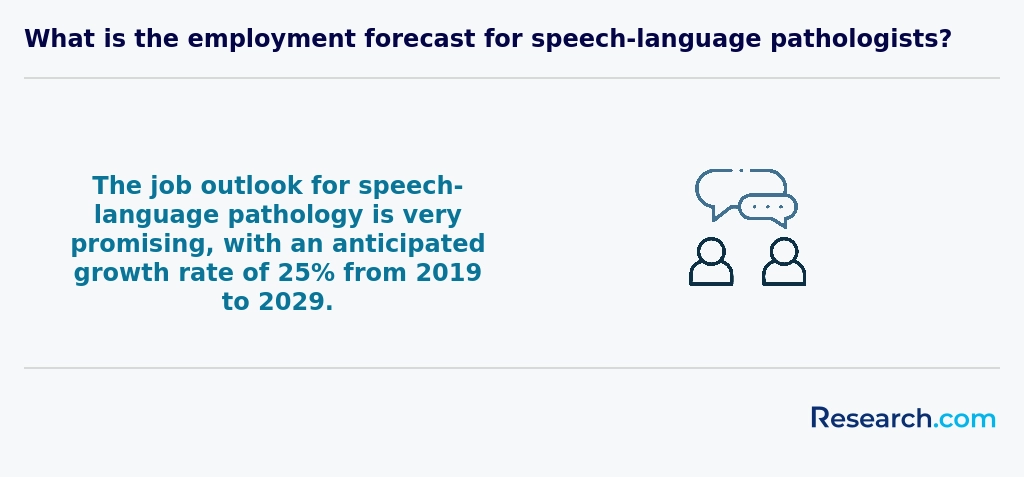
The speech pathology job outlook in South Carolina remains positive, with projected growth of around 14% from 2022 to 2032. Graduates from well-regarded programs at universities like the University of South Carolina and Clemson University often find fulfilling roles in public schools, hospitals, and private clinics, reflecting the diverse employment opportunities SC offers. Many graduates appreciate the balance between a competitive salary-averaging around $70,000 annually-and a relatively low cost of living, which helps offset the slightly lower wages compared to national figures.
Speech pathologist employment opportunities SC benefit from demographic trends, especially an aging population and increased recognition of speech disorders in children. Licensure and the Certificate of Clinical Competence (CCC) are essential steps to secure meaningful employment, and students report that hands-on clinical experiences during their graduate studies prepare them well for these requirements. For those exploring different study options, there is comprehensive information on the top colleges online that can provide flexibility without compromising quality.
2027 Most Valuable Speech Pathology Degree Programs Ranking in South Carolina
Investing in your education is a significant decision that can shape your future, and the Research.com team understands the importance of making informed choices. To assist prospective students in South Carolina, we have meticulously crafted the "2027 Most Valuable Speech Pathology Degree Programs Ranking in South Carolina." Our commitment to quality, credibility, and accuracy is reflected in the extensive research and analysis conducted to compile this ranking.
We utilized the following reputable data sources to ensure a comprehensive evaluation of speech pathology programs:
By exploring this ranking, readers will gain valuable insights into the best speech pathology degree programs available in South Carolina, helping them make informed decisions about their educational paths. For more details on our methodology, please visit our Research.com methodology page.


# 3 position
Medical University of South Carolina
Master of Science in Speech-Language Pathology


Frequently Asked Questions About speech pathology
Speech pathology degree students in South Carolina can maximize their learning experience by actively engaging in both academic and clinical opportunities. Enrolling in accredited programs recognized by the Council on Academic Accreditation in Audiology and Speech-Language Pathology (CAA) ensures high educational standards. South Carolina universities often provide access to clinical practicum sites where students can work directly with diverse populations, strengthening real-world skills.
Participation in professional organizations, such as the South Carolina Speech-Language-Hearing Association (SCSHA), offers networking and continuing education resources. Students should also seek internships and volunteer positions in local clinics or schools to deepen practical understanding. According to the South Carolina Department of Labor, the demand for speech pathologists is growing, emphasizing the importance of hands-on experience for future employment.
Emerging niches in the speech pathology field reflect growing healthcare and educational needs in South Carolina and beyond. One expanding area is telepractice, where speech-language pathologists provide therapy remotely, a trend accelerated by the COVID-19 pandemic. This approach improves access for rural South Carolina residents, where healthcare shortages persist.
Another developing niche involves working with aging populations. As South Carolina's senior population grows, there's increasing demand for specialists addressing speech and swallowing disorders related to conditions like stroke or dementia. According to the U.S. Bureau of Labor Statistics, employment in this category is expected to rise significantly through 2030.
Additionally, bilingual speech pathology services are becoming important in South Carolina due to diverse communities requiring culturally sensitive care. Professionals trained in multilingual assessment and therapy are highly sought after. These niches offer promising career paths for new graduates in the state's evolving healthcare landscape.
After completing a speech pathology degree in South Carolina, preparation for the job market involves several key steps. Graduates must obtain the Certificate of Clinical Competence in Speech-Language Pathology (CCC-SLP) from the American Speech-Language-Hearing Association (ASHA), which is essential for most professional roles. South Carolina requires licensure through the Speech-Language Pathology Licensure Board, so applying for state licensure early is advised. Clinical experience gained during graduate programs significantly improves job prospects-South Carolina employers value hands-on internships in diverse settings such as schools and hospitals.
Networking with local professionals and joining state chapters of national associations can open doors to employment opportunities. The U.S. Bureau of Labor Statistics notes that speech-language pathologists in South Carolina earn a median annual wage around $78,000 (2023), reflecting a strong regional demand. Keeping updated with continuing education is also important for maintaining licensure and staying competitive.
Employers in South Carolina value speech pathology graduates who demonstrate strong communication and interpersonal skills. These abilities are crucial for working effectively with diverse patient populations, including children, adults, and seniors with speech and language disorders.
Technical knowledge of evidence-based therapeutic techniques is also essential. According to the South Carolina Department of Labor, graduates familiar with augmentative and alternative communication (AAC) devices and standardized assessment tools are more competitive in the job market.
Furthermore, critical thinking and problem-solving skills enable clinicians to create personalized treatment plans. South Carolina healthcare employers often emphasize cultural competence, as around 28% of the state's population speaks a language other than English at home, increasing the need for adaptive therapy approaches.
Finding internships in South Carolina for speech pathology students involves leveraging university partnerships and professional networks. Many accredited programs in the state collaborate with local schools, hospitals, and clinics where students complete required clinical hours. The South Carolina Speech-Language-Hearing Association (SCSHA) provides resources and listings of organizations offering internships tailored to speech pathology students.
Students should also explore opportunities through the American Speech-Language-Hearing Association's (ASHA) online clinical fellowship and internship listings, filtering for South Carolina locations. Universities like the University of South Carolina and Clemson University often have dedicated career centers advising students about placement.
Early application and maintaining good academic standing improve the chances of securing strong, relevant internships within the state.
A speech pathology degree significantly enhances career mobility and advancement for professionals in South Carolina. Earning a master's or higher in speech-language pathology is typically required for licensure and certification, both essential for practice within the state. According to the U.S. Bureau of Labor Statistics, South Carolina expects a 10% growth in speech-language pathologist jobs between 2021 and 2031, reflecting increasing demand in schools, healthcare, and rehabilitation centers.
Higher educational qualifications may open opportunities for specialized roles, supervisory positions, and salary increases. Graduates who obtain state licensure and national certification often find greater job stability and eligibility for diverse settings.
Studying for a speech pathology degree in South Carolina equips students with essential skills for interdisciplinary collaboration. Programs emphasize teamwork with professionals in education, healthcare, and psychology to address complex communication disorders.
South Carolina universities align their curricula with the American Speech-Language-Hearing Association (ASHA) standards, ensuring graduates are prepared to work alongside audiologists, teachers, and medical staff. Clinical practicum experiences often place students in diverse settings such as hospitals and schools, fostering real-world collaboration.
According to the South Carolina Department of Labor, demand for speech-language pathologists is growing by 19% through 2030, highlighting the importance of versatile roles in multidisciplinary teams. This preparation helps graduates adapt and thrive in various professional environments.
When choosing between a thesis and a non-thesis speech pathology degree program in South Carolina, students should consider their career goals and interests. Thesis programs typically involve conducting original research and writing a detailed paper, which can be beneficial for those planning to pursue doctoral studies or research roles. Non-thesis programs focus more on coursework and practical experience, appealing to students aiming for clinical practice or certification.
South Carolina's speech pathology programs follow accreditation standards from the Council on Academic Accreditation (CAA), ensuring both options meet professional requirements.
According to the American Speech-Language-Hearing Association, clinical experience hours remain a requirement regardless of program type, so students gain hands-on training either way.
Students in South Carolina interested in studying speech pathology abroad have several pathways through U.S. universities offering exchange programs or partnerships with foreign institutions. While South Carolina itself does not host many programs solely focused on international speech pathology degrees, universities like the University of South Carolina and Clemson provide opportunities to study overseas in countries with established speech-language pathology education systems, such as the UK or Australia.
These programs usually require students to complete core coursework in South Carolina before participating in a semester or year abroad. Credits earned often count toward U.S. degree requirements, ensuring eligibility for certification exams.
The American Speech-Language-Hearing Association (ASHA) requires degrees accredited by the Council on Academic Accreditation (CAA), and students should verify that their overseas study aligns with these standards to maintain eligibility for professional licensure in South Carolina.
Students pursuing speech pathology degrees in South Carolina can benefit from several part-time job opportunities that enhance their academic knowledge and practical skills. Working as a speech therapy aide or assistant in schools and rehabilitation centers allows students to observe licensed speech-language pathologists while supporting therapy sessions.
Additionally, positions in childcare centers or after-school programs provide experience in language development and communication strategies with children. Healthcare settings, such as hospitals or nursing homes, sometimes offer internships or part-time roles related to speech and hearing services.
According to the South Carolina Department of Employment and Workforce, healthcare support jobs are projected to grow 14% through 2030, indicating increasing opportunities for students. These roles can reinforce classroom learning and build professional networks essential for future certification.
Speech pathology students in South Carolina have multiple networking opportunities through university programs and statewide professional organizations. Many universities offering speech pathology degrees host events that connect students with local clinics and hospitals for practical experience. According to the South Carolina Speech-Language-Hearing Association (SCSHA), students can attend conferences and workshops to meet licensed professionals and potential employers.
Internships and clinical placements also provide vital connections in both urban and rural areas. Additionally, students benefit from statewide job fairs and online forums supported by educational institutions and SCSHA, which reported a membership growth of 15% in recent years, reflecting a more active professional community.
Alumni networks play a crucial role for speech pathology degree students in South Carolina by offering valuable professional connections. Many programs in the state encourage graduates to stay involved, providing mentorship opportunities that help current students navigate clinical placements and licensure requirements.
These networks often share job openings and internships specific to South Carolina's healthcare and educational sectors, where demand for speech pathologists is expected to grow by 19% through 2030 according to the U.S. Bureau of Labor Statistics. Access to experienced alumni can also enhance students' understanding of real-world challenges in schools and medical settings.
Furthermore, alumni events and online groups facilitate ongoing learning and collaboration, strengthening career advancement chances within the state's close-knit professional community.
In South Carolina, customizing a speech pathology degree program involves selecting electives and clinical experiences that align with your career goals. Many universities offer options to focus on pediatric, geriatric, or neurological speech disorders, allowing students to tailor their education. Accredited programs must meet the American Speech-Language-Hearing Association (ASHA) standards, but you can enhance your training through internships and research projects relevant to your interests.
Public institutions like the University of South Carolina provide opportunities to specialize through practicum placements in diverse healthcare or school settings. According to the Bureau of Labor Statistics, employment for speech-language pathologists in South Carolina is growing by 19%, highlighting the value of targeted clinical skills. Consulting academic advisors early helps you plan coursework that supports specific licensure and certification requirements in the state.
Speech pathology students in South Carolina commonly face several challenges during their degree programs. One key difficulty is securing sufficient clinical practicum placements, as the state has limited locations available for hands-on training compared to larger states. This can delay students' progress and affect skill development.
The rigorous coursework, including mastering anatomy, linguistics, and therapy techniques, requires strong dedication and time management. Additionally, many students struggle with balancing academic demands and part-time jobs or family responsibilities.
According to the South Carolina Department of Labor, the state expects a 12% growth in speech-language pathology jobs by 2030, increasing competition for graduate program admissions and clinical sites.
With a speech pathology degree in South Carolina, graduates can pursue several key professional certifications to enhance their careers. The primary credential is the Certificate of Clinical Competence in Speech-Language Pathology (CCC-SLP) granted by the American Speech-Language-Hearing Association (ASHA). This certification is widely recognized and often required for clinical positions.
Additionally, South Carolina requires speech pathologists to obtain state licensure through the South Carolina Board of Examiners in Speech-Language Pathology and Audiology. Licensure ensures compliance with state-specific practice standards.
Some professionals may also seek the Clinical Fellow (CF) designation, a supervised practice phase mandatory before applying for CCC-SLP.
These certifications collectively support employment in schools, healthcare, and private practice settings.
Applying to a speech pathology program in South Carolina requires careful preparation to stand out. First, ensure your academic record meets program prerequisites, including coursework in biology, communication, and psychology. Most graduate programs expect a minimum GPA of around 3.0.
Strong letters of recommendation from professors or professionals familiar with your skills in communication or healthcare can significantly boost your application. South Carolina programs value candidates demonstrating practical experience, such as volunteering or internships related to speech therapy.
Additionally, craft a clear personal statement explaining your motivation and understanding of speech pathology's impact. Refer to resources like the American Speech-Language-Hearing Association (ASHA) for quality guidance.
Meeting deadlines and preparing for the GRE, if required, are essential steps. Palmetto State programs, including those at the University of South Carolina, often have competitive admissions, so thorough preparation is key.
Speech pathology is a growing field worldwide, with increasing demand for qualified professionals. In the United States, including South Carolina, speech-language pathologists (SLPs) are essential in healthcare, education, and rehabilitation settings. According to the U.S. Bureau of Labor Statistics, employment of SLPs is projected to grow 21% from 2021 to 2031, much faster than average. This reflects a global trend toward recognizing communication disorders as critical health issues.
Internationally, different countries require varying certifications, but the core skills remain consistent. South Carolina offers accredited programs that align with standards set by the American Speech-Language-Hearing Association (ASHA), enhancing graduates' mobility. The demand for bilingual SLPs is rising, reflecting global diversity and multicultural needs.
Gaining practical experience is essential while studying for a speech pathology degree in South Carolina. Many accredited programs require supervised clinical practicum hours, ensuring students work directly with clients under professional supervision. The South Carolina Speech-Language-Hearing Association (SCSHA) often helps facilitate these placements in hospitals, schools, and rehabilitation centers.
Students typically complete around 400 clinical hours for certification, blending university lab work with fieldwork. Local partnerships with healthcare providers and public school systems offer valuable hands-on opportunities. Additionally, internships and volunteer positions provide exposure to diverse speech disorders and treatment methods recognized by the American Speech-Language-Hearing Association (ASHA).
Choosing the right concentration within a speech pathology degree in South Carolina starts with understanding your career goals. Programs often offer areas such as pediatric speech disorders, adult neurogenic communication, or dysphagia. Consider which population you feel most passionate about serving. According to the South Carolina Department of Employment and Workforce, demand for speech-language pathologists in healthcare and school settings is growing by over 20% through 2030.
Research the curriculum and clinical practicum opportunities specific to each concentration. South Carolina universities typically provide hands-on experience in local schools or hospitals, helping students gain relevant skills. Accreditation by the Council on Academic Accreditation in Audiology and Speech-Language Pathology ensures programs meet national standards, important for licensure in South Carolina.
Additionally, seek faculty expertise and available resources, such as research centers focused on communication disorders within the state. Align these with your personal interests and long-term professional plans to select the most suitable concentration.
- 2027 Most Valuable Speech Pathology Degree Programs Ranking in Georgia
- 2027 Most Valuable Speech Pathology Degree Programs Ranking in North Carolina
- 2027 Most Valuable Speech Pathology Degree Programs Ranking in Florida
- 2027 Most Valuable Speech Pathology Degree Programs Ranking in Tennessee
- 2027 Most Valuable Speech Pathology Degree Programs Ranking in Alabama
- 2027 Most Valuable Speech Pathology Degree Programs Ranking in Virginia
- 2027 Most Valuable Speech Pathology Degree Programs Ranking in West Virginia
- 2027 Most Valuable Speech Pathology Degree Programs Ranking in Louisiana
- 2027 Most Valuable Speech Pathology Degree Programs Ranking in Arkansas
- 2027 Most Valuable Speech Pathology Degree Programs Ranking in Ohio
See What Experts Have To Say About Studying Speech Pathology
Read our interview with Speech Pathology experts

- Speech Pathologist Salary https://speechpathologymastersprograms.com/speech-pathology-careers/speech-pathologist-salary/
- Speech Language Pathology in 2026: Trends Clinicians Need to Watch - Lighthouse Therapy https://lighthouse-therapy.com/speech-language-pathology-in-2026-trends-clinicians-need-to-watch/
- Careers in Speech & Language Pathology https://www.iona.edu/blog/speech-pathology-careers
- How To Become A Speech Pathologist: 6 Crucial Career Steps | USAHS https://www.usa.edu/blog/how-to-become-a-speech-pathologist/
- How to Become a Speech-Language Pathologist - Graduate Programs for Educators https://www.graduateprogram.org/blog/how-to-become-a-speech-language-pathologist/
- Speech-Language Pathologist Salary Guide https://slponline.ithaca.edu/blog/speech-language-pathologist-salary-guide
- The 10 Biggest Challenges of Being a Speech Pathologist https://www.friendshipcircle.org/blog/2014/03/03/the-10-biggest-challenges-of-being-a-speech-pathologist
- The Five Different Situations Where Speech Pathology Helps Kids - South Australia Speech and Hearing Centre https://www.sashc.com.au/the-five-different-situations-where-speech-pathology-helps-kids/
- How to Follow the Best Path to Becoming a Speech Pathologist https://www.masmedicalstaffing.com/blog/becoming-a-speech-pathologist/
- Best Guide for Speech Pathology Degrees https://www.speechpathologydegrees.com/