2027 Most Valuable Online Master's in Speech Pathology Degree Programs Ranking in the Midwest

Co-Founder and Chief Data Scientist

Reviewed by Rhea Paul, PhD
SLP Education & Research Expert
Are you considering advancing your career in speech pathology? This article introduces the 2027 Most Valuable Online Master's in Speech Pathology Degree Programs Ranking in the Midwest, created by the expert Research.com team of data scientists. It's designed to help you make informed decisions about the best programs worth your time and investment.
Whether you're seeking flexibility or top-quality education, pursuing a speech pathology degree can open doors to rewarding opportunities. Explore the ranking to find programs that align with your goals and start your journey toward making a meaningful impact.
Key benefits of getting online speech pathology degree in the Midwest
- Graduates with a speech pathology degree in the Midwest can expect rewarding salaries, with roles like Speech-Language Pathologist earning a mean annual wage of $92,630 and Research Scientists earning up to $112,380.
- A speech pathology degree opens diverse career paths, including clinical roles, supervision, and academia, as seen in graduates from popular Midwest universities who find fulfilling jobs in schools, hospitals, and research.
- Completing a speech pathology degree online offers flexibility and convenience, allowing students from the Midwest to balance work or family while accessing high-quality education from respected regional institutions.
- 2027 Most Valuable Online Master's in Speech Pathology Degree Programs Ranking in the Midwest
- What can I expect from online speech pathology degree in the Midwest?
- Where can I work with online speech pathology degree in the Midwest?
What can I expect from online speech pathology degree in the Midwest?
When considering the cost of an online speech pathology degree in the Midwest, expect tuition to vary widely-typically from $20,000 up to $45,000 for the entire master's program. This range reflects differences between public universities and private colleges, as well as in-state versus out-of-state tuition policies. Graduates from reputable Midwestern institutions have shared how they navigated these costs while balancing work and family, often finding creative ways to leverage scholarships aimed specifically at speech pathology students.
One graduate recounted managing finances while enrolled at a well-known Midwestern university that offers an accredited online program. The flexible schedule reduced commuting expenses, but the tuition was still a significant investment. Yet, the program's rigorous clinical practicum requirement, completed locally in hospitals or schools, provided invaluable hands-on experience that justified the cost.
Many students report feeling a rewarding sense of progress as they combine synchronous virtual classes with asynchronous study, making the tuition a worthwhile pathway to a fulfilling career in growing healthcare fields.
Where can I work with online speech pathology degree in the Midwest?
Graduates with an online speech pathology degree in the Midwest often find themselves stepping into diverse and impactful career paths that go beyond traditional expectations. Many alumni from institutions like the University of Michigan or the University of Minnesota describe their work in bustling hospitals or intimate rehabilitation centers, where each day presents new challenges-whether helping stroke survivors regain their speech or guiding elderly patients through swallowing therapies.
Others recount fulfilling roles in local school districts, supported by state certifications in Illinois or Ohio, where they help children overcome speech challenges, witnessing progress that transforms young lives. Early intervention programs in urban and rural communities also attract graduates eager to make a tangible difference with toddlers facing developmental delays, supported by IDEA-funded initiatives.
Innovations in telepractice, embraced by states such as Wisconsin, empower many to serve remote areas via video consultations, blending flexibility with meaningful connections. Meanwhile, some graduates elevate their careers through research or academic appointments, nurturing the next generation of SLPs while advancing the field in Midwestern universities.
This breadth of opportunity challenges the notion that speech pathology is confined to a single path-Midwestern graduates know their online degree opens doors to professional growth rooted in purpose and community impact.
Graduates from online speech pathology degree programs in the Midwest, such as those at well-known institutions like the University of Iowa or Michigan State University, typically enter a job market where mean annual wages for speech-language pathologists hover around $69,000 to $76,000. This range, while slightly below the national average of roughly $92,630 for SLPs, remains competitive given the Midwest's generally lower living costs.
Many graduates find themselves starting closer to $55,000-$60,000 but experience steady growth as they gain clinical experience and certifications like the ASHA Certificate of Clinical Competence. For example, a recent graduate working in a hospital setting may see salaries near $75,000, reflecting the higher pay for specialized healthcare employment over school-based roles.
The salary data do not just stop at entry-level practitioners. Those pursuing careers as Pediatric Speech-Language Pathologists or Speech Pathology Supervisors typically reflect the $92,630 annual mean wage seen across the profession, highlighting promising earning potential for graduates who leverage specialization and leadership roles.
Envision yourself balancing rigorous clinical hours from your degree program with real-world practice, knowing that your skills are aligned with a field offering strong financial stability in your home region. Many graduates feel empowered by these prospects, recognizing the value of their degree not just in salary but in meaningful, impactful careers.
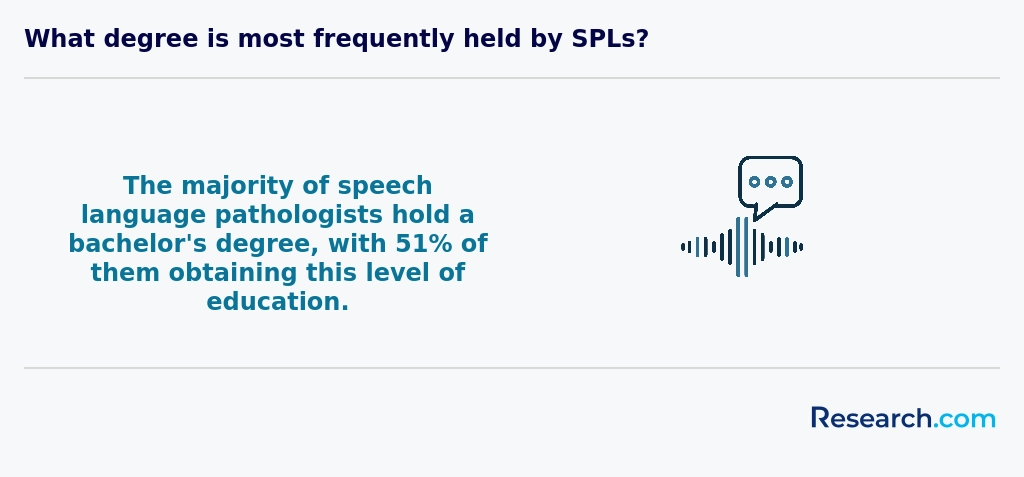
- Online speech pathology degrees in the Midwest typically require a master's degree to become a licensed speech-language pathologist.
- Tuition for online master's programs ranges from $25,000 to $50,000, with public universities offering lower rates for in-state students.
- Job growth for speech-language pathologists in the Midwest is projected at 21% through 2030, higher than the average for all occupations.
- Entry-level salaries average around $60,000 annually, increasing to $75,000-$85,000 with experience and certification.
- Accreditation from the Council on Academic Accreditation is important for licensure eligibility and program quality.
- Students must complete supervised clinical practicum hours locally to meet licensure requirements, even in online programs.
Completing an online speech pathology degree in the Midwest typically takes between 2 to 3 years for a Master's program, the standard path to becoming a licensed speech-language pathologist. Graduates from universities like the University of Michigan-Flint or Ohio State University often share that balancing online classes with mandatory in-person clinical placements creates a rhythm that feels both challenging and rewarding.
Many find a full-time schedule leads to finishing within 24 to 30 months, providing momentum and a clear timeline amid busy lives. Others, especially working professionals, appreciate part-time options that extend the journey to 3 years or longer, offering flexibility without sacrificing quality. A few accelerated programs-though rare in the Midwest-have enabled learners to complete requirements in under 2 years, a testament to adaptability in education models.
Post-baccalaureate bridge programs also offer motivated students an expedited 1.5 to 2-year path, making the leap from related fields feel accessible and encouraging. These real pathways reveal that time to completion is not just about hours spent but about aligning personal goals with program demands and clinical experience.
Graduating with an online Master’s in Speech Pathology is only one part of becoming practice-ready. Most students also need to complete a sequence of certification and licensure steps before working independently as speech-language pathologists.
- Graduate from a CAA-accredited Speech-Language Pathology program.
- Pass the Praxis® exam in Speech-Language Pathology, noting that minimum scores vary by state.
- Complete a 36-week Clinical Fellowship Year (CFY) under ASHA-certified supervision.
- Apply for the Certificate of Clinical Competence in Speech-Language Pathology (CCC-SLP) through ASHA.
- Obtain state licensure, recognizing that requirements and fees differ by licensure board and processing times range from 4–12 weeks.
Students should budget for more than tuition. Exam fees, state application fees, background checks, transcripts, clinical documentation, and renewal costs can add to the total investment. For a cost-focused example, review how much does it cost to become a speech pathologist in texas.
The safest strategy is to create a licensure checklist before applying, then confirm each item with the program and the state board where you intend to practice.
Choosing between online and on-campus speech pathology degrees in the Midwest often reveals more subtle distinctions than expected. Graduates from institutions like the University of Illinois or Michigan State often describe their on-campus experience as deeply immersive, with face-to-face mentoring and immediate access to clinics enhancing their confidence in hands-on therapy skills.
Conversely, those who pursued online degrees from schools such as the University of Nebraska appreciate the freedom to balance work and study without uprooting their lives. They often highlight how mastering digital communication tools felt empowering, reflecting the telepractice trend expanding in speech pathology.
Cost differences, while present, are nuanced. Many Midwestern online students enjoy savings on housing and transport, but tuition often mirrors that of campus programs. Both formats require students to complete local clinical hours, aligning with ASHA's standards and ensuring practical competence beyond lecture content.
This means success depends less on delivery mode and more on the student's motivation and adaptability to real-world clinical demands.
Admission to an online Speech Pathology program in the Midwest is competitive because programs must ensure that students can handle graduate-level science coursework and clinical training. Requirements vary by institution, but many universities, including the University of Illinois and Indiana University, expect applicants to hold a bachelor’s degree in communication sciences and disorders or a related field, with a minimum GPA of 3.0.
Typical admission requirements
- A bachelor's degree from an accredited institution.
- A minimum GPA of 3.0.
- Completion of prerequisite courses, which may include anatomy, physiology, and statistics.
- Completion of observation hours, which can be done in-person or virtually and can range from 25 to 50 hours, depending on the program.
- Submission of GRE scores, although some programs may waive this requirement for applicants with a strong academic background.
- Letters of recommendation from academic or professional mentors, usually submitted through the university’s application portal.
- A personal statement or essay explaining motivation for speech-language pathology, relevant experience, and career goals.
- Possible interview, writing sample, background check, or certification in CPR, depending on the program.
Programs such as those associated with the University of Michigan and Ohio State University may look for evidence of academic readiness, interpersonal maturity, communication skills, service experience, and understanding of the profession. Applicants from other academic backgrounds should confirm whether prerequisite courses can be completed before admission, during a bridge sequence, or after conditional acceptance.
How to strengthen an application
- Complete prerequisites with strong grades before applying when possible.
- Use observation hours to demonstrate informed interest in the profession.
- Ask recommenders who can speak to academic ability, professionalism, communication skills, and resilience.
- Write a focused personal statement that connects experience, service, and career goals rather than relying on general statements about helping people.
- Apply early enough to resolve transcript, test score, and prerequisite questions before deadlines.
The average cost of an online speech pathology degree in the Midwest tends to revolve around $61,685 for the entire program, reflecting a balance between public and private university rates. Graduates from well-known programs in states like Ohio and Michigan often recall that despite a significant financial commitment, the investment felt worth it because of the quality education and flexible online formats. These students highlight how the tuition cost aligns with their career goals, especially since many in-state students benefit from lower tuition fees near $29,600, making the degree more accessible.
When exploring Midwestern online master's in speech pathology tuition and fees, it's important to recognize the additional expenses beyond tuition itself. Technology fees and required course materials can introduce unexpected costs, amplifying the financial considerations of the degree. Yet, graduates frequently point to scholarship opportunities and employer tuition assistance as critical factors that softened the financial burden and enabled them to complete their degrees without excessive debt.
Students deciding whether to commit to this path often find it useful to compare these regional costs with other degree options; for instance, those curious about child development might find helpful information in a child development degree comparison. Choosing to study speech pathology in the Midwest remains an appealing option, given the competitive tuition and robust program offerings that prepare graduates for meaningful careers helping others communicate.
Accreditation is one of the first details to verify when comparing online Master’s in Speech Pathology programs. A program may be flexible, affordable, and well marketed, but if it does not align with certification and licensure requirements, graduates may face serious barriers to practice.
In speech-language pathology, students should look for accreditation by the Council on Academic Accreditation in Audiology and Speech-Language Pathology (CAA), which is connected to American Speech-Language-Hearing Association (ASHA) standards. Regional accreditation, such as accreditation from the Higher Learning Commission (HLC), is also important because it affects federal financial aid eligibility, credit recognition, and institutional credibility.
What to verify before applying
- CAA accreditation: Confirms that the program is designed around professional standards for speech-language pathology education and clinical preparation.
- Regional accreditation: Supports eligibility for federal financial aid and signals that the university meets broader institutional quality standards.
- Clinical practicum structure: Students pursuing ASHA’s Certificate of Clinical Competence in Speech-Language Pathology (CCC-SLP) should confirm how the program supports the minimum 400 clinical practicum hours required for the credentialing pathway.
- State licensure alignment: Online students should verify whether the program’s curriculum and clinical experiences meet requirements in the state where they plan to work.
- Praxis preparation: Ask how the program prepares students for the national examination and whether outcomes data are available.
Applicants looking for accessible admission pathways sometimes compare the easiest SLP programs to get into. That can be useful, but admission flexibility should never be evaluated separately from accreditation, clinical placement quality, Praxis preparation, and licensure outcomes.
Before enrolling, check the ASHA directory and contact your state licensure board. This step is especially important for online programs because clinical placements and telepractice rules can vary by state.
Financial aid for online speech pathology degrees in the Midwest often defies the typical "one-size-fits-all" approach. Graduates from universities like the University of Michigan or Illinois State University recall how internal scholarships aimed specifically at speech-language pathology students lightened their financial burdens, making dreams feel tangible rather than distant.
Federal options such as the Direct Unsubsidized Loan and Graduate PLUS Loan offer stability with fixed interest rates, yet the real game-changer for many has been state-sponsored grants in Illinois, Ohio, and Michigan. These aren't just handouts; they come with meaningful commitments to serve underserved communities, connecting financial aid with purposeful work that truly resonates.
Beyond traditional sources, the American Speech-Language-Hearing Foundation and ASHA provide scholarships that many find crucial during tough financial phases, reflecting both merit and need. One graduate shared how employer tuition reimbursement transformed her evening classes from a financial strain to a professional stepping stone, embodying the Midwest's growing healthcare sector's promise.
Ultimately, dedicated aid advisors in these regionally focused programs prove invaluable guides, helping students navigate a landscape where support feels personalized, practical, and hopeful.
For students planning to become licensed speech-language pathologists, accreditation and licensure should be treated as nonnegotiable program-selection criteria. An online Master’s in Speech Pathology should be accredited by the Council on Academic Accreditation (CAA) of the American Speech-Language-Hearing Association (ASHA) if the goal is to follow the standard path toward the Praxis® exam, supervised post-graduate practice, state licensure, and the Certificate of Clinical Competence.
Accredited programs are expected to meet standards for curriculum, faculty qualifications, supervised clinical education, and student outcomes. Many pathways include approximately 400 supervised clock hours before graduates move toward the Clinical Fellowship Year (CFY). After the CFY, candidates typically apply through their state licensure board and may need to satisfy additional requirements such as background checks, jurisprudence exams, documentation of supervised practice, or state-specific forms.
Midwest licensure issues to check early
- State board rules: Requirements may differ across Midwest states, including Michigan’s Department of Licensing and Regulatory Affairs and Ohio’s Board of Speech‐Language Pathology.
- Continuing education: Confirm each state’s CEU renewal cycle before assuming one state’s requirements apply elsewhere.
- Telepractice regulations: Online service delivery may require licensure in the client’s state, the provider’s state, or both, depending on applicable rules.
- Scope of practice: State boards may define allowable services, supervision rules, and documentation expectations differently.
Cost-conscious students may also compare affordable accredited options, including resources such as the Inexpensive Speech Pathology Degree Programs Ranking in Colorado. Even when reviewing programs outside the Midwest, use the same core checklist: CAA accreditation, regional accreditation, clinical placement support, licensure alignment, and total cost.
Enrolling in an online speech pathology degree in the Midwest demands more than just a desire to help others-it requires a solid academic foundation. Graduates from popular programs at the University of Wisconsin-Madison or Michigan State University often reflect on how their bachelor's degrees, even if not directly in communication sciences, were strengthened by courses in linguistics or psychology. This pragmatic mix of subjects fuels confidence when facing complex speech and language disorders.
Many candidates find themselves pleasantly surprised that GRE scores are sometimes waived, especially at institutions aiming to widen access. One graduate shared how this removal eased anxiety and allowed more focus on gaining hands-on experience through volunteer roles in special education settings.
Prerequisite coursework-often covering anatomy or research methods-may seem daunting until students realize these classes are truly preparations for meaningful patient interactions. Letters of recommendation from mentors who witnessed their persistence give them a heartfelt boost, reminding them that these barriers are gateways, not obstacles, on the path to becoming compassionate clinicians.

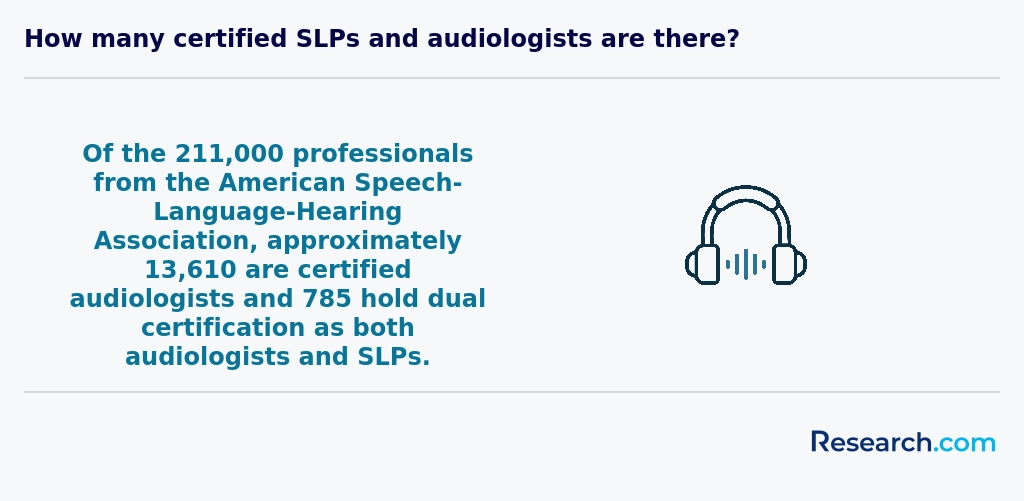
Speech-language pathology and audiology are closely connected fields, especially for professionals who work with communication disorders, hearing loss, auditory processing concerns, swallowing disorders, and rehabilitation needs. While a Master’s in Speech Pathology prepares students for speech-language pathology practice, understanding audiology can strengthen clinical decision-making and improve collaboration with audiologists, physicians, educators, occupational therapists, and rehabilitation teams.
Students interested in broader communication sciences careers may benefit from learning how hearing, speech, language, cognition, and swallowing interact across the lifespan. This is particularly useful in school systems, hospitals, outpatient clinics, early intervention programs, and telehealth settings where clients may present with overlapping speech, language, and hearing concerns.
If you are considering a more audiology-focused path, review the education and credentialing steps involved in how to become an audiologist. Audiology generally requires a different professional preparation route than speech-language pathology, so students should not assume that one graduate degree automatically qualifies them for both careers.
When audiology knowledge can strengthen an SLP career
- School-based practice: SLPs often work with students who use hearing aids, cochlear implants, or classroom amplification systems.
- Healthcare and rehabilitation: Adults recovering from stroke, trauma, or neurological conditions may need support that intersects with hearing, speech, swallowing, and cognition.
- Telepractice: Online service delivery can require careful coordination around auditory access, technology, and communication supports.
- Interdisciplinary care: Familiarity with audiology terminology helps SLPs communicate more effectively with audiologists and medical teams.
The best approach is to choose a speech pathology program that provides strong clinical foundations first, then use electives, workshops, continuing education, supervised experiences, or additional credentials to expand into related areas.
Online speech pathology degrees in the Midwest challenge you to immerse in courses that go far beyond textbook definitions. Graduates from well-regarded universities often reflect on how foundational classes like Introduction to Communication Disorders and Anatomy and Physiology of the Speech and Hearing Mechanism transformed their understanding of human connection, highlighting the intricate biological systems behind everyday conversation. This isn't just theory; it's about the real moments when you grasp why a stutter or swallowing difficulty profoundly affects someone's life.
Midwestern programs frequently include hands-on courses like Phonetics and Speech Science, where students at popular schools engage deeply with speech sound production, often via virtual labs that simulate clinical settings. Advanced classes such as Neurological Bases of Communication Disorders and Augmentative and Alternative Communication equip students with the tools to support clients who once felt voiceless. Alumni describe the emotional impact of practicing therapy techniques that empower real people, underscoring why these courses matter both professionally and personally.
Online speech pathology specializations Midwest programs often challenge students to think beyond traditional clinical roles. Graduates from well-regarded Midwestern universities describe how focusing on areas like Child Language Disorders opens doors to deeply impactful experiences-such as helping young children overcome speech sound impairments that once limited their interaction with the world. Others find meaning in Adult Neurogenic Communication Disorders, where supporting stroke survivors to regain their voices creates profound personal rewards. These programs also emphasize Augmentative and Alternative Communication (AAC), allowing students to innovate with technology for individuals relying on speech-generating devices.
By engaging with these specialized tracks, learners immerse themselves in realistic challenges faced in regional healthcare settings, reflecting the region's demographic needs. The Midwest master's in speech pathology focus areas further include Voice and Swallowing Disorders, tapping interdisciplinary collaboration that many graduates say enriches their clinical confidence. Students balancing life commitments appreciate how local partnerships facilitate clinical practicums, while exposure to online child development courses complements their expertise and broadens career possibilities.
Choosing the best online speech pathology degree in the Midwest requires more than comparing tuition or program length. Graduates from well-regarded public universities in Illinois and Ohio often highlight how accredited programs with strong clinical practicum placements made all the difference. The real challenge is securing supervised clinical experiences close to home, which build confidence and essential skills for licensure. These hands-on opportunities can't be overlooked when evaluating online options.
Many students seeking affordable online speech pathology degrees Midwest find that in-state tuition brings financial relief, but affordability shouldn't mean sacrificing program quality or national accreditation by the CAA. One graduate recalls juggling asynchronous classes while working full-time, appreciating how Midwest programs balance flexibility with rigorous coursework that prepares you for the Praxis exam-important if you want to avoid delays in your career launch.
Finally, remember the value of understanding state-specific licensure requirements. Midwest students often benefit from strong alumni networks and clinical partnerships within their states, which directly support job placement. For those interested in navigating unique local certification challenges similar to the Midwest, exploring resources like Tennessee teacher certification exams can offer insightful parallels.
Graduates pursuing online speech pathology careers in the Midwest discover a spectrum of meaningful paths, each shaped by the region's unique healthcare and educational demands. Many find themselves invigorated by roles in hospitals or rehabilitation centers throughout Illinois and Michigan, where they pioneer recovery for patients overcoming strokes or brain injuries. Others channel their passion into public and private schools, addressing communication challenges in children-a vital need in states like Ohio and Minnesota.
Midwest-based speech pathology degree job opportunities also extend into private practice, offering graduates the rewarding autonomy to tailor therapies for their clients. Those inspired by innovation gravitate toward research institutions nearby, advancing new therapy methods that resonate beyond their communities. Graduates often reflect on their experience at local universities, where hands-on training in culturally diverse settings bridges theory and practice with palpable impact.
Prospective students should consider navigating available financial aid options beyond speech pathology, exploring resources such as teaching degrees online scholarships, to support their academic journey and broaden career possibilities.

The landscape for online speech pathology jobs Midwest offers surprising stability despite common misconceptions about rural job scarcity. Graduates from respected programs at universities like the University of Illinois or Ohio State find themselves stepping into environments hungry for qualified professionals. One graduate, reflecting on their journey, described moving to a smaller town in Michigan where fewer speech-language pathologists serve the population, opening doors for impactful clinical work and personal growth.
While salaries in Illinois or Ohio might not rival coastal metropolitan rates, they still provide a comfortable living tied closely to the state's cost of living and community needs. For many, this is an opportunity to build a meaningful career without the overwhelming competition often experienced in larger cities. These roles often extend beyond traditional settings, embracing telepractice, especially due to recent shifts toward remote healthcare services.
Midwest speech pathology career outlook is solidified through programs that carefully prepare candidates for licensure and clinical fellowship requirements. Students often complement their degree with a master'sin higher education online, enhancing both credentials and employability in diverse educational and healthcare contexts. This holistic approach transforms the conventional pathway to certification into a flexible, practical route that aligns with evolving workforce demands.
2027 Most Valuable Online Master's in Speech Pathology Degree Programs Ranking in the Midwest
Investing in your education is a significant decision that can shape your future, and the Research.com team understands the importance of making informed choices. To assist prospective students, we have meticulously developed the "2027 Most Valuable Online Master's in Speech Pathology Degree Programs Ranking in the Midwest." Our commitment to quality, credibility, and accuracy is evident in the thorough analysis and extensive research carried out to assemble this ranking.
We utilized the following reputable data sources to ensure a comprehensive evaluation of speech pathology programs:
By exploring this ranking, readers will gain valuable insights into the most valuable online master's programs in speech pathology in the Midwest, helping them make confident and informed decisions about their educational journeys. For more details on our methodology, please visit our Research.com methodology page.


Frequently Asked Questions About speech pathology
Online speech pathology degree students in the Midwest can maximize their learning by actively utilizing university resources such as virtual labs, tutoring services, and academic advising. Consistent participation in synchronous sessions and discussion boards helps build connections with peers and faculty, enhancing understanding.
Securing clinical practicum placements within local healthcare or educational settings is vital; the American Speech-Language-Hearing Association (ASHA) requires supervised clinical hours for certification. Midwest students benefit from partnerships between universities and regional facilities, offering practical experience close to home.
Additionally, staying updated on state licensure requirements ensures students meet professional standards upon graduation. Leveraging professional organizations, such as the Illinois Speech-Language-Hearing Association, offers networking and continuing education opportunities.
Emerging niches in speech pathology reflect growing healthcare and technological trends, especially relevant to students pursuing online degrees in the Midwest. Telepractice, or remote speech therapy, is expanding rapidly due to increased broadband access and rural patient needs. According to the American Speech-Language-Hearing Association (ASHA), telepractice grew by over 20% in Midwestern states from 2020 to 2023.
Another niche is geriatrics, driven by the aging population in the Midwest. The U.S. Census Bureau reports a 15% increase in residents aged 65+ across this region, boosting demand for specialists addressing speech disorders linked to dementia and stroke recovery.
Additionally, bilingual speech pathology is gaining focus, supporting diverse Midwestern communities where Spanish and other languages are commonly spoken.
Preparing for the job market after earning an online speech pathology degree in the Midwest involves several key steps. Graduates must obtain certification from the American Speech-Language-Hearing Association (ASHA), specifically the Certificate of Clinical Competence (CCC-SLP), which is essential for most employers.
Networking is also critical. Joining state-level associations like the Illinois or Ohio Speech-Language-Hearing Associations can connect applicants with job openings and professional development.
Internships and clinical practicum experiences gained during the degree are vital, as employers in Midwest healthcare and school systems prioritize hands-on skills.
According to the Bureau of Labor Statistics, speech-language pathology jobs in the Midwest are expected to grow 17% from 2022 to 2032, indicating strong demand.
Employers in the Midwest highly value strong communication and clinical skills in speech pathology graduates. According to the American Speech-Language-Hearing Association (ASHA), 85% of employers prioritize candidates with proven abilities in patient assessment and individualized treatment planning.
Interpersonal skills are crucial, as clinicians must effectively engage diverse patient populations, including children and elderly adults. Additionally, expertise in technologies such as telepractice is increasingly important, with demand rising by approximately 20% in Midwestern healthcare settings from 2020 to 2023.
Strong knowledge of evidence-based practices and adaptability within multidisciplinary teams also rank among top employer expectations in this region.
Finding internships for speech pathology students in the Midwest involves local networking and utilizing university resources. Many online programs partner with regional healthcare facilities, schools, and rehabilitation centers to provide practical training. The American Speech-Language-Hearing Association (ASHA) reports that states like Illinois and Ohio offer numerous clinical placements due to their dense healthcare infrastructures. Contacting your program's internship coordinator early is essential, as they often maintain databases of approved sites. Additionally, state departments of education and health commonly post internship opportunities specifically for speech pathology students. Engaging with local professional chapters of ASHA in the Midwest can also widen access to internships.
Obtaining an online speech pathology degree significantly enhances career mobility and advancement in the Midwest. Many states in this region, including Illinois and Ohio, have growing demands for speech-language pathologists (SLPs) due to aging populations and increased awareness of communication disorders.
Online programs accredited by the Council on Academic Accreditation (CAA) prepare graduates to meet state licensure requirements across the Midwest, enabling easier relocation or job switching.
According to the U.S. Bureau of Labor Statistics, SLP employment in the Midwest is projected to grow approximately 19% from 2022 to 2032, faster than the national average. This growth supports higher job availability and advancement prospects for degree holders.
Additionally, online degrees offer flexibility for current professionals seeking promotion or specialization, such as pediatric or geriatric speech pathology.
Studying for an online speech pathology degree in the Midwest equips students with essential skills for interdisciplinary roles in healthcare and education. Programs often incorporate collaborations with fields such as audiology, occupational therapy, and special education. This approach reflects the region's growing demand for comprehensive care teams, as reported by the Bureau of Labor Statistics, which projects a 21% growth for speech-language pathologists nationally through 2031.
Midwestern programs emphasize practical training through virtual simulations and partnerships with local clinics. This hands-on experience fosters teamwork across disciplines, preparing graduates for environments where integrated services improve patient outcomes. The emphasis on communication, assessment, and evidence-based practice aligns with professional standards set by the American Speech-Language-Hearing Association.
When choosing between a thesis and a non-thesis online speech pathology degree in the Midwest, consider your career goals first. Thesis programs emphasize research and are ideal if you plan to pursue a PhD or work in academic or clinical research roles. Non-thesis paths focus more on clinical practice and hands-on skills, fitting students aiming for direct employment as speech-language pathologists.
Midwestern universities often design their programs to comply with ASHA accreditation standards, ensuring quality education either way. According to the ASHA 2023 data, nearly 65% of speech pathology graduates in the Midwest choose non-thesis programs due to their quicker completion and direct clinical focus.
Evaluate your learning style and time commitment, as thesis programs usually require more extensive writing and analysis. Both options prepare you for the national certification exam, but your choice impacts your readiness for research-intensive roles.
Students based in the Midwest seeking to study speech pathology abroad face limited direct options through US institutions offering fully online master's degrees internationally. Most accredited programs in the region focus on domestic online or hybrid learning due to state licensure and certification requirements. For example, the American Speech-Language-Hearing Association (ASHA) sets standards that complicate international program participation.
However, some students consider partnership programs or study-abroad components integrated into Midwestern universities' curricula. These are rare and often short-term.
Midwestern students interested in global perspectives may supplement their education with virtual international workshops or research collaborations.
Students pursuing online speech pathology degrees in the Midwest can benefit from several part-time job opportunities that complement their education. Many work as speech therapy aides or assistants in schools and clinics, gaining direct experience with patient interaction and therapeutic techniques. According to the U.S. Bureau of Labor Statistics, these roles often provide flexible hours suitable for online learners.
Additionally, part-time positions in healthcare settings, such as rehabilitation centers or nursing homes, allow students to observe licensed speech-language pathologists and support patient care. Volunteering with organizations serving individuals with communication disorders also builds practical skills and networks within the local speech pathology community.
These roles support academic learning while strengthening resumes and professional development.
Online speech pathology students in the Midwest benefit from numerous networking opportunities through regional professional associations and university-sponsored events. The American Speech-Language-Hearing Association (ASHA) has local chapters in many Midwestern states that host conferences, workshops, and virtual meetups.
Many Midwestern universities offer virtual networking fairs and alumni groups that help online students connect with practitioners. For example, the University of Minnesota's online program encourages participation in state clinical groups, which provide mentorship and job placement support.
According to ASHA data, over 20,000 speech-language pathologists work in the Midwest, creating a robust community for collaboration and professional growth. Online students are advised to engage actively in these networks for effective career development.
Alumni networks provide vital support for online speech pathology degree students in the Midwest. These connections offer access to a community of professionals who share regional insight and job market trends. According to the American Speech-Language-Hearing Association (ASHA), Midwest alumni often help graduates secure clinical placements and employment within local hospitals, schools, and private practices.
Such networks facilitate mentorship opportunities, enabling students to receive guidance on licensure and certification processes specific to Midwestern states. Collaboration through alumni events and online platforms also encourages knowledge sharing and professional growth. In a region where personalized connections matter, alumni networks strengthen career prospects for online speech pathology students.
Customizing an online speech pathology degree in the Midwest starts with selecting programs that offer flexible coursework aligned with your career goals. Many universities provide electives in areas such as pediatric therapy, adult neurogenic disorders, or bilingual speech-language pathology, allowing you to tailor your studies.
Specializations can be chosen to meet licensure and certification requirements specific to states within the Midwest, such as Illinois or Ohio. Additionally, look for programs offering clinical practicum sites close to your location to gain hands-on experience relevant to your interests.
The Council on Academic Accreditation in Audiology and Speech-Language Pathology (CAA) accredits many Midwest programs, ensuring high educational standards. According to ASHA, the demand for speech pathologists in the Midwest is growing, with a 10% projected employment increase through 2029, emphasizing the advantage of customizing your degree to stand out.
Online speech pathology students in the Midwest often face challenges related to limited access to quality clinical placements. According to the American Speech-Language-Hearing Association (ASHA), securing sufficient in-person clinical hours can be difficult due to fewer local health facilities partnering with universities in rural or less populated areas.
Another challenge includes balancing coursework with professional and personal responsibilities. Many students are working professionals or caregivers, making it hard to meet rigid deadlines and synchronous class sessions.
Technology access and reliable internet can also pose obstacles, especially in rural Midwest regions where broadband availability is lower than the national average, per FCC data.
These factors often contribute to extended program completion times and increased student stress levels.
With an online speech pathology degree earned in the Midwest, graduates are eligible to pursue several key professional certifications. The most recognized credential is the Certificate of Clinical Competence in Speech-Language Pathology (CCC-SLP), granted by the American Speech-Language-Hearing Association (ASHA). This certification is widely required for clinical work across the U.S., including Midwest states.
Additionally, state licensure is mandatory to practice speech pathology; requirements vary but often align closely with ASHA standards. In the Midwest, states like Illinois and Michigan also require passing the Praxis exam in Speech-Language Pathology for licensure.
The demand for certified speech pathologists in the Midwest is growing; the U.S. Bureau of Labor Statistics projects a 21% increase in employment from 2021 to 2031 nationwide, supporting strong job prospects.
Writing a winning application for an online speech pathology program in the Midwest requires clear demonstration of academic readiness and professional commitment. Begin by highlighting your relevant undergraduate degree, ideally in communication sciences or a related field, as most accredited programs require this foundation. Include your GPA; programs typically look for a minimum of 3.0. Emphasize any clinical experience or volunteer work, as practical exposure strengthens your candidacy.
Standardized test requirements vary, but many programs now waive GRE scores, especially for online formats. Still, verify current requirements for each school. Personal statements should clearly articulate your career goals and motivation for choosing online study.
Letters of recommendation from academic or professional mentors familiar with speech pathology are critical. According to the American Speech-Language-Hearing Association, Midwest applicants benefit from demonstrating knowledge about local healthcare settings. Tailor each component to reflect your understanding of regional needs and your potential contributions.
The global perspective on a speech pathology career highlights strong demand and growing recognition of its importance. In the United States, the Bureau of Labor Statistics projects a 21% growth in speech-language pathologist jobs from 2021 to 2031, much faster than the average for all occupations. This trend is reflected in the Midwest, where aging populations and expanding healthcare services create increasing need for qualified professionals.
Countries worldwide emphasize research and intervention in communication disorders, but U.S. training, particularly through accredited online programs, is frequently viewed as a benchmark. Notably, the American Speech-Language-Hearing Association (ASHA) sets rigorous certification standards helping graduates compete globally.
For Midwest students, earning an online degree can align them with these global trends while meeting local licensure requirements. Such degrees offer flexibility and access to high-quality education tailored to regional healthcare demands.
Gaining practical experience while pursuing an online speech pathology degree in the Midwest is essential for licensure and career readiness. Most accredited programs require clinical practicum hours, which students can complete at approved facilities near their homes. These placements often include hospitals, schools, or private clinics where students work under supervision.
The American Speech-Language-Hearing Association (ASHA) requires at least 400 clinical hours for certification, many of which can be fulfilled regionally. Midwest states such as Illinois, Ohio, and Minnesota have partnerships with numerous healthcare providers to support online students.
Students should communicate early with their program advisors to identify local opportunities and ensure compliance with state regulations.
Choosing the right concentration within an online speech pathology degree program in the Midwest starts with understanding your career goals. Concentrations often include pediatric speech disorders, adult neurogenic disorders, or fluency and voice therapy. The American Speech-Language-Hearing Association (ASHA) notes that demand for professionals specializing in pediatric speech therapy is growing faster in Midwest states like Illinois and Ohio.
Research the specific curriculum offered by programs, ensuring they align with your interests and meet ASHA certification requirements. Consider also the availability of supervised clinical experiences relevant to your chosen concentration, as hands-on practice is crucial.
Lastly, examine regional employment trends and licensure prerequisites since these vary by state and can influence your specialization choice.
See What Experts Have To Say About Studying Speech Pathology
Read our interview with Speech Pathology experts

- Careers for Speech Pathologists: Outlook, Resources & More https://www.speechpathologygraduateprograms.org/careers/
- 17+ Cheap and Affordable Speech Pathology Masters Programs https://onlinespeechpathologyprograms.org/affordable-slp-programs/
- How to Follow the Best Path to Becoming a Speech Pathologist https://www.masmedicalstaffing.com/blog/becoming-a-speech-pathologist/
- Careers in Speech & Language Pathology https://www.iona.edu/blog/speech-pathology-careers
- Speech Pathology Study Abroad https://bilinguistics.com/speech-pathology-study-abroad/
- 6 Common Challenges of Being a Speech Language Pathologist https://careoptionsforkids.com/blog/challenges-of-being-a-speech-language-pathologist/
- Personal Statement for Graduate Application for Speech Pathology https://essayforum.com/graduate/statement-application-pathology-41202/
- Finding your niche in private practice - Dysphagia Cafe https://dysphagiacafe.com/finding-your-niche-in-private-practice/
- Master of Science in Speech-Language Pathology https://www.uwec.edu/academics/programs/graduate/master-science-speech-language-pathology
- How to Become a Speech Language Pathologist (SLP): Your Career Guide | GHR Education https://www.ghreducation.com/blog/become-speech-language-pathologist