2027 Speech Pathology Degree Time-to-Completion Report: How Long Students Actually Take to Finish

Co-Founder and Chief Data Scientist

Reviewed by Rhea Paul, PhD
SLP Education & Research Expert
Speech pathology students are often choosing between speed, cost, clinical requirements, and life responsibilities. That decision matters because the National Center for Education Statistics reported in 2024 that only about 64% of first-time, full-time bachelor's students at four-year institutions completed within six years, showing that published program length is not always the real timeline.
This guide is for prospective communication sciences and disorders students, career changers, transfer students, and working adults who want a realistic completion plan. You will learn how timelines vary and how to choose the fastest practical path without sacrificing licensure readiness.
Key Things You Should Know
- Most students should plan for about 6 to 8 years from the start of college to speech-language pathologist readiness: roughly 4 to 6 years for the bachelor's stage and about 2 to 3 years for a graduate speech-language pathology program.
- The master's degree is the critical credential for becoming a licensed speech-language pathologist in most U.S. settings, and clinical placement timing often affects graduation as much as course load.
- The U.S. median annual wage for speech-language pathologists was $95,410 in May 2024, and BLS projects 15% employment growth from 2024 to 2034, so finishing efficiently can affect both opportunity cost and career entry timing.
- What Is the Actual Time to Complete a Speech Pathology Degree?
- Which Factors Have the Greatest Impact on Speech Pathology Degree Completion Time?
What Is the Actual Time to Complete a Speech Pathology Degree?
A speech pathology degree timeline depends on what the student means by "speech pathology degree." A bachelor's degree in communication sciences and disorders, speech and hearing sciences, or a similar major usually prepares students for graduate admission or assistant-level roles where permitted. To practice independently as a speech-language pathologist, students generally need a graduate degree in speech-language pathology, supervised clinical experience, and state licensure.
| Pathway | Typical published length | Realistic completion range | Why the timeline varies |
| Associate-level preparation or assistant pathway | About 2 years | 2 to 3 years | Developmental courses, part-time attendance, and state-specific assistant requirements can add time. |
| Bachelor's in communication sciences and disorders | About 4 years | 4 to 6 years | Students may need general education courses, major sequencing, lab availability, or transfer credit review. |
| Post-baccalaureate leveling before graduate admission | 1 to 3 semesters | 1 semester to 2 years | Career changers may need prerequisite courses before entering a master's program. |
| Master's in speech-language pathology | About 2 years full-time | 2 to 3 years | Clinical practica, externship availability, cohort lockstep sequencing, and comprehensive exams can affect timing. |
| Doctoral study, such as a PhD or clinical doctorate | Varies widely | 3 or more years after the master's | Research, dissertation, specialization, and funding structure drive completion time. |
For students starting college with the goal of becoming a speech-language pathologist, the fastest realistic route is usually a four-year bachelor's degree followed by a full-time master's program with no prerequisite gaps. Career changers and transfer students can still finish efficiently, but they should treat prerequisite review and clinical placement planning as timeline-critical steps, not administrative details.
Which Factors Have the Greatest Impact on Speech Pathology Degree Completion Time?
The biggest delays in speech pathology degree completion usually come from course sequencing, clinical requirements, enrollment intensity, and prerequisite gaps. This matters because many speech-language pathology programs use cohort-based schedules, meaning a missed course may not be offered again until the next academic cycle.
The table below highlights the factors that most often change a student's expected graduation date and how each factor typically affects planning:
| Factor | Typical impact on time to completion | What students should watch for |
| Prerequisite gaps | Adds one semester to two years | Common for students who did not major in communication sciences and disorders as undergraduates. |
| Clinical placement availability | Adds a semester or delays final graduation requirements | School, medical, and pediatric placements may have limited seats or background-check timelines. |
| Course sequencing | Can delay progress by one term or more | Foundational courses often must be completed before diagnostics, disorders, or practicum courses. |
| Part-time enrollment | Extends completion but may reduce overload risk | Some graduate programs do not allow fully self-paced part-time study. |
| Transfer credit limits | Can save time or create unexpected retakes | Schools may cap transferable credits or reject older science and major courses. |
| Stop-outs and leaves | Can disrupt cohort progression | Returning students may need to wait for the correct course sequence or reverify clinical eligibility. |
Common red flags include vague answers about practicum availability, no published course rotation, unclear transfer-credit policies, and advising models that leave students to build their own clinical timeline. If a program cannot explain how students move from prerequisites to supervised practice, the published length may be less useful than it appears.
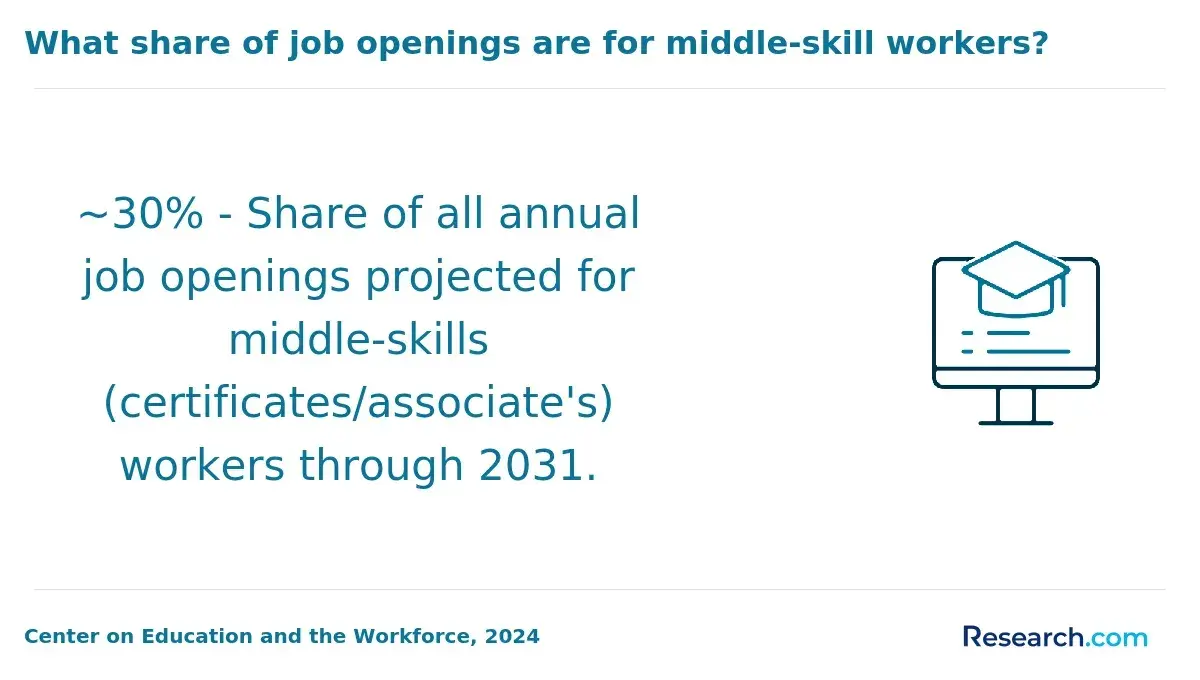
Enrollment status often has the strongest effect on completion time. Full-time study is usually faster, but part-time study may be more realistic for students who work, have children, care for relatives, or need to limit borrowing. The right choice is the pace a student can sustain without failing, withdrawing, or losing eligibility for clinical progression.
Learning format matters too, but online does not automatically mean faster. Online speech pathology programs may reduce commuting time and improve schedule flexibility, yet they still require supervised clinical experiences in approved settings. This is similar to other clinical health degrees, where flexibility does not remove placement requirements; students comparing healthcare pathways may see the same issue in online pharmacy school programs.
The comparison below shows how enrollment status and format typically affect planning for speech pathology students:
| Enrollment or format | Likely timeline effect | Best fit | Main risk |
| Full-time campus program | Usually the fastest traditional path | Students who can prioritize school and attend daytime classes or clinics | Less flexibility for work or caregiving |
| Full-time online or hybrid program | Can match campus speed if placements are secured early | Students outside the commuting range of campus programs | Clinical placement coordination may still cause delays |
| Part-time program | Usually adds one or more years | Working adults and caregivers who need manageable weekly demands | Longer opportunity cost and possible course-rotation delays |
| Cohort-based program | Predictable if students stay on sequence | Students who want a structured timeline | Missed courses may delay graduation significantly |
| Self-paced or flexible undergraduate program | Can speed up general education or prerequisite completion | Transfer students and motivated adult learners | Students may take unnecessary courses without close advising |
Students who need the shortest reliable timeline should ask whether online students graduate at the same pace as campus students, how clinical placements are approved, and whether the program has enough practicum sites for each cohort. These details often matter more than whether the lectures are delivered online or in person.
Accelerated speech pathology programs can shorten the timeline, but their value depends on the student's preparation, stamina, finances, and clinical placement access. Acceleration usually happens by compressing terms, allowing summer enrollment, combining bachelor's and master's planning, or reducing prerequisite gaps for students who already have the right academic background.
It is important not to compare speech pathology acceleration with short workforce programs in other health fields. A 12 week LPN program, for example, serves a different credentialing purpose and should not be used as a benchmark for a speech-language pathology pathway that includes graduate education and supervised clinical competencies.
The table below compares traditional and accelerated options in terms of timeline and trade-offs:
| Program model | How it may shorten time | Best fit | Trade-off |
| Traditional bachelor's plus traditional master's | Usually no acceleration | Students who need steady pacing and broad school choice | Longer total timeline |
| Three-year bachelor's plan | Uses heavy course loads, summer terms, or prior credits | Students entering with AP, dual enrollment, or transfer credits | Less room for retakes, work, or exploration |
| Combined or early-assurance pathway | Aligns undergraduate preparation with graduate admission planning | Students committed to speech-language pathology early | May limit flexibility if interests change |
| Accelerated leveling sequence | Compresses prerequisites before graduate entry | Career changers with strong academic readiness | Heavy science and disorders coursework in a short period |
| Year-round graduate study | Uses summer clinical or academic terms | Students who can handle continuous enrollment | Fewer breaks and higher short-term workload |
Acceleration makes the most sense when the program has guaranteed course availability, clear clinical sequencing, strong advising, and evidence that students actually complete on the accelerated schedule. It makes less sense when the student would need to work extensive hours, has unresolved prerequisites, or is likely to reduce course loads after enrollment.
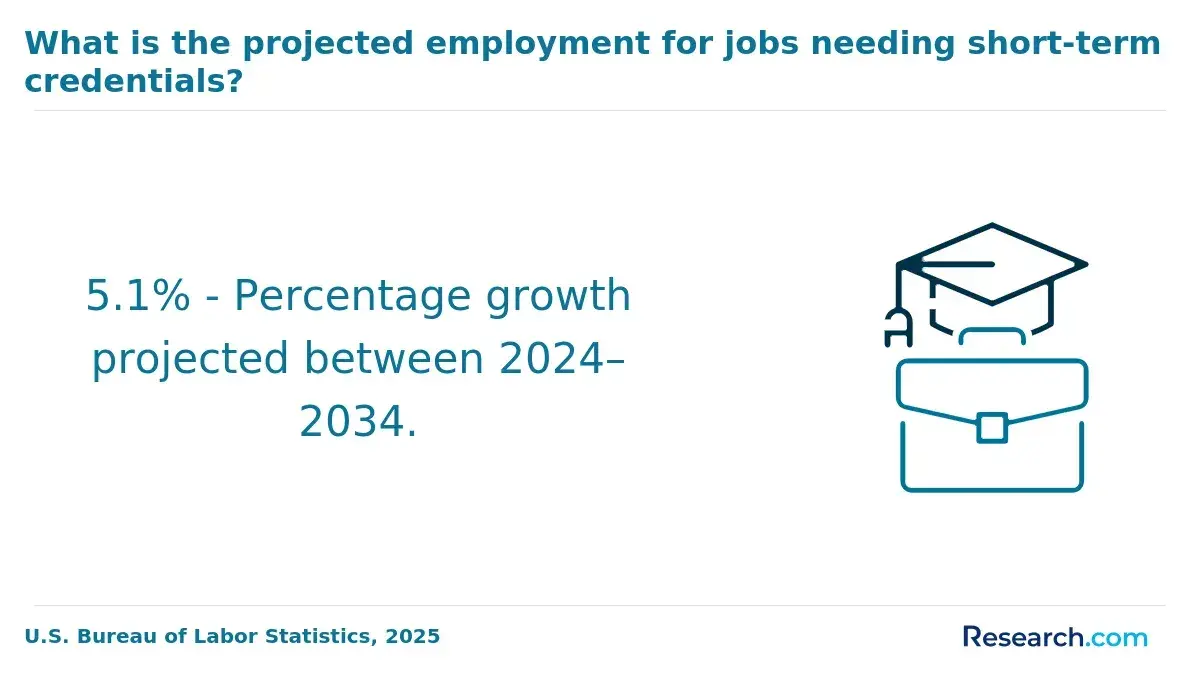
Work, family, health, transportation, and caregiving responsibilities can extend completion time even for highly capable students. Speech pathology programs are demanding because they combine academic coursework with observation, clinical practica, documentation, supervision meetings, and often daytime placement hours.
The main planning mistake is assuming that part-time enrollment simply stretches the same program without other consequences. In cohort-based graduate programs, moving slower may affect course availability, clinical placement order, financial aid status, and the timing of comprehensive exams or capstone work.
Students balancing major responsibilities should evaluate their weekly capacity before choosing a pace. The following checklist helps identify whether a faster plan is realistic or likely to create delays later.
- Estimate fixed weekly obligations, including work shifts, commuting, caregiving, medical appointments, and required study time.
- Ask whether clinical placements require weekday daytime availability and whether evening or weekend options are realistic.
- Confirm the minimum enrollment needed for financial aid, scholarships, assistantships, or health insurance.
- Build a backup plan for one difficult term rather than waiting until a failed course or withdrawal changes the timeline.
- Schedule advising at least once per term to confirm that course changes do not disrupt prerequisites or practicum eligibility.
Taking longer can be the better decision when it prevents academic probation, excessive debt, or burnout. A sustainable seven-year path to professional readiness may be more valuable than a six-year plan that depends on unrealistic work hours, missed clinical deadlines, or repeated withdrawals.
Completion time affects cost in two ways: direct cost and opportunity cost. Direct cost includes tuition, fees, books, travel, clinical compliance expenses, and living costs while enrolled. Opportunity cost is the income a student delays by spending more time in school before qualifying for higher-level roles.
Borrowing also changes the calculation. Federal Student Aid set the fixed interest rate for Direct Unsubsidized Loans for graduate and professional students at 7.94% for loans first disbursed in the 2025-26 award year, which means extending enrollment can increase not only the amount borrowed but also the cost of carrying that debt.
The table below shows how timeline decisions can affect cost and return on investment without assuming that the shortest path is always best.
| Timeline choice | Cost effect | ROI consideration | When it may make sense |
| Full-time fast path | Higher short-term tuition and lower ability to work | Earlier entry into SLP roles may reduce opportunity cost | Best for students with savings, support, or manageable borrowing |
| Part-time path | Spreads tuition over more terms | May preserve income but delays full professional entry | Best for students who must keep working or caregiving |
| Transfer-heavy bachelor's path | Can reduce total undergraduate tuition | Improves ROI if credits apply to required courses | Best when transfer policies are confirmed before enrollment |
| Accelerated path | May reduce living costs and opportunity cost | Can backfire if overload leads to withdrawals or retakes | Best for academically prepared students with flexible schedules |
| Lower-cost slower path | May reduce borrowing per term | Delayed graduation may offset savings if too many terms are added | Best when the student can work enough to limit debt |
Students comparing ROI should also compare speech pathology with adjacent healthcare and administration paths. For example, reviewing health information manager salary information can help students decide whether a clinical, administrative, or data-oriented healthcare career offers the better balance of timeline, cost, and work environment.
The best financial decision is not always the fastest program. It is the program that lets the student finish with the least unnecessary delay, the lowest manageable debt, and the strongest fit for the role they actually want.
Graduation timing affects when students can begin the next stage of professional preparation. For aspiring speech-language pathologists, finishing the master's degree is usually followed by state licensure steps and, for many graduates, a supervised clinical fellowship period before full independent professional recognition.
Career timing matters because demand remains strong. The U.S. Bureau of Labor Statistics reported a May 2024 median annual wage of $95,410 for speech-language pathologists, but that figure should be read as a labor-market benchmark, not a promise for any individual graduate. Actual pay varies by setting, state, experience, schedule, and whether the role is in schools, hospitals, outpatient clinics, skilled nursing facilities, early intervention, or private practice.
Graduating earlier can help students enter hiring cycles sooner, especially for school-based jobs that recruit around academic-year calendars. However, graduating faster does not help if the student lacks strong clinical experience, professional references, documentation skills, or state-specific licensure readiness.
Students should think about career timing in practical terms. The following factors can make one graduation date more advantageous than another:
- School-based roles often align with district hiring seasons, so a late-summer or fall completion may affect start dates.
- Medical placements can be competitive, so students interested in hospitals may benefit from programs with strong externship networks even if the timeline is not the shortest.
- Students planning to move states should check licensure requirements early because documentation and supervised experience rules vary.
- Clinical fellowship timing can affect when graduates reach full professional independence, so degree completion is not the only career milestone.
Speech pathology degree timelines are changing because students are asking for more flexible formats, schools are expanding hybrid delivery, and clinical education is becoming more technology-supported. Telepractice exposure, simulation tools, electronic documentation, and digital supervision workflows can help programs organize learning more efficiently, but they do not eliminate the need for supervised clinical competence.
Labor-market demand is also shaping program interest. BLS projects 15% employment growth for speech-language pathologists from 2024 to 2034, which is much faster than the average for all occupations. For students, this means program seats and clinical placements may remain competitive in some regions, so applying early and verifying placement support can influence time to completion.
Another trend is the growth of career-changer pathways. More students enter speech-language pathology after completing an unrelated bachelor's degree, which increases the importance of leveling sequences, bridge coursework, and admissions planning. These pathways can be efficient, but only when students know which prerequisites they need before applying to graduate school.
AI and automation may change some workflow tasks, such as documentation support, scheduling, screening tools, and practice exercises, but they do not replace the interpersonal, diagnostic, ethical, and clinical judgment skills required in speech-language pathology. Students should choose programs that teach technology use without treating it as a shortcut around clinical preparation.
Students should choose a speech pathology program by comparing the shortest advertised timeline with the shortest realistic timeline for their situation. The best program is not necessarily the fastest; it is the one that has the right accreditation status, course sequence, clinical placement support, transfer policy, affordability, and student support to help the student finish without avoidable delays.
Students who are still exploring health and movement-related fields may also want to compare speech pathology with other bachelor's pathways, such as the best online kinesiology degree options, especially if they want broader preparation before choosing graduate-level clinical training.
Before enrolling, students should ask schools direct questions about actual completion patterns. These questions are especially important for online, hybrid, accelerated, and transfer-friendly programs:
- What percentage of students in my intended format complete within the published timeline?
- How often are required courses offered, and what happens if I miss or fail one?
- Who arranges clinical placements, and how early does the process begin?
- Do online and campus students have the same access to practica, faculty, advising, and graduation support?
- How will my transfer credits or prerequisite courses apply to the degree plan?
- Are summer, winter, or accelerated terms available for required courses, or only electives?
- What are the most common reasons students in this program graduate late?
- How does the program support students who work, parent, or need part-time enrollment?
A strong program should be able to provide a term-by-term plan, explain clinical milestones, and identify bottlenecks before the student pays a deposit. If the school avoids answering completion-time questions or relies only on catalog length, students should treat that as a caution sign.
A practical decision process is to estimate your timeline in three versions: fastest possible, most likely, and backup plan. The fastest version shows what could happen if everything goes smoothly. The most likely version accounts for work, finances, and course availability.
The backup plan shows how one delayed clinical placement, reduced course load, or transfer-credit issue would affect graduation. That three-scenario approach gives students a more reliable basis for comparing programs.
Transfer credits can meaningfully shorten a speech pathology degree, especially at the bachelor's level. They are less predictable at the graduate level because accredited master's programs often require specific coursework, supervised clinical experiences, and faculty verification of competencies.
The table below shows realistic time savings based on where transfer credits usually apply. The exact result depends on institutional policy, course equivalency, grade minimums, credit age, and whether the credits satisfy major requirements rather than only electives.
| Transfer situation | Potential time saved | Most likely use | Common limitation |
| General education credits from community college | One semester to two years | Bachelor's degree completion | Credits may not meet major or upper-division requirements. |
| Completed associate degree | Up to about two years at transfer-friendly schools | Bachelor's transfer pathway | Some programs still require sequential major courses after transfer. |
| Prior communication sciences coursework | One semester or more | Major prerequisites or leveling reduction | Courses must match content, recency, and grade standards. |
| Graduate credits from another SLP program | Limited and program-specific | Rare transfer or readmission situations | Clinical and competency requirements may need to be completed in residence. |
| Prior clinical or healthcare experience | Usually little direct credit | Admissions strength or placement readiness | Experience rarely replaces required supervised SLP clinical hours. |
To avoid losing time, students should complete the transfer evaluation before enrolling whenever possible. A late evaluation can reveal that credits count only as electives, forcing the student to add terms they did not budget for.
A practical transfer-credit review should include several steps before the student commits to a school:
- Request an official degree audit showing which credits apply to general education, major prerequisites, electives, and graduation totals.
- Ask whether communication sciences courses expire after a certain number of years.
- Confirm whether transferred courses satisfy prerequisites for graduate admission, not just undergraduate graduation.
- Check whether the program has a guaranteed transfer pathway or articulation agreement with prior institutions.
- Ask an advisor to map the remaining courses by semester so course sequencing delays are visible before enrollment.
Other Things You Should Know About Speech Pathology
Most students need about 6 to 8 years of higher education from the start of college: usually a bachelor's degree followed by a master's degree in speech-language pathology. State licensure and supervised post-graduate requirements may add time before full independent practice.
Sometimes, but online format alone does not guarantee faster completion. The timeline depends on course sequencing, full-time or part-time enrollment, and how quickly required clinical placements can be approved and completed.
Not always. Many programs admit students with other bachelor's degrees, but career changers often need leveling or prerequisite courses before starting the graduate sequence, which can add one semester to two years.
It can be worth it for students with strong academic preparation, flexible schedules, and reliable clinical placement support. It may not be worth it if the compressed pace increases the risk of withdrawal, retakes, burnout, or higher borrowing.
See What Experts Have To Say About Studying Speech Pathology
Read our interview with Speech Pathology experts

- Navigating the Path to Becoming a Speech-Language Pathologist https://www.casrf.org/post/navigating-the-path-to-becoming-a-speech-language-pathologist
- How Long to Become an SLP in California? A Step-by-Step Timeline - California Speech Pathology https://californiaspeechpathology.org/careers/speech-language-pathologist/how-long/
- IMPORTANT LINKS https://www.fmarion.edu/healthsciences/speechlanguagepathology/
- Role of a Speech-Language Pathologist: How Are SLPs Changing the World? https://slponline.ithaca.edu/blog/how-slps-changing-world
- Part-Time Students Must Be a Full-Time Priority – Complete College America https://completecollege.org/resource/cca-releases-new-brief-part-time-students-must-be-a-full-time-priority/
- Online Master's in Speech Pathology: What to Know https://www.speechpathologygraduateprograms.org/masters-in-speech-language-pathology/
- MS Speech-Language Pathology FAQ https://www.pacific.edu/healthsciences/programs/speech-language-pathology/frequently-asked-questions
- The 10 Biggest Challenges of Being a Speech Pathologist https://www.friendshipcircle.org/blog/2014/03/03/the-10-biggest-challenges-of-being-a-speech-pathologist
- Reasons Children Don't Make Progress with Therapy https://www.speechlanguagefeeding.com/speech-languag-therapy-common-factors-lack-progress/
- Best Online Speech-Language Pathology (SLP) Programs 2025 https://onlinespeechpathologyprograms.org/best-online-slp-programs/