2027 Speech Pathology Degree Specialization Pay Report: Which Academic Tracks Lead to the Highest Earnings

Co-Founder and Chief Data Scientist

Reviewed by Rhea Paul, PhD
SLP Education & Research Expert
Choosing a speech pathology specialization is not just an academic preference; it can shape the settings you qualify for, the clients you serve, and your return on graduate education. The U. S. Bureau of Labor Statistics reports a May 2024 median wage of $95,410 for speech-language pathologists, while top earners exceeded $156,250. This guide helps prospective and current students compare high-earning tracks, understand why pay varies, and choose a concentration based on salary potential, licensure needs, job demand, program cost, and long-term fit.
Key Things You Should Know
- Speech pathology tracks most associated with higher earnings are usually medical speech-language pathology, dysphagia, adult neurogenic communication disorders, voice, pediatric feeding, AAC, and advanced clinical leadership because they align with hospitals, specialty clinics, private practice, home health, and supervisory roles.
- Degree level matters: a bachelor's degree may support assistant or adjacent healthcare roles, but independent speech-language pathologist practice generally requires a master's degree, state licensure, supervised clinical experience, and often the CCC-SLP credential.
- Use salary data carefully: BLS May 2024 data shows a $95,410 median wage and a top 10% threshold above $156,250 for speech-language pathologists, but individual outcomes vary by employer, state, clinical setting, caseload, credentials, and experience.
- Which Speech Pathology Degree Specializations Lead to the Highest Earnings?
- How Does Speech Pathology Specialization Pay Vary by Degree Level?
Which Speech Pathology Degree Specializations Lead to the Highest Earnings?
The highest-paying speech pathology specialization is rarely a single major listed on a transcript. In practice, higher earnings tend to come from academic tracks that prepare students for complex clinical settings, reimbursable medical services, private practice, consultative work, supervision, or leadership. A specialization should therefore be evaluated by the roles it opens, not by the concentration name alone.
The table below compares common speech pathology academic tracks by their typical earning signals and career fit. Because national salary datasets do not report wages by every graduate concentration, the strongest interpretation is setting-based: tracks that lead to higher-paying industries and advanced roles may offer stronger earning potential, but they do not guarantee a specific salary.
| Academic track or specialization | Why it can support stronger earnings | Common career settings | Best fit for students who want |
| Medical speech-language pathology | Connects directly to hospitals, rehabilitation centers, skilled nursing, home health, and complex patient care | Acute care hospitals, inpatient rehab, outpatient medical clinics, home health | Clinical complexity, interprofessional teams, and medical documentation |
| Dysphagia and swallowing disorders | High-demand clinical area tied to aging populations, stroke care, neurological disease, and instrumental assessment | Hospitals, rehab hospitals, long-term care, specialty clinics | Medical specialization and advanced clinical skill development |
| Adult neurogenic communication disorders | Prepares clinicians for aphasia, traumatic brain injury, dementia, Parkinson's disease, and stroke rehabilitation | Rehabilitation hospitals, neurology clinics, VA or public health systems | Adult care, neurological rehabilitation, and interdisciplinary practice |
| Voice and upper airway disorders | Can lead to niche specialty practice with performers, professional voice users, ENT teams, and private-pay services | ENT clinics, voice centers, private practice, performing arts medicine | A specialized caseload and potential private practice pathway |
| Pediatric feeding and swallowing | Combines medical and developmental care, often requiring specialized training beyond general pediatric coursework | Children's hospitals, outpatient pediatrics, early intervention, feeding clinics | Working with infants, children, families, and medical teams |
| AAC and assistive communication technology | Supports consultative roles, device evaluation, school-district leadership, and complex communication access services | Schools, clinics, telepractice, assistive technology teams | Technology, disability access, and high-impact communication support |
| Bilingual speech-language pathology | Can strengthen marketability in regions with multilingual client demand and reduce competition for specific roles | Schools, hospitals, community clinics, private practice | Serving multilingual communities and culturally responsive assessment |
| School-based speech-language pathology | Often offers stable demand, predictable calendars, benefits, and leadership options, though base pay varies by district | Public schools, charter schools, early childhood programs | Education systems, child language, IEPs, and long-term stability |
For many students, the strongest earning pathway is a focused medical track that includes dysphagia, adult neurological disorders, and practicum placements in hospitals or rehabilitation settings. The trade-off is that these placements can be competitive, emotionally demanding, and documentation-heavy.
Voice, pediatric feeding, and AAC can also be financially attractive, especially when paired with advanced experience or private practice. However, niche tracks can take longer to monetize because employers may expect evidence of specialized clinical hours, continuing education, mentorship, or certification rather than coursework alone.
How Does Speech Pathology Specialization Pay Vary by Degree Level?
Speech pathology pay is strongly shaped by degree level because the profession has a defined clinical credentialing pathway. An undergraduate communication sciences and disorders degree can be a strong starting point, but it usually does not qualify a graduate for independent practice as a speech-language pathologist.
The comparison below shows how degree level changes career access and pay leverage. It is especially important for students comparing a lower-cost bachelor's pathway with the higher cost of graduate study.
| Degree level | Typical role access | Pay implication | Important limitation |
| Associate or certificate pathway | Support roles where state rules allow, such as speech-language pathology assistant preparation | Can create earlier workforce entry, but earnings are usually below independent clinician levels | Scope of practice varies widely by state and employer |
| Bachelor's in communication sciences and disorders | Graduate school preparation, assistant roles in some states, related education or health support roles | Useful for prerequisites, but limited for full SLP earnings without a master's degree | Does not usually meet independent SLP licensure requirements |
| Master's in speech-language pathology | Primary route to SLP licensure, clinical fellowship, and specialty practice | Creates access to the occupational salary range reported for speech-language pathologists | Program accreditation, clinical placements, and state licensure rules matter |
| Clinical doctorate or PhD | Advanced clinical leadership, research, university teaching, administration, or specialty expertise | May support advancement, but the payoff depends on role and employer | Not always necessary for clinical practice and may add substantial cost |
The key decision is whether the additional cost and time of graduate study are justified by the roles you want. For students comparing healthcare tracks more broadly, this is similar to evaluating whether shorter training options, such as a 12 week LPN program, match their timeline better than a longer clinical graduate pathway.
Within the master's degree, specialization depth matters more than the printed concentration title. A student aiming for medical SLP roles should look for adult neurogenic coursework, dysphagia training, medical documentation exposure, and externships in hospitals or rehab settings. A student aiming for school-based leadership should prioritize language disorders, literacy, autism, AAC, bilingual assessment, and IEP-related training.
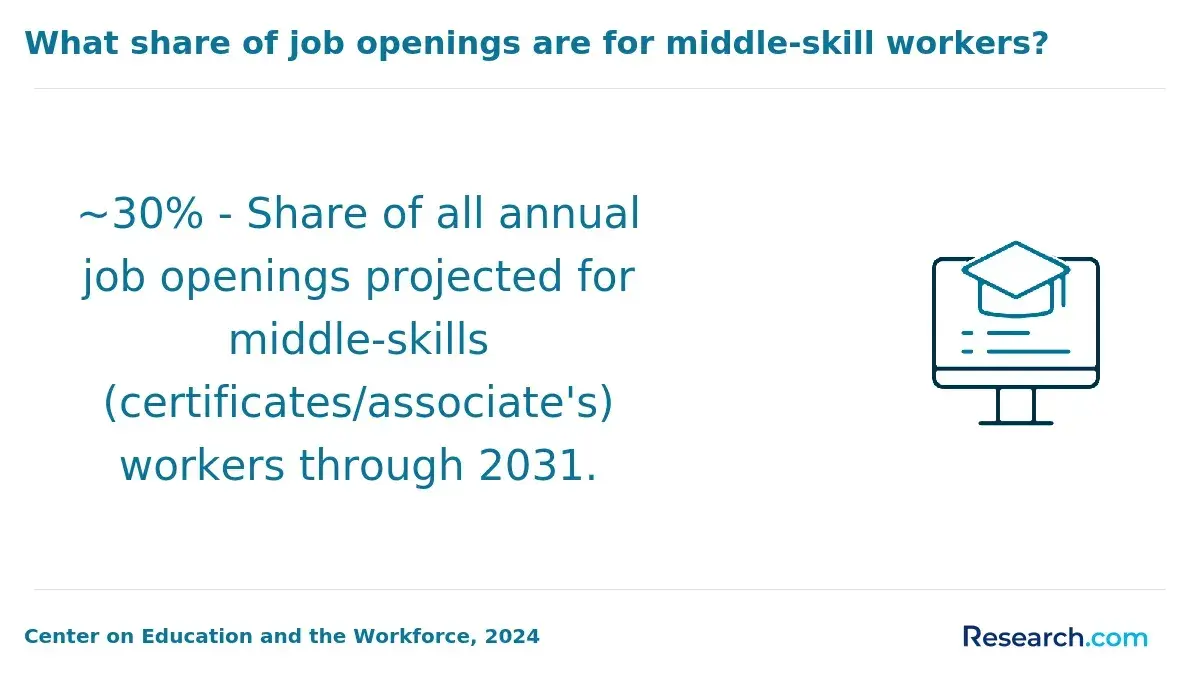
Industry can matter as much as specialization. The same speech pathology graduate may see different pay ranges depending on whether they work in a hospital, school district, skilled nursing facility, outpatient clinic, home health agency, university, or private practice.
The BLS May 2024 median wage of $95,410 is a useful national benchmark, but it blends many employers and settings. The table below connects academic tracks to industries where their skills are commonly valued, helping students interpret pay potential through employer demand rather than concentration labels alone.
| Industry or employer type | Specializations that commonly fit | Why demand exists | Pay and career considerations |
| Hospitals and acute care systems | Medical SLP, dysphagia, adult neurogenic disorders, voice | Stroke, trauma, airway, swallowing, and discharge planning needs | Often competitive; clinical confidence and externship quality can matter heavily |
| Rehabilitation hospitals and skilled nursing | Dysphagia, adult neurogenic communication, cognitive-communication | Aging populations and recovery after neurological injury | Can offer strong clinical volume; productivity expectations should be reviewed carefully |
| Home health | Adult neurogenic disorders, dysphagia, cognitive-communication | Care shifts from institutions to home-based recovery and chronic disease management | May pay well but can involve travel, documentation, and variable schedules |
| Outpatient specialty clinics | Voice, fluency, pediatric feeding, AAC, autism, literacy | Families and referring physicians seek targeted intervention | Private-pay or insurance mix can influence compensation |
| Public schools | Child language, literacy, autism, AAC, bilingual SLP | IDEA-related services and persistent need for student support | Benefits and stability may offset lower base pay in some districts |
| Private practice and consulting | Voice, pediatric feeding, AAC, bilingual services, executive communication | Specialized services may attract niche clients or contracts | Income depends on referrals, payer mix, business skills, and local demand |
| Health technology and documentation-adjacent roles | AAC, telepractice, clinical informatics, outcome measurement | Digital care delivery and assistive technology adoption | May reward technical fluency but may require nontraditional career planning |
Students who like healthcare operations may also compare speech pathology with adjacent health administration paths. For example, understanding health information manager salary data can help clarify whether they prefer direct patient care or systems-level work in documentation, compliance, and data management.
A common mistake is assuming that "medical SLP" automatically pays more in every market. In reality, a school-based SLP in a high-paying district with a strong union contract may out-earn a clinic-based SLP in a lower-paying region, while a private practitioner may earn more or less depending on referral volume and reimbursement.
Long-term advancement in speech pathology usually comes from one of four paths: deeper clinical specialization, leadership, private practice, or academic and research roles. The highest ceiling often belongs to clinicians who combine a valuable specialty with supervision, business, teaching, technology, or program-development skills.
The BLS projects employment for speech-language pathologists to grow faster than the average for all occupations in the current projection period, with demand supported by aging populations, developmental services, and recognition of communication and swallowing disorders. For students, this means advancement planning should focus less on chasing a single "best" track and more on building expertise that remains useful across settings.
The tracks below often provide strong long-term mobility because they can support clinical specialization, consulting, program leadership, or interdisciplinary work.
- Dysphagia and adult neurogenic disorders: Strong for advancement into lead clinician roles, hospital program development, rehabilitation specialization, and interdisciplinary care teams.
- AAC and assistive technology: Strong for district-level consulting, technology implementation, disability access work, telepractice support, and product-adjacent roles.
- Voice and upper airway: Strong for niche private practice, ENT collaboration, performer care, and specialized outpatient clinics.
- Bilingual and multicultural practice: Strong for leadership in equitable assessment, community health, school systems, and multilingual service delivery.
- Research or PhD-oriented tracks: Strong for university faculty roles, clinical research, grant-funded projects, and evidence-based program design.
- Administration and supervision: Strong for clinic director, rehab manager, special education leadership, or private practice ownership pathways.
Students should be realistic about the trade-off. Highly specialized tracks can raise long-term ceiling, but they may narrow early job options if the local market has few specialty employers. Broader tracks can provide flexibility, but students may need post-graduate continuing education to move into higher-paying niches.
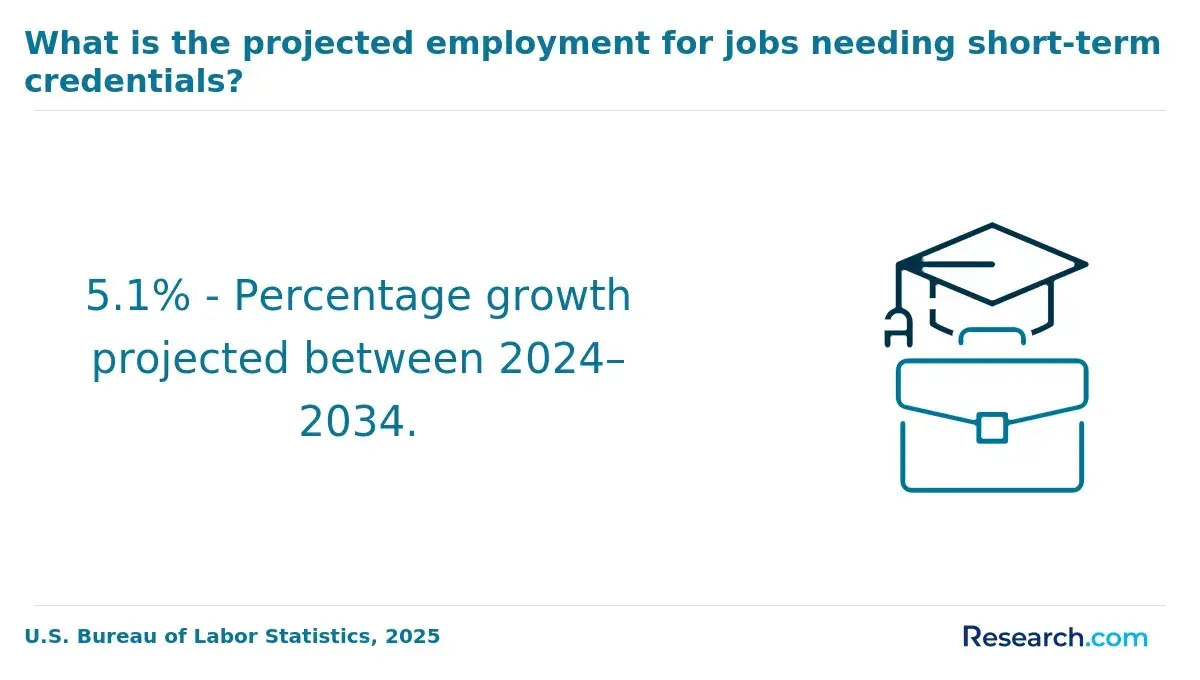
Location affects speech pathology pay through state funding, healthcare reimbursement, cost of living, union contracts, employer competition, and licensure rules. A specialization that pays well in one region may have fewer openings or lower rates in another.
Remote work has expanded through telepractice, especially for school-based services, bilingual services, evaluations, parent coaching, and follow-up therapy. However, telepractice does not remove licensure complexity: clinicians often need authorization in the state where the client is located, and school contracts or payer rules may add additional requirements.
Students comparing locations should evaluate more than the salary number. The checklist below helps connect specialization choice to the market where you plan to work.
- Compare salaries by setting in your target state, not only national medians.
- Ask whether hospitals, school districts, outpatient clinics, or home health agencies in the region are hiring for your intended specialization.
- Review state licensure rules for SLPs, SLP assistants, telepractice, temporary licenses, and clinical fellowship requirements.
- Calculate cost of living, commuting, unpaid travel time, and benefits before assuming a higher nominal salary is better.
- For remote roles, confirm whether the employer provides assessment tools, secure platforms, documentation systems, interpreter access, and supervision support.
Students who enjoy movement science, rehabilitation, and wellness but are unsure about SLP licensure may also compare related programs such as the best online kinesiology degree. This kind of comparison can clarify whether your strongest fit is communication sciences, rehabilitation, athletic performance, or broader health education.
One important red flag is choosing a specialization based on salaries from high-cost metro areas without adjusting for rent, transportation, taxes, and workload. A slightly lower-paying role in a supportive district or clinic may provide better net value and lower burnout risk.
Marketable speech pathology specializations combine clinical knowledge, supervised experience, documentation ability, and communication skills. Employers rarely hire based on a course title alone; they look for evidence that a candidate can evaluate, treat, collaborate, and document safely in a real setting.
For students comparing tracks, the most valuable courses and skills are those that map directly to employer needs. The following list highlights skill clusters that can strengthen earning potential across multiple specializations.
- Dysphagia assessment and intervention: Coursework and clinical exposure related to swallowing physiology, aspiration risk, diet recommendations, instrumental assessment concepts, and interprofessional collaboration.
- Adult neurological rehabilitation: Skills in aphasia, apraxia, dysarthria, cognitive-communication disorders, dementia, traumatic brain injury, and functional outcome measurement.
- Pediatric language and literacy: Competence in developmental language disorders, reading foundations, phonological awareness, writing support, and curriculum-connected intervention.
- AAC and assistive technology: Ability to support device trials, access methods, symbol systems, caregiver training, school implementation, and progress monitoring.
- Bilingual and culturally responsive assessment: Skills in language difference versus disorder, interpreter collaboration, dynamic assessment, and culturally appropriate family communication.
- Medical documentation and coding awareness: Familiarity with electronic health records, goal writing, discharge planning, payer documentation, and ethical reporting.
- Telepractice and digital care tools: Competence with remote assessment limits, privacy, engagement strategies, platform use, and hybrid service delivery.
- AI-aware clinical workflow: Understanding how documentation tools, speech analysis, and assistive technologies can support practice while preserving clinician judgment, privacy, and ethical responsibility.
Technology is changing employer expectations, but it is not replacing the need for clinical reasoning. Students who can use digital tools responsibly, measure outcomes, and explain recommendations clearly may be more competitive in both traditional and hybrid roles.
Program cost can change the "best" specialization decision. A higher-earning track may not produce better value if it requires expensive tuition, unpaid relocation, extra prerequisites, or a program with weak clinical placements in the student's target setting.
Tuition pressure is real. The College Board's 2024 college pricing data reported average published tuition and fees of $11,610 for in-state students at public four-year institutions and $43,350 at private nonprofit four-year institutions for the 2024-25 academic year. For speech pathology students, the practical lesson is to compare total pathway cost, not only prestige or concentration labels.
Use the following steps to compare specialization pay against program cost before enrolling.
- Identify the minimum credential required for your target role, including whether you need a CAA-accredited master's degree, state licensure, a clinical fellowship, or the CCC-SLP credential.
- Estimate total program cost, including tuition, fees, prerequisite courses, clinical placement travel, lost income, relocation, textbooks, exam fees, and licensure costs.
- Compare likely first roles by setting, such as school district, hospital, outpatient clinic, home health, or private practice, instead of relying on a single national salary figure.
- Ask each program for recent clinical placement examples in your intended specialization, especially if you are targeting medical SLP, pediatric feeding, voice, or AAC.
- Evaluate whether the program offers assistantships, scholarships, employer partnerships, paid work flexibility, or lower-cost online or hybrid coursework.
- Calculate a conservative payback scenario using modest salary assumptions rather than top-earner figures.
- Consider non-salary value, including benefits, schedule, supervision quality, geographic flexibility, burnout risk, and advancement support.
Students exploring healthcare graduate programs may notice similar ROI questions in other clinical fields, including online pharmacy school programs. The shared lesson is that affordability, accreditation, placement quality, and licensing outcomes should be weighed together.
A common mistake is assuming the most expensive program will lead to the best-paying specialization. In speech pathology, clinical placement access, faculty expertise, licensure alignment, and local employer relationships may matter more than sticker price.
Yes, credentials and graduate study can change earning potential, but the effect depends on the role. For most students, the biggest pay threshold is moving from undergraduate preparation into a licensure-eligible master's pathway. After that, specialized experience, supervision quality, and advanced competencies often matter more than accumulating credentials without a career plan.
The table below summarizes credentials and education choices that can influence speech pathology specialization earnings. Requirements vary by state, employer, and practice setting, so students should verify details with licensing boards and programs before committing.
| Credential or education step | How it affects career access | Potential earnings effect | What to verify |
| CAA-accredited master's degree | Common foundation for SLP licensure and clinical fellowship eligibility | Opens access to independent SLP roles and the main occupational salary range | Accreditation status, clinical hours, placement settings, and state alignment |
| State SLP license | Required for independent practice in most settings | Essential for most full SLP roles | State-specific education, exam, supervision, renewal, and telepractice rules |
| Clinical fellowship | Supervised transition from graduate study to independent practice | Can determine early specialization direction and first-job marketability | Supervision quality, caseload type, setting, and support structure |
| CCC-SLP | National professional certification commonly requested or preferred by employers | May improve mobility and competitiveness, depending on employer | Current ASHA standards, fees, continuing education, and employer expectations |
| Specialty continuing education | Builds competence in dysphagia, voice, AAC, feeding, fluency, or bilingual practice | Can support higher-value roles when tied to employer demand | Evidence quality, mentorship, hands-on training, and ethical scope of practice |
| Clinical doctorate | May support advanced practice, leadership, or teaching in some contexts | Payoff varies and is not required for standard SLP practice | Total cost, employer recognition, and role-specific benefit |
| PhD | Prepares for research, faculty roles, and academic leadership | Can open nonclinical advancement paths | Funding, research fit, academic job market, and opportunity cost |
Students should avoid treating certifications as shortcuts to higher pay. The strongest credential strategy is targeted: choose credentials that match your preferred setting, fill a real skill gap, and are recognized by employers who hire for your specialization.
The best speech pathology specialization is the one that aligns earning potential with your strengths, preferred clients, tolerance for clinical complexity, geographic market, and willingness to pursue required credentials. A high-paying track that does not fit your interests or local opportunities may produce weaker long-term value than a slightly lower-paying track with strong demand and better career sustainability.
Use this decision sequence to compare options before choosing a program or concentration. It is designed to keep you from relying too heavily on advertised salaries or broad rankings.
- Choose your preferred population first: infants, school-age children, adults, older adults, multilingual clients, professional voice users, or people with complex disabilities.
- Match that population to settings where you can realistically work, such as schools, hospitals, outpatient clinics, home health, private practice, or research.
- Identify the degree, licensure, clinical fellowship, and certification expectations for those settings in your state.
- Compare programs by clinical placement access, not only by course catalog language.
- Ask whether faculty have active expertise in your intended specialization and whether students recently completed externships in that area.
- Estimate ROI using conservative salary expectations, total program cost, and local job demand.
- Build a backup plan that keeps you employable if your preferred niche is not immediately available after graduation.
Several red flags should make students pause before committing to a specialization. These mistakes do not always ruin a career plan, but they can increase debt, reduce flexibility, or lead to disappointment.
- Choosing a track only because a salary list ranks it highly, without checking local employer demand.
- Assuming a concentration guarantees a hospital, private practice, or specialty clinic job.
- Ignoring accreditation, licensure, clinical fellowship, and state telepractice requirements.
- Comparing pay without considering benefits, workload, productivity targets, supervision, and cost of living.
- Overlooking school-based roles because base pay appears lower, even when benefits and stability may improve total value.
- Selecting a niche specialization without enough broad clinical preparation for the first job market.
- Failing to ask programs for placement outcomes related to medical SLP, feeding, voice, AAC, or bilingual practice.
If your priority is maximum earning potential, start by exploring medical speech-language pathology, dysphagia, adult neurogenic disorders, voice, pediatric feeding, AAC, and leadership-oriented tracks. If your priority is stable employment and broad demand, school-based language, literacy, autism, bilingual practice, and AAC may be stronger starting points. If your priority is autonomy, consider tracks that can eventually support private practice, consulting, or specialized outpatient services.
Entry-level earnings depend on the role a graduate can legally perform, the quality of clinical placements, and whether the student has a strong match between specialization and first-job demand. For speech pathology, the transition from graduate school to clinical fellowship is especially important because it is where specialization starts becoming marketable experience.
For students seeking stronger entry-level positioning, the most practical tracks are those linked to persistent hiring needs. The list below summarizes where new clinicians may find better early-career leverage, provided they meet licensure and supervision requirements.
- School-based child language, autism, literacy, and AAC: Often offers the broadest entry-level hiring market because many districts face ongoing SLP shortages and need clinicians who can manage IEP services, evaluations, and caseload documentation.
- Medical dysphagia and adult neurogenic communication: Can support higher-paying early-career opportunities, but new graduates usually need strong externships, clinical fellowship supervision, and comfort with medical settings.
- Pediatric feeding: May be attractive in children's hospitals and specialty clinics, but employers often prefer candidates with focused practicum experience or post-graduate mentorship.
- Bilingual SLP: Can improve entry-level marketability in districts, hospitals, and community clinics serving multilingual populations, especially when the clinician can assess and treat in the needed language.
- AAC and assistive technology: Can help new clinicians stand out in schools and clinics, particularly when they can support device trials, implementation, caregiver training, and team consultation.
Students should also distinguish "entry-level availability" from "highest possible ceiling." A school-based track may produce more immediate job options and benefits, while a medical or specialty clinic track may require a longer ramp-up but create stronger advancement opportunities later.
The best early-career strategy is to build evidence before graduation: choose practica aligned with your target setting, document specialized cases ethically, ask supervisors for competency-based feedback, and learn the billing, documentation, and team communication norms of your intended workplace.
Other Things You Should Know About Speech Pathology
Medical speech-language pathology, dysphagia, adult neurogenic disorders, voice, pediatric feeding, AAC, and leadership-focused tracks are often associated with stronger earning potential because they align with higher-paying settings or specialized services. Pay still depends on employer, state, experience, credentials, and caseload.
Usually no. A bachelor's degree in communication sciences and disorders can prepare you for graduate study or assistant roles in some states, but independent SLP practice generally requires a master's degree, state licensure, supervised clinical experience, and often the CCC-SLP credential.
It depends on your goals. Medical tracks may offer strong specialization and advancement potential, especially in dysphagia or neurological rehabilitation. School-based tracks may offer broader entry-level demand, stable schedules, benefits, and long-term leadership opportunities.
Compare total cost, accreditation, clinical placement quality, licensure fit, local job demand, and realistic first-job settings. Avoid using top-earner salaries as your ROI estimate; use conservative assumptions and consider benefits, debt, cost of living, and career flexibility.
See What Experts Have To Say About Studying Speech Pathology
Read our interview with Speech Pathology experts

- 8 SLP Certifications that May Help Advance Your Career https://speechpathologymastersprograms.com/become-speech-pathologist/speech-pathology-certifications/
- Why Get a Doctorate in Speech Pathology? Career Guide 2025 https://www.speechpathologygraduateprograms.org/blog/why-get-a-doctorate-in-speech-pathology/
- Speech-Language Pathology: A Career for Individuals Who Want to Work with Young Children https://www.mefa.org/article/speechlanguage-pathology-a-career-for-individuals-who-want-to-work-with-young-children/
- Speech Therapist Salary | Advanced Therapy Clinic https://www.advancedtherapyclinic.com/blog/speech-therapist-salary
- Careers in Speech & Language Pathology https://www.iona.edu/blog/speech-pathology-careers
- Highest-Paying States for Speech-Language Pathologists - TAG MedStaffing https://www.tagmedstaffing.com/blog/highest-paying-states-for-slps/
- What jobs can you have as a speech-language pathologist? https://www.laspeechtherapysolutions.com/what-jobs-can-you-have-as-a-speech-language-pathologist/
- Your Guide to SLP Certifications and Specialties https://otpotential.com/blog/slp-certifications-and-specialties
- 16 Speech Pathology Career Paths & Outlooks | USAHS https://www.usa.edu/blog/speech-pathology-career/
- Speech-Language Pathologist: Career, Salary & ABA Overlap https://www.appliedbehavioranalysisedu.org/jobs-related-to-applied-behavior-analysis/what-is-speech-language-pathology-and-how-does-it-intersect-with-applied-behavior-analysis/