2027 Speech Pathology Degree Persistence Report: Retention, Stop-Out Risk, and Re-Enrollment Patterns

Co-Founder and Chief Data Scientist

Reviewed by Rhea Paul, PhD
SLP Education & Research Expert
Speech pathology students often choose programs before knowing how well those programs help students stay enrolled. That matters because NCES data released in 2024 show first-year retention is much stronger for full-time bachelor's students than for part-time students, signaling how schedule, support, and finances shape completion. This guide is for prospective and current speech pathology students comparing bachelor's, post-baccalaureate, and graduate pathways. You will learn how to read retention signals, spot stop-out risks, evaluate support services, and choose a program that improves your odds of staying on track.
Key Things You Should Know
- Speech pathology persistence is best judged with several measures together: institutional retention, graduation rates, program-level completion data, leave-of-absence policies, and graduate student outcomes published by accredited programs.
- NCES data released in 2024 show four-year institutions retain first-time full-time bachelor's students at roughly the mid-70% range, while part-time retention is far lower, making enrollment intensity a major persistence factor.
- The stakes are high because speech-language pathologist roles typically require graduate education and licensure; BLS May 2024 data place the median annual wage for speech-language pathologists at $95,410, with projected employment growth of 18% from 2023 to 2033.
- What Do Retention Rates Reveal About Student Success in Speech Pathology Degree Programs?
- Which Students Are Most at Risk of Stopping Out of a Speech Pathology Degree Program?
What Do Retention Rates Reveal About Student Success in Speech Pathology Degree Programs?
Retention rates show how many students return after their first year, while persistence describes continued enrollment toward a credential over time. A stop-out is a temporary break in enrollment, and re-enrollment is the process of returning after that break. In speech pathology, these measures matter because many students must complete sequenced prerequisites before applying to a master's program in speech-language pathology.
For bachelor's-level communication sciences and disorders programs, major-specific retention data are not always public. That means students should combine institutional IPEDS retention and graduation data with department-level indicators such as prerequisite completion, cohort advising, and graduate school placement. For accredited graduate speech-language pathology programs, outcome transparency is stronger because programs accredited by the Council on Academic Accreditation in Audiology and Speech-Language Pathology commonly publish student outcome data such as on-time completion, Praxis pass rates, and employment outcomes.
The table below explains the persistence metrics most useful when comparing speech pathology degree programs. It is important because no single metric can tell you whether a program is a good fit for your schedule, finances, academic preparation, or career timeline.
| Metric | What it measures | How to use it when comparing speech pathology programs |
| First-year retention rate | The share of first-time students who return for the next fall term | Use it as an institutional stability signal, especially for undergraduate programs where major-level retention is not public. |
| Graduation rate | The share of students who complete a credential within a defined time window | Compare it with retention; a school can retain students early but still have delayed completion. |
| On-time program completion | The share of students who finish a graduate program within the expected timeline | Use it heavily for master's-level speech-language pathology programs because clinical sequencing can delay graduation. |
| Stop-out or leave patterns | Whether students pause enrollment and return | Ask schools directly because this is often not published, yet it affects cost, aid, and graduation timing. |
| Licensure or certification-related outcomes | Outcomes tied to Praxis performance, clinical hours, and employment | Use these as downstream indicators, not as guarantees of your individual outcome. |
A high retention rate is a positive sign, but it does not guarantee graduation. It usually means students are returning after the first year, while graduation data show whether students complete the full path. For speech pathology, the strongest programs tend to pair solid institutional retention with clear advising, predictable course sequencing, clinical placement support, and transparent graduate outcomes.
Which Students Are Most at Risk of Stopping Out of a Speech Pathology Degree Program?
Students most at risk of stopping out are not necessarily less capable. Stop-out risk usually rises when academic sequencing, work obligations, family responsibilities, financial pressure, and limited advising collide. Speech pathology can be especially sensitive to sequencing because missing one prerequisite can delay the next course, graduate application timeline, or clinical placement.
The table below summarizes common early warning signs. These signals are useful because they help students act before a temporary problem becomes a full academic interruption.
| Risk signal | Why it matters in speech pathology | What it may affect |
| Part-time enrollment without a long-term plan | Sequenced prerequisite courses may not be offered every term | Graduation timing and graduate school application cycles |
| Weak performance in anatomy, language development, hearing science, or statistics | These courses often support later clinical and research coursework | Major progression and competitiveness for graduate admission |
| Unresolved financial aid gaps | Even small unpaid balances can block registration | Next-term enrollment and access to transcripts |
| Limited access to observation or clinical preparation | Students may reach graduate applications without enough career clarity | Program fit and readiness for clinical expectations |
| Work schedules that conflict with daytime classes or clinical experiences | Some required experiences may not be available at night or asynchronously | Persistence, stress level, and time to degree |
Students should treat these signals as prompts to seek help, not as reasons to quit. The most important step is to talk with an academic advisor before dropping a course, reducing credits, or taking a break.
Common red flags deserve special attention because they often seem harmless at first. Watch for these patterns before they become difficult to reverse:
- Choosing a program based only on tuition without checking whether required courses are offered often enough to support your timeline.
- Assuming a temporary break will not affect financial aid, clinical placement eligibility, or graduate application timing.
- Waiting until final grades are posted before asking for tutoring, faculty support, or a revised study plan.
- Enrolling full time while working heavy hours without confirming whether the program's workload is realistic.
- Ignoring re-enrollment rules, course expiration policies, or minimum GPA standards before taking time away.
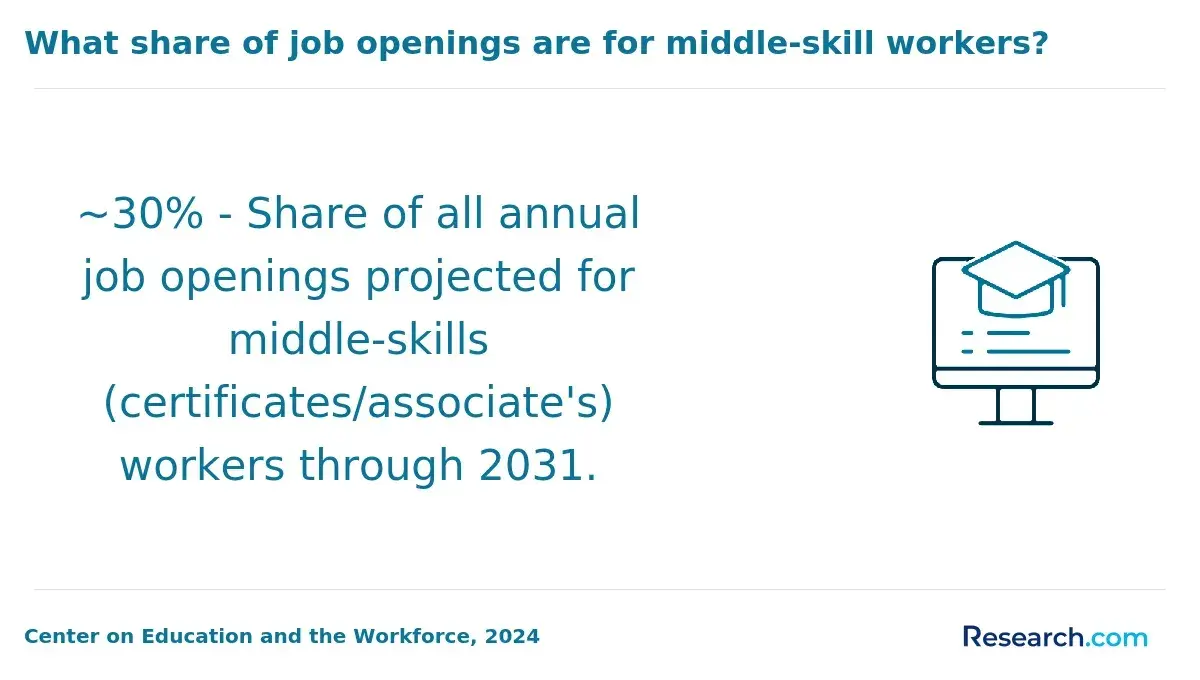
Academic and financial challenges reduce persistence when students underestimate the length and structure of the speech pathology pathway. A bachelor's degree in communication sciences and disorders may lead to graduate study, but independent practice as a speech-language pathologist generally requires a master's degree, supervised clinical experience, and state licensure. That longer timeline makes planning more important than in shorter workforce programs.
Cost pressure is one of the clearest persistence risks. The College Board's 2024 pricing data show average published tuition and fees of $11,610 for in-state students at public four-year institutions and $43,350 at private nonprofit four-year institutions for 2024-25. For speech pathology students, the important lesson is not just the annual price; it is whether you can sustain the full pathway through prerequisites, graduate applications, clinical education, and licensure-related expenses.
Students comparing healthcare pathways should be honest about timeline and financial tolerance. If your immediate goal is rapid workforce entry, a shorter option such as a 12 week LPN program may be worth comparing against the longer speech pathology route before committing to multiple years of study.
The most common academic barriers are predictable, which means students can plan around them. Before enrolling or changing programs, review these pressure points with an advisor:
- Prerequisite sequencing: Confirm which courses must be completed before upper-division or graduate-level coursework.
- Minimum grade requirements: Some programs require specific grades in major courses, not just an overall GPA.
- Graduate admission expectations: Ask how the department supports students with observation hours, recommendation letters, research exposure, and application planning.
- Clinical readiness: Understand when observation, simulation, or clinical experiences begin and whether they conflict with employment.
- Financial aid continuity: Ask how dropping below full time, repeating courses, or taking a leave affects aid eligibility.
Paying more for a program with stronger support can make sense if the program provides advising, tutoring, predictable course availability, and clinical placement coordination that reduce the risk of delay. It makes less sense to pay a premium if support is vague, outcomes are not transparent, or the schedule does not fit your life.
Speech pathology students return after stopping out in several ways: reactivating at the same school, transferring to another institution, changing enrollment intensity, or completing missing prerequisites before applying to graduate school. A stop-out does not automatically end the pathway, but it can change the timeline and cost if courses expire, program requirements change, or clinical sequences are missed.
The table below outlines common re-enrollment patterns. It matters because the best return strategy depends on why the student stopped out and how close they were to completing key requirements.
| Re-enrollment pattern | When it may make sense | What to verify before returning |
| Return to the same program | The student left in good standing and required courses are still current | Catalog year, GPA standing, financial aid eligibility, and next available courses |
| Return part time | The original workload was too heavy but the student wants to maintain progress | Course rotation, minimum credits for aid, and updated graduation date |
| Transfer to another school | The original program no longer fits schedule, cost, location, or support needs | Transfer credit acceptance, residency requirements, and prerequisite equivalency |
| Complete prerequisites separately | The student has a bachelor's degree in another field and needs CSD foundations | Graduate program acceptance of post-baccalaureate or leveling coursework |
| Change career direction | The student decides the clinical SLP pathway no longer fits their goals | How completed credits apply to related health, education, or human services programs |
Before taking a leave, students should create a return plan rather than assuming they can simply resume later. The plan should be written down and confirmed with the school.
- Ask for the official leave-of-absence policy and the maximum time allowed away from the program.
- Confirm whether major courses, clinical hours, or prerequisite credits expire after a certain period.
- Check whether your financial aid, scholarships, assistantships, or loan deferment status will change.
- Identify the exact term when the next required course will be offered.
- Keep copies of syllabi, grades, clinical documentation, and advising notes in case you transfer or reapply.
Transferring can be a smart persistence strategy when a program's format or cost has become unworkable. It can also delay graduation if credits do not transfer cleanly, if the new school has different prerequisites, or if you must meet a residency requirement before graduating.
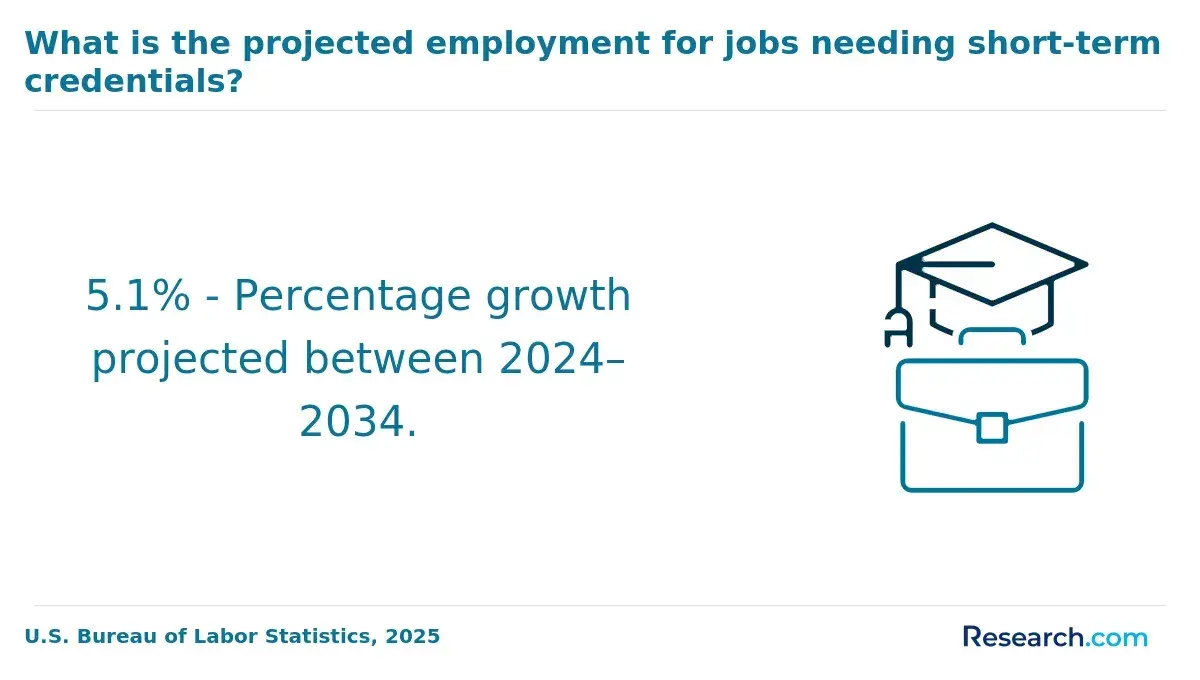
Support services improve persistence when they are proactive, easy to access, and connected to the specific demands of speech pathology coursework. Generic student services help, but the strongest programs also understand the academic sequence from foundational communication sciences to clinical preparation.
The table below shows support services that are especially relevant to speech pathology persistence. Use it to distinguish programs with meaningful student success systems from programs that simply list services on a website.
| Support service | How it supports persistence | What to ask the school |
| Major-specific academic advising | Helps students avoid sequencing mistakes and missed prerequisites | Will I have an advisor who understands CSD or speech pathology requirements? |
| Tutoring and supplemental instruction | Supports difficult courses before grades fall below program standards | Which major courses have dedicated tutoring or study groups? |
| Faculty mentoring | Helps students prepare for graduate applications, research, and recommendation letters | How are students matched with faculty mentors? |
| Clinical preparation support | Clarifies observation, practicum, documentation, and professional expectations | When do students begin preparing for clinical experiences? |
| Financial aid counseling | Reduces registration holds and helps students plan for multi-year costs | Can I meet with aid staff before reducing credits or taking leave? |
| Career and graduate school advising | Connects coursework to realistic next steps after graduation | What percentage of students receive help with graduate applications or career alternatives? |
Strong support is not the same as hand-holding. It means the program has systems that catch problems early, communicate expectations clearly, and help students make informed decisions before they lose time or aid eligibility.
Students should look for evidence of support, not just promises. Useful signs include:
- Required advising before registration for sequenced major courses.
- Published plans of study for full-time and part-time students.
- Clear policies for probation, course repeats, leaves of absence, and re-enrollment.
- Accessible faculty office hours for online and campus students.
- Transparent student outcome data for graduate programs, including completion and employment measures.
Persistence affects speech pathology students in three practical ways: graduation timing, total cost, and readiness for licensure-related steps. Because the clinical speech-language pathology route usually requires graduate education, delays at the undergraduate or prerequisite stage can push back graduate admission, supervised clinical training, and entry into the workforce.
BLS May 2024 data report a median annual wage of $95,410 for speech-language pathologists, with employment projected to grow 18% from 2023 to 2033. This does not guarantee any individual salary, but it explains why many students are willing to invest in a longer pathway if the program structure helps them persist through graduation and licensure preparation.
Students who like rehabilitation, movement science, and human performance but are uncertain about the clinical SLP path may also compare alternatives such as the best online kinesiology degree programs, especially if they want broader options in fitness, wellness, therapy preparation, or health education.
The table below shows how enrollment interruptions can affect the speech pathology timeline. It is a planning tool, not a prediction, because actual timing depends on school policies, transfer credits, course availability, and graduate admission cycles.
| Student pathway | Typical persistence issue | Possible effect on timeline |
| Full-time undergraduate CSD major | Missing a sequenced prerequisite | May delay upper-division coursework or graduate applications |
| Part-time undergraduate student | Courses not offered every term | May extend bachelor's completion beyond the original plan |
| Post-baccalaureate prerequisite student | Unclear graduate program equivalencies | May require retaking courses if credits are not accepted |
| Graduate SLP student | Clinical placement or competency delay | May extend program completion and licensure preparation |
| Stop-out student returning later | Catalog or policy changes | May need an updated degree audit or additional requirements |
Graduating later can increase total cost even if tuition per credit does not change. Students may pay additional fees, lose scholarships tied to continuous enrollment, delay earnings, or need to retake courses. That is why persistence should be part of the return-on-investment conversation, not just an academic success metric.
The speech pathology degree programs with the strongest persistence outcomes are usually the ones that combine accreditation, transparency, structured advising, and flexible but realistic course planning. For graduate speech-language pathology programs, students should prioritize programs accredited by the Council on Academic Accreditation in Audiology and Speech-Language Pathology because accreditation is commonly tied to licensure preparation and professional expectations. Requirements can still vary by state, so students should confirm licensure rules where they plan to practice.
It is not responsible to rank individual speech pathology programs by persistence unless comparable, verified program-level retention data are available. Instead, students should identify strong programs by looking for evidence that students complete on time, receive support when they struggle, and understand clinical requirements early.
The table below summarizes the traits that typically separate stronger persistence environments from weaker ones. Use these indicators alongside cost, location, admissions fit, and licensure alignment.
| Program trait | Why it signals stronger persistence | Evidence to request or verify |
| Accredited graduate pathway | Shows the program meets professional education standards | Current accreditation status and state licensure alignment |
| Published student outcomes | Allows comparison of completion, Praxis, and employment trends | Recent multi-year outcome reports on the program website |
| Clear course maps | Reduces registration mistakes and sequencing delays | Full-time, part-time, and transfer plans of study |
| Accessible clinical coordination | Helps students understand practicum expectations and placement timelines | Clinical handbook, placement process, and support contacts |
| Strong re-enrollment policies | Improves the chance that temporary interruptions remain temporary | Leave policy, readmission deadlines, and credit expiration rules |
| Targeted academic support | Helps students recover before probation or withdrawal becomes likely | Tutoring, early alerts, faculty mentoring, and advising requirements |
Retention should matter when choosing a school, but graduation outcomes and program-level completion data often matter more. Retention tells you students come back; completion tells you whether they finish. For speech pathology, completion is especially important because delayed graduation can affect clinical training, graduate admission windows, and licensure preparation.
Student persistence patterns in speech pathology are changing as programs respond to working adults, online learning demand, rising costs, and the need for more flexible clinical preparation. Hybrid coursework, remote advising, simulation tools, and early-alert systems are becoming more common across higher education, but students should still verify how clinical and practicum requirements work in practice.
AI and learning analytics are also affecting persistence. Some institutions use early-alert systems to flag missed assignments, low exam scores, or registration gaps so advisors can intervene sooner. These tools can help, but they are only useful when paired with human advising, accessible tutoring, and clear follow-up.
Career comparison is another trend. Some students who begin in speech pathology also review adjacent healthcare and administration pathways, including data on health information manager salary, because they want to understand whether a clinical, administrative, or health technology route fits their strengths and tolerance for graduate education.
The table below shows current trends and how they may influence persistence decisions. The point is not to chase trends, but to ask better questions before enrolling.
| Trend | How it may help persistence | What students should verify |
| Hybrid and online coursework | Can reduce commuting barriers and support working students | Whether labs, clinical experiences, or intensives require in-person attendance |
| Early-alert advising systems | Can identify problems before students withdraw | Who contacts students and how quickly support begins |
| Greater focus on adult learners | May improve scheduling for students with jobs or family responsibilities | Whether required courses are offered at times adult learners can attend |
| Rising cost scrutiny | Pushes students to compare total pathway cost, not just tuition | Fees, clinical costs, aid renewal rules, and time-to-degree risks |
| Technology-supported clinical preparation | May help students practice skills before live placements | How simulation or telepractice preparation fits accreditation and program requirements |
The broader pattern is clear: persistence is becoming less about whether students are motivated and more about whether programs are designed for the realities students face. The best programs make expectations visible early and give students multiple ways to recover when life, money, or coursework becomes difficult.
Students should evaluate speech pathology programs by asking one central question: "Does this program make it realistic for me to stay enrolled, recover from setbacks, and finish?" The answer depends on your academic preparation, work schedule, finances, preferred learning format, and long-term goal of entering speech-language pathology or a related field.
Use the following steps when comparing programs. These are practical actions that help you move beyond marketing language and judge whether a school can support your persistence.
- Check institutional retention and graduation data, then ask whether the department tracks persistence for communication sciences and disorders or speech pathology students.
- For graduate programs, review published student outcome data, including on-time completion, Praxis pass information, and employment outcomes.
- Request a term-by-term plan of study for your enrollment status, including part-time or transfer scenarios if relevant.
- Ask how often required courses are offered and what happens if you fail, withdraw from, or postpone a sequenced course.
- Confirm the exact leave-of-absence, re-enrollment, and credit expiration policies before you need them.
- Estimate total cost through completion, including tuition, fees, books, commuting, clinical expenses, application fees, and possible delayed earnings.
- Speak with current students or recent alumni about advising quality, faculty access, workload, and how the program responds when students struggle.
Retention and graduation rates should not be viewed as a simple scoreboard. A lower-cost program with weak advising can become expensive if it causes delays, while a higher-cost program is not worth more unless its support systems are specific, accessible, and proven through transparent outcomes.
Avoid these common mistakes when making your final decision:
- Assuming all online and campus programs provide the same level of advising and clinical preparation.
- Comparing tuition without considering graduation time, course availability, and re-enrollment policies.
- Ignoring state licensure requirements until after choosing a graduate program.
- Choosing full-time enrollment because it looks efficient, even when your work or family schedule makes it unsustainable.
- Taking a stop-out without a written return plan, financial aid review, and updated degree audit.
The strongest choice is the program that fits both your career goal and your real life. For speech pathology students, persistence is not just about staying enrolled next semester; it is about building a pathway that can carry you through prerequisites, graduate training, clinical preparation, and licensure steps without preventable delays.
Learning format and enrollment status can strongly affect persistence. Online and hybrid speech pathology pathways can help students who work, care for family, or live far from campus, but they require discipline and may still include in-person clinical or practicum requirements. Campus programs may offer easier access to faculty, labs, peer cohorts, and on-site services, but they can be harder for students with fixed work schedules.
Students already comparing healthcare distance education options, including online pharmacy school programs, should apply the same persistence lens to speech pathology: flexibility is valuable only if the program also provides advising, faculty access, clear clinical requirements, and reliable technology support.
The table below compares format and enrollment choices. It helps clarify when each option may support persistence and when it may create additional stop-out risk.
| Enrollment choice | Persistence advantage | Persistence risk | Best fit |
| Full-time campus | Clear cohort structure, easier access to services, faster completion | Less flexibility for students working many hours | Students who can prioritize school and attend daytime classes |
| Part-time campus | Lower term-by-term workload | Sequencing delays if courses are offered once per year | Students with stable advising and a multi-year plan |
| Full-time online or hybrid | Flexible location and often better fit for working adults | High self-management demands and possible in-person clinical requirements | Organized students with protected study time |
| Part-time online or hybrid | Can support caregivers and full-time workers | Longer time to degree and higher risk of losing momentum | Students with strong motivation, advising, and financial planning |
NCES data released in 2024 continue to show a large retention gap between full-time and part-time undergraduates. For speech pathology students, that does not mean part-time study is a poor choice; it means part-time students need stronger planning around course rotation, aid eligibility, and graduate application timing.
Before choosing online, campus, full-time, or part-time study, take these practical steps:
- Map every required course by term, not just by year, so you can see whether a missed class causes a full-year delay.
- Ask whether clinical observation, labs, or practica require daytime attendance or travel.
- Confirm how quickly advisors respond to online students and whether tutoring is available outside business hours.
- Build a weekly time budget that includes reading, group projects, commuting, clinical preparation, and work obligations.
- Choose the format that you can sustain consistently, not the one that looks fastest on paper.
Other Things You Should Know About Speech Pathology
Both matter, but graduation and program completion data usually tell you more. Retention shows whether students return after the first year, while graduation and on-time completion show whether students finish the pathway.
In most cases, no. Independent practice as a speech-language pathologist generally requires a master's degree, supervised clinical experience, passing required exams, and state licensure. Rules vary by state, so always verify local requirements.
No. A temporary stop-out can be manageable if you leave in good standing, understand financial aid effects, and have a clear re-enrollment plan. The risk rises when students leave without checking course sequencing, credit expiration, or readmission rules.
Not automatically. Online and hybrid programs can improve access for working adults, but persistence depends on advising, course structure, faculty access, technology support, and how the program handles clinical or in-person requirements.
See What Experts Have To Say About Studying Speech Pathology
Read our interview with Speech Pathology experts

- College Completion - ReUp Education https://reupeducation.com/resources/college-completion/
- School-Based Speech-Language Pathology Must Change https://bilinguistics.com/school-based-slp/
- blog/Blog Retention Strategies | Student Retention AI for Co https://boomai.app/blog/university-retention-strategies
- From At Risk to Resilient: 4 Ways Nursing Programs Can Increase Student Retention & NCLEX Pass Rates https://www.atitesting.com/educator/blog/knowledge/2025/06/26/4-ways-nursing-programs-can-increase-student-retention
- Good news (mostly) on stop-outs, re-enrollment https://www.ccdaily.com/2025/06/good-news-mostly-on-stop-outs-and-re-enrollment/
- How many people drop out of college: Statistics analysis [2025] https://www.wooclap.com/en/blog/how-many-people-drop-out-of-college/
- Stop Out Students: Proven Re-enrollment Strategies (2025) - Campus Mind https://www.campusmind.org/stop-out-students-re-enrollment-strategies/
- Boosting Student Retention: Proven Strategies for Higher Ed Success https://moderncampus.com/blog/strategies-for-improving-retention-in-higher-education.html
- College Dropout Rate [2025]: by Year + Demographics https://educationdata.org/college-dropout-rates