2027 Speech Pathology Degree Bachelor's-Level ROI Report: Best Career Returns Without Graduate School

Co-Founder and Chief Data Scientist

Reviewed by Rhea Paul, PhD
SLP Education & Research Expert
A speech pathology bachelor's degree can lead to meaningful healthcare, education, and communication careers, but it does not by itself qualify someone to become a licensed speech-language pathologist. That distinction matters because the BLS reported a $95,410 median wage for speech-language pathologists in May 2024, yet that role typically requires a master's degree and state licensure. This guide helps CSD and speech pathology students compare bachelor's-level options, costs, salary upside, certifications, and when graduate school is financially worth considering.
Key Things You Should Know
- A bachelor's in speech pathology or communication sciences and disorders has the strongest ROI when paired with state-approved assistant credentials, healthcare operations, training, HR, health education, or assistive-technology roles rather than when used as a stand-alone clinical credential.
- The highest bachelor's-level upside usually comes from moving into management, training, HR, health technology, or healthcare administration; the BLS reported a $117,960 May 2024 median wage for medical and health services managers, although those roles usually require experience.
- Graduate school makes the clearest financial sense when the student specifically wants licensed SLP practice; without that goal, faster-entry roles plus targeted certifications may produce a better early-career return.
- Which Speech Pathology Bachelor's Degree Careers Deliver the Highest ROI Without Graduate School?
- Which Industries Reward Speech Pathology Bachelor's Graduates the Most?
Which Speech Pathology Bachelor's Degree Careers Deliver the Highest ROI Without Graduate School?
The best bachelor's-level ROI depends on whether you define "return" as the fastest job after graduation, the highest long-term salary ceiling, or the best match for speech and language training. A speech pathology bachelor's degree is strongest when it signals knowledge of communication development, disability support, documentation, client interaction, and healthcare or school systems.
The table below compares common bachelor's-accessible paths for speech pathology graduates. Salary figures are national reference points from BLS May 2024 data where a closely matched occupation is published; for roles such as speech-language pathology assistant, pay varies heavily by state authorization, employer setting, and job title.
| Career path without graduate school | Typical fit for a speech pathology bachelor's graduate | 2024 national salary reference | ROI signal |
| Healthcare operations or services management track | Clinic coordinator, patient access, scheduling supervisor, quality support, later manager | Medical and health services managers: $117,960 median | Highest long-term upside, but usually not immediate management after graduation |
| Human resources or accommodations specialist | Employee training, disability accommodations, leave coordination, workplace communication support | Human resources specialists: $72,910 median | Strong ROI for graduates who like policy, people operations, and documentation |
| Training and development specialist | Learning design, onboarding, communication coaching, staff education | Training and development specialists: $65,850 median | Good salary growth if paired with instructional design, LMS, or corporate training skills |
| Health education specialist | Community programs, patient education, prevention outreach, caregiver training | Health education specialists: $64,930 median | Solid fit for graduates who want public health impact without clinical licensure |
| Interpreter or communication-access role | Bilingual communication support, accessibility services, patient navigation | Interpreters and translators: $59,440 median | Best for bilingual graduates or those with specialized communication-access credentials |
| Speech-language pathology assistant | Therapy support under SLP supervision where allowed by state rules | No single national BLS median for all SLPA job titles | Best field-aligned option when the state permits practice and employer demand is strong |
| Social and human service assistant | Case support, developmental services, family support, disability programs | Social and human service assistants: $44,240 median | Fast entry, meaningful work, but lower salary ceiling unless paired with advancement |
For many students, the best bachelor's-level return is not the job that sounds closest to speech-language pathology; it is the role that pays for their communication expertise without requiring an expensive credential. If a student wants a faster licensed healthcare route rather than a communication-focused career, comparing alternatives such as a 12 week LPN program can clarify whether nursing support roles offer a better timeline and credential structure.
A common mistake is assuming that a speech pathology bachelor's degree is "low ROI" because it does not directly produce SLP licensure. The more accurate view is that the degree is a flexible pre-professional credential: its ROI improves when the graduate chooses a target role early and adds a marketable skill, certification, or supervised assistant authorization.
Which Industries Reward Speech Pathology Bachelor's Graduates the Most?
Industries matter because two graduates with the same degree can earn very different returns depending on whether they work in public schools, clinics, hospitals, community agencies, corporate training, or health technology. The strongest-paying industries tend to reward transferable communication skills plus operations, compliance, sales, data, or staff-development skills.
The table below shows where bachelor's-level speech pathology graduates often find the best ROI. Use it to compare pay potential, stability, and how closely each industry connects to communication sciences.
| Industry | Why it can reward speech pathology graduates | Best-fit bachelor's-level roles | ROI caution |
| Healthcare systems and outpatient clinics | Employers value patient communication, documentation, scheduling, compliance, and care coordination | Clinic coordinator, rehabilitation services coordinator, patient access lead, quality assistant | Entry roles may start administratively, so advancement planning is essential |
| Public schools and special education services | Strong mission fit and exposure to speech, language, learning, and disability support | SLPA where authorized, instructional aide, special education support, communication aide | Pay may be lower than healthcare or corporate roles, though benefits can be valuable |
| Corporate learning and HR | Speech pathology training supports coaching, communication assessment, accessibility, and adult learning | Training specialist, HR coordinator, accommodations assistant, onboarding specialist | Graduates may need HR systems, employment law, or instructional design skills |
| Health technology and assistive technology | Growing use of speech recognition, AAC tools, telehealth workflows, and digital patient platforms | Customer success associate, implementation specialist, product support, accessibility tester | Technical fluency matters as much as CSD coursework |
| Community health and nonprofit services | Communication, family education, and developmental knowledge translate well to outreach programs | Health educator, case support specialist, family services coordinator | Mission-driven roles may offer lower pay unless there is a management path |
Healthcare administration deserves special attention because it can turn a speech pathology background into a higher-ceiling operations career. Students considering that path should compare healthcare management responsibilities and compensation expectations with resources on health information manager salary, especially if they are interested in compliance, records, revenue cycle, or data-driven care operations.
The key decision is whether you want a field-aligned role or a higher-paying adjacent role. Public schools and clinics may offer the closest connection to speech-language services, while corporate training, HR, and health technology may provide faster salary growth for graduates willing to move away from direct therapy support.
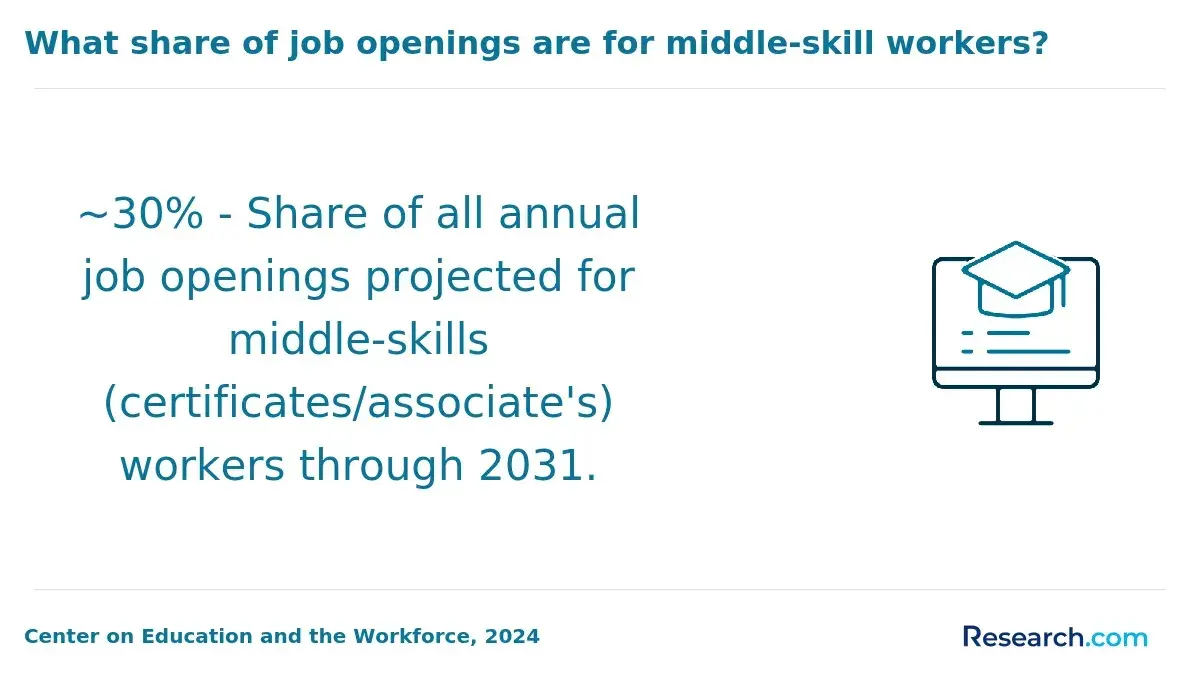
The fastest financial return usually comes from roles that require little additional schooling and allow graduates to start earning soon after the bachelor's degree. For speech pathology graduates, this often means assistant, coordinator, support, or education roles that convert coursework in language development, anatomy, cognition, and disability into workplace value.
These options tend to offer the shortest path from graduation to income because they do not usually require a master's degree. The best choice depends on state rules, local hiring demand, and whether the graduate wants clinical exposure or broader healthcare experience.
- Speech-language pathology assistant roles can provide the most direct field experience where state rules allow bachelor's-level practice under licensed SLP supervision.
- Patient services, rehabilitation scheduling, and clinic coordination roles can turn healthcare familiarity into income quickly while building operations experience.
- Behavior technician and developmental support roles may fit graduates who understand communication, autism services, and data collection, especially when paired with an employer-recognized credential.
- Special education aide or instructional support roles offer immediate school-based experience, though graduates should compare the pay scale with the value of benefits, schedule, and licensure exposure.
- Community health or family services roles can be a good early return for students who want client-facing work without committing to clinical graduate school.
A practical way to compare fast-return careers is to calculate "months to first paid role," not just annual salary. A $45,000 role that starts immediately can outperform a higher-paying path that requires two unpaid years of additional schooling if the graduate is unsure about becoming an SLP.
One red flag is accepting a low-paid role simply because it is speech-related without asking about supervision, promotion, benefits, and skill development. The fastest job is not always the best ROI job if it does not lead to a stronger second role within one to two years.
Location can change the ROI of a speech pathology bachelor's degree because wages, rents, commuting costs, state assistant rules, and school-district pay scales vary widely. A role with a modest salary in a lower-cost region may produce better real financial return than a higher salary in a metro area where rent absorbs the difference.
Students should compare location using after-cost income rather than headline salary. The most useful calculation is simple: expected monthly take-home pay minus rent, transportation, loan payments, certification costs, and required unpaid fieldwork.
- Check whether the state recognizes speech-language pathology assistants and what education, registration, supervision, and continuing education rules apply.
- Compare job postings from schools, hospitals, outpatient clinics, private therapy practices, and healthcare systems rather than relying only on national averages.
- Look at benefits, not just pay; public schools and hospitals may offer retirement plans, health coverage, tuition assistance, and predictable schedules that improve total ROI.
- Estimate commuting time and transportation costs because lower-paid assistant roles can lose value quickly if they require long daily travel.
- Ask whether the role creates documented experience that helps with promotion, graduate admissions, or a better-paying adjacent job.
BLS OEWS data updated with May 2024 wages is helpful because it provides state and metropolitan wage patterns, but it should not be used as a personal salary promise. Local employer budgets, school calendars, collective bargaining agreements, and state practice rules can matter more than the national median for an individual graduate.
A common red flag is choosing an expensive city solely because it has more healthcare employers. More openings can help, but ROI depends on whether those openings pay enough after housing and debt costs.
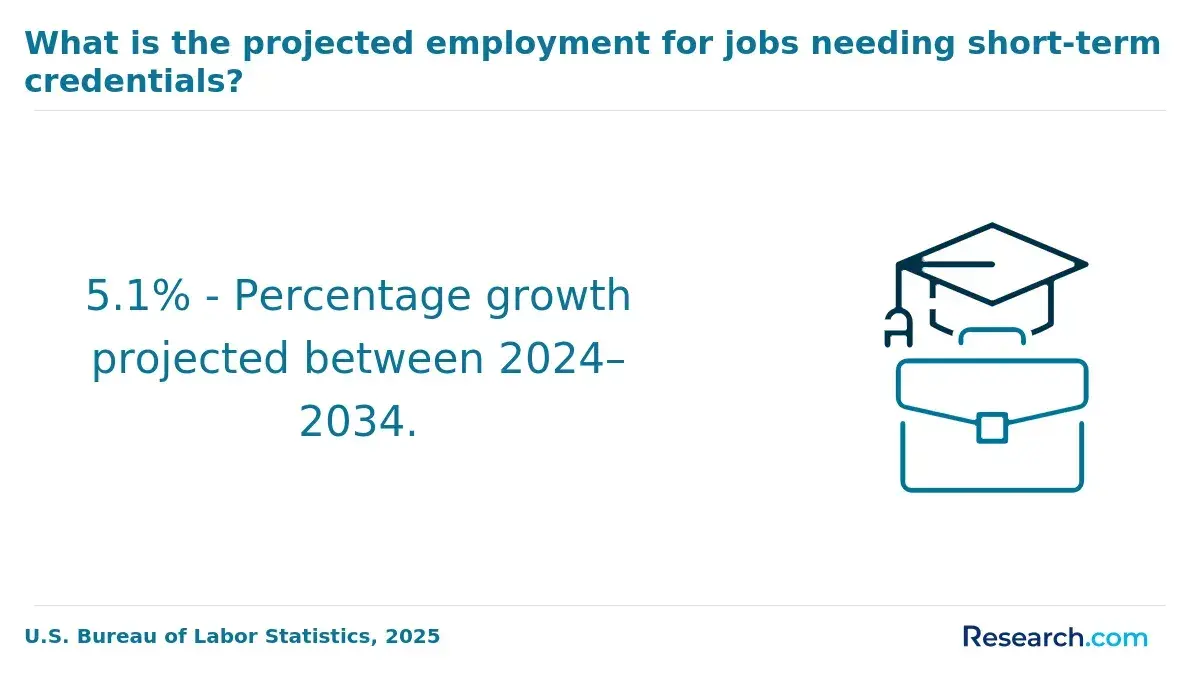
Skills can raise the ROI of a speech pathology bachelor's degree because employers often pay for what graduates can do immediately, not just what they studied. The most valuable skills translate communication science into documentation, coaching, compliance, technology, and client support.
Students should prioritize skills that appear repeatedly in job postings across multiple industries. The following skill clusters are especially useful because they open more than one career path.
- Clinical support skills: speech and language terminology, developmental milestones, therapy-material preparation, progress-note support, and professional boundaries under licensed supervision.
- Documentation and compliance skills: HIPAA awareness, accurate recordkeeping, accommodation documentation, service logs, and confidentiality practices.
- Technology skills: AAC familiarity, telehealth platforms, speech-recognition tools, learning management systems, CRM software, and basic data reporting.
- Communication coaching skills: presentation support, caregiver education, staff training, plain-language writing, and conflict-sensitive communication.
- Data and outcomes skills: tracking goals, summarizing progress, reading dashboards, and explaining outcomes to supervisors or families.
- Bilingual or multilingual communication skills: patient navigation, interpretation support where qualified, and culturally responsive communication.
Students interested in rehabilitation, movement, wellness, or performance settings may also compare the speech pathology path with the best online kinesiology degree, since both fields can lead to health-related support roles but develop different technical strengths.
AI is changing the value of these skills, not replacing them. Speech recognition, automated note drafting, and telepractice tools can speed up workflows, but employers still need people who can communicate ethically, verify accuracy, protect privacy, and support clients or families in real situations.
Certifications can improve ROI when they qualify a graduate for a specific role, meet state rules, or prove job-ready skills. They are most valuable when they match a target job posting; collecting unrelated certificates can waste money without improving employability.
The options below are common add-ons for speech pathology bachelor's graduates who do not plan to enter graduate school immediately. Requirements vary, so students should confirm rules with the certifying body, employer, and state board before paying for a program.
- State SLPA registration or licensure can be the highest-value credential for graduates who want supervised speech-language service work, but eligibility and scope of practice differ by state.
- Registered Behavior Technician certification can support roles in autism and developmental services when the graduate wants direct client work and structured data collection.
- Certified Health Education Specialist eligibility may strengthen applications for community health, patient education, and prevention-program roles.
- CPR, Basic Life Support, and first-aid credentials can help in school, clinic, residential, and community settings where client safety is part of the role.
- Medical terminology, medical office, or revenue-cycle certificates can improve access to healthcare administration roles, especially when paired with clinic experience.
- Instructional design, learning management system, or accessibility certificates can support transitions into corporate training, higher education support, or digital learning roles.
The BLS May 2024 median wage of $64,930 for health education specialists shows why a targeted credential can matter: it can help reposition a speech pathology graduate from general support work into a defined public-health occupation. Still, certification is not a guarantee of higher pay; it works best when local employers request it and the graduate can show relevant experience.
The mistake to avoid is buying a certificate before choosing a job family. A better sequence is to identify 20 local job postings, list repeated requirements, and then pay only for credentials that appear often enough to justify the cost.
Employer type affects ROI because compensation is not just salary. Benefits, supervision quality, tuition assistance, promotion ladders, paid time off, caseload expectations, and schedule predictability can change the financial value of a job.
The table below compares common employer types for bachelor's-level speech pathology graduates. It focuses on practical ROI factors that may not appear in salary data alone.
| Employer type | Potential ROI advantages | Potential trade-offs | Best fit |
| Public school districts | Stable schedule, benefits, direct exposure to speech and special education teams | Pay scales may be rigid, and advancement may require credentials or seniority | Graduates considering future SLP graduate school or education support careers |
| Hospitals and health systems | Stronger benefits, internal mobility, tuition support, exposure to operations and compliance | Entry roles can be administrative and competitive | Graduates interested in healthcare operations or rehabilitation services management |
| Private therapy clinics | Close alignment with speech services and faster hands-on learning where assistant roles are allowed | Benefits and pay may vary by clinic size and reimbursement model | Graduates seeking SLPA experience or confirmation before graduate school |
| Large companies | Better-defined ladders in HR, training, accessibility, customer success, or product support | Less direct connection to speech-language pathology | Graduates prioritizing salary growth and transferable business skills |
| Nonprofits and community agencies | Mission fit, client-facing work, broad responsibility early | Lower pay ceilings are common unless management roles are available | Graduates focused on disability services, family support, or public programs |
Company size also matters. Large employers may offer clearer advancement paths and better benefits, while smaller employers may provide faster responsibility, closer mentoring, and broader experience.
A smart ROI question to ask in interviews is: "What role have people in this position moved into after 12 to 24 months?" If the employer cannot describe a path, the job may still be worthwhile, but the graduate should treat it as a stepping stone rather than a long-term return strategy.
Emerging career paths can improve future ROI because communication support is expanding beyond traditional schools and clinics. Technology, remote care, accessibility, and AI-enabled documentation are creating roles where a speech pathology background is useful even without SLP licensure.
These paths are not replacements for licensed clinical practice. Instead, they are adjacent careers where knowledge of speech, language, cognition, disability, and human communication can make a bachelor's graduate more competitive.
- Assistive-technology implementation: supporting AAC devices, communication apps, accessibility tools, and user training for schools, clinics, or vendors.
- Telepractice coordination: managing scheduling, documentation, platform setup, family communication, and compliance workflows for remote therapy teams.
- Speech technology product support: helping users troubleshoot speech-recognition, language-learning, voice, or communication platforms.
- Accessibility and inclusive design: testing digital products, training teams, and supporting users with communication, hearing, cognitive, or language-access needs.
- Neurodiversity workplace support: assisting HR, training, and employee-success teams with communication accommodations and manager education.
- Health informatics support: helping care teams organize communication-related documentation, quality measures, and patient engagement workflows.
The current trend to watch is employer adoption of AI-assisted notes, speech-to-text tools, and digital communication platforms. These tools can raise demand for graduates who understand both communication disorders and ethical implementation, especially in roles involving privacy, accuracy review, user support, and training.
The red flag is overstating clinical authority. A bachelor's graduate can support products, programs, documentation, and supervised services, but diagnosis and independent treatment of communication disorders generally require graduate education, state licensure, and the appropriate professional credential.
Students should evaluate ROI by comparing total cost, time to income, realistic job options, and the value of delaying work for graduate school. The right answer depends on whether the student wants licensed SLP practice or a broader communication-focused career.
Use this step-by-step process before deciding whether to work after the bachelor's degree or continue directly into graduate school.
- Define the target outcome first: licensed SLP, SLPA, healthcare administration, education support, HR, training, assistive technology, or community health.
- List the credentials required for that outcome, including state assistant rules, licensure, supervised hours, certification exams, or employer-preferred software skills.
- Calculate total education cost, including tuition, fees, living expenses, unpaid fieldwork, exam fees, commuting, and lost wages from delaying full-time work.
- Compare local job postings rather than relying only on national medians, because state rules and employer demand strongly affect bachelor's-level options.
- Estimate first-year income and second-job income separately; ROI improves when the first role clearly leads to a better role within 12 to 24 months.
- Ask schools about placement outcomes, assistant eligibility, internship access, transfer credits, accreditation status, and support for graduate applications.
- Choose graduate school only if the licensed SLP outcome is worth the added cost, time, and opportunity cost compared with bachelor's-level alternatives.
Cost should be part of the decision from the beginning. College Board's 2024 pricing data reported average published tuition and fees of $11,610 for in-state public four-year students and $43,350 for private nonprofit four-year students before aid, which means program price can change ROI as much as career choice.
Students comparing speech pathology with other healthcare credentials should also consider how long each path takes and whether it leads to a license, certification, or defined occupation. For example, someone comparing clinical healthcare careers may review online pharmacy school programs to understand how a higher-cost professional pathway differs from a bachelor's-level communication sciences route.
A bachelor's degree is usually enough when the student wants communication-adjacent work, needs income quickly, or is unsure about clinical practice. Graduate school makes more sense when the student is committed to becoming an SLP, understands the licensure requirements, and has compared expected earnings with the full cost of attendance and lost work time.
Long-term ROI often depends less on the first job title and more on whether the role has a visible ladder. Speech pathology bachelor's graduates who build management, technology, training, or compliance skills can often move beyond assistant-level pay without earning a graduate clinical degree.
The table below compares bachelor's-level paths by salary-growth potential rather than only entry-level access. This helps students avoid choosing a role that is easy to enter but difficult to advance from.
| Growth path | Early role | Possible advancement without graduate school | Why salary can grow |
| Healthcare operations | Patient access representative, clinic coordinator, rehab department assistant | Team lead, operations supervisor, practice manager | Employers pay more for scheduling, staffing, compliance, billing, and quality-improvement responsibility |
| Corporate training | Training coordinator, onboarding assistant, learning support specialist | Instructional designer, training specialist, learning manager | Communication science pairs well with adult learning, coaching, and digital learning platforms |
| HR and accessibility | HR assistant, accommodations coordinator, employee relations support | HR specialist, benefits specialist, disability inclusion program lead | Documentation, confidentiality, policy interpretation, and communication coaching increase value |
| Assistive technology | AAC support aide, product support associate, implementation assistant | Implementation specialist, customer success manager, accessibility consultant | Technical product knowledge and client training can command higher pay than general support work |
| Public service and schools | Instructional aide, SLPA where authorized, special education support | Lead aide, program coordinator, district support role | Advancement may depend on district rules, union scales, and additional credentials |
The BLS May 2024 median wage of $65,850 for training and development specialists is useful because it shows that communication-focused bachelor's graduates can access mid-level earnings outside clinical licensure. The trade-off is that students must intentionally add tools such as learning management systems, presentation design, coaching methods, or data reporting.
The biggest mistake in evaluating salary growth is treating "speech pathology" as a single labor market. Bachelor's-level graduates are actually competing in several markets: education support, healthcare administration, HR, training, technology, and social services. ROI improves when the student chooses one market and builds evidence for it through internships, projects, and credentials.
Other Things You Should Know About Speech Pathology
Generally, no. Independent speech-language pathology practice usually requires a master's degree, supervised clinical experience, state licensure, and often national certification. A bachelor's degree can support assistant or related roles, depending on state rules.
The best fit depends on your goal. SLPA roles are the closest match where allowed, while healthcare operations, HR, training, health education, and assistive-technology roles often offer stronger long-term salary growth.
It can be worth it if you use it strategically. ROI is strongest when tuition is manageable, the graduate targets a defined job family, and the degree is paired with skills such as documentation, technology, bilingual communication, training, or state-approved assistant credentials.
Choose graduate school when your clear goal is licensed SLP practice and you have compared program cost, debt, clinical requirements, and expected earnings. If you are unsure, working first in a related role can reduce the risk of paying for a graduate degree you may not need.
See What Experts Have To Say About Studying Speech Pathology
Read our interview with Speech Pathology experts

- Best Guide for Speech Pathology Degrees https://www.speechpathologydegrees.com/
- Speech-Language Pathologist Salary Guide https://slponline.ithaca.edu/blog/speech-language-pathologist-salary-guide
- Career changers and mature students | RCSLT https://www.rcslt.org/speech-and-language-therapy/become-a-speech-and-language-therapist/career-changers/
- 16 Speech Pathology Career Paths & Outlooks | USAHS https://www.usa.edu/blog/speech-pathology-career/
- Is a Speech Pathology Degree Worth It? https://speechpathologymastersprograms.com/become-speech-pathologist/is-speech-pathology-degree-worth-it/
- Now is a great time to become a speech pathologist – here's why https://www.vu.edu.au/about-vu/news-events/vu-blog/now-is-a-great-time-to-become-a-speech-pathologist-heres-why
- What Can You Do with a Speech Pathology Bachelor's Degree? https://www.speechpathologygraduateprograms.org/blog/what-can-you-do-with-slp-bachelors/
- Speech-Language Pathology: A Career for Individuals Who Want to Work with Young Children https://www.mefa.org/article/speechlanguage-pathology-a-career-for-individuals-who-want-to-work-with-young-children/
- 12 Alternative Careers for Speech Pathologists (SLPs) https://thenonclinicalpt.com/alternative-careers-speech-pathologists-slps/