2027 Easiest Online Software Engineering Degree Programs Ranking in the USA

Co-Founder and Chief Data Scientist
Choosing the right software engineering degree program can feel overwhelming, especially with so many options available. To help you navigate this important decision, the Research.com team of data scientists has created the 2027 Easiest Online Software Engineering Degree Programs Ranking in the USA.
This article will guide you through top programs that combine quality education with accessibility, making it easier to start or advance your career.
By exploring these programs, you'll discover opportunities that fit your lifestyle and goals, opening doors to a rewarding future in software engineering.
Key benefits of getting online software engineering degree in America
- Software engineering graduates in the US can expect rewarding salaries, with entry-level software developers earning around $73,000 annually on average, highlighting strong financial potential.
- Graduates often pursue diverse careers including software development, systems analysis, and quality assurance, as seen from successful alumni of institutions like the University of California, Berkeley.
- Online software engineering degrees, like those offered by Arizona State University, provide flexible schedules and accessibility, making it easier for students to balance work and study while gaining valuable skills.
- Key benefits of getting online software engineering degree in America
- What can I expect from online software engineering degree in America?
- Where can I work with online software engineering degree in America?
- How much can I make with online software engineering degree in America?
- 2027 Easiest Online Software Engineering Degree Programs Ranking in the USA
- Key Findings
- How long does it take to complete online software engineering degree in America?
- What's the difference between online and on-campus software engineering degree?
- What is the average cost of online software engineering degree in America?
- What financial aid is available to online software engineering degree students in America?
- What are the prerequisites for enrolling in online software engineering degree program in America?
- What courses are typically in online software engineering degree programs in America?
- What types of specializations are available in online software engineering degree programs in America?
- How do you choose the best online software engineering degree in America?
- What career paths are available for online software engineering degree students in America?
- What is the job market for online software engineering degree in America?
- Top Trending Software Engineering Rankings
What can I expect from online software engineering degree in America?
The average cost of an online software engineering degree in America varies widely but typically ranges between $15,000 and $40,000 for a bachelor's program. For example, graduates from popular institutions like Arizona State University or the University of Florida often report tuition costs near the lower to mid-range of this spectrum, balancing affordability with accredited, high-quality curriculum. These programs reduce expenses associated with commuting or relocating, which can significantly ease financial burdens.
Students frequently highlight the value of asynchronous coursework combined with live sessions, enabling them to study while managing work or family obligations. Many describe the experience as empowering, allowing real-time application of learned skills in their jobs.
Institutions offering ABET-accredited online degrees ensure that tuition investments translate into recognized qualifications, enhancing graduates' competitiveness in the job market. The combination of reasonable tuition and flexible learning formats attracts a diverse student body aiming to join a rapidly growing field with projected employment growth of 25% over the next decade.
Where can I work with online software engineering degree in America?
Graduates holding an online software engineering degree from reputable American institutions such as Arizona State University or the University of Illinois Urbana-Champaign find themselves in high demand across varied industries. Data from the U.S. Bureau of Labor Statistics forecasts a 25% employment growth in software engineering from 2021 to 2031, far exceeding the average for all occupations. This growth creates opportunities not only in technology hubs like Silicon Valley and Austin but also in sectors including healthcare, finance, manufacturing, and government.
Many alumni report securing roles in major tech companies including Google and Microsoft, which increasingly recognize accredited online degrees. The rise of remote work enables graduates to contribute effectively from anywhere, with surveys indicating nearly half of U.S. software developers work remotely at least part-time. Furthermore, government employers such as NASA welcome online program graduates for specialized positions requiring security clearance, highlighting the degree's value in sensitive fields.
Beyond large corporations, startups and consulting firms also seek degree holders who combine academic knowledge with practical experience through internships or portfolio work. Graduates consistently mention feeling confident and optimistic about career prospects, bolstered by strong salary prospects-median starting salaries hover around $85,000-affirming that an online software engineering degree from an accredited American university opens doors nationwide.
How much can I make with online software engineering degree in America?
Graduates from online software engineering programs in America typically enter the workforce with salaries ranging from $70,000 to $90,000 annually, depending on factors such as location and company size. For instance, graduates of well-known institutions like the University of Illinois Urbana-Champaign or Arizona State University often find themselves earning at the upper end of this spectrum, particularly if they secure positions in major tech hubs like San Francisco or Seattle.
As these professionals gain experience, their earning potential tends to increase significantly. Data from sources such as the National Association of Colleges and Employers (NACE) indicate that software engineers with around five years of experience commonly earn between $110,000 and $140,000 per year. This reflects typical career growth trajectories experienced by alumni from leading online programs nationwide.
In addition, specialized skills and certifications earned during or after their degree can open doors to higher salaries in competitive industries like finance or healthcare. Remote work, increasingly accessible through online degrees, may offer a balance of solid compensation paired with reduced living costs.
2027 Easiest Online Software Engineering Degree Programs Ranking in the USA
How do we rank schools?
Investing in your education is a significant decision that can shape your future, and the Research.com team is fully aware of the weight this choice carries. To assist students seeking accessible and effective software engineering programs, we have carefully developed the "2027 Easiest Online Software Engineering Degree Programs Ranking in the USA." Our dedication to quality, credibility, and accuracy is demonstrated through thorough research and data validation.
We utilized the following reputable data sources to create a comprehensive and trustworthy ranking:
By reviewing this ranking, readers will gain valuable insights into programs that balance accessibility and academic rigor, allowing them to confidently select a path aligned with their goals and circumstances. For a detailed explanation of our methodology, please visit our Research.com methodology page.


# 6 position
Full Sail University
Bachelor of Computer Science


# 8 position
Western Governors University
Bachelor of Software Engineering

# 9 position
Western Governors University
Master of Software Engineering - AI Engineering


# 18 position
Penn State University Park
Bachelor of Software Engineering



Key Findings
- Tuition for online bachelor's degrees in software engineering ranges from $15,000 to $40,000 per year, with public universities generally being more affordable than private schools.
- Most programs cover key topics like programming, algorithms, systems design, and software development life cycles, often matching on-campus curricula and holding ABET accreditation.
- The median annual salary for software developers was about $120,000 in 2023, with entry-level salaries between $70,000 and $90,000 depending on location and employer size.
- Job growth in software engineering is projected at 25% from 2021 to 2031, far exceeding the average for all occupations.
- Many online programs include practical experience through projects and internships, and employers accept degrees from accredited institutions.
- Admission usually requires a high school diploma or GED, with flexible study options like part-time and self-paced courses available for working professionals.
How long does it take to complete online software engineering degree in America?
Online software engineering degrees in America typically require between three and six years to complete, depending on enrollment status and program structure. For full-time students at universities like the University of Southern California or Purdue University, the standard timeframe is about four years, aligning with the requirement of 120 to 130 credit hours. Graduates often remark on how accelerated programs at institutions such as Northeastern University allowed them to finish in as little as three years, balancing intense coursework with a focused schedule.
Part-time students, common among working professionals attending schools like Arizona State University, may take five to six years, offering flexibility to manage both career and studies. Transfer credits from community colleges can shorten this duration, making timely progress more attainable. Master's degrees pursued online generally take 1.5 to 3 years, with programs at the University of Illinois Urbana-Champaign highlighting options for accelerated or part-time enrollment.
Overall, learners benefit from flexible pacing that accommodates real-life commitments, helping many achieve their goals while maintaining work-life balance.
What's the difference between online and on-campus software engineering degree?
Online software engineering degrees in America, such as those offered by universities like the University of Florida and Arizona State University, provide substantial flexibility for working professionals and parents. Graduates often share how asynchronous coursework allows them to balance study with demanding jobs, accessing lectures and assignments at convenient times rather than fixed class schedules. This flexibility can significantly reduce stress and support sustained motivation during the program.
Conversely, on-campus programs at institutions like the University of California, Berkeley, offer immersive environments where face-to-face interactions with professors and peers enhance collaboration on complex projects. Graduates frequently note that immediate access to labs and student organizations enriches their technical skills and networking opportunities, critical for career advancement in software engineering.
Tuition costs vary widely, with online programs potentially lowering expenses related to housing and commuting. According to the College Board, public universities average around $10,900 annually for in-state tuition, but private schools may charge much more. Both paths maintain strong accreditation standards, such as ABET, ensuring degree quality regardless of delivery method.
What is the average cost of online software engineering degree in America?
The average cost of an online software engineering degree in America varies notably depending on residency status and institution type. Data shows that the median total cost nationally hovers around $38,160. For in-state students attending public universities, the median cost drops to approximately $21,000, reflecting more affordable online software engineering programs in the USA. Out-of-state students generally face higher expenses, with median costs near $27,649. These cost differences are pivotal for students choosing where to apply, especially when budgeting their education investment.
Graduates from well-known universities often share positive reflections, noting their programs balanced cost with quality instruction. For instance, students attending public flagship universities found the in-state tuition manageable while benefiting from robust faculty expertise and online resources tailored for software engineering. These experiences highlight how investing in a degree with a reasonable tuition can lead to fruitful career prospects without excessive debt.
Additional expenses such as technology fees and course materials usually add $1,000 to $3,000 annually. It is important for prospective learners to verify if these fees are incorporated into tuition or assessed separately. To mitigate costs, many students utilize scholarships and employer tuition reimbursement programs; federal financial aid through FAFSA is also widely accessible for accredited online programs.
For those wondering about how to plan their career path in this field, exploring how to navigate educational and professional steps can be helpful. Resources like how do i become a software developer offer insightful guidance tailored to aspiring software engineers looking to enter this evolving industry.

What financial aid is available to online software engineering degree students in America?
Students pursuing an online software engineering degree in America typically access a combination of financial aid options to manage tuition costs, which range from $20,000 at public institutions like the University of Florida to over $60,000 at private universities such as Carnegie Mellon. The Free Application for Federal Student Aid (FAFSA) is essential, unlocking Pell Grants-need-based awards up to $7,395 that require no repayment, providing critical relief for many. Graduates from these programs often recall how Pell Grants alleviated financial stress during their studies.
Federal student loans supplement funding, with Stafford Loans offering fixed interest rates and deferment plans, easing repayment pressures post-graduation. For graduate-level online learners, Direct Unsubsidized Loans are available, though interest accrues during study. Many reported these loans made advanced degrees achievable without immediate financial burden.
State-specific grants also play a significant role. For instance, residents enrolled in California public colleges benefit from the College Promise Grant, which waives enrollment fees, reducing out-of-pocket expenses significantly.
Universities frequently provide merit- and need-based scholarships, some targeted at online STEM students. Employer tuition reimbursement programs represent a valuable and often overlooked resource, especially within tech companies aiming to retain skilled talent by funding upskilling efforts.
Private scholarships from organizations like the IEEE Computer Society emphasize diversity and career development. Graduates successfully leveraging multiple aid sources emphasize that strategic financial planning made their online software engineering journey both affordable and rewarding.
What are the prerequisites for enrolling in online software engineering degree program in America?
Enrollment in online software engineering degrees in America generally demands a recognized high school diploma or GED as the baseline, alongside a minimum GPA of about 2.5 to 3.0 for many undergraduate programs. For graduate-level entry, a bachelor's degree in computer science or a related field is standard, underscoring the importance of prior academic preparation.
Many universities such as those known for strong engineering programs recommend foundational coursework in mathematics and programming-skills essential to thrive in demanding curricula. Graduates often recall early challenges mastering calculus or coding fundamentals, which became the cornerstone of their success later.
Standardized test requirements like SAT, ACT, or GRE have become less rigid, with test-optional policies emerging across popular schools. However, competitive programs can still request these scores, reflecting an emphasis on academic readiness. Letters of recommendation and personal statements also provide admission committees insight into applicants' motivation and problem-solving abilities.
International students typically need proof of English proficiency via TOEFL or IELTS, ensuring clear communication in coursework. Financially, online tuition averages $15,000 to $40,000 annually, significantly easing access compared to traditional on-campus fees.

What courses are typically in online software engineering degree programs in America?
Online software engineering degree programs in America commonly include core courses such as programming languages like Java, Python, and C++, essential for writing effective and reliable code. Graduates from well-known universities often highlight how mastering these languages helped them confidently tackle real-world coding challenges in internships and capstone projects.
Data structures and algorithms also play a major role in these programs, enhancing students' ability to optimize software performance and solve complex problems methodically. For instance, a student from a leading technical college recalls applying algorithmic thinking to improve application efficiency during collaborative software development.
Software design and architecture courses introduce principles like UML diagrams and design patterns, which graduates find crucial for managing large, scalable projects. Many report that these skills proved invaluable when working with Agile development teams at major tech firms.
Additional courses typically cover database management systems, operating systems, software testing, quality assurance, project management methodologies such as Scrum, and basic cybersecurity. Such comprehensive training creates a well-rounded foundation for entering the competitive American tech job market.
What types of specializations are available in online software engineering degree programs in America?
Online software engineering specializations USA typically include a range of focused areas designed to meet industry demands. Common options include Software Development and Design, which equips students with core programming and software architecture skills, and Cybersecurity, a rapidly growing specialization emphasizing protection against digital threats. Data Science and Analytics is another popular path, where graduates learn to manage large datasets and apply machine learning techniques. Many students also pursue Mobile and Web Application Development, preparing for building apps across devices and platforms. Other notable specializations are Artificial Intelligence and Machine Learning, as well as Cloud Computing, both critical in today's technology landscape.
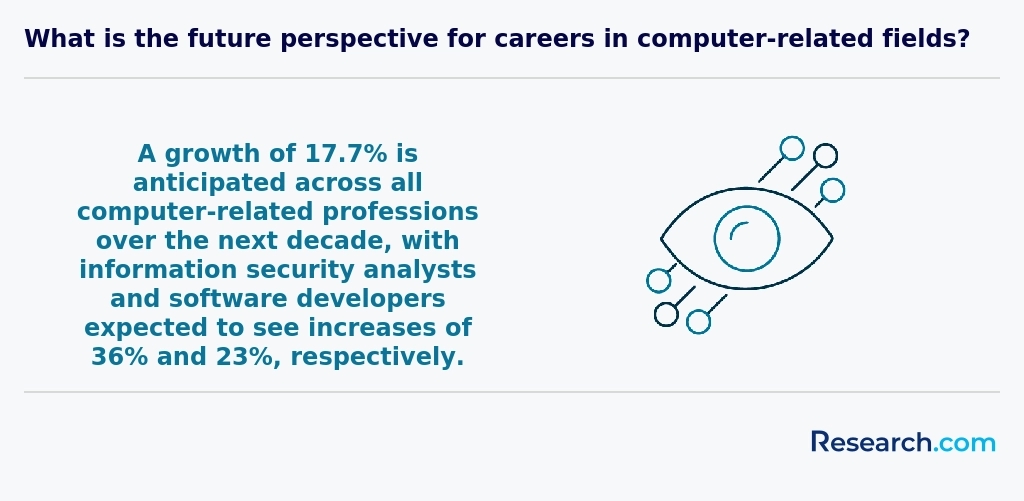
Graduates from well-known American colleges highlight how these focuses enable them to confidently step into various roles aligned with their interests and career goals. The software engineering degree focus areas America offers considerable versatility, matching the evolving job market for software engineers. This adaptability is essential given the projected 35% growth in information security roles. For those evaluating different options, exploring the job market for software engineers provides valuable insights.
How do you choose the best online software engineering degree in America?
Choosing the best online software engineering degree in America involves evaluating program accreditation, curriculum relevance, and practical experience opportunities. Graduates from popular American universities often highlight the value of ABET accreditation, which ensures programs meet rigorous standards recognized by employers nationwide. Core courses in programming, software development methodologies, and systems design are essential, especially when paired with hands-on projects or internships reflecting real industry challenges.
Cost considerations play a critical role; many students find affordable software engineering programs America-wide, particularly public universities offering in-state tuition between $10,000 and $20,000 annually, making higher education more accessible. Flexibility is another decisive factor, as asynchronous formats help working professionals balance studies and career, a benefit praised by recent graduates who launched software careers without compromising their schedules.
Career support further distinguishes programs. With software developer jobs expected to grow 25% from 2021 to 2031 per the Bureau of Labor Statistics, programs boasting strong industry ties and job placement services better prepare students. For those seeking quicker completion, exploring accelerated online software engineering programs can be a strategic choice that many have found rewarding.
Researching reviews and talking with alumni from top US schools provides insight into program strengths, helping prospective students confidently select from the best online software engineering degrees USA offers.
What career paths are available for online software engineering degree students in America?
Graduates holding an online software engineering degree in America access robust career opportunities across multiple sectors. Positions such as Software Developer or Engineer are common, where individuals design and maintain software tailored to corporate or consumer needs. Systems Architects, often found in tech hubs like Silicon Valley, plan complex IT infrastructures to optimize performance and scalability. Other roles include Quality Assurance Engineers, who focus on software testing, and DevOps Engineers, who streamline development and deployment processes.
Students from well-regarded universities report positive transitions into fields like Mobile Application Development and Web Development, with these roles meeting growing consumer demand for smartphone apps and dynamic websites. The practical skillsets gained exemplify why online software engineering career opportunities USA are frequently highlighted for their growth potential. Many graduates also pursue advanced credentials, with some considering a master in software engineering online to enhance specialization and earning potential.
What is the job market for online software engineering degree in America?
The online software engineering job market USA remains robust, driven by a projected 25% growth in demand for software engineers through 2031. Graduates from prominent institutions like Arizona State University and the University of Florida report positive hiring experiences, with employers valuing their online degrees alongside practical skills. Many find success by combining their coursework with internships or hands-on projects, increasing their employability in competitive settings.
Software engineering degree employment prospects America favor those skilled in languages such as Python, Java, and JavaScript, widely requested by recruiters. Remote work opportunities also broaden job search horizons, allowing graduates to access positions nationwide rather than limiting themselves geographically. This flexibility makes online credentials even more appealing in today's tech landscape.
Many students enhance their career trajectory by learning how to be a software qa engineer, which complements their development expertise and increases marketability. Overall, the convergence of solid educational outcomes, practical experience, and rising industry demand fosters a promising job market for online software engineering degree holders in America.
Frequently Asked Questions About software engineering
Online software engineering degree students in America can maximize their learning by actively engaging with course content and participating in virtual discussions. Studies show that students who collaborate regularly with peers tend to retain 20% more information (National Center for Education Statistics, 2023). Utilizing additional resources like coding platforms and open-source projects helps bridge theory with practice.
Time management is crucial; setting a consistent study schedule improves focus and reduces stress. According to the Bureau of Labor Statistics, software engineering jobs are projected to grow 25% from 2021 to 2031, emphasizing the value of mastering both foundational skills and emerging technologies.
Seeking internships and networking online also enhances real-world experience, complementing academic learning.
The software engineering field in America is rapidly evolving, presenting new niches for professionals and students alike. One emerging area is artificial intelligence (AI) engineering, where experts develop algorithms that power machine learning and data analytics. According to the U.S. Bureau of Labor Statistics, employment for AI specialists is expected to grow 23% from 2021 to 2031.
Another critical niche is cybersecurity engineering, as demand for secure software systems rises. TechHire reports a 31% increase in job postings for cybersecurity engineers in the past five years.
Additionally, cloud-native development is gaining traction, involving software designed specifically for cloud environments like AWS and Azure. The American Software Institute highlights cloud skills as a top priority for employers in 2024.
Preparing for the job market after completing an online software engineering degree in America involves several strategic steps. Networking is essential; joining professional groups like the IEEE Computer Society or local tech meetups can connect graduates with industry professionals. Building a strong portfolio of projects using platforms such as GitHub showcases practical skills to employers.
Internships and cooperative education programs provide valuable real-world experience and often lead to job offers. According to the U.S. Bureau of Labor Statistics, the demand for software developers is projected to grow 25% from 2021 to 2031, faster than average for all occupations.
Obtaining industry-recognized certifications, like AWS Certified Developer or Microsoft Certified: Azure Developer Associate, can enhance credibility. Finally, practicing technical interviews by using resources like LeetCode or HackerRank improves job readiness and confidence.
Employers in the United States highly value software engineering graduates who possess strong programming skills, particularly in languages such as Python, Java, and C++. According to the National Association of Colleges and Employers (NACE), more than 70% of employers prioritize practical coding ability alongside theoretical knowledge.
Additionally, problem-solving and critical thinking skills are essential. Graduates who can analyze complex systems, debug code efficiently, and optimize software for performance are more competitive in the job market.
Communication skills also rank highly, as engineers often work in teams and must explain technical concepts clearly. Familiarity with agile development methodologies and version control systems like Git further strengthens a candidate's profile.
Finding internships in America relevant to a software engineering degree involves a strategic approach. Start by leveraging university career services, which often connect students with reputable tech companies. Many top companies, including Google and Microsoft, offer dedicated internship programs, especially for computer science and software engineering students.
Online job platforms like Handshake and LinkedIn are crucial; over 70% of internships are posted through these channels, according to the National Association of Colleges and Employers (NACE). Additionally, joining professional organizations such as the IEEE Computer Society can provide networking opportunities and access to internship listings.
Consider applying early, as competitive internships fill quickly. Tailoring your resume and portfolio to highlight programming skills, projects, and relevant coursework can significantly improve your chances.
Obtaining an online software engineering degree in America significantly enhances career mobility and advancement prospects. According to the U.S. Bureau of Labor Statistics, software developer roles are projected to grow 25% from 2021 to 2031, faster than the average for all occupations. This growth creates ample opportunities for degree holders to move into higher-paying or specialized positions.
Online degrees from accredited institutions carry the same recognition as traditional ones, allowing graduates to compete effectively in the job market. Employers often value the flexibility and self-discipline demonstrated by online learners.
Furthermore, an online degree provides access to emerging fields like artificial intelligence and cybersecurity, which are critical to career growth.
Studying for a software engineering degree in America equips students with skills that extend beyond coding and algorithms, preparing them for interdisciplinary roles. Many programs integrate coursework in project management, systems analysis, and communication, which are essential for collaborating with professionals in fields like business, healthcare, and design. According to the National Center for Education Statistics, over 70% of accredited software engineering programs in the US include interdisciplinary projects as part of the curriculum.
This approach ensures graduates can navigate complex problems involving multiple domains. Additionally, the emphasis on teamwork and real-world case studies supported by US institutions fosters adaptability in cross-functional environments.
Choosing between a thesis and a non-thesis software engineering degree in America depends largely on your career goals. Thesis programs typically involve conducting original research and writing a substantial paper, which can be ideal if you plan to pursue a PhD or work in research-heavy roles. Non-thesis programs focus more on practical skills and coursework, suiting students eager to enter the tech industry quickly.
According to the National Center for Education Statistics, online software engineering degrees with thesis options are less common but often found at research universities. The average time to graduate with a thesis is often longer, typically around two years.
Consider if you prefer hands-on industry projects over academic research. Employers in software engineering value both but often prioritize practical experience. Deciding also involves assessing your learning style, time availability, and long-term ambitions within America's tech sector.
American students seeking to study software engineering abroad have a variety of online options through partnerships between U.S. institutions and international universities. Many accredited U.S. schools offer joint online programs or exchange opportunities that allow credits earned overseas to count toward American degrees. According to the National Center for Education Statistics, over 30% of higher education students in America engaged in some form of online learning in 2023, highlighting growing acceptance of remote study.
Programs often emphasize flexibility and global collaboration skills, essential in software engineering roles. Popular destinations include universities in Canada, the UK, and Australia that provide programs fully accessible online, aligning with U.S. accreditation standards. Students benefit by accessing diverse curricula while maintaining eligibility for American professional certifications and licensure.
Part-time job opportunities that complement software engineering degrees in America often include roles such as junior developer, QA tester, and technical support specialist. These positions allow students to apply coding skills learned in classes while gaining real-world experience. According to the U.S. Bureau of Labor Statistics, software development jobs are projected to grow 22% from 2020 to 2030, indicating strong demand for these roles.
Remote internships and freelancing on platforms like Upwork also provide flexibility and practical exposure. Many students find that these jobs improve their portfolios and enhance networking. Additionally, on-campus IT support positions can strengthen technical troubleshooting skills relevant to software engineering careers.
Online software engineering students in America benefit from various networking opportunities despite the virtual format of their programs. Many universities provide access to online student groups, alumni networks, and moderated discussion forums tailored specifically to software engineering.
Students often join professional organizations like the IEEE Computer Society or the Association for Computing Machinery (ACM), which offer webinars, virtual conferences, and local chapter meetups. According to the National Center for Education Statistics, over 70% of U.S. computer science graduates participate in such groups to enhance career prospects.
Moreover, schools frequently host virtual career fairs connecting students with tech companies nationwide, facilitating internships and job placement. These structured networking options compensate effectively for the lack of traditional, in-person interactions.
Alumni networks play a crucial role for students pursuing online software engineering degrees in America. These networks provide valuable connections to industry professionals, which can open doors to internships, job opportunities, and mentorship. According to the National Association of Colleges and Employers (NACE), 85% of jobs are filled through networking, making alumni communities a powerful resource.
Moreover, alumni often share industry insights and advice on emerging tech trends, helping students stay relevant in a rapidly evolving field. Many universities offer exclusive online platforms and events where graduates collaborate and support one another's career growth.
Such networks also enhance credibility, as employers recognize programs with strong, active alumni relations.
In the United States, online software engineering degree programs offer customization options to align with your career goals. Many universities allow you to select electives in areas like cybersecurity, artificial intelligence, or mobile app development. This flexibility lets you focus on in-demand skills relevant to the job market.
Additionally, some programs provide capstone projects or internships collaborating with American tech companies, enhancing practical experience. According to the Bureau of Labor Statistics, software development jobs are projected to grow 25% from 2021 to 2031, highlighting the importance of tailored skills.
Advisors often help students map their coursework to specific career paths, ensuring your degree matches your ambitions.
Online software engineering students in America often face challenges related to limited hands-on experience. Practical skills are crucial in software engineering, yet remote learners may struggle to access labs or collaborative coding environments. According to the National Center for Education Statistics, about 45% of students report difficulty in group projects online, which can hinder teamwork skills development.
Time management also poses a challenge, as online programs require strong self-discipline. Many students balance work and family commitments alongside studying, which can increase stress levels. Furthermore, networking opportunities are less frequent than on-campus programs, potentially affecting career growth.
Finally, disparities in internet access affect some learners, especially in rural areas, limiting their ability to participate fully in virtual classes.
An online software engineering degree can open the door to various professional certifications that boost career prospects in the United States. Popular certifications include the Certified Software Development Professional (CSDP) offered by the IEEE Computer Society, which validates advanced knowledge and skills in software engineering.
Another common credential is the AWS Certified Developer, focusing on cloud computing skills, increasingly important as 93% of enterprises use cloud services according to Flexera's 2023 report. Additionally, many graduates pursue the Microsoft Certified: Azure Developer Associate to demonstrate expertise in Microsoft's cloud platform.
Certifications like the Certified ScrumMaster (CSM) also remain valuable, emphasizing agile project management skills widely adopted in U.S. tech industries.
To write a winning application for an online software engineering program in America, start by clearly demonstrating your passion for technology and problem-solving. Admission committees value applicants who can show a strong foundation in mathematics and computer science. According to the National Center for Education Statistics, relevant coursework and prior programming experience significantly improve acceptance chances.
Highlight any practical experience, such as internships or personal projects, to showcase your skills. A well-crafted personal statement explaining your career goals and why you chose the specific program is essential. Many programs also require letters of recommendation, ideally from instructors or employers familiar with your technical abilities.
Finally, ensure your application materials are error-free and meet all stated requirements on time. Meeting deadlines and providing complete documentation reflects your commitment and professionalism, key traits for success in software engineering education.
Software engineering is a globally valued profession, with strong demand across many countries. In the United States, the Bureau of Labor Statistics projects a 25% growth in software developer jobs from 2021 to 2031, much faster than the average for all occupations. This reflects the increasing reliance on technology in business and daily life.
Globally, while the U.S. leads in innovation and software development opportunities, countries like India and China also produce large numbers of skilled engineers. However, American degrees remain highly respected worldwide due to rigorous standards and practical experience emphasis.
The rise of remote work has enabled U.S.-based software engineers to collaborate internationally, expanding career options. Online software engineering degrees from accredited U.S. institutions provide flexible pathways to enter this dynamic field while meeting global competency standards.
Gaining practical experience while studying for an online software engineering degree in America is crucial for career success. Many programs incorporate project-based courses, where students develop real-world applications and collaborate using popular tools like GitHub and Jira. According to the National Association of Colleges and Employers, over 60% of tech employers prefer candidates with internship experience.
Students can seek remote internships or part-time roles with US-based tech companies, often facilitated through university career centers. Hackathons and coding competitions also provide hands-on opportunities to tackle real challenges.
Additionally, contributing to open-source projects allows learners to build portfolios that demonstrate their skills to future employers. According to Stack Overflow's 2023 Developer Survey, 80% of software engineers contribute to open-source, highlighting its value in practical learning.
Choosing the right concentration within an online software engineering degree program in America requires understanding your career goals and the industry demand. Popular concentrations include cybersecurity, mobile app development, and data engineering. According to the U.S. Bureau of Labor Statistics, software development jobs are expected to grow 25% from 2021 to 2031, with areas like cybersecurity growing even faster. Evaluating your technical interests alongside market trends can help you select a concentration that enhances employability. Additionally, consider programs accredited by ABET, as these ensure quality education recognized by employers.
Look at course offerings carefully; some programs emphasize theory while others focus on hands-on projects. Researching alumni outcomes and internship opportunities can provide insights into which concentrations lead to strong job placements in the American tech sector.
Understanding geographic trends is also crucial, as top tech hubs like Silicon Valley or Seattle may favor certain skill sets. Ultimately, align your choice with your strengths while staying informed about evolving technologies through resources like the National Center for Education Statistics.
Top Trending Software Engineering Rankings
References
- How to Maximize the Impact of Alumni Networks https://www.careeros.com/resources/how-to-maximize-the-impact-of-alumni-networks
- The Future of the Software Engineering Career https://adventures.nodeland.dev/archive/the-future-of-the-software-engineering-career/
- Software Engineer Cover Letter Tips & Examples - Intuit Blog https://www.intuit.com/blog/social-responsibility/job-readiness/software-engineer-cover-letter-examples/
- Non-Thesis Program https://swe.bogazici.edu.tr/en/non-thesis-program
- Work-Study Software Engineering Degree - CLaaS2SaaS https://claas2saas.com/blog/blog/work-study-software-engineering-degree/
- Why Learning Software Engineering is a Lifelong Journey https://shecancode.io/why-learning-software-engineering-is-a-lifelong-journey/
- Advance Your Software Engineering Career | Selby Jennings https://www.selbyjennings.com/en-us/industry-insights/career-advice/how-to-progress-in-your-software-engineering-career
- What's the Hardest Part of Software Engineering? (Hint: It's Not What You Think) https://dev.to/playfulprogramming/whats-the-hardest-part-of-software-engineering-hint-its-not-what-you-think-5cpl
- Software Engineer Career Goals Examples: 21 Real Goals https://rockstardeveloperuniversity.com/software-engineer-career-goals-examples/
- Master of Science (M.S.) Major in Computer Science (Software Engineering Concentration Non-thesis Option) https://mycatalog.txstate.edu/graduate/science-engineering/computer/computerscience-software-engineering-nonthesis-ms/