2027 Most Affordable Online Software Engineering Degree Programs Ranking in the USA

Co-Founder and Chief Data Scientist
Choosing the right software engineering degree program can be overwhelming, especially when considering cost and quality. This article presents the 2027 Most Affordable Online Software Engineering Degree Programs Ranking in the USA, created by the Research.com team of data scientists to help you make an informed decision.
Discover programs that balance affordability and educational value, opening doors to a rewarding tech career. Whether you're starting fresh or advancing your skills, this guide supports your journey toward success in a growing industry.
Key benefits of getting online software engineering degree in America
- Software engineering degree graduates in the US often enjoy attractive salaries, with entry-level positions typically starting around $70,000 to $90,000 annually, increasing significantly with experience.
- Graduates from well-known institutions like the University of California frequently find diverse career paths, such as software development, systems analysis, and project management, offering exciting opportunities to grow their skills.
- Online software engineering degrees from universities like Arizona State enable flexible learning schedules and reduced costs, making it easier to balance studies with work or family commitments without sacrificing quality.
- Key benefits of getting online software engineering degree in America
- What can I expect from online software engineering degree in America?
- Where can I work with online software engineering degree in America?
- How much can I make with online software engineering degree in America?
- 2027 Most Affordable Online Software Engineering Degree Programs Ranking in the USA
- Key Findings
- How long does it take to complete online software engineering degree in America?
- What's the difference between online and on-campus software engineering degree?
- What is the average cost of online software engineering degree in America?
- What financial aid is available to online software engineering degree students in America?
- What are the prerequisites for enrolling in online software engineering degree program in America?
- What courses are typically in online software engineering degree programs in America?
- What types of specializations are available in online software engineering degree programs in America?
- How do you choose the best online software engineering degree in America?
- What career paths are available for online software engineering degree students in America?
- What is the job market for online software engineering degree in America?
- Top Trending Software Engineering Rankings
What can I expect from online software engineering degree in America?
The average cost of an online software engineering degree in America varies depending on the institution but typically ranges between $15,000 and $40,000 for a bachelor's program. Graduates from popular universities like Arizona State University or the University of Florida often report that their total tuition fell within this range, making it a financially realistic option compared to on-campus programs.
Many students appreciate the clear tuition structure of these online programs, which aligns with the 120-130 credit hours required. For example, a graduate from a reputable public university shared how the affordable cost allowed them to balance work and study without excessive debt.
Master's degrees usually cost between $10,000 and $25,000, involving about 30-36 credits. Alumni from well-known institutions highlight how this investment propelled their career growth, making the degree worthwhile despite the upfront cost.
Financial aid, scholarships, and payment plans are commonly available and worth exploring early to reduce out-of-pocket expenses. Practical budgeting, combined with the program's flexibility, can help you stay on track while managing your personal finances effectively.
Where can I work with online software engineering degree in America?
Graduates with an online software engineering degree from well-known American institutions like the University of Illinois Urbana-Champaign or Arizona State University often find themselves welcomed in major tech hubs such as Silicon Valley, Seattle, and Austin. These locations host companies ranging from startups to giants like Apple and Microsoft, offering roles as software developers, quality assurance engineers, or systems analysts. Many graduates share how these opportunities have allowed them to build rewarding careers after showcasing portfolios through internships or open-source contributions.
Remote work has transformed job possibilities, enabling graduates from other regions to compete effectively for positions nationwide, even in smaller cities where tech opportunities were once scarce. This shift means you can work in finance, healthcare, or government sectors-areas increasingly reliant on software innovation-for organizations like NASA or the Department of Defense.
Employers across the U.S. value accredited online degrees alongside hands-on skills, so focusing on certifications and practical projects can significantly boost your hiring chances. Graduates often express confidence knowing their degree opens doors beyond traditional tech firms, creating diverse career paths.
How much can I make with online software engineering degree in America?
Graduates with an online software engineering degree in America can expect starting salaries typically ranging from $65,000 to $90,000. For example, those who completed programs at reputable institutions like Arizona State University or the University of Illinois often secure entry-level roles within this range, especially when located in tech hubs such as Seattle or New York. These salaries reflect real demand and the value employers place on online degrees paired with solid project experience.
With five or more years of experience, software engineers generally see significant salary growth, often earning between $110,000 and $150,000. Graduates who build specialized skills in fields like cybersecurity or machine learning, common concentrations at schools like Georgia Tech or Purdue University, can command offers above $160,000. Bonuses and stock options further enhance total compensation, with average annual pay including incentives reaching about $130,000, according to recent industry data.
By focusing on continuous learning and practical internships, online graduates position themselves competitively for these rewarding salary outcomes within the U.S. tech market.
2027 Most Affordable Online Software Engineering Degree Programs Ranking in the USA
How do we rank schools?
Investing in your education is a significant decision that can profoundly impact your career and future opportunities. The Research.com team recognizes the importance of making well-informed choices and has therefore dedicated extensive effort to ensure the quality, credibility, and accuracy of the "2027 Most Affordable Online Software Engineering Degree Programs Ranking in the USA."
We utilized the following reputable data sources to create a thorough and reliable evaluation:
By exploring this ranking, readers will gain valuable insights into affordable and high-quality online software engineering degree programs, enabling them to make informed decisions tailored to their educational and financial goals. For a detailed understanding of how this ranking was developed, please visit our Research.com methodology page.


# 5 position
Western Governors University
Bachelor of Software Engineering

# 6 position
Western Governors University
Master of Software Engineering - AI Engineering


# 11 position
Penn State University Park
Bachelor of Software Engineering


# 16 position
Full Sail University
Bachelor of Computer Science




Key Findings
- Online software engineering degrees are offered at both bachelor's and master's levels and focus on programming, system design, and development methods.
- The average cost for a bachelor's degree ranges from $15,000 to $40,000 at public universities, with private schools sometimes charging over $50,000.
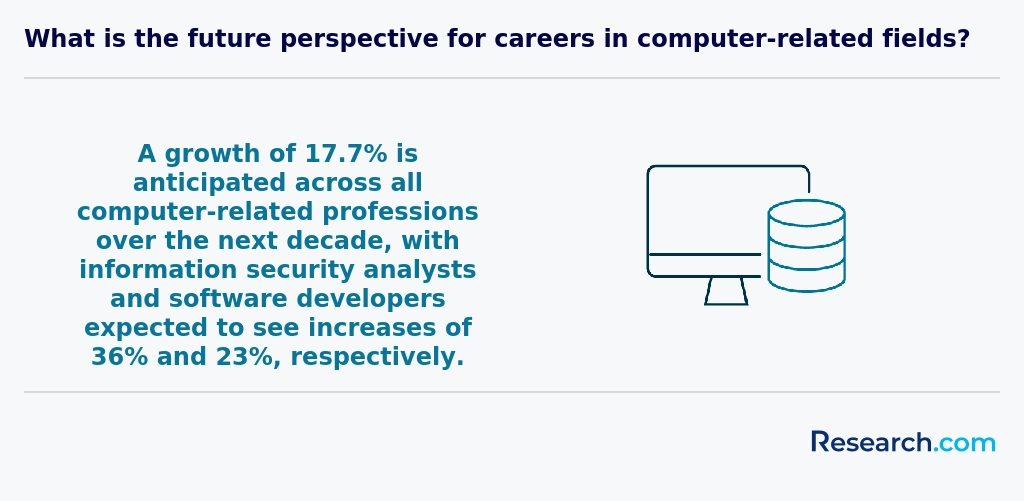
- Job growth for software engineers is projected at 22% from 2020 to 2030, creating about 190,000 new positions in the field.
- Starting salaries for entry-level software engineers usually range from $70,000 to $80,000, with higher pay in major tech cities.
- Mid-career engineers earn between $100,000 and $130,000, while senior roles often exceed $150,000 annually.
- Many programs are accredited by ABET, which helps ensure education quality and improved job opportunities.
How long does it take to complete online software engineering degree in America?
Completing an online software engineering degree in America typically takes about four years for full-time students pursuing a bachelor's. Graduates from well-known institutions like Arizona State University or the University of Florida often share how maintaining a consistent course load each semester helped them meet this timeline. Associate degrees usually require around two years, while master's programs generally take 1.5 to 2 years, depending on the student's pace.
Many students appreciate the flexibility online programs offer, allowing them to balance work or family commitments. For instance, part-time students at Georgia Tech may stretch their studies beyond four years without feeling overwhelmed. Accelerated tracks also exist at schools like Northeastern University, where taking extra courses year-round can shorten the degree to about three years.
Additionally, transfer credits gained from community colleges or professional experience can significantly reduce your time to graduation. Understanding these options early on helps you plan wisely, keep motivated, and ultimately achieve your goal with confidence.
What's the difference between online and on-campus software engineering degree?
When deciding between an online and on-campus software engineering degree in America, consider how you prefer to learn and manage your time. On-campus programs at schools like the University of Illinois Urbana-Champaign offer face-to-face lectures, hands-on labs, and direct professor interaction, which many graduates say enhances their understanding and networking through group projects and campus events.
In contrast, online degrees from institutions similar to Arizona State University give you the flexibility to study asynchronously, fitting coursework around a job or family commitments. Graduates appreciate the ability to pause lectures, revisit complex topics, and collaborate virtually via discussion boards and video calls-tools perfectly designed for busy professionals.
Cost-wise, on-campus programs typically include extra expenses for housing and campus fees, pushing overall tuition beyond the $10,940 annual average for in-state public universities. Online degrees often reduce these costs significantly by charging competitive per-credit tuition and eliminating commuting fees, making them a practical choice for budget-conscious students.
Networking remains a key advantage of on-campus programs, where access to career fairs and internships can boost job prospects. Yet online programs increasingly offer virtual career services and partnerships with tech firms, helping graduates build connections digitally. A pragmatic student weighing both options should assess their learning style, schedule, and financial situation carefully to choose the best path.
What is the average cost of online software engineering degree in America?
The average cost of an online software engineering degree in America typically varies by residency status and institution type. Based on median figures, in-state students can expect to pay around $21,000 total for their degree, while out-of-state students face higher costs near $27,649 total. Graduates from public universities report feeling satisfied with their return on investment, especially when factoring in flexible online schedules that allow them to work and study simultaneously. This practical approach reduces the overall financial strain and makes completing the degree more manageable.
Private universities often charge considerably more, sometimes doubling public tuition rates, but they also tend to offer more extensive resources and networking opportunities. Many students pursuing affordable online software engineering programs in the USA opt for reputable state schools known for strong computer science departments, which balance quality education with reasonable cost. For example, several graduates from popular public universities have shared that careful financial planning and seeking scholarships significantly lowered their expenses.
When planning your education path, it's also crucial to consider additional fees-technology, software licenses, and books-that can add up quickly. Exploring financial aid and employer tuition reimbursement programs can ease these costs. To understand what to expect and how to prepare, it's useful to research what are the education requirements for a software developer, helping clarify the choices ahead and align them with your career goals.
What financial aid is available to online software engineering degree students in America?
When pursuing an online software engineering degree in America, start by completing the FAFSA to unlock federal aid options like Pell Grants, which can provide up to $7,395 without repayment. Many software engineering graduates from universities such as Arizona State University have successfully combined these grants with Federal Direct Loans to keep their tuition manageable.
Next, explore state-funded grants and scholarships, especially if you attend public institutions like the University of Florida, where these aids can cover a significant portion of tuition. Private scholarships from technology-focused organizations also helped numerous engineering students reduce costs significantly-search platforms like Fastweb make finding these scholarships straightforward.
Working professionals enrolled in online programs at schools like Northeastern University often receive employer tuition reimbursement, easing the financial burden while advancing their skills.
Finally, reach out to the financial aid offices at your chosen university. For example, graduates of Purdue University's online software engineering program frequently report that institutional grants based on merit or need made a big difference in their ability to afford the degree.
What are the prerequisites for enrolling in online software engineering degree program in America?
To enroll in an online software engineering degree program in America, start by securing a high school diploma or equivalent, such as a GED. Graduates from well-known universities often emphasize how a strong background in math and science helped them excel in demanding courses like algorithms and system design at their institutions.
Next, prepare to submit official transcripts. Many colleges, including some respected public universities, may require these plus standardized test scores like the SAT or ACT-though more programs are moving toward test-optional policies, especially since 2020. Checking each school's specific requirements will save you time and hassle.
If you're an international student, plan ahead for English proficiency tests such as the TOEFL or IELTS. Domestic students typically don't need these. Some accelerated or graduate-level programs also value prior programming experience or an associate's degree to help students manage steep learning curves.
Finally, gather supporting documents like recommendation letters and craft a personal statement that highlights your passion for software engineering. Many students recall how these elements made their applications stand out at popular colleges, opening doors to rewarding career paths.
What courses are typically in online software engineering degree programs in America?
Online software engineering degrees in America typically cover essential courses that prepare you for real-world challenges. Graduates from popular universities like Arizona State University and University of Illinois often highlight how courses such as Data Structures and Algorithms teach efficient problem-solving that proves invaluable during coding interviews and complex projects.
Most programs include Programming Languages classes, where you gain fluency in Python, Java, or C++. These languages form the backbone of daily software development tasks in many American tech companies, making the learning immediately applicable.
Courses like Software Design and Architecture help students plan scalable systems, a skill that graduates appreciate when working on team projects or contributing to large codebases. Operating Systems and Database Systems are staples too, grounding students in how software interacts with hardware and manages data crucial for app development.
Specialized courses such as Software Testing and Quality Assurance, Agile Project Management, and Cybersecurity prepare students for the dynamic workflow and security demands of modern American tech roles. Hands-on projects at these universities enable a practical, confidence-building learning experience.
What types of specializations are available in online software engineering degree programs in America?
Online software engineering degrees in America typically offer several focused specializations tailored to meet the evolving demands of the tech industry. Graduates from popular institutions often share that choosing a specialization, such as Mobile Application Development or Cybersecurity, helps them target careers in high-growth areas, turning their learning into practical skills that employers value. For example, a graduate specializing in Mobile Application Development enjoyed creating real-world apps for Android and iOS, preparing them for diverse job roles.
Other common specializations include Data Science and Big Data Analytics, artificial intelligence (AI), machine learning, and Cloud Computing. These tracks give students hands-on experience with cutting-edge technologies, making them more competitive in the job market. Many students appreciate how these specializations align closely with certifications recognized by employers, boosting both their resumes and confidence.
Students should also consider emerging sectors by exploring programs from institutions like Western Governors University, which emphasize flexibility and affordability in their online software engineering degree specializations. Understanding the options helps future professionals plan their career paths effectively, especially in a field with strong software engineering job growth.
How do you choose the best online software engineering degree in America?
Start by confirming the program's accreditation, such as from ABET, since graduates from accredited schools feel confident their education meets industry standards. For example, many students from state universities known for affordable software engineering degrees online America report smoother job searches because employers recognize their credentials.
Next, focus on the curriculum. Graduates from well-rounded programs at popular colleges often praise courses that balance core programming with emerging fields like AI and cloud computing, preparing them for current tech roles. Also, check faculty backgrounds; professors with real-world software engineering experience bring practical insights that benefit online learners juggling jobs.
Cost matters, so carefully consider tuition plus extra fees. Students who pursued the best online software engineering degree programs USA with solid financial aid packages found it easier to manage expenses without sacrificing quality.
Finally, investigate career support. Many online learners appreciate schools offering virtual career counseling and internships, which can make a big difference in landing tech jobs. For those eager to accelerate their studies, the fastest software engineering online degrees are excellent options for practical planners aiming to enter the workforce sooner.

What career paths are available for online software engineering degree students in America?
Graduates with an online software engineering degree in America often begin their careers as software developers, building applications for everything from mobile devices to enterprise systems. For example, graduates from well-known universities like the University of Illinois Urbana-Champaign report quickly landing developer roles where they code and refine software, experiencing firsthand the satisfying challenge of turning ideas into real products. Those interested in maintaining software quality frequently pursue positions as quality assurance engineers, collaborating closely with development teams to catch bugs before release in industries such as healthcare or finance.
A growing number of graduates choose the DevOps engineer path, particularly those trained at colleges like Georgia Tech, where students gain hands-on experience automating deployments and managing cloud infrastructure. For students seeking specialized, high-paying roles, careers as data engineers or machine learning engineers offer exciting opportunities. Many find it beneficial to continue their studies through an online software engineering master's degree, which can open doors to advanced positions handling big data and AI, key growth areas in software engineering job opportunities in America.
What is the job market for online software engineering degree in America?
The job outlook for online software engineering degrees in USA remains robust, with many graduates quickly finding roles in a variety of industries. Graduates from popular institutions like the University of Illinois Urbana-Champaign or Georgia Tech often share that their online degrees helped them gain competitive technical skills such as coding and system design, which employers actively seek. These graduates typically start with salaries near $70,000, which rise significantly after a few years of experience.
Software engineering career prospects in America benefit from employers valuing skills and certifications alongside degrees. Many graduates from online programs report success entering companies ranging from tech giants to startups, and government agencies. They appreciate the flexibility to work remotely as they build expertise. Understanding in-demand areas such as cloud computing and cybersecurity is critical. For those considering a focus on quality assurance, exploring detailed software quality assurance engineer requirements can open additional paths.
Frequently Asked Questions About software engineering
Students pursuing online software engineering degrees in America can enhance their learning by actively engaging with course materials and participating in discussion forums. Research from the National Center for Education Statistics shows that students who interact more frequently with peers and instructors report higher satisfaction and better outcomes.
Additionally, practical experience is essential. Leveraging internships and cooperative education opportunities, especially within the robust U.S. tech sector, helps apply theoretical knowledge. The Bureau of Labor Statistics forecasts 22% job growth in software development from 2020 to 2030, emphasizing the value of hands-on skills.
Utilizing supplementary resources such as coding bootcamps or online coding platforms can also deepen understanding. Time management and setting a disciplined study schedule help students balance coursework with work or personal responsibilities effectively.
Emerging niches within the software engineering field in America reflect evolving technology demands and industry growth. Areas like artificial intelligence (AI) and machine learning (ML) are rapidly expanding, with the U.S. Bureau of Labor Statistics projecting a 15% growth in related jobs from 2021 to 2031. Cybersecurity engineering is another critical niche due to increasing threats, with the Department of Homeland Security emphasizing the urgent need for qualified professionals.
Additionally, software development for the Internet of Things (IoT) and blockchain technology shows significant promise, driven by innovations in smart devices and secure transactions. Specialized skills in these areas are increasingly integrated into online software engineering degree programs offered by American universities.
After earning an online software engineering degree in America, graduates should focus on building a strong professional network. Engaging with platforms like LinkedIn and joining tech-focused groups can increase visibility to recruiters.
Gaining practical experience through internships or freelance projects is crucial. The U.S. Bureau of Labor Statistics reports that software development roles are projected to grow 22% from 2020 to 2030, emphasizing demand for experienced candidates.
Additionally, obtaining industry certifications such as AWS, Microsoft, or Oracle can enhance credibility and job prospects.
Finally, practicing coding interviews using platforms like LeetCode or HackerRank helps prepare for technical assessments common in U.S. tech hiring processes.
Employers in America seek a combination of technical and soft skills from software engineering graduates. According to the National Association of Colleges and Employers (NACE), proficiency in programming languages like Python, Java, and C++ ranks highly. Strong problem-solving abilities and knowledge of software development life cycles are essential.
Communication skills also play a critical role, as teams often work collaboratively across departments. Familiarity with Agile methodologies and version control systems such as Git enhances job readiness. Data from the U.S. Bureau of Labor Statistics shows that software engineering jobs are projected to grow 25% from 2021 to 2031, emphasizing adaptability and continuous learning as valuable traits.
Finding internships in America relevant to a software engineering degree requires a strategic approach. Start by utilizing your university's career services, which often provide access to internship databases, resume workshops, and employer networking events. According to the National Association of Colleges and Employers (NACE), 62% of students secure internships through university resources.
Online job platforms like Handshake or LinkedIn also feature many software engineering internships. Focus on companies that actively recruit remote interns, as these align well with online degree students. The U.S. Bureau of Labor Statistics projects a 22% growth in software development jobs through 2030, indicating a strong internship demand.
Joining professional organizations such as the IEEE or ACM can connect you with industry mentors and exclusive internship postings. Finally, attend virtual career fairs and hackathons to showcase your skills directly to recruiters.
Online software engineering degrees in America significantly enhance career mobility by providing flexible access to accredited education recognized by employers nationwide. According to the U.S. Bureau of Labor Statistics, software development jobs are projected to grow 25% from 2021 to 2031, much faster than the average for all occupations. This demand increases opportunities for degree holders to advance into specialized roles or leadership positions.
Many employers value practical skills and certifications, but a formal degree-especially from a regionally accredited institution-often serves as a prerequisite for higher-level jobs or promotions within tech companies. Additionally, online programs frequently integrate current industry tools and practices, helping graduates stay competitive.
Moreover, earning an online degree allows professionals to continue working while studying, enabling a smoother transition to new roles without career breaks. This flexibility supports ongoing advancement and skill development, crucial in a rapidly evolving field like software engineering.
Studying for a software engineering degree in America equips students with multidisciplinary skills essential for today's dynamic job market. Curricula typically combine computer science fundamentals with coursework in project management, communication, and systems engineering. This broad approach prepares graduates to collaborate across fields such as healthcare, finance, and manufacturing, where software solutions must integrate with diverse domain knowledge.
According to the National Center for Education Statistics, many accredited online programs emphasize teamwork and real-world problem solving, ensuring graduates can adapt to interdisciplinary roles. Additionally, the Bureau of Labor Statistics projects a 22% growth in software development jobs through 2031, highlighting strong demand for versatile professionals.
Choosing between a thesis and a non-thesis online software engineering degree in America depends largely on your career goals and learning preferences. Thesis programs require original research and a formal paper, ideal for students interested in advanced studies or research roles. Non-thesis programs focus more on coursework and practical skills, suiting those aiming for immediate industry employment.
Data from the National Center for Education Statistics (NCES) shows that about 60% of U.S. software engineering graduates pursue non-thesis options, reflecting high demand for applied skills. Thesis tracks typically take longer but can be advantageous for those targeting PhD programs or specialized R&D jobs. Consider your timeline, interests, and professional plans carefully.
American students seeking to study software engineering abroad can explore various online degree programs offered by international universities through partnerships with U.S. institutions. Many universities in Canada, the United Kingdom, and Australia provide accredited online bachelor's and master's degrees in software engineering or computer science with a focus on software development. These programs often align with U.S. educational standards, allowing smooth credit transfers or dual degrees. Additionally, some U.S. universities have global campuses or collaborations enabling students to complete part of their studies overseas virtually. According to the National Center for Education Statistics, over 30% of U.S. undergraduates engage in some form of study abroad or international online coursework, reflecting growing interest. Such options broaden perspectives while maintaining access to globally recognized credentials.
Part-time job opportunities that complement an online software engineering degree in America often focus on gaining practical experience alongside academic learning. Common roles include internships, junior developer positions, and IT support jobs. According to the Bureau of Labor Statistics, software developers in the US earn a median wage of about $120,000 annually, highlighting the value of real-world experience.
Internships, either remote or local, help students apply coding skills and understand project workflows. Entry-level jobs in technical support allow learners to strengthen problem-solving and communication skills. Freelance web development or coding gigs also offer flexibility and income while building a portfolio. These roles enhance resumes and improve job prospects post-graduation.
Online software engineering students in America benefit from growing networking opportunities despite studying remotely. Many accredited universities offer virtual career fairs, connecting students with top tech employers nationwide. For example, the Computing Research Association reports that about 75% of U.S. software jobs rely on personal networking for hiring, emphasizing its importance.
Students can also join professional organizations such as the IEEE Computer Society or the Association for Computing Machinery (ACM), which provide online forums, webinars, and regional meetups. These platforms foster connections between students and experienced professionals, offering mentorship and collaborative projects.
Additionally, many programs facilitate access to internships and cooperative education through partnerships with American tech companies, enabling practical experience and expanded professional contacts without geographic constraints.
Alumni networks play a crucial role for students pursuing online software engineering degrees in America. These networks connect current students with graduates who have industry experience, offering valuable mentorship and career advice. According to the National Association of Colleges and Employers, 85% of jobs are filled via networking, highlighting the importance of alumni connections.
Online students often face challenges in building professional relationships due to physical distance. Alumni networks bridge this gap by providing virtual events, job boards, and exclusive connections. They also help students access internships and job opportunities in the competitive U.S. tech market.
Strong alumni networks contribute to higher employment rates and salary growth after graduation, making them a significant asset for online learners.
Customizing an online software engineering degree in America allows students to align their education with their specific career goals. Many programs offer elective courses in areas such as artificial intelligence, cybersecurity, or mobile app development. Choosing electives relevant to your desired field can enhance job readiness.
Students can also select concentrations or specializations, which provide deeper knowledge in niche areas. According to the National Center for Education Statistics, over 60% of online STEM degree programs include such options as of 2023. Additionally, some schools allow independent projects or internships remotely, offering practical experience.
Advising services help tailor course plans to fit individual ambitions, ensuring skills meet labor market demands highlighted by the U.S. Bureau of Labor Statistics.
Online software engineering students in America commonly face challenges such as limited hands-on experience and reduced access to in-person networking opportunities. Software engineering requires practical projects and teamwork, which can be harder to replicate virtually. According to the National Center for Education Statistics, about 30% of students report difficulty staying motivated in online courses. Time management is also a major hurdle, especially for working professionals balancing study with other commitments. Additionally, technical issues like unreliable internet or outdated hardware can impede learning. Lastly, evaluating program quality is challenging, as not all online degrees meet the rigorous accreditation standards expected in this field.
An online software engineering degree in the USA opens doors to various professional certifications that enhance career prospects. Popular certifications include the Certified Software Development Professional (CSDP), offered by the IEEE Computer Society, which validates expertise in software design, construction, and maintenance.
The Certified ScrumMaster (CSM) is another valuable credential, focusing on agile project management widely adopted in software teams.
Additionally, certifications like the Microsoft Certified: Azure Developer Associate and AWS Certified Developer highlight skills in cloud platforms increasingly important in software engineering roles.
According to the U.S. Bureau of Labor Statistics, certified software engineers often see higher average salaries and better job stability. These certifications complement an online degree by proving specialized knowledge and commitment to the field.
Writing a successful application for an online software engineering degree program in America requires careful preparation. Start by clearly demonstrating your passion for software engineering and your commitment to completing an online course.
Strong academic records, especially in math and science, help support your candidacy. Many programs consider GPA and prerequisite courses, so check specific requirements on university websites.
Highlight relevant experience, such as coding projects, internships, or work history, to showcase your skills and practical knowledge. According to the National Center for Education Statistics, applications with demonstrable experience tend to have higher acceptance rates.
Personal statements should be concise but meaningful, explaining your goals and why the online format suits your needs. Letters of recommendation from professionals or professors familiar with your skills add credibility.
Software engineering is a rapidly growing global profession, with strong demand in the United States and beyond. According to the U.S. Bureau of Labor Statistics, employment of software developers is projected to grow 25% from 2021 to 2031, much faster than the average for all occupations.
Internationally, software engineering skills are increasingly valued as digital transformation accelerates. However, U.S.-based degrees, especially online programs, offer advantages like accreditation and alignment with industry standards recognized worldwide.
Many employers in the U.S. prefer candidates with recognized degrees due to rigorous curriculum standards and project-based experience. This preference supports the value of accredited online software engineering programs.
Furthermore, wages for software engineers in the U.S. remain among the highest globally. The median annual wage was $120,730 in 2021, according to BLS data, which attracts talent both domestically and internationally.
Gaining practical experience during an online software engineering degree in America is essential for career readiness. Many programs incorporate project-based learning, allowing students to build real-world applications as part of their coursework.
Internships remain a valuable option; according to the National Association of Colleges and Employers (NACE), 60% of software engineering students in the U.S. secure internships before graduation. Online students can often find remote internships to fit their schedules.
Joining coding competitions, hackathons, or open-source projects can also enhance skills and expand professional networks. Platforms like GitHub and Kaggle are widely used by American students to showcase their work.
Additionally, some universities partner with tech companies to offer cooperative education programs, blending paid work experience with academic study.
Choosing the right concentration within an online software engineering degree program in America depends on your career goals and industry demands. Popular concentrations include cybersecurity, artificial intelligence, mobile development, and cloud computing. According to the U.S. Bureau of Labor Statistics, software development jobs are projected to grow 25% from 2021 to 2031, emphasizing demand for diverse technical skills.
Consider concentrations that align with emerging technologies, such as AI and cloud services, which offer higher median salaries, often exceeding $120,000 annually per reports from the National Association of Colleges and Employers. Reflect on your interests, job market trends, and the concentration's curriculum flexibility. Researching faculty expertise and industry connections of the programs can also guide your decision.
Top Trending Software Engineering Rankings
References
- 10 Skills Every Software Engineer Needs - Intuit Blog https://www.intuit.com/blog/innovative-thinking/software-engineer-skills/
- Software Engineering Internships https://capital-placement.com/software-engineering-internships/
- Advance Your Software Engineering Career | Selby Jennings https://www.selbyjennings.com/en-us/industry-insights/career-advice/how-to-progress-in-your-software-engineering-career
- Software Engineering Certifications — redShift Recruiting https://www.redshiftrecruiting.com/software-engineering-certifications
- The Software Developer's Guide to Networking - Simple Programmer https://simpleprogrammer.com/software-developers-networking/
- Free Software Engineering Bootcamp | Coding Temple https://www.codingtemple.com/free-courses/software-engineering/
- 10 Essential Skills for Software Engineer Graduate Jobs - Bristow Holland https://www.bristowholland.com/insights/software-engineering-insights/10-essential-skills-for-software-engineer-graduate-jobs/
- Software/Systems Placements/Internships | Gradcracker - Careers for STEM Students https://www.gradcracker.com/search/computing-technology/software-systems-work-placements-internships
- A Step-by-Step Software Engineering Degree Interview Guide https://www.drury.edu/math-and-computer-science/a-step-by-step-software-engineering-degree-interview-guide/
- MS in SE without thesis https://ceng.metu.edu.tr/en/ms-se-without-thesis