2027 Fastest Online Software Engineering Degree Programs Ranking in the Midwest

Co-Founder and Chief Data Scientist
Choosing the right software engineering degree program can feel overwhelming, especially with so many options available online. To help Midwestern students, the Research.com team of data scientists created the 2027 Fastest Online Software Engineering Degree Programs Ranking in the Midwest.
This article presents that ranking, offering clear insights to guide your decision. Pursuing a software engineering degree opens doors to exciting career opportunities and skill growth. Reading this will empower you to find a program that fits your goals and lifestyle, making a positive step toward your future.
Key benefits of getting online software engineering degree in the Midwest
- Software engineering graduates in the Midwest often enter careers with average US salaries around $110,000 per year, offering strong financial stability and growth potential.
- Graduates from Midwest universities like the University of Illinois enjoy diverse career options, including roles in software development, systems analysis, and project management.
- Completing a software engineering degree online from schools such as Illinois State University provides flexibility and the chance to balance work and study, making education more accessible and convenient.
- Key benefits of getting online software engineering degree in the Midwest
- What can I expect from online software engineering degree in the Midwest?
- Where can I work with online software engineering degree in the Midwest?
- How much can I make with online software engineering degree in the Midwest?
- 2027 Fastest Online Software Engineering Degree Programs Ranking in the Midwest
- Key Findings
- How long does it take to complete online software engineering degree in the Midwest?
- What's the difference between online and on-campus software engineering degree?
- What is the average cost of online software engineering degree in the Midwest?
- What financial aid is available to online software engineering degree students in the Midwest?
- What are the prerequisites for enrolling in online software engineering degree program in the Midwest?
- What courses are typically in online software engineering degree programs in the Midwest?
- What types of specializations are available in online software engineering degree programs in the Midwest?
- How do you choose the best online software engineering degree in the Midwest?
- What career paths are available for online software engineering degree students in the Midwest?
- What is the job market for online software engineering degree in the Midwest?
- Top Trending Software Engineering Rankings
What can I expect from online software engineering degree in the Midwest?
The average cost of an online software engineering degree in the Midwest is generally competitive, often ranging from $10,000 to $25,000 for a full bachelor's program. Many students find that universities in states like Illinois, Michigan, and Ohio offer in-state tuition discounts even for online learners, which significantly lowers expenses. Graduates often recall feeling relieved by these affordable options, as one student noted their ability to balance part-time work while enrolling in a program at a prominent Midwestern university.
Several programs also provide scholarships and access to federal financial aid, making it easier to manage tuition fees. A graduate from a well-known Midwestern college shared how financial aid allowed them to focus on mastering coursework without overwhelming debt. Moreover, some universities partner with local tech companies to offer paid internships, which can help students offset costs while gaining real-world experience.
Overall, online software engineering degrees in the Midwest combine affordability with quality. The availability of financial support and discounts ensures students can pursue their education without excessive financial stress, enabling them to confidently prepare for growing job opportunities in the region.
Where can I work with online software engineering degree in the Midwest?
Graduates with an online software engineering degree in the Midwest find job opportunities in bustling tech hubs like Chicago, Minneapolis, and Indianapolis. Many secure positions at major corporations such as Amazon, IBM, and Google, which maintain regional offices actively hiring software engineers. Others join companies like Optum or Target in the Twin Cities, where they contribute to software development or cybersecurity projects.
Smaller startups and technology firms throughout the region also offer exciting roles that allow graduates to work on innovative solutions in healthcare, finance, and manufacturing. For example, graduates from the University of Illinois or Purdue University often share how internships and networking events helped them land jobs at these emerging companies, working on real-world applications that make a tangible impact.
Employers in the Midwest highly value skills in Java, Python, C++, and cloud platforms like AWS or Azure. Successful graduates typically highlight how their online degree's flexibility enabled them to gain practical experience alongside studies, increasing their confidence and employability in competitive markets.
How much can I make with online software engineering degree in the Midwest?
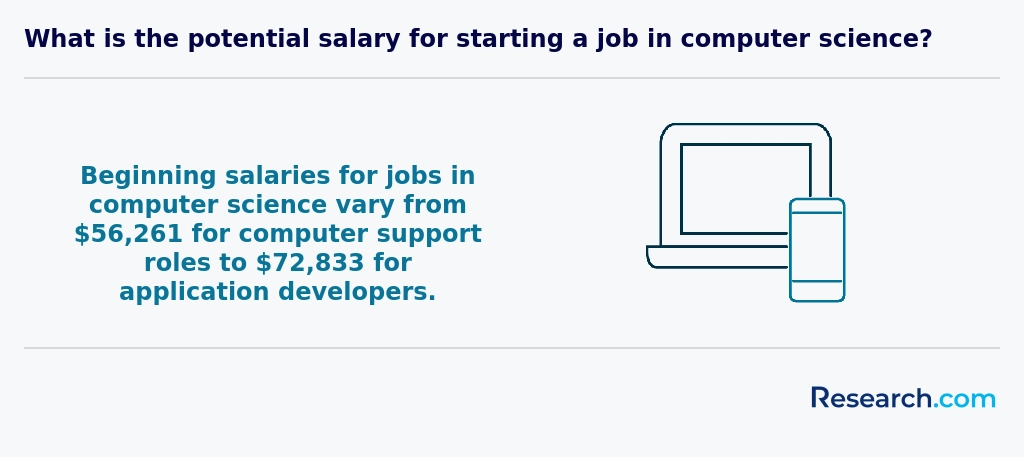
Graduates with an online software engineering degree in the Midwest often find competitive salaries that reflect both their skill set and the regional job market. For example, early-career software engineers usually start with salaries around $70,000, especially when they graduate from well-known programs offered by Midwestern universities. These programs emphasize practical skills that employers in cities like Chicago and Minneapolis actively seek.
Mid-career professionals from these schools report salaries between $95,000 and $120,000, benefiting from strong networks tied to the region's healthcare and manufacturing tech sectors. Many graduates highlight that gaining experience in cloud computing or cybersecurity can push earnings beyond $130,000, even when working remotely.
Graduates appreciate that the Midwest's lower cost of living allows these salaries to stretch further, creating a sense of financial stability. Employers in this region understand the value of degrees earned online from trusted institutions, helping graduates confidently step into roles with attractive pay.
2027 Fastest Online Software Engineering Degree Programs Ranking in the Midwest
How do we rank schools?
Investing in your education is a significant decision that can shape your future, and the Research.com team understands the importance of making informed choices. To assist prospective students interested in software engineering, we have meticulously crafted the "2027 Fastest Online Software Engineering Degree Programs Ranking in the Midwest." Our commitment to quality, credibility, and accuracy is demonstrated through rigorous research and careful analysis behind this ranking.
We utilized the following reputable data sources to ensure a comprehensive evaluation of online software engineering programs:
By exploring this ranking, readers will gain valuable insights into the fastest online software engineering degree programs available in the Midwest, empowering them to make well-informed decisions about their educational journeys. For more details on our methodology, please visit our Research.com methodology page.




Key Findings
- The Midwest has many accredited universities offering fully online or hybrid software engineering programs suitable for both working adults and traditional students.
- Tuition for an online bachelor's degree in software engineering in the Midwest typically ranges from $20,000 to $40,000, with public universities offering lower in-state rates.
- Starting salaries for software engineering graduates in the Midwest average between $65,000 and $75,000 annually.
- Mid-career software engineers in the region can expect salaries between $100,000 and $120,000, depending on experience and local demand.
- Major Midwest cities like Chicago, Minneapolis, Columbus, and Detroit have a strong and growing technology job market for software engineers.
- Accreditation by ABET or regional agencies is important for online programs, which often include remote career services and internship opportunities.
How long does it take to complete online software engineering degree in the Midwest?
Completing an online software engineering degree in the Midwest typically takes between two to four years, depending on your course load and credit transfers. Many full-time students at popular institutions like the University of Illinois Urbana-Champaign or Michigan State University finish in about four years. However, graduates often share how taking summer classes or extra courses each semester helped them cut their study time to three years or less.
For those balancing work or family, part-time study is common and can extend the timeline to five or six years. Many adult learners at Midwest colleges appreciate this flexibility, finding it rewarding to advance their careers without pausing their income. Graduates often express satisfaction in managing their schedules while progressing steadily.
Keep in mind that software engineering degrees demand significant out-of-class effort, including programming projects and system designs. Planning your weekly hours realistically and using accelerated pathways whenever available can help you finish sooner while maintaining a positive and manageable pace.
What's the difference between online and on-campus software engineering degree?
Online software engineering degrees in the Midwest offer flexibility unmatched by traditional on-campus programs. Graduates from Purdue University often mention how asynchronous lectures allowed them to balance work and family, turning late evenings into productive study time without the long commute. Conversely, students attending the University of Illinois Urbana-Champaign on campus appreciate the structured routine and instant access to lab facilities, which fosters hands-on learning and immediate peer collaboration.
Networking also varies: on-campus students enjoy face-to-face events and club meetings that build strong professional connections, while online learners rely on virtual groups and forums. Many Midwestern online programs mitigate this gap by partnering with local companies to facilitate internships, giving practical experience through remote or local placements.
Cost-wise, online degrees often reduce expenses related to housing and transportation, though tuition rates between formats remain comparable, as seen in the University of Michigan's offerings. Both formats meet rigorous accreditation standards, so prioritizing your schedule and learning style usually guides the best choice.
What is the average cost of online software engineering degree in the Midwest?
The average cost of an online software engineering degree in the Midwest typically centers around $30,945, making it a financially accessible choice compared to other regions. Graduates from universities like the University of Illinois Springfield and Indiana State University report total tuition costs in the range of $20,000 to $35,000, reflecting the affordability of these programs.
Choosing a public institution often results in lower tuition fees, especially for in-state students, who benefit from reduced rates and fewer additional online or technology fees. Many Midwest online software engineering degree tuition fees align closely with these figures, offering substantial value without sacrificing educational quality. Students frequently mention feeling relieved by the cost-effectiveness of these programs, enabling them to focus more on learning and less on debt.
Beyond tuition, students should factor in expenses like textbooks, software licenses, and the occasional need for hardware upgrades. Planning for these ensures a smoother academic experience without surprises. Graduates appreciate institutions that offer financial aid, scholarships, or employer tuition assistance programs, all of which ease financial burdens and encourage persistence.
For those debating career paths, understanding the roles and expectations around a software engineer or developer can also inform investment in education and career planning. This deeper knowledge adds confidence to their decision to pursue an online degree in the Midwest, where costs are competitive and opportunities abundant.
What financial aid is available to online software engineering degree students in the Midwest?
Students pursuing an online software engineering degree in the Midwest can tap into several financial aid options that ease the cost burden. Graduates from universities like the University of Illinois Urbana-Champaign or Ohio State University often share how completing the FAFSA unlocked Pell Grants worth up to $7,395 annually, directly lowering their tuition bills.
State scholarships targeting STEM fields also played a crucial role for many, especially for residents of Illinois and Ohio. These grants are designed to support high-demand areas like software engineering and helped graduates feel confident about managing expenses without overwhelming debt.
Numerous institutions offer specialized scholarships for online learners and underrepresented groups, making it easier to access funds beyond traditional aid. For example, students at schools popular for distance learning in Minneapolis have benefited from programs focused on women in tech, allowing them to pursue their career goals with less financial stress.
Employer tuition reimbursement programs in tech hubs such as Chicago further lighten the load. Graduates working in local companies express gratitude for opportunities to repay tuition while gaining valuable experience, fueling both their education and careers simultaneously.
- Pell Grants up to $7,395 per year through FAFSA
- State scholarships focused on STEM fields in Illinois, Ohio, and other Midwestern states
- Institutional aid targeted at online learners and underrepresented groups
- Employer tuition reimbursement programs in major Midwestern tech hubs
- Private scholarships from engineering and tech professional organizations
What are the prerequisites for enrolling in online software engineering degree program in the Midwest?
To enroll in an online software engineering degree in the Midwest, you generally need a high school diploma or GED, along with a strong foundation in math and science. Graduates from universities like the University of Illinois Springfield often recall how early coursework in algebra, geometry, and introductory programming helped them confidently tackle advanced topics later.
Many programs expect familiarity with standardized tests like the SAT or ACT, but several Midwest schools have become test-optional for online learners, easing the admission process. If you're a transfer student, official transcripts demonstrating completion of calculus, discrete math, and basic programming courses such as Python or Java are usually required.
Technical readiness is equally important. Students frequently share how having reliable internet access and a capable computer made learning management systems and coding tools much smoother. Southern Illinois University students, for example, emphasize how tech preparedness minimizes stress and maximizes engagement in remote classes.
What courses are typically in online software engineering degree programs in the Midwest?
Online software engineering degrees in the Midwest typically include courses that build a solid foundation in programming, system design, and practical problem-solving. Graduates from well-known Midwest institutions often highlight their experience mastering languages like Java, Python, and C++, which are essential for today's software development roles.
Core courses cover Data Structures and Algorithms, helping students efficiently manage and process information in real-world projects. Many students appreciate learning the Software Development Life Cycle (SDLC), which guides them through planning, building, testing, and maintaining applications-skills directly applicable in workplaces around Chicago or Minneapolis.
Database Management and Operating Systems courses ensure students understand both data security and system-level operations, empowering them to tackle complex software challenges. Web Development classes, including front-end and back-end technologies, allow students to create dynamic, user-focused applications-an advantage celebrated by graduates entering the Midwest's booming tech sector.
Adding to this, Software Testing and Quality Assurance courses prepare students to deliver reliable, efficient software, increasing confidence in their readiness to join collaborative, fast-paced tech teams prevalent in the region.
What types of specializations are available in online software engineering degree programs in the Midwest?
Online software engineering specializations Midwest programs typically include cybersecurity, data science, artificial intelligence, mobile app development, and cloud computing. Graduates from popular universities in the region often praise how these tracks align with real-world job demands. For example, cybersecurity students at Illinois-based schools gain hands-on experience in ethical hacking and network defense, essential in protecting digital infrastructure for Midwest companies.
Midwest software engineering degree focus areas like data science equip students with skills in statistical analysis and machine learning, meeting the needs of local industries such as healthcare and finance. Graduates report feeling confident stepping into roles where advanced data analytics is crucial, often securing starting salaries above the national average.
Students specializing in artificial intelligence enjoy access to innovative environments in cities like Minneapolis, developing intelligent systems that drive automation. Mobile application development teaches practical app design and deployment skills using Swift and Kotlin, responding to strong regional demand for mobile solutions.
Cloud computing concentrations focus on platforms like AWS and Azure, reflecting the Midwest's growing cloud market. Many students share that these specializations greatly enhanced their job readiness. To explore these options further, consider researching software engineering degrees online that offer flexible, cost-effective pathways suited to Midwest learners.
How do you choose the best online software engineering degree in the Midwest?
To choose the best online software engineering degree in the Midwest, prioritize programs with ABET accreditation to ensure quality education recognized by employers. Consider universities known for strong software engineering departments in cities like Chicago and Minneapolis, where graduates often praise the practical curriculum and faculty support. Look at programs offering flexible asynchronous classes and credit transfer options, which many working professionals find invaluable for balancing life and study.
Cost is a key factor; affordable software engineering programs Midwest often range between $8,000 and $22,000 annually for in-state tuition, much lower than national averages. Graduates from Midwestern public universities frequently highlight how scholarships and financial aid helped reduce expenses, making their degrees more accessible. Check for schools with career centers that offer job placement assistance and internships, critical for connecting with local tech firms.
Finally, explore the cheapest software engineering online bootcamps as supplementary or alternative pathways, especially if you want hands-on experience quickly. These options complement traditional degrees and have helped many students boost their skills and confidence in real-world projects.

What career paths are available for online software engineering degree students in the Midwest?
Graduates of online software engineering degrees in the Midwest can pursue diverse career paths that align with local industry demands. Common roles include software development, systems architecture, and cybersecurity, with many finding success by applying skills learned at popular institutions in the region. Graduates have reported feeling confident stepping into software engineering jobs in the Midwest for graduates, especially in states like Ohio and Illinois, where demand and wages are steadily increasing.
For example, those who studied at Midwest-based colleges often leverage their strong problem-solving skills to become systems architects, designing complex software environments that support regional businesses. Others take advantage of growing cybersecurity needs, joining companies focused on protecting vital data, with starting salaries typically around $80,000.
Data analysis and business intelligence roles are also popular among software engineering students, as many transition into these positions by building on their programming and database management experience. Additionally, graduates benefit from exploring software development boot camps to enhance practical expertise and improve employability.
What is the job market for online software engineering degree in the Midwest?
The job market for graduates with an online software engineering degree in the Midwest is thriving, with strong demand driven by the region's blend of manufacturing, technology, and service industries. Graduates from programs at colleges like the University of Illinois at Urbana-Champaign or Michigan State University often find ample opportunities in cities such as Chicago and Indianapolis, where growing startups and established tech firms actively seek skilled software engineers. Many graduates emphasize how practical experience gained through internships or portfolio projects helps them stand out in the competitive landscape of online software engineering jobs in the Midwest.
Employers increasingly value candidates comfortable with remote work and virtual teamwork, making online degree holders well-prepared for modern roles. Salaries typically range between $65,000 and $95,000 depending on experience and location, with the Midwest's affordable living costs enhancing overall job appeal. To boost employability, focus on mastering programming languages like Java and Python, along with cloud technologies and cybersecurity.
Engaging in local tech meetups and leveraging opportunities at in-state universities with affordable tuition can enhance your career path. For students deciding between fields, understanding the difference between computer science and computer engineering is also beneficial when tailoring your education towards regional market demands.
Frequently Asked Questions About software engineering
Students pursuing online software engineering degrees in the Midwest can enhance their learning by actively engaging with virtual resources and local tech communities. The region hosts growing tech hubs like Chicago and Minneapolis, offering networking and internship opportunities beneficial for practical experience, according to the Illinois Technology Association.
Utilizing university-provided tools such as coding labs, discussion forums, and academic advising is crucial. Research from the National Center for Education Statistics shows that Midwestern online learners who participate in interactive platforms tend to outperform peers by 15% on average.
Additionally, maintaining a disciplined schedule and seeking mentorship from regional professionals can improve both skill acquisition and job readiness in this competitive field.
The software engineering field is evolving rapidly, with several emerging niches gaining prominence, especially relevant to students in the Midwest. One key area is artificial intelligence (AI) and machine learning, driven by growing investments in automotive and manufacturing sectors that rely on smart technologies.
Cybersecurity remains critical due to increasing digital threats affecting both local businesses and government agencies. According to the Bureau of Labor Statistics, demand for cybersecurity-related roles in the Midwest is projected to grow about 31% through 2031.
Another niche is cloud computing, particularly as more companies migrate operations online. Familiarity with platforms like AWS and Azure is becoming essential for software engineers. Lastly, data engineering and analytics are expanding, underpinned by the Midwest's rise in healthcare data management and fintech innovation.
Graduates with online software engineering degrees in the Midwest should focus on building practical skills alongside theoretical knowledge to improve employability. According to the U.S. Bureau of Labor Statistics, software developer roles in states like Illinois and Ohio are projected to grow 22% from 2020 to 2030, highlighting strong regional demand.
Networking is essential; connecting with local tech groups and attending virtual job fairs can open opportunities. Internships or project portfolios that demonstrate proficiency with languages such as Java, Python, and C++ significantly boost chances in the competitive Midwestern market.
Additionally, acquiring relevant certifications like AWS Certified Developer or Scrum Master can complement academic credentials.
Employers in the Midwest highly value software engineering graduates who demonstrate strong programming skills in languages such as Java, Python, and C++. According to the National Association of Colleges and Employers (NACE), proficiency in these languages significantly increases job prospects.
Problem-solving abilities and a solid understanding of algorithms and data structures are also critical. The Illinois Technology Association reports that 68% of tech employers prioritize graduates with proven practical coding experience.
Additionally, teamwork and communication skills are essential, as many Midwest companies favor candidates who can collaborate effectively in remote or hybrid environments.
Familiarity with software development lifecycle tools and agile methodologies is another key requirement based on recent regional industry surveys.
Finding internships in the Midwest relevant to a software engineering degree involves leveraging regional resources and university connections. Many Midwestern universities maintain partnerships with local tech companies in cities like Chicago, Minneapolis, and Indianapolis, which are growing hubs for software development jobs. Platforms such as Handshake and LinkedIn also list internships targeting students in this region.
Midwestern states report a steady demand for software engineers; according to the U.S. Bureau of Labor Statistics, Illinois and Ohio have seen above-average job growth in technology fields recently.
Networking events, tech meetups, and career fairs organized by schools or local organizations provide direct access to employers.
Students should also explore virtual internships, growing in availability due to widespread remote work adoption in tech industries.
Obtaining an online software engineering degree in the Midwest significantly enhances career mobility and advancement opportunities. According to the U.S. Bureau of Labor Statistics, software development jobs in Midwest metro areas like Chicago and Minneapolis are expected to grow by over 15% from 2022 to 2032, faster than many other regions. This growth creates demand for qualified professionals, and an accredited online degree helps candidates meet employer expectations for skills and credentials.
Employers in the Midwest's expanding tech hubs increasingly recognize online degrees from reputable institutions, which can lead to promotions and higher salaries. Additionally, online programs often provide flexible learning for working professionals to upskill without career interruption.
Online software engineering degrees in the Midwest often emphasize interdisciplinary skills, combining computer science with fields like business, healthcare, and engineering. This approach prepares students to collaborate across various industries, an increasingly important skill as technology integrates with diverse sectors.
Midwestern universities leverage regional industry partnerships, giving students access to real-world projects that enhance teamwork and problem-solving abilities. According to the National Association of Colleges and Employers (NACE), over 65% of technology employers in the Midwest seek candidates with interdisciplinary knowledge.
Programs typically include courses in project management, data analytics, and systems design, helping students become flexible professionals able to adapt to evolving technological demands.
When choosing between a thesis and a non-thesis online software engineering degree in the Midwest, consider your career goals and learning preferences. Thesis programs typically involve conducting original research and writing a substantial paper, which suits those aiming for roles in research or planning to pursue a PhD.
Non-thesis options focus more on coursework and practical skills, ideal for professionals seeking faster entry or advancement in software development fields. According to the National Center for Education Statistics, many Midwestern universities offer both paths, with non-thesis tracks often requiring fewer credit hours, enabling quicker completion.
Evaluate program flexibility, faculty expertise, and industry connections, especially given the Midwest's growing tech hubs in cities like Chicago and Minneapolis. Understanding these factors can clarify which format better supports your professional trajectory in software engineering.
Students based in the Midwest seeking to study software engineering abroad often face limited direct options through fully online international programs. Most U.S. universities, including those in the Midwest, offer online degrees focused on domestic accreditation. However, students can explore exchange programs or dual degrees facilitated by Midwest institutions partnering with foreign universities.
Midwestern schools, like the University of Illinois and Michigan State, have study abroad frameworks that support software engineering students through summer or short-term visits, but these are seldom fully accredited abroad online degrees.
According to the National Center for Education Statistics (NCES), less than 10% of Midwest universities currently offer formal dual-degree pathways with foreign institutions in software engineering.
Thus, students interested in international experience often combine online Midwest-based education with in-person study abroad sessions rather than pursuing fully online foreign degrees.
In the Midwest, part-time job opportunities that complement a software engineering degree focus on gaining practical experience while studying. Common roles include software developer intern, IT support technician, and web developer assistant. These positions help students apply coding skills and problem-solving techniques learned in coursework.
According to the U.S. Bureau of Labor Statistics, tech jobs in states like Illinois, Ohio, and Michigan are growing by about 15% annually, increasing demand for part-time technical roles. Many employers near universities offer flexible hours suited to students' schedules, supporting both education and work-life balance.
Additionally, freelance programming and tutoring in coding languages can provide income and strengthen expertise, especially in tech hubs such as Chicago and Columbus. These opportunities not only boost resumes but also build professional networks in the Midwest's expanding software industry.
Online software engineering students in the Midwest benefit from a variety of networking opportunities linked to the region's strong tech industry. Universities often host virtual career fairs and alumni networking events, connecting students with employers in states like Illinois, Michigan, and Minnesota.
The Midwest is home to major tech hubs such as Chicago, which ranks among the top 10 U.S. tech cities by employment according to CompTIA's 2023 IT Industry Outlook. Online programs frequently collaborate with local tech companies, offering mentorship and internship placements.
Additionally, professional organizations like the Association for Computing Machinery (ACM) have active Midwest chapters that host webinars and meetups, accessible to online students.
Alumni networks offer significant advantages for online software engineering degree students in the Midwest. These networks provide access to a community of graduates working in local tech hubs like Chicago, Minneapolis, and Indianapolis. According to the National Association of Colleges and Employers (NACE), 84% of jobs are secured through networking, underscoring the value of such connections.
Through alumni events, mentorship programs, and online platforms, students gain industry insights and job referrals. Midwest tech employers often seek candidates recommended by trusted alumni. This network support helps bridge the gap between remote learning and real-world opportunities.
Furthermore, alumni can share region-specific career advice, enhancing graduate success in the competitive Midwest software engineering market.
Customizing an online software engineering degree in the Midwest allows students to align their education with specific career goals. Many Midwestern universities offer elective courses in areas like artificial intelligence, cybersecurity, and data analytics, enabling focused skill development. Students can often choose capstone projects or internships connected to local tech companies, enhancing practical experience. According to the National Center for Education Statistics, Midwestern institutions increasingly provide flexible online tracks that balance foundational knowledge with industry trends. Additionally, some programs allow accelerated pacing or part-time options, supporting working professionals aiming for timely degree completion while managing their careers.
Online software engineering students in the Midwest often face challenges related to balancing demanding coursework with personal and professional responsibilities. According to the National Center for Education Statistics, many adult learners juggle full-time jobs while pursuing degrees online, making time management a critical hurdle.
Technical difficulties also pose problems, as reliable high-speed internet can be inconsistent in rural Midwestern areas. This affects access to interactive tools and live sessions, which are essential for mastering programming skills.
Additionally, students sometimes report limited opportunities for in-person networking and collaborative projects, impacting their ability to build professional relationships locally. These factors combined can influence retention and graduation rates for online software engineering programs in the region.
An online software engineering degree opens the door to several valued professional certifications in the tech industry. Many graduates pursue certifications like the Certified Software Development Professional (CSDP) offered by IEEE, which is recognized nationwide and highly respected in the Midwest. According to the National Center for Education Statistics, Midwest institutions produce a significant share of graduates eligible for these certifications each year.
Other popular options include Microsoft Certified: Azure Developer Associate and Certified ScrumMaster (CSM), which emphasize cloud computing and agile methodologies, both in high demand with Midwestern employers.
Holding these certifications can boost job prospects and salary potential in cities such as Chicago, Detroit, and Minneapolis, where software engineering roles are growing rapidly.
Writing a winning application for an online software engineering program in the Midwest requires clear focus and preparation. Begin by highlighting your technical skills and relevant experiences, such as coding projects or internships. Midwest schools often value demonstrated proficiency in programming languages like Java, Python, and C++, so mention these specifically.
Strong letters of recommendation from educators or employers familiar with your technical aptitude can improve your chances. According to the National Center for Education Statistics, Midwestern universities increasingly review applicant portfolios and relevant work experience alongside grades.
Additionally, tailor your personal statement to reflect your career goals within the Midwest's growing tech industry, which employs over 300,000 software engineers across states like Illinois and Ohio (Bureau of Labor Statistics, 2023).
Preparing a concise and professional application that emphasizes both skills and regional career ambitions helps distinguish you in competitive admissions.
The software engineering career is recognized globally as a high-demand and well-compensated profession. In the United States, and particularly in the Midwest, job growth for software engineers is projected at 22% from 2020 to 2030, according to the U.S. Bureau of Labor Statistics. This growth outpaces many other fields.
Midwestern states such as Illinois, Ohio, and Michigan have seen increasing investments in tech industries, creating robust opportunities for graduates of online software engineering programs. Global companies frequently seek U.S.-trained software engineers due to strong technical education standards.
Moreover, the software engineering field encourages cross-border collaboration, with teams often working remotely internationally, which makes an online degree especially relevant.
Gaining practical experience while pursuing an online software engineering degree in the Midwest is essential for career readiness. Many universities partner with local tech companies in cities like Chicago, Minneapolis, and Indianapolis to offer internships and cooperative education opportunities. According to the National Association of Colleges and Employers (NACE), nearly 60% of software engineering students in the Midwest participate in internships during their studies.
Students can also engage in virtual hackathons and coding competitions sponsored by Midwest-based organizations to build hands-on skills. Additionally, online programs often incorporate project-based learning, simulating real-world software development scenarios. Platforms such as GitHub and Stack Overflow allow students to collaborate and showcase their work to potential employers.
Choosing the right concentration within an online software engineering degree in the Midwest begins with understanding local industry demands. For example, Illinois and Ohio show strong growth in cybersecurity and artificial intelligence roles, according to the U.S. Bureau of Labor Statistics. Selecting a concentration aligned with these trends can improve job prospects.
Consider your career goals and existing skills. If you enjoy coding and problem-solving, a focus on software development or cloud computing might be ideal. Alternatively, a specialization in data science could suit those interested in analytics.
Research each Midwest program's curriculum and faculty expertise to ensure they match your interests and regional market needs.
Top Trending Software Engineering Rankings
References
- Software Engineering https://www.nhti.edu/workforce/career-training-programs/bootcamps/software-engineering/
- Free Software Engineering Bootcamp https://www.codingtemple.com/free-courses/software-engineering/
- Best Online Software Engineering Degrees https://www.computerscience.org/degrees/bachelors/online/software-engineering/
- 2026 Most Affordable Online Software Engineering Degrees https://www.onlineu.com/most-affordable-colleges/software-engineering-degrees
- Top Careers for Software Engineering Majors https://www.pointloma.edu/resources/undergraduate-studies/top-careers-software-engineering-majors
- My Journey as a First-Year Software Engineering Student https://dev.to/gitbuddhi/my-journey-as-a-first-year-software-engineering-student-1l55
- Find Programs https://www.abet.org/accreditation/find-programs/
- Online Engineering Schools in Wisconsin (WI) https://www.onlineengineeringprograms.com/usa/wisconsin
- Online Software Engineering Degrees Versus The Alternative https://www.softwareengineerinsider.com/degrees/online-software-engineering-degrees.html
- 50+ Midwest and remote software engineering jobs https://www.purpose.jobs/blog/midwest-remote-software-engineering-jobs