2027 Best Online Bachelor's in Software Engineering Degree Programs Ranking in the USA

Co-Founder and Chief Data Scientist
Choosing the right online bachelor's program in software engineering can feel overwhelming. To help, the Research.com team of data scientists created the 2027 Best Online Bachelor's in Software Engineering Degree Programs Ranking in the USA. This ranking highlights top programs designed for students like you seeking quality education and career growth.
Exploring this article will provide clear guidance on which programs offer the best value, flexibility, and opportunities. Earning a software engineering degree opens doors to exciting, well-paying jobs and a future in a thriving industry. Your journey starts here.
Key benefits of getting online software engineering degree in America
- Software engineering graduates often enjoy competitive salaries, with many earning a median annual wage above $110,000, making it a rewarding career financially.
- Graduates from top universities typically pursue careers in software development, systems analysis, or cybersecurity, providing diverse opportunities to match your interests.
- Online software engineering degrees offer flexibility and accessibility, allowing students to balance work and study while gaining the same respected credentials as traditional programs.
- Key benefits of getting online software engineering degree in America
- What can I expect from online software engineering degree in America?
- Where can I work with online software engineering degree in America?
- How much can I make with online software engineering degree in America?
- 2027 Best Online Bachelor's in Software Engineering Degree Programs Ranking in the USA
- Key Findings
- How long does it take to complete online software engineering degree in America?
- What's the difference between online and on-campus software engineering degree?
- What is the average cost of online software engineering degree in America?
- What financial aid is available to online software engineering degree students in America?
- What are the prerequisites for enrolling in online software engineering degree program in America?
- What courses are typically in online software engineering degree programs in America?
- What types of specializations are available in online software engineering degree programs in America?
- How do you choose the best online software engineering degree in America?
- What career paths are available for online software engineering degree students in America?
- What is the job market for online software engineering degree in America?
- Top Trending Software Engineering Rankings
What can I expect from online software engineering degree in America?
The average cost of an online software engineering degree in America typically hovers around $9,000 per year for in-state tuition at public universities, according to the National Center for Education Statistics. This affordability makes pursuing such degrees financially accessible compared to traditional on-campus programs. Graduates from institutions known for strong online STEM programs report appreciating these savings, especially when factoring in eliminated costs like commuting and housing.
Students at well-regarded universities have shared that managing tuition within this range allowed them to focus more on practical learning opportunities, such as capstone projects and virtual labs. These hands-on experiences are often praised for building confidence in real-world software development, helping graduates secure positions more quickly.
Moreover, many online programs offer flexible payment plans or financial aid options suited to diverse economic backgrounds. This contributes to an overall positive experience, where affordability aligns with a high-quality curriculum designed to reflect rapid industry growth and evolving technology trends.
Where can I work with online software engineering degree in America?
Graduates with an online software engineering degree from renowned American institutions like the University of Illinois Urbana-Champaign or Georgia Tech often find diverse job opportunities in major tech hubs such as Silicon Valley, Seattle, and Austin. The U.S. Bureau of Labor Statistics projects a 25% growth in software developer employment from 2021 to 2031, reflecting strong industry demand. Many alumni report roles in software development companies where they collaborate across teams to build innovative applications and systems software.
Financial institutions and healthcare providers also actively recruit software engineers to develop secure platforms and medical technologies, areas highlighted in CompTIA's 2023 Cyberstates report as significant growth sectors. Federal and state government agencies employ graduates to enhance cybersecurity and modernize IT infrastructure, with many citing meaningful work on resilient, secure systems inspired by NIST guidelines.
Startups and SMEs value the versatile skills gained online, enabling graduates to accelerate product innovation. Freelancing through platforms like Toptal offers flexibility and varied project experiences, a path many graduates embrace enthusiastically.
How much can I make with online software engineering degree in America?
Graduates with an online software engineering degree in America can anticipate starting salaries typically ranging from $70,000 to $90,000 annually. This aligns with evidence from employers nationwide who recognize accredited online programs from reputable institutions such as the University of Illinois Urbana-Champaign and Arizona State University. Many graduates find entry-level positions in tech hubs like Seattle or San Francisco, where salaries may be 20% to 40% higher due to demand and cost of living.
With experience, particularly five years or more, earnings often rise significantly, commonly falling between $110,000 and $140,000. Graduates leveraging skills in cloud computing or specialized cybersecurity roles have reported salaries exceeding $150,000, reflecting the premium placed on advanced expertise. Bonuses, stock options, and benefits frequently augment total compensation, offering additional financial incentives.
Alongside solid academic credentials, online graduates who pursue certifications in programming languages or emerging technologies report stronger job prospects and negotiating power. The sustained growth of the software engineering field in America ensures that these financial trajectories remain promising for dedicated graduates.
2027 Best Online Bachelor's in Software Engineering Degree Programs Ranking in the USA
How do we rank schools?
Investing in your education is a significant decision that can greatly impact your future, and the Research.com team is committed to helping you make well-informed choices. To support prospective students seeking quality software engineering programs, we have carefully developed the "2027 Best Online Bachelor's in Software Engineering Degree Programs Ranking in the USA." Our dedication to quality, credibility, and accuracy is demonstrated through rigorous research and analysis of trusted data sources.
We utilized the following reputable data sources to create this comprehensive ranking:
By reviewing this ranking, readers will obtain valuable insights into top online software engineering bachelor's programs, enabling them to choose the path best suited to their career goals. For a detailed explanation of our methodology, please visit our Research.com methodology page.

# 2 position
Penn State University Park
Bachelor of Software Engineering


# 4 position
Western Governors University
Bachelor of Software Engineering

# 5 position
Full Sail University
Bachelor of Computer Science

Key Findings
- Online software engineering degrees cover essential topics like programming, algorithms, and project management with flexible digital platforms.
- Tuition for a bachelor's degree in software engineering typically costs between $30,000 and $60,000, with public universities being more affordable for in-state students.
- Entry-level software engineers earn an average starting salary of about $75,000 per year, while mid-career professionals can make $110,000 to $120,000 annually.
- The job market for software developers in the U.S. is expected to grow by 25% from 2021 to 2031, much faster than the average for all jobs.
- Accreditation from recognized bodies like ABET is important for meeting industry standards and improving job prospects.
- Programs often offer asynchronous coursework but may also include live lectures or virtual labs to support working students.
How long does it take to complete online software engineering degree in America?
Completing an online software engineering degree in America typically takes between three to four years for full-time students, mirroring the timeline of traditional on-campus programs. Most universities popular for this field, such as those in the University of California or Penn State systems, require around 120 to 130 credit hours. Full-time students usually enroll in about 15 credit hours per semester, completing eight semesters over four years. Graduates often share positive experiences about balancing coursework with personal life, appreciating the structured yet flexible schedule.
Some programs offer accelerated options, allowing students to take extra courses during summer or winter terms, which can shorten the completion time to under three years. Part-time learners, such as working professionals, may extend their studies up to six years, benefiting from the flexibility to progress at their own pace, especially in universities like Arizona State University or Oregon State University.
Success in these programs depends heavily on managing course loads and understanding policies like credit transfers. Those who navigate these factors well report a rewarding educational journey that fits their lifestyles while preparing them for a competitive job market.
What's the difference between online and on-campus software engineering degree?
The primary distinction between online and on-campus software engineering degrees in America lies in delivery style. On-campus programs at institutions like the University of California, Berkeley, or Georgia Tech require physical attendance, offering direct interaction with professors and peers. Graduates often highlight how these face-to-face learning environments foster collaboration and hands-on experiences in labs, enhancing practical skills.
Online degrees, available from reputable schools such as Arizona State University or the University of Illinois Urbana-Champaign, utilize digital platforms that provide greater flexibility. This setup suits students juggling jobs or family, enabling them to study asynchronously without commuting. Graduates appreciate the ability to balance work and education but note the challenge of building networks compared to in-person settings.
Cost is another consideration; average annual tuition for public four-year universities in America is $10,740 for in-state and $27,560 for out-of-state students, excluding living expenses. Online study often reduces expenses tied to housing and transportation, making it an economical choice without sacrificing accreditation or curriculum quality.
What is the average cost of online software engineering degree in America?
The average cost of an online software engineering degree in America generally centers around a median total cost of approximately $63,960. This figure reflects tuition and mandatory fees for students enrolled in accredited programs, illustrating a substantial investment for those pursuing this path. Graduates from institutions such as Western Governors University or the University of Florida often report satisfaction with the affordability and flexibility of these programs, where in-state tuition can be significantly lower, sometimes ranging from $6,000 to $12,000 annually.
Public universities typically offer more budget-friendly options, particularly benefiting in-state students. Conversely, private universities present higher overall costs, with total tuition often exceeding $30,000 to $40,000. However, many students find value in these programs due to specialized resources and smaller class sizes, which can enhance the learning experience and mentorship. Financial aid, scholarships, and employer tuition reimbursement can further reduce the net payment required, easing the financial burden even at more costly institutions.
In addition to tuition, students should anticipate supplementary expenses such as technology fees, course materials, and proctoring services, which can add several hundred to a few thousand dollars across the duration of the degree. Despite these additional fees, online programs can still represent a more economical alternative compared to traditional on-campus degrees, where tuition often exceeds $30,000 for in-state students alone.
Students interested in software engineering degrees may benefit from understanding the nuances between roles in the field, such as the difference between a software developer and a software engineer, to align their degree choice with career goals more effectively. More details on this distinction can be found at software developer vs software engineer.
Ultimately, evaluating the average cost of online software engineering degree USA programs requires balancing tuition, additional fees, and the potential for financial support, thus facilitating more informed and affordable educational decisions.

What financial aid is available to online software engineering degree students in America?
Online software engineering students in America frequently rely on federal financial aid to manage tuition that ranges widely, from approximately $10,000 annually at public in-state universities to over $38,000 at private institutions. Completing the FAFSA is crucial, as it opens access to need-based grants like the Pell Grant, which can provide up to $7,395 per year without repayment.
Many graduates of programs at schools such as the University of Illinois Urbana-Champaign or Georgia Tech have reported that federal Direct Subsidized and Unsubsidized Loans, offering between $5,500 and $12,500 yearly, helped bridge funding gaps while benefiting from relatively low interest rates.
State-level scholarships and grants are often available to residents pursuing STEM degrees including software engineering, easing financial stress for students at institutions like the University of Florida. Institutional aid, including merit scholarships and veteran discounts, further supports learners balancing academics and finances.
Employer tuition assistance programs also provide relief, with technology companies frequently reimbursing partial or full tuition, enabling students to remain motivated and make steady progress toward their degrees.
External scholarships from organizations focusing on underrepresented STEM groups add meaningful supplemental funding, contributing to a supportive financial environment for many emerging software engineers.
What are the prerequisites for enrolling in online software engineering degree program in America?
Enrollment in online software engineering degree programs in America primarily requires a high school diploma or equivalent, such as a GED, to establish a strong educational foundation. Popular universities like the University of Illinois Urbana-Champaign and Arizona State University emphasize the need for a solid math background, including algebra and geometry, as these are critical for mastering programming logic and problem-solving skills. Graduates from these institutions often recall how early math proficiency made complex coding assignments more approachable and enjoyable.
Though many schools have adopted test-optional policies, submitting SAT or ACT scores can still enhance an application, providing measurable academic readiness. Additionally, some programs prefer applicants to demonstrate computer literacy or prior programming experience, which can be gained through introductory courses or self-directed projects-experiences that many students find boost confidence when tackling advanced software engineering topics.
Students also face practical financial prerequisites: tuition ranges broadly from $4,500 annually at public universities for in-state students to over $30,000 at private schools. Successful students often highlight the importance of securing financial aid early in their journey. Moreover, writing personal statements helps applicants express their passion and commitment, distinguishing them in competitive admissions processes at renowned American colleges.
What courses are typically in online software engineering degree programs in America?
Online software engineering degree programs in America typically include core courses such as Introduction to Programming, where students master languages like Python and Java-skills essential for developing real-world applications. Graduates from prominent universities often recall how Data Structures and Algorithms courses sharpened their problem-solving abilities, vital when working on complex projects.
Courses in Software Design and Architecture teach students to create scalable systems, mirroring the challenges encountered in industry roles. Database Systems and Operating Systems classes provide practical knowledge used daily by software engineers at top tech firms.
Students also engage in Software Testing and Quality Assurance, ensuring software reliability under various conditions. Many programs feature Web and Mobile Development courses, offering hands-on experience with technologies relevant to user-facing products. Networking and Cybersecurity content prepares learners for securing applications-a critical aspect gaining importance in today's job market.
Capstone projects synthesize knowledge through real software development tasks, simulating workplace environments found at leading colleges like those in California and Massachusetts. Online learners often express satisfaction in the combination of theoretical and applied coursework that effectively prepares them for careers in software engineering.
What types of specializations are available in online software engineering degree programs in America?
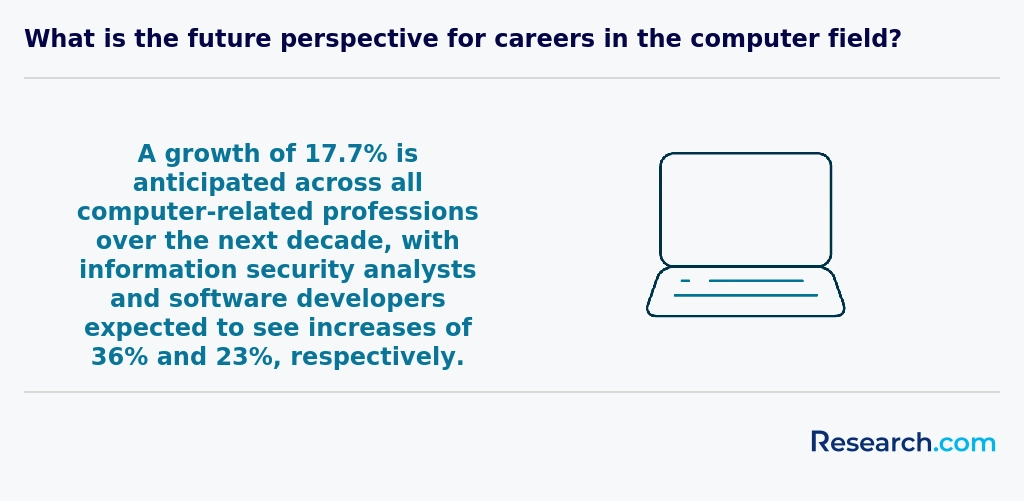
Online software engineering degree programs in America typically offer a range of specializations tailored to industry demands and student career aspirations. Common tracks include software development, where students master programming languages and Agile methodologies, preparing graduates for roles in system design and application programming at institutions like the University of Illinois Urbana-Champaign. Another significant focus is cybersecurity, driven by a 35% projected employment growth in information security roles from 2021 to 2031, according to the U.S. Bureau of Labor Statistics.
Cloud computing is frequently emphasized, with students studying platforms like AWS and Azure to meet increasing business demands for scalable, cloud-native applications. Data science and artificial intelligence also emerge as vital concentrations, involving machine learning and big data analytics, popular among programs at Georgia Tech and other leading colleges. Additional specializations include mobile app development and software testing, often combined with business or project management to prepare graduates for leadership positions. Prospective students interested in software engineering concentration options in America can explore diverse pathways based on evolving tech trends.
Those seeking to select their path can find comprehensive information on online software engineering degree programs, highlighting flexible, specialized curricula offered by top-tier universities nationwide.
How do you choose the best online software engineering degree in America?
Choosing the best online software engineering degrees USA involves prioritizing accreditation, cost, and curriculum relevance. Graduates from well-known public universities report satisfaction when their programs are ABET-accredited, ensuring industry-standard education respected by employers. Tuition varies significantly; public in-state students often pay between $10,000 and $30,000 annually, while private institutions may exceed $40,000, so assessing affordability alongside program quality is vital.
Curriculum is crucial-students benefit from programs emphasizing core topics like programming and algorithms combined with emerging fields such as cloud computing and cybersecurity. Hands-on projects and internships featured in schools popular for software engineering degrees in America better prepare learners for real-world challenges, enhancing confidence and employability.
Faculty expertise and support services shape the learning experience. Many online students highlight the value of personalized academic advising and career counseling. Considering these factors alongside alumni outcomes helps measure long-term success. For those balancing cost and quality, investigating the cheapest online software engineering bootcamps can provide affordable software engineering bachelor's programs America alternatives.

What career paths are available for online software engineering degree students in America?
An online software engineering degree in America opens numerous career paths, including roles as software developers, systems architects, quality assurance engineers, and DevOps engineers. Graduates from well-known universities and colleges often find these opportunities accessible, with many securing positions that leverage strong programming and development skills. Software developers lead the field, with the U.S. Bureau of Labor Statistics projecting a 22% growth rate from 2020 to 2030, reflecting widespread demand across finance, healthcare, and entertainment sectors.
Other graduates pursue specialized careers in cybersecurity and embedded systems, which are promising areas due to increasing needs for secure software solutions. The cybersecurity field alone is predicted to have over 3.5 million unfilled jobs by 2025, a compelling prospect for those holding software engineering degrees in America. Additionally, cloud computing roles such as cloud solutions architects are growing rapidly, supported by platforms like AWS and Microsoft Azure.
For recent grads, starting salaries typically range from $70,000 to $90,000, depending on the employer and location. Many find value in supplementing their education with a software developer bootcamp, which accelerates career entry within the competitive online software engineering careers USA market.
What is the job market for online software engineering degree in America?
The job market for online software engineering degree holders in America is notably strong, with employment opportunities growing at an impressive rate. The U.S. Bureau of Labor Statistics projects a 25% increase in software developer jobs from 2021 to 2031, driven by demand in areas like cloud computing, cybersecurity, and artificial intelligence. Graduates from well-known universities offering online programs find roles in diverse sectors such as technology firms, financial institutions, healthcare, and government agencies. This positive job outlook for software engineering degrees in the USA is reinforced by competitive median salaries, reported at $110,140 annually, comparable for those earning degrees online when supported by hands-on experience.
Students pursuing these degrees at public universities appreciate the affordability, typically between $10,000 and $40,000, making quality education accessible. Many learners share stories of combining work with study to build strong portfolios and internships, enhancing employment opportunities for online software engineering graduates in America. For those weighing career paths, understanding the differences between related fields is crucial, as discussed in detail in the computer science vs computer engineering jobs debate.
Frequently Asked Questions About software engineering
Online software engineering students in America can enhance their learning by actively engaging with interactive coursework and participating in virtual labs. According to the National Center for Education Statistics, using hands-on projects improves retention and skill application in technical fields.
Joining online communities or study groups helps students share knowledge and receive peer feedback, which mirrors real-world collaboration in software development teams. Accessing professors' office hours and discussion forums provides personalized support, increasing understanding of complex topics.
Utilizing supplemental resources such as coding platforms, open-source projects, and professional certifications can boost practical skills. The U.S. Bureau of Labor Statistics projects a 22% growth in software developer jobs through 2032, highlighting the importance of staying current with industry tools.
The software engineering field in America is rapidly evolving, with several emerging niches gaining prominence. One key area is artificial intelligence (AI) and machine learning, where demand is growing due to advancements in automation and data analysis. According to the U.S. Bureau of Labor Statistics (BLS), jobs in AI-related roles are projected to grow much faster than average through 2031.
Another promising niche is cybersecurity engineering, driven by increasing concerns about data privacy and security breaches in both public and private sectors. The BLS expects cybersecurity roles to see a 35% growth rate from 2021 to 2031.
Additionally, cloud computing and DevOps engineering remain crucial as companies shift infrastructure to cloud platforms. These specialties require a blend of development and operational skills, reflecting industry demands for faster deployment cycles and scalable software solutions.
After completing an online software engineering degree in America, preparing for the job market requires strategic planning. Building a strong portfolio showcasing projects and coding skills is essential, as employers highly value practical experience. According to the U.S. Bureau of Labor Statistics, software engineering jobs are expected to grow 22% from 2020 to 2030, signaling strong demand.
Networking is also crucial; engage with professional groups such as the IEEE Computer Society or attend virtual tech meetups. Additionally, obtaining industry certifications like the Certified Software Development Professional (CSDP) can enhance credibility.
Internships and cooperative education programs offer hands-on experience and improve job prospects. Developing proficiency in widely used programming languages like Java, Python, and C++ is recommended to meet employer expectations.
Employers in America value a combination of technical and soft skills when hiring software engineering graduates. Core programming knowledge is essential, with proficiency in languages like Java, Python, and C++ often requested. According to the National Association of Colleges and Employers (NACE), problem-solving and critical thinking rank highly among desired traits.
Additionally, teamwork and communication skills are crucial since software projects frequently involve collaboration across departments. Familiarity with software development methodologies such as Agile and DevOps boosts a graduate's employability. The U.S. Bureau of Labor Statistics highlights adaptability and continuous learning as key to success in the rapidly evolving tech industry.
Understanding data structures, algorithms, and software design fundamentals remains foundational. Employers also favor candidates who have hands-on experience with version control tools like Git, as well as knowledge of cloud platforms. Strong skills in testing and debugging complete the profile of an attractive software engineering graduate in the American job market.
Finding internships relevant to a software engineering degree in America requires proactive research and networking. Many universities offer career services that connect students to tech companies offering internships. For online students, platforms like Handshake and LinkedIn are key resources to discover opportunities.
According to the National Association of Colleges and Employers (NACE), about 62% of software engineering internships convert into full-time jobs, highlighting their importance. Companies such as Google, Microsoft, and Amazon frequently post openings specifically for software engineering interns.
Additionally, joining professional organizations like the IEEE Computer Society or local coding meetups can expand connections and internship leads.
An online software engineering degree can significantly impact career mobility and advancement in the United States. According to the U.S. Bureau of Labor Statistics, software developer roles are projected to grow by 25% from 2021 to 2031, much faster than average for all occupations. This growth emphasizes the demand for skilled professionals, making a degree in software engineering a strong asset.
Employers increasingly recognize accredited online degrees, especially when paired with practical experience. Graduates often find opportunities to transition into higher-paying positions or move into specialized areas such as cybersecurity or artificial intelligence.
Furthermore, online programs offer flexibility for working professionals to enhance skills without pausing their careers, which supports continuous professional growth and better job prospects.
Studying for a software engineering degree in America equips students with skills that cross multiple disciplines, reflecting the growing demand for versatile professionals. American programs often integrate coursework in computer science, project management, and business fundamentals, preparing graduates to collaborate effectively across teams.
According to the National Center for Education Statistics, nearly 60% of software engineering degrees include interdisciplinary courses such as data analytics and human-computer interaction. This broad exposure fosters adaptability in roles that blend engineering with areas like healthcare, finance, or education.
Additionally, many online programs emphasize real-world projects and internships, which develop practical experience in interdisciplinary environments, essential for today's diverse tech landscape.
Choosing between a thesis and a non-thesis online software engineering degree in America depends on your career goals and learning preferences. A thesis program typically involves conducting original research, which can be ideal if you aim for roles in research, development, or plan to pursue graduate studies. The non-thesis path focuses on coursework and practical skills, appealing to those seeking direct entry into the software industry.
According to the National Center for Education Statistics, about 30% of computing bachelor's programs offer a thesis option, mostly in research-focused institutions. Employers often value practical experience, so non-thesis programs emphasize projects and internships.
Consider your time commitment, as thesis programs usually require more months for research and writing. Also, check if your target online school provides adequate faculty mentoring for thesis students, as that greatly affects success.
American students seeking to study software engineering abroad can explore several online degree programs offered by internationally accredited universities. These programs allow learners to earn a global credential while residing in the United States. Many foreign institutions have partnered with U.S. colleges or use platforms such as Coursera and edX to deliver courses tailored for international audiences.
It is important to verify the accreditation and recognition of the foreign university within the U.S. context, as this affects credit transfer and employer acceptance. According to the National Center for Education Statistics, about 15% of U.S. online students consider international programs for their flexibility and unique curriculum.
Students should also consider language of instruction, tuition costs, and visa requirements if any residency is needed. Researching options through databases like the U.S. Department of Education's database can aid informed decisions.
Part-time job opportunities that complement an online software engineering degree in America typically include roles such as software developer intern, IT support technician, and web developer. These positions offer hands-on experience with coding, debugging, and project collaboration, essential for building practical skills alongside academic knowledge.
According to the U.S. Bureau of Labor Statistics (BLS), employment of software developers is projected to grow 22% from 2020 to 2030, much faster than the average for all occupations, making experience in part-time roles valuable for future career prospects.
Many students also find value in freelance programming or tutoring, which enhance both technical expertise and communication skills. Working part-time in tech-related jobs helps students apply classroom learning in real-world scenarios, increasing their competitiveness in the job market.
Online software engineering students in America have multiple networking opportunities despite the virtual setting. Many universities offer virtual career fairs and networking events specifically for tech students, connecting them with industry professionals and potential employers. According to the National Association of Colleges and Employers (NACE), 65% of software engineering graduates found their first job through networking.
Students can join online tech communities and clubs affiliated with their universities, where they collaborate on projects and share job leads. Platforms like LinkedIn and GitHub are essential tools, allowing learners to build professional profiles and engage with recruiters nationwide.
Furthermore, some programs partner with companies to provide mentorships and internships, creating real-world connections critical for career growth.
Alumni networks play a significant role in supporting online software engineering students across America. These networks create valuable connections that help graduates find job opportunities in a competitive tech industry. According to the National Association of Colleges and Employers (NACE), 85% of jobs are filled through networking, underscoring the importance of alumni ties.
Participation in alumni events and online groups gives students access to mentorship from experienced professionals who understand the software engineering landscape. This guidance can boost career development and technical skills. Furthermore, alumni networks often share exclusive internships, workshops, and job openings tailored to the software engineering sector.
For online students, who may lack on-campus interaction, these networks bridge the gap by fostering a sense of community and professional growth within the digital learning environment.
Customizing an online software engineering degree in America allows students to align their studies with specific career goals. Many programs offer elective courses in areas like cybersecurity, artificial intelligence, or mobile app development. This flexibility helps individuals build expertise that matches industry demands.
Students can often choose capstone projects or internships related to their interests, gaining practical experience. According to the National Center for Education Statistics, over 60% of U.S. online computer science programs provide customizable tracks, which enhances employability in specialized fields.
Additionally, some programs collaborate with tech companies for mentorship, networking, or career placement assistance, making customized learning paths even more effective.
Online software engineering students in America often face several challenges during their studies. One common difficulty is maintaining self-motivation and discipline without the structure of in-person classes. According to the National Center for Education Statistics, about 30% of online learners cite time management as a major obstacle.
Technical issues and access to reliable internet are also significant, especially in rural areas where broadband availability is limited. This can disrupt learning, as software engineering requires hands-on coding and use of development tools.
Additionally, students may experience limited opportunities for networking and collaboration, which are critical for career advancement in the tech industry. A report by the Computing Research Association highlights that online students often miss face-to-face mentorship that enhances learning outcomes.
With an online software engineering degree in America, graduates can pursue several professional certifications to enhance their career prospects. Popular options include the Certified Software Development Professional (CSDP), offered by the IEEE Computer Society, which validates advanced knowledge in software engineering. Another widely recognized credential is the Project Management Professional (PMP) certification from the Project Management Institute, useful for software engineers managing projects.
Additionally, certifications like Certified ScrumMaster (CSM) and AWS Certified Developer are valuable for those focusing on agile methodologies and cloud computing.
According to the U.S. Bureau of Labor Statistics, software developers with certifications often gain competitive advantages in the job market. This trend is reflected in salaries, which can be substantially higher for certified professionals.
Overall, these certifications complement the degree by providing practical skills that employers in the tech industry highly value.
Writing a winning application for an online software engineering program in America requires clear demonstration of both academic readiness and technical passion. Applicants should highlight relevant coursework, such as mathematics and computer science classes, which are typically valued by admission committees. Including practical experience, like internships, coding projects, or contributions to open-source software, strengthens the application. According to the National Center for Education Statistics, STEM fields, including software engineering, show competitive application rates, making a strong personal statement essential.
Applicants must also meet standardized requirements, including a minimum GPA (usually around 3.0) and satisfactory scores in standardized tests if required. Letters of recommendation from professionals or professors who can attest to the applicant's technical skills and work ethic add credibility. Lastly, emphasizing motivation for studying online, especially time management and self-discipline skills, aligns with expectations of distance learning programs.
The global view of software engineering as a career highlights its critical role in innovation and economic growth. In America, software engineering stands out as a leading occupation with high demand and competitive salaries.
According to the U.S. Bureau of Labor Statistics, employment for software developers is projected to grow 25% from 2021 to 2031, much faster than the average for all occupations. This reflects the increasing global reliance on technology and software solutions.
American online degrees in software engineering provide flexible access to this expanding field. Graduates gain skills that are valuable worldwide as companies of all sizes continue digital transformation efforts.
Globally, software engineering nurtures collaboration across borders, with American-trained professionals often sought after for their technical expertise and problem-solving skills. This positions software engineering as a dynamic, globally relevant career path.
Gaining practical experience while studying for an online software engineering degree in America is essential to build job-ready skills. Many programs incorporate hands-on projects and coding assignments that mimic real-world software development. According to the National Center for Education Statistics, over 70% of online STEM programs encourage experiential learning through project-based coursework.
Internships are another key avenue. Numerous employers offer remote or local internships tailored to online students, providing exposure to actual workplace environments. Platforms like Handshake and LinkedIn often list internship opportunities specifically for software engineering students.
Additionally, joining open-source projects or coding competitions can strengthen portfolios and demonstrate practical skills to employers. The U.S. Bureau of Labor Statistics highlights that software developers with real-world experience typically see faster career advancement.
Choosing the right concentration within an online software engineering degree in America depends on your career goals and interests. Many programs offer focuses like cybersecurity, artificial intelligence, or mobile app development. According to the U.S. Bureau of Labor Statistics, software development jobs are projected to grow 22% from 2020 to 2030, highlighting demand for diverse skills.
Consider which industries appeal to you, such as finance, healthcare, or gaming, as this can guide your concentration choice. Research each program's curriculum and faculty expertise to ensure alignment with your objectives. Also, check if the program offers internship or networking opportunities in your desired field.
Standard accreditation by ABET or regional accrediting bodies is key to recognizing a program's quality.
Top Trending Software Engineering Rankings
References
- Work-Study Software Engineering Degree - CLaaS2SaaS https://claas2saas.com/blog/blog/work-study-software-engineering-degree/
- My Journey as a First-Year Software Engineering Student https://dev.to/gitbuddhi/my-journey-as-a-first-year-software-engineering-student-1l55
- The Software Developer's Guide to Networking - Simple Programmer https://simpleprogrammer.com/software-developers-networking/
- 2000+ Free Developer and IT Certifications — Class Central https://www.classcentral.com/report/free-developer-it-certifications/
- Alumni - Eudonet https://www.eudonet.com/en/sectors/alumni/
- Research Software Engineer Network https://n8cir.org.uk/our-networks/research-software-engineer-network/
- African Leadership University (ALU) https://www.alueducation.com/best-certifications-for-software-developers/
- The engineering career mobility report: Who gets promoted? https://www.signalfire.com/blog/engineering-career-trends-pt1
- Non-Thesis Program https://swe.bogazici.edu.tr/en/non-thesis-program
- 6 Tips to Prepare for Your First Software Engineering Job | NEWENGINEER https://newengineer.com/advice/6-tips-to-prepare-for-your-first-software-engineering-job-1533045