
2027 Fastest Online Master's in Nutrition Degree Programs Ranking in the USA

Co-Founder and Chief Data Scientist
Considering an online master's in nutrition? Finding the right program can feel overwhelming, but we're here to help. This article features the 2027 Fastest Online Master's in Nutrition Degree Programs Ranking in the USA, developed by Research.com's team of skilled data scientists.
Our ranking highlights programs that combine quality with speed, so you can earn your degree efficiently without sacrificing education. Whether you want to advance your career or deepen your knowledge, this guide will support your goals and inspire confidence in your choice.
Key benefits of getting online nutrition degree in America
- Nutrition degree graduates in the US often enjoy rewarding salaries, with entry-level nutritionists earning around $50,000 annually, growing as experience increases.
- Graduates from popular universities, such as the University of California, have potential careers in dietetics, public health, wellness coaching, and food science, offering diverse job opportunities.
- Online nutrition degrees offer flexibility for busy students, allowing them to balance work and study while gaining a respected qualification from institutions like Arizona State University.
What can I expect from online nutrition degree in America?
The average cost of an online nutrition degree in America can vary significantly, typically ranging from $10,000 to over $30,000 for graduate programs. Graduates from well-known universities report that tuition often reflects the quality of resources, accreditation, and faculty expertise. For example, students at popular institutions may find tuition on the higher end but appreciate the extensive virtual labs and personalized support that enhance their learning experience.
Some students express satisfaction with accelerated programs offered by certain colleges, which allow completion in as little as 12 to 18 months, providing a faster path to career advancement despite potentially higher upfront costs. Others at state universities appreciate more affordable tuition yet value the hands-on supervised practice components that connect them locally with healthcare facilities. Financial aid and employer tuition assistance often play a crucial role in making these programs accessible.
While the cost varies, many learners feel the investment is justified by the practical skills and accreditation that open doors to becoming Registered Dietitian Nutritionists (RDNs) and pursuing meaningful roles in health and wellness sectors across America.
Where can I work with online nutrition degree in America?
Graduates with an online nutrition degree in America often find diverse job opportunities that reflect their training and interests. For example, many who studied at public universities like the University of Florida or Arizona State University have shared how they transitioned smoothly into roles as registered dietitian nutritionists (RDNs) in hospitals and outpatient clinics. The hands-on practice and national exam requirements, supported by ACEND-accredited online programs, make this path tangible and rewarding.
Others highlight working in public health agencies such as the USDA or local health departments, where they develop community outreach programs or nutrition education initiatives. These roles often involve collaborating on policy and research, offering a deeper impact beyond one-on-one patient care.
Some graduates from well-known nutrition programs have described the satisfaction of joining corporate wellness teams, designing health programs that boost employee well-being. Meanwhile, those interested in entrepreneurship appreciate how private practice or health coaching can offer personalized connections, though additional certifications may be needed.
Food service management in institutions like schools or military bases also attracts graduates seeking to balance nutrition science with organizational leadership, echoing experiences from alumni of several state universities.
Overall, the spectrum of career paths reflects how online nutrition degrees cater to varied professional goals, combining clinical expertise, public health, and wellness sectors in ways that graduates find both practical and fulfilling.
How much can I make with online nutrition degree in America?
Graduates with an online nutrition degree in America can generally expect starting salaries around $45,000, but median wages tend to be higher, near $67,000 annually, particularly for those who land roles as dietitians or nutritionists. For example, graduates from well-known programs like those at Purdue University or the University of Florida often share that entry-level jobs in hospitals or outpatient centers provide solid pay reflective of the clinical skills they've developed online.
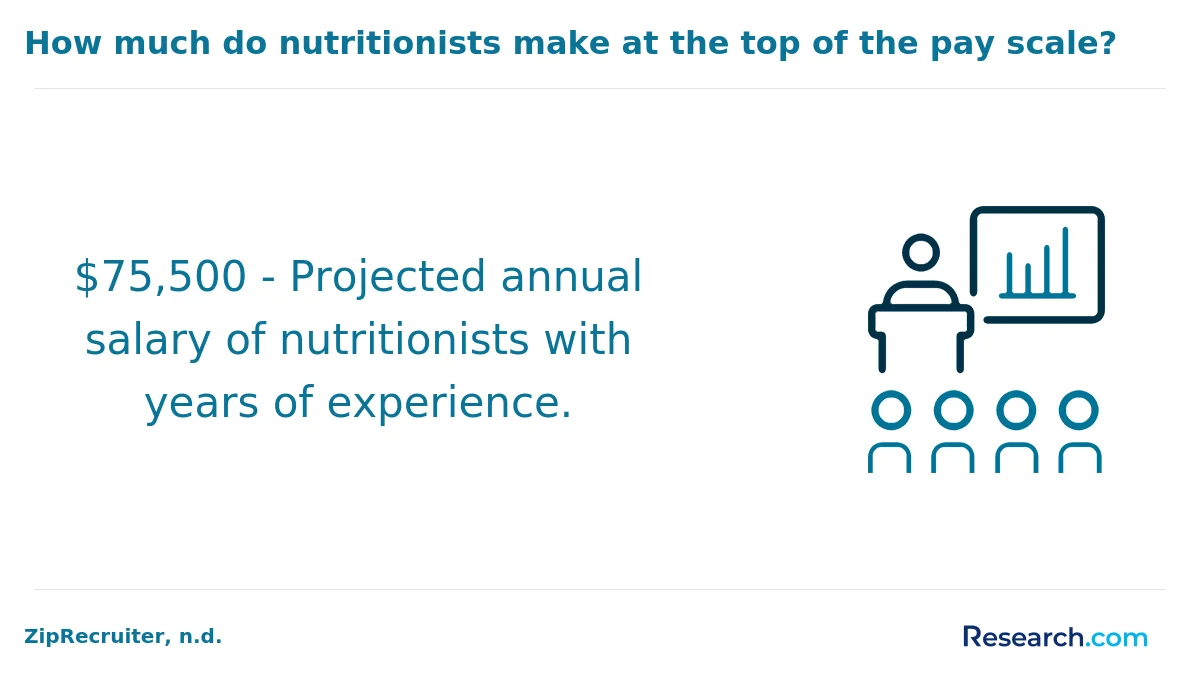
Experience and location significantly impact earnings. Graduates working in metropolitan areas such as California or New York often report salaries exceeding $80,000, while those in smaller cities or rural areas may earn closer to or below the national median. A graduate working as a nutrition program director or health consultant after obtaining a Master's degree can see their salary climb between $75,000 and over $100,000, a common trajectory noted by alumni from institutions like Arizona State University.
While salaries vary, many nutrition students feel encouraged by the growing demand in this field, which is expected to expand by 11% over the next decade, boosting both job prospects and earning potential.
- Key benefits of getting online nutrition degree in America
- What can I expect from online nutrition degree in America?
- Where can I work with online nutrition degree in America?
- How much can I make with online nutrition degree in America?
- How do we rank schools?
- 2027 Fastest Online Master's in Nutrition Degree Programs Ranking in the USA
- What online nutrition degree graduates have to say
- Key Findings
- How long does it take to complete online nutrition degree in America?
- What's the difference between online and on-campus nutrition degree?
- What is the average cost of online nutrition degree in America?
- What financial aid is available to online nutrition degree students in America?
- What are the prerequisites for enrolling in online nutrition degree program in America?
- What courses are typically in online nutrition degree programs in America?
- What types of specializations are available in online nutrition degree programs in America?
- How do you choose the best online nutrition degree in America?
- What career paths are available for online nutrition degree students in America?
- What is the job market for online nutrition degree in America?
- Frequently Asked Questions About nutrition
- Top Trending Nutrition Rankings
How do we rank schools?
Investing in your education is a significant decision that can shape your future, and the Research.com team understands the importance of making informed choices. To support prospective students interested in nutrition, we have carefully developed the "2027 Fastest Online Master's in Nutrition Degree Programs Ranking in the USA." Our dedication to quality, credibility, and accuracy is demonstrated through thorough research and detailed analysis to compile this ranking.
We utilized the following reputable data sources to ensure a comprehensive evaluation of nutrition programs:
By exploring this ranking, readers will gain valuable insights into the fastest online master's programs in nutrition, empowering them to make well-informed decisions about their educational and professional futures. For more details on our methodology, please visit our Research.com methodology page.
2027 Fastest Online Master's in Nutrition Degree Programs Ranking in the USA
# 1 position
University of Northern Colorado

# 2 position
University of Wisconsin - Stout

# 3 position
Utah State University

# 4 position
Iowa State University of Science and Technology
What online nutrition degree graduates have to say
- Emily: Pursuing my online nutrition degree at Arizona State University gave me the flexibility to balance work and study while accessing top-notch faculty and resources. The interactive assignments made learning practical and engaging, boosting my confidence in applying nutrition science in real-life settings.
- Jamal: Studying nutrition online at Oregon State University transformed my life. The course structure was rigorous yet supportive, allowing me to dive deep into current research and innovative practices. I appreciated the strong community vibe despite being remote-felt truly connected and motivated throughout.
- Hannah: The University of Florida's online nutrition program was a game-changer for me. Its user-friendly platform and personalized feedback empowered me to grasp complex topics effectively. I valued how the curriculum emphasized both theory and compassion, inspiring my passion for helping others lead healthier lives.
Key Findings
- Online nutrition degrees in the U.S. are available from bachelor's to master's levels, with some offering specialized tracks like dietetics and clinical nutrition.
- Bachelor's tuition costs range from $15,000 to $40,000, while master's programs cost between $20,000 and $50,000, with public universities generally charging less than private ones.
- Nutrition graduates have strong job prospects, with employment for dietitians and nutritionists expected to grow 11% from 2021 to 2031.
- The average starting salary for nutrition graduates is about $60,000 per year, rising to over $80,000 with experience and advanced credentials.
- Accreditation by bodies like ACEND is crucial for eligibility to become a Registered Dietitian Nutritionist and is required for many state licenses.
- Many programs include supervised practice through internships and offer flexible schedules with asynchronous courses for working students.
How long does it take to complete online nutrition degree in America?
Completing an online nutrition degree in America typically takes about four years for a bachelor's when studying full-time, as seen in programs at institutions like the University of Florida or Arizona State University. However, some graduates find accelerated options at schools such as Northeastern University, where the timeline shortens to around 12 to 18 months for a master's degree, helping working professionals advance faster without pausing their careers.
Part-time enrollment can stretch this duration, sometimes requiring up to five years for bachelor's students or four years for master's students, which resonates with those balancing family or jobs. Graduates often mention how transferring credits from previous courses helped reduce their study time, making their journey more manageable.
It's important to consider program-specific requirements too. For example, programs accredited by the Academy of Nutrition and Dietetics may require additional supervised internships, adding 6 to 12 months beyond coursework. This hands-on experience, though time-consuming, often leaves students feeling more confident and prepared entering the field.
What's the difference between online and on-campus nutrition degree?
Choosing between online and on-campus nutrition degrees in America often comes down to lifestyle and learning preferences. Graduates from well-known programs, like those at the University of California or Boston University, share that online formats provide unmatched flexibility, allowing them to balance work, family, and study without the stress of commuting. They appreciate accessing lectures and assignments anytime, which makes education feel more personalized and manageable.
Conversely, students attending traditional campuses frequently highlight the value of direct interaction with professors and peers. For example, those at Cornell or Syracuse University describe their hands-on lab work and supervised clinical rotations as essential for building confidence and practical skills. The immediate feedback and lively classroom discussions create a motivating environment difficult to replicate online.
Cost and networking also vary. While some online programs may reduce expenses by cutting campus-related fees, others maintain similar tuition, reflecting faculty expertise and accreditation standards across formats. Networking feels different too-online learners rely on virtual forums, whereas on-campus students enjoy spontaneous hallway chats and study groups, which often foster deeper connections.
What is the average cost of online nutrition degree in America?
The average cost of an online nutrition degree in America typically centers around $19,330, based on median total tuition data. This figure reflects a broad range of costs depending on whether students attend public or private institutions and their residency status. Graduates from well-known universities often share that while tuition may initially seem daunting, the financial investment is balanced by the flexibility and career opportunities the programs provide. For example, students enrolled at prominent state schools with strong nutrition faculties often benefit from lower in-state tuition, enhancing affordability without compromising educational quality. However, those attending private colleges or studying out-of-state may encounter higher expenses.
When considering the average cost of online nutrition degree USA, it's essential to account for additional fees beyond tuition, such as technology, textbooks, and exam costs. Many students highlight that these supplementary expenses add up, especially when budgeting semester-by-semester. Despite these costs, numerous nutrition students feel encouraged by the availability of financial aid options like scholarships and loan programs that help offset expenses, making the goal more attainable.
A notable post-graduate expense involves certification exams, such as the Registered Dietitian Nutritionist credential, which can cost between $200 and $300. Many graduates from recognized nutrition programs emphasize how earning their degree online allowed them to balance work, family, and study, making the cost worthwhile. For those curious about how long it takes to become a nutritionist and the related expenses, resources like how long does it take to become a nutritionist offer detailed guidance.
What financial aid is available to online nutrition degree students in America?
Financial aid options for online nutrition degrees in America are diverse but require careful navigation. Graduates from well-known programs like those at Cornell University or the University of Texas often highlight federal aid as a cornerstone-FAFSA opens doors to grants and loans, including Direct Unsubsidized and Grad PLUS loans for graduate students, which can ease tuition burdens despite accruing interest.
State-based grants prove crucial for residents; for instance, California students pursuing degrees at institutions like CSU Dominguez Hills benefit from state scholarships targeting in-state learners. However, those outside state borders may face higher costs without similar support.
Many nutrition students express gratitude for university-specific merit and need-based scholarships that reward academic or professional excellence, found at schools such as Purdue University. These awards often transform hope into tangible relief, enabling students to focus more on advancing their careers.
Employer tuition reimbursement and professional organization scholarships, like those from the Academy of Nutrition and Dietetics, serve as additional lifelines, especially for dietitians aiming to specialize further. Yet, private loans, while available, generally come with less favorable terms, prompting students to exhaust more affordable options first.
Flexible payment plans offered by numerous online programs also help students spread costs, avoiding financial strain in the short term while pursuing their nutrition goals.
What are the prerequisites for enrolling in online nutrition degree program in America?
To enroll in an online nutrition degree program in America, applicants often need a solid academic foundation. For undergraduate programs, a high school diploma or equivalent is standard. Graduate programs, like those offered by well-known institutions such as the University of Florida or Texas A&M, typically require a bachelor's degree in nutrition, dietetics, or related fields. Some graduates recall needing to complete prerequisite courses like general biology and chemistry before being accepted, highlighting the importance of demonstrating foundational science knowledge.
Admission committees also value practical experience. Many students share that submitting letters of recommendation from healthcare or nutrition professionals, along with a statement of purpose outlining their passion, strengthened their applications. A minimum GPA around 3.0 is often expected, reflecting the program's rigor and ensuring readiness for advanced study.
Moreover, certain programs emphasize eligibility for supervised practice experiences, crucial for those aiming to become Registered Dietitian Nutritionists (RDN). Graduates from schools accredited by ACEND mention feeling confident knowing their education meets national standards, which helps in future credentialing and career prospects.
What courses are typically in online nutrition degree programs in America?
Online nutrition degree programs in America often include foundational courses like human anatomy and physiology, which help students grasp how the body processes nutrients. Graduates from well-known programs such as those at public universities frequently share how understanding these basics makes interpreting complex nutrition principles more intuitive and rewarding.
Specialized classes typically cover macronutrients and micronutrients, including carbohydrates, proteins, fats, vitamins, and minerals, which students encounter in scenarios like crafting balanced meal plans for different age groups. Medical nutrition therapy is another vital topic, teaching how to apply nutrition knowledge to manage chronic diseases like diabetes-something many graduates recall as challenging yet empowering because it directly connects theory with improving patients' lives.
Courses on food science, safety, and community nutrition introduce students to food regulations and public health programs, often sparking enthusiasm as they envision contributing to societal well-being. Practical internships and counseling techniques enable students from popular American colleges to experience the real-world impact of nutrition education firsthand, often describing these moments as both fulfilling and motivational.
What types of specializations are available in online nutrition degree programs in America?
Online nutrition degree specializations USA commonly include clinical nutrition, public health nutrition, sports nutrition, nutrition education, and dietetics management. Graduates from reputable programs at universities like the University of Alabama at Birmingham or Rutgers University often highlight how clinical nutrition prepared them to work directly with patients managing medical conditions through tailored diets in hospitals or private practices. Public health nutrition, a popular focus among students, equips learners to tackle broader issues like obesity or food insecurity, a pressing concern as nearly 60% of American adults face chronic nutrition-related diseases.
Sports nutrition specialization appeals to those passionate about athletic performance, especially as the U.S. fitness industry grows. Nutrition students from well-known colleges speak positively about applying science to optimize recovery and training. Those pursuing nutrition education emphasize the rewarding experience of preparing to become counselors or educators, while dietetics management focuses on leadership within institutional nutrition services.
Choosing among these options requires reflecting on career goals and real-world applications. Interested students might explore jobs for people with a master's in nutrition to understand how different specializations affect career paths and opportunities.
How do you choose the best online nutrition degree in America?
When choosing the best online nutrition degree in America, accreditation is paramount. Graduates from programs accredited by the Accreditation Council for Education in Nutrition and Dietetics (ACEND) often feel confident that their degree meets national standards and prepares them for the Registered Dietitian Nutritionist credential, essential for many states and employers. For instance, graduates from well-known programs at universities like the University of Florida or Penn State often praise the balanced mix of theory and practical experience, which helped them gain employment quickly.
Cost and program flexibility also influence decisions. Affordable online master's in nutrition America options, such as those from state universities, offer part-time or self-paced schedules, allowing working professionals to feel supported rather than overwhelmed. One graduate shared how choosing a part-time program enabled them to maintain a job while progressing steadily toward licensure.
Additionally, curriculum relevance and faculty expertise make a difference in student satisfaction. Nutrition students at institutions known for strong research and clinical ties appreciate timely content and real-world applications, which bolster confidence in their career readiness. To explore career options further, consider resources like jobs with a masters in nutrition that illustrate the diverse paths available post-graduation.
What career paths are available for online nutrition degree students in America?
Graduates with an online nutrition degree in America can pursue diverse career paths, reflecting the expanding field of nutrition. Many find rewarding roles as registered dietitians, working in settings like hospitals or schools, where they provide personalized nutrition therapy. Others explore community-level work as nutritionists focused on public health initiatives, or as corporate wellness consultants helping businesses improve employee health. Those interested in administration may become food service managers, ensuring nutritional quality in institutions like nursing homes or cafeterias.
Students from recognized programs at universities such as the University of Florida or Arizona State University often describe their career journeys as fulfilling and adaptable, thanks to the versatility of nutrition degrees. However, branching into specialized areas such as sports nutrition or pediatric nutrition often requires further education; many pursue a master's in dietetics online to enhance career prospects. Exploring nutrition career opportunities in America requires an awareness that the field balances clinical skills with public health awareness, offering graduates a mix of meaningful and well-compensated options.
What is the job market for online nutrition degree in America?
The job market for graduates with an online nutrition degree in America is expanding but requires careful consideration of various factors. Many graduates from well-known institutions, like those offering flexible online programs, report securing roles in hospitals, public health agencies, or private practices, where they apply their training to manage chronic diseases such as diabetes and heart conditions. This growth reflects a positive nutrition career opportunities in America and emphasizes the rising importance of preventive care and wellness coaching.
However, competition remains strong, and employers increasingly demand practical experience alongside academic credentials. Graduates who engage in internships through their programs often find these opportunities boost their job prospects. For example, students enrolled in programs at popular universities benefit from accredited internships that align with certification requirements, underscoring the need to balance flexibility with hands-on training.
Students concerned about affordability can explore options that fit their budget, as tuition varies widely. Those investigating options should consider a degree in nutrition online that combines reasonable cost with robust clinical experiences, ensuring better readiness for the evolving job market.
Overall, those pursuing an online nutrition degree job outlook USA should weigh both the growing demand and the credentialing challenges to make informed decisions about their education and career path.
Frequently Asked Questions About nutrition
Online nutrition degree students in America can maximize their learning experience by establishing a consistent study routine and setting clear goals. Research from the National Center for Education Statistics shows that time management strongly correlates with higher academic performance in online programs.
Engaging actively with course materials and participating in virtual discussions enhances comprehension and retention. The Academy of Nutrition and Dietetics emphasizes that collaboration with peers and instructors helps develop critical thinking skills essential for nutrition professionals.
Utilizing available resources such as virtual labs, webinars, and internships can provide practical experience. The USDA reports that hands-on learning improves understanding of dietary guidelines and public health nutrition critical within the U.S.
Finally, staying updated on nutrition policy changes in America, through reputable sources, supports application of current evidence-based practices in coursework.
The nutrition field in America is rapidly diversifying with several emerging niches gaining momentum. One of the fastest growing areas is personalized nutrition, which uses genetic, lifestyle, and metabolic data to create individualized diet plans. According to the National Institutes of Health, this approach shows promise in improving health outcomes by targeting specific needs.
Another important niche is sustainable and plant-based nutrition. With increased awareness of climate change, dietitians are focusing more on environmentally friendly food systems. The USDA reports a 31% rise in plant-based product consumption from 2019 to 2023.
Lastly, nutrition informatics integrates technology and data analytics to improve dietary assessments and interventions, aligning with healthcare's growing digital emphasis.
After completing an online nutrition degree in America, preparing for the job market involves several key steps. First, obtaining professional credentials such as the Registered Dietitian Nutritionist (RDN) certification can significantly enhance job prospects. This requires completing a supervised practice program accredited by the Accreditation Council for Education in Nutrition and Dietetics (ACEND).
Networking within professional organizations like the Academy of Nutrition and Dietetics helps graduates stay informed about industry trends and job openings. According to the U.S. Bureau of Labor Statistics, employment of dietitians and nutritionists is projected to grow 10% from 2022 to 2032, faster than average for all occupations.
Gaining practical experience through internships or volunteering in clinical, community, or food service settings also boosts employability. Developing strong communication and counseling skills is essential to effectively support diverse client needs in nutrition-related roles.
Employers seeking nutrition degree graduates in America prioritize a mix of scientific knowledge and practical skills. Strong understanding of human biology, food science, and diet planning is essential. Graduates must demonstrate proficiency in nutritional assessment techniques and data interpretation. Effective communication skills, especially the ability to translate complex nutrition concepts into clear advice for diverse populations, are highly valued.
Critical thinking and problem-solving abilities help nutritionists develop personalized diet plans addressing specific health needs. Familiarity with the latest federal nutrition guidelines, such as those from the USDA, is also important.
According to the Academy of Nutrition and Dietetics, graduates with skills in technology, like electronic health records and nutrition software, have an advantage in the evolving job market.
Finding internships relevant to a nutrition degree in America often begins with exploring university career services. Many online nutrition programs have partnerships with healthcare agencies, wellness centers, or community organizations that offer practical experience. The Academy of Nutrition and Dietetics reports that approximately 80% of nutrition students secure internships through school-related resources.
Additionally, platforms like Handshake and internships.com list opportunities specific to nutrition and dietetics. Networking plays a vital role; contacting local hospitals, public health departments, or foodservice companies can uncover openings not widely advertised.
Students should also pursue internships accredited by the Accreditation Council for Education in Nutrition and Dietetics (ACEND), as these prepare candidates for Registered Dietitian Nutritionist (RDN) eligibility.
In America, earning an online nutrition degree can significantly enhance career mobility and advancement. According to the Bureau of Labor Statistics, employment for dietitians and nutritionists is projected to grow 11% from 2022 to 2032, much faster than the average for all occupations. This growth creates more opportunities for professionals with accredited degrees. An online nutrition degree offers flexibility without compromising the quality of education, allowing students to balance work and study.
Graduates can access diverse career paths in healthcare, wellness, public health, and food science. Many employers value the combination of academic credentials and practical experience that online programs promote. Additionally, obtaining credentials such as Registered Dietitian Nutritionist (RDN) through accredited programs can lead to higher salaries and leadership roles within the field.
Studying for a nutrition degree in America equips students for interdisciplinary roles by combining core nutrition science with knowledge from areas such as public health, psychology, and business. Many programs emphasize skills in communication, data analysis, and policy, preparing graduates to work in diverse settings like healthcare, food service management, and community programs.
According to the Academy of Nutrition and Dietetics, nutrition professionals often collaborate with doctors, social workers, and educators to create comprehensive health plans. Online degrees reflect this by including courses on health promotion, research methods, and cultural competency.
This integrated approach aligns with the U.S. Bureau of Labor Statistics projection of 11% job growth in dietetics and nutrition roles through 2030, highlighting demand for adaptable, interdisciplinary expertise.
Choosing between a thesis and a non-thesis nutrition degree program in America depends on your career goals and learning preferences. Thesis programs require original research and a written dissertation, ideal for students aiming for doctoral studies or research careers.
Non-thesis programs focus more on coursework and practical skills, often preferred by those pursuing clinical or industry roles. According to the Academy of Nutrition and Dietetics, about 65% of nutrition graduates enter applied roles, making non-thesis options popular.
Cost and program length also matter. Thesis tracks may take longer due to research demands, while non-thesis options often allow faster completion.
American students interested in studying nutrition abroad have several online options that allow global academic collaboration without leaving the U.S. Many U.S. institutions partner with international universities to offer joint online nutrition degrees. These programs often include coursework aligned with standards from the Accreditation Council for Education in Nutrition and Dietetics (ACEND), ensuring quality comparable to domestic programs.
Some universities provide study abroad opportunities or virtual internships with global nutrition organizations. While fully foreign-based online nutrition degrees are less common, hybrid models are emerging, enabling students to combine U.S. accredited courses with international study components. This supports the growing demand, as the U.S. Bureau of Labor Statistics projects a 11% growth in nutritionist jobs through 2031.
Part-time jobs related to nutrition can greatly enhance the learning experience for students pursuing online nutrition degrees in America. Common roles include dietary aides, nutrition assistants, and health coaches. These positions provide hands-on experience with meal planning, client communication, and wellness guidance.
According to the U.S. Bureau of Labor Statistics, employment in nutrition-related jobs is expected to grow 8% from 2022 to 2032, indicating increasing opportunities in the field. Part-time work in community health centers or food service management helps students apply theoretical knowledge in real-world settings.
Volunteering with public health organizations also builds valuable skills and professional networks that support career advancement after graduation.
Online nutrition students in America have various networking opportunities to enhance their professional growth. Many accredited programs partner with organizations such as the Academy of Nutrition and Dietetics, providing students access to conferences, webinars, and local chapter events. These platforms connect students with practicing dietitians, researchers, and industry leaders.
Additionally, virtual career fairs and alumni networks offer chances to build relationships with peers and potential employers across the country. According to the Academy, over 100,000 nutrition professionals in the U.S. participate in such networks, fostering mentorship and job placement.
Social media groups and specialized forums also support continuous engagement beyond the classroom.
Alumni networks offer significant advantages for online nutrition degree students in America by providing essential professional connections. According to the National Career Development Association, about 85% of jobs are obtained through networking, highlighting its importance in career advancement.
These networks enable recent graduates to connect with experienced professionals in dietetics, public health nutrition, and wellness sectors. Through events, online forums, and mentorship programs, students gain insights into industry trends and job openings.
Furthermore, alumni often share resources such as continuing education opportunities and research collaborations. Given the growing demand for registered dietitians, which the U.S. Bureau of Labor Statistics projects to grow 8% by 2029, these relationships are invaluable for employment prospects and professional growth.
In the United States, online nutrition degree programs often offer flexible curricula that allow students to tailor their studies according to career objectives. Many universities provide elective courses in areas such as clinical nutrition, public health, sports nutrition, or food science. Choosing these electives helps align education with specific job roles. For example, the Accreditation Council for Education in Nutrition and Dietetics (ACEND) recognizes programs that prepare students for Registered Dietitian Nutritionist (RDN) credentialing, crucial for clinical careers.
Students can also customize practical experiences through virtual internships or research projects suited to their interests. According to the U.S. Bureau of Labor Statistics, nutrition-related jobs are expected to grow about 11% through 2032, making focused training beneficial for career advancement.
Online nutrition students in America commonly face challenges related to hands-on learning requirements. Many programs require practical experience in labs or clinical settings, which can be difficult to arrange remotely. According to the Academy of Nutrition and Dietetics, supervised practice is essential for credentialing, but online students may struggle to complete these hours locally.
Another issue is staying motivated without in-person interaction. Research shows that online learners often report feelings of isolation, which can impact academic performance. Access to reliable technology and internet is also critical; the Federal Communications Commission reports that nearly 14 million Americans lack broadband access, affecting students in rural areas.
Additionally, some online nutrition degrees carry higher tuition fees and limited financial aid options compared to on-campus programs, creating financial barriers. Lastly, navigating accreditation and licensure requirements across states adds complexity for students planning to work regionally or nationwide.
An online nutrition degree in America opens pathways to various professional certifications, crucial for careers in dietetics and nutrition counseling. The most recognized certification is the Registered Dietitian Nutritionist (RDN), awarded by the Commission on Dietetic Registration. To sit for the RDN exam, candidates typically need a degree accredited by the Accreditation Council for Education in Nutrition and Dietetics (ACEND) and supervised practice hours.
The Certified Nutrition Specialist (CNS) credential is another option, granted by the Board for Certification of Nutrition Specialists. It requires an advanced degree, including a master's in nutrition, plus 1,000 hours of supervised practice and passing a rigorous exam.
Other certifications include Certified Clinical Nutritionist (CCN) and Sports Nutrition certifications, each requiring specific educational backgrounds and examinations. According to the Academy of Nutrition and Dietetics, demand for credentialed nutrition professionals is expected to grow 15% from 2021 to 2031, faster than average for all occupations.
Writing a winning application for an online nutrition program in America requires clear focus and preparation. Start by researching accredited programs recognized by the Accreditation Council for Education in Nutrition and Dietetics (ACEND). Highlight relevant academic achievements, such as a strong GPA in science courses, to demonstrate your readiness for rigorous coursework.
Include a compelling personal statement explaining your motivation to study nutrition and your career goals. Emphasize any experience in healthcare, food service, or community wellness. According to the U.S. Bureau of Labor Statistics, demand for dietitians and nutritionists is projected to grow 11% from 2021 to 2031, underscoring the program's value.
Strong letters of recommendation from professors or employers who know your work ethic enhance credibility. Finally, ensure your application is complete, well-formatted, and submitted before deadlines to increase your chances of admission.
The field of nutrition is increasingly viewed as vital worldwide, with global demand for qualified nutrition professionals growing steadily. In America, the nutrition career is shaped by rigorous education and certification standards, such as those established by the Academy of Nutrition and Dietetics and the Commission on Dietetic Registration. According to the U.S. Bureau of Labor Statistics, employment for dietitians and nutritionists is expected to grow 11% from 2022 to 2032, faster than the average for all occupations.
Internationally, nutrition careers often emphasize public health and disease prevention, reflecting a shared priority across countries to combat chronic illnesses linked to diet. Many global organizations collaborate with U.S. institutions to develop competency standards and research initiatives.
For U.S. students pursuing online nutrition degrees, understanding these global perspectives provides valuable context for career opportunities, including work with international health agencies, NGOs, or multinational food companies. The expanding global focus indicates a dynamic and impactful profession.
Gaining practical experience while pursuing an online nutrition degree in America is essential for career readiness. Many programs incorporate supervised internships or practicum hours. These allow students to work in clinical, community, or food service settings, applying theoretical knowledge in real-world environments.
The Accreditation Council for Education in Nutrition and Dietetics (ACEND) requires at least 1,200 hours of supervised practice for dietetic certification, which students can often complete locally. Additionally, virtual simulations and case studies supplement hands-on learning.
Networking with local health organizations or registered dietitians can also provide volunteer or shadowing opportunities. According to the Academy of Nutrition and Dietetics, practical experience improves job prospects significantly.
Choosing the right concentration within an online nutrition degree in America depends largely on your career goals and interests. Popular concentrations include clinical nutrition, public health nutrition, sports nutrition, and dietetics. According to the Academy of Nutrition and Dietetics, clinical nutrition focuses on patient care and disease management, while public health nutrition addresses community health strategies.
Evaluate which setting you want to work in and the required credentials. For example, becoming a Registered Dietitian Nutritionist (RDN) often requires coursework accredited by the Accreditation Council for Education in Nutrition and Dietetics (ACEND).
Salary data from the U.S. Bureau of Labor Statistics shows nutritionists earn a median annual wage of $63,000, but specializations like sports nutrition may offer varied opportunities.
Top Trending Nutrition Rankings
References
- Blog https://www.futuresmartcareers.co.uk/blog/a-complete-guide-to-careers-in-nutrition-health-and-wellness/
- The Nutrition Institute https://www.thenutritioninstitute.com/us/en/accreditations
- Nutritionist Salary https://becomeanutritionist.org/salary/
- Nutrition Careers Guide 2025 | Jobs & Salary https://www.nutritioned.org/careers/
- Master's in Nutrition Prerequisites | University of Bridgeport https://www.bridgeport.edu/news/masters-in-nutrition-prerequisites/
- 10 Career Paths in Nutrition - International Career Institute Australia https://ici.net.au/blog/interested-in-nutrition-10-career-paths-to-consider/
- Events https://www.bda.uk.com/events.html
- 40 Institutions offering Nutrition / Dietetics Courses Abroad https://www.hotcoursesabroad.com/study/training-degrees/international/nutrition-dietetics-courses/cgory/nh.2-4/sin/ct/programs.html
- Cert VS Degree: What Type of Nutrition Credential is Best? https://www.issaonline.com/blogs/nutrition/cert-vs-degree-what-type-of-nutrition-credential-is-best
- 2025 Most Popular Online Nutrition Degrees https://www.onlineu.com/degrees/nutrition


