
2027 Best Online Nutrition Degree Programs Ranking in the Midwest

Co-Founder and Chief Data Scientist
Choosing the right nutrition degree program can shape your future in health and wellness. For students in the Midwest, finding a quality online option that fits your needs is essential.
This article presents the 2027 Best Online Nutrition Degree Programs Ranking in the Midwest, developed by the Research.com team of data scientists. It offers clear, data-driven insights to help you confidently explore top programs.
By reading this guide, you'll discover valuable information to support your educational goals and take meaningful steps toward a rewarding career in nutrition.
Key benefits of getting online nutrition degree in the Midwest
- Nutrition graduates in the Midwest often find rewarding careers with average salaries around $60,000 per year in related healthcare and wellness roles, offering financial stability and growth potential.
- Graduates from universities like the University of Illinois enjoy diverse career paths, including dietitian, public health nutritionist, and wellness coach, providing exciting opportunities to make a positive impact on community health.
- Completing an online nutrition degree through schools such as Kansas State University offers flexibility and convenience, allowing students to balance studies with work or family while gaining the same respected credentials as traditional programs.
What can I expect from online nutrition degree in the Midwest?
Students pursuing an online nutrition degree in the Midwest often find the investment both accessible and rewarding. On average, the cost ranges from around $10,000 to $25,000, depending on the university and program level. For example, graduates of the University of Illinois appreciate the affordable tuition paired with financial aid options that ease the burden, allowing them to focus fully on their studies and career goals.
Midwest-based programs like those at the University of Nebraska offer competitive pricing with strong local support networks, helping students balance work, family, and education. Many alumni share how these programs bring their passion for health to life through engaging virtual lectures and hands-on community projects close to home, all while managing costs effectively.
With in-state rates and Midwest-focused scholarships, students feel encouraged to invest in their future nutrition careers without overwhelming financial stress. This balance of quality education and reasonable expenses fosters confidence and excitement for a meaningful impact on public health across their communities.
Where can I work with online nutrition degree in the Midwest?
Graduates with an online nutrition degree from well-known programs in the Midwest, such as those offered by universities in Ohio or Illinois, find themselves stepping into vibrant career landscapes filled with rewarding opportunities. Many begin their journeys in hospitals or clinics, where they craft customized meal plans and support patients' wellness, making a tangible difference in people's health every day. Others thrive as public health nutritionists with local health departments, leading community initiatives that promote better eating habits and fight obesity.
Imagine collaborating with large employers like Target or Kellogg's, helping to develop nutritious products that reach millions. Graduates from Midwestern colleges often cherish roles in corporate wellness programs and rural telehealth nutrition counseling, where they provide personalized coaching and bridge healthcare gaps. Their passion shines in schools and food service management, ensuring vibrant, health-focused environments. This diverse range of careers allows online nutrition graduates to impact lives across the Midwest with confidence and purpose, fueled by the solid education they received close to home.
How much can I make with online nutrition degree in the Midwest?
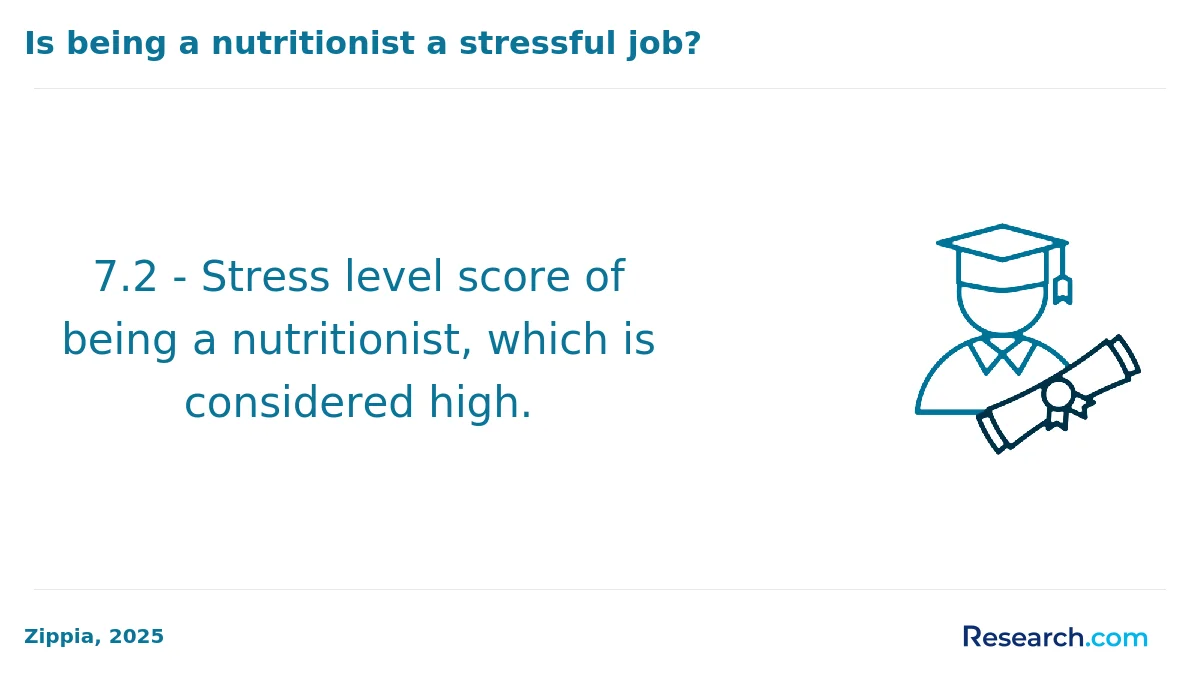
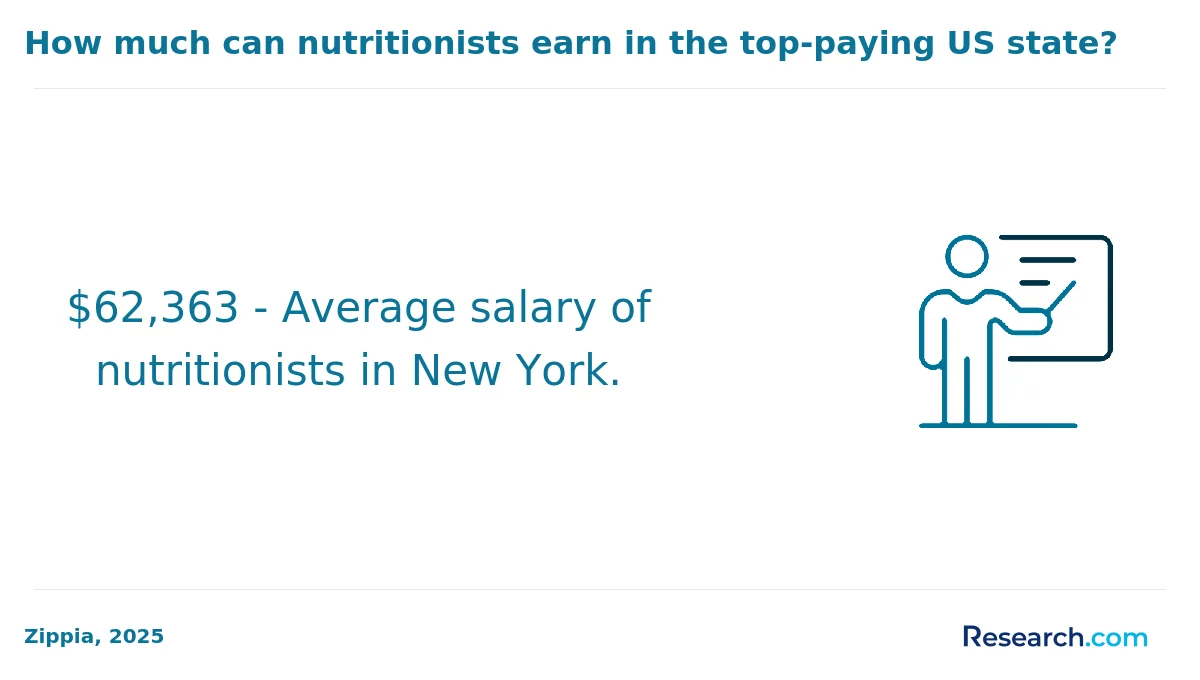
Graduates with an online nutrition degree in the Midwest can look forward to rewarding careers with salaries typically ranging from $55,000 to $65,000 annually, according to U.S. Bureau of Labor Statistics figures. Those who earn their degrees from well-known regional institutions often share stories of starting their careers with enthusiasm, working in vibrant cities like Chicago and Detroit where their skills are highly valued and compensation is competitive.
Many graduates experience a noticeable boost in earnings after obtaining Registered Dietitian Nutritionist (RDN) certification, with some surpassing $62,000 per year, especially when employed in clinical or hospital settings. This credential opens doors to diverse roles in public health, corporate wellness, and foodservice management, each offering unique opportunities to impact communities while enjoying growing paychecks.
New professionals in smaller towns often appreciate the stability of entry-level positions in nutrition, earning around the low $40,000 range as they build expertise. Meanwhile, graduates inspired by programs at Midwest universities see their careers flourish, empowering them to elevate nutrition standards across the region.
- Key benefits of getting online nutrition degree in the Midwest
- What can I expect from online nutrition degree in the Midwest?
- Where can I work with online nutrition degree in the Midwest?
- How much can I make with online nutrition degree in the Midwest?
- How do we rank schools?
- 2027 Best Online Nutrition Degree Programs Ranking in the Midwest
- What online nutrition degree graduates have to say
- Key Findings
- How long does it take to complete online nutrition degree in the Midwest?
- What's the difference between online and on-campus nutrition degree?
- What is the average cost of online nutrition degree in the Midwest?
- What financial aid is available to online nutrition degree students in the Midwest?
- What are the prerequisites for enrolling in online nutrition degree program in the Midwest?
- What courses are typically in online nutrition degree programs in the Midwest?
- What types of specializations are available in online nutrition degree programs in the Midwest?
- How do you choose the best online nutrition degree in the Midwest?
- What career paths are available for online nutrition degree students in the Midwest?
- What is the job market for online nutrition degree in the Midwest?
- Frequently Asked Questions About nutrition
- Top Trending Nutrition Rankings
How do we rank schools?
Investing in your education is a significant decision that can shape your future, and the Research.com team understands the importance of making informed choices. To assist prospective students in the Midwest, we have meticulously crafted the "2027 Best Online Nutrition Degree Programs Ranking in the Midwest." Our commitment to quality, credibility, and accuracy is reflected in the thorough research and analysis undertaken to compile this ranking.
We utilized the following reputable data sources to ensure a comprehensive evaluation of nutrition programs:
By exploring this ranking, readers will gain valuable insights into the best online nutrition degree programs in the Midwest, empowering them to make well-informed decisions about their educational journey. For more details on our methodology, please visit our Research.com methodology page.
2027 Best Online Nutrition Degree Programs Ranking in the Midwest
# 1 position
University of Wisconsin - Stout

# 2 position
Iowa State University of Science and Technology
What online nutrition degree graduates have to say
- Emily: Studying nutrition online at the University of Illinois gave me unmatched flexibility while maintaining a high-quality curriculum. The interactive courses and expert faculty made learning engaging, and balancing my job with studies was effortless. It truly prepared me for a rewarding career in dietetics.
- Michael: I loved the community feel of Ohio State's online program despite being remote. Small discussion groups and real-time video lectures helped me connect with peers and professors. The practical approach alongside theoretical knowledge made this degree invaluable for my professional growth.
- Sarah: Completing my nutrition degree online through the University of Minnesota was life-changing. The program's focus on Midwest public health issues made it relevant and inspiring. I felt empowered to promote wellness in my community, all while studying comfortably from home.
Key Findings
- Midwest online nutrition programs are typically accredited by ACEND, ensuring eligibility for dietetic internships and credentialing exams.
- Annual tuition for in-state students at Midwest public universities ranges from $10,000 to $22,000, while private schools may charge over $30,000.
- The demand for dietitians and nutritionists in the Midwest is expected to grow by about 8% from 2022 to 2032.
- Starting salaries for nutrition graduates usually range between $45,000 and $50,000, with mid-career salaries reaching $65,000 or more.
- Many programs offer remote internships and partnerships with local health facilities to meet licensure and employment requirements.
How long does it take to complete online nutrition degree in the Midwest?
Completing an online nutrition degree in the Midwest typically takes between two and four years, offering exciting flexibility tailored to your pace and lifestyle. Many students at popular Midwest institutions like the University of Illinois or Ohio State University find that earning an associate degree in nutrition or dietetics takes about two years, opening doors to entry-level opportunities quickly.
For those pursuing a bachelor's degree, the journey usually spans four years of full-time study. Graduates often reflect on the rewarding challenge of balancing courses with life and work, grateful for the part-time and accelerated options that Midwest universities provide. Those with prior credits or an associate degree can sometimes finish their bachelor's in just two or three years, making the dream even more attainable.
Graduate students at institutions such as Michigan State enjoy focused, one-to-two-year programs designed to deepen expertise swiftly. This vibrant, supportive environment uplifts students, motivating them to complete their studies and step confidently into a rewarding nutrition career.
What's the difference between online and on-campus nutrition degree?
Choosing between an online and on-campus nutrition degree in the Midwest opens exciting paths tailored to your lifestyle. Online programs, like those offered by popular Midwestern schools, let you study nutrition wherever life takes you-whether juggling family in Ohio or working part-time in Illinois. Graduates often share how the flexibility empowered them to pace their learning while managing real-world responsibilities, creating a perfect balance.
On-campus degrees, such as those provided by renowned universities in Minnesota or Wisconsin, bring the energy of hands-on labs and face-to-face internships. Imagine walking through a bustling campus, collaborating directly with peers and professors, sharpening skills in a state-of-the-art food science lab. This immersive experience fuels confidence and connections vital for a thriving career in nutrition.
Both paths cover essential subjects like diet therapy and community nutrition and meet stringent ACEND accreditation standards across the Midwest. Students feel inspired knowing their journey leads to the same professional credentials and rewarding opportunities to impact health statewide.
What is the average cost of online nutrition degree in the Midwest?
When exploring the average cost of an online nutrition degree Midwest students can expect a manageable investment that aligns well with their career goals. Many public institutions in the region offer tuition rates that allow motivated learners to pursue their passion without overwhelming financial burden. Graduates from universities like Illinois State University often share how their commitment, coupled with reasonable tuition, made the journey rewarding and attainable.
The online nutrition degree tuition and fees Midwest programs are designed with affordability in mind, typically ranging from mid-teens to just over $18,000 for the entire program. This cost incorporates roughly 120 credit hours and covers the essentials needed to become a skilled nutritionist. For example, at the University of Nebraska-Lincoln, students appreciate the blend of quality education and straightforward tuition pricing, which fosters confidence in their educational investment.
Students pursuing this degree in the Midwest frequently mention feeling encouraged by the accessibility of financial aid and flexible payment options. Adding to this support, many find inspiration in success stories from peers who balanced their studies with personal commitments. To understand the practical steps toward earning this degree and entering the field, you can explore the steps to become a nutritionist that guide you through the process with clarity and optimism.
What financial aid is available to online nutrition degree students in the Midwest?
Students pursuing an online nutrition degree in the Midwest often find encouragement through robust financial aid opportunities that make their educational dreams achievable. Graduates from institutions like the University of Illinois or Michigan State University share how applying for federal aid via FAFSA opened doors to Pell Grants and low-interest federal loans, significantly easing their tuition expenses. These grants, which don't require repayment, laid the foundation for a stress-free focus on their studies.
Midwestern colleges also offer exclusive scholarships tailored for nutrition students, often awarded based on merit or financial need. Many recipients recall the relief and motivation that came with winning these awards from their schools or organizations like the Academy of Nutrition and Dietetics Foundation.
State grants in Illinois, Ohio, and Michigan provide further financial support, especially for students balancing education with family and work commitments. Some employers in healthcare or wellness sectors even offer tuition reimbursement, turning passion into a career without overwhelming personal costs.
With these diverse aid options, Midwestern students feel empowered, knowing support is within reach as they pursue rewarding nutrition careers.
What are the prerequisites for enrolling in online nutrition degree program in the Midwest?
To embark on an online nutrition degree journey in the Midwest, individuals generally start by fulfilling foundational prerequisites designed to set them up for success. Graduates from respected programs at universities like the University of Illinois or Michigan State often reflect on how meeting initial requirements-such as holding a high school diploma and completing key courses in biology, chemistry, and math-built a strong academic base that made later coursework more approachable and rewarding.
Many prospective students appreciate that Midwestern schools value real-world readiness, encouraging applicants to showcase communication skills through essays or interviews and highlight relevant volunteer or work experiences in healthcare or wellness. These steps not only strengthen applications but also cultivate confidence and passion for impacting community health.
For those pursuing graduate-level degrees, the journey includes earning a bachelor's degree and sometimes submitting GRE scores and recommendation letters, connecting their personal motivation to professional goals. This supportive structure encourages a diverse range of backgrounds to thrive in nutrition studies across the Midwest.
What courses are typically in online nutrition degree programs in the Midwest?
Online nutrition degree programs in the Midwest offer a rich variety of courses designed to empower students with both knowledge and confidence. Graduates from popular institutions like the University of Illinois or Ohio State University often share how courses such as Introduction to Nutrition Science and Food Science and Safety laid the foundation for understanding how nutrients fuel our bodies and how to keep food safe for families and communities.
Many students find Human Anatomy and Physiology especially inspiring, as it unveils the intricate ways the body processes food, turning science into a personal journey of discovery. Others appreciate classes like Community Nutrition, which directly connect learning with real Midwest challenges-serving both urban neighborhoods and rural towns with diverse needs.
Medical Nutrition Therapy excites those passionate about making a difference by managing chronic conditions common in the region. Meanwhile, courses like Foodservice Management prepare graduates to take leadership roles in schools or hospitals, helping them feel ready to lead impactful nutrition programs right at home.
Students often highlight how Research Methods in Nutrition sharpen their critical thinking, empowering them to confidently evaluate new studies and contribute fresh ideas to the field.
What types of specializations are available in online nutrition degree programs in the Midwest?
Students pursuing an online nutrition degree in the Midwest find diverse specializations that spark passion and prepare them for meaningful careers. Graduates from well-known colleges often highlight the impact of focusing on Dietetic Practice, where clinical skills blend with community health efforts. They describe rewarding moments providing personalized care that combats widespread chronic conditions like diabetes across Midwestern communities.
Others are drawn to Food Science and Technology, thriving in environments connected to the region's agricultural strength. Imagine working hands-on with innovative food safety measures at a top university in Iowa or Illinois-graduates recall feeling empowered by contributing to the food products that fuel the nation.
Nutrition and wellness coaching is another exciting pathway, perfect for those eager to inspire change in states like Minnesota and Ohio. Students cherish how this specialization cultivates skills to promote healthy lifestyles and prevention strategies. Programs recognized for their comprehensive curricula reflect strong trends in Midwest online nutrition program concentrations, offering real hope and tools for fostering wellbeing.
Many students also choose Public Health Nutrition or Sports Nutrition to align with growing community health and athletic initiatives. These specializations encourage an active and engaged career trajectory.
For those interested in exploring more about the opportunities in this field, graduates recommend reviewing masters in nutrition roles to envision exciting futures fueled by these enriching programs.
How do you choose the best online nutrition degree in the Midwest?
Choosing the best online nutrition degree programs Midwest means focusing on accreditation, curriculum, and personal flexibility. Graduates from popular Midwest colleges often share how ACEND accreditation assured them their education met recognized standards and opened doors for RDN certification. Imagine balancing a busy family life with asynchronous classes that let you learn at your own pace-many Midwest programs are designed just for that, creating a supportive environment for adult learners.
Affordable online nutrition degrees in Midwest schools stand out by offering competitive tuition rates, often between $7,000 and $15,000 yearly for in-state students, which made pursuing their dreams possible without overwhelming debt. These programs blend theory with virtual labs or internships, providing practical experience that graduates say boosted their confidence entering the workforce.
If you're passionate about making a difference in health and wellness, consider how your curriculum aligns with your goals-whether clinical nutrition or community health. Exploring nutrition masters jobs after graduation can inspire you to choose a path that fits your ambitions perfectly.
What career paths are available for online nutrition degree students in the Midwest?
Graduates holding an online nutrition degree in the Midwest step into vibrant career paths that truly make a difference. Many become Registered Dietitian Nutritionists, completing practical hours and national exams to work confidently in hospitals and private practices, guiding individuals toward healthier lives. Midwest nutrition degree job opportunities also include public health nutritionist roles, where graduates design impactful programs addressing community health challenges like obesity and diabetes-crucial issues in states such as Illinois and Michigan.
Others thrive in food service management within schools or corporate wellness, applying budgeting and nutrition knowledge to create healthier environments. Telehealth opens fresh doors, enabling professionals to support clients remotely with personalized coaching. Graduates from popular schools like the University of Illinois find fulfilling research roles at universities or institutions, advancing nutrition science through vital clinical trials and epidemiology studies.
For those eager to harness their passion and expertise, exploring online master's in dietetics degree programs offers a promising step toward these rewarding, community-focused careers in the Midwest.
What is the job market for online nutrition degree in the Midwest?
The job market for graduates with an online nutrition degree in the Midwest is vibrant and growing. With states like Illinois, Ohio, and Michigan experiencing rising health challenges linked to diet, there is an increasing need for skilled nutrition professionals. Graduates from popular Midwestern universities often find rewarding roles as clinical dietitians, community health educators, or food service managers, positively impacting their local communities.
Many students pursuing a nutrition degree online from reputable colleges appreciate the flexibility while knowing their qualifications are valued by regional employers. The Midwest's focus on preventative care and wellness is creating numerous opportunities beyond traditional healthcare settings. From corporate wellness to telehealth counseling, nutrition graduates are making a difference every day, inspired by their education and passion.
Those interested in expanding their career options can explore jobs for holistic nutritionist, a growing field embraced by Midwestern health programs. This makes an online nutrition degree jobs Midwest truly promising and fulfilling for future professionals.
Frequently Asked Questions About nutrition
Online nutrition degree students in the Midwest can enhance their learning experience by engaging actively with course materials and faculty. Utilizing virtual office hours and discussion boards helps build connections that mimic in-person interaction. Many Midwestern universities, such as the University of Illinois and Michigan State University, emphasize applied learning through virtual labs and case studies, which are vital for mastering nutrition science.
Students should also seek internships or volunteer opportunities with local health organizations; the Midwest has numerous programs addressing diet-related conditions like diabetes, which affects nearly 11.3% of adults in the region, according to the Centers for Disease Control and Prevention (CDC).
Finally, joining student nutrition associations can provide networking and professional development opportunities essential for career growth in this field.
The nutrition field is rapidly evolving, with several emerging niches gaining attention, especially in the Midwest. One prominent area is personalized nutrition, which uses genetic and lifestyle data to tailor dietary recommendations. Universities offering online nutrition degrees are incorporating this trend to prepare students for precision health roles.
Another growing niche is sustainability nutrition, reflecting the increasing demand for environmentally friendly food systems. This sector focuses on the impact of diet on planetary health, a topic of rising interest in Midwestern states due to their agricultural economies.
Sports nutrition also continues to expand, driven by the region's active lifestyle culture. Job growth for dietitians and nutritionists in these specialties is projected to rise by 11% through 2031, according to the Bureau of Labor Statistics.
After completing an online nutrition degree in the Midwest, preparing for the job market involves several strategic steps. First, it is important to seek out internships or volunteer opportunities in local healthcare facilities or community nutrition programs to gain practical experience. According to the Academy of Nutrition and Dietetics, internships are a crucial part of becoming a Registered Dietitian Nutritionist (RDN), a widely recognized credential in the field.
Next, graduates should pursue relevant certifications such as the RDN credential, which requires passing a national exam after completing supervised practice hours. Networking through regional conferences, like those hosted by the Midwest Academy of Nutrition and Dietetics, can provide valuable job leads and connections.
Finally, understanding regional industry trends helps. The U.S. Bureau of Labor Statistics projects a 7% growth in dietitian jobs nationwide through 2031, with growing demand in Midwestern states due to increased focus on public health and chronic disease prevention.
Employers in the Midwest highly value nutrition degree graduates who demonstrate strong communication skills, as these professionals often work directly with diverse communities. The ability to translate complex nutritional science into practical advice is essential.
Analytical skills are also critical, enabling graduates to assess dietary data and design effective nutrition plans tailored to individual or public needs. According to the Academy of Nutrition and Dietetics, proficiency in evidence-based research is increasingly demanded.
Additionally, familiarity with regional health issues, such as addressing diet-related chronic diseases prevalent in Midwestern populations, can set candidates apart. Employers frequently seek adaptability in using digital tools and telehealth platforms for remote nutrition counseling, reflecting trends accelerated by recent healthcare shifts.
Finding internships in the Midwest relevant to a nutrition degree involves leveraging multiple resources. Start by exploring opportunities offered through universities' career centers, which often maintain partnerships with local health facilities, community programs, and food service companies. The Academy of Nutrition and Dietetics provides a helpful directory of internship programs accredited by ACEND, including many in Midwest states such as Illinois, Ohio, and Minnesota.
Midwest states often have regional public health departments and nonprofit organizations offering internships focused on nutrition education and food security. Websites like Handshake and the USDA internship portal can also list local positions. Networking with faculty and attending local nutrition conferences improves connections with employers. According to the Illinois Department of Public Health, internships can increase employment chances by over 30%, emphasizing their importance in career development.
Obtaining an online nutrition degree in the Midwest can significantly enhance career mobility and advancement for professionals in this growing field. According to the U.S. Bureau of Labor Statistics, employment of dietitians and nutritionists is projected to grow 11% from 2022 to 2032, faster than average. This growth is reflected in the Midwest as healthcare and wellness industries expand.
Many employers in the region now recognize online degrees from accredited institutions, offering graduates more job opportunities without geographical restrictions. Online programs often include internships and certifications required for licensure in states like Illinois, Michigan, and Ohio, which enhances employability.
Moreover, advanced degrees improve eligibility for leadership roles, research positions, and specialized areas such as clinical nutrition or public health. According to the Academy of Nutrition and Dietetics, registered dietitians with bachelor's or master's degrees report higher average salaries in Midwest metropolitan areas.
Studying for an online nutrition degree in the Midwest offers students a strong foundation in both science and community health, which is essential for interdisciplinary roles. Midwest programs often emphasize collaboration with professionals in public health, agriculture, and healthcare, reflecting the region's agricultural economy and rising health concerns like obesity and diabetes. According to the Centers for Disease Control and Prevention, Midwestern states report some of the highest adult obesity rates, creating a pressing need for nutrition experts who can work across sectors.
Many programs include coursework in policy, epidemiology, and communication to prepare graduates for diverse roles. This multi-faceted approach equips students for careers not only in dietetics but also in health education, research, and food systems management, where teamwork with other disciplines is critical.
Choosing between a thesis and a non-thesis online nutrition degree in the Midwest depends on your career goals and learning preferences. A thesis program emphasizes research, requiring students to conduct original studies and write a detailed paper, which is ideal if you plan to pursue a PhD or a research-based role.
Non-thesis programs focus on practical skills and coursework, often including internships or applied projects. These options suit students aiming for clinical nutrition, dietetics, or immediate workforce entry. According to the Academy of Nutrition and Dietetics, Midwest nutrition jobs are growing by 8% annually, increasing demand for hands-on skills.
Consider also program length and flexibility; thesis tracks usually take longer due to research components. Midwest universities like the University of Illinois offer both options online, reflecting this balance.
Students in the Midwest interested in nutrition degrees with an international perspective face limited direct options for studying abroad through online programs. Most US universities, especially those in states like Illinois, Ohio, and Michigan, prioritize domestic online nutrition degrees accredited by the Accreditation Council for Education in Nutrition and Dietetics (ACEND).
Programs focusing on global nutrition often include short-term study abroad components rather than fully international online degrees. For example, some schools offer partnerships for travel courses in regions such as Latin America or Europe, complementing their online curriculum.
Data from the National Center for Education Statistics shows that less than 5% of Midwest online nutrition students participate in study abroad programs, partly due to pandemic-related travel restrictions and the practical nature of nutrition studies, which require supervised practice experiences.
Students interested in international nutrition can explore electives or certificate programs with a global focus offered by certain Midwest universities, but fully online abroad degrees remain rare in this field.
Part-time jobs related to nutrition can greatly enhance the educational experience for students pursuing online nutrition degrees in the Midwest. Many students find opportunities as dietary aides or nutrition assistants in hospitals and elder care facilities, where practical knowledge about meal planning and dietary restrictions is valuable.
Additionally, retail positions in health food stores or supplement shops allow students to deepen their understanding of nutrition products and customer education. In Iowa and Illinois, where diet-related chronic conditions are prevalent, local health departments sometimes offer internships or part-time roles supporting community nutrition programs, providing hands-on public health experience.
These roles not only strengthen resumes but also improve practical skills essential for future registered dietitians, a profession growing by 11% nationally through 2031 according to the U.S. Bureau of Labor Statistics.
Online nutrition students in the Midwest have multiple networking opportunities despite the distance learning format. Many universities offer virtual events, webinars, and discussion groups that connect students with faculty and industry professionals. For example, state nutrition associations in Illinois, Michigan, and Ohio often host online conferences and workshops.
Additionally, students can join national organizations like the Academy of Nutrition and Dietetics, which provides access to regional chapters specific to the Midwest. These chapters offer networking events, mentorship programs, and job boards tailored to the local market. According to the Academy, the Midwest has seen a 5% annual growth in registered dietitian roles, making networking crucial for career advancement.
Internships and practicum placements within Midwest hospitals and community centers also enable strong local connections. Many schools collaborate with regional healthcare providers to facilitate these in-person experiences for online students. This blend of virtual and in-person opportunities helps build a professional network essential for success in nutrition careers.
Alumni networks provide vital support to students pursuing online nutrition degrees in the Midwest by connecting them with experienced professionals in the field. These networks offer mentorship opportunities that can help students navigate career paths and obtain internships, which are often essential for gaining hands-on experience in clinical or community nutrition settings.
Participation in alumni groups also facilitates job placement assistance. According to the Academy of Nutrition and Dietetics, networking increases employment chances by up to 70% in health-related fields. In the Midwest, where healthcare and wellness industries are growing, strong alumni ties can open doors to regional employers and specialized nutrition roles.
Moreover, alumni networks foster continuing education and professional development through webinars, workshops, and regional events, keeping students and graduates updated on state guidelines and emerging nutritional research. This ongoing connection enhances career prospects and helps meet licensure requirements across Midwestern states.
Customizing an online nutrition degree in the Midwest to fit your career goals involves selecting programs that offer flexible tracks or concentrations. Many Midwestern universities allow students to tailor coursework toward clinical nutrition, public health, or food science, depending on professional interests. For example, some programs provide electives focused on community nutrition, which is vital given the region's rising rates of diet-related health issues identified by the Centers for Disease Control and Prevention (CDC).
Additionally, students can choose internships or capstone projects aligned with local health agencies or food industries to gain relevant experience. Accreditation from the Accreditation Council for Education in Nutrition and Dietetics (ACEND) is important for those seeking registered dietitian credentials, ensuring that customized paths meet professional standards.
Online nutrition students in the Midwest face several common challenges. Access to reliable internet can be inconsistent in rural areas, making participation in live lectures and timely submission of assignments difficult. According to the USDA, nearly 20% of rural Midwestern households lack broadband access, impacting students' learning experience.
Another challenge is limited hands-on training opportunities, essential for nutrition students to gain practical skills. While some programs offer virtual simulations, students often struggle to find local sites for required internships or clinical hours.
Finally, balancing education with work or family responsibilities remains a significant hurdle, as many students enroll part-time. Flexible scheduling and strong self-motivation are crucial for success in these programs.
With an online nutrition degree, students in the Midwest can pursue several professional certifications that enhance career opportunities. One of the most recognized is the Registered Dietitian Nutritionist (RDN) credential, offered by the Commission on Dietetic Registration. To qualify, candidates must complete an accredited program and supervised practice hours.
Another relevant certification is Certified Nutrition Specialist (CNS), which requires a master's degree and 1,000 hours of supervised experience. This certification is gaining traction among nutrition professionals in the Midwest.
Additionally, the Midwest has growing demand for Certified Dietary Managers (CDM), who focus on foodservice management in healthcare, schools, and community programs.
According to the Academy of Nutrition and Dietetics, over 20% of dietitians nationwide reside in the Midwest, reflecting strong regional opportunities.
When applying to an online nutrition degree program in the Midwest, start by carefully reviewing each school's specific admission requirements. Many programs ask for a solid academic record in science-related subjects such as biology and chemistry, reflecting the field's technical demands. Highlight any relevant experience in healthcare or community nutrition to strengthen your profile.
Craft a clear personal statement explaining your motivation to study nutrition online, particularly emphasizing how this degree will help you contribute to Midwest communities, where obesity rates remain above the national average (CDC, 2023). Use this opportunity to show awareness of regional nutritional challenges.
Include letters of recommendation from academic or professional sources who can attest to your dedication and aptitude. Lastly, ensure all documents are error-free and submitted before deadlines to increase your chances of acceptance.
The global perspective on a nutrition career highlights growing opportunities driven by increased awareness of health and wellness. In the U.S., including the Midwest, nutrition professionals address public health challenges such as obesity and diabetes, which the CDC reports affect nearly 40% of American adults. This demand aligns with worldwide trends emphasizing preventive care and chronic disease management through diet.
Online nutrition degrees in the Midwest prepare students to meet these needs by teaching evidence-based approaches recognized internationally. Graduates often work in diverse settings, from clinical environments to community health and food industries.
Similarly, the Academy of Nutrition and Dietetics notes expanding roles in policymaking and international health projects, reflecting nutrition's global impact and the Midwest's contribution to this field.
Gaining practical experience while studying for an online nutrition degree in the Midwest is essential for developing real-world skills. Many accredited programs require supervised internships or practicum hours as part of their curriculum, allowing students to work directly with registered dietitians or community health organizations.
The Midwest, known for its agricultural resources, offers opportunities in local hospitals, public health departments, and food service management. According to the Academy of Nutrition and Dietetics, completing at least 1,200 hours of supervised practice is standard for becoming a registered dietitian nutritionist.
Online students can also participate in virtual internships or collaborate with regional nutrition initiatives to gain relevant experience.
Choosing the right concentration within an online nutrition degree program in the Midwest begins with understanding your career goals. Popular options include dietetics, public health nutrition, and food science. Dietetics often leads to becoming a Registered Dietitian Nutritionist (RDN), a credential highly respected in healthcare. Public health nutrition focuses on community health, addressing regional concerns like Midwest obesity rates, which the CDC reported at about 35% in several states as of 2023.
Research program accreditation, such as from the Accreditation Council for Education in Nutrition and Dietetics (ACEND). This ensures your degree meets professional standards.
Consider courses offered and how they align with emerging local needs like agricultural nutrition or chronic disease prevention.
Lastly, evaluate the program's flexibility and support for online learners balancing work and study.
Top Trending Nutrition Rankings
References
- 2-Year vs 4-Year Nutrition Degree Online: What Is the Right Path for You? https://becomeanutritionist.org/blog/2-year-vs-4-year-nutrition-degree-online-what-is-the-right-path-for-you/
- The Nutrition Action Classification System - Global Nutrition Report https://globalnutritionreport.org/resources/naf/about/classification-system/
- Blog https://www.futuresmartcareers.co.uk/blog/a-complete-guide-to-careers-in-nutrition-health-and-wellness/
- Five Key Health and Nutrition Trends for 2026 – Kerry Health And Nutrition Institute https://khni.kerry.com/key-health-and-nutrition-trends/
- Master of Science (M.S.) Major in Human Nutrition (Non-thesis Option) https://mycatalog.txstate.edu/graduate/applied-arts/family-consumer-sciences/human-nutrition-nonthesis-ms/
- Interdisciplinary Care Starts Here - Today's Dietitian Magazine https://www.todaysdietitian.com/interdisciplinary-care-starts-here/
- Career Opportunities https://iane.online/opportunities
- Dietetic Internship https://www.nutraco.com/dietetic-internship/
- Career Advancement With a Nutrition MS | University of Bridgeport https://www.bridgeport.edu/news/nutrition-ms-for-career-advancement/
- 10 Career Paths in Nutrition - International Career Institute Australia https://ici.net.au/blog/interested-in-nutrition-10-career-paths-to-consider/


