
2027 Best Online Master's in Nutrition Degree Programs Ranking in the USA

Co-Founder and Chief Data Scientist
Choosing the right online master's degree in nutrition can shape your career and open new opportunities. Our article presents the 2027 Best Online Master's in Nutrition Degree Programs Ranking in the USA, thoughtfully crafted by the Research.com team of data scientists. This ranking helps you identify the most reputable and effective programs across the country.
Exploring this guide will empower you to make a confident, informed decision about your education. Pursuing a nutrition degree is a rewarding step toward making a positive impact on health and wellness.
Key benefits of getting online nutrition degree in America
- Nutrition degree graduates often find rewarding careers in health coaching, dietetics, and wellness consulting, with average salaries ranging from approximately $40,000 to $65,000 annually, offering financial stability and growth potential.
- A graduate from a well-known university in America can explore diverse roles such as clinical dietitian, public health nutritionist, or food service manager, showcasing the versatility of this degree in real-world job markets.
- Completing a nutrition degree online from a reputable university provides flexibility and accessibility, allowing students to balance studies with personal commitments while gaining the same valuable knowledge as traditional programs.
What can I expect from online nutrition degree in America?
The average cost of an online nutrition degree in America typically ranges from $15,000 to $40,000 for the entire master's program, depending on the institution and state residency. For example, graduates from well-known universities such as Arizona State University or the University of North Carolina have reported investment in this range, balancing affordability with program quality.
Many students find value in knowing that tuition covers comprehensive coursework in subjects like nutritional biochemistry, diet planning, and public health nutrition. These programs often include virtual labs and local internship placements, helping students gain real-world experience without relocating.
Graduates frequently share that flexible online formats allowed them to maintain full-time jobs while advancing their careers. This flexibility helps relieve financial stress and supports steady progress toward becoming Registered Dietitian Nutritionists (RDNs).
By budgeting carefully and exploring possible scholarships or employer tuition assistance, students can manage costs effectively and feel confident investing in a degree that opens doors to diverse career paths in healthcare, community wellness, and private practice.
Where can I work with online nutrition degree in America?
With an online nutrition degree in America, graduates often secure roles as registered dietitian nutritionists (RDNs) in hospitals, nursing homes, or outpatient care centers, directly impacting patient health. Many alumni from well-known programs like those at Arizona State University or Purdue University share how rewarding it feels to help individuals manage chronic diseases through tailored nutrition plans.
Others pursue careers in community and public health, working with government agencies or nonprofits such as SNAP or WIC. These roles let graduates design impactful nutrition education programs that improve health outcomes for vulnerable populations, creating a strong sense of purpose and community connection.
Career paths also include corporate wellness, where nutrition experts develop programs that boost employee well-being and reduce healthcare costs, often reported as empowering by graduates from universities like the University of Florida.
Some choose education or research at universities or government agencies, contributing to advances in nutrition science. Food industry roles in product development and regulatory affairs offer another engaging option for those who enjoy science and policy.
Overall, an online nutrition degree provides diverse, meaningful opportunities across healthcare, community services, corporate settings, education, and the food industry-all critical to improving American health and well-being.
How much can I make with online nutrition degree in America?
Graduates with an online nutrition degree in America can expect median salaries around $68,000 annually based on 2023 U.S. Bureau of Labor Statistics data for dietitians and nutritionists. Early-career professionals working in hospitals or private practices often earn between $60,000 and $80,000, depending on location and certifications.
Many nutrition graduates from well-regarded programs, such as those offered by public universities with strong online presences, find that becoming registered dietitian nutritionists (RDNs) boosts their earning potential. Passing the national exam and completing supervised practice create opportunities for higher pay and job stability.
In higher-cost states like California or New York, salaries tend to exceed the national average, helping graduates manage living expenses and student loans effectively. Graduates recall how living in such locations enhanced both their professional network and salary growth within their first few years.
Those who branch into wellness coaching, corporate nutrition, or community health roles often see starting salaries between $50,000 and $75,000. Practical experience gained through internships during online programs equips them to thrive in these fields with confidence.
For graduates aiming at academic or research careers, salaries typically begin near $70,000, with mid-career professionals pulling in $90,000 or more. Taking advantage of specialized certifications and continuing education from accessible online platforms is a key strategy graduates use to maximize earnings.
- Key benefits of getting online nutrition degree in America
- What can I expect from online nutrition degree in America?
- Where can I work with online nutrition degree in America?
- How much can I make with online nutrition degree in America?
- How do we rank schools?
- 2027 Best Online Master's in Nutrition Degree Programs Ranking in the USA
- What online nutrition degree graduates have to say
- Key Findings
- How long does it take to complete online nutrition degree in America?
- What's the difference between online and on-campus nutrition degree?
- What is the average cost of online nutrition degree in America?
- What financial aid is available to online nutrition degree students in America?
- What are the prerequisites for enrolling in online nutrition degree program in America?
- What courses are typically in online nutrition degree programs in America?
- What types of specializations are available in online nutrition degree programs in America?
- How do you choose the best online nutrition degree in America?
- What career paths are available for online nutrition degree students in America?
- What is the job market for online nutrition degree in America?
- Frequently Asked Questions About nutrition
- Top Trending Nutrition Rankings
How do we rank schools?
Investing in your education is a significant decision that can profoundly impact your future, and the Research.com team recognizes the importance of making well-informed choices. To support prospective students in selecting the right nutrition master's program, we have carefully developed the "2027 Best Online Master's in Nutrition Degree Programs Ranking in the USA." Our dedication to quality, credibility, and accuracy is demonstrated through comprehensive research and rigorous analysis.
We utilized the following reputable data sources to ensure a thorough evaluation of nutrition programs:
By reviewing this ranking, readers will gain valuable insights into the top online master's programs in nutrition, enabling them to make confident and informed decisions about their educational journey. For a detailed explanation of our ranking process, please visit the Research.com methodology page.
2027 Best Online Master's in Nutrition Degree Programs Ranking in the USA
# 1 position
University of Northern Colorado

# 2 position
University of Wisconsin - Stout

# 3 position
Utah State University

# 4 position
Iowa State University of Science and Technology
What online nutrition degree graduates have to say
- Jessica: Studying my online nutrition degree at Arizona State University gave me incredible flexibility without compromising quality. The interactive modules and expert faculty made learning engaging, and I could balance work and family life seamlessly. It truly empowered me to pursue my passion on my own terms.
- Marcus: The University of Florida's online nutrition program combined rigorous science with practical applications. The live virtual labs and collaborative projects helped me connect deeply with peers despite distance. This experience boosted my confidence and skills, preparing me to excel in the real-world nutrition field.
- Emily: I loved how the University of Northern Colorado's online nutrition degree emphasized personalized learning and career readiness. The supportive instructors and accessible resources made me feel valued and motivated throughout. This program transformed my outlook and opened doors to multiple nutrition career paths.
Key Findings
- Most online nutrition degrees are offered at bachelor's or master's levels, with the Master of Science in Nutrition being especially popular.
- Tuition costs for online nutrition programs typically range from $15,000 to $35,000, with public universities often offering lower rates for in-state students.
- The median annual wage for dietitians and nutritionists was about $63,000 in 2023, with entry-level salaries starting around $50,000.
- Employment in nutrition-related jobs is expected to grow 11% from 2021 to 2031, which is faster than the average for all occupations.
- Accreditation by bodies like ACEND is important and often required to qualify for the Registered Dietitian Nutritionist (RDN) credential.
How long does it take to complete online nutrition degree in America?
Completing an online nutrition degree in America commonly takes about four years for a bachelor's program when studied full-time. Graduates from universities like Arizona State or Purdue often share how sticking to a full-time pace helped them finish on schedule while balancing work or family. Some students choose accelerated tracks or transfer credits, cutting their time to as little as three years, making progress feel both motivating and manageable.
For those pursuing a Master's in Nutrition, the timeline usually ranges from 1.5 to 3 years full-time. Many find part-time enrollment appealing, especially when juggling jobs, stretching completion to around 4 or 5 years. For instance, learners from institutions like the University of Alabama appreciate the flexibility that lets them gain professional experience alongside their studies without feeling overwhelmed.
Keep in mind that programs accredited by ACEND often require supervised practice hours, which can add time but also valuable hands-on skills. Careful planning with academic advisors about course loads and practicum scheduling can help you stay on track while feeling confident and supported.
What's the difference between online and on-campus nutrition degree?
Online and on-campus nutrition degrees in the US share the same curriculum standards set by ACEND, ensuring you gain essential knowledge in biochemistry, dietetics, and clinical nutrition. However, their delivery differs significantly. On-campus programs at institutions like the University of Texas or Cornell offer direct interaction with professors and hands-on lab access, creating a lively learning environment. Graduates often recount how face-to-face networking and immediate feedback helped them build confidence and professional connections.
Online programs, such as those offered by Arizona State University or Northeastern, excel in flexibility. Many adult learners appreciate being able to study asynchronously while managing work or family. Practical experiences remain a requirement and are arranged locally or through virtual simulations, which some graduates find empowering as they can apply skills in their communities.
Cost-wise, online students often save on housing and commuting, with tuition ranging broadly but frequently matching or undercutting on-campus fees. Success online demands strong self-discipline and time management, yet the rewards include personalized pacing and convenient access to education.
What is the average cost of online nutrition degree in America?
The average cost of an online nutrition degree in America typically centers around a median total tuition of about $19,330, though this varies by institution type and residency status. For example, graduates from public universities often benefit from lower in-state tuition rates, usually ranging between $15,000 and $32,000 for the full program. These programs are favored by students seeking affordability combined with reputable education, as seen in popular state schools known for nutrition studies.
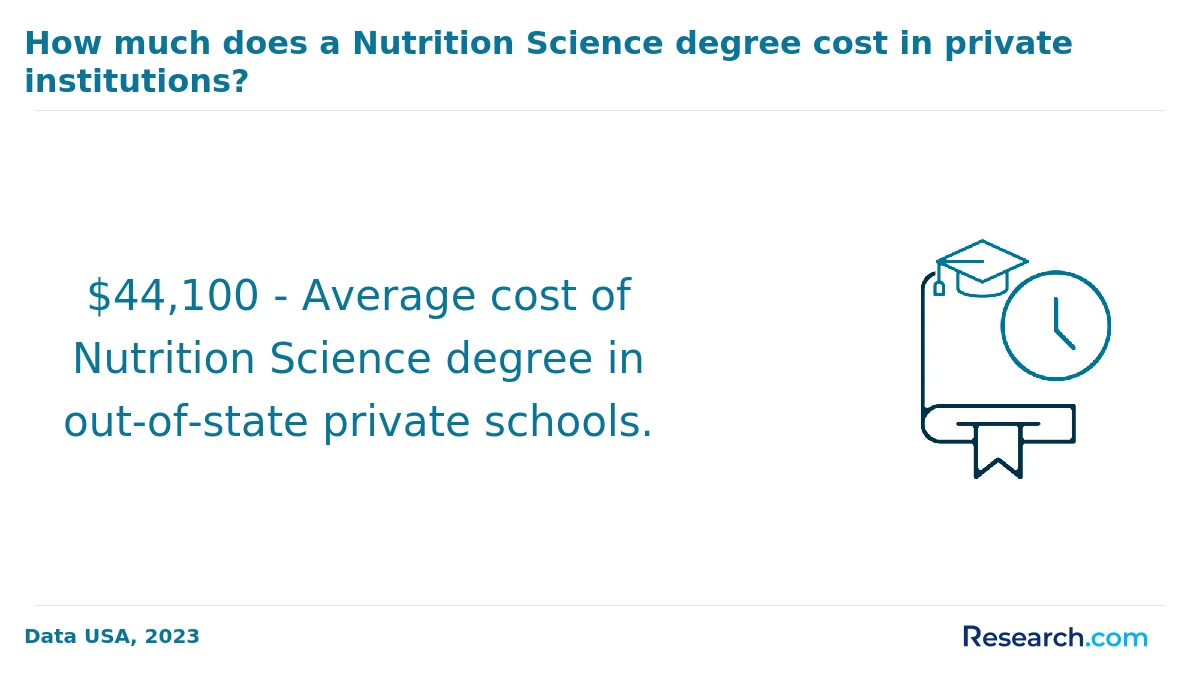
Private universities generally charge more, with total tuition fees for online nutrition master's USA often ranging from $25,000 to $45,000. Many graduates have reported that while private institutions may seem costly upfront, they often provide enhanced resources, flexible scheduling, and networking opportunities that positively impact career prospects. Those balancing work and study appreciate part-time or accelerated options offered by these universities, which can influence overall cost by shortening or extending program duration.
Students considering an online nutrition degree should factor in additional expenses such as textbooks, technology fees, and practicum-related costs. Access to scholarships, grants, and employer tuition reimbursement can significantly ease financial pressure. Prospective students are encouraged to thoroughly compare costs and program details, including accreditation status, which plays a role in tuition pricing and career value.
For those researching career options post-graduation, exploring opportunities related to nutritional science jobs can offer valuable insight into potential returns on investment when selecting an online program tailored to their goals.
What financial aid is available to online nutrition degree students in America?
Many students pursuing online nutrition degrees in America tap into federal financial aid through the FAFSA. Graduates from well-known programs at universities like the University of Arizona share how winning a Pell Grant, which offers up to $7,395 based on financial need, significantly lifted their tuition burden without adding debt. For graduate students, federal loans such as Direct Unsubsidized and Graduate PLUS Loans provide essential support to manage tuition and living costs.
Merit-based scholarships also play a major role. Nutrition students at schools like Bastyr University often describe how academic achievements and leadership roles helped them secure scholarships from the Academy of Nutrition and Dietetics or state programs for residents, making studying more affordable.
Employer tuition assistance is another practical resource. Many healthcare workers pursuing degrees online find their employers cheerfully reimburse tuition when the education directly improves their job skills.
Private loans and payment plans can offer flexibility, but graduates recommend exhausting federal and scholarship options first to avoid costly interest payments.
What are the prerequisites for enrolling in online nutrition degree program in America?
To enroll in an online nutrition degree program in America, having a bachelor's degree is essential. Graduates from institutions like the University of Florida or Colorado State University often share that their prior degrees in biology, health sciences, or related fields helped them feel confident starting the program. If your degree isn't directly related, completing prerequisite courses such as general biology, organic chemistry, anatomy, and basic nutrition is usually required.
Many programs, including those at Arizona State University, expect applicants to show relevant experience, such as volunteering at community health centers or working in food service. This practical background can boost your application and prepare you for real-world nutrition challenges.
While GRE scores are becoming optional, some universities still ask for them, so check each program's requirements carefully. International students should also plan to demonstrate English proficiency through TOEFL or IELTS tests, ensuring smooth communication in their studies.
What courses are typically in online nutrition degree programs in America?
Online nutrition degree programs in America typically include core courses like Nutrition Assessment and Counseling, which teaches students how to evaluate dietary habits and provide practical advice for healthier living. Graduates from well-known universities often recall applying these skills during their supervised practicums in community health centers, making the learning tangible and rewarding.
Food Science and Safety courses dive into how food is stored and preserved safely, essential knowledge for careers in food service or public health. Medical Nutrition Therapy is another critical course, focusing on managing chronic diseases like diabetes through tailored nutrition plans-students find this particularly empowering when working with real patients during their internships.
- Public Health Nutrition addresses broad strategies to improve diet at the community level, a favorite subject among those aiming for policy or education roles.
- Research Methods in Nutrition builds confidence in analyzing scientific studies and conducting original research, a skill graduates say increased their job market competitiveness.
These subjects, combined with hands-on experiences arranged by online programs in leading colleges, prepare students effectively for Registered Dietitian Nutritionist certification and rewarding careers in nutrition across America.
What types of specializations are available in online nutrition degree programs in America?
Online nutrition degree specializations USA commonly include clinical nutrition, public health nutrition, sports nutrition, food science and safety, and nutrition counseling and behavior change. Graduates from respected American universities highlight how clinical nutrition allows them to work closely with patients managing chronic illnesses, a skill highly valued in various healthcare settings. Those pursuing public health nutrition find themselves designing impactful community programs to tackle obesity and malnutrition, especially as these topics gain national attention.
Sports nutrition students often share inspiring experiences of supporting athletes in enhancing performance and recovery, benefiting from the booming fitness industry in America. Food science and safety specialization appeals to graduates interested in ensuring food quality and regulatory compliance, often contributing directly to reducing foodborne illnesses. Those focused on nutrition counseling emphasize the growing demand for personalized dietary guidance, a trend fueled by increasing consumer awareness.
When exploring specialized nutrition master's programs in America, prospective students should also review costs carefully. Tuition typically ranges from $15,000 to $40,000, with additions like certification fees. For a detailed look at affordable options, consider this cheapest nutrition and dietetics degree guide that helps balance quality and cost efficiently.
How do you choose the best online nutrition degree in America?
When choosing the best online nutrition degree in America, accreditation is a top priority. Graduates from well-known programs at universities popular for nutrition studies often emphasize the value of ACEND accreditation, which ensures the curriculum meets industry standards necessary for becoming a Registered Dietitian Nutritionist. Selecting a program with real-world practice components, like supervised internships, can transform your learning experience into a rewarding journey. For example, many students at top public universities benefit from flexible, asynchronous courses that fit their busy schedules.
Cost is another practical concern. Many opt for affordable online masters in nutrition America offers, carefully comparing tuition and financial aid. Some graduates successfully balance work and study, appreciating programs that allow part-time enrollment without sacrificing quality. Investigating support services such as career counseling can boost confidence in navigating job placement after graduation. For those seeking budget-friendly options, explore the cheapest masters of nutrition online programs, which make excellent starting points.
Lastly, consider post-graduation outcomes. Alumni from renowned programs frequently share positive experiences with high pass rates on the RDN exam and strong employer connections. Using trusted rankings and published graduation data alongside program flexibility will guide you toward the best online nutrition degree programs in USA that align with your career goals and lifestyle.
What career paths are available for online nutrition degree students in America?
Graduates holding an online nutrition degree in America unlock diverse career paths that actively shape health outcomes across communities. Many pursue credentialing as Registered Dietitian Nutritionists (RDNs), a role requiring completion of accredited programs and supervised practice. For instance, graduates from popular colleges like the University of Florida find rewarding positions advising patients and creating tailored meal plans in clinical settings, directly impacting individual health.
Others leverage their degree for nutrition education or public health roles, working with government or nonprofit organizations to design outreach initiatives that address pressing issues such as obesity and diabetes, which affect over 40% of American adults. These jobs offer a chance to make meaningful community impacts, a common experience among alumni of programs such as those offered by Arizona State University.
The corporate wellness industry also employs graduates to develop workplace health programs or serve as consultants, blending nutrition expertise with business acumen. Food industry roles in product development and quality assurance further broaden opportunities. Many students from the online bachelor degree in nutrition programs express excitement at entering these dynamic fields that emphasize innovation and practical solutions.
- Registered Dietitian Nutritionist (RDN)
- Nutrition Educator or Public Health Nutritionist
- Corporate Wellness Coordinator
- Food Industry Consultant or Specialist
- Clinical Nutritionist
- Sports Nutritionist
- Nutrition Researcher or Academic
What is the job market for online nutrition degree in America?
The online nutrition degree job market USA is expanding steadily, driven by growing public interest in health and preventive care. Graduates from popular nutrition programs at universities like Arizona State University and the University of North Carolina at Chapel Hill often find rewarding roles in hospitals, outpatient centers, and corporate wellness programs. The flexibility of online degrees allows students to balance studies with work, gaining updated skills employers value. For example, many graduates secure positions in telehealth nutrition counseling, capitalizing on digital health trends.
Salaries typically start near $55,000 annually, with median wages rising to about $64,000, influenced by experience and location. Networking through professional certifications like the Registered Dietitian Nutritionist credential further boosts job prospects and earning potential. Students also explore diverse fields such as sports nutrition and community health initiatives, leveraging their degrees in practical ways. For those curious about credentialing, learning how to become a registered holistic nutritionist can open additional career pathways within the nutrition career outlook in America.
Frequently Asked Questions About nutrition
Online nutrition degree students in America can maximize their learning experience by actively engaging with course materials and instructors. Research shows that students who participate in discussion boards and virtual group projects tend to retain information better. According to the National Center for Education Statistics, about 37% of undergraduates enrolled in distance education in 2021, highlighting the popularity of online learning.
Additionally, leveraging available resources such as webinars, nutrition databases, and virtual labs enhances understanding of complex topics. Time management is critical; creating a consistent study schedule helps balance coursework with personal responsibilities, especially for working professionals. Seeking internships or practical experiences in local nutrition settings complements theoretical knowledge and aids career readiness.
The nutrition field is rapidly evolving, with several emerging niches gaining attention in the United States. One such area is personalized nutrition, which uses genetic, lifestyle, and microbiome data to tailor dietary recommendations. According to the American Society for Nutrition, this niche is expected to grow as technology and research advance. Another rising field is sustainable nutrition, focusing on environmentally friendly diets and reducing food waste, reflecting increasing consumer demand for ethical food choices. Sports nutrition continues to expand, driven by growing interest in fitness and wellness, with specialized degrees now offering deeper knowledge in performance and recovery.
Additionally, infant and pediatric nutrition is receiving more focus due to rising concerns over childhood obesity and developmental health. Public health nutrition remains vital, especially in addressing diet-related chronic diseases, which affect over 60% of American adults as reported by the CDC. These niches offer promising career paths for online nutrition degree students aiming to meet contemporary health challenges in the U.S.
After completing an online nutrition degree in America, preparing for the job market requires strategic steps. First, obtaining the Registered Dietitian Nutritionist (RDN) credential is crucial for many nutrition careers. This involves completing accredited supervised practice programs and passing a national exam administered by the Commission on Dietetic Registration.
Next, building practical experience through internships or volunteer work helps develop skills and expand professional networks. According to the Academy of Nutrition and Dietetics, demand for dietitians is expected to grow 8% between 2021 and 2031, making early preparation beneficial.
Additionally, enhancing your resume with certifications such as Certified Nutrition Specialist (CNS) or specialty courses can increase employability. Networking with industry professionals and using platforms like the Academy's Career Center improves job search success.
Employers in the United States value a combination of technical knowledge and practical skills when hiring graduates with online nutrition degrees. Key skills include a strong understanding of human anatomy, biochemistry, and dietetics principles. Graduates should also demonstrate proficiency in nutritional assessment and counseling techniques, essential for creating effective diet plans.
Communication skills are critical since nutritionists work closely with clients, healthcare teams, and communities. According to the Academy of Nutrition and Dietetics, 90% of employers seek graduates who can translate complex nutritional information into clear advice.
Additionally, data analysis and familiarity with nutrition-related software tools are increasingly important as the field moves toward evidence-based practice.
Finding internships related to nutrition degrees in America begins with leveraging university resources. Many online nutrition programs partner with local hospitals, wellness centers, and community organizations to offer internship placements. Additionally, students should consult the Academy of Nutrition and Dietetics' Career Center, which lists internship opportunities nationwide.
Networking plays a key role; joining professional groups and attending virtual conferences broadens connections. According to the U.S. Bureau of Labor Statistics, nutrition internships significantly increase job placement rates post-graduation.
Online students may also contact state health departments or use platforms like Handshake, which specialize in connecting students to internships matching their academic focus.
An online nutrition degree in America can significantly enhance career mobility and advancement opportunities. As the demand for nutrition professionals grows-projected to increase by 11% from 2022 to 2032 according to the U.S. Bureau of Labor Statistics-having a specialized degree offers a competitive edge. Graduates often qualify for roles such as registered dietitians, nutritionists, and wellness coaches. These positions typically require at least a bachelor's degree, with a master's degree increasing eligibility for higher-level clinical, research, or administrative jobs.
Online programs provide flexibility for working professionals to upskill without interrupting their careers, which supports continuous advancement. Earning a graduate degree from an accredited program also facilitates eligibility for credentialing exams, like the Registered Dietitian Nutritionist (RDN) credential, essential for many nutrition careers. The increased expertise and certification potential often correspond to higher salaries and leadership roles within healthcare, education, or community health organizations.
Online nutrition degree programs in America equip students with broad skills required for interdisciplinary roles. These programs often combine coursework in biology, chemistry, public health, and psychology, reflecting the interconnected nature of nutrition science. According to the Academy of Nutrition and Dietetics, over 50% of nutrition professionals work in diverse fields such as healthcare, community health, and foodservice management.
Students learn to collaborate with healthcare providers, researchers, and policymakers, enabling them to influence decisions about diet-related chronic diseases, which affect nearly 60% of U.S. adults as reported by the CDC. This multidisciplinary training enhances critical thinking and problem-solving abilities, making graduates adaptable in various professional environments.
When choosing between a thesis and a non-thesis nutrition degree program in America, consider your career goals first. Thesis programs emphasize research skills and original contributions to the field, which can benefit those planning to pursue a PhD or research-focused roles.
Non-thesis programs typically focus on practical knowledge and coursework, appealing to professionals aiming for clinical practice or nutrition management. The Commission on Dietetic Registration notes that many registered dietitian positions require applied skills rather than research experience.
Additionally, thesis options often require more time - usually an extra semester or two - due to research commitments. Review program requirements carefully with respect to online format flexibility and your personal schedule.
Students in America interested in studying nutrition abroad through online programs have limited options due to accreditation and licensing requirements. Many international nutrition degrees do not fully align with the Commission on Dietetic Registration (CDR) standards in the U.S., which can affect eligibility for Registered Dietitian Nutritionist (RDN) certification. However, some universities abroad offer online master's degrees in nutrition that emphasize global perspectives and research, potentially supplementing U.S.-based education.
The Academy of Nutrition and Dietetics highlights that most U.S. employers require degrees from accredited programs within the country. This limits the practical benefits of foreign degrees but does not prevent students from gaining diverse knowledge online. Exploring partnerships between American and international institutions might increase options in coming years.
Students pursuing online nutrition degrees in America can benefit from various part-time job opportunities that complement their education. Common roles include nutrition assistants, dietary aides, and health coaches. These positions provide practical experience working with clients and understanding dietary needs within clinical or community settings.
Additionally, jobs in wellness centers and gyms as nutrition advisors or personal trainers are popular. According to the U.S. Bureau of Labor Statistics, health coach positions are growing at approximately 12% annually, reflecting increasing demand for nutrition professionals.
Gaining hands-on experience while studying enhances skills and improves employability after graduation.
Online nutrition students in America have several networking opportunities despite the virtual nature of their programs. Many accredited universities offer virtual meetups, discussion forums, and group projects that encourage interaction among peers. Students can also join professional organizations such as the Academy of Nutrition and Dietetics, which hosts conferences, webinars, and local chapter events nationwide.
These connections are crucial, as the U.S. Bureau of Labor Statistics projects a 11% growth in nutritionist and dietitian jobs from 2020 to 2030. Online students often gain access to alumni networks and internship placements, aiding in practical experience and job leads. Digital platforms help bridge geographical barriers effectively.
Alumni networks offer valuable support for students pursuing online nutrition degrees in America. These networks provide access to experienced professionals in dietetics, public health nutrition, and related fields, enhancing career opportunities after graduation. A strong alumni network can connect students with internships, job openings, and mentorship, which is crucial given that the U.S. Bureau of Labor Statistics projects a 11% growth in dietitian jobs between 2022 and 2032.
Moreover, alumni connections encourage knowledge sharing about industry trends, certifications like the Registered Dietitian Nutritionist (RDN), and continuing education options. This network fosters a community that supports both academic success and professional development throughout one's nutrition career.
Customizing an online nutrition degree program in America allows students to align their education with specific career goals in fields such as clinical dietetics, public health, or food science. Many accredited programs offer elective courses or specializations, enabling focus areas like sports nutrition, pediatric nutrition, or community nutrition.
Students can also choose between research-based or practice-oriented tracks. For example, the Accreditation Council for Education in Nutrition and Dietetics (ACEND) requires certain curriculum standards for dietitian eligibility while still providing flexibility.
Additionally, engaging in internships or supervised practice components remotely can enhance practical skills tailored to individual career paths.
Adapting course selections facilitates meeting requirements for certifications such as Registered Dietitian Nutritionist (RDN), a credential held by over 100,000 professionals in the US, according to the Academy of Nutrition and Dietetics.
Online nutrition students in America commonly face difficulties balancing rigorous coursework with personal and professional responsibilities. Many programs require hands-on experience, which can be challenging to coordinate remotely. According to the Academy of Nutrition and Dietetics, practical training is essential for credentialing, but arranging internships or supervised practice from a distance remains a barrier for some learners.
Another notable challenge is staying engaged and motivated without in-person support. Studies show that online students often struggle with feelings of isolation, which can impact academic performance. Limited access to campus resources such as labs and libraries may also hinder learning depth.
Finally, navigating financial aid and accreditation details can confuse prospective students. The National Center for Education Statistics reports that understanding program quality and ensuring licensure eligibility requires careful research.
Graduates with an online nutrition degree in the United States can pursue several recognized professional certifications to enhance their career prospects. The most prominent is the Registered Dietitian Nutritionist (RDN) credential, which requires completing a Commission on Dietetic Registration (CDR)-accredited program and a supervised practice. Data from the Academy of Nutrition and Dietetics shows that the RDN credential leads to better job opportunities and higher salaries.
Other certifications include Certified Nutrition Specialist (CNS), overseen by the Board for Certification of Nutrition Specialists, popular among those focusing on clinical or functional nutrition. Additionally, the Certified Dietary Manager (CDM) credential offers options for nutrition professionals aiming for management roles in food service. These certifications help validate expertise and commitment to the nutrition field in America.
Writing a winning application for an online nutrition program in America requires clear communication of your passion and qualifications. Start by highlighting relevant academic achievements, particularly in science courses like biology and chemistry, which many programs prioritize. According to the Academy of Nutrition and Dietetics, nutrition professionals with strong foundational knowledge tend to succeed in graduate studies.
Clearly articulate your career goals and how the program aligns with them. Include any professional experience related to health, wellness, or food service, as it demonstrates practical understanding. Many programs also require letters of recommendation; choose individuals who can speak directly to your skills and commitment.
Finally, tailor your personal statement to reflect an understanding of current nutrition challenges in the US, such as obesity and chronic diseases, emphasizing how your education will help you address these issues.
Nutrition careers are increasingly valued worldwide due to global health challenges such as obesity and chronic diseases. In the United States, the demand for nutrition professionals is expected to grow by 11% from 2022 to 2032, according to the U.S. Bureau of Labor Statistics. This growth reflects a broader global emphasis on preventive healthcare and wellness.
Many countries highlight the role of nutritionists in public health, but licensing and certification requirements vary significantly. In the U.S., Registered Dietitian Nutritionists (RDNs) must meet strict educational and internship criteria, ensuring rigorous professional standards.
Globally, nutrition experts collaborate on research addressing food security, dietary guidelines, and cultural dietary practices. For U.S. students, understanding these international perspectives can enhance career opportunities in diverse environments, including humanitarian aid and multinational health agencies.
Gaining practical experience while studying for an online nutrition degree in America is essential for career readiness. Many programs incorporate supervised internships or dietetic practicum hours, which students can complete at local healthcare facilities, community centers, or private practices.
Students often partner with certified dietitians to fulfill the Academy of Nutrition and Dietetics' requirement of at least 1,200 supervised practice hours for credentialing as a Registered Dietitian Nutritionist (RDN).
Virtual simulations and case studies are also increasingly used to build applied skills remotely. Additionally, volunteering with nutrition-related organizations or participating in research projects can enhance practical learning.
According to the Commission on Dietetic Registration, combining academic coursework with hands-on experience significantly improves job prospects in this competitive field.
Choosing the right concentration within an online nutrition degree program in America depends on your career goals and interests. Popular specializations include clinical nutrition, dietetics, public health nutrition, and sports nutrition. Each prepares you for different roles, such as becoming a Registered Dietitian Nutritionist (RDN), working in community health, or focusing on athletic performance.
Consider if the program is accredited by the Accreditation Council for Education in Nutrition and Dietetics (ACEND), as this is essential for licensure. According to the Academy of Nutrition and Dietetics, over 60% of nutrition professionals hold a degree with such accreditation.
Review local job market demands and salary expectations, which vary across specializations. For example, clinical dietitians earn a median annual wage of about $63,000 (Bureau of Labor Statistics, 2023).
Top Trending Nutrition Rankings
References
- My Journey as a nutrition student https://www.nhdmag.co.uk/blog/How-on-earth-do-I-network-in-the-dietetics-community
- Top Networking Opportunities For Private Practice Dietitians https://kalixhealth.com/top-networking-opportunities-for-private-practice-dietitians/
- 15 Most Affordable Nutrition Bachelor's Degrees https://becomeanutritionist.org/most-affordable-nutrition-bachelors/
- A Complete Guide to Careers in Nutrition, Health and ... https://www.futuresmartcareers.co.uk/blog/a-complete-guide-to-careers-in-nutrition-health-and-wellness/
- Online Nutrition Degrees with Financial Aid https://www.edumed.org/online-schools/nutrition-degrees/financial-aid/
- How Much Does a Nutritionist Earn in the UK? https://www.thenutritioninstitute.com/uk/en/blog-salary
- Programs https://fanntx.org/programs
- Nutrition Careers Guide 2026: Jobs, Salary & Education ... https://www.nutritioned.org/careers/
- Events - BDA - British Dietetic Association https://www.bda.uk.com/events.html
- Nutritionist - Salary, How to Become, Job Description & ... https://www.onlinedegree.com/careers/medical-healthcare/nutritionist/


