
2027 Most Affordable Online Nutrition Degree Programs Ranking in the USA

Co-Founder and Chief Data Scientist
Choosing the right nutrition degree program can be overwhelming, especially with so many options available online. Our article features the 2027 Most Affordable Online Nutrition Degree Programs Ranking in the USA, carefully compiled by the Research.com team of data scientists.
This ranking helps you identify high-quality, budget-friendly programs so you can make an informed decision. Pursuing a nutrition degree opens doors to rewarding careers focused on health and wellness, making a positive impact on others' lives.
Explore these options and take a confident step toward your future in nutrition.
Key benefits of getting online nutrition degree in America
- Nutrition degree graduates can pursue rewarding careers in dietetics, health education, and wellness coaching, often earning starting salaries between $40,000 and $60,000, reflecting strong demand for knowledgeable professionals.
- Graduates from popular universities, such as the University of California, find diverse career paths ranging from clinical dietitians to research specialists, offering exciting opportunities to impact public health positively.
- Completing a nutrition degree online, like students at Arizona State University, allows flexibility to balance work and study while gaining the same quality education, making it easier to advance your career without sacrificing personal commitments.
What can I expect from online nutrition degree in America?
The average cost of an online nutrition degree in America varies significantly, often reflecting the balance students strike between quality and affordability. Graduates from well-known schools like Arizona State University or Purdue often share how choosing accredited programs assured them of both rigorous education and manageable tuition fees. Many report tuition ranging from $15,000 to $40,000 for a bachelor's degree, a fraction of what on-campus counterparts pay once relocation and commuting costs are included.
Students frequently emphasize the relief of financial flexibility, especially when federal financial aid or scholarships come into play. One graduate recalled working part-time while attending an esteemed program remotely, appreciating how the cost-effectiveness relieved stress and allowed focus on immersive learning experiences rather than financial burdens.
However, paying less does not mean lowering standards. Programs in America have adapted to blend convenience with accreditation standards set by ACEND, ensuring graduates enter a competitive job market well-prepared-a fact underscored in testimonies from those balancing internships and family commitments.
Where can I work with online nutrition degree in America?
With an online nutrition degree earned from respected institutions like the University of Arizona or Cornell University, graduates often find themselves stepping into roles that reshape community health-far beyond the typical clinical image of a dietitian. Imagine working with the CDC or USDA, applying your knowledge to create programs that fight obesity nationwide, impacting millions of lives in tangible ways. This isn't just theory; many online graduates share how their education sparked passion for public health initiatives that feel personally rewarding.
Others discover careers in the food industry, contributing to product innovation and ensuring nutritional labeling meets strict standards. Picture the pride in seeing your work on a supermarket shelf, helping consumers make healthier choices. Alternatively, some embrace educational roles, teaching nutrition in schools or online platforms, inspiring the next generation with real-world stories drawn from their studies at schools like the University of Florida.
The path to becoming a registered dietitian nutritionist requires more than an online degree. Graduates often balance supervised practice while preparing for national exams-a demanding but fulfilling journey that leads to meaningful careers supporting wellness in hospitals, corporations, or community centers. These diverse opportunities highlight how an online nutrition degree in America opens unexpected doors, fueling both professional success and personal fulfillment.
How much can I make with online nutrition degree in America?
Graduates holding an online nutrition degree from respected programs such as those at Arizona State University or the University of Florida often discover their earning potential varies widely but remains promising. While the U.S. Bureau of Labor Statistics does not provide specific wage data for all nutrition roles, general insights show entry-level nutritionists typically begin with salaries near $40,000 to $50,000 annually, especially in community health settings.
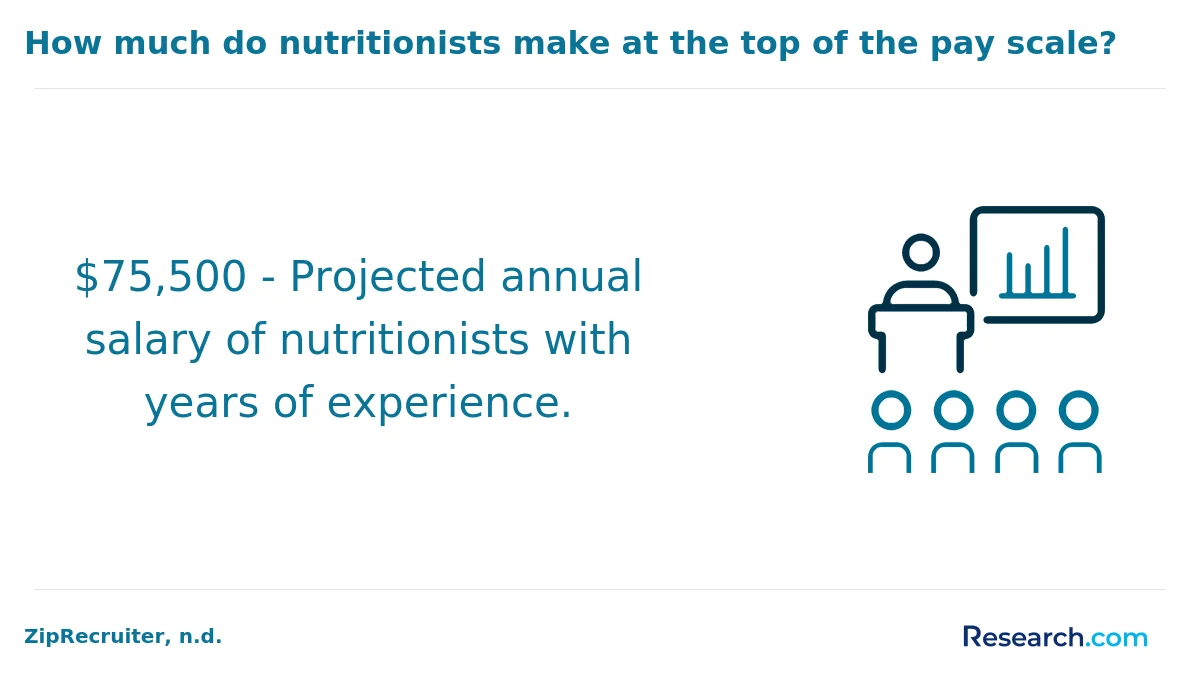
Many graduates recall starting in outpatient clinics, feeling motivated by modest pay yet optimistic about growth. With dedication, specialized certifications, or advanced studies - common paths pursued at institutions like Purdue University - professionals often progress into roles that pay $65,000 or more. Those in metropolitan areas, such as California or New York, report income boosts, sometimes exceeding $75,000.
Importantly, earning the Registered Dietitian Nutritionist credential often elevates salaries by 10-15%, turning someone's passion into a financially rewarding career. Nutritionists who venture into private practice or consulting can surpass $80,000, enjoying the freedom to build a client base and influence.
These evolving figures challenge the notion that nutrition careers plateau financially, offering an invigorating future for those ready to invest in their expertise and local markets.
- Key benefits of getting online nutrition degree in America
- What can I expect from online nutrition degree in America?
- Where can I work with online nutrition degree in America?
- How much can I make with online nutrition degree in America?
- How do we rank schools?
- 2027 Most Affordable Online Nutrition Degree Programs Ranking in the USA
- What online nutrition degree graduates have to say
- Key Findings
- How long does it take to complete online nutrition degree in America?
- What's the difference between online and on-campus nutrition degree?
- What is the average cost of online nutrition degree in America?
- What financial aid is available to online nutrition degree students in America?
- What are the prerequisites for enrolling in online nutrition degree program in America?
- What courses are typically in online nutrition degree programs in America?
- What types of specializations are available in online nutrition degree programs in America?
- How do you choose the best online nutrition degree in America?
- What career paths are available for online nutrition degree students in America?
- What is the job market for online nutrition degree in America?
- Frequently Asked Questions About nutrition
- Top Trending Nutrition Rankings
How do we rank schools?
Investing in your education is a significant decision that can shape your future, and the Research.com team understands the importance of making informed choices. To assist prospective students seeking affordable online nutrition degrees, we have carefully developed the "2027 Most Affordable Online Nutrition Degree Programs Ranking in the USA." Our dedication to quality, credibility, and accuracy is reflected in the thorough research and rigorous analysis behind this ranking.
We utilized the following reputable data sources to ensure a comprehensive evaluation of nutrition degree programs:
By exploring this ranking, readers will gain valuable insights into affordable online nutrition degree options across the USA, helping them make confident and informed decisions about their educational journeys. For more details on our methodology, please visit our Research.com methodology page.
2027 Most Affordable Online Nutrition Degree Programs Ranking in the USA
# 1 position
University of Northern Colorado

# 2 position
University of Wisconsin - Stout

# 3 position
Utah State University

# 4 position
Iowa State University of Science and Technology
# 5 position
Thomas Edison State University

What online nutrition degree graduates have to say
- "Studying my online nutrition degree at Cornell University was a game-changer. The flexibility allowed me to balance work and family, while expert faculty provided cutting-edge knowledge. I felt truly supported and empowered to make a real impact in community health." - Emily
- "Pursuing nutrition online through Arizona State University was both engaging and practical. The interactive courses and real-world assignments prepared me for a dynamic career, all while enjoying the comfort of learning from home. It boosted my confidence and skills immensely." - Marcus
- "The University of Florida's online nutrition program was a perfect fit for my busy lifestyle. I appreciated the personalized feedback and collaborative forums, connecting with peers nationwide. This experience deepened my passion and opened new doors professionally." - Sophia
Key Findings
- Tuition for online nutrition bachelor's degrees ranges from $15,000 to $40,000, with public universities generally less expensive for in-state students.
- Starting salaries for graduates average between $45,000 and $50,000 per year and can rise to $60,000-$75,000 with experience and certification.
- The job market for nutrition professionals is expected to grow 11% from 2022 to 2032, faster than the average for all occupations.
- Most online programs meet ACEND accreditation standards, which are important for becoming a licensed dietitian.
- Hands-on experience through internships or supervised practice is usually required to complete licensure, even if coursework is completed online.
How long does it take to complete online nutrition degree in America?
Completing an online nutrition degree in America typically ranges from two to four years, but this timeline often surprises many prospective students. For example, graduates from programs at well-known universities like the University of Florida or Arizona State University reflect on how flexibility-such as part-time pacing or self-guided modules-allowed them to balance work and family while steadily progressing. The standard bachelor's degree generally takes about four years full-time, mirroring on-campus expectations, yet these students cherish the freedom to customize their schedules, often finishing sooner or savoring the extra time without feeling rushed.
Associate degrees tend to conclude in around two years, perfect for those seeking quick entry into the wellness field or aiming to transition smoothly into a bachelor's later. Meanwhile, master's degree candidates, especially in dietetics, often find two years typical, although accelerated online options and flexible loads mean some finish in as little as a year and a half. Graduates from institutions like Purdue University's online programs highlight how personalized pacing helped them stay motivated and feel accomplished.
Ultimately, credit load, program format, and prerequisites shape individual timelines, making every journey unique and full of rewarding milestones.
What's the difference between online and on-campus nutrition degree?
Choosing between an online and on-campus nutrition degree in America fundamentally reshapes your daily learning experience. Graduates from programs at universities like the University of Florida describe the online path as a game-changer for balancing studies with work or family, thanks to asynchronous classes and remote access. This flexibility allows you to engage deeply without sacrificing personal commitments-but it also demands strong self-discipline. On the other hand, students at institutions such as Cornell University often highlight the energizing campus life, where hands-on lab work and spontaneous discussions build a more immersive atmosphere that helps sharpen practical skills.
Cost is another spotlight: online learners frequently appreciate the reduced expenses from skipping housing and commuting, though tuition can sometimes mirror traditional rates. Regardless of delivery mode, all American nutrition students must complete in-person internships to satisfy ACEND standards, connecting theory to real-world practice alongside peers or professionals. While on-campus students thrive on face-to-face networking, online learners find a growing sense of community through virtual forums and support groups, underscoring evolving ways to stay connected in today's educational landscape.
What is the average cost of online nutrition degree in America?
The average cost of an online nutrition degree in America hovers around $19,330, presenting a clear benchmark for students budgeting their education. Graduates from public universities often share stories of balancing the affordable tuition per credit-typically between $200 and $500 in-state-with the satisfaction of a quality education tailored to their lifestyle. Out-of-state students, however, may face steeper fees, sometimes nearly doubling those costs, which can be a significant consideration when choosing where to enroll. This dynamic prompts many to reflect deeply on the value of in-state programs versus wider options.
Private institutions, known for their rigorous curricula and expansive resources, often command between $600 and $1,200 per credit hour, pushing total costs beyond $40,000. Yet many students recount how scholarships and financial aid have transformed this apparent barrier into an attainable goal. These narratives highlight the importance of exploring every financial pathway for those seeking affordable online nutrition degree programs 2027 and beyond.
Many students pursuing advanced degrees find themselves weighing the substantial investment required for graduate programs-ranging from $20,000 to $50,000-against the promise of enhanced expertise and credentials. It is in this space that some consider an accelerated masters nutrition degree online, designed not only to fast-track learning but also to optimize costs in pursuit of licensure and professional growth.
What financial aid is available to online nutrition degree students in America?
Many students pursuing online nutrition degrees in America, including those enrolled at institutions like the University of Florida or Arizona State University, find federal aid indispensable. Pell Grants, for example, provide up to $7,395 annually without any repayment requirement, lifting significant financial weight off students from lower-income families. Graduates often recall how this support transformed their ability to focus on studies instead of juggling multiple jobs.
Federal Work-Study opportunities also offer a practical balance, letting students earn while they learn, even remotely. This part-time work, often connected to campus departments, helps cover daily expenses and enriches the academic experience with real-world engagement. State-funded scholarships, tailored for residents attending in-state schools, provide another layer of aid, making degrees at public universities more accessible.
Institutional scholarships from online-friendly programs frequently reward commitment and academic excellence, further reducing costs. A graduate from Iowa State University highlighted the relief of combining such aid with federal grants. Though private loans remain a last resort due to higher costs, savvy students navigate these forms of aid to turn the dream of an online nutrition degree into reality.
What are the prerequisites for enrolling in online nutrition degree program in America?
Meeting the prerequisites for an online nutrition degree in America often feels like navigating a carefully crafted gateway-one that tests your readiness for a field deeply rooted in science and real-world impact. Many undergraduate programs in institutions like the University of Florida or Arizona State University expect students to present a high school diploma along with coursework in biology, chemistry, and math. Graduates frequently recall how those initial science classes, especially biology with lab components, built their confidence and curiosity for what came next.
Graduate programs add another layer, requiring a bachelor's degree-preferably related to health sciences or nutrition itself-from accredited schools. Some graduates from prestigious colleges share how completing prerequisite courses in anatomy, physiology, and statistics not only challenged their intellect but also sharpened their critical thinking, preparing them for the complexities of dietetics.
Beyond academics, these programs emphasize proving readiness through application materials, like transcripts and personal statements, reflecting a student's passion and commitment. One graduate described the satisfying moment of submitting these elements, knowing they signaled preparedness for the demanding yet rewarding journey of becoming a Registered Dietitian Nutritionist.
What courses are typically in online nutrition degree programs in America?
Online nutrition degrees in America typically immerse students in a blend of core courses designed to build a strong foundation in food science and human health. Graduates from programs at well-known institutions recall how "Introduction to Nutrition" opened their eyes to how everyday choices ripple through metabolism and wellbeing. At universities recognized for nutrition, courses like Human Anatomy and Physiology bring biology to life, making students appreciate the body's intricate relationship with diet.
Nutrition Across the Lifespan often surprises learners with how dietary needs shift from infancy through elder years-knowledge they find invaluable when advising real clients later. Food Science and Safety classes challenge the assumption that healthy eating is just about picking the right foods, emphasizing storage and hygiene that prevent illness.
Community Nutrition and Public Health courses push students to see nutrition on a societal level, inspiring passion for programs that address food deserts or school lunch reforms. Detailed studies on Macronutrients and Micronutrients transform abstract concepts into relatable insights; many graduates share how understanding vitamins and minerals shaped their approach to both personal and professional choices.
What types of specializations are available in online nutrition degree programs in America?
In America, online nutrition degree specializations stretch far beyond simple dietary guidelines, inviting students to engage deeply with fields like Dietetics-the pathway to becoming registered dietitian nutritionists (RDNs). Graduates from renowned programs at universities that emphasize hands-on dietetic internships often describe a sense of fulfillment from blending clinical knowledge with real-world practice, preparing them to influence patient care directly.
Public Health Nutrition is another dynamic specialization that mirrors the urgent public health challenges Americans face. Students here explore how to craft community interventions to combat nutrition-related diseases, an area where many express pride in impacting broad populations. Nutrition program tracks in America often highlight this specialization's critical role because diet influences roughly one-fifth of premature deaths nationwide.
Sports Nutrition appeals to those passionate about athletic performance, offering insight into metabolic processes and dietary strategies that enhance stamina and recovery. Graduates who chose this track from popular colleges recount feeling energized by supporting athletes' unique nutrition needs.
Additional specialized areas include Food Science and Technology, Nutrition Education, and Holistic or Integrative Nutrition-each opening pathways to innovate food safety, teach community wellness, or merge complementary therapies with nutrition principles.
For prospective students considering their journey, exploring detailed curriculum and practical experiences through resources like this bachelor in nutrition science proves invaluable in making informed decisions.
How do you choose the best online nutrition degree in America?
Choosing an online nutrition degree in America means looking beyond flashy rankings and asking: does this program fit my life? Graduates from well-known colleges often praise programs that balance rigor with real-world flexibility. One recounts how asynchronous classes allowed them to juggle full-time work and study, a crucial factor when considering the best affordable online nutrition degrees USA. Yet, flexibility shouldn't come at the cost of accreditation. Many find that ensuring the program is accredited by ACEND is non-negotiable for future credentialing and job prospects.
Another key insight from alumni across top schools is the emphasis on curriculum depth and specialization options. Programs based in universities known for public health or clinical nutrition provide not just theory but hands-on internships that shape confident professionals. This reflects why students gravitate towards top accredited online nutrition programs America offers, aligning their training with personal career goals. Exploring opportunities such as those outlined in the best accredited nutrition certification programs can expand paths beyond traditional degrees.
What career paths are available for online nutrition degree students in America?
Graduates holding an online nutrition degree in America find themselves at a crossroads of countless impactful career options, far beyond the expected clinic or hospital roles. Many students from universities renowned for nutrition programs embrace becoming Registered Dietitian Nutritionists, intertwining science with personal stories of transformation. However, career paths also stretch into public health nutrition, where graduates collaborate with government bodies or nonprofits to design community-wide health initiatives that resonate on a personal level.
Others leverage their degrees as nutrition consultants or coaches, helping individuals and groups achieve tangible wellness goals-reflecting the very journeys they once navigated during their studies. Food service management in schools or hospitals offers a leadership role that marries nutrition expertise with operational skills, while roles as research assistants immerse graduates in cutting-edge studies, fueling both curiosity and societal advancement. Many graduates also channel their passion into writing or educating, crafting content that elevates public understanding of nutrition.
Understanding the intersection of education, career, and licensing is crucial-students from top nutrition colleges recognize that certain clinical paths require certification needed to be a nutrition nurse. For those exploring online nutrition degree career options USA provides a broad, evolving landscape where ambition meets real-world impact.
What is the job market for online nutrition degree in America?
The job market for graduates holding an online nutrition degree in America presents an encouraging landscape, especially as preventive healthcare gains momentum. Many graduates from well-known programs at universities like Arizona State or the University of Florida share stories of landing rewarding roles in outpatient clinics and community wellness centers. The demand is fueled by employers expanding wellness programs and a growing public focus on nutrition education. This environment encourages candidates to pursue not only clinical practice but also telehealth consulting, which online training conveniently prepares them for.
Yet, succeeding requires more than a degree; certifications such as the Registered Dietitian Nutritionist credential remain pivotal. Graduates often describe the challenge and satisfaction of completing these steps, reinforcing their credibility and employability. With increasing consumer demand to manage lifestyle diseases through personalized nutrition, the job outlook for online nutrition degree job outlook USA is dynamic and competitive.
Cost concerns also arise, but many find the investment justifiable given the median salary near $63,000 and steady entry of roughly 6,000 new professionals annually. Those curious about career rewards often explore the certified holistic nutritionist salary as a complementary pathway to expand opportunities within the field.
Frequently Asked Questions About nutrition
Online nutrition degree students in America can maximize their learning by actively engaging with course materials and participating in virtual discussions. Studies show that students who interact regularly with instructors and peers tend to retain information better. Utilizing university-provided resources, such as online libraries and nutrition databases, also enhances understanding of complex topics.
Time management is crucial; setting a consistent study schedule helps maintain focus amid distractions. According to the Academy of Nutrition and Dietetics, nutrition professionals need a solid foundation in science, so students should prioritize courses in biochemistry and physiology.
Gaining practical experience through virtual internships or supervised practice hours strengthens learning and improves job prospects in America's growing nutrition field.
The nutrition field is evolving with several emerging niches gaining attention in the United States. One fast-growing area is personalized nutrition, which tailors dietary recommendations based on genetic, lifestyle, and health data. According to the Academy of Nutrition and Dietetics, this approach is becoming popular as more Americans seek customized health solutions.
Another promising niche is plant-based nutrition, driven by increasing consumer demand for sustainable and ethical food choices. The Plant Based Foods Association reports a 27% growth in plant-based market sales in 2023, highlighting career opportunities in this sector.
Sports nutrition remains vital, especially with the rise in fitness culture. Professionals here focus on optimizing athletic performance through diet.
After completing an online nutrition degree in America, preparing for the job market requires focused steps to enhance employability. First, obtaining nutrition certification such as the Registered Dietitian Nutritionist (RDN) credential is essential. This certification is recognized by most employers and requires supervised practice and passing an exam overseen by the Commission on Dietetic Registration.
Networking through professional organizations like the Academy of Nutrition and Dietetics can open job opportunities and provide access to the latest industry trends. Additionally, gaining practical experience through internships or volunteer positions helps build critical skills.
According to the U.S. Bureau of Labor Statistics, employment of dietitians and nutritionists is projected to grow 11% from 2022 to 2032, making career prospects positive.
Employers in the United States highly value a combination of scientific knowledge and practical skills in nutrition graduates. Key competencies include a strong understanding of human biology, dietetics, and food science. According to the Academy of Nutrition and Dietetics, communication skills are essential, as nutritionists must explain complex information clearly to diverse audiences.
Critical thinking and problem-solving abilities also rank among top employer priorities to develop personalized nutrition plans effectively. Additionally, proficiency with nutrition-related technology and data analysis tools is increasingly important given the rise of digital health platforms.
Knowledge of federal nutrition guidelines and regulatory standards further enhances a graduate's employability in clinical and community settings.
Finding internships relevant to a nutrition degree in America involves several key steps. Start by exploring opportunities through your online program's career services or internship coordinators, as many universities partner with local clinics, community centers, and food service organizations.
The Academy of Nutrition and Dietetics offers a directory of Accredited Dietetic Internship programs, which are essential for becoming a registered dietitian nutritionist (RDN). According to the Commission on Dietetic Registration, over 70% of nutrition graduates secure internships through these pathways.
Networking is also vital. Use professional sites like the Nutrition Entrepreneurs dietetic practice group or attend virtual conferences to connect with potential mentors or employers.
Additionally, check government and nonprofit job boards, such as USAJobs and volunteermatch.org, for unpaid or paid internship postings focused on public health and nutrition.
Obtaining an online nutrition degree in America can significantly enhance career mobility and advancement. According to the U.S. Bureau of Labor Statistics, employment of dietitians and nutritionists is projected to grow 11% from 2021 to 2031, faster than average. This growth creates opportunities for graduates to enter various settings such as hospitals, community health organizations, and private practice.
Online degrees offer flexibility, enabling working professionals to upskill without pausing their careers. Accredited programs prepare students for Registered Dietitian Nutritionist (RDN) credentials, often required for leadership roles.
Certification and advanced education improve earning potential, with median wages around $63,000 annually. Networking in online programs also supports access to diverse job markets across states.
Studying for an online nutrition degree in America equips students with a broad understanding of diet, health, and science, essential for interdisciplinary roles. Programs often integrate coursework in biology, chemistry, psychology, and public health, reflecting the complex nature of nutrition careers. According to the Academy of Nutrition and Dietetics, over 75% of nutrition professionals engage in teamwork with healthcare providers, educators, and policymakers.
Online programs emphasize practical skills such as data analysis and communication, preparing graduates for roles in clinical, community, or research settings. The curriculum's interdisciplinary approach fosters collaboration, critical for addressing diverse health challenges in the U.S.
When choosing between a thesis and a non-thesis nutrition degree program in America, consider your career goals and learning preferences. Thesis programs typically require original research, which can prepare students for doctoral studies or research-focused careers. Non-thesis programs focus more on coursework and practical skills, better suited for those aiming to enter the workforce quickly or pursue certification such as the Registered Dietitian Nutritionist (RDN).
The Council on Education for Nutrition and Dietetics (ACEND) accredits most nutrition programs, ensuring consistent quality across both formats. Thesis tracks often take longer due to research commitments, while non-thesis tracks can be completed more rapidly. Reflect on your interest in research and future educational plans before deciding.
American students interested in studying nutrition abroad through online programs have several options to consider. Many reputable international universities offer fully online nutrition degrees, but transferring credits or ensuring recognition by US accreditation bodies can be challenging. It is important to verify if the foreign institution aligns with standards set by the Accreditation Council for Education in Nutrition and Dietetics (ACEND), especially for those aiming to become registered dietitians in the US.
Some universities in the UK, Canada, and Australia provide flexible online nutrition courses with global perspectives. However, students should be aware that certification requirements vary significantly between countries.
According to the Academy of Nutrition and Dietetics, nearly 50% of potential dietitians pursue continued education online, making accredited US programs often more straightforward for licensure and employment.
Students pursuing online nutrition degrees in America often benefit from part-time jobs directly related to their field. Common opportunities include roles as nutrition assistants or dietetic technicians. According to the U.S. Bureau of Labor Statistics (BLS), these positions provide experience in client counseling, meal planning, and data collection.
Additionally, positions in wellness coaching and fitness instruction can complement nutrition education by broadening applied knowledge. Retail roles at health food stores or pharmacies also help develop product expertise related to dietary supplements and nutrition.
These part-time jobs offer practical skills and enhance understanding of public health nutrition, improving future employability in dietetics and related sectors.
Online nutrition degree programs in America increasingly offer valuable networking opportunities for students. Many universities provide access to virtual career fairs, connecting students with employers in the nutrition and dietetics field. Additionally, students can join professional organizations such as the Academy of Nutrition and Dietetics, which offers student memberships, webinars, and local events. These platforms help students build relationships with practicing professionals and stay updated on industry trends.
Some programs also incorporate group projects and discussion boards, encouraging interaction among classmates. According to the National Center for Education Statistics, 45% of online bachelor's students participate in such online networking activities. These opportunities are vital for career growth and mentoring in a competitive US nutrition market.
Alumni networks provide significant benefits for online nutrition degree students in America by connecting them with professionals already established in the field. These networks enable students to access mentorship opportunities, receive career advice, and learn about job openings in hospitals, community health centers, and wellness programs.
According to the Academy of Nutrition and Dietetics, networking plays a crucial role in securing internships and employment for nutrition graduates, with nearly 60% of jobs found through personal connections. Alumni groups also organize events and webinars that help students stay updated on trends like evidence-based nutrition and public health initiatives.
Furthermore, these networks often facilitate collaboration on research projects and continuing education, enhancing students' knowledge and employability in an increasingly competitive job market.
Customizing an online nutrition degree program in America allows students to align their studies with specific career goals, such as dietetics, public health, or food science. Many accredited programs offer elective courses or specializations that focus on clinical nutrition, community nutrition, or sports nutrition. Students can often select internships or capstone projects tailored to their interests, gaining practical experience. According to the Academy of Nutrition and Dietetics, programs accredited by ACEND ensure graduates are eligible for Registered Dietitian Nutritionist (RDN) certification, a key credential for many careers. Additionally, flexible schedules and part-time options help working professionals balance education with other commitments.
Online nutrition students in America often face challenges related to maintaining motivation and time management. Balancing coursework with personal and professional responsibilities can be difficult, especially since many students are working adults. Studies from the National Center for Education Statistics indicate that about 50% of online students juggle jobs alongside their studies.
Another challenge is limited hands-on experience. Nutrition degrees usually require lab work or internships, which can be harder to coordinate remotely. Finding accredited programs that offer quality virtual practicums is essential. Additionally, keeping up with evolving nutrition science demands strong self-discipline and access to up-to-date resources.
Technical issues and lack of direct interaction with instructors can also impede learning. Some students report feeling isolated, which may affect academic performance and satisfaction (source: Online Learning Consortium, 2023).
With an online nutrition degree in the United States, graduates can pursue several professional certifications to enhance their careers. The most recognized credential is the Registered Dietitian Nutritionist (RDN) certification, granted by the Commission on Dietetic Registration. To qualify, one must complete accredited coursework, a supervised internship, and pass a national exam.
Another option is the Certified Nutrition Specialist (CNS), which requires a master's degree or higher in nutrition, 1,000 hours of supervised practice, and passing an exam administered by the Board for Certification of Nutrition Specialists. This credential is growing in demand for clinical nutrition roles.
Additionally, graduates may pursue Certified Dietary Manager (CDM) certification to work in food service management. According to the Academy of Nutrition and Dietetics, jobs for nutritionists and dietitians are projected to grow 11% from 2022 to 2032, highlighting the value of such certifications.
To write a winning application for an online nutrition program in America, focus first on showcasing your genuine interest in nutrition and health. Highlight relevant academic achievements or work experience, such as courses in biology or public health, or experience in food service or wellness sectors.
Many programs value applicants who demonstrate awareness of current nutrition challenges in the U.S., like obesity rates affecting over 40% of adults according to the CDC (2023).
Include a clear, concise personal statement explaining your career goals and why online study suits your needs. Strong letters of recommendation from academic or professional mentors can also improve your chances.
Finally, ensure you meet all technical requirements and submit all requested documents before deadlines. Attention to detail signals seriousness and professionalism to admissions committees.
Nutrition careers have gained global importance due to rising health awareness and chronic diseases. In the United States, dietitians and nutritionists are projected to grow 11% from 2020 to 2030, faster than the average for all occupations, according to the U.S. Bureau of Labor Statistics.
Globally, nutrition professionals work in diverse settings, including public health, clinical care, food industries, and policy making. Many countries emphasize the role of nutrition in preventing diseases and promoting wellness, similarly to the U.S.
American nutrition degrees, including online programs, are often valued internationally for their scientific rigor and accreditation standards, such as those set by the Accreditation Council for Education in Nutrition and Dietetics (ACEND).
This global demand highlights the potential for U.S.-trained nutrition graduates to engage in impactful work worldwide while also serving growing domestic needs.
Gaining practical experience is essential when pursuing an online nutrition degree in America. Many accredited programs require or recommend internships with healthcare facilities, community centers, or food service organizations. These internships provide valuable hands-on learning, essential for understanding real-world nutrition challenges.
Students can also participate in virtual simulations or case studies available through their online platforms, enhancing clinical decision-making skills. According to the Academy of Nutrition and Dietetics, nearly 65% of nutrition graduates secure internships that lead to employment.
Additionally, joining professional associations or volunteer projects focused on nutrition helps build networks and practical knowledge critical for career success.
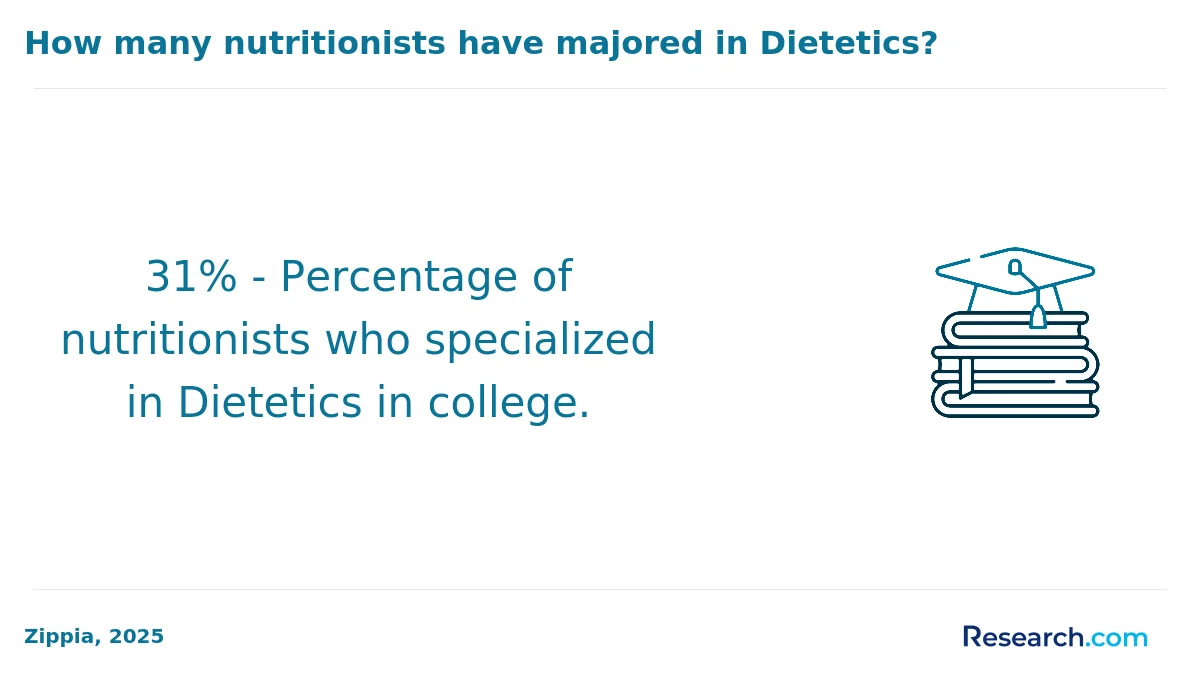
Choosing the right concentration within an online nutrition degree in America depends on your career goals and interests. Common concentrations include dietetics, public health nutrition, and clinical nutrition. According to the Academy of Nutrition and Dietetics, over 70% of nutrition students pursue dietetics, which prepares them for becoming Registered Dietitian Nutritionists (RDNs).
Consider job prospects: the U.S. Bureau of Labor Statistics projects a 7% growth in dietitians and nutritionists jobs from 2022 to 2032. Public health nutrition focuses on community wellness and policy, ideal for those interested in health promotion. Clinical nutrition suits students aiming to work in hospitals or private practices.
Review program accreditation, especially from the Accreditation Council for Education in Nutrition and Dietetics (ACEND), to ensure your degree qualifies you for certification exams in the U.S.
Top Trending Nutrition Rankings
References
- Programs https://fanntx.org/programs
- A Complete Guide to Careers in Nutrition, Health and ... https://www.futuresmartcareers.co.uk/blog/a-complete-guide-to-careers-in-nutrition-health-and-wellness/
- Nutrition Careers Guide 2026: Jobs, Salary & Education ... https://www.nutritioned.org/careers/
- How Long Does It Take to Become a Nutritionist? https://becomeanutritionist.org/blog/how-long-does-it-take-to-become-a-nutritionist/
- Nutritionist - Salary, How to Become, Job Description & ... https://www.onlinedegree.com/careers/medical-healthcare/nutritionist/
- Events - BDA - British Dietetic Association https://www.bda.uk.com/events.html
- Online Nutrition Degrees with Financial Aid https://www.edumed.org/online-schools/nutrition-degrees/financial-aid/
- My Journey as a nutrition student https://www.nhdmag.co.uk/blog/How-on-earth-do-I-network-in-the-dietetics-community
- Master's in Nutrition Prerequisites https://www.bridgeport.edu/news/masters-in-nutrition-prerequisites/
- Become a Registered Dietitian Nutritionist https://www.eatright.org/become-an-rdn


