
2027 Most Affordable Online Master's in Nutrition Degree Programs Ranking in the USA

Co-Founder and Chief Data Scientist
Pursuing a master's degree in nutrition can open doors to rewarding careers in health, wellness, and food science. With so many online options available, finding an affordable and reputable program can feel overwhelming.
This article presents the 2027 Most Affordable Online Master's in Nutrition Degree Programs Ranking in the USA, developed by the Research.com team of data scientists. It's designed to help you make an informed choice by highlighting quality programs that fit your budget.
Explore this guide to discover valuable opportunities and take confident steps toward your educational and professional goals.
Key benefits of getting online nutrition degree in America
- Nutrition graduates in the U.S. can expect average annual salaries around $60,000 to $75,000, depending on their specific role, with some nutritionists earning up to $80,000, offering a rewarding financial outlook.
- Graduates from well-known universities often pursue careers as dietitians, nutrition consultants, public health advisors, or wellness coaches, showcasing diverse opportunities for impactful work in health and wellness.
- Online nutrition degrees provide flexible learning schedules, allowing students from universities like Arizona State University to balance work and study, making education more accessible without sacrificing quality.
What can I expect from online nutrition degree in America?
The average cost of an online nutrition degree in America varies significantly, often influenced by the type of institution and the student's residency status. Graduates from public universities typically recall paying more affordable tuition rates, especially those classified as in-state students, which can range from around $5,000 to $15,000 annually. Meanwhile, private universities report higher tuition fees, sometimes reaching upwards of $20,000 to $30,000 per year, yet many students find comfort in scholarships or financial aid that help ease the burden.
Graduates from well-known programs at schools like the University of North Carolina or Arizona State University reflect positively on balancing quality education with reasonable costs. They emphasize how the investment felt worthwhile due to strong academic support and access to cutting-edge online learning tools. Imagining late-night study sessions, engaging virtual labs, and collaborative discussion boards helps to bring to life how tuition funds translate into meaningful learning experiences.
Many students appreciate the flexibility to maintain work while pursuing their degree, alleviating financial stress. This hybrid approach often softens the impact of tuition expenses, turning a potentially daunting cost into a manageable, rewarding journey.
Where can I work with online nutrition degree in America?
Graduates with an online nutrition degree in America often find themselves working in clinical settings like hospitals or outpatient clinics, where they create personalized dietary plans to support patients managing chronic diseases. Many who studied at respected institutions like Arizona State University or the University of Florida speak about the rewarding feeling of helping patients improve their health daily.
Others pursue careers in public health, collaborating with community centers or nonprofit organizations. For instance, grads from these programs often develop nutrition initiatives that address obesity and food access challenges in underserved neighborhoods, experiences that underscore the real impact of their education.
In the food industry, alumni from schools like Clemson University remark on the excitement of influencing product development and ensuring food safety, responding to consumers' growing demand for transparency.
Wellness coaching within corporations is another popular path, where graduates craft wellness programs that uplift employee health and morale, creating positive change beyond clinical walls.
Still, many recognize that certification-such as becoming a Registered Dietitian Nutritionist-is essential, exemplifying the commitment needed to advance within these fulfilling careers.
How much can I make with online nutrition degree in America?
Graduates with an online nutrition degree in America typically find their starting salaries near $45,000 annually, reflecting entry-level roles such as dietetic technicians or nutrition assistants. Alumni from well-regarded programs at universities like Colorado State or Arizona State often share how their bachelor's degree opened doors to these positions.
For those who pursue advanced credentials, like a master's degree combined with Registered Dietitian Nutritionist (RDN) licensure, wages notably improve. Many report moving into roles that pay around $63,000 per year, aligning with the U.S. Bureau of Labor Statistics' median annual wage for dietitians and nutritionists.
Experienced professionals, especially from metropolitan hubs such as Boston or Los Angeles, often command salaries exceeding $90,000. This growth reflects not only their advanced education but also their specialized certifications, such as the Certified Nutrition Specialist (CNS), and work in clinical or corporate wellness settings.
Overall, graduates frequently express the satisfaction of turning passion into a rewarding career, with income reflecting their dedication and continuous professional growth within America's expanding healthcare landscape.
- Key benefits of getting online nutrition degree in America
- What can I expect from online nutrition degree in America?
- Where can I work with online nutrition degree in America?
- How much can I make with online nutrition degree in America?
- How do we rank schools?
- 2027 Most Affordable Online Master's in Nutrition Degree Programs Ranking in the USA
- What online nutrition degree graduates have to say
- Key Findings
- How long does it take to complete online nutrition degree in America?
- What's the difference between online and on-campus nutrition degree?
- What is the average cost of online nutrition degree in America?
- What financial aid is available to online nutrition degree students in America?
- What are the prerequisites for enrolling in online nutrition degree program in America?
- What courses are typically in online nutrition degree programs in America?
- What types of specializations are available in online nutrition degree programs in America?
- How do you choose the best online nutrition degree in America?
- What career paths are available for online nutrition degree students in America?
- What is the job market for online nutrition degree in America?
- Frequently Asked Questions About nutrition
- Top Trending Nutrition Rankings
How do we rank schools?
Investing in your education is a significant decision that can shape your future, and the Research.com team understands the importance of making well-informed choices. To support prospective students seeking affordable and quality nutrition education, we have carefully developed the "2027 Most Affordable Online Master's in Nutrition Degree Programs Ranking in the USA." Our dedication to quality, credibility, and accuracy is evident through the thorough research and analysis behind this ranking.
We utilized the following reputable data sources to ensure a comprehensive evaluation of nutrition programs:
By exploring this ranking, readers will gain valuable insights into affordable and credible online master's in nutrition programs, empowering them to make informed decisions about their educational paths. For more information on how the ranking was created, please visit our Research.com methodology page.
2027 Most Affordable Online Master's in Nutrition Degree Programs Ranking in the USA
# 1 position
University of Northern Colorado

# 2 position
University of Wisconsin - Stout

# 3 position
Utah State University

# 4 position
Iowa State University of Science and Technology
What online nutrition degree graduates have to say
- Studying online at the University of Florida gave me unparalleled flexibility to balance work and family while pursuing my nutrition degree. The interactive courses and expert faculty made learning engaging and practical. I feel fully prepared to advance my career and promote healthier communities. - Emily
- At Arizona State University, the online nutrition program was rigorous yet rewarding. The curriculum's emphasis on both science and real-world application helped me develop critical skills. Connecting with diverse peers nationwide enriched my perspective and motivation. I'm proud to be a Sun Devil graduate! - Marcus
- Choosing Oregon State University for my nutrition degree online was the best decision. The personalized support and cutting-edge research opportunities stood out. The program's focus on sustainability inspired my passion for responsible nutrition practices. This experience transformed my life and career goals. - Sophia
Key Findings
- Online nutrition degrees usually combine theoretical courses with practical experience, often requiring internships to meet accreditation standards.
- The average cost of a full master's degree in nutrition ranges from $15,000 to $40,000, with public universities generally being more affordable than private ones.
- Entry-level nutritionists or dietitians earn around $50,000 to $60,000 annually, with experienced professionals and those with RDN certification making $70,000 or more.
- The job market for dietitians and nutritionists is projected to grow by approximately 11% from 2022 to 2032, faster than the average for all jobs.
- Graduates from ACEND-accredited programs qualify to take the CDR exam to become Registered Dietitian Nutritionists, a nationally recognized credential.
How long does it take to complete online nutrition degree in America?
Completing an online nutrition degree in America commonly takes around four years for a Bachelor of Science in Nutrition, mirroring traditional on-campus timelines. Many graduates from well-regarded universities like Purdue or the University of Florida have found that the flexibility of online programs helps them balance studies with work or family commitments, often allowing completion slightly ahead of schedule or extended when needed.
Graduate degrees, such as a Master's in Nutrition or Dietetics from institutions like Tufts or the University of North Carolina, typically require 18 months to three years. Alumni often describe a rewarding journey, especially when part-time study options enable them to maintain careers while advancing their knowledge. Accelerated tracks can shorten this period to 12 to 18 months for those eager to quickly enter or advance in the field.
Many students appreciate having control over pacing, particularly when prerequisite courses or internship hours play a role. This thoughtful balance fosters confidence and enthusiasm as they progress toward credentials like the Registered Dietitian Nutritionist.
What's the difference between online and on-campus nutrition degree?
Choosing between an online and an on-campus nutrition degree in America often boils down to how you prefer to learn and manage your time. Graduates from large public universities, like those in the University of California system, often highlight the flexibility of online programs-they could balance family responsibilities while progressing at their own pace. This freedom is invaluable for working professionals eager to advance without pausing their careers.
Conversely, those who attended traditional campuses such as Cornell University cherish the face-to-face connections with professors and peers, which foster immediate feedback and hands-on lab experiences. Nutrition students often mention how supervised internships, a critical part of the curriculum, felt more immersive and collaborative on campus.
Financially, online study usually lowers costs by cutting commuting and housing expenses, a relief for many attending public institutions charging around $10,000 in-state tuition. However, both formats typically require accredited coursework and practicums to qualify for registered dietitian credentials, ensuring equally rigorous preparation regardless of delivery method.
What is the average cost of online nutrition degree in America?
The average cost of an online nutrition degree in America typically centers around a median total of $19,330, which provides a practical benchmark for prospective students planning their educational investment. Graduates from popular institutions, such as state universities well-regarded for their nutrition programs, often reflect on this figure as an attainable yet meaningful commitment. For many, attending public universities with in-state tuition rates offers greater affordability, making nutrition education accessible without excessive financial strain.
Considering the landscape of affordable online master's in nutrition programs 2027, students often find themselves weighing the cost per credit hour, which can range broadly. Some programs at renowned universities charge between $400 and $600 for residents, while non-resident rates can increase, sometimes pushing overall tuition above $30,000. Practical experiences shared by graduates emphasize that these costs usually cover tuition alone, with additional expenses such as technology fees and textbooks creating a fuller financial picture.
Many students pursuing nutrition degrees online embrace opportunities to manage these costs through scholarships and financial aid rooted in the nutrition field, which can significantly ease the financial journey. Those who prioritize accelerated pathways might explore options like the fastest online masters in nutrition programs, finding that a shorter timeframe can reduce overall expenses and help them start their careers sooner.
The average cost of an online nutrition degree USA truly reflects a balance between investment and reward, where careful planning and resourcefulness can help students engage deeply with their studies while maintaining peace of mind about affordability.
What financial aid is available to online nutrition degree students in America?
Many students pursuing an online nutrition degree in America find federal financial aid indispensable. Completing the FAFSA opens doors to Pell Grants and federal loans, relieving some financial strain while studying at well-known institutions like the University of Texas or Purdue University. Graduates often recall how these grants eased their worries without adding debt burdens.
State-specific scholarships are often overlooked but can make a meaningful difference, especially for residents attending local schools such as the University of Florida or Arizona State University. These programs helped several alumni reduce their tuition costs significantly.
Private scholarships targeted at nutrition students, like those from the Academy of Nutrition and Dietetics Foundation, frequently provide awards between $1,000 and $5,000, giving recipients a welcome boost. Alumni stories reveal how tapping into these funds made continuing education less stressful.
Institutional aid programs, such as merit-based scholarships or flexible tuition plans, are common at schools renowned for nutrition programs. Students appreciate how these options, combined with employer tuition assistance, create a supportive environment to balance work and study commitments effectively.
What are the prerequisites for enrolling in online nutrition degree program in America?
Enrolling in an online nutrition degree in America requires clear academic preparation that sets students up for success. Many graduates from well-known universities like the University of Florida or Arizona State reflect on how having a solid foundation in sciences-biology, chemistry, and math-was crucial before they even began their program. For bachelor's degrees, a high school diploma or GED is essential, often paired with those science prerequisites to build confidence when tackling nutrition concepts.
At the master's level, students often share how having a related bachelor's degree made their advanced studies smoother, yet some needed to complete prerequisite courses such as anatomy, physiology, or statistics. This step can feel challenging but ultimately rewarding, as it equips you with indispensable tools.
Applicants commonly face GPA requirements around 3.0, and sometimes must submit GRE scores or letters of recommendation. Those who have volunteered in community health initiatives often feel their personal experiences strengthened their applications and sense of purpose.
Choosing an ACEND-accredited program is frequently emphasized by alumni aiming to become registered dietitians, ensuring that their education aligns with professional standards and offers confidence in future career steps.
What courses are typically in online nutrition degree programs in America?
Courses such as Medical Nutrition Therapy often feel like stepping into a clinical world, preparing students to design dietary plans for chronic illnesses like diabetes or heart disease, a skill many found immediately relevant when friends or family faced health challenges.
Foodservice Management stands out for those interested in practical leadership, teaching budgeting and personnel oversight, which graduates appreciated when transitioning to supervisory roles in healthcare or community settings.
Subjects like Research Methods and Public Health Nutrition give a broader perspective, inspiring hope and purpose by showing how nutrition influences entire communities, especially in efforts to combat obesity and improve wellness across America.
Electives in sports or pediatric nutrition add personalized touches, allowing students to tailor their studies to specific passions, often sparking enthusiasm and motivation to excel.
What types of specializations are available in online nutrition degree programs in America?
Online nutrition degree specializations in America offer a rich variety tailored to distinct career passions. Many graduates from prominent universities find themselves drawn to Clinical Nutrition, where real-world experience in healthcare settings brings the theory of managing chronic diseases like diabetes to life. Meanwhile, Public Health Nutrition appeals to those eager to design impactful community programs addressing obesity and food insecurity, a path often led by alumni collaborating with government and non-profits.
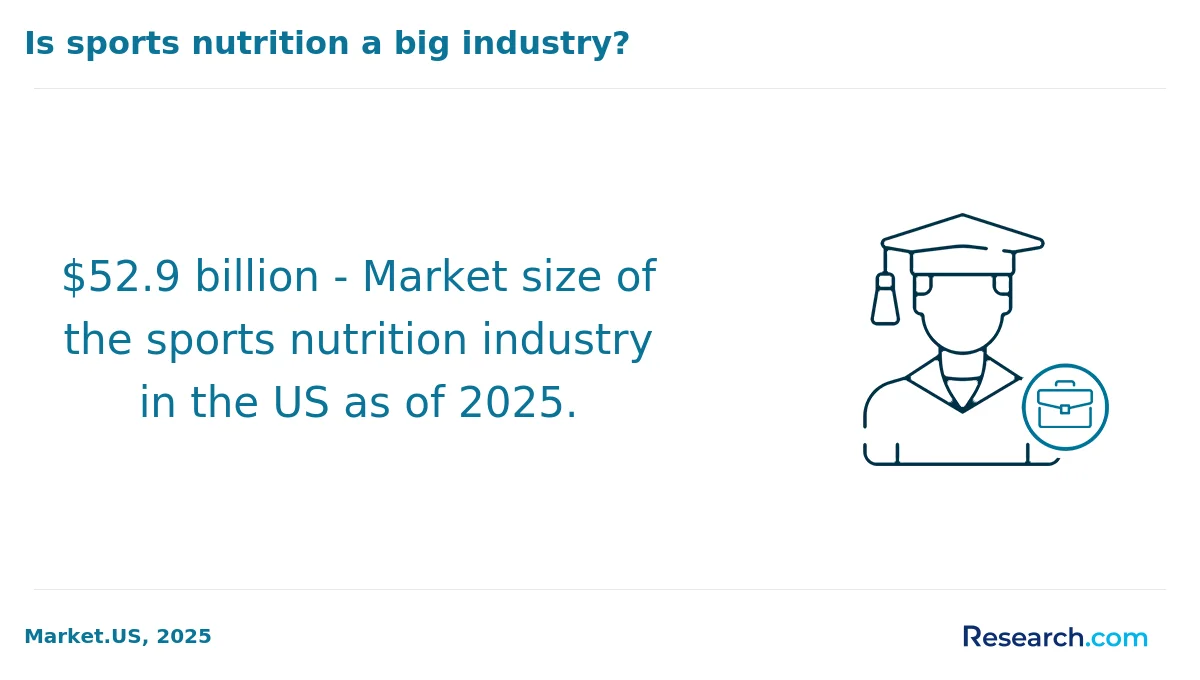
Students pursuing nutrition master's concentrations available America-wide often explore Food Science and Safety, gaining insights into food chemistry and regulatory frameworks, essential for roles in manufacturing or policy. Others find joy in Sports Nutrition, applying energy metabolism and hydration strategies to enhance athletes' performance, inspired by case studies from leading programs.
Nutrition Education and Counseling specializations foster communication skills, enabling graduates to empower clients toward lasting healthy habits. For those seriously considering this field, exploring online nutrition science bachelor degree programs reveals the full spectrum of focused study opportunities adapted to modern American health challenges.
How do you choose the best online nutrition degree in America?
Choosing the best online nutrition degree programs USA means focusing first on accreditation to ensure your education is recognized nationwide. Graduates from well-known institutions like the University of Texas or Ohio State often share how ACEND accreditation directly helped them pass the Registered Dietitian Nutritionist exam, a crucial milestone in their careers. Consider tuition costs carefully, as affordable online nutrition degrees in America can vary widely; some graduates found relief through scholarships or financial aid, making it easier to focus on studies without overwhelming debt.
Reflect on the program's curriculum and teaching style. For instance, some students appreciated programs with asynchronous classes allowing them to balance work and life, while others preferred structured synchronous courses for real-time engagement. Faculties with active research roles and clinical experience enrich the learning journey, just as graduates from large public universities often recount feeling more prepared and confident in professional settings.
It's also helpful to explore resources like online certificate nutrition options to supplement your degree or pivot specialties. Ultimately, reviewing graduation and job placement rates can reveal which programs truly support student success and career growth in the evolving nutrition field.
What career paths are available for online nutrition degree students in America?
Graduates with an online nutrition degree in America often discover a variety of rewarding career paths that align with their passion for health and wellness. Many pursue becoming a Registered Dietitian Nutritionist (RDN), a respected credential earned after completing supervised practice and passing a national exam. Those who studied at well-known programs in universities like the University of California or Ohio State University often share how this pathway opened doors to work in hospitals or community health settings, where they find fulfillment helping individuals improve their diets and lifestyles.
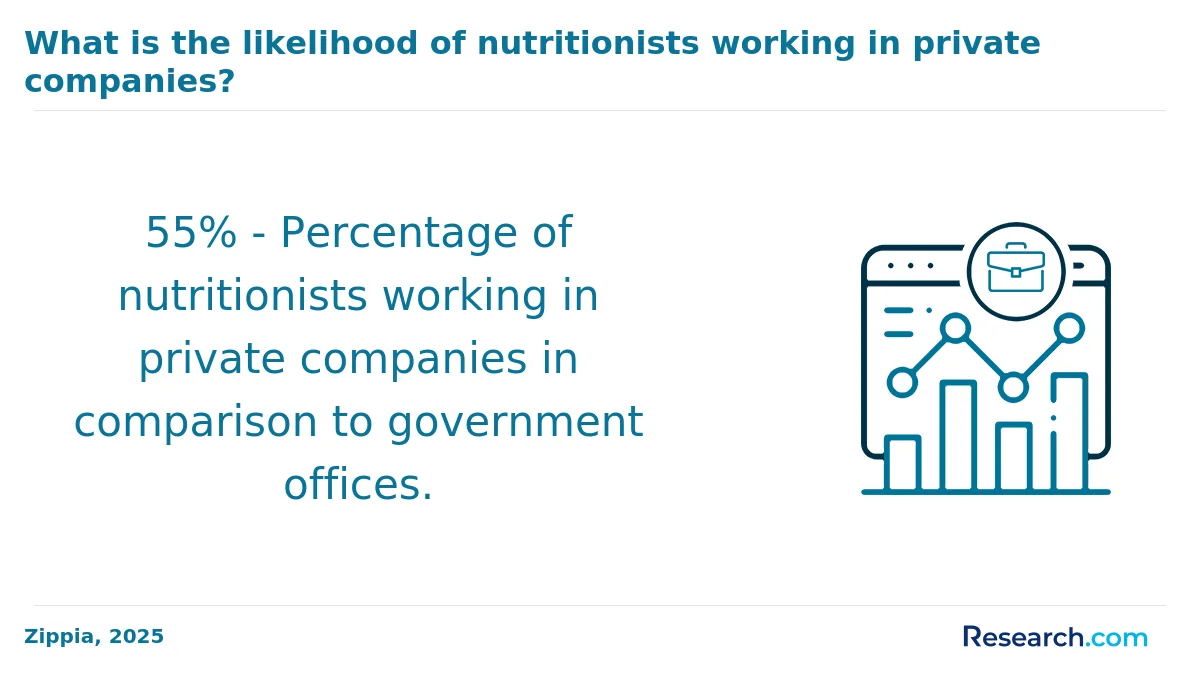
Other graduates embrace roles as nutrition consultants or health coaches, offering personalized guidance on meal planning and wellness either through private practice or corporate wellness programs. This path is particularly appealing to those who enjoy close client relationships and fostering lasting lifestyle changes. Nutrition degree job opportunities in America also include public health positions, where professionals collaborate with agencies to design impactful nutrition education campaigns addressing chronic diseases-a vital field given the CDC's findings on nutrition-related mortality.
Some alumni venture into food science or product development, contributing to healthier, innovative food options and ensuring compliance with labeling standards. Others find their calling in research, uncovering new insights into diet and disease prevention. For those curious about specialized nursing roles, understanding what degree do you need to be a nutrition nurse can also expand one's professional horizon. Such diverse career options demonstrate how an online nutrition degree careers in USA can be both personally and professionally rewarding.
What is the job market for online nutrition degree in America?
The job market for graduates holding an online nutrition degree in America is encouraging, driven by an increasing demand for professionals who understand health and wellness. Many graduates from respected institutions such as the University of Arizona or Colorado State University report entering roles as clinical dietitians or wellness coaches, benefiting from the flexibility these programs offer while advancing their careers. This positive outlook is reflected in the demand for positions requiring certifications like Registered Dietitian Nutritionist (RDN), which many online programs prepare students to obtain.
Nutrition career opportunities in America are expanding beyond traditional healthcare to include corporate wellness, community outreach, and private practice, offering graduates diverse pathways. Salaries vary but often rise with experience and specialization. For those considering costs, tuition typically ranges between $10,000 and $30,000 for master's programs, a smart investment supported by steady job growth. Many graduates find the balance of affordability and quality beneficial compared to on-campus alternatives.
For a detailed view on compensation, students can explore the nutrition specialist salary and career trends, helping to clarify expectations for employment outcomes following an online nutrition degree.
Frequently Asked Questions About nutrition
Online nutrition degree students in America can maximize their learning by actively engaging with their coursework and virtual resources. Setting a consistent study schedule helps maintain discipline and keeps students on track with program requirements, which often include both theoretical and practical components.
Utilizing available technology, such as video lectures, discussion boards, and nutrition software, enhances understanding and retention. According to the Academy of Nutrition and Dietetics, nearly 60% of nutrition students benefit from interactive online tools to achieve better outcomes.
Networking with peers and faculty through virtual groups also supports knowledge sharing and professional growth. Additionally, seeking internships or volunteer opportunities in local health settings complements academic learning with real-world experience, increasing employability in a competitive field.
Emerging niches within the nutrition field reflect the evolving health needs and scientific advancements in the United States. One notable area is nutrigenomics, which explores how individual genetic variations affect nutrient metabolism and dietary response. This personalized approach is gaining traction, supported by research from the National Institutes of Health (NIH).
Another growing niche is sustainable nutrition, focusing on diets that promote environmental health while supporting human well-being. This aligns with increased public interest in climate-conscious food choices, as reported by the USDA.
Additionally, plant-based nutrition is expanding rapidly, with the Plant-Based Foods Association noting a 27% sales increase in 2023. These niches offer promising career paths for those pursuing online nutrition degrees.
Preparing for the job market after completing an online nutrition degree in America requires strategic planning. Graduates should pursue credentialing, such as becoming a Registered Dietitian Nutritionist (RDN), which is essential for many nutrition careers. The Commission on Dietetic Registration reports that RDNs earn a median annual salary of approximately $63,000. Networking through professional associations like the Academy of Nutrition and Dietetics is crucial for job opportunities and mentorship.
Gaining relevant experience through internships or volunteer work strengthens resumes. Additionally, developing skills in public health, counseling, or food service management broadens career prospects. Staying aware of labor market trends from the U.S. Bureau of Labor Statistics helps graduates target growing nutrition-related fields. Continuous education enhances long-term career growth.
Employers in America highly value a blend of scientific knowledge and practical skills in graduates with nutrition degrees. Key skills include strong understanding of human biology, biochemistry, and dietetics, which form the foundation for credible nutritional advice.
Effective communication is crucial, as nutrition professionals must educate clients and collaborate with healthcare teams. The Academy of Nutrition and Dietetics highlights that interpersonal skills significantly impact career success in this field.
Data analysis and research skills are increasingly important, given the rise of evidence-based practice in nutrition. Being able to interpret clinical studies and dietary data helps graduates provide personalized nutrition plans.
Additionally, familiarity with food safety regulations and knowledge of public health issues, such as obesity and diabetes prevalent in the US, are often sought by employers. These competencies prepare graduates to address diverse community needs.
Finding internships in America relevant to a nutrition degree involves several strategic steps. Many accredited online nutrition programs have partnerships with healthcare facilities, community organizations, and food service companies that offer internship placements.
Students should actively use their university's career services and alumni networks, which often list opportunities approved for dietetic experience under the Accreditation Council for Education in Nutrition and Dietetics (ACEND). According to the Academy of Nutrition and Dietetics, internships are essential for eligibility to become a Registered Dietitian Nutritionist (RDN).
Additionally, platforms like the Dietetic Internship Centralized Application System (DICAS) simplify applying to multiple internships nationwide. Networking through professional associations such as the Academy increases access to listings and mentorship. The U.S. Bureau of Labor Statistics projects 8% growth in dietitian jobs by 2032, making internship experience vital for competitive hiring.
Obtaining an online nutrition degree in America significantly enhances career mobility and advancement opportunities. According to the U.S. Bureau of Labor Statistics, employment of dietitians and nutritionists is projected to grow 11% from 2022 to 2032, faster than the average for all occupations. An accredited online degree provides flexibility for working professionals and access to updated curriculum aligned with industry standards.
Graduates can pursue roles in healthcare, wellness, public health, and food industries, often qualifying for certifications such as the Registered Dietitian Nutritionist (RDN) credential. This certification, required by many employers, boosts earning potential and leadership chances.
The convenience of online programs enables many to continue working while earning credentials, supporting career advancement without career interruption.
Studying for a nutrition degree in America equips students with skills relevant to multiple fields, combining biology, chemistry, and public health. Accredited online programs often include coursework in communication, research methods, and policy, which helps prepare graduates for roles in healthcare, education, and community nutrition.
Nutrition professionals frequently collaborate with medical teams, social workers, and policymakers. According to the Academy of Nutrition and Dietetics, over 60% of nutrition jobs require understanding interdisciplinary systems, emphasizing teamwork and diverse expertise.
Moreover, American nutrition programs stress evidence-based practice and cultural competence, which are essential for addressing complex health issues like obesity and chronic disease, prevalent in over 40% of Americans (CDC, 2023).
Choosing between a thesis and a non-thesis nutrition degree program in America depends largely on your career goals and learning preferences. A thesis track usually requires original research and a formal paper, which can be ideal if you aim for doctoral studies or research-focused roles in nutrition science. According to the National Center for Education Statistics, about 40% of master's students in nutrition opt for thesis programs to deepen their research skills.
Alternatively, non-thesis programs often emphasize practical knowledge and coursework, making them suitable for professionals seeking clinical or community nutrition roles without research demands. The Academy of Nutrition and Dietetics notes many employers value practical experience, which non-thesis programs typically provide through internships or hands-on projects.
Cost, time commitment, and personal interest in research are important factors in your decision. Thesis programs tend to take longer and may involve additional advisor coordination, while non-thesis options can be completed more quickly and flexibly online.
American students interested in studying nutrition abroad have several online options that allow them to gain international perspectives without leaving the U.S. Many accredited foreign universities offer remote nutrition degrees, often with curricula aligned to global standards like those from the International Confederation of Dietetic Associations. This lets students access diverse nutritional frameworks and research methodologies.
Students can also consider programs that provide study-abroad components or internships in countries known for advanced nutrition science, such as the United Kingdom or Australia. The Nutrition Society UK and Dietitians Australia are reputable organizations influencing such programs.
In 2023, the U.S. Bureau of Labor Statistics noted a 15% job growth in nutrition-related fields, encouraging cross-cultural education. Credentials earned abroad should be evaluated for U.S. credential recognition, usually through organizations like the Academy of Nutrition and Dietetics.
Students pursuing an online nutrition degree in America can benefit from several part-time jobs that reinforce their academic knowledge. Working as a dietary aide or nutrition assistant in hospitals, clinics, or long-term care facilities offers practical exposure to patient-centered nutrition. According to the Bureau of Labor Statistics (BLS, 2023), these roles often require fewer than 20 hours per week, fitting well with study schedules.
Retail positions in health food stores or pharmacies also help students understand consumer preferences and dietary trends. Additionally, jobs as wellness coaches or community health educators allow students to apply nutrition education directly to public outreach, complementing their coursework and enhancing communication skills.
Online nutrition students in America have multiple networking opportunities despite the remote format. Many accredited programs partner with nutrition organizations such as the Academy of Nutrition and Dietetics, which hosts virtual events, webinars, and conferences. These platforms allow students to connect with practicing professionals and fellow learners nationwide.
Students often access online forums and social media groups dedicated to nutrition careers, providing peer support and job leads. Additionally, some universities facilitate virtual mentorship programs linking students with experienced dietitians and researchers.
According to the Academy, approximately 90% of online nutrition students report that such connections positively impact their career development.
Alumni networks offer significant benefits to students pursuing online nutrition degrees in America. These networks connect graduates and current students, providing access to mentorship, job opportunities, and professional development resources. According to the National Association of Nutrition Professionals, nearly 70% of nutrition graduates find jobs through professional connections, highlighting the value of strong alumni ties.
Online students can leverage these networks to gain insights on industry trends, credentialing, and accredited internships required by bodies like the Commission on Dietetic Registration.
Such connections often help navigate regional licensure requirements, crucial for practicing nutrition in different states. Networking fosters collaboration that supports career advancement in a competitive marketplace.
Many online nutrition degree programs in America offer customization options that align with specific career goals. Students can typically choose electives that focus on areas such as clinical nutrition, public health, or food science. This flexibility allows learners to develop expertise relevant to roles like dietitian, nutrition educator, or wellness coach.
Accredited programs often provide options for internships or practicum experiences, which help build hands-on skills. Additionally, some universities allow students to tailor research projects or capstone assignments toward specialized topics.
According to the Academy of Nutrition and Dietetics, specialization can improve job prospects in a competitive market, where demand for nutrition experts is expected to grow 8% from 2021 to 2031.
Online nutrition students in America often face challenges related to balancing coursework with personal and professional responsibilities. Since many students pursue these degrees part-time, managing time effectively can be difficult. According to the National Center for Education Statistics, about 34% of distance education students are over age 30, highlighting the need to juggle work, family, and studies.
Another challenge is gaining hands-on experience crucial in nutrition programs. Limited access to in-person labs and internships may affect skill development. Additionally, ensuring program accreditation is vital, as the Accreditation Council for Education in Nutrition and Dietetics (ACEND) sets strict standards.
Technical difficulties and feelings of isolation also impact completion rates. Students need reliable internet and self-motivation to stay on track in an online environment.
With an online nutrition degree in the United States, graduates can pursue several valuable professional certifications. The most notable is the Registered Dietitian Nutritionist (RDN) credential, which requires completing a didactic program in dietetics, supervised practice, and passing a national exam administered by the Commission on Dietetic Registration (CDR).
Other certifications include the Certified Nutrition Specialist (CNS), offered by the Board for Certification of Nutrition Specialists, which requires an advanced degree and relevant experience.
Additionally, there are certifications like Certified Clinical Nutritionist (CCN) and sports nutrition certifications, which enhance career opportunities in specialized fields.
These credentials help meet rigorous standards and often improve job prospects in the nutrition sector, valued for its projected 11% job growth through 2031, according to the U.S. Bureau of Labor Statistics.
To write a winning application for an online nutrition program in America, start by thoroughly researching the specific program's requirements and values. Many programs prioritize applicants with a clear career goal and relevant experience, such as internships or work in healthcare or food service.
Highlight your educational background, particularly any science or health-related coursework, since nutrition programs often expect foundational knowledge in biology or chemistry. According to the Academy of Nutrition and Dietetics, a strong academic record enhances your chances of admission.
Additionally, craft a compelling personal statement that explains your passion for nutrition and how the degree aligns with your career plans. Including specific examples of your commitment to improving health or community well-being strengthens your case.
Lastly, secure strong letters of recommendation from professors or professionals familiar with your work ethic and potential in nutrition. Many programs value references that can attest to both your academic ability and interpersonal skills.
The global perspective on a nutrition career recognizes its growing importance, especially as health challenges rise worldwide. In the United States, nutrition professionals play key roles in public health, clinical settings, and research. According to the Bureau of Labor Statistics, employment of dietitians and nutritionists is projected to grow 8% from 2022 to 2032, faster than the average for all occupations.
American nutrition education is increasingly aligned with international standards, ensuring graduates are prepared for global health trends. Online nutrition degrees in the U.S. offer flexibility to meet diverse needs, making them attractive for students aiming to engage with worldwide nutrition challenges.
The Academy of Nutrition and Dietetics highlights that U.S. nutritionists often collaborate internationally to address chronic disease prevention and food security issues. This global cooperation emphasizes the relevance of a nutrition career beyond national borders.
Gaining practical experience while pursuing an online nutrition degree in America is essential for career readiness. Many accredited programs require internships or supervised practice, often completed locally to the student. The Accreditation Council for Education in Nutrition and Dietetics (ACEND) mandates at least 1,200 hours of supervised practice for dietetic internships, which can be arranged at hospitals, community centers, or private practices near the student. Additionally, virtual simulations and case studies are increasingly integrated to enhance practical skills remotely. According to the U.S. Bureau of Labor Statistics, hands-on experience improves job prospects in the growing nutrition field, projected to grow 11% by 2032.
Choosing the right concentration within an online nutrition degree program in America involves understanding your career goals and interests. Popular concentrations include clinical nutrition, public health nutrition, and sports nutrition. Each offers unique career paths, such as working in hospitals, community programs, or with athletes.
It is important to check if the program is accredited by the Accreditation Council for Education in Nutrition and Dietetics (ACEND). Graduates from ACEND-accredited programs are eligible to become Registered Dietitian Nutritionists (RDNs), a credential recognized by employers and required by many states.
Salary data from the U.S. Bureau of Labor Statistics indicates dietitians earn a median annual wage of around $63,000, but specialized concentrations may command higher pay.
Consider programs that include practicum or internship opportunities, essential for hands-on experience and future employment.
Top Trending Nutrition Rankings
References
- Master's in Nutrition Prerequisites | University of Bridgeport https://www.bridgeport.edu/news/masters-in-nutrition-prerequisites/
- Programs - Food Access and Nutrition Network https://fanntx.org/programs
- NUTRITION AND DIETETICS (THESIS – NON-THESIS) - Lisansüstü Eğitim Enstitüsü https://lee.nisantasi.edu.tr/en/nutrition-and-dietetics-thesis-non-thesis/
- Is an Online Nutrition Diploma Worth It? | A Real Career For 2026 https://www.nutritionalmedicineschool.com/blog/is-an-online-nutrition-diploma-worth-it-here-s-what-the-data-says
- Associate Degree in Nutrition 2025 - Programs & Careers https://www.nutritioned.org/associates-degree-in-nutrition/
- Distance Learning Course for Nutritionist | Oxford Learning College https://www.oxfordcollege.ac/news/distance-learning-course-for-a-nutritionist/
- Master of Science (M.S.) Major in Human Nutrition (Non-thesis Option) https://mycatalog.txstate.edu/graduate/applied-arts/family-consumer-sciences/human-nutrition-nonthesis-ms/
- The Nutrition Institute https://www.thenutritioninstitute.com/us/en/blog-experience
- 10 Career Paths in Nutrition - International Career Institute Australia https://ici.net.au/blog/interested-in-nutrition-10-career-paths-to-consider/
- Become a Registered Dietitian Nutritionist https://www.eatright.org/become-an-rdn


