
2027 Most Valuable Online Master's in Nutrition Degree Programs Ranking in the USA

Co-Founder and Chief Data Scientist
Are you considering advancing your career with an online master's degree in nutrition? Choosing the right program can feel overwhelming, but you're not alone. This article features the 2027 Most Valuable Online Master's in Nutrition Degree Programs Ranking in the USA, crafted by the Research.com team of data scientists to help guide your decision.
Discover programs that offer strong value, flexibility, and quality education designed to fit your lifestyle. Earning a nutrition degree not only enhances your expertise but opens doors to impactful career opportunities in health and wellness.
Key benefits of getting online nutrition degree in America
- Nutrition degree graduates in the US often find fulfilling roles such as dietitians with a median annual wage around $63,000, enabling a stable and rewarding career.
- Graduates from popular universities like the University of Florida pursue diverse careers in clinical nutrition, public health, and wellness coaching, offering flexible and meaningful job opportunities.
- Online nutrition degrees from schools like Arizona State University provide a convenient way to study at your own pace while balancing work and life, making education accessible and motivating success.
What can I expect from online nutrition degree in America?
When diving into an online nutrition degree in America, expect tuition to vary widely-often ranging from around $7,000 to over $30,000 depending on the institution. Graduates from state universities often share stories of balancing affordable tuition with high-quality courses covering everything from nutritional biochemistry to community health strategies.
At popular schools like Arizona State University or University of Florida, students describe feeling adventurous yet supported as they complete flexible coursework combined with local internships. These experiences allow them to apply what they learn in real-world settings without uprooting their lives.
Private institutions may come with higher price tags, but many students find the investment worth it for specialized mentoring and extensive practicum opportunities. Financial aid and scholarships often smooth the journey, making these programs accessible to those passionate about impacting public health through nutrition.
Where can I work with online nutrition degree in America?
Graduates with an online nutrition degree from schools like Arizona State University or the University of Florida often find themselves stepping into dynamic roles as registered dietitian nutritionists (RDNs). Imagine working in bustling hospitals or cozy outpatient care centers, guiding patients through diet plans to manage diabetes or heart disease. Earning an ACEND-accredited degree opens doors to supervised practice programs and the national registration exam-key milestones these graduates proudly share as pivotal career steps.
Others dive into public health, crafting impactful community nutrition programs with agencies such as the CDC or USDA. These roles, common among those from the University of Illinois or Tufts University, are vibrant arenas where policy meets wellness education, sparking meaningful change.
For some, corporate wellness beckons-a chance to design employee health initiatives that brighten workdays and cut healthcare costs. Graduates from universities known for their research strengths, like Purdue or UNC, often thrive here, blending science with practical solutions.
Research and academia offer adventurous pathways too, where nutritionists contribute to groundbreaking studies at universities and research centers. The food industry calls as well, with roles in product development and nutrition labeling that keep pace with growing consumer demands for healthier options.
How much can I make with online nutrition degree in America?
Graduates with an online nutrition degree in America often find their earnings shaped by education, experience, and location. Many beginners, stepping out from well-known programs like those at Arizona State University or the University of Florida, start with salaries between $45,000 and $55,000 annually. Picture someone freshly graduated, eager and explored, landing a role as a community health worker or assistant dietitian, feeling both challenged and excited by this meaningful start.
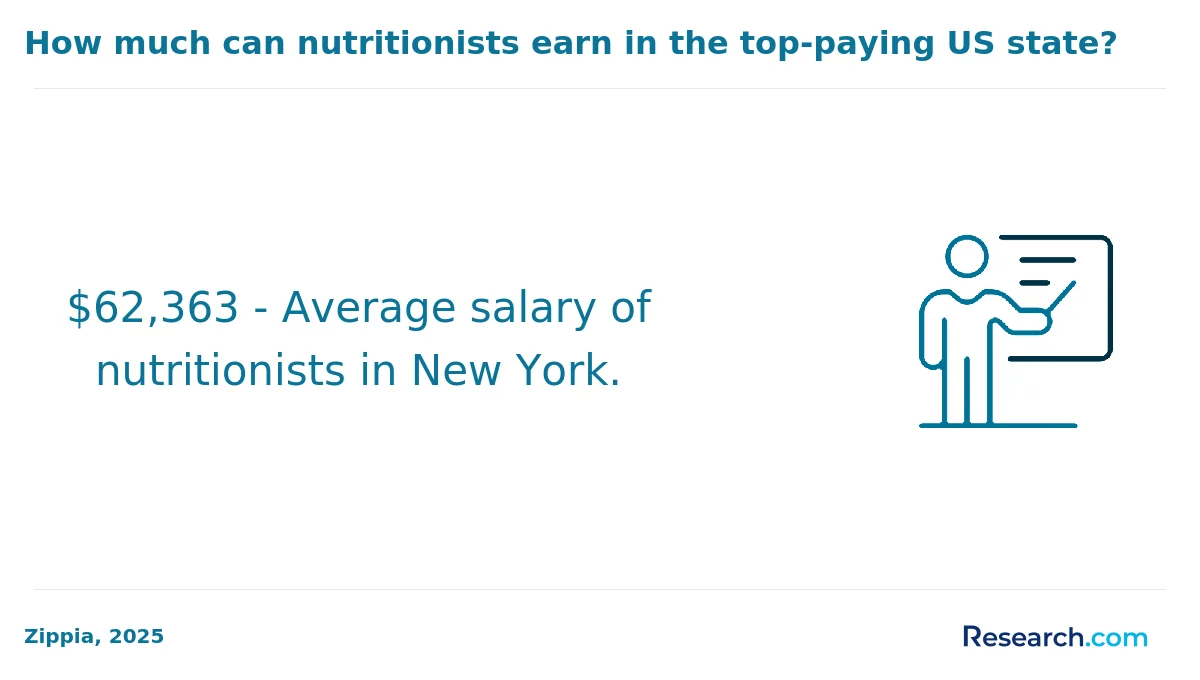
With time and certification, such as becoming a Registered Dietitian Nutritionist (RDN), salaries can leap higher. Those thriving in specialized fields like sports nutrition or corporate wellness, especially in lively cities such as New York or Los Angeles, often surpass $90,000 a year, reflecting their expertise and dedication.
Graduates quickly discover that an online American nutrition degree opens doors nationwide. Whether consulting in a bustling hospital or promoting wellness in a private practice, the path ahead gleams with promising financial growth and rewarding work, inspiring countless new nutritionists every year.
- Key benefits of getting online nutrition degree in America
- What can I expect from online nutrition degree in America?
- Where can I work with online nutrition degree in America?
- How much can I make with online nutrition degree in America?
- How do we rank schools?
- 2027 Most Valuable Online Master's in Nutrition Degree Programs Ranking in the USA
- What online nutrition degree graduates have to say
- Key Findings
- How long does it take to complete online nutrition degree in America?
- What's the difference between online and on-campus nutrition degree?
- What is the average cost of online nutrition degree in America?
- What financial aid is available to online nutrition degree students in America?
- What are the prerequisites for enrolling in online nutrition degree program in America?
- What courses are typically in online nutrition degree programs in America?
- What types of specializations are available in online nutrition degree programs in America?
- How do you choose the best online nutrition degree in America?
- What career paths are available for online nutrition degree students in America?
- What is the job market for online nutrition degree in America?
- Frequently Asked Questions About nutrition
- Top Trending Nutrition Rankings
How do we rank schools?
Investing in your education is a significant decision that can shape your future, and the Research.com team understands the importance of making informed choices. To assist prospective students, we have meticulously crafted the "2027 Most Valuable Online Master's in Nutrition Degree Programs Ranking in the USA." Our commitment to quality, credibility, and accuracy is reflected in the extensive research and analysis conducted to compile this ranking.
We utilized the following reputable data sources to ensure a comprehensive evaluation of online nutrition master's programs:
By exploring this ranking, readers will gain valuable insights into the most valuable online master's in nutrition programs available in the USA, helping them make well-informed decisions about their educational investment. For more details on our methodology, please visit our Research.com methodology page.
2027 Most Valuable Online Master's in Nutrition Degree Programs Ranking in the USA
# 1 position
University of Northern Colorado

# 2 position
University of Wisconsin - Stout

# 3 position
Utah State University

# 4 position
Iowa State University of Science and Technology
What online nutrition degree graduates have to say
- Emily: Studying my online nutrition degree at Arizona State University was a game-changer. The flexible schedule let me balance work and family, while the engaging coursework deepened my understanding of dietetics. I feel confident and prepared to make a real impact in community health after graduation.
- James: The University of Florida's online nutrition program offered top-notch professors and practical assignments that shaped my career. I appreciated the interactive webinars and peer support that made virtual learning feel connected. Earning this degree online truly boosted my professional opportunities and personal growth.
- Sophia: My experience at Purdue University's online nutrition degree was exceptional. The emphasis on evidence-based practice combined with cutting-edge research inspired me daily. Studying online gave me the freedom to learn at my own pace while still accessing excellent academic resources. It exceeded all my expectations.
Key Findings
- Online nutrition degrees offer bachelor's and master's programs focusing on dietetics, nutrition science, and public health nutrition.
- Bachelor's tuition ranges from $15,000 to $40,000, while master's programs typically cost between $20,000 and $50,000, excluding extra fees like textbooks and internships.
- The median annual salary for dietitians and nutritionists was about $63,000 in 2022, with entry-level salaries starting around $50,000 to $55,000.
- Employment for nutrition professionals is expected to grow 8% from 2022 to 2032, which is faster than the average for all jobs.
- Programs accredited by ACEND are important for eligibility to certification exams and better job prospects in nutrition fields.
How long does it take to complete online nutrition degree in America?
Picture you, juggling classes, internships, and life's surprises. Many programs weave supervised practice hours into this adventure, adding valuable hands-on experience-yet those 1,200 hours might nudge your timeline a bit. Still, students from big-name programs celebrate this blend of flexibility and rigor, feeling empowered as they grow into skilled nutrition professionals.
What's the difference between online and on-campus nutrition degree?
Imagine completing your nutrition degree from a cozy corner in your home while juggling a part-time job or family life-this is the reality many online nutrition students in America enjoy. Graduates from institutions like the University of Arizona attest to the freedom of asynchronous lectures, digital discussions, and flexible deadlines, which let them learn nutrition science at their own pace without the stress of commuting.
On the flip side, graduates from traditional on-campus programs such as those at Cornell University often cherish the vibrant campus life, with hands-on labs, face-to-face mentoring, and networking opportunities that only happen in lecture halls and university cafeterias. Picture walking to a state-of-the-art nutrition lab or attending a lively seminar with peers-this direct interaction can ignite passion and deepen understanding.
Online degrees make nutrition education accessible to anyone, especially in rural or underserved areas across the U.S., while on-campus programs provide immediate access to rich resources. Both paths share accreditation rigor through ACEND, but online learners might coordinate local internships to gain crucial practical skills.
What is the average cost of online nutrition degree in America?
The average cost of an online nutrition degree in America hovers around $19,330, a figure that sparks excitement for many who dream of entering this vibrant field. Imagine a graduate from a popular state university, balancing work and study, thrilled by the affordability compared to traditional on-campus programs. This median cost opens doors for students eager to explore nutrition without the overwhelming burden of unattainable tuition fees. The appeal of online nutrition degrees lies not just in flexibility but in their generally lower costs, especially at public institutions known for strong nutrition programs.
For those considering the 2027 online master's in nutrition tuition fees USA, it's important to remember that prices can vary greatly. Graduates from well-known colleges report tuition ranging widely, influenced by factors like residency status and program reputation. Private universities can push costs higher, but many students find their passion propelled by scholarships and financial aid, easing the journey. The thrill of learning nutrition online while avoiding commuting costs or housing fees helps many students feel satisfied with their investment.
Taking the plunge into nutrition studies, students often discover the rich support networks within esteemed universities, fueling their enthusiasm for careers in health. It's also valuable to explore the steps to become a nutritionist, which often include specialized programs tailored to this dynamic profession. These opportunities emphasize the joy of gaining knowledge affordably and flexibly, empowering many to turn a passion for food and health into a lifelong adventure.
What financial aid is available to online nutrition degree students in America?
Diving into an online nutrition degree in America opens up a treasure trove of financial aid opportunities that many students find surprisingly accessible. Picture a graduate from a top public university who alleviated tuition burdens with Pell Grants via FAFSA-awards reaching up to $7,395 in recent years-allowing them to focus on mastering nutrition without constant financial stress. Federal Direct Loans also offer flexible repayment plans that ease the journey.
State grants often provide a welcoming boost for residents attending in-state programs, making schools like those in California or Texas more affordable even online. Imagine another student benefiting from scholarships offered by the Academy of Nutrition and Dietetics, which sparked their passion while easing monthly expenses.
Employer tuition reimbursement can transform the path for working professionals. A learner juggling a healthcare job found this pivotal, funding their studies through a supportive employer.
Some universities sweeten the deal further with merit-based scholarships or reduced online tuition, making quality education within reach. Payment plans also unlock freedom, spreading out payments to keep budgets steady throughout the term.
What are the prerequisites for enrolling in online nutrition degree program in America?
Diving into an online nutrition degree in America feels like embarking on a rewarding adventure, but first, you'll need to meet some key prerequisites. Many bachelor's programs, like those at Arizona State University or the University of Florida, ask for a high school diploma or GED, a solid GPA around 2.5, and sometimes SAT or ACT scores-though more schools now welcome test-optional applicants. Imagine preparing yourself with biology and chemistry basics before your first class begins; graduates often recall how this foundation turned complex subjects into exciting puzzles.
For master's hopefuls aiming for programs at institutions such as Tufts University or the University of North Carolina, the adventure deepens. A bachelor's degree is essential, and completing prerequisites like human anatomy or biochemistry becomes your toolkit. Alumni frequently share how submitting recommendation letters and crafting purpose statements sharpened their focus and motivation.
Experienced explorers seeking dietetics tracks discover requirements for practical hours under professional guidance, making learning hands-on and deeply fulfilling at accredited programs nationwide. The journey demands reliable internet for virtual labs and lively online discussions, turning screens into windows of opportunity.
What courses are typically in online nutrition degree programs in America?
Imagine diving into courses that unravel how food intimately interacts with your body and the world around you. Online nutrition degrees in America often include vibrant classes like Introduction to Nutrition, where students at renowned schools explore the essentials of nutrients and their life-giving roles. Graduates recall how Human Anatomy and Physiology helped them vividly picture the inner workings of organs affected by diet, transforming abstract ideas into tangible understanding.
Many embrace the challenge of Medical Nutrition Therapy, learning to design diets that tackle chronic illnesses like diabetes-skills eagerly practiced by students from top public universities. Others find fascination in Food Science and Safety, imagining the journey of ingredients from farm to table and beyond, common programs at highly respected colleges provide these insights.
Courses like Behavioral Nutrition unlock the mysteries behind why we choose certain foods, sparking curiosity and empathy. Throughout, interactive components like virtual labs make even remote learning feel hands-on and immersive, bringing lessons to life for those across America's diverse educational landscape.
What types of specializations are available in online nutrition degree programs in America?
Diving into an online nutrition degree in America opens up exciting specialization paths that shape unique career adventures. Graduates from popular universities often share their enthusiasm for tracks like Dietetics and Clinical Nutrition, where they get hands-on with patient care and medical nutrition therapy, perfectly prepping for the Registered Dietitian Nutritionist exam. Another favorite is Public Health Nutrition, which empowers students to tackle large-scale challenges like obesity and food insecurity-real issues impacting nearly 40% of Americans-through community programs and policy innovation.
Explorers of sports nutrition find thrilling opportunities optimizing athlete performance, blending exercise science with the latest dietary supplements. Meanwhile, those drawn to food safety and technology embrace the science behind what lands on our plates daily. Some even immerse themselves in Nutrition Education or Corporate Wellness, crafting programs that inspire healthier schools and energized workplaces. These diverse options reflect the broad spectrum of online nutrition degree specializations USA offers, making every student's journey refreshingly personal.
Curious about the diverse masters in nutrition roles? Exploring your nutrition master's program concentration options America can lead to rewarding, impactful careers in exciting fields.
How do you choose the best online nutrition degree in America?
Choosing the best online nutrition degree in America feels like setting off on a personal exploration. Graduates from top-tier universities often share how mastering the balance between quality education and flexibility changed their lives. Imagine enrolling in a program accredited by ACEND, a must for ensuring your learning meets professional standards and preparing you to pass the Registered Dietitian Nutritionist exam. Many find that programs at renowned public universities offer affordable online pathways, a crucial factor for those hunting for affordable online nutrition master's degrees America.
Picture yourself juggling asynchronous courses from a famous college, where lectures fit your busy schedule, offering freedom to learn without stepping away from your job. The excitement heightens when you see a curriculum tailored to your passion-whether it's general nutrition science or sports nutrition-with valuable internships offering real-world experience.
Graduates remind us to consider career outlooks too. With nutrition professions growing steadily, access to strong job placement support makes a real difference. Exploring nutrition masters jobs can reveal the rewarding paths a degree might unlock.
What career paths are available for online nutrition degree students in America?
Graduates with an online nutrition degree in America often find themselves venturing into diverse and rewarding career paths. Some step into roles as registered dietitian nutritionists (RDN), collaborating closely with clients to craft personalized meal plans that transform lives. Others embrace community and public health nutrition roles, designing impactful education campaigns that address local health disparities, inspired by their experiences at renowned institutions like the University of Florida or Arizona State University.
Many nutrition graduates are drawn to food service management within schools or hospitals, where they implement nutrition standards that affect everyday wellbeing. There's also a vibrant world in research and academia; graduates frequently join universities or government agencies, exploring new nutritional science horizons. The growing number of professionals choosing an online nutrition degree careers USA appreciate how their knowledge powers public health improvements across communities.
Excitingly, the private sector beckons with opportunities in corporate wellness, sports nutrition, and consulting for food and supplement companies. Curious students looking for advanced options often explore online master's in dietetics degree programs, fueling ambitions to specialize and innovate within this dynamic field. Nutrition graduate job opportunities America is truly a gateway to making meaningful health impacts nationwide.
What is the job market for online nutrition degree in America?
The job market for graduates holding an online nutrition degree in America is brimming with opportunities, especially as healthcare and wellness continue to captivate public attention. Graduates from well-known programs at institutions like Arizona State University and the University of Florida often find themselves stepping into roles within hospitals, community health centers, or corporate wellness initiatives that value their expertise. This positive momentum reflects the growing demand for qualified nutritionists who can help manage chronic illnesses or guide preventive care.
Those exploring nutrition career opportunities in America report a rewarding sense of purpose, working in diverse environments-from urban outpatient clinics to school cafeterias promoting healthy eating. Many appreciate how ACEND-accredited online programs prepare them to sit for the Registered Dietitian Nutritionist exam, a credential opening doors to competitive salaries averaging around $66,000 annually, with increases in metro areas.
Curious about expanding your horizons? Check out compelling jobs for holistic nutritionist that highlight the diversity of this evolving field and the promising job market for online nutrition degree students in the USA.
Frequently Asked Questions About nutrition
Students pursuing online nutrition degrees in America can maximize their learning by actively engaging with course materials and faculty. According to the Commission on Dietetic Registration, participating in virtual discussions and seeking frequent feedback enhances understanding of complex nutrition concepts.
Utilizing resources such as the Academy of Nutrition and Dietetics' databases can provide access to the latest research and practical guidelines. Consistent time management and creating a dedicated study space also improve focus and retention, essential for mastering course content.
Additionally, gaining practical experience through virtual internships or community projects helps bridge theory and real-world application, important in nutrition careers where hands-on skills are in demand.
The nutrition field in America is rapidly evolving, bringing forward several emerging niches that reflect current health challenges and technological advances. One prominent area is personalized nutrition, which uses genetic information and lifestyle data to tailor dietary recommendations. According to the Academy of Nutrition and Dietetics, this approach is expected to grow as consumers seek more customized health solutions.
Another rising niche is plant-based nutrition, fueled by increasing demand for sustainable and ethical food choices. The Plant Based Foods Association reported a 27% growth in this sector in 2023. Sports nutrition remains vital as well, focusing on optimizing athletic performance and recovery.
Additionally, nutrition informatics blends data science with dietary analysis, supporting healthcare professionals in improving patient outcomes. These niches represent promising career paths for students pursuing online nutrition degrees in the U.S.
After completing an online nutrition degree in America, preparing for the job market involves several strategic steps. First, obtaining certification, such as becoming a Registered Dietitian Nutritionist (RDN), significantly boosts employability. The Commission on Dietetic Registration requires an accredited supervised practice and passing the national exam.
Networking is crucial. Joining professional organizations like the Academy of Nutrition and Dietetics provides access to job boards, mentorship, and continuing education. According to the U.S. Bureau of Labor Statistics, employment for dietitians is projected to grow 8% from 2021 to 2031.
Additionally, gaining hands-on experience through internships or volunteer work enhances practical skills and resumes. Staying updated on nutrition trends and software can also improve job prospects.
Employers in America highly value strong communication skills in nutrition degree graduates, as these professionals must clearly explain dietary guidance to diverse populations. Analytical skills are also critical, enabling graduates to assess nutritional data and design effective meal plans. According to the Academy of Nutrition and Dietetics, proficiency in evidence-based practice is essential to meet current health standards.
Additionally, employers look for cultural competence to address the needs of varied communities. Technical skills, including familiarity with nutrition software and electronic health records, are increasingly vital. Leadership and teamwork abilities are also sought after, reflecting the collaborative nature of healthcare environments.
Finding internships relevant to a nutrition degree in America involves several key steps. First, students should utilize their university's career services, which often maintain partnerships with local hospitals, food companies, and public health organizations. These internships provide practical experience essential for dietitians and nutritionists.
The Academy of Nutrition and Dietetics offers a comprehensive directory of accredited Dietetic Internship programs, a crucial pathway for many students seeking registered dietitian status. According to their 2023 data, over 70% of applicants secure placements annually.
Networking through professional associations and attending virtual career fairs can also uncover opportunities. Many internships are unpaid, but they offer valuable hands-on experience that enhances employability.
An online nutrition degree in America can significantly enhance career mobility and advancement opportunities. According to the Academy of Nutrition and Dietetics, graduates holding accredited nutrition degrees are more likely to qualify for registered dietitian nutritionist (RDN) credentials, a standard requirement for many advanced roles.
The U.S. Bureau of Labor Statistics projects a 15% growth in dietitian and nutritionist jobs from 2021 to 2031, faster than average for all occupations. An online degree offers flexibility for working professionals to gain specialized knowledge without interrupting their careers.
Moreover, online programs often include practical training and certifications that increase employability and open doors to leadership and clinical positions across healthcare, wellness, and public health sectors.
Studying for a nutrition degree in America equips students with interdisciplinary skills essential for diverse health careers. Programs typically integrate courses in biology, chemistry, psychology, and public health, fostering a broad understanding of how nutrition impacts various bodily systems and societal factors.
Graduates often learn to collaborate with healthcare professionals, policymakers, and community organizations. According to the Academy of Nutrition and Dietetics, over 70% of nutritionists work in interdisciplinary environments, highlighting the importance of teamwork.
Online nutrition degrees emphasize critical thinking and evidence-based practice, preparing students to address complex issues such as chronic disease management and food security.
This interdisciplinary training aligns with the growing demand for nutrition experts in clinical settings, research, and public health sectors across the United States.
Choosing between a thesis and a non-thesis online nutrition degree program in America depends on your career goals and learning preferences. Thesis programs typically require original research and a formal thesis paper, ideal for students aiming for research roles or doctoral studies.
Non-thesis programs often focus on practical skills and coursework, suiting those interested in clinical practice, dietetics, or industry positions.
According to the Academy of Nutrition and Dietetics, over 70% of nutrition graduates enter clinical or community roles, where non-thesis programs may offer more relevant experiences.
Thesis programs can take longer to complete, sometimes adding 6-12 months.
Accreditation and faculty expertise also matter; verify that the program meets the Accreditation Council for Education in Nutrition and Dietetics (ACEND) standards.
American students interested in studying nutrition abroad through online programs have limited but growing options. Many universities outside the U.S. offer nutrition degrees fully online, allowing students to earn international credentials without relocating. However, prospective students should verify if foreign online degrees meet U.S. accreditation standards, especially if they plan to become registered dietitians.
Some global institutions collaborate with U.S. schools to offer joint or dual degrees, enhancing the recognition of these programs. It's important to consider program content aligning with U.S. norms, like those defined by the Accreditation Council for Education in Nutrition and Dietetics (ACEND).
Currently, data from the U.S. Department of Education indicates that about 4% of U.S. students are enrolled in online programs abroad, showing a niche but emerging trend. Students should weigh costs, program reputation, and career goals when exploring such options.
Students pursuing an online nutrition degree in America often seek part-time jobs that align with their field of study. Common opportunities include working as dietary aides in hospitals or nursing homes, where practical experience with patient nutrition supports academic learning. According to the U.S. Bureau of Labor Statistics, positions in dietary support often require minimal prior experience and offer flexible hours.
Another popular role is a nutrition assistant or health coach in community health centers, which allows students to apply nutrition knowledge while helping diverse populations. Retail roles in health food stores or supplement shops also provide exposure to industry products and customer education. These jobs complement coursework by offering real-world insight into nutritional science and public health trends in the US.
Online nutrition students in America have multiple networking opportunities that can enhance their academic and professional growth. Universities often provide virtual student groups and forums where students connect through discussions, collaboration, and peer support. Many programs partner with professional organizations like the Academy of Nutrition and Dietetics, which offers student memberships and access to conferences, webinars, and job boards.
Additionally, students can participate in internships and practicum experiences arranged by their schools, providing real-world networking with local healthcare providers. According to the Academy's 2023 report, about 70% of nutrition professionals found their first job through networking during or shortly after their education.
Alumni networks offer significant advantages to students pursuing online nutrition degrees in America. These networks connect graduates and current students, fostering mentorship opportunities and professional guidance. According to the National Association of Nutrition Professionals, strong alumni connections can improve job placement rates by up to 25% in health-related fields.
Members can access job boards focused on nutrition and dietetics roles, which is vital as the U.S. Bureau of Labor Statistics projects a 15% growth in dietitian jobs through 2031. Networking supports career advancement by sharing industry insights and continuing education resources. Many alumni groups also provide exclusive webinars and workshops that keep students current on nutrition science and policy changes.
Customizing an online nutrition degree in America allows students to align education with career goals efficiently. Many programs offer elective courses in specialized areas like clinical nutrition, public health, or sports nutrition. This flexibility helps students develop expertise tailored to their desired profession.
Students can also choose between thesis-based or project-based tracks, which fit research or applied career paths, respectively. Accredited programs by the Accreditation Council for Education in Nutrition and Dietetics (ACEND) ensure quality and nationwide recognition.
Internships or practicum opportunities integrated into online degrees provide practical experience, a critical factor according to the Academy of Nutrition and Dietetics, where 86% of registered dietitians recommend hands-on training.
Advising services offered remotely support course planning to meet both academic and professional milestones.
Online nutrition students in America often encounter several challenges that can impact their academic success. One common difficulty is balancing coursework with personal and professional responsibilities. According to the National Center for Education Statistics, nearly 60% of online learners in the U.S. are employed full-time, which increases stress and time management demands.
Another challenge lies in gaining practical, hands-on experience. Nutrition degrees typically require supervised clinical or community placements, and securing these opportunities remotely can be complex due to geographic and institutional limitations.
Additionally, students may face issues with technology access and digital literacy, particularly in rural areas where broadband connectivity is less reliable. The USDA reports that about 22% of rural Americans lack high-speed internet.
Finally, online students sometimes find limited peer interaction and support, which can affect motivation and networking necessary for career advancement in nutrition fields.
With an online nutrition degree in America, graduates can pursue several recognized professional certifications to boost their careers. The most prominent is the Registered Dietitian Nutritionist (RDN) credential, awarded by the Commission on Dietetic Registration (CDR). To qualify, candidates must complete a didactic program in dietetics, supervised practice, and pass the national exam. According to the Academy of Nutrition and Dietetics, there are over 100,000 RDNs nationwide, highlighting strong demand.
Other certifications include Certified Nutrition Specialist (CNS), which requires an advanced degree and passing the Certification Board for Nutrition Specialists exam. Additionally, fitness-related credentials like the Certified Clinical Nutritionist (CCN) are options for those looking to integrate nutrition and wellness. These certifications validate expertise and improve job prospects in healthcare, wellness, and public health sectors.
Applying to an online nutrition program in America requires a clear, well-structured approach. Start by researching accredited institutions recognized by the Accreditation Council for Education in Nutrition and Dietetics (ACEND). Accreditation ensures quality education and eligibility for certification exams.
Highlight relevant academic achievements and professional experiences related to health, dietetics, or biology. Many programs prefer applicants with a strong foundation in sciences or prior nutrition coursework.
Write a compelling personal statement that explains your passion for nutrition and career goals. According to the Academy of Nutrition and Dietetics, demand for nutrition professionals in the U.S. is expected to grow 11% through 2031, so emphasize how the degree aligns with job market trends.
Finally, secure strong letters of recommendation from professors or employers who can attest to your dedication and aptitude for this field.
Nutrition is recognized globally as a vital field addressing public health, disease prevention, and wellness. In the United States, demand for nutrition professionals is growing, with the Bureau of Labor Statistics projecting a 15% employment increase for dietitians and nutritionists from 2021 to 2031.
Worldwide, nutrition careers focus on diverse challenges such as malnutrition, obesity, and chronic diseases. U.S.-trained nutritionists often work internationally, applying evidence-based approaches developed within American higher education.
Online nutrition degrees in the U.S. provide accessible education aligned with global standards. Programs accredited by the Accreditation Council for Education in Nutrition and Dietetics (ACEND) ensure graduates meet professional competencies recognized worldwide.
The global outlook of nutrition careers emphasizes interdisciplinary skills, cultural competency, and leadership in health policy, all increasingly integrated into U.S. programs to prepare students for diverse roles.
Gaining practical experience while studying for an online nutrition degree in America is essential for career readiness. Many programs offer supervised internships or practicum placements as part of their curriculum. These opportunities allow students to work with registered dietitians, healthcare organizations, or community health programs.
According to the Accreditation Council for Education in Nutrition and Dietetics (ACEND), more than 80% of accredited online nutrition programs include a required supervised practice component. These internships often involve 1,200 hours of hands-on experience, which is crucial for eligibility to become a Registered Dietitian Nutritionist (RDN).
Students can also seek volunteer roles or part-time work in clinical settings, schools, or public health initiatives to enhance learning. Additionally, research projects or virtual simulations provided by some universities help develop practical skills remotely.
Choosing the right concentration within an online nutrition degree in America requires understanding your career goals and interests. Common concentrations include clinical nutrition, public health nutrition, sports nutrition, and food science. Each focuses on different aspects; for example, clinical nutrition emphasizes patient care in medical settings, while public health nutrition addresses community wellness programs.
Consider demand in the U.S. job market. According to the U.S. Bureau of Labor Statistics, employment of dietitians and nutritionists is projected to grow 8% from 2022 to 2032, reflecting increasing awareness of preventive health. Clinical nutrition tends to offer stable hospital and healthcare roles, whereas public health nutrition roles may focus on policy and education.
Look into program accreditation and curriculum to ensure it aligns with the Commission on Dietetic Registration requirements if you aim to become a registered dietitian nutritionist (RDN). Also, examine if the concentration offers practical experience or internships related to your desired field.
Top Trending Nutrition Rankings
References
- 40 Institutions offering Nutrition / Dietetics Courses Abroad https://www.hotcoursesabroad.com/study/training-degrees/international/nutrition-dietetics-courses/cgory/nh.2-4/sin/ct/programs.html
- Associate Degree in Nutrition 2025 - Programs & Careers https://www.nutritioned.org/associates-degree-in-nutrition/
- Join Alumni Community https://www.ion.ac.uk/join-alumni-community
- The Nutrition Institute https://www.thenutritioninstitute.com/nz/en/career-outcomes
- Alumni - FoodCorps builds careers in nutrition, education, food, and health https://foodcorps.org/alumni-opportunities/
- NUTRITION AND DIETETICS (THESIS – NON-THESIS) - Lisansüstü Eğitim Enstitüsü https://lee.nisantasi.edu.tr/en/nutrition-and-dietetics-thesis-non-thesis/
- 2025 Most Popular Online Nutrition Degrees https://www.onlineu.com/degrees/nutrition
- Top 35 Online Nutrition and Dietetics Programs https://becomeanutritionist.org/top-35-online-nutrition-and-dietetics-programs/
- My Journey as a nutrition student https://www.nhdmag.co.uk/blog/How-on-earth-do-I-network-in-the-dietetics-community
- Events https://www.bda.uk.com/events.html


