
2027 Fastest Online Nutrition Degree Programs Ranking in the USA

Co-Founder and Chief Data Scientist
Choosing the right nutrition degree program can be a challenging journey. Our 2027 Fastest Online Nutrition Degree Programs Ranking in the USA aims to simplify that process for you.
Compiled by a skilled team of data scientists at Research.com, this ranking highlights the most efficient online nutrition programs available today. By exploring it, you'll gain clear insights to help you select a program that matches your goals and lifestyle.
Investing in a nutrition degree opens doors to meaningful careers focused on health and wellness. This article supports your ambition to make a confident, informed decision about your education path.
Key benefits of getting online nutrition degree in America
- Salary for nutrition degree graduates: While specific salary data from the US Bureau of Labor Statistics is unavailable, nutrition-related jobs generally offer competitive salaries, with registered dietitians earning a median annual wage around $63,000, providing financial stability.
- Career paths: Graduates from popular US universities often find rewarding roles as dietitians, nutritionists, health coaches, or wellness consultants, enjoying diverse options to impact public health positively.
- Benefits of online degrees: Completing a nutrition degree online, such as from a well-known university, offers flexibility to balance work and study while gaining accredited education, making it easier to pursue your passion without compromising your lifestyle.
What can I expect from online nutrition degree in America?
The average cost of an online nutrition degree in America typically ranges between $20,000 and $60,000, depending on the institution and program length. Graduates from well-known programs at public universities often mention the balancing act between tuition expenses and the convenience of studying remotely while managing jobs or family commitments. For instance, those enrolled in programs affiliated with respected institutions like Penn State or the University of Arizona reflect on how their investment felt meaningful, given the accredited curriculum and access to quality virtual labs and supervised internships.
Many students find the cost justified not only for education but for the doors it opens in clinical and community nutrition careers. Considering that 120 to 150 credit hours are usually required, expenses can vary considerably, especially if part-time or accelerated options are chosen. The experiential components, such as local internships supervised by approved preceptors, add value that goes beyond the price tag by providing real-world skills crucial for becoming a Registered Dietitian Nutritionist.
Ultimately, the cost intersects with flexible learning and rigorous standards, creating a pathway for students eager to contribute meaningfully to public health challenges like America's obesity crisis while advancing their careers without relocating or leaving jobs.
Where can I work with online nutrition degree in America?
Graduates with an online nutrition degree from well-known American universities often find themselves stepping into diverse and rewarding careers that defy simple stereotypes. For instance, many alumni from top nutrition programs at public universities embark on careers as registered dietitian nutritionists (RDNs), working in hospitals where they impact patient care directly through personalized dietary plans. This hands-on role brings daily satisfaction as they witness tangible health improvements in people who once struggled with chronic illnesses.
Others pursue roles in public health, collaborating with community organizations to design nutritional education campaigns that genuinely transform lives, especially in underserved areas. This work energizes graduates who crave purpose beyond the clinical setting, often planting seeds of change that ripple through entire populations.
Many graduates from colleges known for strong online nutrition offerings also thrive as corporate wellness consultants or private advisors, crafting tailored programs that empower employees or clients to embrace healthier lifestyles, boosting confidence and productivity.
Meanwhile, roles in the food industry reveal a less obvious but equally impactful career path. Nutrition experts here innovate healthier products that millions enjoy daily, blending science with creativity. Teaching and research positions at universities offer graduates a chance to push knowledge boundaries and inspire future changemakers, making the degree far more versatile than expected.
How much can I make with online nutrition degree in America?
Graduates with an online nutrition degree in America often find themselves navigating a complex salary landscape. While official U.S. Bureau of Labor Statistics salary data for specific nutrition jobs is unavailable, general estimates reveal compelling trends. Dietitians and nutritionists typically earn a median annual salary around $65,620, with entry-level roles starting near $45,000 and experienced professionals earning $90,000 or more. Imagine a graduate from the University of Florida stepping into a hospital dietitian role, earning a stable $63,000 to $70,000, while another from Arizona State University ventures into wellness coaching, experiencing income fluctuations between $20 and $50 per hour based on client engagement.
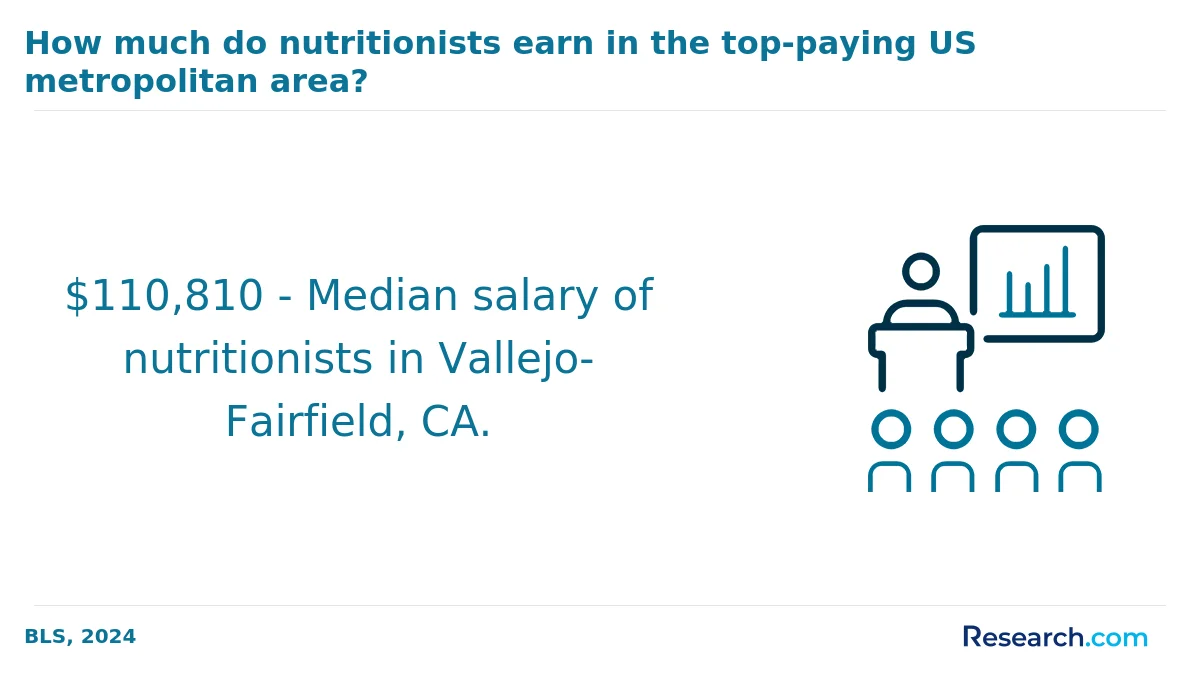
Location deeply matters; graduates in states like California or New York can see salaries exceed $75,000 due to higher demand and living costs. Certification, such as becoming a Registered Dietitian Nutritionist, often unlocks higher earning potential and leadership opportunities. The journey from student to professional is not just about numbers-it's about aligning passion with strategy to thrive financially in a vibrant, evolving field.
- Key benefits of getting online nutrition degree in America
- What can I expect from online nutrition degree in America?
- Where can I work with online nutrition degree in America?
- How much can I make with online nutrition degree in America?
- How do we rank schools?
- 2027 Fastest Online Nutrition Degree Programs Ranking in the USA
- What online nutrition degree graduates have to say
- Key Findings
- How long does it take to complete online nutrition degree in America?
- What's the difference between online and on-campus nutrition degree?
- What is the average cost of online nutrition degree in America?
- What financial aid is available to online nutrition degree students in America?
- What are the prerequisites for enrolling in online nutrition degree program in America?
- What courses are typically in online nutrition degree programs in America?
- What types of specializations are available in online nutrition degree programs in America?
- How do you choose the best online nutrition degree in America?
- What career paths are available for online nutrition degree students in America?
- What is the job market for online nutrition degree in America?
- Frequently Asked Questions About nutrition
- Top Trending Nutrition Rankings
How do we rank schools?
Investing in your education is a significant decision that can shape your future, and the Research.com team understands the importance of making informed choices. To assist prospective students, we have meticulously created the "2027 Fastest Online Nutrition Degree Programs Ranking in the USA." Our commitment to quality, credibility, and accuracy is reflected in the rigorous research and analysis conducted to compile this ranking.
We utilized the following reputable data sources to ensure a comprehensive evaluation of online nutrition degree programs:
By exploring this ranking, readers will gain valuable insights into the fastest online nutrition degree programs available in the USA, empowering them to make well-informed decisions about their educational paths. For more details on our methodology, please visit our Research.com methodology page.
2027 Fastest Online Nutrition Degree Programs Ranking in the USA
# 1 position
University of Northern Colorado

# 2 position
University of Wisconsin - Stout

# 3 position
Utah State University

# 4 position
Iowa State University of Science and Technology
# 5 position
Thomas Edison State University

What online nutrition degree graduates have to say
- Emily: Studying my online nutrition degree at the University of Florida allowed me to balance work and education seamlessly. The interactive modules and expert faculty made learning engaging and practical. I now feel confident applying evidence-based nutrition principles in real life while managing a busy schedule.
- Marcus: The flexible online program at Arizona State University exceeded my expectations. Their cutting-edge curriculum combined with supportive advisors helped me thrive academically. I truly appreciated how the program emphasized both science and community impact, making my career goals feel more attainable and meaningful.
- Jasmine: Pursuing nutrition online through Drexel University gave me access to world-class resources without relocating. The collaborative projects and diverse student body enriched my learning. This experience empowered me to advocate for healthier living with a fresh perspective and solid credentials in my hands.
Key Findings
- Online nutrition degrees offer flexible options with accredited bachelor's and master's programs that can be completed fully online.
- Bachelor's tuition ranges from $8,000 to $15,000 per year at public universities and $20,000 to $40,000 at private institutions.
- Employment for dietitians and nutritionists is expected to grow by about 11% from 2022 to 2032, faster than average for all jobs.
- Starting salaries for graduates typically range from $45,000 to $55,000 annually, with experienced professionals earning around $63,000.
- Becoming a registered dietitian nutritionist requires completing a CDR-accredited program, supervised practice, and passing a national exam.
How long does it take to complete online nutrition degree in America?
Completing an online nutrition degree in America can feel like navigating a flexible yet complex timeline. Many students at well-known institutions like the University of Arizona or Bastyr University discover that a traditional Bachelor's degree often spans about four years-but the beauty of online programs is the potential to finish in as little as three years with extra courses or summer sessions. This accelerated path brings a sense of accomplishment and hope to busy learners determined to enter the workforce sooner.
Others pursuing an Associate degree, perhaps through community colleges offering fully online options, often embrace a two-year journey that fits their fast-paced or shifting schedules. For graduate students balancing jobs and families, a master's in nutrition from schools like Florida State University may stretch from 18 months to over three years, reflecting a personalized pace and commitment that goes beyond mere deadlines.
Graduates often reflect on this adaptability as a core strength-online formats allow them to juggle real-life demands while steadily advancing toward a rewarding career in nutrition.
What's the difference between online and on-campus nutrition degree?
Choosing between an online and an on-campus nutrition degree often hinges on how you envision your daily life as a student in America. Graduates from online programs at universities like Arizona State appreciate the freedom to study after work or while managing family duties, embracing the flexibility that remote learning uniquely offers. Meanwhile, peers attending on-campus programs at institutions such as the University of California experience vibrant, hands-on lab work and in-person networking that some find energizing and indispensable.
The online path challenges the idea that physical presence is necessary for meaningful engagement, instead fostering self-discipline and creativity in arranging internships and supervised practice hours off-campus. In contrast, on-campus students often benefit from easier access to campus resources-imagine conducting food science experiments in cutting-edge labs or casually discussing research with professors between classes.
Cost plays a subtler role than expected: while online options may reduce commuting and housing expenses, prestigious schools sometimes charge similar tuition for both formats, prompting students to weigh overall lifestyle and learning preferences beyond sticker price alone.
What is the average cost of online nutrition degree in America?
The average cost of an online nutrition degree in America hovers around a median total of $19,330, but this figure only scratches the surface of the financial landscape students encounter. Many graduates from well-known public universities like the University of Florida or Arizona State University recall how in-state tuition kept their expenses manageable, often between $10,000 and $15,000 a year, allowing them to focus on their passion for nutrition without overwhelming debt. However, out-of-state students often face sharply higher costs, sometimes paying double or more. This disparity shapes educational choices profoundly, making the search for affordable online nutrition degree programs in the USA a top priority.
Private institutions with renowned nutrition programs, such as New York University or Boston University, typically command tuition fees ranging from $25,000 up to $45,000 annually. Graduates from these schools often recount the value of scholarships and financial aid, which can ease the burden significantly. Yet, the pursuit of a master's degree, including those accelerated options known among health professionals, usually commands higher tuition rates. For students seeking quicker advancement, exploring fastest online masters of nutrition programs can offer insights into balancing cost, time, and career goals.
Beyond tuition, hidden costs linked to technology fees, textbooks, and dietetic internships quietly influence the total expense. Graduates frequently emphasize the need to consider these factors when budgeting for an online nutrition degree. High-quality programs are an investment, but smart planning and awareness of the average cost of an online nutrition degree USA can turn financial challenges into rewarding opportunities.
What financial aid is available to online nutrition degree students in America?
Many students pursuing an online nutrition degree in America find financial aid to be a lifeline, especially given tuition ranges from $15,000 to over $40,000. Graduates from institutions like Arizona State University often recount how completing the FAFSA opened doors to Pell Grants, covering up to $7,395 annually without repayment pressures. This aid feels like an unexpected gift supporting their academic journey.
Federal student loans with low interest rates and flexible repayment plans are another essential resource. Nutrition students balancing shifts while studying appreciate the deferment options, which ease stress during busy semesters. For those advancing into graduate programs at universities such as the University of Florida, Parent PLUS or Grad PLUS loans often become crucial tools.
State-specific grants for in-state residents offer more personalized support, while scholarships from organizations like the Academy of Nutrition and Dietetics Foundation provide targeted opportunities, especially for students from underrepresented backgrounds. Many even tap into employer tuition assistance and military benefits, transforming aspirations into achievable realities.
What are the prerequisites for enrolling in online nutrition degree program in America?
Enrolling in an online nutrition degree program in America demands more than just a high school diploma; it requires readiness for a challenging academic journey. Graduates from top schools like the University of Florida or Colorado State University often recall how foundational courses in biology, chemistry, and human anatomy prepared them not only for tests but for understanding complex body systems in real life.
Many programs now emphasize communication skills, pushing students to engage in case studies or client counseling simulations that mimic real nutrition counseling sessions. This hands-on approach enhances confidence, a sentiment echoed by those who balanced family life while excelling in these interactive assignments.
For accelerated degrees, institutions such as Iowa State University expect prior college credits or an associate degree, a stepping stone graduates say enriched their perspective and smoothed their transition into advanced topics.
Online learners must also prepare for administrative prerequisites-transcripts, recommendation letters, and personal statements-that showcase not just academic achievements but personal passion. Many find this process affirming, a moment to reflect on their goals before diving into rigorous coursework.
What courses are typically in online nutrition degree programs in America?
Online nutrition degree programs in America often immerse students in courses that go far beyond simple diet plans. Graduates from well-known institutions like the University of Texas or Ohio State University describe diving deep into human anatomy and physiology to truly grasp how nutrients influence the body at a cellular level. This scientific foundation, paired with biochemistry and food science classes, transforms abstract concepts into practical knowledge that feels immediately relevant.
Many students find themselves challenged and inspired by courses in community nutrition and public health, learning to tailor nutrition strategies for diverse groups-children, seniors, and those managing chronic illnesses. These real-world applications resonate strongly given the rising rates of obesity and diabetes nationwide. Counseling techniques and behavior change strategies taught in these programs prepare students with empathy and confidence to support clients in meaningful ways.
Ethics, research methods, and statistics courses encourage critical thinking, pushing students to question assumptions and trust evidence-based practices. Add electives like sports or maternal nutrition, and you'll see why graduates feel excited about customizing their expertise to meet today's complex health challenges across America.
What types of specializations are available in online nutrition degree programs in America?
Online nutrition degree specializations USA are far from a one-size-fits-all journey; they challenge you to rethink what a career in nutrition truly entails. Graduates from renowned universities report that choosing Dietetics as a focus unlocked doors to clinical roles combined with rewarding, hands-on internships that cemented their professional confidence. Meanwhile, those diving into Public Health Nutrition found their passion magnified by the tangible community impact, reflecting the sector's projected 11% growth. These real-world outcomes underscore that nutrition degree concentration options America offer much more than textbook theory-they connect you to evolving societal needs.
Consider the experience of students specializing in Nutrition Counseling and Health Coaching, who often describe profound satisfaction in mastering client communication and behavior change, empowering wellness in tangible, personal ways. Sports Nutrition specialists from top programs echo similar enthusiasm, highlighting how tailoring diets to athletes' performance demands turns science into dynamic action. Exploring these paths through popular colleges reveals why online learners increasingly seek guidance from the top bachelors programs in nutritional science that align with their ambitions and lifestyle.
How do you choose the best online nutrition degree in America?
Choosing the best online nutrition degree in America means looking beyond flashy brochures and trendy programs. Graduates from well-known universities emphasize the importance of seeking out accredited courses, particularly those recognized by ACEND, because without this, your path to becoming a Registered Dietitian Nutritionist can hit unexpected roadblocks. It's not just about ticking boxes; it's about diving into programs where the curriculum aligns with your passion, whether that's clinical nutrition, food science, or community health.
Consider how some students find their stride in schools offering flexible pacing-like part-time options or asynchronous classes-allowing them to juggle family or work while advancing their studies. These choices deeply affect personal satisfaction and success. Cost also plays a pivotal role; affordable accredited nutrition degrees America-wide often come from state schools where out-of-state tuition can vastly differ, impacting long-term debt.
Many graduates advise investigating real-world opportunities embedded in programs, such as supervised internships, which provide the hands-on experience essential for certification. Exploring support services like career counseling can turn your degree from a paper credential into a launching pad. For those curious about alternative paths within the field, consider examining online nutrition certification programs that complement degree work and broaden expertise beyond traditional routes.
What career paths are available for online nutrition degree students in America?
Graduates of online nutrition degree programs in America commonly pursue diverse career paths, challenging the old notion that nutrition is limited to diet counseling. Many find rewarding roles as Registered Dietitian Nutritionists (RDNs), where they apply their knowledge in hospitals and clinics, crafting personalized nutrition plans. Students from renowned programs at universities like Pennsylvania State University report confidence in managing complex diet-related health issues, embodying how a nutrition degree job opportunities America-wide can directly impact lives.
Others leverage their degree to become community health educators, designing impactful programs in schools or nonprofits, addressing public health concerns such as obesity. With growing demand for preventive care, these roles blend passion and purpose, reflecting the versatile potential of an online nutrition degree careers USA offers. Some graduates move into food safety or research roles, influencing nutrition policies and compliance at companies, echoing real industry needs.
For those seeking specialized careers, continuing education opens doors to sports nutrition or wellness coaching. Exploring what does it take to become a nutrition nurse also interests some, revealing new dimensions in health care careers fueled by nutrition expertise.
What is the job market for online nutrition degree in America?
The job market for graduates holding an online nutrition degree in America is notably promising, reflecting wider societal shifts toward health and wellness. Students from renowned programs at institutions like the University of Florida or Arizona State University often share how their degree opened doors to diverse roles in hospitals, corporate wellness, and community health. This dynamic landscape is not just about steady employment; it's a chance to make impactful changes in people's lives, an exciting prospect echoed by many recent graduates.
Those pursuing an online nutrition degree in America benefit from projected growth rates that outpace many other fields, making their skills highly sought after. Practical experiences combined with accredited education prepare these graduates to become Registered Dietitian Nutritionists, which many employers prioritize. Considering the growing demand and emotional fulfillment from helping prevent chronic diseases, the nutrition degree employment opportunities America offers are substantial for those ready to embrace them.
For students weighing options, examining online nutrition degree programs from reputable schools can reveal pathways to both rewarding careers and meaningful personal growth.
Frequently Asked Questions About nutrition
Online nutrition degree students in America can maximize their learning experience by actively engaging with course materials and instructors. Research shows that students who participate in discussion forums and virtual labs tend to retain more information. The Academy of Nutrition and Dietetics recommends utilizing interactive tools and evidence-based resources to deepen understanding of nutrition science.
Time management is also crucial; setting a consistent study schedule helps balance coursework with personal responsibilities. Additionally, students should seek internships or volunteer opportunities with local health organizations, enhancing practical skills alongside theoretical knowledge.
Staying updated on U.S. nutritional guidelines, such as those from the USDA's MyPlate or the CDC, ensures the application of current standards. Finally, networking with peers and professionals through online communities can offer support and career insights in the evolving field of nutrition.
The nutrition field in the United States is expanding with several emerging niches that reflect changing health priorities and scientific advancements. Personalized nutrition, which tailors dietary advice based on genetics, lifestyle, and health data, is growing rapidly. According to the National Institutes of Health, this approach aims to improve outcomes by considering individual differences.
Another emerging area is plant-based nutrition, driven by increasing consumer interest in sustainability and health. The Plant Based Foods Association reports double-digit growth in plant-based product sales, influencing academic focus.
Sports nutrition remains vital, evolving from basic guidance to integrating technology and metabolic analysis. Public health nutrition targeting obesity and chronic disease prevention also continues expanding, especially through telehealth platforms.
Preparing for the job market after completing an online nutrition degree in America requires strategic action. First, graduates should seek registered dietitian nutritionist (RDN) credentials, which enhance employability. The Academy of Nutrition and Dietetics reports that RDNs earn a median salary of about $61,650 annually. To become an RDN, graduates must complete supervised practice and pass a national exam.
Networking is also essential. Joining professional organizations like the Academy helps connect with employers and mentors. Additionally, pursuing internships or part-time roles during studies improves practical skills.
Graduates should stay informed about US Department of Labor projections, which estimate a 11% growth in dietitian and nutritionist jobs from 2022 to 2032, signaling strong demand.
Building a strong resume highlighting certifications, volunteer work, and relevant experiences increases career prospects.
Employers in America value nutrition degree graduates who possess a strong foundation in science, including biology, chemistry, and human physiology. Analytical skills are crucial, as professionals must interpret dietary data and develop personalized nutrition plans effectively. Communication skills are also highly sought after because nutritionists must clearly explain complex concepts to diverse clients and healthcare teams.
Additionally, familiarity with current nutrition guidelines set by organizations such as the Academy of Nutrition and Dietetics is important. According to the U.S. Bureau of Labor Statistics, problem-solving and critical thinking top the skill list for related health professions. Online nutrition programs increasingly emphasize these skills to prepare students for the evolving job market.
Finding internships relevant to a nutrition degree in America involves several strategic steps. Start by exploring your online program's resources; many universities partner with local healthcare facilities, wellness centers, or community organizations to offer placements. According to the Academy of Nutrition and Dietetics, internships often require students to complete supervised practice hours as part of their curriculum.
Networking plays a vital role. Join professional associations such as the Academy's Dietetic Practice Groups or attend virtual career fairs focused on nutrition and health. Use websites like the Commission on Dietetic Registration for accredited internship listings. Additionally, consider reaching out directly to hospitals, public health departments, or private nutrition clinics in your area to inquire about openings.
Obtaining an online nutrition degree in America can significantly enhance career mobility and advancement. According to the Academy of Nutrition and Dietetics, the demand for qualified nutrition professionals is expected to grow 11% between 2022 and 2032, faster than the average for all occupations. Graduates with a degree can qualify for roles such as registered dietitian nutritionists, clinical nutritionists, and community health advisors, increasing job opportunities nationwide.
Online nutrition programs often meet accreditation standards, allowing graduates to sit for the Registered Dietitian Nutritionist (RDN) credential, a key to career advancement in this field. This credential is recognized by employers and can open doors to higher-level positions and specialized roles.
Moreover, the flexibility of online degrees enables working professionals to gain qualifications without interrupting their careers, facilitating continuous professional development. Studies show that professionals with advanced nutrition degrees tend to earn higher salaries and secure leadership roles more often than their peers without such credentials.
Studying for a nutrition degree in America prepares students for interdisciplinary roles by integrating coursework from various fields, such as biology, chemistry, psychology, and public health. This diverse curriculum equips graduates with a broad understanding of how nutrition impacts overall health and disease prevention.
Many programs emphasize collaborative skills, enabling students to work with healthcare providers, dietitians, and policymakers. According to the Academy of Nutrition and Dietetics, nutrition professionals often contribute to teams addressing chronic conditions like diabetes and heart disease, which affect millions of Americans.
Moreover, online programs frequently include real-world case studies, promoting practical application across different sectors. This approach cultivates adaptable professionals who can navigate roles in clinical, community, and research settings.
When choosing between a thesis and a non-thesis nutrition degree program online in America, consider your career goals. Thesis programs emphasize research, preparing students for doctoral studies or roles in academia and advanced clinical research. Non-thesis programs focus on coursework and practical skills, suitable for those aiming to enter nutrition practice or public health sectors quickly.
The Council on Education for Public Health (CEPH) accredits many nutrition programs, and their standards may influence program structure. Research indicates that thesis programs typically require 6 to 12 additional credit hours of research work. Non-thesis options often allow faster completion, attractive for working professionals.
Funding and faculty mentorship availability also differ. Thesis tracks may require close faculty guidance and possible research funding, while non-thesis tracks rely more on applied learning and internships.
Students based in America who want to study nutrition abroad face several practical challenges, especially when looking for fully online options with international accreditation. Most American students seeking online nutrition degrees generally enroll in US-based programs because these are recognized by the Academy of Nutrition and Dietetics and meet the Accreditation Council for Education in Nutrition and Dietetics (ACEND) standards. Currently, very few foreign institutions offer online nutrition degrees with accreditation that aligns directly with US licensure requirements.
However, some students may consider hybrid models or transferring credits from international schools that offer nutrition programs. It is important to verify that coursework meets US guidelines for registered dietitian eligibility, which includes supervised practice hours. The Commission on Dietetic Registration requires compliance with ACEND standards, predominantly fulfilled by US programs.
According to the National Center for Education Statistics, approximately 60% of nutrition bachelor's degrees in the US were completed online or through distance education by 2023. This trend highlights the extensive availability of US-based, fully online programs compared to limited international alternatives recognized in the US.
Students pursuing an online nutrition degree in America can enhance their education through various part-time jobs that build relevant skills. Common opportunities include working as dietary aides, where they assist in meal planning and nutritional guidance in hospitals or senior care facilities. According to the U.S. Bureau of Labor Statistics, employment for dietetic technicians is projected to grow 8% from 2022 to 2032, faster than average.
Other options include roles as health coaches or fitness trainers, allowing hands-on experience with client nutrition and wellness plans. Retail positions in health food stores also provide exposure to dietary supplements and consumer behavior.
These roles complement nutrition degrees by providing practical knowledge while supporting financial needs during studies.
Online nutrition students in America benefit from various networking opportunities despite not attending traditional campuses. Many programs offer virtual meetups, discussion boards, and group projects that promote peer interaction. Professional associations such as the Academy of Nutrition and Dietetics provide student memberships, offering webinars, conferences, and local chapter events tailored to online learners.
Additionally, many schools partner with healthcare facilities and community organizations, facilitating internships and practicum placements in diverse settings. According to the Bureau of Labor Statistics, networking is vital in nutrition careers, with 8% job growth expected through 2032, increasing demand for professional connections.
Students are encouraged to engage on social media platforms and LinkedIn groups focused on nutrition to expand their professional circles nationally.
Alumni networks play a crucial role for online nutrition degree students in America by offering valuable connections in a competitive job market. Graduates can access mentorship, job leads, and professional advice from experienced alumni, which helps bridge the gap between education and employment.
Many alumni groups host virtual events, webinars, and workshops tailored to the nutrition field, providing continuing education and industry insights. According to the Academy of Nutrition and Dietetics, networking significantly improves employment prospects for nutrition graduates nationwide.
Furthermore, students connected to active alumni networks often find greater internship and research opportunities, enhancing practical skills. Overall, these networks foster community and ongoing career support vital in America's growing nutrition sector.
Customizing an online nutrition degree program in America allows students to align their education with specific career objectives. Many universities offer elective courses or specializations such as dietetics, public health nutrition, or sports nutrition. These options enable learners to develop expertise in focused areas relevant to their professional goals.
Additionally, accredited programs often integrate internships or practicum experiences, which provide practical skills and networking opportunities in clinical, community, or research settings. Choosing programs with flexible pacing can also accommodate working professionals' schedules.
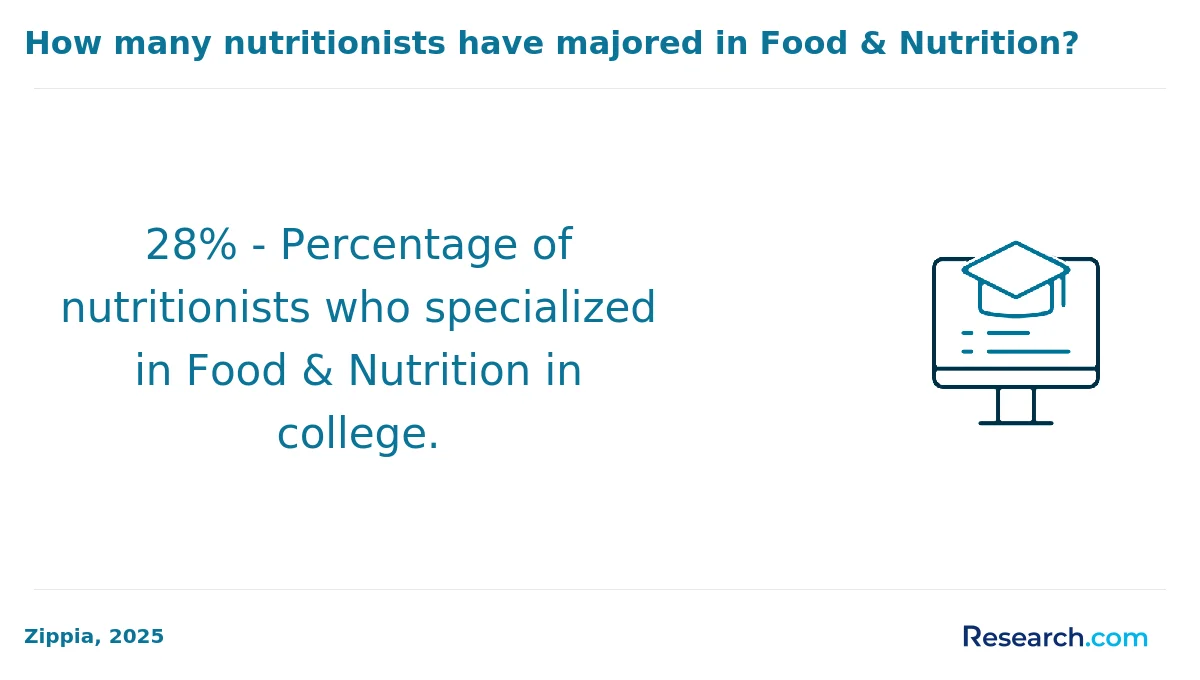
According to the Academy of Nutrition and Dietetics, approximately 90% of nutrition professionals hold a Registered Dietitian Nutritionist (RDN) credential, often requiring specific coursework that accredited online programs must include.
Before enrolling, students should review program accreditation status and curriculum details to ensure alignment with career licensing requirements in their state.
Online nutrition students in America often face challenges related to limited hands-on experience. Unlike traditional programs, virtual formats can restrict opportunities for practical labs and internships, which are essential for mastering nutritional assessments and counseling.
Another common difficulty is balancing coursework with personal and professional responsibilities. According to the National Center for Education Statistics, over 70% of online students are working adults, making time management critical but challenging.
Additionally, students may struggle with feelings of isolation due to reduced peer interaction and networking opportunities, which can impact motivation and academic success.
Access to up-to-date resources and reliable internet connectivity is also a concern, particularly for those in rural areas.
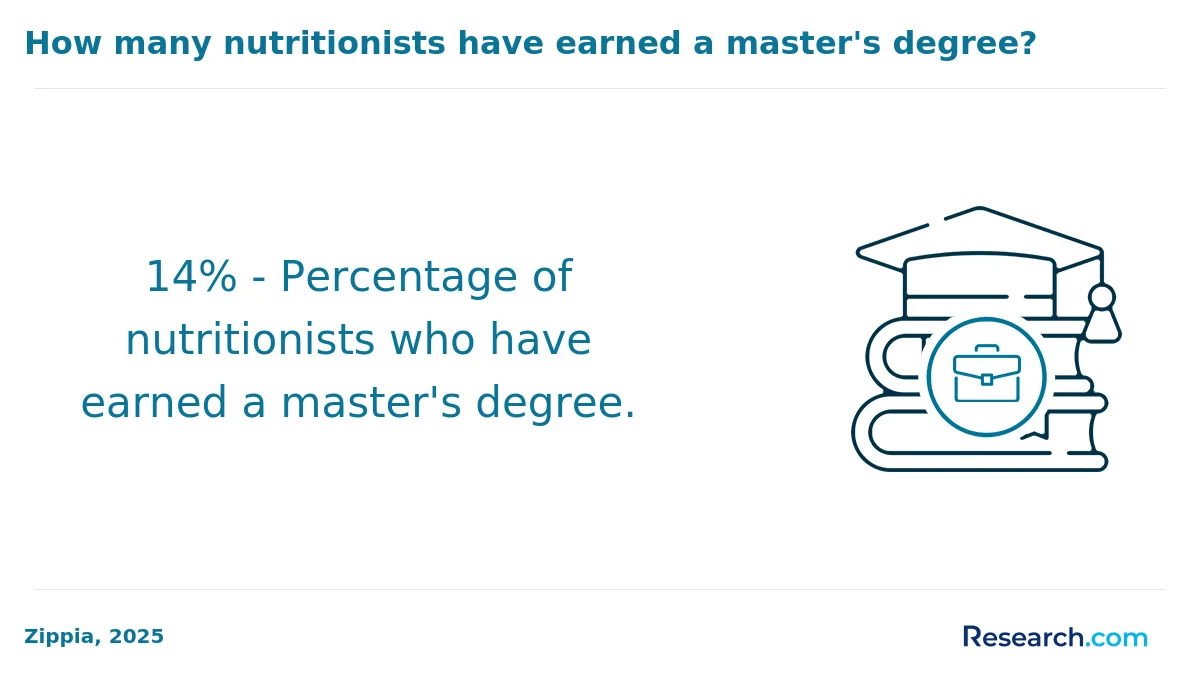
With an online nutrition degree in the United States, graduates can pursue several professional certifications to enhance their careers. The most recognized credential is the Certified Nutrition Specialist (CNS), awarded by the Board for Certification of Nutrition Specialists. This certification requires a master's or higher degree in nutrition and passing an exam. Another key certification is the Registered Dietitian Nutritionist (RDN), overseen by the Commission on Dietetic Registration. To become an RDN, graduates must complete accredited coursework and supervised practice. According to the Academy of Nutrition and Dietetics, over 75% of nutrition professionals hold the RDN credential, reflecting its importance in the field.
Writing a winning application for an online nutrition program in America involves clear communication of your passion and qualifications. Begin with a strong personal statement that highlights your motivation for studying nutrition and any relevant experience, such as work in health care or dietetics. Admissions committees look for candidates demonstrating an understanding of nutrition's impact on public health, especially given the 42.4% obesity rate reported by the CDC in 2017-2020.
Include transcripts showing solid academic performance in biology, chemistry, or health sciences. Many programs require prerequisite courses, so verify these early.
Strong letters of recommendation from academic or professional references who can attest to your dedication and skills bolster your application. Finally, tailor your essays to address the specific focus or values of each program, showing your research and commitment to that school's approach.
The nutrition field is growing rapidly worldwide, reflecting increasing global health concerns. In the United States, nutrition careers benefit from strong demand, with the Bureau of Labor Statistics projecting a 11% job growth for dietitians and nutritionists from 2022 to 2032. This growth is partly due to rising chronic diseases and consumer interest in wellness. Internationally, nutrition professionals also play a vital role in addressing malnutrition and public health challenges. The rise of online nutrition degrees in the US offers accessible pathways for students to join this important global workforce while meeting American credential standards.
Gaining practical experience while studying for an online nutrition degree in America is essential for developing real-world skills. Many programs include supervised internships or practicum hours, often required for Registered Dietitian Nutritionist (RDN) eligibility through the Commission on Dietetic Registration (CDR).
Students can seek remote or local volunteer opportunities in hospitals, community health centers, or wellness programs to build hands-on knowledge. According to the Academy of Nutrition and Dietetics, 90% of accredited programs incorporate experiential learning components.
Additionally, virtual workshops and case study simulations offered by universities help students apply theoretical knowledge in practical scenarios, enhancing readiness for professional certification exams.
Choosing the right concentration within an online nutrition degree program in America depends on your career goals and interests. Common specializations include dietetics, clinical nutrition, public health nutrition, and sports nutrition. According to the Academy of Nutrition and Dietetics, over 70% of nutrition professionals work in clinical or community settings, which may influence your choice.
Consider job outlooks: the U.S. Bureau of Labor Statistics projects a 11% growth for dietitians and nutritionists from 2022 to 2032, highlighting strong demand. If you want to work in healthcare, a dietetics concentration with regulated coursework and supervised practice is essential to become a Registered Dietitian Nutritionist (RDN).
Evaluate program accreditation, such as by the Accreditation Council for Education in Nutrition and Dietetics (ACEND). This ensures your degree meets national standards and supports licensure or certification, a critical factor for employment in many states.
Top Trending Nutrition Rankings
References
- My Journey as a nutrition student https://www.nhdmag.co.uk/blog/How-on-earth-do-I-network-in-the-dietetics-community
- How Long Does It Take to Become a Nutritionist? https://becomeanutritionist.org/blog/how-long-does-it-take-to-become-a-nutritionist/
- Master's in Nutrition Prerequisites https://www.bridgeport.edu/news/masters-in-nutrition-prerequisites/
- Nutritionist - Salary, How to Become, Job Description & ... https://www.onlinedegree.com/careers/medical-healthcare/nutritionist/
- Nutrition Careers Guide 2026: Jobs, Salary & Education ... https://www.nutritioned.org/careers/
- Programs https://fanntx.org/programs
- Top Networking Opportunities For Private Practice Dietitians https://kalixhealth.com/top-networking-opportunities-for-private-practice-dietitians/
- How Much Does a Nutritionist Earn in the UK? https://www.thenutritioninstitute.com/uk/en/blog-salary
- A Complete Guide to Careers in Nutrition, Health and ... https://www.futuresmartcareers.co.uk/blog/a-complete-guide-to-careers-in-nutrition-health-and-wellness/
- Online Nutrition Degrees with Financial Aid https://www.edumed.org/online-schools/nutrition-degrees/financial-aid/


