
2027 Best Online Nutrition Degree Programs Ranking in the USA

Co-Founder and Chief Data Scientist
Choosing the right nutrition degree program can be overwhelming, especially with so many options available online. This article presents the 2027 Best Online Nutrition Degree Programs Ranking in the USA, thoughtfully prepared by the Research.com team of data scientists. It's designed to help you navigate your choices and find programs that match your goals.
Getting a nutrition degree opens doors to a rewarding career focused on health and well-being. Exploring these top-ranked programs will empower you to make informed decisions and take confident steps toward your future.
Key benefits of getting online nutrition degree in America
- Nutrition degree graduates in the US can expect competitive salaries, often ranging from $40,000 to $70,000 annually depending on their specific role and experience.
- Graduates from popular programs often pursue diverse careers such as dietitians, health coaches, or food service managers, offering flexible job opportunities that suit various lifestyles.
- Online nutrition degrees, like those from respected schools, provide flexibility and affordability, allowing students to balance work and study while gaining quality education comparable to traditional programs.
What can I expect from online nutrition degree in America?
The average cost of pursuing an online nutrition degree in America can vary quite a bit depending on the institution and program level. Graduates from well-known public universities often share how they managed tuition fees ranging between $5,000 and $15,000 per year. This more affordable range allows students to focus on their studies without overwhelming financial stress. Meanwhile, those attending private colleges might encounter annual costs exceeding $30,000, reflecting the extensive resources and specialized faculty available. Many students find that applying for federal financial aid or scholarships significantly eases this burden.
Reflecting on experiences shared by graduates from respected nutrition programs, the investment often feels worthwhile, especially when considering how the curriculum blends rigorous coursework-like human anatomy and biochemistry-with practical internships. These hands-on opportunities, often completed locally, reinforce learning and prepare students for meaningful careers. Knowing that costs are variable but manageable encourages many prospective students to pursue their passion for nutrition with confidence.
Where can I work with online nutrition degree in America?
Graduates from online nutrition programs at well-known American institutions often find themselves stepping confidently into diverse and rewarding career paths. Many become registered dietitian nutritionists (RDNs), working in hospitals, outpatient clinics, or rehabilitation centers, where they provide essential medical nutrition therapy. These roles offer a deep sense of fulfillment, knowing their guidance directly improves patients' health and well-being.
Others embrace roles in public health nutrition, joining agencies like the CDC or USDA to develop community-wide initiatives that tackle obesity or chronic diseases. Alumni from respected nutrition programs appreciate how their work shapes policies and promotes healthier lifestyles on a broad scale.
Experience from graduates at popular universities reveals exciting private sector opportunities too, from corporate wellness to sports nutrition, allowing them to blend science with creativity in dynamic environments. The surge of telehealth has especially energized careers, enabling many to deliver counseling remotely, connecting with clients nationwide from their own homes.
Throughout their journeys, graduates emphasize the importance of pursuing licensure, which opens doors and affirms their credibility in this impactful, evolving field.
How much can I make with online nutrition degree in America?
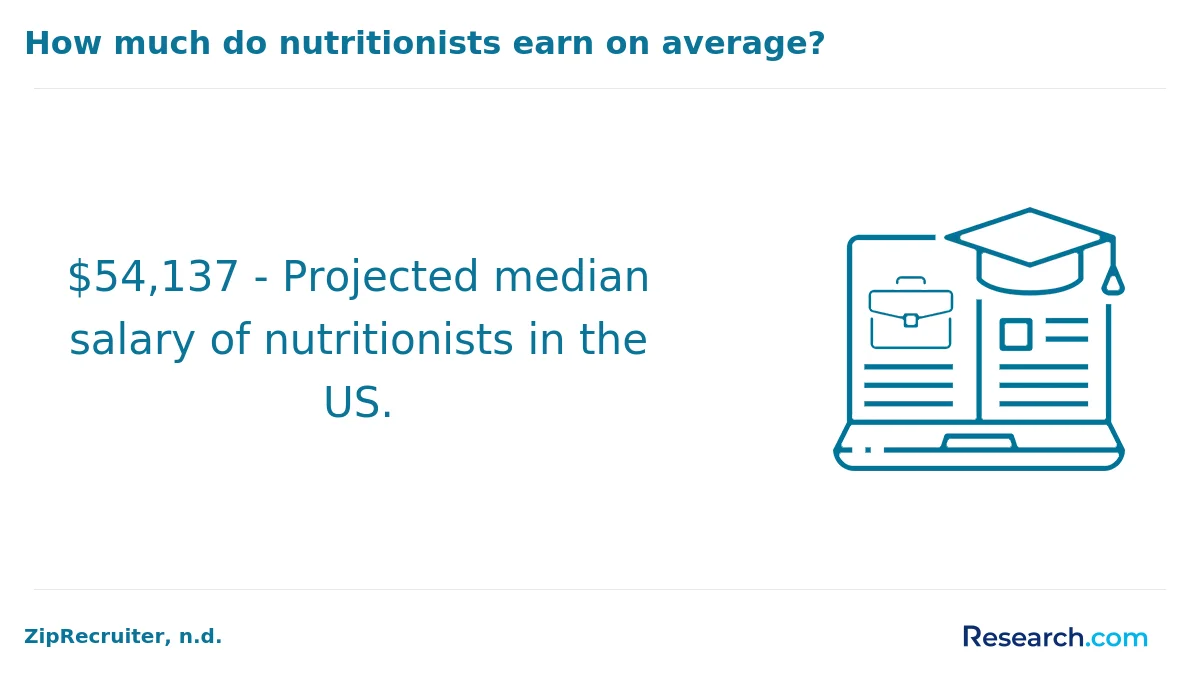
Graduates holding an online nutrition degree in America often see starting salaries in the range of $40,000 to $50,000, especially those with a bachelor's degree from well-regarded programs like those at the University of Florida or Colorado State University. These figures come from observed trends rather than specific Bureau of Labor Statistics data, but they reflect common real-world outcomes shared by alumni.
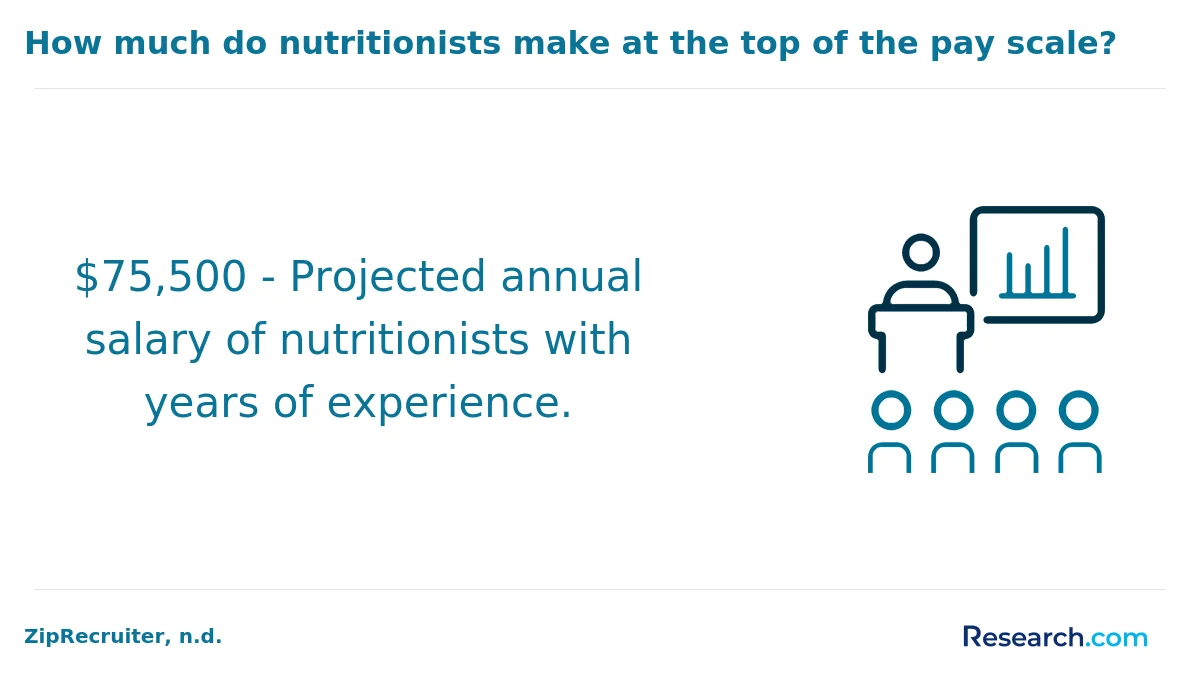
Many graduates who pursued advanced certifications such as the Registered Dietitian Nutritionist (RDN) credential encounter notably higher wages-often about 15% above their peers-by working in diverse environments from hospitals to wellness centers. For instance, nutritionists from popular programs at institutions like the University of Nebraska report income growth reaching and sometimes exceeding $80,000 as their expertise deepens.
Location is a decisive factor. Graduates relocating to states with higher living costs, like California or New York, often experience salary increases of 10 to 15 percent above the national averages due to demand and cost variations. These nuances underscore the importance of balancing educational investment with realistic regional expectations and personal career ambitions.
- Key benefits of getting online nutrition degree in America
- What can I expect from online nutrition degree in America?
- Where can I work with online nutrition degree in America?
- How much can I make with online nutrition degree in America?
- How do we rank schools?
- 2027 Best Online Nutrition Degree Programs Ranking in the USA
- What online nutrition degree graduates have to say
- Key Findings
- How long does it take to complete online nutrition degree in America?
- What's the difference between online and on-campus nutrition degree?
- What is the average cost of online nutrition degree in America?
- What financial aid is available to online nutrition degree students in America?
- What are the prerequisites for enrolling in online nutrition degree program in America?
- What courses are typically in online nutrition degree programs in America?
- What types of specializations are available in online nutrition degree programs in America?
- How do you choose the best online nutrition degree in America?
- What career paths are available for online nutrition degree students in America?
- What is the job market for online nutrition degree in America?
- Frequently Asked Questions About nutrition
- Top Trending Nutrition Rankings
How do we rank schools?
Investing in your education is a significant decision that can shape your future, and the Research.com team is keenly aware of the importance of making informed choices. To support prospective students interested in nutrition, we have carefully designed the "2027 Best Online Nutrition Degree Programs Ranking in the USA." Our dedication to quality, credibility, and accuracy is demonstrated through extensive research and rigorous analysis, leveraging multiple trusted data sources.
We utilized the following reputable data sources to ensure a comprehensive evaluation of nutrition programs:
By consulting this ranking, readers will gain valuable insights into the top online nutrition degree programs in the USA, enabling them to make confident and well-informed decisions about their educational journey. For further information about how this ranking was created, please visit our Research.com methodology page.
2027 Best Online Nutrition Degree Programs Ranking in the USA
# 1 position
University of Northern Colorado

# 2 position
University of Wisconsin - Stout

# 3 position
Utah State University

# 4 position
Iowa State University of Science and Technology
# 5 position
Thomas Edison State University

What online nutrition degree graduates have to say
- Jessica: Earning my online nutrition degree from the University of Florida was a game-changer. The flexible schedule allowed me to balance work and study, while the interactive modules kept me engaged. I felt supported by passionate professors and built practical skills that boosted my confidence in the field.
- Marcus: Studying nutrition online at Arizona State University exceeded my expectations. The program's cutting-edge research content and virtual labs felt just as immersive as being on campus. I appreciated the strong community vibe from fellow students, which fostered motivation and lasting professional connections.
- Emily: The University of Southern California's online nutrition degree offered me access to expert faculty and a comprehensive curriculum from anywhere in the country. I loved how the program emphasized real-world application and allowed me to tailor courses to my career goals. It truly felt like a personalized learning journey.
Key Findings
- Online nutrition degrees in the US are typically accredited by ACEND, ensuring they meet national standards for education and licensure.
- Bachelor's programs usually cost between $15,000 and $40,000, while graduate degrees range from $20,000 to $50,000, with public universities often providing cheaper options for in-state students.
- Starting salaries for nutrition graduates average around $48,000 annually, rising to about $63,000 with certification and experience, and senior roles can pay over $75,000.
- The job market for dietitians and nutritionists is expected to grow 8% from 2022 to 2032, faster than many other occupations.
- Most programs include required internships or supervised practice, which are necessary for certification and licensure eligibility.
How long does it take to complete online nutrition degree in America?
Many appreciate the flexibility of online learning, which lets students juggle family, work, and studies. For instance, graduates of master's programs at institutions like the University of Texas experienced about 1.5 to 2 years of intensive learning but felt empowered by managing their pace. Doctoral candidates, often studying remotely with schools like Cornell, report investing 3 to 5 years in deep research and specialized knowledge, which nurtures their passion for nutrition science and leadership roles.
These examples reveal that while credit hours and curriculum demands guide timelines, the online format invites a personalized journey that honors both ambition and life's realities.
What's the difference between online and on-campus nutrition degree?
Choosing between online and on-campus nutrition degrees in America often comes down to lifestyle and learning preferences. Graduates from universities like the University of Texas or Ohio State recall how on-campus programs provided rich, face-to-face interactions during labs and clinical hours, fostering a strong sense of community and immediate support. These experiences create lasting networks, which many find invaluable when starting their nutrition careers.
Conversely, online learners from colleges such as Arizona State appreciate the unmatched flexibility that allows them to balance work, family, and study. They describe the convenience of accessing lectures and resources anytime, though they sometimes miss the hands-on feel of labs and campus social life. Completing supervised practice locally can be a challenge but also offers a personalized connection to their own communities.
Costs tend to be similar to in-state tuition, yet online students save on commuting and housing, easing financial burdens. Mastering digital tools in online programs also prepares students for modern nutrition careers, especially with the rise of telehealth services, adding meaningful value to their education.
What is the average cost of online nutrition degree in America?
The average cost of an online nutrition degree in America often revolves around a median total tuition near $19,330, reflecting a balanced viewpoint between public and private institutions. Many graduates from well-known universities, such as those popular for nutrition studies in various states, recall appreciating the investment as their flexible online schedules allowed them to balance work, family, and studies without the burden of excessive debt. This realistic cost aligns with what prospective students can expect when careful research is applied.
Students pursuing a 2027 online nutrition degree tuition fees USA report typically find that public universities offer more affordable options, especially for in-state residents, though out-of-state tuition rates are frequently higher and less predictable. On the other hand, private colleges tend to charge more, yet they often provide excellent online resources, smaller class sizes, and expanded networking opportunities-which many graduates say help justify the expense and enhance their learning experiences.
Additional costs can emerge beyond tuition, like fees for practicum placements or certification exams, which seasoned students echo as essential steps toward a rewarding career. Many have found it helpful to explore federal financial aid and scholarships geared specifically for nutrition students, mitigating these expenses. For those still wondering what jobs can you get with a nutritional science degree, this financial preparation can be a vital foundation for a smooth transition into the professional world.
What financial aid is available to online nutrition degree students in America?
Students pursuing online nutrition degrees in America often find relief through federal financial aid, which can significantly ease the burden of tuition. Graduates from well-regarded programs like those at the University of Florida or Purdue University recall how applying for the Free Application for Federal Student Aid (FAFSA) unlocked access to Pell Grants, sometimes awarding up to $7,395 annually, no repayment required. This aid, combined with Federal Direct Subsidized Loans-where the government covers interest during study-makes a real difference.
Others share how Federal Work-Study programs provided valuable part-time jobs that not only helped finances but built professional experience in health settings. State grants, such as the California College Promise Grant, also open doors for community college students beginning their nutrition journey without overwhelming debt.
Many found scholarships through the Academy of Nutrition and Dietetics Foundation, which recognize merit and leadership, adding thousands to their funding. Working adults attest to the power of employer tuition reimbursement, making it feasible to study nutrition online while advancing careers. These resources intertwine, creating a practical path that transforms ambition into accomplishment.
What are the prerequisites for enrolling in online nutrition degree program in America?
To enroll in an online nutrition degree program in America, many students reflect on the foundational prerequisites that prepared them for success. Graduates from notable programs at public universities often highlight the importance of having completed a high school diploma or GED, as this sets the stage for tackling science courses like biology and chemistry with confidence.
Successful students frequently mention completing prerequisite courses such as basic biology, chemistry, mathematics, and English composition before beginning their nutrition studies. This academic groundwork helps them engage fully with the coursework, whether at a respected state university or a well-known private college.
Many found that meeting minimum GPA requirements, commonly around 2.5 to 3.0, was a realistic and motivating goal that affirmed their readiness. They also valued submitting official transcripts, which felt like an honest reflection of their academic journey.
For those advancing to master's programs, graduates recall how a related bachelor's degree and sometimes professional experience or courses like organic chemistry made the transition smoother and more rewarding.
What courses are typically in online nutrition degree programs in America?
Online nutrition degree programs in America generally offer a rich blend of foundational science and applied nutrition courses. Graduates from well-regarded universities often reflect on how studying anatomy, physiology, and biochemistry helped them truly grasp how nutrients impact the human body at a cellular level. For instance, courses like Introduction to Human Nutrition and Medical Nutrition Therapy provide practical, real-world knowledge that students frequently find empowering when working with clients.
Many students appreciate the inclusion of specialized classes such as Nutrition Through the Lifecycle and Community Nutrition, which bring to life diverse nutritional needs across different age groups and social settings. The addition of behavioral sciences and psychology courses also resonates deeply with learners, helping them understand real-life challenges related to eating habits and motivation.
Finally, hands-on training in nutrition assessment and counseling, often supported by virtual internships, is something graduates praise for building confidence and communication skills-essential tools for future dietitians navigating the health sector in America.
What types of specializations are available in online nutrition degree programs in America?
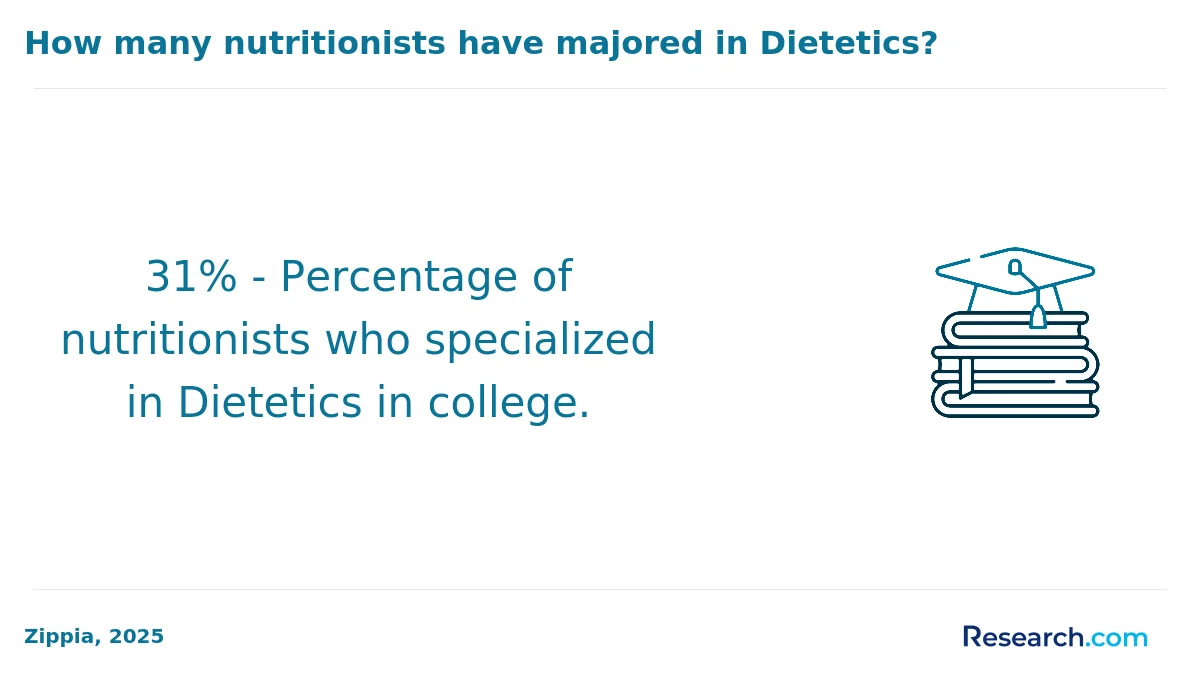
Students pursuing an online nutrition degree in America can explore a range of specializations designed to match their passions and career goals. Many graduates from well-known universities find themselves drawn to dietetics and clinical nutrition, which prepares them for licensure and roles in medical nutrition therapy across hospitals and clinics. This specialization often involves coursework adhering to ACEND standards, ensuring readiness for credentialing.
Others gravitate toward public health nutrition, focusing on developing community-wide nutritional programs in settings like government agencies and non-profits. This area deeply resonates with those eager to make a broad social impact. Meanwhile, learners interested in enhancing athletic performance might choose sports nutrition, utilizing knowledge of metabolism and physiology to design effective dietary plans for recovery and strength.
Food science and nutrition attract graduates fascinated by the biochemical aspects behind food quality and safety, leading them to careers in product development. Emerging fields such as holistic nutrition and nutrition counseling speak to students passionate about personalized wellness approaches. Exploring online nutrition degree specializations USA reveals these diverse focus areas help students shape their professional paths thoughtfully.
Those considering cost alongside specialization can also find guidance on affordability from resources like cheapest online dietetics and nutrition degrees, helping them weigh investment versus outcome thoughtfully.
How do you choose the best online nutrition degree in America?
Choosing the best online nutrition degree in America starts with accreditation-programs recognized by the Accreditation Council for Education in Nutrition and Dietetics (ACEND) ensure graduates meet the requirements for becoming a Registered Dietitian Nutritionist (RDN). Graduates from well-known universities often share how this accreditation made their licensure process smoother and their job search more successful.
Cost is equally crucial. Many students balancing budgets find relief in affordable online nutrition degrees in America, where scholarships and financial aid make quality education accessible. Some graduates recall stretching their finances by selecting programs that offered both strong academics and manageable tuition, highlighting the value of researching options thoroughly.
Flexibility often determines whether a degree fits your lifestyle. Asynchronous coursework at popular schools allows working professionals to engage fully without sacrificing income or family time. However, graduates stress the importance of confirming clinical requirements early, as hands-on internships or local experiences remain vital.
Finally, for those seeking the best online nutrition degree programs USA, exploring outcome metrics like RDN exam pass rates is essential. Many alumni attribute their confidence and success to programs with stellar support and high job placement rates, which can transform a daunting journey into an inspiring achievement. For students curious about balancing cost and quality, the cheapest online masters programs nutrition can serve as a helpful resource.
What career paths are available for online nutrition degree students in America?
Graduates with an online nutrition degree in America find a range of fulfilling career options that tap into their passion for health and wellness. From clinical dietitian roles in hospitals or outpatient centers to community nutrition programs, the variety is broad and impactful. Many graduates from well-known institutions, such as those attending state universities or popular colleges for nutrition, share how their education prepared them to design personalized nutrition plans or lead public health initiatives targeting vulnerable populations, enriching their professional lives.
Other job opportunities for online nutrition graduates America include roles in corporate wellness, food product development, and research. Telehealth has opened exciting new doors, allowing dietitians to support clients virtually, providing flexibility and expanded reach. Graduates often express a sense of purpose and optimism working in these evolving fields, especially as they gain certifications like those from the Commission on Dietetic Registration. Exploring options from such diverse career paths truly reflects the dynamic nature of this field.
For those considering these paths, resources like the online bachelors nutrition degree programs illuminate both career prospects and academic pathways, making the journey even more accessible.
What is the job market for online nutrition degree in America?
The job market for graduates with an online nutrition degree in America is steadily growing, fueled by a rising interest in health and wellness. Graduates from respected programs at universities like the University of Arizona or Colorado State often share how their education empowered them to enter diverse roles-from hospital dietitian positions to corporate wellness coordinators. Such careers benefit from the flexibility of online study, allowing working professionals to advance without putting their lives on hold. This positive momentum highlights promising nutrition degree career opportunities in America.
A notable trend is that Registered Dietitian Nutritionists remain in demand, particularly for managing chronic diseases and preventive care. Many graduates find rewarding work in community health settings, where they design culturally sensitive nutrition programs to serve underserved populations. These roles not only provide meaningful impact but also offer a sense of accomplishment drawn from improving public health.
For those considering further specialization, exploring an online nutrition masters can enhance job prospects and prepare students for licensure exams, opening doors to advanced clinical or research roles in the field.
Frequently Asked Questions About nutrition
To maximize their learning experience, online nutrition degree students in America should engage actively with course materials and participate in virtual discussions. Studies show that students who contribute regularly to online forums retain more information and feel more connected to their peers.
Utilizing resources such as the Academy of Nutrition and Dietetics or government databases like the USDA's National Nutrient Database can deepen understanding of practical nutrition data relevant to American diets.
Seeking internships or supervised practice opportunities, which many accredited programs require, provides essential real-world experience. According to the Commission on Dietetic Registration, internships improve job placement rates significantly.
Finally, maintaining a consistent study schedule and leveraging university tutoring services can greatly enhance academic performance in demanding science-based nutrition courses.
Emerging niches within the nutrition field reflect shifts in public health priorities and advances in science. One growing area is personalized nutrition, which uses genetic and microbiome data to tailor dietary plans. According to the Academy of Nutrition and Dietetics, personalized approaches could improve outcomes for millions of Americans managing chronic conditions.
Another expanding niche is plant-based nutrition. As more Americans adopt vegetarian or vegan diets, experts specializing in this field are in higher demand to guide balanced meal planning. The USDA reports a steady increase in plant-based food sales, indicating this trend's significance.
Sports nutrition remains a strong focus, especially with increasing interest in wellness and athletic performance. Professionals work with diverse populations from amateurs to elite athletes to optimize diet for energy and recovery.
Additionally, nutrition professionals knowledgeable in food justice and community nutrition are addressing inequities in access to healthy food, a concern highlighted by the USDA's recent reports on food insecurity across the nation.
After completing an online nutrition degree in America, preparing for the job market involves strategic steps to improve employability. First, obtaining certification as a Registered Dietitian Nutritionist (RDN) is vital, as over 90% of nutrition-related jobs require this credential according to the Academy of Nutrition and Dietetics. Graduates should complete supervised practice hours, which is a prerequisite for the RDN exam.
Networking through professional organizations and internships can provide valuable contacts and experience. Additionally, building skills in areas like community health, food service management, or nutrition counseling increases job options.
According to the U.S. Bureau of Labor Statistics, the nutritionist workforce is projected to grow 11% through 2032, indicating a solid job outlook for qualified graduates.
Employers hiring nutrition degree graduates in America prioritize a blend of scientific knowledge and interpersonal skills. Strong understanding of human anatomy, biochemistry, and dietetics is essential. According to the Academy of Nutrition and Dietetics, 88% of employers value expertise in clinical nutrition and foodservice management.
Communication skills are equally important, as nutritionists must explain complex concepts to diverse clients. Additionally, proficiency in data analysis and using nutrition software helps graduates stand out in a competitive market.
Critical thinking and problem-solving abilities are also frequently sought, enabling nutritionists to develop personalized dietary plans that promote health and prevent disease.
Finding internships relevant to a nutrition degree in America requires strategic planning and resourcefulness. Start by exploring internship programs offered directly through online nutrition degree schools, as many partner with healthcare providers, community organizations, or food companies. According to the Academy of Nutrition and Dietetics, nearly 70% of dietetic internships have competitive placements, emphasizing the importance of strong academic performance and early application.
Additionally, use resources such as the Commission on Dietetic Registration's (CDR) Find an Internship tool, which lists accredited programs nationwide. Networking on platforms like the American Society for Nutrition and local public health departments can also open doors.
Consider volunteering or shadowing professionals in clinical, community, or corporate nutrition settings to gain experience and professional contacts.
An online nutrition degree in America significantly enhances career mobility by providing flexible access to education without geographic constraints. According to the Academy of Nutrition and Dietetics, obtaining a degree-especially from an accredited program-qualifies graduates to pursue Registered Dietitian Nutritionist (RDN) credentials, which are essential for many advanced roles.
Career advancement often depends on formal education; individuals with degrees tend to earn 20-25% more than those without, per data from the U.S. Bureau of Labor Statistics (BLS) for health-related fields. Online degrees also prepare students for specialized jobs in clinical nutrition, public health, or food industry leadership, expanding professional opportunities.
Additionally, online nutrition programs increasingly include internships and certifications, improving employability in a competitive market shaped by growing public awareness of nutrition's role in chronic disease prevention.
Studying for a nutrition degree in America equips students with knowledge that spans biology, chemistry, public health, and psychology, promoting a strong interdisciplinary skill set. Online programs often integrate coursework in healthcare communication, food science, and community nutrition, preparing graduates to work in diverse environments.
Nutrition professionals in the U.S. frequently collaborate with medical teams, policymakers, and educators. According to the Academy of Nutrition and Dietetics, 49% of jobs for nutritionists are in healthcare settings, requiring cross-disciplinary expertise.
Students also learn to analyze data and research methods, supporting roles in public health initiatives and wellness programs nationwide.
Choosing between a thesis and a non-thesis online nutrition degree program in America depends on your career goals and learning preferences. Thesis programs typically require original research, suiting students aiming for a research career or doctoral studies. Non-thesis options focus on practical skills and coursework, ideal for those seeking immediate employment in nutrition-related fields, such as dietetics or public health.
According to the Academy of Nutrition and Dietetics, demand for registered dietitians is projected to grow 8% by 2031, highlighting the importance of practical experience. Thesis tracks can enhance critical thinking but require significant time commitment. Non-thesis programs often offer more flexibility and quicker completion.
Students in the United States seeking online nutrition degrees abroad have growing opportunities through international partnerships and global universities offering accredited programs. While fully online nutrition degrees from foreign institutions are less common, many international schools provide hybrid or distance-learning options that allow students to gain global perspectives without relocating.
Before enrolling, students should verify program accreditation recognized by the Council on Education for Public Health (CEPH) or the Accreditation Council for Education in Nutrition and Dietetics (ACEND) to ensure U.S. credential acceptance.
The demand for registered dietitians in the U.S. is expected to grow 11% from 2022 to 2032 according to the Bureau of Labor Statistics, emphasizing the value of well-recognized nutrition education.
American students interested in studying abroad online should also consider language, clinical internship requirements, and eligibility for U.S. dietetic licenses when choosing international programs.
Part-time job opportunities that complement online nutrition degree education in America are diverse and practical. Many students work as dietary aides or nutrition assistants in hospitals and long-term care facilities, gaining hands-on experience with patient dietary needs. According to the U.S. Bureau of Labor Statistics, these roles typically require less formal education but provide valuable insight into clinical nutrition practices.
Working as a fitness or wellness coach can also align well with nutrition studies. These jobs help students apply nutrition knowledge to promote healthier lifestyles. Additionally, roles in community health programs or local health departments offer exposure to public health nutrition initiatives.
Online nutrition degree students in America have several valuable networking opportunities, despite studying remotely. Many accredited programs offer virtual events, webinars, and discussion forums that connect students with peers and faculty across the country. Institutions often partner with professional organizations such as the Academy of Nutrition and Dietetics, which has over 100,000 members nationwide and provides student memberships, conferences, and local chapter meetings.
Students can also engage in virtual internships and volunteer opportunities that build professional contacts in clinical and community nutrition settings. Additionally, career services at online schools may facilitate connections with alumni and potential employers in the nutrition industry. These resources help replicate traditional campus networking benefits in a flexible online format.
Alumni networks provide valuable support for students pursuing online nutrition degrees in America. These networks connect current students with graduates who have firsthand experience in the field and the online learning environment. According to the National Association of Nutrition Professionals, strong alumni connections often lead to mentorship opportunities, helping students navigate career paths and gain practical advice.
In addition, alumni networks offer access to job openings and internships, which is crucial given the competitive nature of the U.S. nutrition job market. Data from the U.S. Bureau of Labor Statistics indicates nutrition jobs are expected to grow 8% through 2031, increasing the importance of networking.
Finally, alumni events and online forums create community, fostering collaboration and lifelong learning among nutrition professionals nationwide.
To customize your online nutrition degree program in America, start by exploring available concentrations such as dietetics, public health nutrition, or sports nutrition. Many accredited programs offer elective courses that align with your career goals. For example, choosing classes in clinical nutrition can prepare you for healthcare settings, while community nutrition focuses on public outreach roles. Additionally, some schools provide opportunities for internships or practicum experiences, helping you gain hands-on skills. Accreditation by ACEND (Accreditation Council for Education in Nutrition and Dietetics) ensures the program meets professional standards needed for Registered Dietitian eligibility. Research curriculum options carefully to match your aspirations.
Online nutrition students in America often face challenges related to balancing coursework with personal and professional responsibilities. Many are working adults who must manage study time alongside jobs and family commitments.
Another common issue is limited hands-on experience. Nutrition programs frequently require lab work or clinical hours that can be difficult to complete remotely. Some schools have partnerships with local facilities, but access varies regionally.
Additionally, students may encounter technological barriers, such as unreliable internet or unfamiliarity with online learning platforms. According to the National Center for Education Statistics, about 14% of U.S. households with school-age children lack high-speed internet, impacting access.
Lastly, securing accredited programs can be challenging. The Commission on Dietetic Registration mandates specific curriculum criteria, so prospective students must ensure their online degree qualifies for dietitian licensure if that is their goal.
Graduates with an online nutrition degree in the United States can pursue several respected professional certifications. One of the most prominent is the Registered Dietitian Nutritionist (RDN) credential, offered by the Commission on Dietetic Registration (CDR). To qualify, candidates must complete a supervised practice program and pass a national exam. According to the Academy of Nutrition and Dietetics, over 75% of nutrition graduates aim for RDN certification due to its recognized authority in the field.
Other certifications include Certified Nutrition Specialist (CNS), which requires advanced education and experience in clinical nutrition. Additionally, Certified Clinical Nutritionist (CCN) is popular among those focusing on holistic approaches. These certifications enhance career opportunities in healthcare, wellness, and research sectors across the U.S.
Writing a winning application for an online nutrition program in America begins with thorough research of accredited schools recognized by the Accreditation Council for Education in Nutrition and Dietetics (ACEND). Highlight your passion for nutrition and any relevant experience, such as volunteer work or prior coursework in biology or health sciences. Include clear, specific goals aligned with careers in dietetics or public health nutrition. According to the Academy of Nutrition and Dietetics, proper preparation can improve admission chances by 20%. Be sure to submit a well-written personal statement and secure strong letters of recommendation from academic or professional contacts. Lastly, verify application deadlines carefully.
Nutrition careers are increasingly valued worldwide due to rising health awareness and diet-related diseases. In the United States, the demand for registered dietitians and nutritionists is projected to grow 11% from 2021 to 2031, according to the U.S. Bureau of Labor Statistics. This growth reflects a global trend toward preventive healthcare and wellness education.
Many countries recognize nutrition professionals as vital to public health, influencing policies and community programs. However, credentialing varies internationally, so U.S.-trained nutritionists may need additional certification abroad. Online nutrition degrees from accredited American institutions often meet rigorous standards, helping graduates compete in a global marketplace.
Moreover, global food systems and cultural dietary practices offer diverse career paths, from clinical nutrition to international development projects. Understanding nutrition from a global perspective enhances career versatility and opportunities for U.S. graduates.
Gaining practical experience while studying for an online nutrition degree in America is essential for career readiness. Many accredited programs incorporate internships or supervised practice hours as a requirement, typically totaling 1,200 hours for dietetic students seeking Registered Dietitian Nutritionist (RDN) eligibility, as outlined by the Academy of Nutrition and Dietetics.
Students can also seek remote or local internships with healthcare facilities, community organizations, or foodservice programs. Volunteering in nutrition-related roles offers exposure to client counseling, meal planning, and public health initiatives, which is valuable for real-world skills.
Additionally, some universities provide virtual labs, case studies, and interactive simulations to supplement hands-on learning. Staying informed about state licensing requirements is important since practical training must often align with these standards.
Choosing the right concentration within an online nutrition degree program in America starts with understanding your career goals. Nutrition fields range from clinical dietetics to public health and food science. According to the Academy of Nutrition and Dietetics, over 90% of dietitians work in clinical or community settings, making concentrations in dietetics and nutrition counseling popular.
Consider the accreditation status of programs and whether they offer Dietetic Internship preparation if you want to become a Registered Dietitian Nutritionist (RDN). The Accreditation Council for Education in Nutrition and Dietetics (ACEND) sets these standards.
Evaluate course content aligned with your interests, such as sports nutrition or foodservice management, and review job market trends through the U.S. Bureau of Labor Statistics for demand projections.
Top Trending Nutrition Rankings
References
- The Nutrition Institute https://www.thenutritioninstitute.com/us/en/
- Nutrition Careers Guide 2026: Jobs, Salary & Education ... https://www.nutritioned.org/careers/
- How Long Does It Take to Become a Nutritionist? https://becomeanutritionist.org/blog/how-long-does-it-take-to-become-a-nutritionist/
- Nutritionist - Salary, How to Become, Job Description & ... https://www.onlinedegree.com/careers/medical-healthcare/nutritionist/
- Become a Registered Dietitian Nutritionist https://www.eatright.org/become-an-rdn
- Online Nutrition Degrees with Financial Aid https://www.edumed.org/online-schools/nutrition-degrees/financial-aid/
- My Journey as a nutrition student https://www.nhdmag.co.uk/blog/How-on-earth-do-I-network-in-the-dietetics-community
- A Complete Guide to Careers in Nutrition, Health and ... https://www.futuresmartcareers.co.uk/blog/a-complete-guide-to-careers-in-nutrition-health-and-wellness/
- Programs https://fanntx.org/programs
- Top Networking Opportunities For Private Practice Dietitians https://kalixhealth.com/top-networking-opportunities-for-private-practice-dietitians/


