2027 Most Valuable MBA Degree Programs Ranking in Buffalo

Co-Founder and Chief Data Scientist
Choosing the right MBA program can shape your future, especially here in Buffalo. This article introduces the 2027 Most Valuable MBA Degree Programs Ranking in Buffalo, developed by the Research.com team of data scientists. It's designed to help you make an informed decision about which programs offer the best value.
Reading this guide will give you clear insights into top programs and their benefits, helping you confidently invest in your education. Earning an MBA can open doors to new career opportunities and personal growth, making it a rewarding step forward.
Key benefits of getting MBA degree in Buffalo
- MBA graduates in Buffalo can expect competitive salaries around the national average for business roles, often ranging from $70,000 to $120,000 annually, reflecting strong earning potential.
- Career paths for MBA holders from local schools like the University at Buffalo include management, consulting, and entrepreneurship, offering diverse opportunities to grow and lead in various industries.
- Obtaining an MBA online from Buffalo State allows flexibility for working professionals and savings on commuting costs, making education more accessible without sacrificing quality.
- Key benefits of getting MBA degree in Buffalo
- What can I expect from MBA degree in Buffalo?
- Where can I work with MBA degree in Buffalo?
- How much can I make with MBA degree in Buffalo?
- 2027 Most Valuable MBA Degree Programs Ranking in Buffalo
- Key Findings
- How long does it take to complete MBA degree in Buffalo?
- What's the difference between online and on-campus MBA degree?
- Comparing MBA Programs Beyond Buffalo: Exploring National Opportunities
- What is the average cost of MBA degree in Buffalo?
- Return on Investment (ROI) Analysis for MBA Programs in Buffalo, NY
- What financial aid is available to MBA degree students in Buffalo?
- Return on Investment (ROI) of MBA Programs in Buffalo, NY
- What are the prerequisites for enrolling in MBA degree program in Buffalo?
- MBA Admissions and Interview Preparation
- What courses are typically in MBA degree programs in Buffalo?
- What types of specializations are available in MBA degree programs in Buffalo?
- How do you choose the best MBA degree in Buffalo?
- What career paths are available for MBA degree students in Buffalo?
- What is the job market for MBA degree in Buffalo?
- Top Trending MBA Rankings
What can I expect from MBA degree in Buffalo?
The average cost of an MBA degree in Buffalo is notably affordable compared to other metropolitan areas, with programs like the University at Buffalo's MBA typically ranging between $25,000 and $30,000 in tuition for in-state students. This moderate investment attracts many local professionals eager to advance their careers without the burden of excessive debt.
Graduates from the University at Buffalo and Buffalo State College often praise the value of their education, emphasizing how the lower cost allowed them to focus on gaining practical skills and networking rather than financial strain. The affordability combined with smaller class sizes creates a supportive environment where students feel personally connected to faculty and peers, fostering collaboration and confidence.
Many students appreciate how Buffalo's MBA programs balance cost and quality, enabling them to pursue leadership roles in growing industries such as healthcare and tech startups. These experiences often translate into successful job placements, making the financial commitment worthwhile and encouraging feelings of optimism regarding their future.
Where can I work with MBA degree in Buffalo?
MBA graduates from institutions like the University at Buffalo often find rewarding roles across Buffalo's dynamic economic sectors. Many pursue leadership positions in healthcare management, joining prominent employers such as Kaleida Health, where they apply strategic planning and operational expertise to improve patient services. Finance roles are equally accessible, with alumni thriving in firms like M&T Bank, utilizing skills in financial analysis and risk management to drive business success.
Graduates have also shared how manufacturing companies-Moog Inc. and Rich Products Corporation-value their capabilities in supply chain optimization and business development, offering career growth rooted in innovation and efficiency. The city's burgeoning technology sector inspires MBA holders to engage in entrepreneurship and product management, often supported by startup networks such as 43North.
Additionally, many find fulfilling careers in educational administration, benefiting from their strategic and budgeting experience at institutions like the University at Buffalo. These real-world opportunities epitomize how an MBA in Buffalo translates into diverse, impactful career paths tailored to individual ambitions and expertise.
How much can I make with MBA degree in Buffalo?
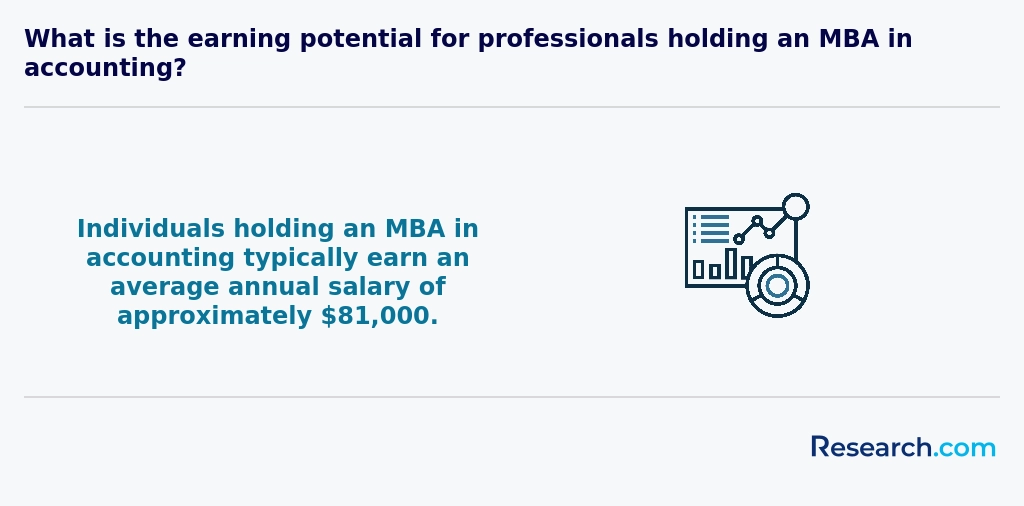
MBA graduates in Buffalo typically see a meaningful boost in earning potential compared to those holding only a bachelor's degree. Salaries commonly range between $75,000 and $110,000 annually, influenced by experience, industry, and specific role. For example, graduates from local institutions such as the University at Buffalo often secure positions in finance, marketing, or operations management with starting salaries around $65,000 to $80,000. As these alumni gain experience, mid-level managerial roles usually command salaries exceeding $90,000.
Senior MBA holders, especially those working in larger companies or specialized sectors like healthcare administration and technology, report earnings surpassing $120,000. These figures align with data from regional salary aggregators and local business reports. Many Buffalo MBA alumni appreciate that, while salaries may be slightly below national averages, the city's affordable living costs create a balanced financial advantage.
In addition to base salary, bonuses and profit-sharing opportunities contribute significantly to total compensation, notably in finance and sales careers. Recent graduates often describe securing roles that value their leadership skills, reflecting the strong market demand and lower unemployment rates for MBA holders in Buffalo.
2027 Most Valuable MBA Degree Programs Ranking in Buffalo
How do we rank schools?
Investing in your education is a significant decision that can shape your career and future, and the Research.com team is committed to helping you make well-informed choices. To support prospective students in Buffalo, we carefully developed the "2027 Most Valuable MBA Degree Programs Ranking in Buffalo." Our dedication to quality, credibility, and accuracy is evident in the thorough research and analysis behind this ranking.
We utilized the following reputable data sources to ensure a comprehensive evaluation of MBA programs:
By exploring this ranking, readers will gain valuable insights into the most valuable MBA programs in Buffalo, aiding them in making confident and strategic educational decisions. For more information about how this ranking was created, please visit our Research.com methodology page.


Key Findings
- The total cost of an MBA in Buffalo ranges from $30,000 to $60,000, with part-time and online programs usually more affordable than full-time private school options.
- Starting salaries for MBA graduates in Buffalo are between $65,000 and $75,000 per year, increasing to $110,000-$130,000 with experience.
- Key industries employing MBA graduates include healthcare, finance, manufacturing, and technology, along with opportunities in the growing startup scene.
- Many Buffalo MBA programs offer flexible schedules such as evening, weekend, and online classes to accommodate working professionals.
- Accreditation from Middle States Commission on Higher Education and AACSB is important for program quality and employment prospects.
How long does it take to complete MBA degree in Buffalo?
Completing an MBA degree in Buffalo typically requires between one and three years, depending on the program format and individual circumstances. Graduates from the University at Buffalo's School of Management often complete their full-time MBA in about two years, following a structured academic schedule with fall and spring semesters. This traditional timeline suits those able to commit fully to their studies and eager to advance their careers systematically.
For professionals balancing work and personal commitments, part-time MBA programs in Buffalo are a popular choice. These allow students to spread coursework over approximately three years, providing the flexibility to maintain employment while pursuing an advanced degree. Many local graduates appreciate this balance, describing the experience as manageable and rewarding without compromising career progress.
Accelerated MBA options, including online programs available at institutions like the University at Buffalo, offer completion in as little as one year. Although intensive, these fast-paced paths enable ambitious students to quickly enhance their business acumen and re-enter the job market with confidence, minimizing time away from income-generating activities.
What's the difference between online and on-campus MBA degree?
Choosing between an online and an on-campus MBA in Buffalo largely depends on your lifestyle and learning preferences. On-campus MBA students at institutions like the University at Buffalo experience immersive, face-to-face interactions with peers and professors, fostering strong local networks through events and career fairs. Many graduates appreciate the structured environment and access to campus resources, such as libraries and career centers, which support their academic and professional growth. Tuition for these programs averages around $26,800 annually for in-state students.
Conversely, online MBA programs offered by schools such as Canisius College provide flexibility ideal for working professionals or those with family commitments. Students can engage in asynchronous or live remote sessions, allowing study at a personalized pace. Graduates often highlight the convenience of avoiding commuting and housing costs, with tuition averaging approximately $24,000 per year in New York State, presenting a cost-effective alternative.
While online MBAs demand reliable technology and self-discipline, both formats deliver accredited, high-quality education tailored to equip Buffalo students with essential business leadership skills.
Comparing MBA Programs Beyond Buffalo: Exploring National Opportunities
When considering an MBA, it's essential to look beyond local opportunities and explore what other regions, such as New York, have to offer. For instance, researching valuable mba programs in new york can provide insights into the diverse range of specializations and career paths available. This comparative analysis can help prospective students make informed decisions about their educational investments, taking into account factors such as program reputation, alumni success, and financial outcomes. By examining various factors, students can find the best fit for their career aspirations and personal circumstances, whether that's in Buffalo, New York, or another location altogether.
What is the average cost of MBA degree in Buffalo?
The average MBA degree cost in Buffalo reflects both affordability and quality, offering a compelling value for local students. According to recent data, the median total cost for completing an MBA in Buffalo is approximately $46,520. For in-state students attending prominent institutions such as the University at Buffalo, this figure can be notably lower, at around $22,718. Graduates often remark on the balance between tuition costs and the comprehensive education they receive, which prepares them effectively for competitive business environments.
Buffalo MBA program tuition and fees tend to be more accessible compared to other U.S. metropolitan areas, especially for those living within New York State. Many students find that the cost-per-credit approach, approximately $700 per credit for in-state learners, aligns well with their financial planning. These expenses, alongside moderate living costs and reasonable additional fees, create a manageable financial profile for most. Alumni frequently share experiences of how the value of their degree outweighed the investment, emphasizing personalized support and strong local networking opportunities.
In addition to in-person programs, Buffalo's business schools offer various flexible formats, including part-time and online MBAs. Such options help reduce costs related to relocation and commuting while maintaining a strong educational standard. Prospective candidates interested in exploring the most valuable options can explore valuable mba programs in new york, which highlight institutions balancing cost and career outcomes effectively.
Return on Investment (ROI) Analysis for MBA Programs in Buffalo, NY
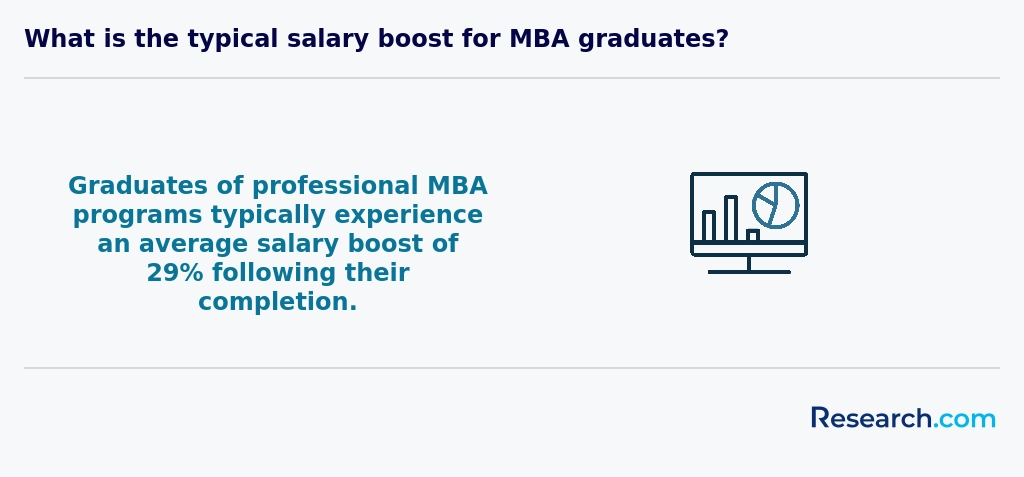
Assessing the return on investment (ROI) of an MBA program in Buffalo, NY involves comparing total costs against expected salary increases and career growth. On average, tuition and fees for local MBA programs range from $30,000 to $60,000, with additional expenses such as textbooks ($1,000–$2,000) and living costs. Graduates report starting salaries between $60,000 and $100,000, suggesting a payback period of two to four years for many full-time students. Calculating ROI: • Total Investment: Sum of tuition, fees, and living expenses over program duration. • Salary Lift: Difference between pre-MBA and post-MBA annual compensation. • Payback Period: Total Investment ÷ Salary Lift. For example, if total costs amount to $50,000 and a graduate’s salary increases by $20,000 annually post-MBA, the payback period is 2.5 years. Beyond direct earnings, consider intangible benefits such as leadership roles, networking, and career pivot opportunities, which can accelerate ROI. Comparing Formats: Full-time programs often yield faster payback but require foregoing income during study. Part-time or online MBAs allow continued employment, stretching costs over time but potentially extending the payback window. Prospective students seeking lower upfront investment may explore the Cheapest Online Master's in MBA Degree Programs Ranking in District of Columbia for insights on cost-effective online alternatives. Factors Influencing ROI: • Industry and Role: Finance and consulting roles typically offer higher salary lifts, shortening payback. • Employer Sponsorship: Tuition reimbursement programs can dramatically reduce net investment. • Scholarship and Aid: Merit and need-based awards lower total costs, improving ROI. By carefully evaluating these variables, Buffalo MBA candidates can make informed decisions that maximize long-term financial and professional returns.
What financial aid is available to MBA degree students in Buffalo?
MBA students in Buffalo can access a variety of financial aid options that significantly alleviate the cost burden. Graduates from the University at Buffalo's School of Management often highlight the impact of merit-based scholarships awarded for academic excellence and leadership, which reduce tuition by thousands annually. These scholarships require early applications but provide substantial relief.
Graduate assistantships are another valuable resource. Many Buffalo MBA candidates gain hands-on experience through research or teaching roles that come with stipends or tuition waivers, blending financial support with professional growth within their program.
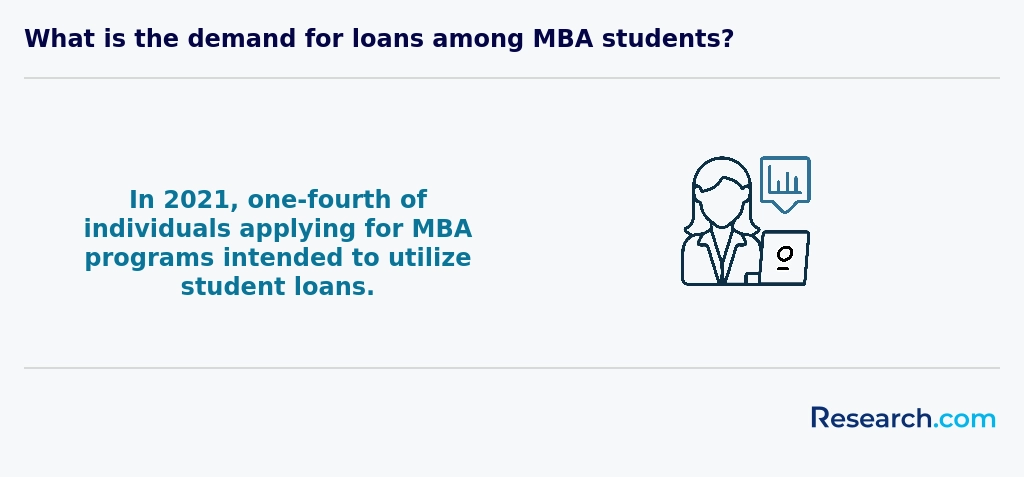
Federal financial aid through FAFSA also plays a role; while need-based grants are typically unavailable, access to Direct Unsubsidized and PLUS loans with competitive interest rates helps bridge funding gaps. Additionally, Buffalo-based employers frequently offer tuition reimbursement programs, enabling part-time or online MBA students to maintain employment while pursuing degrees.
External scholarships from organizations like the National Black MBA Association further expand opportunities, fostering a supportive environment for diverse candidates in Buffalo's MBA community.
Return on Investment (ROI) of MBA Programs in Buffalo, NY
Pursuing an MBA in Buffalo, NY, requires a careful analysis of costs versus post-graduation earnings to determine the true return on investment. Based on average tuition costs of $56,850 and typical annual salaries ranging from $70,000 to $100,000, most graduates recoup their investment within three to five years. Factoring in living expenses and opportunity costs, the net present value (NPV) of an MBA from institutions like the University at Buffalo or Niagara University remains positive, with internal rate of return (IRR) estimates exceeding 12%. To maximize ROI, prospective students should compare program costs, scholarship opportunities, and salary outcomes. For example, an in-state student paying under $10,000 per year at a public university may reduce their payback period by up to two years. Additionally, online MBA options can lower overall expenses by 25% compared to traditional programs. For those exploring the most budget-friendly online paths, see our Cheapest Online Master’s in MBA Degree Programs Ranking in District of Columbia for insights on cost-effective alternatives that still deliver strong career returns. Alumni surveys indicate that graduates entering high-demand fields such as consulting and finance often achieve salary increases of 30–50% within 12 months of graduation. Consequently, the average payback period for these specializations can shrink to under three years. Students targeting roles in healthcare management or technology management report similar ROI benefits, underscoring the value of aligning specialization choice with local industry trends. Ultimately, understanding the ROI of Buffalo MBA programs empowers prospective students to make data-driven decisions about their education. By weighing tuition, financial aid, and expected salary growth, candidates can select a program that not only fits their budget but also accelerates long-term career success.
What are the prerequisites for enrolling in MBA degree program in Buffalo?
To enroll in an MBA program in Buffalo, applicants must typically hold a bachelor's degree from an accredited institution, though this degree need not be in business. Graduates from the University at Buffalo's School of Management often recall their diverse academic backgrounds, which enriched classroom discussions and encouraged multifaceted problem-solving. Many MBA candidates provide standardized test scores such as the GMAT or GRE, but some programs in Buffalo offer waivers for those with strong academic records or substantial managerial experience, allowing seasoned professionals greater flexibility.
Professional experience is highly valued across Buffalo's MBA programs, with many requiring two to five years of work in relevant fields. Part-time and executive MBA students frequently share how their real-world insights deepened their learning and connected theory to practice effectively. Applicants must also submit a detailed application package, including official transcripts, recommendation letters, resumes, and personal statements outlining their career ambitions.
These prerequisites reflect Buffalo's commitment to creating a dynamic learning environment that blends academic rigor with practical expertise, fostering confident graduates ready to advance their careers.
MBA Admissions and Interview Preparation
Crafting a strong application is essential for securing a spot in a top MBA program. Prospective students should focus on refining their resumes, preparing for interviews, and articulating clear career goals in their personal statements. It is important to research each program thoroughly and tailor your application to reflect the unique strengths of the institution. Many candidates find it beneficial to participate in webinars, workshops, and MBA fairs to gain insights into the admissions process. Additionally, preparing for the interview involves practicing responses to common behavioral questions and demonstrating your leadership potential and industry knowledge. For those interested in fast-tracking their education, you might consider exploring the best accelerated mba degree program options available. Remember, a well-prepared application not only boosts your confidence but also increases your chances of joining a program that aligns with your professional aspirations.
What courses are typically in MBA degree programs in Buffalo?
MBA degree programs in Buffalo commonly include core courses that build essential skills in finance, marketing, management, and accounting. Graduates from well-regarded local institutions often highlight how courses in financial management provided them with practical budgeting and investment strategies directly applicable to their careers. Marketing classes dive deeply into consumer behavior and brand strategy, helping students develop the confidence needed to lead marketing campaigns in competitive markets.
Additionally, Buffalo's MBA curriculum offers a range of electives tailored to modern business demands. Popular options such as entrepreneurship and supply chain management allow students to customize their learning based on career goals. For instance, graduates recall how taking courses in operations and project management empowered them to streamline complex business processes during internships with regional companies.
Students also benefit from courses in organizational behavior and leadership, business ethics, data analytics, and strategic management. These subjects enhance critical thinking and decision-making, skills often praised by alumni when stepping into leadership roles. The integration of experiential learning opportunities, such as consulting projects with Buffalo-based firms, further enriches the academic experience, making the coursework feel immediately relevant and inspiring.
What types of specializations are available in MBA degree programs in Buffalo?
Typical MBA specializations available in Buffalo reflect the city's diverse economic landscape and student career aspirations. Students at well-known colleges often pursue tracks such as Finance, which equips them with skills in investment banking and risk management, benefiting graduates aiming for corporate roles. Marketing specializations focus on consumer behavior and digital strategies, allowing alumni to thrive in competitive industries. The Healthcare Management track addresses the city's expanding medical sector, offering students practical expertise in healthcare administration and policy.
Supply Chain Management is another prominent focus, leveraging Buffalo's strategic location near transport hubs for logistics and operations roles. Entrepreneurship specializations encourage innovation and business creation, which many Buffalo graduates find fulfilling as they launch start-ups or lead ventures. Local programs frequently combine these specializations with experiential learning, enhancing career readiness through internships with regional firms, a key factor in choosing MBA programs in Buffalo NY.
Access to flexible formats, including online and hybrid options, broadens opportunities for professionals. Prospective students can explore pathways like the best accelerated mba degree program to quickly develop specialized skills tailored to Buffalo's market demands.
How do you choose the best MBA degree in Buffalo?
Choosing the best MBA degree in Buffalo involves evaluating accredited programs that maintain rigorous academic standards, such as those meeting AACSB criteria. Graduates from prominent Buffalo universities often highlight how accreditation helped unlock competitive job markets by reassuring employers of curriculum quality. The availability of specializations tailored to your career goals-like finance or healthcare management-also shapes your educational experience and post-graduate success. Many students appreciate how locally respected programs offer relevant, real-world coursework that aligns with Buffalo's economic landscape.
Affordability is crucial when seeking an affordable MBA degree Buffalo 2027. While private institutions may have higher tuition, public schools in Buffalo tend to provide accessible options without sacrificing quality. Students balancing work and study often favor part-time or online formats, which offer flexibility without interrupting income streams. For those exploring convenient online options, check out the Cheapest Online Master's in MBA Degree Programs Ranking in District of Columbia as an example of how rankings can guide cost-effective choices.
Alumni frequently cite strong career services and networking opportunities as vital to leveraging Buffalo's dynamic business community. Smaller class sizes at popular Buffalo colleges foster closer faculty interaction and personalized support, enabling students to build meaningful professional connections. Considering post-graduation employment rates and salary benchmarks further ensures you invest wisely in the best MBA programs in Buffalo NY.
What career paths are available for MBA degree students in Buffalo?
MBA graduates in Buffalo find diverse career paths aligned with the city's dynamic economy. Many pursue leadership roles in healthcare management, benefiting from Buffalo's status as a hub for major providers like Kaleida Health. Graduates from prominent local institutions often share how their MBA skills help optimize healthcare operations and improve patient outcomes, reflecting solid prospects for those focused on healthcare administration. This illustrates the strong connection between an MBA degree and Buffalo MBA degree job prospects in this sector.
Finance professionals with MBAs commonly secure positions as financial analysts or investment managers within Buffalo's robust banking environment. Several graduates note how coursework in finance and economics from universities here directly enhances their readiness for such competitive roles, with starting salaries between $70,000 and $90,000.
Opportunities also flourish in Buffalo's emerging technology and entrepreneurial ecosystems. MBA students from regional colleges engage with startup incubators like 43North and develop skills in project management and business development, opening doors to innovation-driven careers. Many find Buffalo's manufacturing sector rewarding, where operations management expertise leads to roles overseeing supply chains and production, often matching national salary medians around $95,000.
Additional career avenues include consulting, human resources, and nonprofit management, with graduates emphasizing strategic planning skills acquired through their programs. Those carefully evaluating their investment in education can explore affordable options highlighted in the Cheapest Online Master's in MBA Degree Programs Ranking in District of Columbia, supporting informed decisions tailored to local opportunities.
What is the job market for MBA degree in Buffalo?
The job market for MBA degree holders in Buffalo is resilient and expanding, supported by the city's diverse economic base. Graduates from prominent institutions such as the University at Buffalo and Canisius College share positive experiences securing roles in finance, healthcare administration, and technology companies. These Buffalo MBA graduate salary trends reflect competitive starting salaries typically ranging from $70,000 to $90,000, making the investment in graduate education worthwhile amid a lower local cost of living.
Employers in Buffalo actively seek candidates with leadership skills and analytical expertise, often found among MBA graduates. The presence of major corporations like M&T Bank and Kaleida Health provides a broad spectrum of opportunities, especially for those focused on operations and strategic management. Many recent graduates highlight how networking and regional professional organizations contribute significantly to their career advancement.
For students considering efficient pathways tailored to career acceleration, exploring quick degrees can complement Buffalo's strong MBA job opportunities in Buffalo and open doors to emerging industries in the region.
Frequently Asked Questions About MBA
Students pursuing an MBA degree in Buffalo can maximize their learning by engaging with local business networks and internships. Buffalo's economy, with strong sectors in healthcare, manufacturing, and finance, offers numerous opportunities to apply classroom knowledge in real-world settings. According to Buffalo Niagara Partnership, about 75% of MBA graduates stay in the region, leveraging local connections. Participating in case competitions and business clubs at schools like the University at Buffalo also enhances practical skills. Additionally, choosing programs accredited by AACSB ensures exposure to up-to-date curricula aligned with industry standards, increasing career readiness and networking prospects.
The MBA field is evolving rapidly, with new niches gaining popularity, especially in Buffalo's dynamic market. One prominent area is data analytics and business intelligence. Employers increasingly seek MBA graduates skilled in big data to drive strategic decisions. According to the University at Buffalo's School of Management, programs incorporating analytics have seen enrollment growth of over 20% in recent years.
Another emerging niche is sustainable business and green management. As environmental concerns rise, companies value leaders who integrate sustainability into corporate strategies. Buffalo's revitalized economy supports this trend, with a rise in eco-conscious startups and initiatives.
Healthcare management also stands out due to Buffalo's robust healthcare sector, offering MBA students pathways into hospital administration and biotech firms. This reflects broader national trends but is locally relevant because of Buffalo's medical institutions.
After completing an MBA degree in Buffalo, preparing for the job market requires strategic planning. Buffalo's growing economy offers opportunities in finance, healthcare, and manufacturing, so tailoring your job search to these sectors can be advantageous.
Networking is essential; engage with local business organizations such as the Buffalo Niagara Partnership. Utilize your school's career services for resume workshops and mock interviews. According to the U.S. Bureau of Labor Statistics, MBA graduates in New York State have an unemployment rate below the national average, around 3.5% as of 2023.
Seeking internships during your studies also builds practical experience. Developing skills in data analytics and digital marketing, which are highly demanded by Buffalo employers, increases employability. Staying updated on local industry trends through sources like the Buffalo Business First publication can guide your career decisions.
Employers in Buffalo highly value MBA graduates who demonstrate strong leadership and strategic thinking skills. According to data from the Graduate Management Admission Council (GMAC), 78% of employers in the region prioritize candidates with the ability to manage teams effectively and drive business growth.
Analytical skills are also crucial, with firms seeking graduates capable of interpreting complex data to make informed decisions. Communication remains a top skill, as MBA holders often act as liaisons between departments and stakeholders.
The Buffalo Niagara Partnership highlights adaptability and problem-solving as key attributes, reflecting the city's evolving economic landscape and diverse industries.
Finding internships in Buffalo relevant to an MBA degree involves leveraging local business networks and university resources. Buffalo is home to several industries including finance, healthcare, and technology, which offer internship opportunities suited for MBA students.
Many universities in Buffalo, such as the University at Buffalo's School of Management, provide career services that directly connect MBA students with internships. According to the University at Buffalo Career Resource Center, about 60% of MBA students secure internships through campus partnerships.
Utilizing Buffalo's local chambers of commerce and networking events can help MBA candidates discover internships. Additionally, platforms like Handshake and LinkedIn list Buffalo-based internship opportunities tailored to business fields, enhancing practical experience before graduation.
In Buffalo, earning an MBA degree significantly enhances career mobility and advancement opportunities. The local economy, driven by sectors like healthcare, finance, and manufacturing, values MBA graduates for their leadership and strategic skills. According to the Buffalo Niagara Partnership, MBA holders experience an average salary increase of 20-30% compared to those with only an undergraduate degree.
Buffalo's proximity to major business hubs and the presence of several accredited MBA programs provide graduates with strong networking opportunities. Employers often prioritize candidates with MBAs for managerial and executive roles, reflecting national trends reported by the Graduate Management Admission Council (GMAC).
Furthermore, Buffalo's growing startup ecosystem fuels demand for MBAs skilled in innovation and entrepreneurship, increasing job prospects and career advancement potential for graduates in the region.
Studying for an MBA degree in Buffalo equips students with skills vital for interdisciplinary roles by emphasizing collaboration across business, technology, and healthcare sectors prevalent in the region. Buffalo's MBA programs often incorporate case studies and projects that integrate finance, marketing, and operations, fostering a versatile skill set.
According to data from U.S. News & World Report, local MBA programs prioritize experiential learning, which improves graduates' ability to tackle complex, cross-functional challenges. For example, students engage with industries like advanced manufacturing and life sciences through internships and partnerships.
This practical exposure enhances adaptability and communication, key to succeeding in interdisciplinary leadership roles nationwide.
Choosing between a thesis and a non-thesis MBA program in Buffalo depends on your career goals and learning style. Thesis-based programs require original research and a formal dissertation, ideal for students considering doctoral studies or research-driven roles. These programs usually take longer to complete and emphasize analytical skills.
Non-thesis MBA programs typically focus on coursework and practical experience, attracting professionals aiming to enter business leadership quickly. Buffalo's universities, such as the University at Buffalo, offer both formats with flexible schedules to accommodate working adults.
According to the National Center for Education Statistics, non-thesis MBAs are more prevalent nationally, reflecting the demand for applied business skills.
Students in Buffalo interested in studying an MBA abroad have several options within the US higher education system. Many universities offer dual-degree or exchange programs that allow part of the MBA to be completed at partner institutions internationally. For example, SUNY Buffalo State and the University at Buffalo provide connections to European and Asian business schools. These programs are often designed to fit students' schedules while enhancing global business understanding.
Additionally, some Buffalo-based MBA candidates choose online international MBA programs accredited in the US, balancing flexibility and global exposure. According to the Graduate Management Admission Council, about 25% of U.S. students pursue such blended or international options to gain diverse perspectives.
Buffalo offers several part-time job opportunities that align well with MBA studies. Positions in financial services, such as bank teller or junior analyst roles, provide practical experience in finance and accounting. According to the Buffalo Niagara Partnership, the region's growing finance sector employs numerous entry-level workers, ideal for MBA students.
Consulting firms and marketing agencies in Buffalo often seek interns or project assistants, allowing MBA candidates to apply strategic management and market analysis skills. Additionally, local startups and small businesses frequently hire part-time business development associates, offering hands-on exposure to entrepreneurship and operations.
Jobs in nonprofit organizations are also relevant, where students can gain experience in organizational leadership and fundraising. These roles not only supplement MBA coursework but also expand professional networks within Buffalo's diverse economic landscape.
Buffalo offers MBA students a variety of networking opportunities through local universities and business organizations. The University at Buffalo's School of Management hosts events such as career fairs, guest speaker sessions, and alumni meetups, connecting students with regional employers.
The city's growing economy supports active chapters of professional groups like the Buffalo Niagara Partnership and the Buffalo Chamber of Commerce. These organizations frequently deliver networking mixers and workshops for MBA candidates.
Additionally, Buffalo's startup ecosystem provides openings to engage with entrepreneurs and industry leaders, particularly in sectors like healthcare and technology. According to the latest University at Buffalo employment reports, over 70% of MBA graduates secure roles through networking contacts developed during their studies.
Alumni networks play a crucial role for MBA students in Buffalo by providing valuable connections and opportunities within the local and national business communities. Graduates often gain access to mentoring from experienced professionals who graduated from the same schools, enhancing career guidance and industry insights. According to the University at Buffalo School of Management, their alumni network includes over 35,000 members, many working in key positions across diverse sectors. This extensive network facilitates job placements, internships, and collaborative projects, which can be essential for MBA students seeking to establish or advance their careers.
Networking events and workshops organized by alumni associations also foster relationship-building and knowledge sharing. These activities help students stay updated on industry trends and potential openings in Buffalo's growing economy. Furthermore, strong alumni ties can lead to partnerships or entrepreneurial support within the region, contributing to a robust local business environment favorable for MBA graduates. Overall, leveraging alumni networks in Buffalo helps MBA students build professional credibility and access hidden job markets, crucial for career development in competitive fields such as finance, healthcare management, and technology.
Customizing an MBA degree program in Buffalo allows students to align their studies with specific career goals. Many local universities offer flexibility through elective courses, concentrations, or specializations such as finance, marketing, or healthcare management. This helps students build expertise relevant to their desired industry.
Buffalo's MBA programs often provide opportunities for experiential learning like internships and consulting projects with regional businesses, which enhance practical skills and professional networks. According to the Buffalo Business First 2023 report, 65% of MBA students in the area take advantage of these options to gain real-world experience.
Additionally, part-time, online, and hybrid formats are available in Buffalo, enabling working professionals to tailor their study pace without interrupting their careers. Career services and mentoring programs further support individual development, guiding students to achieve targeted outcomes based on their ambitions.
MBA students in Buffalo often encounter several challenges throughout their studies. One prominent issue is balancing part-time work alongside rigorous coursework, as many students are working professionals. According to the U.S. Bureau of Labor Statistics, nearly 60% of MBA students nationwide manage employment during their program, which can extend to Buffalo's population.
Additionally, securing relevant internships or networking opportunities poses a hurdle for some in Buffalo, where the local business market is smaller compared to larger metropolitan areas. This can impact practical experience acquisition and job placement after graduation.
Financial constraints remain significant; the average MBA tuition in Buffalo-area schools ranges from $25,000 to $50,000, often requiring students to seek loans or scholarships.
Lastly, adapting to hybrid or online learning models has been a challenge, especially for those less familiar with digital platforms, reflecting broader national trends post-pandemic noted by the National Center for Education Statistics.
With an MBA degree in Buffalo, professionals can pursue several well-recognized certifications to enhance their careers. Common options include the Project Management Professional (PMP), which is valuable for managing complex projects in diverse industries. Another popular certification is the Certified Management Accountant (CMA), especially relevant for MBA graduates focusing on finance and accounting.
The Chartered Financial Analyst (CFA) designation is also a strong choice for those interested in investment management. For marketing professionals, the Certified Marketing Executive (CME) certification offers specialized expertise.
According to data from the Graduate Management Admission Council, over 40% of MBA graduates in the US, including Buffalo, pursue such certifications within five years post-graduation to increase their earning potential and professional credibility.
Writing a winning application for an MBA program in Buffalo requires clear focus on your professional goals and academic achievements. Admissions committees value candidates who demonstrate leadership, critical thinking, and community involvement. Start with a strong personal statement that explains why you want to pursue an MBA and how it fits your career plan.
Buffalo-area schools often require a competitive GMAT or GRE score; aim for scores around the national average of 550-600 for GMAT to improve your chances, as reported by the Graduate Management Admission Council.
Highlight relevant work experience, emphasizing any management roles, as Buffalo's programs look for practical expertise.
Lastly, secure strong letters of recommendation from supervisors or academic mentors who can attest to your skills and dedication.
An MBA degree is increasingly viewed as a global asset, offering graduates diverse career opportunities beyond local markets. Professionals with MBAs often pursue roles in multinational corporations, international consulting, or global finance. According to the U.S. Bureau of Labor Statistics, business management jobs are expected to grow 5% from 2021 to 2031 nationwide, with Buffalo benefiting from emerging industries. Many Buffalo MBA programs emphasize globalization and cross-cultural management, preparing students to work internationally.
Graduates with MBAs from Buffalo schools report average starting salaries around $75,000, reflecting competitive positioning for global roles. Sources like GMAC's 2023 Corporate Recruiters Survey highlight that 70% of employers seek internationally minded MBA hires.
Gaining practical experience while pursuing an MBA in Buffalo is essential for career advancement. Many local universities offering MBA programs encourage internships with Buffalo-based companies, providing hands-on training alongside academic coursework.
Buffalo's growing business community, including sectors like healthcare, finance, and manufacturing, offers diverse internship opportunities. Schools often partner with regional employers to facilitate real-world projects and consulting assignments, which help students apply theoretical knowledge.
Additionally, networking events, workshops, and business competitions organized by Buffalo MBA programs connect students with industry professionals. According to the University at Buffalo's School of Management, approximately 75% of their MBA students engage in internships, significantly enhancing their practical skills and employability.
Choosing the right concentration within an MBA program in Buffalo depends on your career goals, industry demand, and personal interests. Popular concentrations include finance, marketing, healthcare management, and supply chain management. According to the U.S. Bureau of Labor Statistics, Buffalo's economy heavily features healthcare and manufacturing, making these areas promising choices for specialization.
Research local job market trends by using resources such as the Buffalo Niagara Partnership or New York State Department of Labor. You should also consider programs' alumni success rates and connections to Buffalo-based businesses. Identifying where you want to work post-graduation will help guide your choice of concentration effectively.
Related MBA Rankings for Nearby Cities
- 2027 Most Valuable MBA Degree Programs Ranking in Baltimore
- 2027 Most Valuable MBA Degree Programs Ranking in Washington
- 2027 Most Valuable MBA Degree Programs Ranking in New Haven
- 2027 Most Valuable MBA Degree Programs Ranking in Springfield
- 2027 Most Valuable MBA Degree Programs Ranking in Grand Rapids
- 2027 Most Valuable MBA Degree Programs Ranking in Fort Wayne
- 2027 Most Valuable MBA Degree Programs Ranking in Worcester
- 2027 Most Valuable MBA Degree Programs Ranking in Cambridge
- 2027 Most Valuable MBA Degree Programs Ranking in Boston
- 2027 Most Valuable MBA Degree Programs Ranking in Indianapolis
Top Trending MBA Rankings
References
- How long does it take to get an MBA? https://www.collegeessayguy.com/blog/how-long-does-it-take-to-get-an-mba
- MBA Fees in the USA: Financial Guide for Students - MBA & Beyond https://www.mbaandbeyond.com/blog/mba-fees-in-the-usa
- The Growing Demand for Niche Jobs and MBA Specializations https://www.clearadmit.com/2025/05/the-growing-demand-for-niche-jobs-and-mba-specializations/
- 6 Tips to Make the Most of Your MBA Experience https://mbaschooled.com/2020/01/14/6-tips-to-make-the-most-of-your-mba-experience/
- How an MBA contributes to career advancement https://online.wlv.ac.uk/blog/how-an-mba-contributes-to-career-advancement/
- Tips for Writing an MBA Program Essay - GMAT Ninja https://www.gmatninja.com/articles/mba-admissions/essays-and-applications/minimizing-mba-application-essay-agony/
- FAFSA and Financial Aid for MBA: The Complete Guide https://joinjuno.com/financial-literacy/financial-aid/mba-financial-aid-fafsa
- Know more about thesis vs non- thesis: what is the difference? https://studyfans.com/en/blogs/816
- How to Use Your MBA for Career Growth While You’re Still Studying - International Career Institute USA https://icieducation.com/blog/how-to-use-your-mba-for-career-growth-while-youre-still-studying/
- How To Write An MBA Admissions Essay That Stands Out? https://www.personalmbacoach.com/mba-essay-guiding-principles/