2027 Most Valuable Online Bachelor's in Information Technology Degree Programs Ranking in the South

Co-Founder and Chief Data Scientist
Choosing the right online bachelor's in information technology degree program can feel overwhelming. To make this easier, the Research.com team of data scientists created the 2027 Most Valuable Online Bachelor's in Information Technology Degree Programs Ranking in the South. This ranking highlights programs that offer strong value, balancing quality and affordability for students in the South.
Reading this article will help you discover worthwhile degree options to advance your career and build confidence in your educational choices. Pursuing an information technology degree opens doors to exciting opportunities and a rewarding future.
Key benefits of getting online information technology degree in the South
- Information technology degree graduates in the South often find competitive salaries, with many IT jobs across the US offering median annual wages ranging broadly from $60,000 to over $100,000, reflecting strong earning potential in this field.
- Graduates from universities like Georgia Tech enjoy diverse career paths including network administration, cybersecurity, and software development, giving you flexibility to find a role that fits your interests and goals.
- Online IT degrees from schools such as the University of Florida offer the convenience to study at your own pace while gaining the same quality education and career support as traditional programs, making it easier to balance work, life, and learning.
- 2027 Most Valuable Online Bachelor's in Information Technology Degree Programs Ranking in the South
- What can I expect from online information technology degree in the South?
- Where can I work with online information technology degree in the South?
What can I expect from online information technology degree in the South?
The average cost of an online information technology degree in the South often surprises many-several public universities offer tuition rates as low as $300 to $400 per credit hour, making higher education surprisingly affordable. Imagine a graduate balancing work and family while pursuing their degree at a well-known Southern university; the financial burden feels manageable, not overwhelming. This accessibility breaks the misconception that quality IT education always demands steep investment.
Graduates frequently share how affordable online programs from institutions in Texas, Florida, or Georgia opened doors without sacrificing educational quality. These programs provide not only cost-effective options but also meaningful engagement with practical projects and industry-aligned curriculum. This combination feels both empowering and reassuring to students striving to advance their tech careers.
Considering rising living costs, the ability to study remotely with reduced in-state tuition is a game-changer. This realistic blend of affordability and academic rigor helps Southern IT students focus on skill mastery rather than financial strain, fueling optimism and dedication throughout their online studies.
Where can I work with online information technology degree in the South?
Graduates with online information technology degrees in the South often find themselves at the crossroads of opportunity and innovation. Imagine a recent graduate from Georgia Tech landing a role as a cybersecurity analyst in Atlanta's booming tech scene, guarding critical infrastructure while feeling the pulse of a city evolving through technology. Similarly, a University of North Carolina online graduate might secure a software developer position within the Research Triangle, contributing to cutting-edge healthcare solutions or financial technology advancements.
While many envision IT jobs confined to traditional offices, Southern states like Texas defy this notion with vibrant remote work cultures, letting graduates from the University of Texas leverage flexible schedules without leaving their hometowns. These career paths extend beyond typical programming or networking roles into emerging fields like artificial intelligence and data analytics, fueling sectors from manufacturing to government agencies.
Graduates constantly reflect on how their Southern education arms them not only with technical skills but with a sense of belonging in an ecosystem that values growth, diversity, and resilience. This unique combination fosters confidence and excitement about shaping the region's digital future.
Graduates with an online information technology degree in the South often find their earning potential influenced by location and experience, with salaries generally ranging from $55,000 to $110,000 annually. For example, alumni from well-known institutions like the University of North Carolina or Georgia Tech report starting salaries around $60,000. These figures reflect entry-level positions in IT support roles, which provide a solid foundation and financial stability right after graduation.
As graduates gain practical skills and certifications, they often move into network administration or software development roles paying between $75,000 and $90,000. In tech hubs such as Austin or Raleigh, mid-career professionals reach median wages close to $85,000 to $95,000, illustrating how regional demand transforms earning power. This progression can feel rewarding to many who balanced online studies with personal commitments, breathing new life into their careers.
For those advancing to specialized fields like information security or management positions, salaries above $100,000 are attainable. The blend of a flexible online IT degree with the South's growing tech sectors lets graduates thrive, even in rural areas where living costs are lower but wages remain competitive.
- Tuition for online IT degrees in the Southern US ranges from $10,000 to $25,000 for a full bachelor's degree, often lower than national private school averages.
- The IT job market in major Southern cities like Atlanta, Dallas, and Houston is growing, with a projected 15% increase in demand over the next decade.
- Entry-level IT salaries in the region typically fall between $50,000 and $65,000 annually, while mid-career professionals can earn $80,000 to $100,000.
- Most Southern online IT programs are regionally accredited, commonly by SACSCOC, ensuring recognized quality standards.
- These programs often include career services and industry connections that provide virtual internships and networking specific to Southern tech sectors.
The time to complete an online information technology degree in the South can seem like a fixed four-year journey, but in reality, it's far more nuanced. Graduates from institutions like the University of Florida or Texas A&M often recount how their pace depended on balancing work and life commitments. For many, a traditional full-time path indeed takes around four years, reflecting the standard undergraduate timeline.
Yet flexibility defines the true experience here. Part-time students stretched their progress to five or six years, a necessity for those juggling jobs with coursework. This isn't a setback but a strategic choice embraced by many in the region known for its booming tech hubs such as Atlanta and Raleigh.
On the flip side, some accelerated programs at places like Georgia Tech shatter expectations by enabling completion in as little as 2.5 to 3 years, achieved by pushing credits and leveraging summer sessions. These stories show that how long it takes hinges on personal ambition, financial realities, and the very structure of the Southern educational landscape.
Choosing between an online and on-campus information technology degree in the South often challenges assumptions about flexibility and quality. Graduates from universities like the University of Florida or Georgia Tech report that on-campus programs offer an immersive environment with hands-on access to computer labs and in-person networking through career fairs. This traditional setting cultivates a sense of community and immediate support, which can feel reassuring when tackling complex IT concepts.
Conversely, online learners from institutions such as the University of Alabama at Birmingham appreciate the freedom to balance studies with work or family, noting how asynchronous lectures fit into hectic Southern lifestyles. Yet, this path demands discipline and self-motivation, a trade-off for freedom. Online programs use virtual labs and simulations, which, while innovative, may leave some students craving the tactile experience of real hardware.
Both paths lead graduates into growing Southern tech markets, but the difference lies in how students experience education-whether through the shared energy of a physical campus or the autonomy of remote learning, each shaping career journeys uniquely.
The average cost of an online information technology degree in the South challenges many assumptions about affordability in higher education. While some expect sky-high tuition fees, the reality reveals more nuance. Median total expenses hover around $47,760, which includes in-state and out-of-state tuition, surprisingly close considering geographical boundaries. For in-state students at popular Southern institutions like the University of Florida or Texas A&M, the total amount can be about $15,000, making the investment feel more manageable and motivating. Graduates often share how this pricing reflects not just cost but greater accessibility to quality education.
When comparing online IT degree tuition fees Southern US institutions offer, out-of-state students generally face costs near $48,840. This difference sparks reflection on residency benefits and how students might strategically plan their education paths. Many find relief in flexible tuition payment plans that reduce the upfront financial burden, a critical factor for those balancing work and studies. Online degree formats at universities such as Georgia Southern create opportunities for learners to engage deeply without the typical expense of campus life.
Financial aid, scholarships, and employer support frequently ease these costs. The Southern IT student community often celebrates this assistance as essential, transforming uncertainty into confident progress. For those considering long-term investment returns, the outlook is bright: improving their career trajectory while managing fees smartly. Insights about actual earnings after graduation often align with data on the mba information technology management salary, reinforcing the wise allocation of resources to an online IT degree in the South.

Many online information technology students in the South discover that federal aid, particularly the FAFSA, is their gateway to essential funding. A graduate from a prominent Southern university recalls how the Pell Grant, offering up to $7,395 annually, transformed their financial reality, enabling them to focus on mastering coding rather than budget anxieties. This federal support is often the backbone for students balancing work and study.
State scholarships tailored for Southern residents, like Texas's Grant Program or Florida's Bright Futures Scholarship, often feel like targeted invitations to pursue IT careers without the looming debt. Graduates from state universities attest to how these funds, especially for STEM majors, fueled their ambition in a region where technology sectors are rapidly growing.
Institutional scholarships also shine, with many colleges championing diversity by supporting women and minorities in IT. For working students, employer tuition reimbursement programs-available at about 60% of U.S. companies-turn professional experience into direct educational investment, making progress feel even more rewarding.
Enrolling in an online information technology degree in the South isn't merely about checking boxes; it demands a foundational readiness that reflects both academic rigor and practical insight. Graduates from renowned Southern institutions often recall how their high school diploma or equivalent was just the starting point, but the real challenge lay in demonstrating proficiency in math and science, such as algebra or introductory computer science. These prerequisites prepare students for the analytical demands of IT studies.
Many Southern universities, like those in Georgia or Texas, initially required standardized tests like the SAT or ACT, though the rise of test-optional policies has opened doors for talented individuals who excel beyond traditional metrics. This shift has empowered diverse students to showcase their potential without being overshadowed by exam anxiety.
Beyond formal academics, positive emotions often stem from knowing that relevant certifications or professional IT experience-like CompTIA A+ or Cisco's CCNA-can strengthen one's application, making the journey feel more tailored and attainable. Transferring students appreciate that prior college coursework in programming or information systems is valued, reflecting a respect for varied educational paths.
Financial awareness also plays a silent yet pivotal role, as understanding tuition differences between in-state and out-of-state options helps ease anxieties about funding a degree in this competitive field.

Online information technology degree programs in the South consistently include a blend of core courses that go beyond textbook learning to prepare students for real-world IT challenges. Graduates from universities known for their IT programs often highlight courses like Introduction to Information Technology, which grounds them in fundamental concepts and everyday tools they encounter in entry-level tech roles.
Programming Fundamentals is another cornerstone, with languages like Python or Java becoming second nature through projects mirroring workplace demands. For instance, students from a well-regarded Southern college recall how hands-on SQL database management exercises made data handling tangible and directly useful.
Networking Principles and Cybersecurity Basics often spark a sense of excitement, as students envision protecting an enterprise's digital backbone-skills crucial in Southern industries like healthcare and finance. Courses such as Systems Analysis and Design challenge students to think critically about creating smooth, user-focused IT solutions.
Adding electives like cloud computing or mobile app development reflects the South's economic diversity and evolving tech landscape. Graduates appreciate how these offerings align with job market trends while allowing flexible, practical skill-building through virtual labs and internship connections.
Online information technology specializations in the South break the mold of one-size-fits-all education by offering focused paths like cybersecurity, software development, and data management. Graduates from institutions such as the University of North Carolina and Georgia Tech often reflect on how diving deep into cybersecurity prepared them for real-world threats facing Southern businesses, adding a tangible sense of purpose to their studies. Network administration, another favorite concentration among Southern learners, transcends textbooks; managing networks for universities or state agencies exemplifies the real impact of this specialization.
IT degree concentration options Southern US universities provide are not just theoretical but practical and attuned to booming regional tech hubs. Software development students from Austin-based schools describe the excitement of creating applications relevant to local industries, making their learning feel immediate and rewarding. For those intrigued by data, the growing demand in healthcare and finance sectors ensures data management skills translate directly to vibrant career prospects. For students exploring options, exploring an easy information technology online degree may be an approachable way to launch into these thriving specializations.
Choosing the best online information technology degree in the South goes beyond just finding a program with a good name. Graduates from universities in cities like Atlanta and Raleigh often highlight how accreditation by agencies such as SACSCOC provides them with confidence that their degree is respected by employers and qualifies them for financial aid. This assurance can spark positive motivation, knowing your education holds real value.
Many working adults pursuing affordable IT degree programs Southern US appreciate flexible, asynchronous classes that allow balancing family and work. One graduate shared that the blend of practical cybersecurity and programming courses prepared them effectively for high-growth job markets without sacrificing current responsibilities.
Despite conventional focus on curricula, understanding the subtle information science and computer science difference can radically reshape your expectations and choices, ensuring you select a program aligned with your career goals. Engaging with career services and local employer networks revealed by graduates often makes the difference between simply earning a degree and stepping directly into a flourishing IT career.
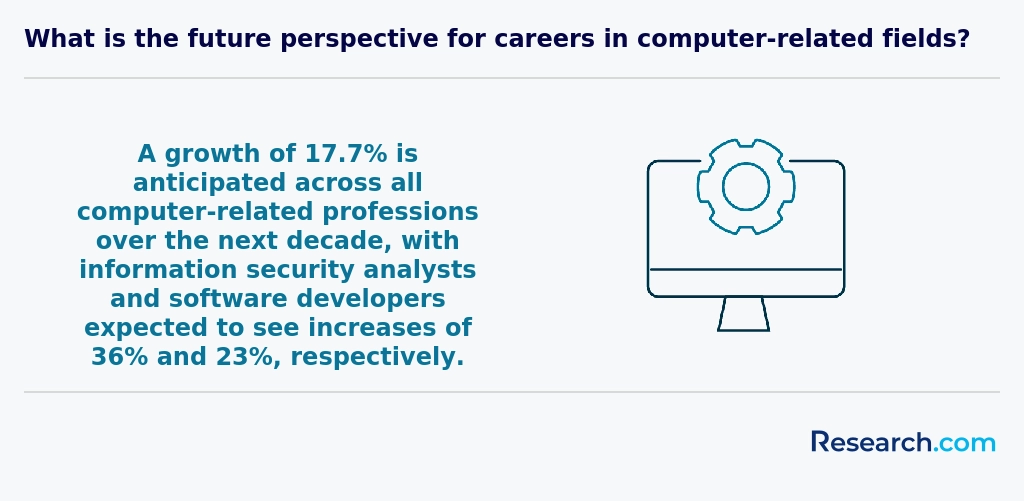
Graduates armed with an online information technology degree in the South find themselves stepping into a dynamic job market that defies traditional career expectations. From cybersecurity roles protecting digital assets in Atlanta's thriving tech ecosystem to software development jobs supporting business innovation in Dallas, the scope of IT degree job opportunities Southern US offers is vast. Many graduates from respected institutions like the University of North Carolina or Georgia Tech share stories of juggling full-time jobs while advancing their careers through flexible online learning.
Career paths range from network administration and cloud computing engineering to database management, with salaries reflecting a promising future. Working in industries such as healthcare, manufacturing, or finance highlights the real-world impact of their skills-imagine securing sensitive patient records or designing the backbone of banking systems. Those exploring online IT programs often cite how the curriculum equips them with critical problem-solving skills, making their transition into roles seamless and rewarding. For those seeking practical options, the cheapest online degree information technology programs in the South add an accessible path towards thriving in this vibrant sector.
Choosing an online path doesn't mean cutting corners but embracing adaptability-IT professionals here drive innovation in cities transforming through technology, directly benefiting from one of the fastest-growing regional tech job markets.
Graduates holding online information technology degrees in the South find themselves in a thriving job market fueled by rapid regional growth and evolving corporate needs. Cities like Atlanta and Raleigh-Durham, home to respected universities known for IT programs, provide fertile ground for recent graduates eager to transition from virtual classrooms to real-world tech roles. These professionals often share stories of landing positions in software development and cybersecurity within months after finishing their studies, buoyed by Southern companies valuing practical skills over traditional credentials.
For students pursuing online information technology jobs in the South, the affordability of regional programs becomes a crucial advantage. Institutions offer competitive tuition without sacrificing quality, making it easier for working adults to upskill while managing other responsibilities. The expanding tech sectors in areas like Dallas-Fort Worth create abundant opportunities that mirror those in major national hubs but with a lower cost of living.
Some graduates highlight how online programs focusing on trending skills like cloud computing and data analysis helped them stand out during recruitment, especially in tech clusters like North Carolina's Research Triangle. For those seeking flexible and cost-effective options, exploring the cheapest information systems online mba programs complements their IT education and broadens career prospects.
2027 Most Valuable Online Bachelor's in Information Technology Degree Programs Ranking in the South
Investing in your education is a significant decision that can shape your future, and the Research.com team understands the importance of making informed choices. To assist prospective students in the South, we have meticulously crafted the "2027 Most Valuable Online Bachelor's in Information Technology Degree Programs Ranking in the South." Our commitment to quality, credibility, and accuracy is reflected in the extensive research and analysis conducted to compile this ranking.
We utilized the following reputable data sources to ensure a comprehensive evaluation of information technology programs:
By exploring this ranking, readers will gain valuable insights into the most valuable online IT bachelor's degree programs in the South, enabling them to make well-informed decisions about their educational future. For more details on our approach, please visit our Research.com methodology page.

# 2 position
East Carolina University
Bachelor of Industrial Technology, Information and Computer Technology

# 3 position
Seminole State College of Florida
Bachelor of Information Systems Technology

# 4 position
South Texas College
Bachelor of Computer and Information Technologies


# 6 position
University of Maryland Global Campus
Bachelor of Cyber Operations

# 7 position
Columbia Southern University
Bachelor of Information Technology


# 15 position
Amridge University
Bachelor of Information Systems Management



Frequently Asked Questions About information technology
Students pursuing online information technology degrees in the South can enhance their learning by actively engaging with course materials and utilizing available digital resources. Many Southern universities offer virtual labs and collaborative platforms that simulate real-world IT environments. Consistent interaction with professors and peers via discussion boards or video calls enriches understanding and networking opportunities.
The Southern region's growing tech sector-with cities like Austin, Raleigh, and Atlanta leading in IT job growth-provides valuable internship and employment prospects for students. According to the U.S. Bureau of Labor Statistics, IT jobs in the South are expected to grow by 11% through 2031, underscoring the importance of practical experience alongside academics.
Students should also take advantage of online certifications related to cybersecurity, cloud computing, and programming, which many Southern schools integrate into their curricula. These credentials enhance resumes and align with employer needs in the region's competitive job market.
The information technology field is rapidly evolving, with new specialties emerging to meet growing industry demands. In the South, sectors such as cybersecurity, cloud computing, and data analytics are expanding quickly. According to the U.S. Bureau of Labor Statistics, employment in these areas is expected to grow by over 15% through 2030, outpacing many other IT roles. Cybersecurity remains a critical focus due to rising threats, and cloud technology adoption has surged among Southern businesses aiming to improve efficiency. Additionally, data science and analytics are becoming essential for companies leveraging big data to make informed decisions, creating promising career paths for graduates.
Graduates with online information technology degrees in the South can enhance job market readiness by focusing on certifications recognized in the industry, such as CompTIA Security+ and Cisco's CCNA. Employers often prefer candidates with verified technical skills, so obtaining these can increase competitiveness.
The Southern U.S. has a growing tech job market, especially in states like Texas and Georgia, with IT employment projected to grow by over 11% from 2020 to 2030, according to the U.S. Bureau of Labor Statistics. Networking through regional tech groups or virtual career fairs helps build professional connections.
Practical experience through internships or freelance projects is also crucial, providing real-world skills and improving resumes.
Employers in the South highly value technical skills such as cybersecurity, cloud computing, and data management in information technology graduates. According to the Bureau of Labor Statistics, IT jobs are growing faster than the average across Southern states, increasing demand for those proficient in programming languages like Python and Java.
Soft skills also matter; teamwork, problem-solving, and communication abilities are crucial for success. The Southern Regional Education Board notes that nearly 70% of Southern employers prioritize adaptability and continuous learning.
Hands-on experience with real-world IT systems, often gained through internships or projects, remains a top requirement for graduates entering the Southern job market.
Finding internships in the South relevant to an online information technology degree involves leveraging regional resources and university partnerships. Many Southern universities maintain strong connections with local tech companies and government agencies, creating internship pipelines for students. Organizations such as the Technology Association of Georgia (TAG) and North Carolina's Research Triangle Park offer numerous IT internship opportunities.
The U.S. Bureau of Labor Statistics reports that states in the South, including Texas and Florida, are among the fastest-growing hubs for IT jobs, increasing internship availability. Online students should utilize university career centers, LinkedIn, and specialized job boards focused on Southern markets. Networking through regional tech meetups and virtual career fairs also enhances chances.
An online information technology degree can significantly enhance career mobility and advancement opportunities for professionals in the South. According to the U.S. Bureau of Labor Statistics, IT-related jobs in Southern states like Texas, Florida, and Georgia are expected to grow faster than the national average through 2031. This growth creates demand for skilled IT workers with credentials that prove their expertise.
Completing an online IT degree provides flexible access to accredited programs, allowing students to gain up-to-date technical skills while balancing work and personal commitments. Many Southern employers recognize and value online degrees from regionally accredited institutions, which helps graduates compete for promotions or switch roles.
Moreover, these degrees often cover specializations such as cybersecurity, data analytics, and cloud computing-high-demand areas in the Southern job market. Graduates typically report higher salaries and faster career advancement compared to peers without formal IT education. Sources like the National Center for Education Statistics confirm a steady rise in enrollment in online IT bachelor's programs in Southern universities, reflecting this trend.
Studying for an information technology degree in the South offers students a robust foundation for interdisciplinary roles. Many Southern universities design their IT programs to integrate courses from business, healthcare, and engineering fields. This blending equips graduates with skills to collaborate across industries, enhancing adaptability.
According to the National Center for Education Statistics, Southern states awarded nearly 40% of the nation's IT-related bachelor's degrees in 2022. Regional economic growth in tech hubs like Austin and Raleigh further fuels demand for professionals who understand technology's role in diverse sectors.
Students also benefit from online program flexibility, allowing them to tailor electives toward fields like cybersecurity, data analytics, or project management, which are critical for interdisciplinary work.
Choosing between a thesis and a non-thesis online information technology degree program in the South depends largely on your career goals and academic interests. Thesis programs often suit students aiming for research roles, graduate study, or specialized technical positions. They require conducting original research and writing a formal thesis, which fosters critical thinking and in-depth knowledge.
Non-thesis programs focus more on practical skills and coursework, appealing to those seeking immediate employment or advancement in IT fields. The Southern region, with its growing tech hubs in Texas, Georgia, and North Carolina, offers diverse opportunities for both paths.
According to the Southern Regional Education Board, employment for IT professionals in the South is expected to grow 12% by 2030, underscoring the importance of aligning your program choice with market demands.
Students in the South interested in studying information technology abroad have limited direct options through local institutions offering fully international online IT degrees. Most Southern universities focus on regional and national accreditation, with few partnerships for overseas online programs. However, some schools enable transfer credits from international programs or collaborate with foreign universities for joint certificates.
The Southern region, home to over 350 IT-related programs (NCES, 2023), encourages study abroad through traditional exchanges rather than complete online foreign degrees. Alternatively, students may consider accredited global online universities independently, while verifying that their Southern employers or graduate programs recognize those degrees.
Students pursuing online information technology degrees in the South can benefit from various part-time jobs that enhance their academic learning. Common roles include IT support technician, helping local businesses troubleshoot software and hardware issues, which builds practical skills. According to the U.S. Bureau of Labor Statistics, the South has seen a 12% growth in computer support specialist jobs from 2021 to 2023, indicating solid opportunities. Additionally, remote freelance coding or web development jobs allow flexibility and skill application alongside studies. Internships with tech companies in hubs like Atlanta or Raleigh also offer invaluable real-world experience directly related to IT coursework.
Online information technology students in the South benefit from a growing network of professional and academic connections. Many Southern universities offering online IT degrees actively partner with regional tech companies, enabling students to join virtual internships and collaborative projects. According to the Southern Regional Education Board, tech employment in the South grew by over 12% from 2018 to 2023, increasing industry-driven networking opportunities.
Students can also participate in online chapters of national organizations like the Association for Computing Machinery (ACM) and TechNet, which host webinars, career fairs, and mentorship programs tailored to Southern IT markets. Additionally, conferences such as the Southern IT Summit offer virtual attendance options, providing valuable access to industry leaders without geographic constraints.
Alumni networks provide vital support to online information technology students in the South by connecting them to a broad community of IT professionals across regional industries. These networks often facilitate mentorship opportunities and career advice, which can be especially crucial for remote learners.
According to a 2023 report by the Southern Regional Education Board, schools with active alumni networks saw a 15% higher employment rate among graduates within the IT sector. Networking events and job boards exclusively available to alumni also help students access local Southern tech companies.
Additionally, alumni connections can lead to internships and project collaborations that strengthen resumes and practical skills, boosting graduates' competitiveness in the growing Southern IT job market.
Online information technology degree programs in the South offer various ways to tailor your education to match career goals. Many Southern universities provide specializations such as cybersecurity, data analytics, software development, or network administration. This flexibility lets students focus on in-demand skills aligned with regional job markets.
Programs often include elective courses, allowing learners to develop expertise in specific areas like cloud computing or IT project management. Additionally, some schools offer internship opportunities or partnerships with Southern tech firms, enhancing practical experience.
According to the U.S. Bureau of Labor Statistics, IT employment in Southern states is expected to grow by over 15% through 2030, indicating strong job prospects. By selecting concentrations and experiential learning options that suit local industry needs, students can strategically position themselves for success.
Online information technology students in the South often face unique challenges related to access and resources. According to the Pew Research Center, rural areas in Southern states like Mississippi and Alabama have slower internet speeds, which can affect students' ability to participate in live lectures or complete assignments on time. Additionally, many Southern states report lower broadband adoption rates compared to the national average, creating digital divide issues.
Another common challenge is balancing work, family, and study commitments. Many IT students in this region are non-traditional learners who juggle full-time jobs and family responsibilities.
Furthermore, students sometimes struggle with limited local networking opportunities and internships, which are crucial for career advancement in IT fields. Institutions are working to enhance virtual career services to address this gap.
Graduates with an online information technology degree in the South can pursue a variety of professional certifications to enhance their careers. Popular options include the CompTIA A+, which validates foundational IT skills, and the Cisco Certified Network Associate (CCNA), well-regarded for networking expertise. Many Southern employers also value the Certified Information Systems Security Professional (CISSP), reflecting expertise in cybersecurity.
According to the Southern Regional Education Board, demand for IT roles with certification requirements rose by 12% between 2020 and 2023. Additionally, certifications like Microsoft Certified: Azure Fundamentals are gaining traction as cloud technologies expand in the region.
These credentials complement an online degree, offering measurable proof of specialized knowledge to employers across the Southern states' growing tech sectors.
Writing a winning application for an online information technology program in the South requires clear focus and preparation. Start by highlighting your relevant technical skills and any professional experience in IT. Many Southern universities emphasize practical knowledge, so including certifications like CompTIA or Cisco can strengthen your application.
Demonstrate your understanding of the program's curriculum and how it aligns with your career goals. According to the Southern Regional Education Board, IT job growth in the South is expected to increase by 13% through 2030, emphasizing the region's strong demand for skilled professionals.
Lastly, craft a concise personal statement explaining why online study suits your needs, showcasing your time-management skills.
Information technology careers offer strong global opportunities, reflecting rapid digital growth worldwide. In the United States, IT is among the fastest-growing fields, with the Bureau of Labor Statistics projecting a 15% employment increase from 2021 to 2031. The Southern region benefits from this trend through its expanding tech hubs in cities like Atlanta and Raleigh. Globally, IT professionals support critical infrastructure, cybersecurity, and software development across industries.
Understanding global IT perspectives helps students prepare for diverse work environments and emerging technologies. Many Southern universities align online degree programs with international standards to ensure graduates are competitive worldwide. This global focus is vital as businesses increasingly rely on cross-border collaboration and remote work.
Gaining practical experience while pursuing an online information technology degree in the South is essential for career readiness. Many Southern universities offer virtual labs and simulation software that allow students to apply skills in real-time, enhancing hands-on learning. Additionally, internships with local tech companies or remote internships provide valuable industry exposure.
According to the Southern Regional Education Board, internships increase job placement rates by up to 30% for IT graduates in the region. Students can also join student-run tech clubs or participate in regional hackathons, which are widely popular in Southern states like Texas and Georgia. These activities build teamwork and problem-solving skills critical for future roles.
When choosing a concentration within an online information technology degree in the South, start by considering your career goals. Popular concentrations include cybersecurity, network administration, and software development. Each has distinct job outlooks; for example, the U.S. Bureau of Labor Statistics projects a 33% growth in information security analyst roles from 2020 to 2030, with strong demand in southern tech hubs like Atlanta and Raleigh.
Evaluate the curriculum of each concentration carefully. Look for programs that offer hands-on labs and opportunities to earn industry certifications, which can enhance employability in the competitive Southern job market. Additionally, consider the concentration's alignment with regional business sectors, such as healthcare IT in Texas.
Finally, seek advice from current students or alumni from Southern institutions to understand real-world benefits before deciding.
- IT Certification Training & Career Programs | Global IT https://www.global-itech.com/
- Online Degree vs. Traditional: Choosing the Right Path https://beal.edu/online-degree-vs-traditional/
- The Crucial Role of Networking for Computer Science Students https://dev.to/thisisaayush/the-crucial-role-of-networking-for-computer-science-students-4k2i
- Academic experiences of information technology students - JYX https://jyx.jyu.fi/bitstreams/2ecaf277-b7be-416f-8ee4-d35afdf2ab67/download
- Top 10 Emerging Business Niches of 2026 & How to Plan for Them https://prometai.app/blog/emerging-niches-business-planning
- The Best Online Bachelor's in Information Technology Programs https://www.onlinecolleges.net/rankings/best-online-bachelors-information-technology-degree-programs/
- Top 6 Emerging Technologies for Digital Transformation in 2026 https://www.imd.org/blog/digital-transformation/emerging-technologies/
- IT Cover Letter Examples (Information Technology Jobs) https://zety.com/blog/it-cover-letter-example
- How to Maximize the Impact of Alumni Networks https://www.careeros.com/resources/how-to-maximize-the-impact-of-alumni-networks
- The Top Information Technology Skills Employers Want | AIU https://www.aiuniv.edu/degrees/information-technology/articles/top-information-technology-skills-employers-want