2027 Most Affordable Online Master's in Information Technology Degree Programs Ranking in Georgia

Co-Founder and Chief Data Scientist
Choosing the right online master's program in Information Technology can be challenging, especially when considering affordability without sacrificing quality. This article presents the 2027 Most Affordable Online Master's in Information Technology Degree Programs Ranking in Georgia, carefully developed by the Research.com team of data scientists.
The ranking offers clear insights to help Georgia students find programs that fit their budget and career goals. Pursuing an IT degree opens doors to exciting opportunities and steady growth in a digital world.
Explore this guide to make an informed decision and take a confident step toward your future.
Key benefits of getting online information technology degree in Georgia
- Information technology graduates in Georgia can expect competitive salaries, with roles like software developers earning a mean annual wage around $110,000 nationwide, reflecting strong earning potential in the field.
- Career paths for IT graduates from universities like Georgia Tech include software engineering, cybersecurity analysis, and network administration, offering diverse opportunities to build a rewarding tech career.
- Completing an online IT degree from institutions such as the University of Georgia provides flexibility and accessibility, allowing students to balance work and study while earning the same respected credential as traditional programs.
- 2027 Most Affordable Online Master's in Information Technology Degree Programs Ranking in Georgia
- What can I expect from online information technology degree in Georgia?
- Where can I work with online information technology degree in Georgia?
What can I expect from online information technology degree in Georgia?
The average cost of an online information technology degree in Georgia varies, but students can typically expect in-state tuition to range from about $6,000 to $12,000 per year for master's programs. For example, graduates from well-known universities like the Georgia Institute of Technology or Kennesaw State University often share that their investment felt manageable compared to the flexibility and career advancement they gained.
Many students appreciate that these costs come with access to financial aid, scholarships, and employer tuition assistance, making the programs financially feasible while balancing work and family. One graduate described how the tuition rates allowed them to continue working full-time without sacrificing their education goals.
Choosing public universities in Georgia often means competitive pricing without compromising quality, thanks to robust accreditation standards like those from SACSCOC and ABET. This offers reassurance that the tuition paid supports relevant, industry-aligned instruction.
By planning around these costs and leveraging available aid, prospective IT students in Georgia can pursue high-value degrees designed to open doors in the rapidly growing tech sector.
Where can I work with online information technology degree in Georgia?
Graduates with an online information technology degree from Georgia-based schools like Georgia Tech or Kennesaw State University find diverse job opportunities across several thriving industries. Many alumni secure roles in Atlanta's booming tech sector, working with Fortune 500 companies on projects involving cybersecurity, data management, and systems analysis, directly applying their skills in fast-paced environments.
Healthcare organizations in Georgia also rely heavily on IT professionals to manage electronic health records and protect sensitive patient data. Graduates often share how their practical training helped them adapt quickly in hospital IT departments, supporting critical tech infrastructure.
The government sector offers stable IT careers managing public digital systems, with many graduates joining state agencies where they tackle cybersecurity and information systems management. Others leverage their expertise in Atlanta's finance and fintech firms, developing software and securing financial data amidst a supportive business climate.
Small startups and businesses across Georgia provide dynamic roles requiring versatile skills in cloud computing and network support, allowing graduates to grow in innovative and collaborative settings.
Graduates of online information technology degree programs in Georgia can anticipate competitive salaries, especially within the vibrant tech ecosystem of Atlanta and other key cities. While specific salary data from the Bureau of Labor Statistics for certain IT roles is currently unavailable, experience from graduates of prominent Georgia institutions shows annual earnings commonly range from $80,000 to $140,000 depending on specialization and role.
For instance, online IT graduates focusing on software development often secure positions with salaries between $90,000 and $110,000. Those aiming for IT management roles, supported by degrees from respected colleges in Georgia, report typical salaries near $140,000. Network administrators usually start around $80,000 annually. These figures reflect real-world outcomes shared by recent alumni navigating Georgia's growing tech job market.
Boosting certifications alongside your degree, such as CompTIA Security+ or AWS qualifications, can significantly enhance earning potential. Many graduates from Georgia's established programs find that these credentials open doors to higher-paying roles and faster career growth.
Choosing to study online in Georgia gives you flexibility while connecting with a booming tech sector eager for skilled professionals. Success stories from peers highlight how dedication to continuous learning and practical experience translates into rewarding salaries and dynamic career opportunities.
- Tuition for online IT bachelor's degrees in Georgia ranges from $6,000 to $10,000 per year for in-state students.
- Entry-level IT graduates in Georgia earn around $55,000 annually, with mid-career salaries rising above $85,000.
- Atlanta is a major tech hub offering job opportunities in finance, healthcare, telecommunications, and government sectors.
- Online programs cover topics like network security, software development, and database management.
- Many programs align with certifications such as CompTIA, Cisco, and Microsoft, increasing job market competitiveness.
- Reputable online IT degrees in Georgia are often regionally accredited by SACSCOC, ensuring quality and recognition.
Completing an online information technology degree in Georgia usually takes about four years of full-time study for a bachelor's degree, matching what many graduates from Georgia Southern University experience. These programs generally require around 120 credit hours, which fits well into a standard academic timeline when attending full-time. For those balancing work or family, many find part-time study helpful, though it can extend the timeline to 6 to 8 years.
Graduate students pursuing online IT master's degrees at institutions like Kennesaw State University often finish within 1.5 to 2 years of full-time study. Some accelerated programs even allow driven students to graduate in as little as 12 to 18 months, providing an exciting fast-track option. Part-time master's students might take three years or more but appreciate the flexibility to manage personal commitments.
Many students benefit from transferring credits earned at technical colleges or passing standardized exams, which significantly reduces time to graduation. This practical approach helps students feel motivated and confident when moving through their IT programs online in Georgia.
Choosing between online and on-campus IT degrees in Georgia comes down to how you prefer to balance flexibility, cost, and interaction. On-campus programs at schools like Georgia Tech offer face-to-face learning with direct access to labs and peer collaboration, which many graduates say boosts motivation and networking. However, attending in person means budgeting for commuting or housing, which can add stress and expense.
Online IT degrees provide the freedom to study from anywhere in Georgia, ideal for working professionals or those with family commitments. Graduates appreciate the ability to fit classes around their schedule, using video conferencing and virtual labs to engage with faculty and classmates. This format often lowers overall costs by eliminating travel and campus fees, making it a practical choice for students in rural areas.
Regardless of the format, both on-campus and online programs in Georgia maintain the same accreditation standards and rigor, preparing students well for careers in cybersecurity, software development, and more.
The average cost of an online information technology degree in Georgia varies considerably based on residency and institution type. For in-state students at public universities, the median total cost stands around $9,144, making these programs an affordable choice for many. Graduates from schools like the University of Georgia and Georgia Southern University often share firsthand experiences of manageable tuition fees ranging roughly from $300 to $400 per credit hour, which helps in budgeting their education effectively.
Many students pursuing affordable online IT master's programs in Georgia find that while the tuition per credit ranges between $400 and $700 at public universities, scholarships and employer tuition assistance make the investment feel rewarding and doable. For out-of-state students, costs can rise significantly, with median totals near $32,940, so planning ahead is crucial to avoid surprises. Online learners appreciate that additional expenses, such as technology fees and course materials, typically add only around $500 to $1,000 annually, keeping overall costs predictable.
When weighing options, students often factor in the flexibility and cost savings associated with online programs, which allow balance between work and study. Some graduates recommend exploring financial aid and scholarship opportunities tailored to IT fields in Georgia, which can dramatically lower expenses. For further insight into career potential related to this degree, exploring resources about mis salary can be motivating and informative.

Students pursuing an online IT degree in Georgia can rely on several financial aid options to make their education more affordable. Many start by filling out the FAFSA to unlock federal grants and low-interest loans specifically designed to ease tuition costs. While graduate students typically don't qualify for Pell Grants, federal loans with flexible repayment plans remain a key resource. Graduates from top programs like Georgia Tech often share how institutional scholarships and assistantships significantly lowered their expenses, with some grants even covering tuition fully while providing a stipend.
State programs such as the HOPE Scholarship mainly support undergraduates, but certain graduate programs or schools may offer extensions worth exploring. Additionally, employer tuition assistance is a real advantage for working students in Georgia's tech sector, where companies actively encourage continuing education by reimbursing tuition.
Many Georgia IT students also leverage scholarships from professional groups like the Georgia Technology Authority. Early applications to these varied resources often lead to positive financial outcomes and reduced student stress.
To enroll in an online information technology degree program in Georgia, most students need a bachelor's degree, preferably related to computer science or engineering. For example, graduates from Kennesaw State University often found having a strong tech foundation eased their transition into graduate IT courses. If your undergraduate degree isn't directly related, expect to take prerequisite classes before fully starting the program.
A minimum GPA of about 3.0 is usually required, although some Georgia schools may consider applicants with slightly lower GPAs if they have solid work experience in IT roles like network management or software development. Graduates from Georgia Southern University frequently mention how their professional experience helped secure admission despite GPA challenges.
Standardized tests like the GRE have become optional at many institutions, making the process more accessible. However, applicants should be ready to submit letters of recommendation, a detailed statement of purpose, and a resume showcasing relevant skills. International students must also demonstrate English proficiency through TOEFL or IELTS.
Checking specific requirements on the University of Georgia's website or similar institutions is key, as these prerequisites can vary and significantly impact your admissions success and financial planning.

Online information technology degrees in Georgia commonly start with core courses in programming and computer science fundamentals. Graduates recall that mastering languages like Python or Java early on made complex projects manageable and boosted their confidence. Essential topics such as data structures, algorithms, and computer architecture provide a solid foundation to tackle real-world technical challenges.
Programs then focus on practical skills in information security and network administration, highly valued in Georgia's booming tech sector. Graduates from Georgia Tech's online programs especially appreciate hands-on courses like network security, ethical hacking, and cloud computing, which prepare them for roles in cybersecurity analytics or IT management.
Electives in emerging fields like artificial intelligence, big data analytics, and mobile app development allow students to align their studies with industry trends, enhancing their job readiness. Many students find that balancing foundational knowledge with these advanced topics creates rewarding learning experiences adaptable to Georgia's diverse tech opportunities.
Online information technology degree programs in Georgia commonly offer specializations designed to meet specific career goals and industry demands. Cybersecurity is a top choice, where graduates learn to defend networks and sensitive data-crucial skills given Georgia's reputation as a cybersecurity employment hub, especially in urban centers like Atlanta.
Students focusing on Data Science and Analytics gain expertise in managing large datasets and applying statistical and machine learning methods. Graduates from schools like Georgia Tech report these skills open doors to fast-growing roles, matching national projections for job growth in data-related fields.
Software Development and Programming tracks train students in coding and application design, preparing them for the dynamic tech markets pervasive in the state. Cloud Computing is another in-demand specialization, reflecting local business adoption of cloud infrastructure and management-areas highlighted by Bradshaw Research in studies of Georgia's technology sector.
Other valuable options include Network Administration and IT Project Management, both crucial for running and leading technology operations. Choosing from these robust specialization areas allows students in Georgia's online information technology specializations Georgia can trust programs that equip them for success.
For those weighing degree options and pace, consider the fastest online masters in management information systems to complement IT skills geared for the evolving tech environment.
Choosing the best online information technology degree in Georgia starts with verifying the program's accreditation, as graduates from accredited schools in Atlanta and other popular colleges report better job prospects and smoother credit transfers. Look for programs offering specializations matching your goals, such as cybersecurity or data analytics, which are in high demand in Georgia's tech hubs. Many students pursuing affordable online information technology degrees Georgia find that public universities providing reduced tuition for online learners ease financial stress without sacrificing quality.
Flexibility is essential for balancing work and study. Graduates often praise programs with asynchronous classes and strong online platforms that support interactive learning and networking. Additionally, explore graduation and job placement rates to ensure the program aligns with your career ambitions. Students frequently use resources like the Georgia Workforce Development Board to confirm industry demand.
For those exploring options, consider researching comprehensive online management information systems programs, which can offer valuable insights into related IT fields.
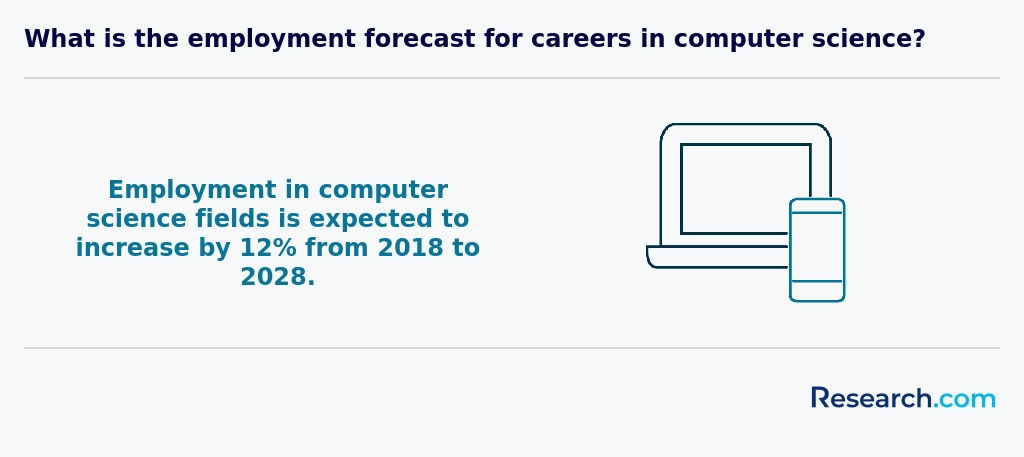
Graduates with an online information technology degree in Georgia find a variety of promising career paths tailored to the state's robust tech ecosystem. Popular roles include network and systems administrators managing enterprise networks, information security analysts safeguarding sensitive data, and software developers engineering innovative applications. Many graduates from Georgia's recognized institutions, such as Georgia Tech and Kennesaw State University, describe securing roles in these areas thanks to practical skills gained during their studies. The metropolitan area's focus on cybersecurity offers particularly strong prospects for information technology degree job opportunities Georgia, as many firms seek experts to counter cyber threats.
Other career options include database administrators and IT project managers, whose roles are vital in industries from finance to healthcare. Graduates often find that obtaining certifications alongside their degree boosts employability. Exploring evolving fields through an online information technology course can open doors in cloud computing and AI, positioning students for future-proof careers.
Graduates holding an online information technology degree in Georgia face a robust job market that continues to expand due to the state's strong economic base in technology, finance, and manufacturing sectors. Many students from popular institutions like Georgia State University and Kennesaw State University have found success applying their hands-on skills in real-world roles such as network and computer systems administrators or software developers. These roles are in high demand across metro areas like Atlanta, where several Fortune 500 companies seek skilled IT workers.
For those exploring online information technology jobs in Georgia, it's important to leverage internships and certification programs offered by local colleges to stand out. Graduates report feeling confident transitioning into positions like information security analysts or IT project managers because their programs emphasize up-to-date technologies. Additionally, the state's affordability makes earning a degree here a smart investment.
To advance quickly, consider learning more about career pathways and steps to becoming a cto, which many Georgia graduates pursue as a long-term goal in IT leadership.
IT career opportunities in Georgia for graduates are fueled by ongoing digital infrastructure growth and tech startup initiatives, making it an ideal place to launch or grow a technology career.
2027 Most Affordable Online Master's in Information Technology Degree Programs Ranking in Georgia
Investing in your education is a significant decision that can shape your career, and the Research.com team understands the importance of making well-informed choices. To support prospective students in Georgia, we have carefully developed the "2027 Most Affordable Online Master's in Information Technology Degree Programs Ranking in Georgia." Our dedication to quality, credibility, and accuracy is demonstrated through extensive research and thorough analysis conducted during the ranking process.
We utilized the following reputable data sources to ensure a comprehensive evaluation of online IT master's programs:
By reviewing this ranking, readers will gain valuable insights into affordable and credible online IT master's programs in Georgia, enabling them to make confident educational decisions. For a detailed understanding of how this ranking was created, please visit our Research.com methodology page.


Frequently Asked Questions About information technology
Online information technology degree students in Georgia can maximize their learning by actively engaging with course materials and participating in virtual discussions. Given that Georgia houses a growing tech industry, students should seek internships or remote work aligned with their studies for practical experience. Utilizing university-provided resources, such as tutoring and library access, enhances understanding.
Networking within Georgia's tech communities, like the Atlanta Technology Professionals group, can open opportunities and provide industry insights. Staying updated with rapid IT advancements is crucial, which can be supported by leveraging free online tutorials and certification prep aligned with coursework.
The information technology field is rapidly evolving, with several emerging niches gaining prominence. In Georgia, areas such as cybersecurity, cloud computing, and data analytics are seeing increased demand. According to the Georgia Department of Labor, employment in cybersecurity roles is projected to grow by over 30% through 2030, reflecting national trends.
Cloud computing specialists, especially those skilled in platforms like AWS and Azure, are sought after due to Georgia's growing tech hubs. Additionally, data science and analytics are critical, as companies rely on data-driven decisions to stay competitive.
These niches offer promising career paths for students pursuing online IT degrees in Georgia.
Preparing for the job market after earning an online information technology degree in Georgia involves strategic steps. Graduates should focus on building practical skills through internships or entry-level roles, as Georgia's tech sector consistently grows, especially in Atlanta, which hosts over 35,000 tech companies (Georgia Department of Economic Development, 2023).
Networking is essential; joining local professional groups like the Georgia Technology Summit or Atlanta Tech Village can connect graduates with employers. Additionally, obtaining industry-recognized certifications such as CompTIA, Cisco, or AWS can boost job prospects and regionally relevant expertise.
Staying updated on trends and continuously developing skills helps address Georgia's competitive IT job market.
Employers in Georgia highly value information technology graduates who demonstrate strong technical skills alongside problem-solving abilities. Key competencies include proficiency in programming languages such as Python, Java, and SQL, which support software development and database management roles.
In addition to coding expertise, knowledge of cybersecurity principles is increasingly critical. According to the Georgia Department of Labor, IT jobs related to network security and systems administration are growing faster than the national average, reflecting growing demand for graduates familiar with protecting digital assets.
Soft skills like communication and teamwork are also essential, as IT professionals often collaborate across departments. Employers seek graduates who can clearly explain technical concepts to non-technical audiences while adapting to evolving technologies in a fast-paced environment.
Finding internships in Georgia relevant to an information technology degree involves multiple strategies. Georgia boasts a growing tech industry, with Atlanta recognized as a top tech hub, hosting over 39,000 IT firms, according to the Metro Atlanta Chamber. Students should start by leveraging university career centers, which often partner with local businesses for internship placements.
Additionally, professional organizations like the Georgia Technology Authority and Georgia Cyber Center offer internship listings and networking events. Online platforms such as Handshake and LinkedIn also feature local IT internship opportunities.
Local tech conferences and meetups can provide direct connections to employers. Applying early and tailoring your resume to specific IT roles improves chances of securing an internship in Georgia's expanding tech market.
Obtaining an online information technology degree in Georgia significantly enhances career mobility and advancement opportunities. Georgia's tech sector is growing rapidly, with the state ranking in the top 10 for IT job growth according to the Georgia Department of Labor. This growth creates demand for skilled professionals who hold relevant IT qualifications.
An online IT degree equips graduates with up-to-date technical skills and industry knowledge, making them competitive for promotions and new roles. Remote and flexible learning options also allow working professionals to upskill without interrupting their careers.
According to CompTIA, Georgia's IT workforce had an 8% employment increase in recent years, reflecting positive trends for degree holders. Employers in Atlanta and other tech hubs highly value accredited online degrees when considering candidates for leadership and specialized positions.
Studying for an information technology degree online in Georgia equips students with skills that cross multiple disciplines. Programs often integrate courses in management, cybersecurity, data analytics, and software development, preparing graduates to work in diverse environments. Georgia's growing tech industry, with Atlanta recognized as a hub for IT firms, increases demand for professionals who can collaborate across business, healthcare, and engineering sectors.
Many Georgia universities design their IT curricula to emphasize problem-solving, communication, and project management. These skills enhance graduates' ability to engage in interdisciplinary teams.
According to the Georgia Department of Economic Development, IT employment in the state is projected to grow by 15% through 2028, signaling a strong market for versatile professionals.
When choosing between a thesis and a non-thesis online information technology degree in Georgia, consider your career goals first. Thesis programs emphasize research and prepare students for doctoral studies or roles requiring strong analytical skills. Non-thesis programs focus more on practical skills, ideal for professionals aiming for immediate industry advancement.
According to the Georgia Institute of Technology, thesis options often demand 6-12 months of focused research and a final defense, while non-thesis tracks include additional coursework or projects. Demand for IT professionals in Georgia is growing rapidly, with over 200,000 jobs statewide as reported by the Georgia Department of Labor.
Students interested in innovation or academic careers may prefer thesis routes. Those targeting managerial or technical certifications might find non-thesis degrees more efficient.
Students based in Georgia seeking online information technology degrees with an international perspective have several pathways to study abroad. Many U.S. universities, including those in Georgia, offer partnerships and exchange programs with institutions overseas, enabling students to complete parts of their IT curriculum in foreign universities. Additionally, accredited online IT programs from global institutions allow Georgia residents to earn degrees recognized in both the U.S. and abroad without relocating.
According to the Georgia Department of Education, nearly 10% of IT students engage in study abroad experiences, enhancing their global skills. These options provide valuable exposure to diverse technologies, preparing graduates for the international IT job market.
Part-time job opportunities in Georgia that align well with an online information technology degree include roles such as IT support technician, help desk analyst, and junior network administrator. These positions offer practical experience in troubleshooting, network management, and user support, which complement academic learning.
According to the Georgia Department of Labor, the state's demand for IT professionals continues growing, with IT support roles projected to increase by 15% through 2030. These jobs often offer flexible hours suited for students.
Additionally, internships or freelance work in cybersecurity or software development can provide valuable hands-on experience while studying online. Companies in Atlanta's tech sector frequently look for part-time interns to assist with projects, benefiting both students and employers.
Online information technology students in Georgia have multiple networking opportunities despite studying remotely. Many universities offer virtual career fairs and online student organizations focused on IT. For example, the Georgia Institute of Technology provides access to professional groups and alumni networks through its online platforms.
Additionally, Georgia's growing tech industry-home to companies like NCR and Cisco-hosts in-person and virtual meetups, which online students can attend to connect with IT professionals. Organizations such as Georgia Technology Summit and local chapters of the Association for Computing Machinery provide event calendars accessible to remote learners.
These resources help students build valuable contacts, essential for career advancement in Georgia's competitive IT market.
Alumni networks play a significant role for online information technology degree students in Georgia by providing valuable professional connections. These networks often facilitate mentorship opportunities, giving students guidance from experienced IT professionals who understand the local job market.
Georgia's IT sector is strong, with Atlanta ranking among the top tech hubs in the U.S., according to CompTIA's Cyberstates report. Alumni connections in this environment can lead to internships, job referrals, and collaborative projects.
Furthermore, these networks help students stay informed about industry trends, certifications, and continuing education. They also often host events and workshops that are accessible virtually, benefiting online students statewide.
Overall, leveraging alumni networks can enhance career advancement for online IT students in Georgia by expanding their professional reach and resources.
Online information technology degree programs in Georgia offer flexibility to tailor coursework according to your career goals. Many institutions allow students to choose concentrations such as cybersecurity, data analytics, or software development. This specialization helps match your education with industry demands in Georgia, where IT jobs are expected to grow by 11% through 2030, according to the Georgia Department of Labor.
Students can often select electives or participate in internships that enhance practical skills. Georgia's growing tech hubs in Atlanta and Savannah provide ample opportunities to gain relevant experience while studying. Additionally, some programs offer certificate options alongside master's degrees to deepen expertise in emerging fields.
Online information technology students in Georgia often face challenges related to balancing coursework with personal and professional responsibilities. Many learners juggle jobs and family, which can disrupt consistent study time. Access to reliable technology and high-speed internet is another concern, especially in rural areas where connectivity may be limited. According to the Georgia Department of Education, approximately 15% of households in some rural counties lack broadband access, impacting online learning quality.
Students also report difficulties in building professional networks and receiving timely academic support compared to on-campus peers. Additionally, adapting to self-directed learning styles and staying motivated without in-person interaction remain common hurdles for many IT students enrolled in online programs.
With an online information technology degree in Georgia, graduates can pursue widely recognized professional certifications to boost their career prospects. Popular certifications include the CompTIA A+, which validates foundational IT skills, and the Certified Information Systems Security Professional (CISSP), ideal for cybersecurity roles. For network professionals, the Cisco Certified Network Associate (CCNA) is highly valued. Many employers in Georgia, especially in Atlanta's growing tech sector, prefer candidates with these credentials. According to the Georgia Department of Economic Development, IT jobs in the state are expected to grow by 8% through 2030, increasing demand for certified professionals. These certifications complement the practical knowledge gained through an online IT degree.
Applying to an online information technology program in Georgia requires careful preparation. Start by researching accredited universities recognized by the Southern Association of Colleges and Schools Commission on Colleges (SACSCOC), ensuring your degree holds regional credibility. Emphasize your technical skills, certifications, and professional experience in your personal statement, as Georgia employers highly value practical IT knowledge.
Highlight your career goals aligned with Georgia's growing IT sectors, such as cybersecurity and software development-industries expected to expand rapidly, according to the Georgia Department of Labor. Provide clear examples of projects or roles that showcase your problem-solving and analytical skills.
Submit a thorough resume and secure strong recommendation letters that speak to your academic potential and work ethic. Lastly, meet all application deadlines and verify that your transcripts and standardized test scores, if required, are accurate and submitted promptly.
Information technology (IT) careers have a significant global impact, influenced by rapid technological advancements and international collaboration. For students in Georgia pursuing online IT degrees, understanding this global context is crucial. The U.S. Bureau of Labor Statistics projects a 15% growth in IT jobs nationwide from 2021 to 2031, reflecting strong demand worldwide.
Georgia itself is a growing tech hub, hosting over 50,000 IT professionals according to CompTIA's 2023 Cyberstates report. This regional strength offers graduates opportunities to work locally or with global companies.
Internationally, IT roles often require knowledge of global security standards, cloud technologies, and cross-cultural communication. Degrees featuring global perspectives prepare students to engage with diverse markets and emerging technologies, supporting career growth in a connected economy.
Students pursuing an online information technology degree in Georgia can gain practical experience through internships offered by numerous tech companies in Atlanta, the state's technology hub. According to the Georgia Department of Economic Development, Atlanta hosts over 4,000 IT firms, presenting many internship opportunities for hands-on learning.
Many accredited online programs in Georgia collaborate with local businesses to provide virtual internships or project-based assignments. These experiences allow students to apply theoretical knowledge to real-world problems without leaving their homes.
Additionally, some universities encourage participation in hackathons and coding competitions, which enhance skills and build a professional network. Seeking certifications like CompTIA or Cisco alongside coursework further strengthens practical expertise relevant to Georgia's growing IT job market.
Choosing the right concentration within an online information technology degree in Georgia involves assessing your career goals and interests carefully. Common concentrations include cybersecurity, data analytics, software development, and network administration. According to the Georgia Department of Economic Development, cybersecurity jobs in Georgia are projected to grow by over 30% through 2030, making it a promising field.
Consider the types of roles you want, such as managing IT infrastructure or developing applications. Research the curriculum of each concentration to see which skills and certifications are emphasized. Additionally, review local job market trends through sources like the U.S. Bureau of Labor Statistics to align your choice with demand in Georgia's tech industry.
- 2027 Most Affordable Online Master's in Information Technology Degree Programs Ranking in Florida
- 2027 Most Affordable Online Master's in Information Technology Degree Programs Ranking in Kentucky
- 2027 Most Affordable Online Master's in Information Technology Degree Programs Ranking in Virginia
- 2027 Most Affordable Online Master's in Information Technology Degree Programs Ranking in West Virginia
- 2027 Most Affordable Online Master's in Information Technology Degree Programs Ranking in Arkansas
- 2027 Most Affordable Online Master's in Information Technology Degree Programs Ranking in Missouri
- 2027 Most Affordable Online Master's in Information Technology Degree Programs Ranking in Ohio
- 2027 Most Affordable Online Master's in Information Technology Degree Programs Ranking in Illinois
- 2027 Most Affordable Online Master's in Information Technology Degree Programs Ranking in Pennsylvania
- 2027 Most Affordable Online Master's in Information Technology Degree Programs Ranking in Texas
- How to Maximize the Impact of Alumni Networks https://www.careeros.com/resources/how-to-maximize-the-impact-of-alumni-networks
- Best Entry-Level IT Certifications for Beginners - ONLC https://www.onlc.com/blog/best-beginners-entry-level-it-certifications/
- How to Network with Alumni | Student Guide to Alumni Networking 2026 https://digitalrecordboard.com/blog/how-to-network-with-alumni/
- Computer Science Internships | Programs For Students & Grads https://www.internhq.com/fields/computer-science-and-it/
- gradireland https://gradireland.com/careers-advice/information-technology/what-skills-are-employers-seeking-it-graduates
- 5 Essential IT Skills Employers Want to See in Candidates https://www.umassglobal.edu/blog-news/5-essential-skills-employers-want-see-candidates
- Study Information Technology - Experience, Job Opportunities, Salary + Survey https://jobtensor.com/uk/Studies/IT
- Computing/Technology Placements/Internships | Gradcracker - Careers for STEM Students https://www.gradcracker.com/search/computing-technology/work-placements-internships
- IT Cover Letter Examples (Information Technology Jobs) https://zety.com/blog/it-cover-letter-example
- Standards Satchel https://case.georgiastandards.org/a1215918-318b-4773-9229-26a266e3ad62/b9257a7d-0322-42ef-a9bc-eee7b2304851/978