2027 Fastest Online Bachelor's in Information Technology Degree Programs Ranking in the West

Co-Founder and Chief Data Scientist
Choosing the right online information technology degree can feel overwhelming, especially with so many options available. This article offers a helpful guide with the 2027 Fastest Online Bachelor's in Information Technology Degree Programs Ranking in the West, created by the Research.com team of data scientists.
Our ranking highlights programs that combine quality and speed, helping you find a degree that fits your goals and lifestyle. Earning an IT degree opens doors to exciting career opportunities and growth in a thriving industry. Reading this article will support you in making a confident, informed decision for your educational journey.
Key benefits of getting online information technology degree in the West
- Information technology graduates in the US can expect competitive salaries, with many roles offering median wages around $90,000 annually, providing financial stability and rewarding career growth.
- Graduates from popular Western universities often pursue diverse careers such as software development, network administration, or cybersecurity, showcasing the degree's flexibility and strong job market demand.
- Online IT degrees from well-known institutions offer convenience and flexibility, allowing students to balance work and study while earning the same respected qualifications as traditional programs, making advanced education more accessible and motivating.
- 2027 Fastest Online Bachelor's in Information Technology Degree Programs Ranking in the West
- What can I expect from online information technology degree in the West?
- Where can I work with online information technology degree in the West?
What can I expect from online information technology degree in the West?
The average cost of an online information technology degree in the Western United States varies based on residency and institution type. Public universities such as those in California and Washington typically offer tuition rates ranging from $6,000 to $12,000 per year for in-state online students, while out-of-state learners may pay between $15,000 and $25,000 annually. Graduates from such programs often appreciate the balance between affordability and quality, citing experiences at universities known for their robust tech curricula. For instance, many online students at Oregon's public universities report positive outcomes due to manageable tuition paired with access to virtual labs and expert faculty.
Private institutions in the West generally cost more, with annual tuition fees often exceeding $30,000, but these programs frequently include enhanced support services and specialized electives. Many online IT students leverage employer tuition assistance or financial aid, which helps ease the financial burden. These factors, combined with the strong regional demand for skilled IT professionals, create a rewarding investment for those pursuing degrees in technology-focused schools across Silicon Valley, Seattle, and Portland.
Where can I work with online information technology degree in the West?
Graduates from online information technology programs at prominent Western institutions, such as the University of Washington and California State University, often find diverse employment opportunities in technology sectors concentrated throughout the region. For example, many graduates secure roles in Silicon Valley's software development firms or with Seattle-based cloud computing companies, leveraging their skills in programming, cybersecurity, and network administration.
With California employing over 700,000 IT professionals, career paths commonly begin with positions like IT specialist or help desk analyst, progressing into systems analyst or IT project manager roles as experience grows. Graduates report that adding certifications in cybersecurity or cloud technologies, frequently offered alongside online degrees, significantly boosts employability in competitive Western markets.
Beyond private tech firms, government agencies in Washington and Oregon, healthcare providers in Nevada, and financial institutions across the West also actively recruit IT graduates. Remote work options have expanded access, enabling graduates from smaller communities to apply for roles in major cities like Portland and Denver without relocating, enhancing career flexibility and satisfaction.
Graduates with an online information technology degree in the Western United States often enjoy attractive salary prospects, benefiting from the region's thriving tech industry. For example, many graduates from well-regarded institutions in California and Washington report starting salaries between $60,000 and $75,000, reflecting entry-level positions tied to network administration, cybersecurity, and technical support.
Experienced alumni sharing their journeys from universities known for strong IT programs, such as those in Seattle and the Bay Area, illustrate how mid-level roles can command salaries surpassing $100,000 annually. This aligns with state averages, where IT specialists in California earn roughly $100,000 per year, while Washington professionals sometimes exceed $110,000.
Growth in specialized tech fields such as cloud computing and data analytics further boosts earning potential. Meanwhile, competitive benefits packages from major employers in the West enhance job satisfaction beyond salary alone. This makes pursuing an online IT degree in Western universities a promising pathway to a rewarding, well-compensated career in technology.
- Online IT bachelor's degrees in the Western US typically cost between $30,000 and $60,000 in total tuition at public universities, with per-credit fees ranging from $300 to $500.
- Entry-level salaries for graduates usually start between $55,000 and $70,000 annually, with higher pay opportunities in tech hubs like Silicon Valley and Seattle.
- The IT job market in the West is expected to grow by about 15% over the next decade, outpacing the national average.
- Key growth areas include cybersecurity, cloud computing, software development, and data analysis.
- Many programs provide practical experience through virtual labs, internships, and capstone projects to prepare students for employment.
Completing an online information technology degree in the Western United States typically spans between two to five years, influenced by study pace and program type. Full-time students at universities such as those in California or Washington often complete their bachelor's degree in about four years, mirroring traditional timelines but benefiting from greater flexibility. Accelerated options are increasingly common, allowing motivated learners to finish in as little as two to three years by engaging in year-round coursework without long breaks.
Graduates balancing jobs and family frequently choose part-time enrollment, extending completion to five years or more but improving work-life balance and reducing financial strain per semester. Many Western institutions also allow transfer of credits from associate degrees or professional certifications, enabling community college graduates to shorten their study period by up to two years. This pathway is popular among students aiming for a faster, cost-effective transition to a four-year IT degree.
According to national data, 40% of online IT students take longer than four years-often due to part-time status-yet Western programs lead in flexible options and credit transfers that help learners progress steadily toward graduation.
Online and on-campus information technology degrees in the Western US differ mainly in delivery style, cost, and daily experience. Online programs cater to working adults or those in rural states like Idaho or Nevada, offering the flexibility to study on their own schedule without commuting. Graduates from online programs at universities such as Arizona State University highlight the convenience of managing coursework around full-time jobs while still accessing digital labs and virtual simulations that mimic hands-on IT tasks.
On-campus degrees, popular at institutions like the University of Washington in Seattle, provide direct interaction with faculty and peers in dynamic classroom settings. These students enjoy immediate feedback, physical labs, and face-to-face networking. Many find the structured environment motivating and beneficial for collaborative projects.
Tuition costs vary, with online programs often priced per credit and potentially lower overall fees, while in-person students typically face additional expenses for housing and campus resources. Both paths require discipline, but online learners emphasize the need for strong self-management skills to succeed remotely in the West's competitive IT landscape.
The average cost of an online information technology degree in the Western US centers around a median total of approximately $59,520. This figure reflects tuition expenses across various public and private institutions, combining both in-state and out-of-state enrollment where applicable. For students attending well-known universities in California or Washington, such as California State University or University of Washington, the investment typically ranges lower than national private university averages, making these programs attractive for residents seeking affordable online IT bachelor's degrees western US.
Many graduates report balancing affordability with program quality, noting that tuition costs often correspond to the flexibility and access provided by these institutions. For example, a graduate from a popular online IT program in the West successfully managed work alongside studies, appreciating both the reasonable tuition and the ability to leverage federal financial aid and scholarships. This pathway demonstrates how the average cost online information technology degree West aligns with practical budgeting for adult learners and professionals advancing their careers.
Tuition variability is mostly influenced by residency status and credit hour requirements, with public universities offering per-credit costs that typically range between $300 and $600. Additional fees for technology and materials are also factors to consider. Students aiming to become information systems manager how to become benefit from understanding these cost structures early in their planning to optimize investment and outcomes in the technology field.
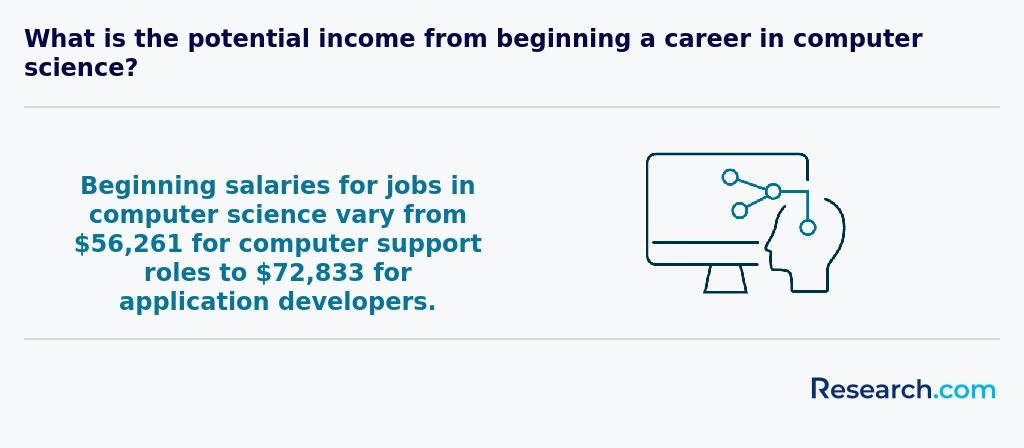
Online IT students in the Western U.S. access robust financial aid to manage costs that average $10,000 to $15,000 annually in-state. Federal aid through FAFSA remains pivotal, unlocking need-based Pell Grants that cover up to $7,395 yearly without repayment. Graduates from institutions like the University of California report these grants significantly easing their financial burden.
State-specific programs, such as California's Cal Grant, further support STEM-focused students, dramatically lowering tuition expenses at both public and private colleges. Merit scholarships offered by universities like Oregon State University reward academic excellence and relevant work experience, often stacking with federal aid for greater relief. One graduate recalls how combining these funds made a rigorous online curriculum financially manageable.
Employer tuition assistance also benefits IT learners employed by major tech firms across Silicon Valley, enabling partial to full coverage of tuition costs. Nonprofit scholarships from organizations championing diversity in tech, including the Society of Women Engineers, provide additional, targeted support, creating tangible opportunities for underrepresented students pursuing degrees in IT online.
To enroll in online information technology degree programs in the Western US, students typically must hold a high school diploma or GED, ensuring foundational academic readiness. Graduates from popular universities in the West often reflect on the importance of submitting official transcripts demonstrating a competitive GPA, commonly between 2.5 and 3.0, which signals preparedness for rigorous IT coursework.
Many programs remain flexible with standardized testing, as some institutions have adopted test-optional policies post-pandemic. However, having SAT or ACT scores can strengthen an application, particularly at more selective colleges.
Practical experience or coursework in computer science fundamentals, such as programming or networking, is frequently required or encouraged. For instance, students from well-known Western colleges frequently mention how prior knowledge of algebra and logic smoothed their transition into advanced IT classes.
English proficiency tests like TOEFL or IELTS are mandatory for international applicants, ensuring effective communication in an online academic setting. Additionally, reliable access to a computer and high-speed Internet is essential, as these technical tools enable active participation and successful completion of courses.

Online information technology degree programs in the Western United States typically include a set of core courses that build practical and foundational skills. Graduates from popular Western universities often highlight their confidence gained in programming languages such as Python or Java, acquired early in courses like Introduction to Programming. These skills are essential for real-world software development tasks.
Students also tackle Data Structures and Algorithms, a critical subject that prepares them for designing efficient software solutions and solving complex problems. Network Technologies courses familiarize learners with TCP/IP protocols, wireless networks, and troubleshooting, directly reflecting challenges faced in IT support roles at companies based in tech hubs like Silicon Valley.
Cybersecurity Fundamentals introduce crucial knowledge on threat detection and cryptography, helping graduates feel prepared to protect corporate data from evolving risks. Database Systems emphasize SQL and data modeling, which many alumni cite as vital when managing organizational data effectively.
Operating Systems coursework, typically exposing students to both Windows and Linux environments, equips them with versatile skills applicable to diverse IT infrastructures common in Western enterprises. Finally, Information Systems Management ties technical expertise with project management and governance, reflecting real workplace scenarios in large institutions.
Online information technology specializations West typically include cybersecurity, data analytics, software development, network administration, and cloud computing. These concentrations align well with regional tech demands and foster practical skills valued by employers. Graduates from popular universities in the Western US often express enthusiasm about mastering cybersecurity, given its critical role in defending against escalating cyber threats; this specialization addresses the projected 3.5 million global shortage of cybersecurity professionals by 2025.
Students focusing on data analytics benefit from understanding how to transform large data sets into actionable insights, a skill supported by a projected 22% job growth in computer and information research science through 2031. Many who pursue IT degree concentration options Western US appreciate how this prepares them to support data-driven decisions across industries.
Software development tracks emphasize programming languages and application design, reflecting steady developer demand in vibrant Western tech hubs, while network administration and cloud computing specializations provide hands-on experience with platforms like AWS and Microsoft Azure. For working professionals aiming to make informed career choices, examining the master's in information systems job outlook offers valuable perspective on future opportunities.
When choosing the best online information technology degree in the West, start by verifying regional accreditation such as WSCUC to ensure transferability and recognition. Graduates from well-known universities report that attending accredited programs in California and Oregon made advancing their careers seamless. Cost is vital, with affordable IT bachelor's programs Western US typically ranging between $7,000 and $15,000 annually for in-state students; out-of-state tuition may nearly double that. Many graduates emphasize how selecting a budget-friendly program reduced their financial stress while maintaining quality education.
Curriculum that matches evolving industry demands is essential. Look for courses featuring cybersecurity, cloud computing, and data analytics since these areas reflect top job market trends. Flexibility enhances success; asynchronous scheduling helps students balance full-time jobs or family, a common scenario for online learners in the West. High graduation rates coupled with strong job placements reinforce program value. Those entering the workforce highlight how their degrees aligned with local tech sector needs and information systems career path opportunities, enabling smooth transitions.
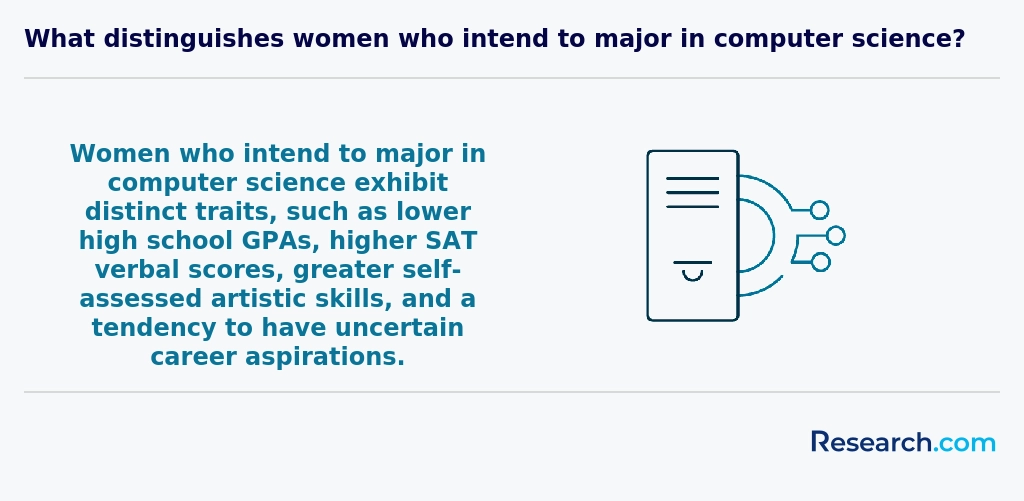
Graduates with an online information technology degree in the West find diverse career opportunities aligned with the region's dynamic tech environment. Popular roles encompass network and computer systems administrators who ensure organizations stay connected; information security analysts who protect businesses from cyber threats; software developers creating innovative applications; database administrators managing vital data systems; and IT project managers driving successful technology initiatives. These paths reflect strong demand in states like California and Washington, home to tech giants and startups.
Many graduates from well-known Western universities report feeling optimistic about their career trajectories, benefiting from practical skills honed through programs that emphasize real-world experience. These students often leverage accelerated curriculums and targeted certifications to quickly join expanding fields such as cybersecurity and cloud computing. The availability of technology jobs for online information technology graduates West strongly influences their decision-making, helping them secure roles with competitive salaries and career growth. For those seeking broader business technology expertise, exploring an mba program in information systems management can also enhance prospects.
The job market for online information technology jobs in the West remains robust, fueled by the presence of major tech hubs like Silicon Valley, Seattle, and Portland. Graduates from universities such as the University of Washington or California State University report strong recruitment interest from local firms and startups, driven by high demand for skills in cybersecurity, cloud computing, and software development.
In the West region IT degree employment opportunities, salaries tend to exceed national averages, with California offering median wages around $95,000 annually. Online programs enable working adults to gain these skills flexibly, increasing their competitiveness without sacrificing current employment. Many students have leveraged internships and specialized certifications to access these high-paying roles.
Students pursuing a database management bachelor's degree programs online have noted that proximity to innovation centers and remote work options widen their opportunities. As competition grows for top positions, graduates feel encouraged by the combination of regional tech growth and accessible educational pathways tailored for professionals.
2027 Fastest Online Bachelor's in Information Technology Degree Programs Ranking in the West
Investing in your education is a significant decision that can shape your future, and the Research.com team understands the importance of making informed choices. To assist prospective students in the western United States, we have meticulously crafted the "2027 Fastest Online Bachelor's in Information Technology Degree Programs Ranking in the West." Our commitment to quality, credibility, and accuracy is reflected in the extensive research and thorough analysis conducted to compile this ranking.
We utilized the following reputable data sources to ensure a comprehensive evaluation of Information Technology programs:
By exploring this ranking, readers will gain valuable insights into the fastest online bachelor's degree programs in Information Technology, empowering them to make well-informed decisions about their educational future. For more information on how this ranking was created, please visit our Research.com methodology page.


# 5 position
Western Governors University
Bachelor of Information Technology


# 7 position
Colorado Christian University
Bachelor of Information Systems Management


# 9 position
Central Washington University
Bachelor of Information Technology Management - Administrative Management Specialization


Frequently Asked Questions About information technology
Students pursuing online information technology degrees in the Western US can enhance their learning by actively engaging with interactive course materials and participating in virtual labs. Many programs accredited by regional agencies, such as WASC Senior College and University Commission, ensure quality education tailored to the IT sector's demands. According to the National Center for Education Statistics, nearly 40% of IT-related bachelor's degrees in California and Washington are earned online, highlighting strong regional growth.
Networking with peers through online forums and joining professional organizations like the Western IT Council can provide practical insights. Time management and setting consistent study schedules are critical to success. Utilizing internships or project-based courses helps apply theoretical knowledge to real-world scenarios, increasing employability in this rapidly evolving industry.
Emerging niches within the information technology field are rapidly shaping the demand for new skills and specialized online degrees in the Western United States. Areas like cybersecurity, cloud computing, and artificial intelligence (AI) are seeing significant growth. According to the U.S. Bureau of Labor Statistics, employment for information security analysts is projected to grow 35% from 2021 to 2031, much faster than average.
Data science and machine learning also present expanding opportunities, with many universities in California and Washington incorporating these topics into their online IT degree programs. Additionally, blockchain technology and Internet of Things (IoT) applications are gaining traction, opening career paths that blend IT with business and engineering disciplines.
After completing an online information technology degree in the West, preparing for the job market involves several key steps. First, build a strong portfolio showcasing practical projects and skills learned during your program. Employers value hands-on experience alongside academic credentials.
Networking is crucial; engage with professional groups like the Western Information Technology Association or local meetups to connect with industry professionals. According to the U.S. Bureau of Labor Statistics (BLS), IT employment in states like California and Washington is expected to grow by over 15% through 2030, highlighting strong regional opportunities.
Additionally, obtaining relevant certifications such as CompTIA Security+, Cisco's CCNA, or AWS can significantly enhance your resume. Consider internships or contract work to gain real-world experience and demonstrate your capability.
Regularly update your resume and LinkedIn profile, tailoring them to specific IT roles and emphasizing skills most in demand in the Western tech hubs.
Employers in the Western United States prioritize a combination of technical and soft skills for information technology graduates. Key technical abilities include proficiency in programming languages such as Python, Java, and SQL, alongside knowledge in cybersecurity, cloud computing, and data analytics. According to the U.S. Bureau of Labor Statistics, demand for IT roles involving cloud services is growing at over 15% annually in this region.
In addition to technical expertise, strong problem-solving skills and effective communication are highly valued. Employers seek graduates who can collaborate across teams and explain complex IT concepts clearly. Adaptability and continuous learning mindset are also critical due to the fast-evolving nature of technology.
Finding internships in the Western United States relevant to an information technology degree involves targeting tech hubs like Silicon Valley, Seattle, and Denver. These regions host many IT companies offering paid internships to students. According to the National Association of Colleges and Employers (NACE), about 60% of IT interns convert to full-time roles, highlighting the importance of internships in this field.
Students should utilize university career centers and online platforms such as Handshake and LinkedIn, which connect students with local employers. Additionally, many community colleges and universities in the West have partnerships with major tech firms, providing prioritized access to internships.
Networking through professional groups like the Association for Computing Machinery (ACM) local chapters can further increase internship opportunities. Staying proactive by attending virtual career fairs and workshops also strengthens chances in a competitive market.
An online information technology degree from institutions in the Western US significantly enhances career mobility and advancement opportunities. According to the Western Interstate Commission for Higher Education (WICHE), the demand for IT professionals in this region is expected to grow by 15% over the next decade. Graduates with online IT degrees benefit from flexible scheduling while gaining skills aligned with industry needs, such as cybersecurity, cloud computing, and data analytics. Employers in Silicon Valley and Seattle value these credentials for their rigorous curriculum and practical application. Additionally, many online programs offer networking opportunities and career services that support job placement and promotions.
Studying for an online information technology (IT) degree in the Western United States equips students with diverse skills that support interdisciplinary roles. Programs often blend computer science fundamentals with business, healthcare, and data analytics courses, reflecting regional industry needs. For example, California's tech sector emphasizes cloud computing and cybersecurity, while Washington State highlights software development and health informatics.
Universities in the West frequently partner with local industries to offer practical experience, enhancing students' ability to work across fields like finance, healthcare, and manufacturing. According to the National Center for Education Statistics, nearly 35% of IT graduates in the West enter roles that require cross-functional knowledge.
This holistic approach prepares graduates to solve complex problems collaboratively, a key factor in the expanding digital economy.
When choosing between a thesis and a non-thesis online information technology degree in the West, consider your career goals. Thesis programs typically emphasize research and prepare students for graduate studies or roles requiring strong analytical skills. Non-thesis options focus more on practical skills and coursework, ideal for those seeking direct entry into the IT workforce. According to the U.S. Department of Education, about 60% of IT bachelor's programs in western states offer both tracks to accommodate different needs. Cost and time commitment may also differ, with thesis paths sometimes requiring additional semesters. Review program outcomes carefully to match your ambitions.
Students in the Western United States seeking information technology (IT) degrees abroad have several online options through American institutions with global recognition. Many accredited universities offer fully online IT bachelor's programs with flexible pacing, allowing students to study without relocating. For example, schools in California and Washington provide specialized IT tracks tailored to current industry demands, including cybersecurity and data management.
The Western region is home to numerous public and private universities ranked highly in IT education by U.S. News & World Report. These schools often use cutting-edge platforms to deliver coursework globally. Additionally, credits earned abroad through exchange partnerships or transfer agreements can sometimes be applied to Western-based degrees, expanding students' possibilities.
According to the National Center for Education Statistics, enrollment in online IT degree programs has increased by over 20% in Western states since 2020, reflecting growing interest and accessibility.
Part-time job opportunities in the Western United States can effectively complement an online information technology degree. Roles such as help desk technician, IT support specialist, and junior web developer are common positions that provide practical experience alongside coursework. According to the U.S. Bureau of Labor Statistics, IT support roles in California and Washington are expected to grow over 10% through 2030.
Many students find internships with tech startups in Silicon Valley or Seattle that offer hands-on work with networking, cybersecurity, and coding projects. These experiences help build a competitive resume before graduation.
Additionally, freelance work in software testing and website maintenance offers flexibility and skill development. Western states have a thriving technology ecosystem, supporting part-time involvement in tech-related jobs while pursuing degrees.
Online information technology students in the Western US have increasing chances to build strong professional networks. Many universities provide virtual career fairs and webinars, connecting students with industry experts from Silicon Valley and Seattle, two major tech hubs. According to a 2023 report by the Western Interstate Commission for Higher Education, over 65% of online IT programs in the West partner with local tech companies for internships and mentorships.
Students can also join professional associations like the California Technology Council or Oregon Technology Association, which offer virtual networking events and job boards. These opportunities help students gain industry insights and establish valuable contacts while studying remotely.
Alumni networks offer significant advantages to students pursuing online information technology degrees in the Western United States. These networks provide access to experienced professionals who can offer mentorship, career advice, and industry insights, which are critical in the fast-evolving IT field.
The Western region hosts numerous tech hubs, including Silicon Valley and Seattle, where alumni connections often lead to internship and job opportunities. According to the National Association of Colleges and Employers, 70% of jobs are found through networking, emphasizing the value of these relationships for IT students.
Additionally, alumni networks facilitate access to exclusive workshops, seminars, and recruitment events tailored to the technology sector, helping students stay updated with current trends and certifications.
Customizing an online information technology degree program in the Western US allows students to align education with specific career goals. Many universities in the region offer flexible curricula featuring electives in cybersecurity, data analytics, or software development, letting learners focus on high-demand IT specialties.
Students can often choose between technical and managerial tracks, tailoring their skills toward roles like network administration or IT project management. According to the National Center for Education Statistics, Western states show a 12% annual increase in IT job postings, emphasizing the value of skill-specific education.
Additionally, some programs provide certificate options or internships with local tech firms, offering real-world experience alongside coursework.
Online information technology students in the Western United States commonly face challenges related to balancing coursework with personal and professional obligations. Many students work full-time jobs while studying, which can impact their ability to keep up with demanding IT curricula. According to the Western Interstate Commission for Higher Education (WICHE), time management is a widely reported concern among these learners.
Additionally, limited access to hands-on lab experiences can hinder understanding of practical IT skills, as many programs struggle to replicate real-world environments online. Connectivity issues and varying levels of digital literacy also pose barriers, especially for students in rural areas. Institutional support and effective communication remain critical to overcoming these obstacles.
Graduates with an online information technology degree in the Western US can pursue several valuable professional certifications to enhance their careers. Popular options include the CompTIA A+ and Network+, which validate foundational IT skills and networking knowledge respectively. The Certified Information Systems Security Professional (CISSP) is highly regarded for those specializing in cybersecurity, a field projected to grow 31% by 2031 according to the U.S. Bureau of Labor Statistics.
Cloud-related certifications, such as AWS Certified Solutions Architect and Microsoft Azure Fundamentals, are also in high demand as businesses shift towards cloud computing. Additionally, the Certified Information Systems Auditor (CISA) serves IT professionals focusing on security auditing and control.
These certifications can significantly improve job prospects and earning potential in the tech industry, particularly across the West where tech hubs in California and Washington lead innovation.
To write a winning application for an online information technology (IT) program in the Western US, start by clearly articulating your career goals and how the degree fits these ambitions. Admissions committees value applicants who demonstrate focused motivation.
Highlight relevant work experience or technical skills, such as programming languages or network management, to showcase readiness for rigorous IT coursework. According to the Western Interstate Commission for Higher Education, technology job growth in the West is projected to increase by over 15% through 2030, making practical skills crucial.
Strong letters of recommendation and a well-written personal statement explaining why you chose online study over traditional formats also strengthen your application. Finally, ensure that your academic transcripts meet program prerequisites and indicate a solid STEM background.
The global perspective on an information technology (IT) career highlights significant growth and opportunity, especially for students studying in the Western US. According to the U.S. Bureau of Labor Statistics, employment in computer and information technology occupations is projected to grow 15% from 2021 to 2031, much faster than the average for all occupations. This demand aligns with global digital transformation trends, increasing reliance on IT infrastructure, cybersecurity, and cloud computing.
Western states like California and Washington are technology hubs with a high concentration of IT jobs. Many online IT degree programs in these regions emphasize skills that are in global demand, such as data analytics and network architecture. The Western education system encourages hands-on learning and certifications, which are valued worldwide.
Internationally, IT professionals with U.S.-based degrees often receive recognition for rigorous technical training. This global acknowledgment can open doors to multinational companies and remote work opportunities, supporting a flexible career path. Therefore, an IT degree in the West provides competitive advantages both locally and globally.
Gaining practical experience while pursuing an online information technology degree in the West is essential for career readiness. Many programs incorporate virtual labs and simulations, allowing students to practice coding, network configuration, and cybersecurity tasks. According to the National Center for Education Statistics, nearly 70% of US online IT programs offer hands-on projects.
Internships, though often remote, provide critical real-world exposure. Sites like Handshake and LinkedIn list internships specifically for online students. Additionally, joining local or regional IT meetups and hackathons can build skills and professional networks.
Certifications such as CompTIA or Cisco's CCNA also complement academic knowledge by validating practical abilities.
Choosing the right concentration within an online information technology degree in the Western U.S. depends on your career goals and current industry demands. Popular concentrations include cybersecurity, data analytics, and software development, each offering distinct job prospects. According to the U.S. Bureau of Labor Statistics, the Western region has seen a 15% growth in IT jobs between 2021 and 2023, especially in cybersecurity roles.
Evaluate your technical interests and research regional employers' needs. For example, California's Silicon Valley favors software engineering, while Washington state has strong cloud computing and cybersecurity markets. Online programs often provide detailed course descriptions and career support to guide your choice.
Additionally, consider accreditation and alignment with certifications like CompTIA or Cisco, which enhance employability. Reviewing regional salary trends reported by sources such as the Western Interstate Commission for Higher Education can further inform your decision.
- Using Technology to Transform Higher Education https://upcea.edu/using-technology-to-transform-higher-education/
- 2026 Best Online IT Degrees https://www.onlineu.com/degrees/information-technology
- IT Jobs with a Bachelor of Science in Information Technology https://potomac.edu/blog-it-jobs-with-bachelor-of-science-in-information-technology/
- Online Technology Degree Programs https://www.phoenix.edu/online-information-technology-degrees.html
- 4 Ways to Leverage Technology to Enhance the Learning ... https://blog.definedlearning.com/leveraging-technology-in-the-classroom/
- How long does it take to complete an IT program? https://wcc.ca/blog/how-long-does-it-take-to-complete-an-it-program/
- The Best Online Bachelor's in Information Technology Programs https://www.onlinecolleges.net/rankings/best-online-bachelors-information-technology-degree-programs/
- IT Careers: Top-Paying Fields for Grad Students https://www.onlinemastersdegrees.org/careers/information-technology-it/
- Students' experiences of educational technology use to ... https://journal.alt.ac.uk/index.php/rlt/article/view/3193/3163
- IT Schools Online | Information Technology Careers https://www.oedb.org/rankings/online-it-programs/