2027 Fastest Online Master's in Information Technology Degree Programs Ranking in Michigan

Co-Founder and Chief Data Scientist
Are you looking to advance your career with a Master's in Information Technology but want a program that fits your busy lifestyle? This article introduces the 2027 Fastest Online Master's in Information Technology Degree Programs Ranking in Michigan, created by the Research.com team of data scientists. It's designed to help you discover the best online options available in Michigan, making your decision easier and smarter.
Pursuing this degree can open doors to exciting opportunities and skill growth in a thriving industry. Dive in and explore programs that match your goals and pace with confidence.
Key benefits of getting online information technology degree in Michigan
- Graduates with information technology degrees in Michigan can expect rewarding careers, with many IT roles across the US offering median salaries around $88,000 annually, providing strong financial stability.
- Career paths include roles such as network administrators, software developers, and cybersecurity specialists, reflecting the diverse opportunities available to IT graduates from institutions like the University of Michigan.
- Online IT degrees offer great flexibility, allowing students to balance studies with personal and work life, as seen with graduates from Michigan State University's online program who appreciate the convenience without compromising education quality.
- 2027 Fastest Online Master's in Information Technology Degree Programs Ranking in Michigan
- What can I expect from online information technology degree in Michigan?
- Where can I work with online information technology degree in Michigan?
What can I expect from online information technology degree in Michigan?
When considering the cost of an online information technology degree in Michigan, you'll find that tuition is often surprisingly affordable, especially at public universities. Many students share how in-state tuition rates make a huge difference, sometimes cutting the price in half compared to out-of-state or national averages. For example, graduates from well-known Michigan institutions like the University of Michigan and Michigan State often praise the financial accessibility they experienced while pursuing their degrees online.
One common scenario for many is balancing work and study without accruing overwhelming debt, thanks to competitive tuition and available scholarships tailored for online IT learners. Some students describe using these savings to invest in certification exams like CompTIA Security+ or AWS, which enhance their employability immediately after graduation.
Financial aid options and flexible payment plans are usually offered, making it easier for you to manage education costs while focusing on mastering skills like network security and data analytics. This practical support lets you pursue your career goals with confidence in Michigan's thriving tech landscape.
Where can I work with online information technology degree in Michigan?
Graduates with an online information technology degree in Michigan find themselves stepping into a landscape full of exciting opportunities. Many secure positions in Detroit's booming automotive industry, where companies like General Motors and Ford are constantly seeking IT talent to drive innovations in autonomous vehicles and connected car systems. Imagine working on cutting-edge software that shapes the future of driving-graduates from schools like the University of Michigan have shared how these roles allow them to blend passion with meaningful impact.
Others find rewarding careers in Michigan's health care sector. Alumni from programs at Michigan State University often talk about the fulfillment they gain managing secure electronic health records or developing health informatics solutions for institutions such as Henry Ford Health System. These roles combine technical expertise with a chance to improve people's lives.
Startups and fintech companies in cities like Grand Rapids and Ann Arbor also eagerly hire IT graduates. Whether developing cloud computing platforms or enhancing cybersecurity, many graduates enjoy the dynamic, collaborative environments of Michigan's growing tech scene. With salaries ranging from $55,000 to $75,000 for entry-level roles, the future is bright for those ready to innovate and grow.
Graduates who earn their online information technology degree in Michigan often find themselves stepping into roles with competitive salaries. Many alumni from respected institutions like the University of Michigan or Michigan State University have reported starting salaries between $50,000 and $65,000 in entry-level positions such as help desk technicians or junior network administrators.
With experience and advanced skills, salaries quickly rise. For example, IT project managers and software developers in Michigan can earn from $90,000 to over $120,000 annually. One graduate I've mentored described leveraging their online degree and certifications from local Michigan programs to land a cybersecurity role in Detroit, breaking the $100,000 mark within a few years.
Working in tech hubs like Ann Arbor or Lansing also boosts earning potential, thanks to the region's expanding automotive tech and software sectors. Armed with an online IT degree and industry credentials, you'll position yourself for well-paying opportunities that reflect Michigan's growing tech economy.
- Online IT degree programs in Michigan serve students seeking flexibility and support the state's growing tech industry in cities like Detroit, Grand Rapids, and Ann Arbor.
- Tuition for online bachelor's degrees in IT ranges from $20,000 to $40,000 for in-state students, with graduate programs costing between $15,000 and $30,000.
- Early-career salaries for IT graduates in Michigan are between $55,000 and $70,000 annually, rising above $90,000 with experience.
- The IT job market in Michigan is projected to grow by about 8% over the next decade, faster than the average for all occupations.
- Many online IT programs are accredited, offer transferable credits, and provide internship and networking opportunities to support local employment.
Completing an online information technology degree in Michigan often takes around four years for full-time bachelor's students, typically requiring about 120 credit hours. Many graduates from well-known institutions like Ferris State University or Grand Valley State University share how the flexibility of online courses allowed them to balance work and family while steadily progressing toward their degree.
Part-time students or those transferring credits sometimes extend their studies to five or six years, turning their education into a sustainable journey rather than a race. One graduate described how pacing their coursework around a full-time job made the process less stressful and ultimately more rewarding.
Master's programs in Michigan add a practical edge and generally span from 1.5 to 3 years, depending on course load and enrollment status. Online students from universities such as the University of Michigan-Flint emphasize how customizable schedules helped them dive deep into cybersecurity and software development while managing personal commitments.
By choosing the pace that fits your life, you can find a pathway that turns challenges into stepping stones toward a successful IT career in Michigan's growing tech scene.
Choosing between an online or on-campus information technology degree in Michigan means weighing how you learn best and what fits your lifestyle. Graduates from the University of Michigan who chose online programs often share how the flexibility allowed them to balance jobs and family while mastering skills like network security and software development at their own pace. Meanwhile, those who studied on-campus at Michigan State University highlight the value of hands-on labs and face-to-face collaboration, which made complex concepts clearer and sparked lasting professional connections.
Online students appreciate saving on commuting, especially in cities like Detroit, and find the ability to revisit lectures whenever needed a real advantage. On-campus learners, however, cherish immediate instructor support and access to specialized technology on site. Both paths at Michigan institutions hold strong accreditation, ensuring you graduate ready to join the state's booming tech sector.
- Cost: Online IT degrees in Michigan often range from $10,000 to $25,000 for full programs, potentially reducing living expenses compared to on-campus options.
- Flexibility: Online programs allow students to balance work and study more easily.
- Resources: On-campus students have access to physical labs and technology resources.
- Networking: Face-to-face interaction in on-campus programs can enhance professional connections.
The average cost of an online information technology degree in Michigan depends largely on residency and school choice. For many students, particularly those attending public universities like the University of Michigan or Michigan State University, the total tuition and fees tend to fall around $23,827 for in-state learners. This makes Michigan a practical option for ambitious students seeking quality education without overwhelming debt. Graduates often share how these affordable rates allowed them to focus on gaining experience and advancing their careers without financial strain.
Out-of-state students should expect a higher investment, with median costs reaching approximately $37,548. Private institutions might push this figure even higher, but often provide significant financial aid, scholarships, or other resources to offset expenses. Many students appreciate how these institutions offer engaging coursework and smaller classes that enhance the learning experience.
If you are considering the average cost of online information technology degree in Michigan, keep in mind that tuition can vary based on factors like program length and credit hours. Public universities generally charge between $500 and $1,200 per credit hour for in-state online students, providing transparent and manageable pricing. Reflecting on real-life scenarios, it's common for graduates from Michigan's online programs to advance confidently in their careers while feeling grateful for the balance between quality education and cost.
Exploring tuition reimbursement plans or scholarships offered through local employers is a smart way to lower costs. For those planning their educational path in IT, knowing the financial landscape upfront will empower you to make informed decisions. Consider checking resources on the steps to become an information systems manager to align your studies with future career success.

When pursuing an online information technology degree in Michigan, numerous financial aid options can transform what seems like a daunting cost into an achievable investment in your future. Federal aid is a key pillar, with Pell Grants offering no-repayment support based on need, while federal loans provide lower interest rates and flexible repayment plans. Graduates from institutions like the University of Michigan-Dearborn often share how these programs relieved their financial pressure early on.
State programs such as the Michigan Competitive Scholarship and the Tuition Incentive Program further open doors, often covering tuition for eligible Michigan residents attending colleges like Wayne State University or Michigan State University. These awards can be combined with merit-based scholarships many online IT students tap into, rewarding academic excellence and professional experience.
Additionally, employer tuition assistance is a powerful resource, especially in Detroit's booming tech sector, where upskilling is encouraged. Private scholarships from groups like the Michigan IT Council add yet another layer, helping you fund your education and advance your career with confidence.
To enroll in an online information technology degree program in Michigan, you typically need a high school diploma or GED as your foundation. Many Michigan students who have thrived in programs at schools like the University of Michigan or Michigan State University share how a solid background in math and science became their secret weapon for tackling complex IT challenges. These subjects sharpen your logical thinking-something both instructors and employers value highly.
For those aiming at master's level studies, a bachelor's degree is essential. Graduates from Michigan's well-regarded IT programs often recall that having prior experience or coursework in computer science or related fields gave them a real edge. Even diverse academic backgrounds can be a strength if you demonstrate strong technical skills and passion.
- Some programs may ask for test scores, official transcripts, personal statements, or letters of recommendation to understand your commitment.
- Showing prior experience or certifications in programming, networking, or systems analysis often impresses admissions teams and can substitute for formal prerequisites.
Remember, getting in is about showing readiness and enthusiasm for the field. Michigan's growing tech industry values applicants who come prepared to learn and contribute.
When pursuing an online information technology degree in Michigan, you'll dive into courses that build a solid foundation while equipping you with in-demand skills. Graduates from popular Michigan schools often recall starting with core classes like Introduction to Computer Science, where they mastered programming basics using Python or Java-skills that quickly transformed abstract code into real-world apps.
Next, they tackled Data Structures and Algorithms, which sharpened their problem-solving abilities by teaching how to organize and manipulate data efficiently. Database Management courses opened doors to understanding how companies store and protect critical information, while Networking Fundamentals prepared them to design and maintain the digital highways that connect our world.
Many students also found inspiration in cybersecurity tracks. Courses such as Network Security and Ethical Hacking gave them hands-on experience defending systems-vital knowledge given Michigan's growing demand for IT security pros.
Electives like cloud computing and artificial intelligence allowed learners at institutions like Wayne State and Michigan Tech to tailor their studies toward exciting, future-focused careers, making their education feel both relevant and empowering.
When pursuing an online information technology degree in Michigan, you'll find diverse specializations tailored to dynamic career paths. Graduates from popular institutions like the University of Michigan and Michigan State University often highlight specializations such as cybersecurity, where they master network defenses and ethical hacking-skills vital for Michigan's growing cybersecurity job market. Others pursue data analytics and data science concentrations, leveraging large datasets to drive strategic decisions in industries thriving across the state.
For many, software development stands out as a practical choice, focusing on programming and application design, opening doors to Michigan's expanding tech firms. Network administration and cloud computing also attract students eager to build and maintain critical IT infrastructure, as emphasized in Michigan online IT degree concentration options. These tracks reflect the needs of local employers and create powerful employment opportunities.
Through real-world projects and internships in tech hubs like Ann Arbor, many find this education transformative. If you want to explore career options further, check out masters information systems jobs for insight on how to align your specialization with future prospects.
When choosing the best online information technology degree in Michigan, first ensure the program holds strong accreditation, such as from the Higher Learning Commission. Graduates from popular Michigan universities often praise how this credibility gave their degrees real weight with local employers. Many find that comparing affordable online IT master's programs Michigan offers helped them maximize value without compromising quality, especially when factoring in in-state tuition discounts and additional fees.
Look closely at the curriculum to see if it aligns with today's IT landscape. Graduates frequently mention how hands-on projects and virtual labs at schools near Detroit or Ann Arbor prepared them for dynamic roles like cybersecurity or cloud computing. Programs that focus on practical skills and internships truly open doors in Michigan's booming tech hubs.
Finally, consider flexibility and support services that accommodate busy schedules. Graduates have found career counseling and accessible faculty crucial in their success. To understand the variety of career paths these degrees unlock, explore information systems job roles, which sheds light on many opportunities awaiting you.

Graduates of online information technology degrees in Michigan step into a vibrant job market with diverse career paths. Many find fulfilling roles as cybersecurity analysts, protecting crucial business data from ever-evolving threats-a need growing steadily in Michigan's tech hubs like Detroit and Ann Arbor. Others thrive as network administrators, ensuring seamless connectivity for companies adapting to hybrid work models.
Software development careers also flourish here, especially for graduates from popular institutions who build apps and programs that fuel the state's booming tech startups. Data analysts are in high demand to interpret complex information for Michigan's automotive and healthcare industries, turning data into innovation. Meanwhile, IT project managers coordinate critical tech initiatives that drive digital growth across numerous sectors.
As you explore online information technology careers in Michigan, remember many graduates combine formal education with hands-on projects, enhancing their employability. If you're eyeing leadership roles, consider expanding your expertise through related programs like online mba in information systems management programs to broaden your strategic impact.
The job outlook for online IT degrees Michigan is very encouraging, especially for graduates from institutions in key cities like Detroit and Ann Arbor. Many graduates from popular Michigan colleges share how their degrees helped them secure roles in high-demand fields such as cybersecurity and software development, thanks to the state's thriving technology sector and active collaboration between universities and local businesses.
Information technology careers Michigan job market continue to grow due to strong industry support, including automotive giants pivoting toward software innovation and expanding healthcare IT needs. These opportunities are supported by hands-on internships and partnerships that make the transition into the workforce smoother for students. For example, graduates often find rewarding positions where their skills directly impact business efficiency and innovation.
When considering affordability and curriculum, you might explore online database management bachelor programs, which are among valued IT degrees in Michigan. The competitive cost of local online degrees combined with Michigan's expanding tech scene creates a truly promising environment for future professionals eager to make their mark.
2027 Fastest Online Master's in Information Technology Degree Programs Ranking in Michigan
Investing in your education is a significant decision that can profoundly impact your career, and the Research.com team is deeply aware of the importance of making well-informed choices. To support prospective students in Michigan, we have carefully developed the "2027 Fastest Online Master's in Information Technology Degree Programs Ranking." Our dedication to quality, credibility, and accuracy is demonstrated through rigorous research and data analysis conducted by our team. We utilized the following reputable data sources to create a comprehensive and reliable ranking:
By consulting this ranking, readers will obtain valuable insights into the fastest online IT master's programs in Michigan, empowering them to choose programs that align with their career goals and time commitments. For a deeper understanding of how our rankings are formulated, please visit our Research.com methodology page.
# 1 position
University of Detroit Mercy
Master of Computer & Information Systems with a major in Software Management


# 5 position
Walsh College
Master of Information Technology Leadership

Frequently Asked Questions About information technology
Students pursuing online information technology degrees in Michigan can enhance their learning by actively engaging with virtual resources offered by their institutions. Utilizing Michigan-based tech hubs and professional networks, such as those connected to the Detroit Regional Chamber, helps in gaining practical insights and job connections. It is beneficial to participate in online forums and collaborative projects to simulate real-world IT environments. Furthermore, leveraging Michigan's growing IT sector, which added over 7,000 tech jobs in 2023 according to the Michigan Economic Development Corporation, can provide up-to-date context for coursework and internships. Time management and consistent communication with faculty also support successful study outcomes.
The information technology field continues to evolve rapidly, with several emerging niches gaining prominence in Michigan's growing tech landscape. Key areas include cybersecurity, driven by increasing threats and a rising demand for skilled professionals. According to the Michigan Department of Labor, cybersecurity jobs are projected to grow by over 20% through 2030 in the state.
Another important niche is data science and analytics, which supports decision-making in industries like automotive and healthcare-both vital in Michigan's economy. Cloud computing also remains crucial as more organizations migrate services online. Additionally, artificial intelligence and machine learning are expanding, creating new opportunities for IT graduates in research and development settings.
After completing an online information technology degree in Michigan, preparing for the job market involves strategic steps. Start by gaining relevant certifications such as CompTIA, Cisco, or Microsoft, which are valued by Michigan employers. Networking is essential; leverage platforms like LinkedIn and attend local tech meetups or events in cities like Detroit and Grand Rapids. According to the Michigan Department of Technology, Management & Budget, IT jobs are projected to grow 7% by 2030 in the state, indicating solid demand.
Internships or project-based experience during the degree can significantly boost your resume. Tailor your applications to highlight skills in cybersecurity, cloud computing, or data analysis-fields with strong growth locally. Utilize career services offered by your institution for interview preparation and job placement support.
Employers in Michigan seeking graduates with online information technology degrees prioritize a mixture of technical and soft skills. Proficiency in cybersecurity, cloud computing, and data analytics ranks highly, reflecting Michigan's growing digital economy as reported by the Michigan Economic Development Corporation. Knowledge of programming languages like Python, Java, and SQL is crucial, with over 70% of IT job postings in Michigan listing these as requirements according to Burning Glass Technologies.
Additionally, strong problem-solving abilities and effective communication are essential. Employers value candidates who can work collaboratively in diverse teams, adapting to rapid technological changes common in Michigan's automotive and software sectors.
Finding internships in Michigan for online information technology degree students involves leveraging multiple resources. Michigan hosts a growing tech industry concentrated in cities like Detroit, Ann Arbor, and Grand Rapids, with companies frequently seeking IT interns. Students should explore internship listings on university career centers, which often partner with local employers.
The Michigan Talent Connect website, run by the state's Department of Labor, offers a targeted job and internship search tool valuable for IT roles. National platforms like LinkedIn and Handshake also provide regional opportunities specifically filtered for Michigan.
Networking with local tech meetups and organizations such as the Michigan Technology Council can open doors to internships not widely advertised. Engaging with professors and alumni networks can provide personal referrals, which remain highly effective in securing placements.
According to the Michigan Economic Development Corporation, Detroit's tech sector grew by 4.7% in 2023, increasing internship availability. Students should start early and tailor applications to emphasize relevant IT skills.
An online information technology degree in Michigan significantly enhances career mobility and advancement opportunities. The state's tech sector is growing, with organizations increasingly valuing IT skills. According to the Michigan Economic Development Corporation, IT jobs in Michigan are projected to grow 12% from 2020 to 2030, faster than the average for all occupations.
Online degrees allow professionals to update skills while working, making them competitive for promotions or job switches. Many employers in Michigan's automotive, healthcare, and manufacturing industries prefer candidates with advanced IT credentials.
Furthermore, online programs often align with industry certifications, which can boost candidates' resumes and salary potential.
Studying for an online information technology degree in Michigan offers a strong foundation for interdisciplinary roles by integrating technical knowledge with business, healthcare, and engineering applications. Many Michigan universities design curricula that emphasize collaboration across fields, reflecting the state's diverse economy, including automotive, manufacturing, and healthcare sectors.
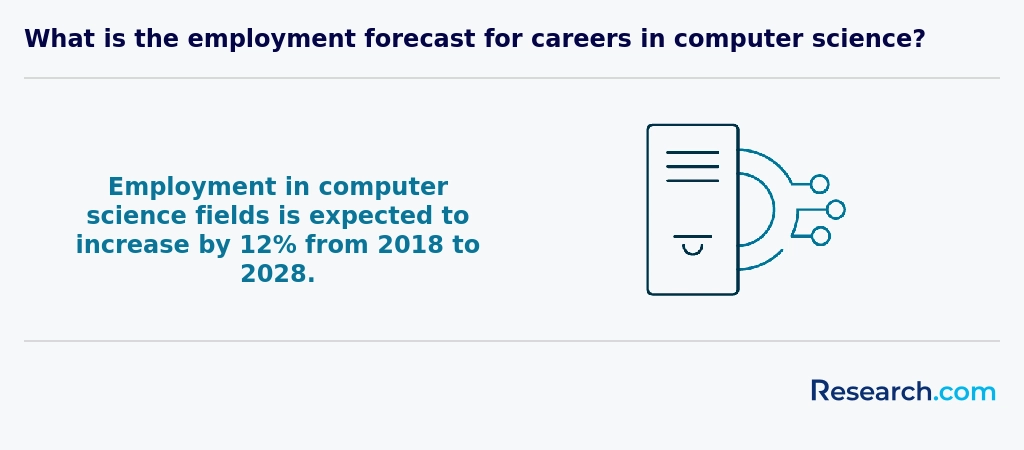
According to the Michigan Economic Development Corporation, IT job growth in the state is expected to rise by 12% through 2028, highlighting the demand for professionals with versatile skills. Coursework often includes data analytics, cybersecurity, and project management, preparing students to work effectively with professionals outside traditional IT roles.
This interdisciplinary approach helps graduates adapt to complex work environments and engage in problem-solving that requires both technical expertise and cross-sector understanding. By aligning their education with Michigan's evolving industry needs, students can better position themselves for leadership roles in various sectors.
When choosing between a thesis and a non-thesis online information technology degree program in Michigan, consider your career goals and learning preferences. Thesis programs typically require conducting original research and writing a substantial paper, which suits students aiming for research roles or doctoral studies.
Non-thesis programs usually emphasize practical skills through coursework and projects, appealing to professionals seeking to advance in industry or managerial positions.
Michigan's tech sector is growing, with a 7.2% increase in IT jobs from 2020 to 2023 (Bureau of Labor Statistics). This favors practical skills, making non-thesis tracks attractive for immediate workforce entry.
Research-oriented students might prefer thesis options at Michigan universities accredited by regional bodies to develop expertise and contribute to technological innovation.
Students based in Michigan seeking to study information technology abroad have access to several options through US higher education institutions with established international partnerships. Many Michigan universities, such as Michigan State University and the University of Michigan, offer study abroad programs and exchange agreements that include IT-focused coursework. These programs allow students to gain global perspectives while earning credits toward their degrees.
Additionally, online IT degrees often incorporate global case studies and projects, enabling students to engage with international IT trends without physical relocation. According to NACE's 2023 report, Michigan's IT sector is growing, encouraging universities to foster global competencies.
Students should explore programs accredited by recognized bodies like ABET to ensure transferability and quality when studying abroad or online.
Part-time job opportunities in Michigan that complement information technology (IT) degree education are diverse and growing. Many students find roles such as IT support specialists, help desk technicians, and junior network administrators valuable for gaining practical skills while studying. According to the Michigan Department of Technology, Management & Budget, IT jobs in the state are expected to grow 8% through 2028, reflecting strong local demand.
Internships with tech firms and local government agencies provide hands-on experience and networking. Additionally, freelance web development and cybersecurity consulting offer flexible options to build a professional portfolio.
Entering these roles can improve technical proficiency and increase employability upon graduation.
Online information technology students in Michigan benefit from several robust networking opportunities despite studying remotely. Many Michigan universities offering online IT degrees connect students to local and state professional groups such as the Michigan IT Leaders Coalition. These platforms help students build relationships with IT professionals and alumni in the region.
Additionally, Detroit and Ann Arbor host regular tech meetups and conferences where students can attend virtually or in person. According to the Michigan Economic Development Corporation, the IT sector in Michigan has grown by over 7% since 2020, creating numerous networking events aimed at industry integration.
Students are also encouraged to join national organizations with state chapters like the Association for Computing Machinery (ACM), which provide webinars, mentorship, and job fairs.
Alumni networks play a significant role in supporting online information technology degree students in Michigan. These networks provide valuable professional connections, enabling students to access job opportunities in Michigan's growing IT sector, which employs over 120,000 professionals statewide as reported by the Michigan Department of Technology, Management & Budget (2023).
Through alumni events and online platforms, students can gain mentorship from experienced graduates working in local companies. This guidance helps in understanding industry trends and preparing for certifications important in Michigan's tech market.
Strong alumni ties also foster collaboration on projects and knowledge sharing, which enhance practical skills beyond the virtual classroom.
Online information technology degree programs in Michigan offer flexible options to tailor your studies. Many universities allow students to choose electives aligned with career goals such as cybersecurity, data analytics, or software development. For example, institutions like Michigan State University provide specialized tracks within their IT programs.
Students can often select capstone projects or internships connected to Michigan's growing tech industry, including companies in Detroit and Ann Arbor, to gain practical experience. According to the Michigan Economic Development Corporation, the tech sector provides over 275,000 jobs statewide, highlighting strong local opportunities.
Additionally, some programs offer certifications alongside degrees, enhancing professional credentials and marketability.
Online information technology students in Michigan often face challenges related to balancing work, family, and study commitments. Many learners juggle full-time jobs while pursuing degrees, which can lead to time management difficulties. According to the Michigan Economic Development Corporation, IT professionals in the state demand up-to-date skills, requiring students to stay current with rapidly evolving technologies.
Another challenge involves limited in-person interaction, which can reduce networking opportunities crucial for career advancement in tech fields. Additionally, some students encounter technical issues or lack access to reliable internet, impacting their ability to engage fully with coursework.
Financial constraints also play a role, as tuition and related costs may discourage some candidates from enrolling or continuing their studies.
An online information technology degree from Michigan can open doors to several valuable professional certifications. Common options include the CompTIA A+, which validates fundamental IT skills, and the Certified Information Systems Security Professional (CISSP) for advanced cybersecurity roles. Many graduates also pursue the Certified Information Systems Auditor (CISA) or Project Management Professional (PMP) certifications to enhance their credentials.
According to the Michigan Economic Development Corporation, IT jobs in the state are expected to grow by over 8% through 2028, driving demand for professionals holding such certifications. These credentials can substantially improve job prospects and salary potential.
Online degree programs often align their curricula with certification requirements, helping students prepare efficiently for exams recognized nationwide.
Writing a winning application for an online information technology program in Michigan begins with a clear and focused personal statement. Applicants should highlight their passion for IT and relevant professional experiences, demonstrating how the degree aligns with their career goals. Michigan's tech industry has grown steadily, with Lansing and Detroit becoming hubs for cybersecurity and software development jobs, making local experience valuable to include.
Strong academic records are essential; many programs prefer a minimum GPA of 3.0. Additionally, letters of recommendation from IT professionals or professors can significantly strengthen applications. Applicants should also ensure they meet all technical requirements for online learning, showcasing their readiness for virtual coursework. Data from the Michigan Center for Educational Performance underscores the importance of these elements in successful admissions.
The global demand for information technology (IT) professionals continues to grow, driven by digital transformation across industries. In the United States, including Michigan, IT careers offer strong job prospects and competitive salaries. The U.S. Bureau of Labor Statistics projects a 15% growth for computer and information technology occupations from 2021 to 2031, faster than the average for all jobs.
Internationally, technological advancements fuel opportunities in areas like cybersecurity, data analytics, and cloud computing. Michigan's position as a manufacturing and automotive hub increasingly requires IT experts to support automation and smart technologies.
Obtaining an online IT degree in Michigan aligns well with these trends, providing flexible pathways to gain skills valued worldwide. This is supported by Michigan's TechTalent Pipeline initiative, which highlights the regional demand for IT skills with over 30,000 IT job openings annually.
Gaining practical experience while pursuing an online information technology degree in Michigan is essential for career readiness. Students can participate in virtual internships offered by Michigan-based tech companies, many facilitated through university partnerships. For example, Detroit's growing tech scene provides numerous opportunities for remote IT internships.
Joining local or statewide professional organizations, such as the Michigan IT Council, offers networking and hands-on project possibilities. Additionally, many programs include capstone projects that simulate real-world challenges, improving problem-solving skills.
According to the Michigan Department of Labor, IT roles are projected to grow by 8% through 2030, emphasizing the importance of applied skills alongside theoretical learning.
Choosing the right concentration within an online information technology degree program in Michigan involves assessing your career goals and local industry demand. Michigan's IT sector, especially in Detroit and Ann Arbor, emphasizes cybersecurity, data analytics, and software development, reflecting nationwide trends. According to the Michigan Department of Technology, Management & Budget, cybersecurity job openings are expected to grow by over 20% by 2028.
Consider concentrations that align with these high-demand areas. Also, evaluate program flexibility and faculty expertise. Many Michigan institutions offer specialized tracks online, allowing you to build skills relevant to regional employers and remote work opportunities.
- 2027 Fastest Online Master's in Information Technology Degree Programs Ranking in Ohio
- 2027 Fastest Online Master's in Information Technology Degree Programs Ranking in Wisconsin
- 2027 Fastest Online Master's in Information Technology Degree Programs Ranking in Illinois
- 2027 Fastest Online Master's in Information Technology Degree Programs Ranking in Pennsylvania
- 2027 Fastest Online Master's in Information Technology Degree Programs Ranking in Kentucky
- 2027 Fastest Online Master's in Information Technology Degree Programs Ranking in West Virginia
- 2027 Fastest Online Master's in Information Technology Degree Programs Ranking in Missouri
- 2027 Fastest Online Master's in Information Technology Degree Programs Ranking in New York
- 2027 Fastest Online Master's in Information Technology Degree Programs Ranking in Virginia
- 2027 Fastest Online Master's in Information Technology Degree Programs Ranking in New Jersey
- Exploring 7 of the Hottest Niche Skillsets Within Tech https://www.dice.com/career-advice/exploring-7-of-the-hottest-niche-skillsets-within-tech
- Information Technology Internships: Find 568 Information Technology Intern Jobs https://internshala.com/internships/information-technology-internship/
- Information Technology Assistant Cover Letter Sample https://www.kickresume.com/en/help-center/information-technology-assistant-1-cover-letter-sample/
- Information Technology Degree Jobs: 5 In-Demand Careers to Consider https://www.umassglobal.edu/blog-news/information-technology-degree-jobs-5-demand-careers-consider
- Online Colleges in Michigan https://www.onlineschools.org/guides/michigan/
- Top 10 Technology Challenges for Schools and How to Solve Them | Modern Office Methods https://www.momnet.com/top-10-technology-challenges-for-schools-and-how-to-solve-them/
- Jobs you can get with an IT degree | Monroe University https://www.monroeu.edu/academics/undergraduate-programs/school-information-technology/jobs-with-degree-in-it
- Best Entry-Level IT Certifications for Beginners - ONLC https://www.onlc.com/blog/best-beginners-entry-level-it-certifications/
- Academic experiences of information technology students - JYX https://jyx.jyu.fi/bitstreams/2ecaf277-b7be-416f-8ee4-d35afdf2ab67/download
- Explore Michigan Schools With Computer Science Programs https://www.computerscience.org/online-degrees/michigan/