2027 Easiest Online Information Technology Degree Programs Ranking in the West

Co-Founder and Chief Data Scientist
Choosing the right online information technology degree program can be overwhelming, especially with so many options available in the West. This article presents the 2027 Easiest Online Information Technology Degree Programs Ranking in the West, created by the Research.com team of data scientists.
Designed to help you make an informed choice, the ranking highlights programs that balance quality education with flexibility. Whether you're starting fresh or advancing your career, earning an IT degree opens doors to exciting opportunities and personal growth.
Explore your options confidently and take a step toward a rewarding future in technology.
Key benefits of getting online information technology degree in the West
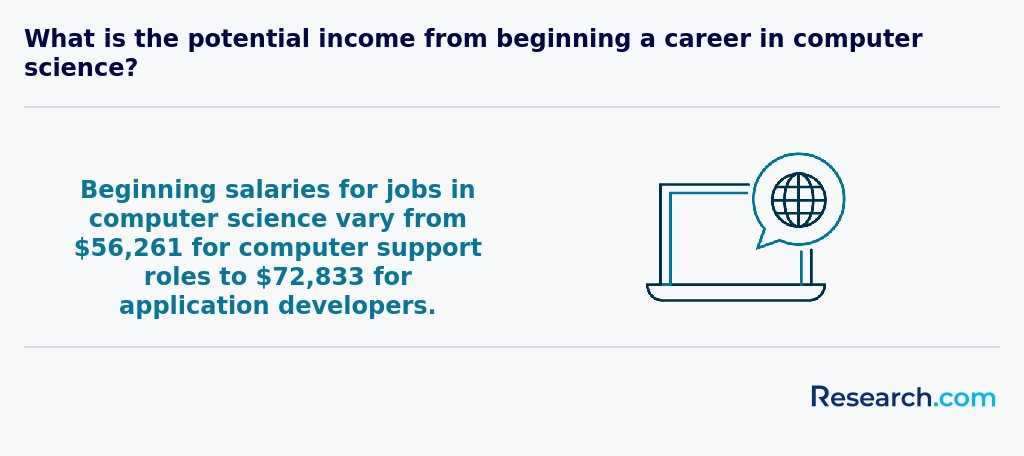
- Information technology graduates often enjoy competitive salaries, with many entry-level IT positions in the US offering median wages around $55,000 to $75,000 annually, reflecting strong financial stability.
- Career paths are diverse, including roles like software development, network administration, and cybersecurity, giving graduates from Western universities flexibility to find a job that fits their passion and skills.
- Online IT degrees offer convenience and flexibility, allowing students to balance work and study while gaining the same respected qualifications as traditional programs, as demonstrated by graduates from well-known Western institutions.
- 2027 Easiest Online Information Technology Degree Programs Ranking in the West
- What can I expect from online information technology degree in the West?
- Where can I work with online information technology degree in the West?
What can I expect from online information technology degree in the West?
The average cost of an online information technology degree in the Western United States typically falls below traditional on-campus tuition, often making it a surprisingly accessible investment. Graduates from programs at universities like California State University highlight that the combination of reduced facility overhead and flexible scheduling helps keep tuition rates reasonable-usually ranging between $10,000 and $25,000 for the entire degree. This affordability resonates deeply with students juggling jobs and family responsibilities, who share how this financial reality made continuing education seem less daunting and more attainable.
Many students from institutions such as the University of Washington describe feeling empowered by the practical focus of their programs, combined with the financial feasibility. This balance allows them to pursue industry certifications embedded within their coursework, fueling excitement about tangible career advancements rather than burdening them with overwhelming costs. Their stories emphasize a broader truth: in the West, online IT education can be both a strategic and heartfelt choice that aligns with professional ambitions and personal circumstances.
Where can I work with online information technology degree in the West?
Graduates of online information technology programs in the West often discover opportunities far beyond the expected roles, tapping into booming tech ecosystems in places like Silicon Valley, Seattle, and Denver. For many, starting as a systems analyst or network administrator becomes just the first step toward dynamic careers in cybersecurity or cloud computing.
Consider graduates from popular institutions such as the University of Washington or San Jose State University who share how landing roles at major firms like Microsoft or Google sparked their passion for innovation. Their experiences reveal that IT degrees are gateways to roles in software engineering, project management, and IT consulting, often within cutting-edge startups or established tech giants.
The appeal is not just the salary, which ranges from $60,000 to $95,000 annually, but the chance to contribute to transformative projects-whether enhancing public sector digital infrastructure or driving advances in healthcare technology across the region's diverse economies.
This path challenges the traditional view that IT work is isolated behind screens; instead, it's deeply collaborative and central to shaping tomorrow's technology landscape in the Western United States.
Graduates from well-regarded Western institutions like Arizona State University and the University of Washington often find that earning an online IT degree opens doors to competitive salaries. While exact salary data from the U.S. Bureau of Labor Statistics is limited for specific IT roles, prevailing figures suggest starting salaries typically range from $60,000 to $75,000 annually for entry-level positions.
Imagine a recent graduate navigating the vibrant tech scenes of Seattle or Silicon Valley. Their base salary might surpass $90,000, reflecting the region's escalation in demand for skilled IT professionals. Earning potential notably rises with specialization; for instance, cybersecurity experts or cloud computing specialists frequently command salaries between $90,000 and $110,000, with some senior roles pushing beyond $130,000.
Many graduates share stories of how adding certifications like AWS or CISSP, alongside their degree, resulted in salary jumps of up to 30%. Graduates from the West recognize that the blend of a strong local tech ecosystem and flexible online learning creates a powerful pathway to rewarding and well-paid careers.
- Online IT degrees in the Western U.S. are available at accredited universities with tuition ranging from $7,000 to $15,000 per year for in-state students.
- Tuition at out-of-state or private institutions can cost between $15,000 and $30,000 annually, excluding fees and additional expenses.
- Entry-level IT salaries range from $55,000 to $65,000 per year, increasing to $90,000-$120,000 or more with experience.
- The IT job market in states like California, Washington, and Oregon is growing fast, with a 15% projected employment increase over the next decade.
- Many programs offer hands-on experience via virtual labs and internships and are accredited by recognized regional bodies like WSCUC.
Completing an online information technology degree in the West defies a single standard timeline; the journey varies widely depending on whether you pursue an associate, bachelor's, or master's degree. Graduates from institutions like the University of California system or Arizona State University often share stories of balancing work, family, and their studies-showcasing how those who enroll full-time might finish an associate's degree in about two years, whereas part-time learners extend their progress to three or more years.
Bachelor's degree students tell of accelerated paths that let them finish in as little as 2.5 to 3 years, especially when transferring credits or leveraging flexible online formats. Yet, many appreciate the extended pace of five or six years, which accommodates professional responsibilities without sacrificing comprehension or well-being.
Master's degree candidates often find a 1.5-to-2-year full-time track, though part-time plans stretching to four years remain common, offering a carefully balanced approach. The West's emphasis on asynchronous learning models enables students to carve out their own rhythms, transforming challenges into fulfilling milestones.
Online and on-campus IT degrees in the Western US challenge traditional notions of education, especially for students balancing life outside academics. Graduates from Arizona State University's online IT program often describe the freedom to study late at night or between work shifts as transformative, something rarely possible with rigid campus schedules. Contrast that with a Cal State on-campus student who values daily interactions in labs, where hands-on troubleshooting sparks instant learning and camaraderie.
The financial angle cannot be ignored: public institutions in the West offer in-state tuition averaging around $10,560 annually, but online learners might save even more through reduced commuting and housing costs. One graduate working full-time recalls how this savings made pursuing a degree manageable without sacrificing income.
Yet, practical skill-building differs-while online programs use virtual labs sparingly, the immersive experience of a physical lab at a Western campus remains unmatched for developing tactile mastery and networking face to face. Still, online IT students emphasize the empowering sense of autonomy and adaptability gained, essential traits in today's tech landscape.
When considering the average cost of an online information technology degree in the West, the numbers might surprise you and challenge common assumptions. Graduates from popular universities in California or Washington often reflect on a total investment roughly around $45,480. This figure encapsulates tuition, fees, and related expenses over the course of their program, offering a concrete reflection of both opportunity and financial commitment.
For many opting for schools with strong reputations for IT programs, such as those in Oregon or beyond, costs vary notably between in-state and out-of-state students. For instance, the median total out-of-state cost hovers near $36,840, which although more than adequate for many, can prompt prospective students to seek affordable online IT degree programs Western region offers to balance financial feasibility with quality education.
These costs may initially seem daunting. However, graduates often describe their experience as an investment yielding not just knowledge but genuine excitement about a career path that aligns with their passions. Online IT degrees provide flexibility that helps reduce housing and commuting costs, making the sticker price less intimidating than traditional routes.
Consider the journey of a student who balances night classes with work and family life at a well-known state university in the West. They often emphasize that understanding what do you need to become an it manager starts not just with learning, but smartly navigating tuition costs - fueling their motivation to succeed in this competitive yet rewarding field.

Financial aid for online information technology degrees in the West often begins with federal options that many overlook in their rush to private loans. Graduates from institutions like the University of Washington have found that filling out the FAFSA unlocks access to Federal Pell Grants, which can cover up to $7,395 annually-money they didn't expect but greatly appreciated. These grants don't require repayment, a relief for students juggling work and study.
Others attending California State University's online IT programs highlight the significance of federal Direct Subsidized and Unsubsidized Loans, which come with manageable interest rates and flexible repayment, preventing overwhelming debt after graduation.
State-specific scholarships also play a huge role. Imagine a student at Oregon State University receiving a tech-focused state scholarship that substantially eased their tuition burden, making education feel within reach. Institutional aid and private scholarships, often from Silicon Valley corporations, add layers of financial support, reflecting employers' eagerness to invest in future talent.
Many graduates emphasize the unexpected boost from employer tuition assistance, turning their jobs into stepping stones rather than obstacles. The blend of these aids creates a more attainable IT education landscape for Western online learners than commonly assumed.
Enrolling in online information technology degree programs in the Western United States demands more than just enthusiasm-it requires meeting clear academic milestones that shape a student's readiness for rigorous study. Most programs insist on a completed high school diploma or GED, reflecting a foundational commitment to education that graduates from well-known Western institutions recognize as essential for their success.
While standardized tests like the SAT or ACT have traditionally been gateways, a growing number of Western universities adopting test-optional policies demonstrate trust in diverse student pathways. For instance, many online students at major public universities speak of relief and motivation after bypassing testing hurdles, enabling them to focus instead on mastering prerequisite math and introductory coding courses that many programs require.
English proficiency is another crucial criterion for non-native speakers, as verified through TOEFL or IELTS exams, ensuring seamless engagement with technical content. Admissions components like transcripts and recommendation letters are not mere formalities; graduates often describe how articulating their passion in personal statements opened doors to supportive academic communities that fueled their drive.
Online information technology programs in the Western United States challenge students to master a diverse range of courses that reflect the dynamic nature of the tech industry. Graduates from well-known Western colleges often share how foundational programming classes-in languages like Python and Java-reshape their approach to problem-solving, equipping them with skills that ripple through every project they undertake.
It's not unusual for students to feel energized when advancing into network administration and cybersecurity courses, where they learn to think like defenders against real-world cyber threats. Many recount how ethical hacking labs bring theory to life, creating moments of excitement and confidence as they apply their knowledge to safeguard digital environments.
Database management, including SQL and cloud technologies, is another standout experience. Imagine managing large datasets for a tech startup in Silicon Valley-these courses prepare students for exactly that challenge. Operating systems and project management modules further anchor their education in practical skills, making them ready to navigate complex IT landscapes typical at public universities across the West.
Online information technology degree specializations West students commonly pursue go beyond simple coding or troubleshooting. Graduates from prominent Western colleges find themselves diving into cybersecurity, where every lesson feels like training to defend against invisible digital enemies threatening major companies and personal privacy alike. This path demands an analytical mindset paired with ethical responsibility, crafting professionals who are not just coders but guardians of information.
IT degree concentration options Western United States also include data science-an area where graduates analyze massive datasets to unveil patterns that inform crucial business decisions. Imagine transforming raw numbers from Seattle's booming tech firms into actionable insights, a skill sharpened through rigorous online courses that blend theory with practical application.
Software development and network administration attract many because they offer the chance to build and maintain the digital architectures of today's cloud-reliant workplaces. Graduates recount experiences configuring servers or developing apps that power remote workforces across San Francisco or Portland, illustrating the real-world impact of their studies.
Curious about specific career outcomes? Discover what jobs can you get with a information technology degree to see how these specialization choices play out in thriving tech ecosystems across the West.
Choosing the best online information technology degree in the West demands more than just scanning tuition prices or school rankings. Graduates from well-known Western universities often emphasize how crucial accreditation by bodies like ABET was in ensuring their education met rigorous industry standards-directly influencing their job prospects. The challenge lies in balancing cost with quality; for instance, many who prioritized affordable online information technology degrees in the West found financial relief without compromising curriculum depth by selecting programs offering regional residency benefits or specialized tracks like cloud computing.
Beyond academics, students reflect on how vital flexibility and robust support services were when juggling work and study. Those enrolled in programs at universities renowned across the West stress that asynchronous classes paired with proactive career counseling transformed their learning experience from stressful to empowering. Thoughtful exploration of post-graduation outcomes reveals some programs excel at connecting graduates to lucrative IT roles, often resulting in median salaries between $70,000 and $110,000. For those seeking such balanced paths, investigating options like the cheapest online mba information technology tracks can be a game changer.

Graduates pursuing online information technology careers West encounter a landscape rich with varied opportunities that challenge the notion of a linear IT path. Many who studied at renowned institutions like the California State University system have found themselves thriving not just as software developers, but also as cybersecurity analysts protecting major regional cloud enterprises or as network administrators sustaining complex infrastructures in tech hubs like Seattle.
These roles aren't just jobs; they are dynamic careers shaped by the West's robust tech ecosystem. Graduates often recount the excitement of collaborating on projects with peers across states, turning abstract concepts from their coursework into real-world solutions. Employers value their ability to manage IT projects with agility, a skill honed through flexible online programs tailored for busy professionals.
For those weighing their options, looking into the fastest technology online programs offered by prestigious Western universities can be a game changer. This is a critical step for anyone eager to break into information technology degree job opportunities Western US without delay.
The job market for online information technology jobs in the West is notably dynamic, offering substantial opportunities for graduates who combine formal education with practical skills. Graduates from well-known colleges such as those in California or Washington often find themselves drawn to thriving tech hubs like Silicon Valley or Seattle, where demand for roles like software developers and information security analysts remains high. Many graduates report a sense of fulfillment knowing their flexible online IT degrees enabled them to advance their careers without relocating, a crucial factor given the region's high cost of living.
In these markets, employers increasingly value certifications along with degrees, making graduates who hold industry-recognized credentials highly competitive. Public universities throughout the West provide affordable pathways, attracting students eager to access quality education that mirrors the pace of innovation in local industries. This positive environment challenges the notion that physical presence on campus is necessary, as reflected in many success stories of West region IT degree career opportunities.
For those considering further specialization, the variety of accessible programs proves encouraging. Prospective students might explore options highlighted on sites dedicated to advanced education, such as the online masters information technology degree listings tailored for ambitious learners.
2027 Easiest Online Information Technology Degree Programs Ranking in the West
Investing in your education is a significant decision that can shape your future, and the Research.com team understands the importance of making informed choices. To assist prospective students in the western United States, we have meticulously developed the "2027 Easiest Online Information Technology Degree Programs Ranking in the West." Our commitment to quality, credibility, and accuracy is demonstrated through rigorous research and thorough analysis in compiling this ranking.
We utilized the following reputable data sources to ensure a comprehensive evaluation of these programs:
By exploring this ranking, readers will gain valuable insights into accessible and flexible online IT degree options, enabling them to make confident decisions tailored to their personal and professional goals. For more details on how this ranking was developed, please visit our Research.com methodology page.


# 7 position
Western Governors University
Master of Computer Science Artificial Intelligence and Machine Learning


# 10 position
Colorado Christian University
Bachelor of Information Systems Management


# 15 position
Western Governors University
Bachelor of Information Technology

# 17 position
Colorado Technical University-Colorado Springs
Master of Information Technology

# 18 position
Colorado Technical University-Colorado Springs
Bachelor of Information Technology
# 19 position
Central Washington University
Master of Information Technology Management - Administrative Management Specialization

# 20 position
Central Washington University
Bachelor of Information Technology Management - Administrative Management Specialization
Frequently Asked Questions About information technology
Students pursuing online information technology degrees in the Western United States can enhance their learning by engaging actively in virtual labs and hands-on projects. Research by the National Center for Education Statistics shows that practical experience significantly improves job readiness in IT fields. Additionally, forming study groups through online forums or local meetups helps reinforce understanding and networking.
Leveraging resources from accredited institutions ensures exposure to up-to-date curriculum aligned with industry standards. According to the Computing Technology Industry Association, Western states like California and Washington offer strong IT job markets, making internships and cooperative education valuable for students. Balancing coursework with real-world application maximizes skill development and career prospects.
The information technology field in the Western United States is rapidly evolving, with several emerging niches gaining traction. Cybersecurity is a leading focus, driven by the increased demand to protect data from growing cyber threats. According to Cybersecurity Ventures, the cybersecurity market is expected to exceed $300 billion by 2027.
Another niche is cloud computing, especially with the expansion of cloud services by major tech companies in Silicon Valley, creating a surge in demand for cloud architects and engineers.
Additionally, artificial intelligence and machine learning are transforming industries, requiring specialists who can develop intelligent applications. Data science also continues to grow, fueled by the need to analyze big data for business insights.
After completing an online information technology degree in the Western US, preparing for the job market involves several key steps. First, gaining practical experience is crucial; internships and project work can boost employability. According to the Bureau of Labor Statistics, IT jobs in California and Washington are expected to grow faster than the national average through 2030.
Networking is also essential-joining professional groups like the Association for Computing Machinery (ACM) or local tech meetups can open doors. Updating your resume to highlight relevant skills and certifications, such as CompTIA or Cisco, improves job prospects. Continuous learning through online courses keeps skills current in this rapidly evolving field.
Employers in the Western United States prioritize a blend of technical and soft skills when hiring graduates with online information technology degrees. According to the National Center for Education Statistics, proficiency in programming languages like Python, Java, and SQL remains crucial. Additionally, experience with cloud computing platforms such as AWS and Azure is highly sought after, reflecting the region's strong technology sector.
Communication skills and problem-solving abilities also rank highly, as IT roles often require teamwork and effective project management. Data analysis and cybersecurity knowledge are increasingly important, given the rise in digital threats and data-driven decision-making in Western industries.
Securing internships in the Western United States for information technology (IT) students often begins with leveraging university career centers, which connect students to local tech firms and nationwide corporations. According to the National Association of Colleges and Employers (NACE), nearly 60% of IT internships in the West result from on-campus recruiting efforts.
Students should also explore online platforms, such as Handshake and LinkedIn, which list region-specific IT internships, including remote opportunities popular among online degree seekers. Networking through professional groups like the Silicon Valley Tech Council can be invaluable, with many members actively seeking IT interns.
Additionally, public tech organizations and startups in California, Washington, and Oregon frequently advertise internships through state workforce programs and university partnerships, offering valuable industry experience.
An online information technology (IT) degree significantly enhances career mobility and advancement prospects for students in the Western United States. According to the U.S. Bureau of Labor Statistics, employment in computer and IT occupations is projected to grow 13% from 2021 to 2031, indicating strong demand across tech-driven states like California, Washington, and Oregon.
Employers in the West value online IT degrees from accredited programs, especially those that emphasize current technologies such as cloud computing, cybersecurity, and data analytics. Graduates can often transition between roles-from network administration to software development-due to the versatile skills gained.
The flexibility of online learning also allows working professionals to upgrade skills while maintaining employment, aiding promotion opportunities within tech firms or government agencies prevalent in the region.
Online information technology degrees in the Western United States often include interdisciplinary coursework, blending IT with business, healthcare, or cybersecurity. This approach prepares students to work across various industries, where technology solutions must address diverse challenges. According to the National Center for Education Statistics, more than 70% of IT graduates in the West pursue roles that require knowledge beyond pure technical skills.
Programs typically emphasize problem-solving, communication, and project management, vital for interdisciplinary collaboration. For example, California and Washington universities integrate courses in data analytics and healthcare informatics, reflecting regional industry demands. This equips graduates to contribute effectively in multidisciplinary teams.
Choosing between a thesis and a non-thesis information technology degree program in the West largely depends on your career goals and learning preferences. Thesis programs require original research and a substantial written project, ideal for those aiming for research, development roles, or further graduate study. Non-thesis programs focus more on coursework and practical skills, suitable for students targeting immediate industry employment.
According to the National Center for Education Statistics, about 40% of IT master's students in the Western US opt for non-thesis programs, reflecting the region's strong tech industry demand for hands-on expertise.
Additionally, consider the time commitment; thesis programs often take longer due to research requirements. Evaluate your interest in research versus applied learning when making your decision.
Students based in the Western United States looking to study information technology abroad have several online options through American institutions that offer flexible distance learning. Many accredited universities in California, Washington, and Oregon provide fully online bachelor's and master's degrees in IT. These programs often emphasize cybersecurity, data analytics, and software development tailored to current industry demands.
According to the National Center for Education Statistics, over 30% of Western students enrolled in IT programs choose online formats due to convenience and affordability. Schools like Oregon State University and University of Washington offer renowned online IT degrees recognized nationwide, enabling students to access global expertise without relocating.
Part-time jobs that complement information technology (IT) degree education in the Western US include roles such as help desk technician, IT support specialist, and junior web developer. These positions offer practical experience aligned with coursework and improve technical skills.
According to the U.S. Bureau of Labor Statistics, IT support roles in California and Washington are projected to grow by 12% through 2030, reflecting strong regional demand. Working part-time in tech retail or software testing also helps students understand real-world IT environments.
Many Western employers provide flexible hours accommodating online students. Additionally, internships through local tech companies in cities like Seattle and San Francisco are valuable for gaining hands-on experience while studying.
Networking opportunities for online information technology students in the Western United States are supported by various professional organizations and regional tech groups. For example, groups like the Silicon Valley Chapter of the Association for Computing Machinery offer virtual events that online students can access. Additionally, many Western universities provide online students with access to career fairs and alumni networks, which are essential for building industry connections.
According to a 2023 report by the Western Interstate Commission for Higher Education, nearly 60% of IT graduates in the West found their first job through networking efforts. Virtual meetups and LinkedIn groups tailored to IT professionals in the West are also widely used.
Alumni networks offer significant advantages to students pursuing online information technology degrees in the Western United States. These networks provide access to a wide range of professional connections, which can be crucial for job placements, internships, and mentorship opportunities. According to the National Association of Colleges and Employers (NACE), 61% of job seekers find employment through networking, highlighting its importance in IT careers.
Many Western universities maintain active alumni groups that host virtual events, webinars, and tech meetups, enhancing students' exposure to current industry trends. This support helps students navigate the competitive IT job market more effectively.
Customizing an online information technology degree program in the Western US allows students to align their studies with specific career goals. Many universities offer electives focused on areas such as cybersecurity, data analytics, or software development. For example, California institutions emphasize emerging fields due to the tech industry's local demands, supported by the California Labor Market Info, which predicts a 15% growth in IT jobs through 2030.
Students can also select capstone projects or internships that provide hands-on experience in their chosen specialty. Additionally, some programs provide options to earn industry certifications alongside the degree, enhancing employability.
Online information technology (IT) students in the Western US often face challenges related to access and engagement. Many struggle with maintaining motivation without in-person interactions, which studies from the Western Interstate Commission for Higher Education highlight as a key factor in attrition rates. Technical difficulties, such as unstable internet connections and software compatibility, also hinder progress for roughly 15% of online learners, according to EDUCAUSE's 2023 report.
Additionally, balancing studies with work and family commitments remains a common issue. IT programs in the West typically require up-to-date hardware and software, which can be a financial barrier for some students. Lastly, limited hands-on lab experiences in virtual settings can impact skill development crucial for IT careers.
With an online information technology degree, students in the West can pursue a variety of professional certifications highly valued in the IT industry. Popular options include CompTIA certifications like A+, Network+, and Security+, which validate essential hardware, networking, and cybersecurity skills.
Many graduates also aim for vendor-specific credentials such as Cisco's CCNA (Cisco Certified Network Associate) or Microsoft Certified: Azure Fundamentals to specialize in networking and cloud technologies. According to the U.S. Bureau of Labor Statistics, certified IT professionals often experience higher employment growth and better salaries.
Additionally, certifications like Certified Information Systems Security Professional (CISSP) are pursued by those interested in advancing cybersecurity careers.
Applying to an online information technology program in the Western US requires clear, focused preparation. Start by researching accredited universities, as regional accreditation ensures transferability and federal aid access, critical for many applicants. According to the Western Association of Schools and Colleges (WASC), many top IT programs emphasize practical skills along with theoretical knowledge.
Highlight your technical background, work experience, or certifications like CompTIA or Cisco in your personal statement to demonstrate readiness. Emphasize problem-solving skills and examples of teamwork, which are valued by admissions committees.
Submit all required transcripts and test scores early, as timely applications improve your chances. A well-organized, error-free application reflects professionalism and commitment.
The global perspective on an information technology (IT) career recognizes it as a dynamic and rapidly growing field. In the United States, IT roles are projected to grow 13% from 2021 to 2031, faster than average for all occupations, according to the U.S. Bureau of Labor Statistics. This growth reflects worldwide demand for IT skills in software development, cybersecurity, and data management.
International companies value U.S.-educated IT professionals due to the strong technical foundations provided by accredited online degree programs. Western economies increasingly invest in digital infrastructure, which boosts IT job opportunities.
Moreover, technological innovation and remote work have made online IT degrees more accessible to a global workforce, encouraging knowledge exchange across borders and furthering career prospects.
Gaining practical experience while studying for an online information technology degree in the West is essential for career readiness. Many programs integrate hands-on labs and virtual simulations to develop real-world skills. Additionally, students can pursue internships with local tech companies, which 62% of IT students in Western U.S. states report as valuable for gaining workplace knowledge, according to the National Association of Colleges and Employers.
Participation in open-source projects or freelance work can also enhance practical skills and build a professional portfolio. Moreover, joining online tech communities and hackathons provides collaborative experience and networking opportunities, crucial for employment in competitive IT fields.
Choosing the right concentration within an online information technology degree in the West requires understanding your career goals and the regional job market. Popular concentrations include cybersecurity, data analytics, software development, and network administration. According to the U.S. Bureau of Labor Statistics, IT jobs in states like California, Washington, and Oregon are growing faster than the national average, especially in cybersecurity and cloud computing roles.
Consider programs accredited by recognized bodies like ABET for quality assurance. Research regional employers' needs by reviewing job postings on platforms such as LinkedIn and Indeed specific to Western states. Additionally, evaluate concentrations that offer certifications aligned with industry demands to boost employability.
- How to Network with Alumni | Student Guide to Alumni Networking 2026 https://digitalrecordboard.com/blog/how-to-network-with-alumni/
- How to Get Started in Information Technology https://www.straighterline.com/blog/how-to-get-started-in-information-technology
- International Careers and Global Opportunities https://www.teachforlife.com/post/how-international-opportunities-shape-future-careers
- Computer and Information Technology Jobs | University of Phoenix https://www.phoenix.edu/articles/it/computer-and-information-technology-careers.html
- 4 Ways to Leverage Technology to Enhance the Learning Experience https://blog.definedlearning.com/leveraging-technology-in-the-classroom/
- Online Information Technology Degrees https://mycollegeguide.org/online-information-technology-degrees/
- Academic experiences of information technology students - JYX https://jyx.jyu.fi/bitstreams/2ecaf277-b7be-416f-8ee4-d35afdf2ab67/download
- How long does it take to complete an IT program? | WCC - Western Community College https://wcc.ca/blog/how-long-does-it-take-to-complete-an-it-program/
- 5 Essential IT Skills Employers Want to See in Candidates https://www.umassglobal.edu/blog-news/5-essential-skills-employers-want-see-candidates
- How to Start an IT Career: A Beginner's Roadmap | Mindmesh Academy https://www.mindmeshacademy.com/blog/articles/how-to-start-it-career