2027 Most Affordable Online Bachelor's in Information Technology Degree Programs Ranking in the West

Co-Founder and Chief Data Scientist
Choosing the right online bachelor's degree in Information Technology can feel overwhelming, especially with so many options available. That's why our article features the 2027 Most Affordable Online Bachelor's in Information Technology Degree Programs Ranking in the West, developed by the Research.com team of data scientists. This carefully crafted ranking helps you navigate the best programs that combine quality education with affordability.
By exploring this guide, you'll discover opportunities that fit your budget and career goals, making the journey toward a rewarding IT degree both accessible and inspiring.
Key benefits of getting online information technology degree in the West
- Information technology degree graduates in the West often enjoy strong earning potential, with many IT roles in the US offering median salaries around $88,000 annually, providing financial stability and growth opportunities.
- Graduates can pursue diverse career paths, such as software development, cybersecurity, or network administration, reflecting the flexibility and wide demand for IT skills across industries.
- Online IT degrees offer convenience and accessibility, allowing students to balance work and study effectively while gaining the same quality education as traditional programs from respected universities.
- 2027 Most Affordable Online Bachelor's in Information Technology Degree Programs Ranking in the West
- What can I expect from online information technology degree in the West?
- Where can I work with online information technology degree in the West?
What can I expect from online information technology degree in the West?
The average cost of an online information technology degree in the Western US typically falls between $6,000 and $15,000 per year, a range that mirrors the variety of institutions and their approaches to flexible learning. Imagine a graduate juggling tech projects from a university in California while balancing a full-time job-this affordability makes pursuing dreams accessible without overwhelming debt. Many students appreciate how institutions like those in Washington and Oregon offer competitive tuition tailored to resident and non-resident rates, ensuring wider opportunities.
Beyond the price tag, graduates often share how the investment brought rich experiences, from virtual labs replicating real-world IT challenges to team collaborations across time zones. These programs, notably from well-known Western colleges, invite exploration into cloud computing and cybersecurity with hands-on coursework that feels like stepping into a Silicon Valley startup. This blend of cost-effectiveness and relevant learning fuels excitement and confidence for those ready to dive into the IT landscape of the West.
Where can I work with online information technology degree in the West?
Graduates with an online IT degree in the West find themselves stepping into a vibrant world of opportunities ranging from bustling tech hubs to quieter, emerging markets. Imagine a graduate from a well-known California university landing a role as a cybersecurity analyst at a tech startup in Silicon Valley, where every day brings fresh puzzles and the thrill of defending digital frontiers.
Others from Oregon or Washington colleges embark on careers in cloud computing or database administration, sometimes with healthcare giants or government agencies eager for skilled IT minds. Picture balancing remote work from a coastal Oregon town while leading IT projects for a financial firm based in Seattle - flexibility and career growth in one package.
Graduates often describe the joy of navigating diverse roles: software development, network management, or IT support, all stepping stones to innovative paths. The West's emphasis on technology combined with smaller cities investing in digital infrastructure means there's room for every adventurous tech professional ready to explore new terrains.
Curious about what your online information technology degree could earn you in the Western U.S.? Graduates from well-known institutions like the University of Washington or California State University often find themselves stepping into roles that pay between $70,000 and $120,000 annually. Picture a graduate landing an IT support role near Silicon Valley, earning around $60,000 to start, and within a few years, moving up to software developer positions where salaries surpass $100,000.
Imagine tapping into Seattle's booming tech scene, where a freshly minted graduate might join a company like Amazon, starting close to $95,000, especially in cybersecurity or network administration. The adrenaline of entering one of the most thriving tech hubs adds an exciting layer to these numbers.
Beyond salaries, bonuses and stock options often amplify earnings, making each paycheck an adventure toward financial growth. The path from entry-level to expert is dynamic and rewarding, filled with new certifications and skill-building, fueling both career and wallet.
- Tuition for online IT bachelor's degrees in the Western U.S. ranges from $7,000 to $15,000 per year at public institutions for in-state students, with private universities charging over $30,000 annually.
- Entry-level IT salaries after graduation typically range between $55,000 and $70,000 per year, while mid-career professionals earn between $85,000 and $115,000 in major Western cities.
- The IT job market in the Western U.S. is growing at a rate of about 15% through 2030, which is higher than the national average.
- Demand for IT professionals is driven by growth in cloud computing, cybersecurity, and software development industries.
- Accreditation from recognized agencies is important for credit transfer, federal financial aid eligibility, and qualification for professional certifications.
Diving into an online information technology degree in the Western United States unveils a world where time bends to your rhythm. Most full-time students eagerly embrace a traditional four-year journey, especially at renowned places like California State University or the University of Washington, savoring the steady climb toward their bachelor's. But for those craving a faster pace, accelerated programs beckon, letting determined learners wrap up their degrees in as little as three years by taking heavier course loads and summer classes.
Imagine balancing your job and studies-part-time students often take up to six years but cherish the flexibility to navigate work and life without stress. Many graduates rejoice in how transferring prior credits or certifications turned months of work into earned progress, shaving valuable time off their path.
This adventurous approach to education highlights how the Western online IT scene is tailored to your unique pace, turning degree completion into a personalized expedition rather than a fixed deadline.
Imagine diving into an information technology degree at a vibrant campus like the University of Washington, where lively labs and face-to-face collaboration spark creativity. This on-campus experience offers hands-on access to cutting-edge technology and instant support from professors and peers, fostering a sense of community and motivation. Graduates recall the excitement of live group projects and the buzz of campus life as key to their success.
Now, picture an adventurous student balancing work and family in California opting for Arizona State University's online IT degree. Here, learning unfolds through flexible, asynchronous lectures and virtual labs, fitting education seamlessly into a busy schedule. While the tactile lab sessions are swapped for interactive online forums, many find the freedom to study on their own terms empowering and deeply rewarding.
Both paths in the West-online and on-campus-meet rigorous ABET standards, ensuring graduates acquire the same essential skills. The choice becomes a thrilling exploration of how you want to engage with technology and learning, whether immersed on campus or connecting digitally from anywhere.
The average cost of an online information technology degree in the West often sparks curiosity and adventure for students eager to balance quality education and affordability. Many who pursue their IT degrees online at popular institutions in California, Washington, or Oregon find total tuition costs hover around $59,520, a figure that represents a median cost combining various public and private options. For instance, graduates often share stories of managing tuition while appreciating savings from avoiding commuting and housing fees, common perks of online learning.
Those exploring affordable online IT degree tuition fees in Western United States public universities might be pleasantly surprised that many programs fall within a range that balances cost and value-offering prices that encourage both in-state and out-of-state students to join in. Some in-state students experience an especially accessible path, while others tackle slightly higher fees but find scholarships and financial aids that lighten the load.
Imagine a graduate juggling coursework alongside real-world projects, supported by flexible schedules and moderate tuition that doesn't overshadow passion. This combination fuels excitement and motivation. Understanding what education is needed to become an information systems manager is crucial, and the investment in an online IT degree here is often a gateway to such fulfilling careers. For those eager to map their paths thoughtfully, exploring financial aid and program options can transform costs into an inspiring step toward success what education is needed to become an information systems manager.

Imagine diving into an online IT degree at a top Western university, like those in California or Washington, without the heavy worry of tuition costs. Many graduates recall how Pell Grants became a financial lifesaver, offering up to $7,395 without any need to pay back, easing their journey through challenging semesters. Beyond federal aid, state programs like California's Cal Grant provide a thrilling boost, covering up to $12,570 annually for residents attending public universities-perfect for adventurers embracing online learning from home.
Some alumni share stories of snagging merit-based scholarships aimed specifically at women and minorities in technology, enhancing diversity while cutting costs. Others felt relief through employer tuition reimbursement programs, with over 40% of working adults in the West benefiting from this support-turning dreams into reality one paycheck at a time.
Tech-focused organizations also open doors to private scholarships, adding another exciting layer to the financial aid landscape for West Coast IT students. The adventure of funding your degree is full of opportunities waiting to be explored!
Diving into an online Information Technology degree in the West sparks excitement, but first, you'll want to meet some key prerequisites that set the stage for success. Most aspiring IT students at universities like those in California or Washington start with a high school diploma or GED-this opens the door to a world of digital discovery.
Imagine a graduate recalling how their solid grasp of algebra helped them breeze through early coding classes. Many programs expect this math foundation, often paired with introductory skills in programming or networking concepts, to ensure you're ready for the challenge.
In the West, several colleges have embraced a test-optional path post-pandemic, so your SAT or ACT scores might not be mandatory, inviting a more diverse array of adventurers to join.
For those new to IT, some universities offer bridge courses that feel like guided expeditions, easing you into the tech landscape with practical software knowledge and placement assessments in math and English.
Picture joining a virtual lab session, supported by reliable tech and internet-these prerequisites aren't hurdles but stepping stones to an exciting digital journey.
Diving into an online information technology degree in the West opens the door to a vibrant curriculum that sparks both curiosity and confidence. Graduates from universities like Oregon State and California State find themselves navigating foundational programming languages such as Python and Java, skills they quickly apply to real-world problem-solving and software development projects.
Imagine mastering network protocols and administration just as you prepare to earn Cisco certifications, a common checkpoint in programs throughout California and Washington. These courses feel like unlocking secret codes behind how tech hubs keep their systems humming smoothly.
Database design and management bring practical excitement as students create systems to handle vast data troves-think of managing the information flows powering innovative startups in the region. Cybersecurity classes add a thrilling layer, where ethical hacking and digital forensics prepare learners to become protectors in a world of growing cyber threats.
Students often recount how IT project management and communication classes enhanced their teamwork skills, making the virtual classroom feel like a bustling tech workspace. This blend of knowledge creates a sense of adventure and readiness that resonates deeply with those eager to thrive in the Western tech landscape.
Diving into online information technology specializations in the West reveals a playground of dynamic fields that keep graduates excited and future-ready. Many students from well-known Western universities find themselves immersed in cybersecurity, defending digital landscapes from real-world threats, while others thrive in data science, unlocking insights from vast datasets used by industries like healthcare and finance. Graduates often share how network administration courses gave them hands-on experience designing robust, scalable systems essential for expanding businesses.
Software development sparks creativity as students build applications that power innovation across Silicon Valley and beyond. Cloud computing, increasingly popular due to the presence of giants like Amazon Web Services and Microsoft Azure in the West, offers specialization that feels like stepping into the future of IT infrastructure. With so many directions to explore, students embracing these West region IT degree concentration options discover their passion and confidently navigate their evolving careers. Curious minds eager to understand more about what careers await can explore what can you do with a degree in information systems.
Choosing the best online information technology degree in the West can feel like setting off on a thrilling journey. Imagine a graduate from a well-known college who found clarity by first confirming the school's accreditation through WASC, ensuring their degree held value across industries. They delved into curricula emphasizing cybersecurity and cloud computing, which matched their career dreams and fueled exciting daily projects.
Many students seeking affordable IT bachelor programs Western US celebrate finding institutions that balance quality and cost, often discovering in-state tuition perks or scholarships that ease financial stress. One such graduate recalls juggling work and study effortlessly, thanks to flexible, asynchronous classes offered by a leading online university in California.
Student support made their adventure manageable-accessible advisors and tech help turned challenges into wins. Exploring faculty expertise and engaging with career services brought their learning alive, helping link theory to real-world tasks. For those eager to explore jobs in information systems, picking a program with solid graduation and job placement rates is a compass guiding toward success.

Graduates with an online information technology degree in the West find themselves standing at the threshold of an exciting array of career paths. From software development and network administration to dynamic roles like cybersecurity analyst or IT project manager, the options are as diverse as the tech landscapes of California, Washington, and Colorado. Many graduates from prominent universities enjoy remote roles that blend technical expertise with problem-solving, perfectly suited to the flexibility of online learning.
Exploring IT degree job opportunities Western states reveals not only traditional positions but also innovative careers in cloud architecture, information security analysis, and database administration. Imagine a graduate from a well-known Californian university contributing to cutting-edge AI projects or managing IoT solutions in Seattle's bustling tech scene. These career journeys often spark enthusiasm, blending creativity with steady demand and competitive salaries.
For those seeking to expand their horizons further, considering the top online information systems management mba programs opens doors to leadership roles that integrate business acumen with technical knowledge, amplifying career growth in this vibrant region.
The job market for online information technology degree graduates in the West pulses with opportunity and excitement. Graduates from universities in California and Washington often find themselves recruited by tech giants and nimble startups alike, eager to tap into their skills. These employers recognize the value of online education, especially when paired with industry certifications and hands-on projects, reflecting a clear rise in online information technology degree employment prospects western US. For many students, balancing studies with work or family life through flexible online programs has opened doors to roles like software developers and information security analysts in vibrant hubs like Silicon Valley and Seattle.
One graduate, completing their degree online from a well-known public university, described landing a role as a database administrator within months, attracted by the practical skills gained and connections formed. This dynamic environment is made even more promising by the often manageable tuition costs, which encourage diverse learners to join the field. Those interested might explore the top online bachelors degree database management programs to enhance their advantages as they embark on this adventurous career path.
2027 Most Affordable Online Bachelor's in Information Technology Degree Programs Ranking in the West
Investing in your education is a significant decision that can shape your career and future, and the Research.com team recognizes the importance of making well-informed choices. To support prospective students in selecting affordable online Bachelor's programs in Information Technology in the Western United States, we have carefully developed the "2027 Most Affordable Online Bachelor's in Information Technology Degree Programs Ranking in the West." Our dedication to quality, credibility, and accuracy is demonstrated through rigorous research and thorough analysis.
We utilized the following reputable data sources to ensure a comprehensive and reliable ranking:
By reviewing this ranking, readers will gain valuable insights into cost-effective and quality online Information Technology degree programs, assisting them in making confident and informed educational decisions. For detailed information about how this ranking was created, please visit our Research.com methodology page.


# 3 position
Colorado Christian University
Bachelor of Information Systems Management


# 7 position
Western Governors University
Bachelor of Information Technology


# 10 position
Central Washington University
Bachelor of Information Technology Management - Administrative Management Specialization

Frequently Asked Questions About information technology
Students pursuing online information technology degrees in the Western United States can enhance their learning by engaging actively with their coursework. Research shows that 68% of online learners benefit from participating in discussion forums and virtual study groups, which foster collaboration and deeper understanding (UPCEA, 2023).
Leveraging internship opportunities in tech hubs like Silicon Valley or Seattle is also crucial. These regions offer numerous internships that complement online learning with practical experience.
Furthermore, students should take advantage of state-specific resources, such as California's Workforce Development programs, that support IT skill-building and job placement.
Maintaining consistent schedules and seeking faculty mentorship improves completion rates and outcomes as well.
The information technology (IT) field continues to evolve rapidly, creating new opportunities for students pursuing online degrees in the West. Emerging niches include cybersecurity, which remains a critical focus due to rising data breaches and cyber threats. According to CyberSeek, California and Washington lead in cybersecurity job openings, highlighting regional demand.
Another growing area is cloud computing, driven by widespread corporation migration to cloud platforms. Amazon Web Services and Microsoft Azure certifications complement degrees in this niche. Data science and artificial intelligence (AI) also present promising careers, with many Western universities offering specialized tracks.
These niches combine technical skills with practical applications, helping graduates meet labor market needs in a competitive IT landscape.
After completing an online information technology degree in the West, preparing for the job market requires a focused approach. Start by building practical skills through internships or project-based experiences, which 85% of Western IT employers value highly, according to a 2023 survey by the Western Tech Workforce Council. Networking is essential; attending regional tech meetups and virtual career fairs can connect graduates with local employers. Additionally, certifications such as CompTIA Security+ or Cisco's CCNA can enhance job prospects and potentially increase starting salaries by 15%, as reported by the U.S. Bureau of Labor Statistics. Keeping skills current in programming and cloud computing is also crucial.
Employers in the Western U.S. seek IT graduates with strong technical skills and practical experience. Key abilities include proficiency in programming languages like Python, Java, and SQL, as well as expertise in cybersecurity, cloud computing, and data analytics. According to the U.S. Bureau of Labor Statistics, demand for cybersecurity professionals in the West is projected to grow by 31% through 2031, highlighting the importance of security knowledge.
Communication and problem-solving skills are also critical. Employers value graduates who can adapt to evolving technologies and work effectively in teams, especially in remote or hybrid environments common in the region's tech sector.
Finding internships in the Western United States for information technology (IT) students involves leveraging multiple resources. Many universities offer online platforms connecting students with local and regional IT employers. Additionally, popular job sites like Handshake and LinkedIn frequently list internships tailored to IT majors. According to the National Association of Colleges and Employers (NACE), nearly 60% of internships in tech fields are concentrated in California, Washington, and Oregon.
Building connections through virtual job fairs and networking groups is also effective, especially given the prevalence of remote internships. Students should contact their school's career services early to identify opportunities and receive guidance on applications and interview preparation.
Online information technology degrees in the Western United States significantly enhance career mobility and advancement opportunities. According to the U.S. Bureau of Labor Statistics, IT jobs in the West, including California and Washington, are projected to grow by 15% between 2022 and 2032, faster than the national average. Earning a degree online allows working professionals to upskill without relocating, making it easier to shift roles or industries within the region.
Graduates often qualify for higher-paying positions, such as network architects or cybersecurity analysts, roles that in the West pay a median annual wage above $100,000. Many employers value the flexibility and self-discipline demonstrated by online learners, which can boost leadership prospects.
Regional tech hubs often prioritize degree holders with relevant certifications, frequently offered through online programs, enhancing employability and career growth in competitive markets.
Studying for an online information technology (IT) degree in the West equips students with skills spanning multiple disciplines. Western universities often emphasize integrating IT with areas like business, healthcare, and engineering. This approach prepares graduates to apply technology solutions in diverse settings.
According to the National Center for Education Statistics, interdisciplinary programs in IT have grown by over 15% in the past five years in Western states. Students learn critical thinking and collaboration, key for roles that blend IT with other fields.
Many programs offer courses in data analytics, cybersecurity, and project management, reflecting the demands of interdisciplinary workplaces in the US.
Choosing between a thesis and a non-thesis online information technology (IT) degree in the West depends on your career goals and learning preferences. Thesis programs focus on research and critical analysis, ideal for students aiming for advanced studies or research roles. They often require developing a formal research project, enhancing skills valued in academia and specialized IT fields.
Non-thesis programs emphasize practical skills and coursework, better suited for immediate entry into the workforce. According to the Western Interstate Commission for Higher Education, online IT degrees in the West continue to grow, with over 30% of students opting for non-thesis options for faster completion.
Consider your professional ambitions and how deeply you want to engage with theory before deciding.
Students based in the Western United States seeking online information technology degrees abroad face limited direct options due to accreditation and residency requirements. However, many institutions offer fully online IT programs accessible internationally, including some Western public universities with global outreach.
According to the National Center for Education Statistics, over 30% of U.S. higher education institutions provide online IT degrees, some designed for out-of-state and international students. Western states like California and Washington have community colleges and universities offering flexible online IT programs that attract both domestic and international learners.
Moreover, partnerships between Western universities and foreign institutions enable students to enroll in joint or dual-degree programs, often fully online. These programs ensure compliance with U.S. accreditation standards and deliver recognized IT credentials.
Students pursuing online information technology degrees in the Western US can benefit greatly from part-time jobs that reinforce their academic learning. Common roles include IT support technician, web developer intern, and data entry assistant. According to the Bureau of Labor Statistics (BLS), California and Washington have some of the highest concentrations of IT jobs nationwide, offering ample opportunities.
Part-time work in tech support helps students apply problem-solving skills and enhances customer service abilities. Meanwhile, internships or freelance web development positions allow hands-on experience with coding languages and project management. These roles typically pay between $15 and $25 per hour, providing valuable income alongside skill-building relevant to IT careers.
Online information technology students in the Western US have access to a variety of networking opportunities critical for career growth. Many universities offer virtual career fairs and networking events tailored to IT students, connecting them with local tech companies and alumni. According to data from the Western Interstate Commission for Higher Education (WICHE), over 70% of online IT programs include mentorship or peer group options.
Professional organizations like the Silicon Valley chapter of the Association for Computing Machinery (ACM) and regional chapters of CompTIA also host online meetups and workshops.
Additionally, many Western states boast strong tech hubs such as Seattle, San Francisco, and Denver, which support virtual internships and remote project collaborations suited for online learners.
Alumni networks provide valuable support to online information technology degree students in the Western United States. Graduates can connect with experienced professionals for mentorship, guidance, and career advice. These networks often host job boards and exclusive recruitment events, increasing employment opportunities.
According to the National Association of Colleges and Employers, 70% of jobs are found through networking, highlighting the importance of alumni connections. In the tech-heavy West Coast, strong alumni ties can open doors at leading firms in Silicon Valley and Seattle. Engaging with alumni helps students stay updated on industry trends and gain insider knowledge crucial for career advancement.
Active alumni communities also foster collaboration through webinars and workshops tailored to IT competencies, enhancing practical skills beyond the classroom.
Customizing an online information technology degree program in the Western US allows students to align education with specific career goals. Many universities offer flexible curricula where you can choose electives in cybersecurity, software development, or data analytics. This tailoring helps develop skills demanded by the regional tech market, which, according to the Western Interstate Commission for Higher Education (WICHE), is growing faster than the national average.
Advising services are often available to help select courses matching your career path. Students might also engage in virtual internships through partnerships with West Coast tech firms, enhancing practical experience.
Additionally, some programs offer certificate tracks within the degree that focus on specialized IT fields, enabling students to boost credentials while completing their degree.
Online information technology (IT) students in the Western US face several common challenges. Connectivity issues remain significant; rural areas in states like Montana and Idaho report slower internet speeds compared to urban centers, which can disrupt live lectures and access to cloud-based tools, according to the Federal Communications Commission.
Many students also struggle with self-discipline and time management due to the flexibility of online programs. A survey by the Western Interstate Commission for Higher Education highlights that nearly 40% of online learners find balancing studies with work and family difficult.
Additionally, the lack of hands-on laboratory experience is a concern, especially in IT fields requiring practical skills.
An online information technology degree from a Western U.S. institution opens doors to various respected certifications that boost career prospects. Popular credentials include CompTIA A+, Network+, and Security+ for foundational IT skills, widely recognized across industries. For advanced expertise, certifications like Cisco's CCNA and Certified Information Systems Security Professional (CISSP) are highly sought after.
The Western region hosts many tech hubs where these certifications align well with job market demands. According to CompTIA's 2023 report, certifications can increase salary potential by up to 15%. Employers in California and Washington especially prioritize these credentials, reflecting regional industry needs.
Writing a strong application for an online information technology degree in the Western US begins with clearly demonstrating your technical skills and relevant experience. Admissions committees often look for evidence of programming knowledge, certifications like CompTIA or Cisco, and practical work in IT roles. According to the Western Interstate Commission for Higher Education, online IT programs typically require a statement of purpose that explains your career goals and why the program fits those objectives.
Highlighting your ability to manage time and work independently is crucial, as online learning demands strong self-discipline. Including letters of recommendation from supervisors or professors who can vouch for your technical aptitude can boost your application. Emphasize any hands-on projects or internships, as real-world experience is highly valued in the IT field. Reviewing specific program prerequisites will also help tailor your application to each institution's criteria.
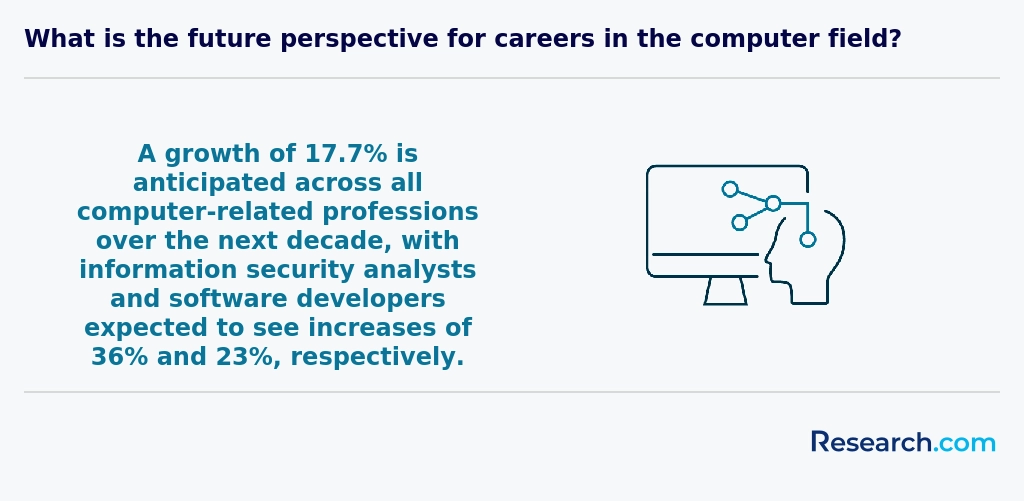
Information technology careers have a strong global demand, with Western countries like the US leading in innovation and employment opportunities. According to the U.S. Bureau of Labor Statistics, employment in computer and information technology occupations is projected to grow 15% from 2021 to 2031, much faster than the average for all jobs.
The Western IT market offers diverse roles ranging from cybersecurity to software development, reflecting worldwide trends towards digital transformation. Skilled IT professionals are sought after not only domestically but also by multinational corporations, which impacts salary standards and career mobility.
International perspectives emphasize adaptability and continuous learning, as technologies evolve rapidly. For US students, pursuing an online IT degree provides flexibility and access to programs recognized globally, preparing graduates for competitive roles at home and abroad.
Industry reports highlight that IT professionals in the West average salaries well above the national median, supporting a robust and rewarding career path.
Gaining practical experience during an online information technology degree in the West is crucial for career readiness. Many US colleges offer virtual internships collaborating with regional tech companies, helping students apply classroom knowledge in real-world settings. According to the National Association of Colleges and Employers (NACE), 65% of IT students who completed internships received job offers upon graduation.
Additionally, students can participate in online coding bootcamps and hackathons, often hosted by universities or professional organizations in Western states like California and Washington. These activities improve hands-on skills in cybersecurity, programming, and system administration.
Also, many programs incorporate capstone projects designed around current industry challenges, allowing students to develop portfolios with tangible results.
Choosing the right concentration within an online information technology degree in the Western US depends on your career goals and interests. Popular focus areas include cybersecurity, data analytics, software development, and network administration. Cybersecurity roles are growing rapidly, with the Western region adding thousands of jobs annually according to the U.S. Bureau of Labor Statistics.
Consider local industry demands; for example, California has a high concentration of tech companies valuing skills in cloud computing and AI. Many Western universities tailor concentrations to meet this regional demand, improving job prospects.
Research curriculum details and certification opportunities offered by programs to ensure a strong alignment with your ambitions.
- Earn an Online Computer Science Degree | OEDb.org https://www.oedb.org/rankings/online-computer-science-programs/
- How to Network with Alumni | Student Guide to Alumni Networking 2026 https://digitalrecordboard.com/blog/how-to-network-with-alumni/
- Most Popular Online IT Degrees https://www.onlineu.com/degrees/information-technology
- Study Information Technology Abroad | Go Overseas https://www.gooverseas.com/study-abroad/information-technology
- Study Information Technology - Experience, Job Opportunities, Salary + Survey https://jobtensor.com/uk/Studies/IT
- IT Cover Letter Examples (Information Technology Jobs) https://zety.com/blog/it-cover-letter-example
- IT Certification Training & Career Programs | Global IT https://www.global-itech.com/
- How Technology Enhances Career Development Strategies | Manpower Ireland https://www.manpower.ie/blog/2024/02/how-technology-can-enhance-your-career-development-strategy
- Study Information Technology Abroad: Top Colleges and Careers https://www.aeccglobal.com/study-abroad/courses/information-technology
- Information Technology Assistant Cover Letter Sample https://www.kickresume.com/en/help-center/information-technology-assistant-1-cover-letter-sample/