2027 Easiest Online Master's in Information Technology Degree Programs Ranking in the USA

Co-Founder and Chief Data Scientist
Choosing the right online master's degree in Information Technology can feel overwhelming. To simplify this, the Research.com team of data scientists created the 2027 Easiest Online Master's in Information Technology Degree Programs Ranking in the USA. This ranking helps prospective students identify programs that balance quality and accessibility.
By exploring this article, you'll discover valuable insights that make your decision easier and more confident. Earning an IT degree opens doors to exciting career opportunities and personal growth, making it a rewarding journey worth pursuing.
Key benefits of getting online information technology degree in America
- Information technology graduates in the US can expect competitive salaries, with roles such as software developers earning a median annual wage of about $120,730, reflecting strong earning potential.
- Career paths for IT degree holders are diverse, including roles in cybersecurity, network administration, and software engineering, offering flexibility and growth opportunities as seen in graduates from universities like the University of Illinois.
- Online IT degrees provide flexibility and accessibility, allowing students to balance work and study, as demonstrated by graduates from Arizona State University who report positive career advancements thanks to their convenient learning format.
- 2027 Easiest Online Master's in Information Technology Degree Programs Ranking in the USA
- What can I expect from online information technology degree in America?
- Where can I work with online information technology degree in America?
What can I expect from online information technology degree in America?
The average cost of an online information technology degree in America typically ranges from $15,000 to $40,000 for a bachelor's program, depending on whether you attend a public or private institution. For instance, graduates from well-known universities describe managing tuition alongside personal commitments by leveraging financial aid, scholarships, and employer tuition assistance.
Many students find value in programs from state universities offering lower in-state tuition rates, which significantly reduce overall expenses. Others pursuing master's degrees report budgeting around $20,000 to $45,000 for completion, often factoring in part-time study to keep working simultaneously. This approach allows them to gain practical experience while paying tuition incrementally.
Graduates emphasize the importance of comparing accredited programs carefully. They highlight how cost savings paired with quality curriculum and support services-such as tech help and career counseling-enhance their learning journey and job readiness in competitive IT fields.
Ultimately, planning finances with a clear understanding of tuition, fees, and potential funding opportunities enables prospective students to confidently invest in their future within America's expanding technology sector.
Where can I work with online information technology degree in America?
Graduates with an online information technology degree from popular American institutions like Arizona State University or Purdue University often find rewarding roles in diverse industries. Many secure positions at technology firms focusing on software development, cybersecurity, or cloud computing, where skills such as network administration and information security are in high demand.
Others leverage their degree to work in finance or healthcare, managing secure systems or electronic health records. For instance, graduates have shared how their knowledge at institutions like the University of Illinois helped them gain roles maintaining banking systems or ensuring compliance with data privacy laws, making a tangible impact on everyday digital security.
Government agencies also recruit IT graduates to develop public infrastructure or support cybersecurity. A graduate's experience in an online program from Northeastern University prepared them for managing emergency management systems.
IT students are encouraged to combine their degree with certifications like CompTIA or CISSP to boost employability and increase salary potential, turning education into practical career advancement.
Graduates with an online information technology degree in America generally see strong earning potential, with many starting salaries ranging between $60,000 and $75,000 annually. Those who earned similar degrees from reputable institutions like Arizona State University or the University of Florida have reported landing jobs within this range soon after graduation.
With additional experience and industry certifications-such as CompTIA Security+ or Cisco's CCNA-graduates easily move into roles paying more than $100,000 per year. For example, cybersecurity analysts, frequently a well-paying position, earn a median salary of $103,590 according to recent data. Such figures highlight the real possibilities for career growth beyond entry-level roles.
Online students from colleges known for strong tech programs feel encouraged by how their remote education doesn't limit earning potential. Many share stories of leveraging hands-on projects and internships to build resumes competitive with those of on-campus grads. This practical approach to learning translates into higher salaries and fulfilling careers, especially in tech hubs like Seattle and San Francisco.
- Online IT degrees are available at accredited US colleges, often fully online, offering bachelor's and master's programs adaptable to various schedules and locations.
- The cost for a bachelor's degree ranges from $15,000 to $40,000, while master's programs typically cost between $20,000 and $50,000.
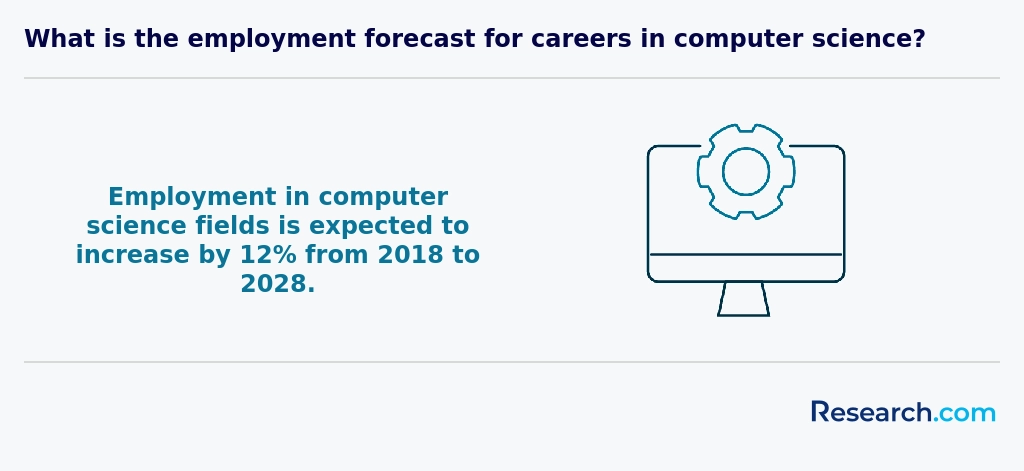
- Employment in computer and IT jobs is expected to grow 15% from 2021 to 2031, adding about 682,800 new positions.
- Starting salaries for graduates average around $65,000 annually, with experienced professionals earning over $100,000 per year.
- Many programs include industry certifications like CompTIA, Cisco, or Microsoft to boost job prospects.
- Students can benefit from networking opportunities such as virtual career fairs and tech forums included in many online IT programs.
An online bachelor's degree in information technology in America commonly takes about four years for full-time students, mirroring traditional university timelines. For example, graduates from well-known institutions like Arizona State University often share how balancing coursework and personal responsibilities made this timeframe both challenging and rewarding. Part-time students typically experience extended durations, sometimes six years or more, as seen with many who juggle full-time jobs while studying at colleges such as Southern New Hampshire University.
Associate degrees offer a quicker route, generally requiring two years of full-time study and around 60 credit hours. Graduates highlight the benefit of starting with associate degrees from community colleges like the Miami Dade College before transferring to bachelor's programs, saving time and tuition.
Master's degree programs in IT usually take about two years full-time, but many students at institutions like Stevens Institute of Technology appreciate the flexibility to stretch their studies over three years to accommodate work. Leveraging credit transfers and accelerated courses can significantly shorten your timeline while maintaining a manageable workload.
Online and on-campus information technology degrees in America differ mainly in delivery and experience. Online IT programs, popular at schools like Arizona State University and the University of Florida, allow students to study flexibly from home, fitting coursework around jobs or family life. Graduates often recall the convenience of accessing lectures anytime, which helped balance their busy schedules without sacrificing education quality.
On-campus programs at universities such as Georgia Tech and the University of Illinois offer immersive environments with direct access to labs, peers, and professors. Many students appreciate the structured routine and in-person collaboration these settings provide, which can be motivating and boost networking opportunities in the tech industry.
Financially, online degrees often reduce costs tied to commuting and housing. For example, a public in-state on-campus IT master's can cost $10,000 to $25,000 yearly, while online options may offer competitive tuition with additional savings. Both formats from accredited schools ensure respected credentials across the US tech sector, letting students choose based on lifestyle and learning preferences.
The average cost of an online information technology degree in America varies based on residency status and institution type. Data shows the median total cost for IT degrees is around $25,437, with in-state students at public universities paying significantly less-approximately $17,227-compared to out-of-state students who might face costs near $32,035. Graduates from popular universities often share that choosing an in-state public college helped them manage expenses while still receiving quality education and access to robust online IT programs.
Financial planning can be more straightforward when students understand these typical price points. Many online programs, including those at well-known state universities, use a per-credit pricing model ranging between $300 and $900 per credit hour, which adds flexibility depending on course load. Students report satisfaction when they leverage such pricing schemes with part-time enrollment, spreading costs over semesters while maintaining work-life balance.
For those researching total tuition and fees for online IT master's programs USA-wide, understanding that private or out-of-state institutions often charge premium rates is crucial. Yet, some graduates attest that investing in a carefully chosen private program paid off through networking and enhanced career opportunities. To optimize both cost and quality, prospective students should verify accreditation and consider the value gained.
Exploring career outcomes alongside costs brings added perspective. For instance, students interested in management information systems appreciate how their degree programs link to strong career prospects, as indicated by the management information systems job outlook. This highlights the importance of balancing financial investment with program reputation and future earnings potential.
Many students pursuing online information technology degrees in America successfully use federal aid through FAFSA to manage costs. For instance, graduates from universities like Arizona State University and the University of Florida often rely on Pell Grants, which offer up to $7,395 annually without requiring repayment. These grants make a significant difference, especially for those balancing work and studies.
Low-interest federal loans, such as Direct Subsidized Loans, also provide financial relief. One recent graduate noted that the government covering interest during school eased the burden, allowing focus on coursework rather than finances.
Scholarships targeting IT fields are another practical option. Organizations like CompTIA and the Association for Computing Machinery offer awards that recognize academic merit and promote diversity, widely accessed by students at institutions such as Purdue University Global.
State grants frequently support online learners enrolled in public universities. Additionally, many IT professionals benefit from employer tuition reimbursement programs, helping cover tuition and motivating continued growth in the tech sector.
To enroll in an online information technology degree program in America, you typically need a high school diploma or equivalent for undergraduate studies. Graduate programs usually require a bachelor's degree in IT, computer science, or a related field. Many graduates from institutions like the University of Illinois or Arizona State University recall the importance of submitting official transcripts early, which confirmed their academic preparedness.
Some programs ask for standardized test scores such as the SAT for undergraduates or GRE for master's, though these are often optional nowadays. Practical advice from alumni emphasizes focusing on strong personal statements and letters of recommendation, as they highlight your motivation and potential.
International or non-native English speakers must provide scores from tests like TOEFL or IELTS to demonstrate language proficiency, which is crucial for following coursework effectively.
Reliable internet and a capable computer are essential technical requirements. Graduates shared how completing an introductory IT course beforehand helped them confidently start their degree at colleges like Northeastern University.

Online information technology degree programs in America typically include courses designed to build practical skills essential for today's tech careers. Graduates from well-known institutions like Arizona State University and University of Florida often share how programming courses featuring Java, Python, and C++ helped them confidently develop software and automate tasks in internships and entry-level jobs.
Networking fundamentals classes cover vital topics such as TCP/IP protocols, network security, and cloud computing-skills graduates apply directly when managing real-world IT infrastructure. Database management courses, focusing on SQL and organizing large datasets, have proven invaluable for handling data efficiently in various industries.
Cybersecurity is another critical area, with classes teaching risk management, ethical hacking, and encryption techniques. Graduates frequently describe feeling empowered knowing they can protect digital information from evolving threats.
Besides technical knowledge, many programs include project management and business communication courses, equipping students to thrive in team settings and align IT solutions with organizational goals, which alumni report as key factors in their career success.
When pursuing an online information technology degree in America, students can choose from a variety of specializations designed to align with evolving industry needs. Popular options include cybersecurity, where graduates learn to defend organizations against cyber threats using practical skills like ethical hacking and security protocols. Another common concentration is data science and analytics, which equips students to analyze big data and support business decisions-this specialization is highly sought after given the rising demand for data professionals.
Many graduates from well-known American colleges highlight the benefits of specializing in network administration and cloud computing, mastering technologies such as AWS and Microsoft Azure which are critical for today's cloud-driven infrastructure. Other practical paths include software development, information systems management, and health informatics, all offering diverse career opportunities.
If you want to advance rapidly, consider an accelerated online masters in management information systems, a flexible choice praised by working professionals. These specializations help tailor education to individual goals while meeting employer demand, guiding students smoothly toward rewarding careers in America's dynamic IT workforce.
Choosing the best online information technology degree in America involves confirming the program's accreditation, particularly regional accreditation and recognition from ABET, which assures quality and employer trust. Graduates from well-known public universities often share positive experiences with affordable online IT master's degrees in America, highlighting how these programs balanced cost and curriculum effectively. Investigate programs that integrate current tech specialties like cybersecurity and cloud computing alongside certifications such as CompTIA or Cisco, which enhance job readiness and align with industry trends.
Flexibility is another crucial aspect; many students juggling work appreciate asynchronous classes that let them learn on their schedules. Colleges known for strong online offerings often allow completion within two to three years, giving you control over your pace. Additionally, graduates frequently commend schools with robust career support networks, including internships and alumni connections, which significantly boost employment prospects after graduation.
For those exploring options, reviewing management information systems online programs can also reveal how related fields structure their online degrees, offering valuable insights for IT students seeking the best fit.
Graduates of online information technology degrees in America have diverse career paths available that match current industry demands. Many find rewarding roles as Network and Computer Systems Administrators, overseeing critical network operations at businesses or universities renowned for IT programs. Others pursue positions as Information Security Analysts, a role crucial for protecting sensitive data and appealing to graduates from schools known for cybersecurity education.
Software Developers remain in high demand, creating applications for sectors like healthcare and finance, often employing skills gained in practical projects at popular colleges. Database Administrators organize large data sets, while IT Project Managers coordinate tech initiatives, benefiting from leadership-focused coursework common in American universities. These job opportunities in America offer graduates flexibility, growth, and solid salaries.
For those interested in advancing skillsets, combining an online IT degree with certifications or seeking specialized it courses online enhances prospects substantially, as many graduates have shared satisfaction with their career trajectory using this approach.
The job market for online information technology jobs in the USA is thriving thanks to rapid digital transformation across industries. Graduates of popular programs at institutions like Arizona State University and the University of Florida commonly secure roles in cybersecurity, software development, and network administration. Many report that the flexibility of online learning allowed them to balance work and study, accelerating their career advancement. Employers actively seek candidates with the practical skills these programs emphasize, especially as remote work expands.
Strong demand stems from growing cybersecurity threats, cloud technology adoption, and increasing needs for system integrators. Entry-level salaries often begin around $60,000 to $70,000, with potential to exceed six figures as experience grows. For those aiming higher, understanding cto requirements can guide long-term career planning in management.
Overall, the favorable information technology career outlook in America encourages online IT graduates to leverage their degrees confidently in competitive, evolving markets.
2027 Easiest Online Master's in Information Technology Degree Programs Ranking in the USA
Investing in your education is a significant decision that can shape your future, and the Research.com team understands the importance of making informed choices. To assist prospective students, we have meticulously developed the "2027 Easiest Online Master's in Information Technology Degree Programs Ranking in the USA." Our commitment to quality, credibility, and accuracy is demonstrated through extensive research and careful analysis behind this ranking.
We utilized the following reputable data sources to ensure a comprehensive evaluation of IT programs:
By consulting this ranking, readers will gain valuable insights into accessible and high-quality online IT master's programs, empowering them to make informed educational decisions. For a deeper understanding of our process, please visit our Research.com methodology page.



# 6 position
University of Detroit Mercy
Master of Computer & Information Systems with a major in Software Management




Frequently Asked Questions About information technology
Students pursuing online information technology degrees in America can maximize their learning by actively engaging with interactive course materials and participating in virtual labs. According to the National Center for Education Statistics, students who use hands-on practice tend to retain technical skills more effectively. Setting a consistent schedule helps manage study time alongside work and personal commitments, which is crucial since 70% of IT professionals surveyed by CompTIA balance work and study simultaneously. Networking through online forums and attending virtual conferences broadens understanding of current industry trends and fosters mentorship opportunities. Additionally, using supplementary resources like coding platforms and updated IT certifications can enhance knowledge and career readiness.
The field of information technology is rapidly evolving, with several emerging niches gaining prominence in the United States. Cybersecurity remains a top priority, driven by increasing cyber threats; the U.S. Bureau of Labor Statistics projects a 35% growth in information security analyst roles through 2031. Another growing area is artificial intelligence (AI) and machine learning, which are transforming industries from healthcare to finance.
Cloud computing also offers vast opportunities, as businesses migrate to cloud platforms; reports show cloud services jobs grew by over 20% in recent years. Additionally, data analytics and blockchain technology are drawing strong interest, especially in sectors like government and fintech.
After completing an online information technology degree in America, preparing for the job market requires focused steps. First, gaining practical experience through internships or project work is essential. According to the U.S. Bureau of Labor Statistics, IT jobs are projected to grow 15% from 2021 to 2031, highlighting a competitive market. Next, obtaining industry certifications like CompTIA, Cisco, or AWS can boost credibility.
Networking is also critical-joining professional groups such as the Association for Computing Machinery (ACM) helps connect with potential employers. Lastly, customizing your resume and practicing technical interviews will improve your chances of success.
Employers in the United States increasingly value both technical and soft skills in information technology degree graduates. Proficiency in cybersecurity, cloud computing, and data analytics ranks among the top technical skills, according to the U.S. Bureau of Labor Statistics. Additionally, experience with programming languages such as Python and Java remains in high demand. Beyond technical abilities, employers emphasize critical thinking, communication, and teamwork skills. A 2023 CompTIA report highlights that 65% of IT hiring managers prioritize problem-solving capabilities over formal education. These combined skills prepare graduates to navigate the evolving IT landscape and meet industry needs effectively.
Finding internships in America relevant to an information technology degree involves a strategic approach. Start by utilizing campus resources; many universities have dedicated career centers that partner with tech companies to offer internship placements. According to the National Association of Colleges and Employers (NACE), 60% of IT students secure their internships through university programs.
Online job portals like Handshake and LinkedIn are also key platforms for finding IT internships. These sites allow targeted searches specific to location and IT specialties such as cybersecurity or software development.
Networking plays a crucial role. Joining professional IT organizations, such as the Association for Computing Machinery (ACM), offers access to exclusive internship listings and events.
Finally, actively contacting companies in tech hubs like Silicon Valley and Austin can uncover hidden internship opportunities. Many tech firms offer remote internships, expanding options for online degree students nationwide.
An online information technology degree significantly enhances career mobility and advancement opportunities in America's growing tech sector. According to the U.S. Bureau of Labor Statistics, IT jobs are projected to grow 15% from 2021 to 2031, much faster than the average for all occupations. This demand encourages employers to prefer candidates with formal education in information technology, especially degrees that demonstrate mastery of current technologies and practices.
Online programs provide flexibility for working professionals to upskill without pausing their careers, allowing continuous employment and advancement. Graduates often qualify for higher-paying roles such as systems analysts, network architects, and cybersecurity experts, with median salaries exceeding $90,000 annually (BLS, 2023).
Furthermore, many employers recognize accredited online degrees equally to on-campus ones, helping graduates compete effectively in the job market across states. Overall, an online IT degree can serve as a critical lever for career growth within the diverse and dynamic U.S. technology landscape.
Studying for an information technology degree in America offers comprehensive training that extends beyond core technical skills. Many programs emphasize interdisciplinary learning by integrating business, communication, and management courses. This approach equips students to work effectively in diverse teams and adapt to various industry needs.
According to the National Center for Education Statistics, over 60% of IT graduates in the U.S. take electives in complementary fields, enhancing their problem-solving abilities. Additionally, accredited online programs often include real-world projects that combine IT expertise with disciplines like healthcare, finance, or education.
Such diversity in coursework prepares students for roles that require both technical knowledge and cross-sector collaboration.
Choosing between a thesis and a non-thesis online information technology degree program in America depends on your career goals and learning preferences. Thesis programs typically require original research, appealing to those interested in advanced study or academic careers. According to the National Center for Education Statistics, thesis options often include smaller, research-focused cohorts.
Non-thesis programs emphasize practical skills and coursework, suited for professionals aiming to advance in IT management or technical roles. They generally have shorter completion times and focus on applied knowledge.
Consider your time availability, interest in research, and long-term plans when selecting a format.
American students interested in studying information technology (IT) abroad have several options. Many US universities have partnerships with international institutions, allowing students to enroll in joint or dual degree programs online. These programs often combine US accreditation with global perspectives, benefiting career prospects. Platforms like the University of Maryland Global Campus offer online IT degrees with international study components.
Students can also pursue fully online IT degrees from foreign universities recognized by US accrediting bodies, ensuring credits can transfer.
According to the National Center for Education Statistics, around 5% of US higher education students participate in study abroad programs, many in technology fields.
Financial aid and scholarships sometimes support these international online studies, making them more accessible.
Part-time job opportunities that complement an information technology degree in America include roles such as IT support specialist, web developer, and data analyst. These positions help students apply their technical skills in real-world settings while earning income. According to the U.S. Bureau of Labor Statistics, IT support roles are expected to grow 8% from 2022 to 2032, reflecting strong demand.
Many companies offer flexible or remote internships, allowing students to balance work with online coursework. Additionally, freelance opportunities in coding and cybersecurity provide practical experience and portfolio development. Such jobs enhance resumes and improve employability after graduation.
Online information technology students in America have access to numerous networking opportunities that enhance their career prospects. Many universities offer virtual career fairs, connecting students with top IT employers nationwide. Additionally, professional organizations like the Computing Technology Industry Association (CompTIA) and the Association for Computing Machinery (ACM) provide online events and forums tailored for IT students.
Students can join online study groups and alumni networks through university platforms, fostering peer collaboration and mentorship. LinkedIn and other digital networking sites also serve as vital tools for building professional connections in IT sectors that are rapidly expanding, with the US Bureau of Labor Statistics projecting 15% job growth between 2021 and 2031.
Alumni networks play a vital role for online information technology (IT) degree students in America by providing valuable connections and professional support. Many universities have extensive alumni communities that help graduates access job opportunities, mentorship, and industry insights. According to the National Association of Colleges and Employers, 85% of jobs are filled through networking, highlighting the importance of these connections.
IT alumni networks often organize webinars, local meetups, and online forums, facilitating collaboration and knowledge sharing. These networks also connect students with experienced professionals in tech hubs such as Silicon Valley and Austin, enhancing career prospects in a competitive job market.
Access to successful alumni can increase internship and employment chances, giving online IT students a significant advantage when entering the workforce.
In the United States, many online information technology degree programs offer customizable options to align with your career goals. Students can often select concentrations such as cybersecurity, data analytics, or software development, tailoring coursework to industry demands. According to the Bureau of Labor Statistics, IT occupations are projected to grow 15% from 2021 to 2031, highlighting the value of specialized skills.
Most programs allow electives and project-based learning to focus on practical skills. Additionally, some schools provide opportunities for certifications alongside degrees, enhancing employability. Choosing a program with flexible scheduling and relevant specialization can significantly impact your career trajectory.
Online information technology (IT) students in America often face several notable challenges during their studies. One common difficulty is managing time effectively, as balancing coursework with work and personal responsibilities can be demanding. According to the National Center for Education Statistics, nearly 40% of online students cite time management as a major hurdle.
Another challenge is limited hands-on experience. Many IT programs emphasize practical skills, but students may find virtual labs and simulations less effective than in-person training. This gap can affect confidence in real-world technical tasks.
Connectivity issues also impact student performance, especially in rural areas where high-speed internet access remains inconsistent. The Federal Communications Commission reports that about 14.5 million Americans lack adequate broadband, affecting their ability to participate fully in online classes.
Lastly, some students struggle with reduced interaction and networking opportunities, which are crucial for career advancement in IT fields. Building professional relationships remotely can be less straightforward than on campus.
Graduates with an online information technology degree in the United States often pursue professional certifications to enhance their careers. Popular certifications include the CompTIA A+, which validates foundational IT skills, and Certified Information Systems Security Professional (CISSP), focused on cybersecurity expertise. According to CompTIA, over 50% of IT employers prefer candidates holding certifications.
Other sought-after credentials are the Certified Information Security Manager (CISM) and the Project Management Professional (PMP). These demonstrate both technical and managerial proficiency. Earning certifications typically requires passing exams and fulfilling experience criteria.
Such certifications boost job prospects in fields like network administration, cybersecurity, and IT management, with the U.S. Bureau of Labor Statistics projecting 15% growth for computer and information technology jobs through 2031.
Writing a winning application for an online information technology program in America begins with demonstrating your relevant experience and clear career goals. Admissions committees look for applicants who highlight technical skills, such as programming languages, cybersecurity, or database management. Including a strong statement of purpose tailored to the specific program shows genuine interest and understanding of the curriculum.
It is important to provide updated transcripts and any professional certifications that strengthen your IT background. According to the National Center for Education Statistics, enrollment in online IT programs increased by nearly 15% between 2019 and 2022, making competition stiffer.
Letters of recommendation from supervisors or educators who understand your technical abilities add significant weight. Finally, proofreading your application for clarity and professionalism reflects your commitment to success.
Information technology (IT) careers in the United States are highly valued across global markets due to the country's leadership in technology innovation. According to the U.S. Bureau of Labor Statistics, IT occupations are expected to grow 15% from 2021 to 2031, faster than the average for all occupations. This growth reflects global trends where IT skills such as cybersecurity, data analysis, and software development remain in high demand. American IT professionals often collaborate with international teams, making global perspectives essential. Moreover, U.S.-based online IT degrees provide curricula aligned with international standards, enhancing career mobility worldwide.
Gaining practical experience during an online information technology degree in America is essential for career readiness. Many programs incorporate virtual labs, allowing students to practice coding, networking, and cybersecurity skills in simulated environments. According to the National Center for Education Statistics, over 70% of IT students engage in internships or cooperative education, which provide hands-on experience with real companies.
Students can also seek remote internships, which have become more common due to advances in telework technology. Platforms like Handshake and LinkedIn frequently list IT internships accessible to online learners. Additionally, participating in IT competitions or contributing to open-source projects can build a strong professional portfolio.
Choosing the right concentration within an online information technology degree program in America requires understanding your career goals and the industry demand. The U.S. Bureau of Labor Statistics projects a 15% growth in IT jobs from 2021 to 2031, especially in cybersecurity, software development, and data analysis. Identifying which concentration aligns with these trends can improve job prospects. Consider your existing skills and interests-whether in networking, databases, or programming. Research each concentration's curriculum to ensure it covers relevant technologies and certifications. Additionally, explore programs accredited by recognized agencies like ABET for quality assurance.
- How Technology Can Support Student Learning - BriteMinds Learning Center https://briteminds.com/how-technology-can-support-student-learning/
- How to Get Started in Information Technology https://www.straighterline.com/blog/how-to-get-started-in-information-technology
- Online Technology Degree Programs | University of Phoenix https://www.phoenix.edu/online-information-technology-degrees.html
- Jobs you can get with an IT degree | Monroe University https://www.monroeu.edu/academics/undergraduate-programs/school-information-technology/jobs-with-degree-in-it
- 7 Proven Ways Classroom Technology Improves Student Learning Outcomes | Explorance https://www.explorance.com/blog/7-ways-technology-in-the-classroom-enhances-student-success/
- Academic experiences of information technology students - JYX https://jyx.jyu.fi/bitstreams/2ecaf277-b7be-416f-8ee4-d35afdf2ab67/download
- INFORMATION TECHNOLOGIES (THESIS / NON-THESIS) - Lisansüstü Eğitim Enstitüsü https://lee.nisantasi.edu.tr/en/information-technologies-thesis-non-thesis/
- How to Learn About Information Technology on Your Own | CompTIA Blog https://www.comptia.org/en/blog/how-to-learn-about-information-technology-on-your-own/
- The Top IT Challenges Facing Universities (And How to Tackle Them) | Full Fabric https://www.fullfabric.com/articles/it-challenges-universities-face
- Paying for a Computer Science Degree | Scholarships, Grants, Loans https://www.computerscience.org/resources/how-to-pay-for-a-degree/