2027 Easiest Online Bachelor's in Information Technology Degree Programs Ranking in the Midwest

Co-Founder and Chief Data Scientist
Are you considering advancing your career with an Information Technology degree but want a program that fits your busy life? This article introduces the 2027 Easiest Online Bachelor's in Information Technology Degree Programs Ranking in the Midwest, crafted by a skilled team of data scientists at Research.com. It's designed to guide you toward programs that combine flexibility and quality, making your educational journey more approachable.
Getting an IT degree can open new doors and enhance your skills in a thriving industry. Discover programs that suit your needs and take confident steps toward a rewarding future.
Key benefits of getting online information technology degree in the Midwest
- Information technology graduates in the Midwest often enjoy competitive salaries, with the U.S. average for IT-related roles typically ranging from $60,000 to $90,000 annually, offering a stable and rewarding career path.
- Career options for IT graduates include software development, network administration, and cybersecurity, providing diverse opportunities to match your interests and skills, as seen with graduates from popular universities like the University of Illinois Urbana-Champaign.
- Online IT degrees provide flexibility and convenience, allowing graduates to balance work and study effectively, similar to students from institutions like Purdue University Global who have found success through remote learning.
- 2027 Easiest Online Bachelor's in Information Technology Degree Programs Ranking in the Midwest
- What can I expect from online information technology degree in the Midwest?
- Where can I work with online information technology degree in the Midwest?
What can I expect from online information technology degree in the Midwest?
The average cost for an online information technology degree in the Midwest can vary widely, but many students find programs at public universities to be especially affordable. Graduates from well-known institutions often share how in-state tuition rates make pursuing an IT degree more manageable, sometimes totaling between $10,000 and $25,000 for the entire program. This pricing creates an encouraging environment for learners balancing work, family, and education simultaneously.
For example, graduates from universities in Illinois or Michigan frequently mention that the combination of competitive tuition and accessible financial aid helped them confidently invest in their future without overwhelming debt. Many also appreciate that the flexibility of online study allows them to maintain steady employment while advancing their skills, providing a positive, realistic path toward career growth.
These cost benefits, paired with strong program reputations and practical curricula, reflect why pursuing an online IT degree in the Midwest remains an accessible and rewarding option for many aspiring tech professionals.
Where can I work with online information technology degree in the Midwest?
Graduates with an online information technology degree in the Midwest often find themselves welcomed by a dynamic job market that values practical skills and adaptability. Many alumni from universities like the University of Illinois at Urbana-Champaign or Michigan State University share how their degrees opened doors in thriving tech hubs such as Chicago and Detroit, where companies seek expertise in software development, cybersecurity, and network management.
Working for healthcare providers in cities like Cleveland or Minneapolis is another common path. Graduates frequently recall contributing to electronic health record systems or supporting telehealth innovations, roles that bring a meaningful impact to patient care and data security.
Manufacturing giants in the region also attract IT professionals eager to enhance automation and supply chain operations, offering challenging yet rewarding careers. Additionally, state and local governments often provide stable IT positions, allowing graduates to serve their communities while advancing their skills.
Many appreciate the Midwest's growing acceptance of remote work, which lets them combine career growth with lifestyle balance without relocating. This flexibility, coupled with a variety of industries, makes pursuing an IT degree online in the Midwest a hopeful and practical choice.
Graduates holding an online information technology degree in the Midwest often find a promising salary range reflecting their growing expertise and the vibrant regional tech industry. For instance, entry-level roles such as IT support specialists in states like Illinois or Ohio commonly start between $45,000 and $60,000 annually, providing a solid foundation for recent graduates from well-known programs at universities like the University of Illinois or Ohio State University.
As professionals sharpen their skills, salaries tend to rise. Network administrators can expect earnings around $70,000 to $85,000, while systems analysts often earn between $75,000 and $90,000. These figures align with experiences shared by alumni who appreciate the balance of flexible online study and robust job opportunities.
In metropolitan areas like Chicago or Minneapolis, opportunities grow with specialization. IT managers and cybersecurity analysts frequently command salaries exceeding $100,000, fueled by high demand and the cost of living. Graduates focusing on cloud computing or cybersecurity, popular specializations from several Midwest institutions, report this trend firsthand, affirming that strategic skill development can significantly enhance earning potential.
- Tuition for online IT bachelor's degrees in the Midwest ranges from $10,000 to $25,000 per year, with public universities generally being more affordable for in-state students.
- The Midwest job market for IT graduates is growing between 10% and 15% over the next decade, driven by demand in cities like Chicago, Minneapolis, Detroit, and Indianapolis.
- Entry-level IT salaries in the region typically range from $50,000 to $65,000 annually, increasing to between $80,000 and $105,000 with five to ten years of experience.
- Online IT degree programs vary from fully online asynchronous formats to hybrid models requiring some in-person attendance, and accreditation is important for degree value and financial aid eligibility.
- Many programs include virtual labs, internships, and capstone projects, with collaborations between state agencies and universities to ensure alignment with employer needs and improve job placement.
Completing an online information technology degree in the Midwest often takes around four years for full-time students, aligning with many graduates' experiences at well-known regional institutions like the University of Illinois or Indiana University. These programs typically span 120 to 130 credit hours over eight semesters, creating a steady but manageable pace for students juggling coursework. Many graduates recall that attending summer sessions accelerated their path, allowing them to finish in just three years.
For working professionals balancing family and jobs, part-time enrollment extends completion to five or six years. A graduate from a prominent Midwestern college shared how this flexibility eased stress, letting them maintain steady progress without sacrificing income. The expanding availability of competency-based education at institutions such as Western Michigan University also resonates with students who bring prior IT experience, helping them demonstrate skills and reduce time spent on redundant coursework.
While attrition can sometimes challenge online learners, Midwest schools' commitment to flexible pacing and affordable tuition often fosters positive momentum, making the journey feel achievable and rewarding.
Choosing between an online and on-campus information technology degree in the Midwest reveals distinct experiences shaped by each format's strengths. Graduates from institutions like the University of Illinois Urbana-Champaign or Michigan State University often reflect on how online programs offered them the flexibility to balance family obligations or full-time jobs. Accessing coursework at their own pace proved invaluable, especially for those living in rural areas far from campus.
Conversely, on-campus students frequently emphasize the energy of face-to-face interactions. Those who studied at places like the University of Wisconsin-Madison found hands-on labs and real-time mentoring crucial to grasping complex cybersecurity and network concepts. The opportunity to collaborate personally in vibrant campus environments also helped build lasting professional networks.
Cost considerations vary, but many Midwest online students appreciate saving on commuting and housing, while still facing essential investments in technology. Across both formats, a shared commitment to accredited programs ensures their degrees hold value nationwide, reassuring students about their future career paths.
The average cost of an online information technology degree in the Midwest varies notably depending on residency status and the type of institution chosen. For in-state students, the median total cost typically hovers around $38,685, offering a financially reasonable path especially through public universities that provide significant tuition advantages. Graduates from schools like Ohio State University often recall feeling a sense of accomplishment knowing their investment balanced quality education with affordability, which is reassuring to many prospective students.
Out-of-state students face a higher median cost near $55,794, reflecting the premium charged beyond local residency. Private institutions, while offering prestigious programs, usually raise the total cost further, with median prices reaching approximately $48,240 or more. Graduates from private universities in the Midwest frequently share how their comprehensive support services and specialized curriculum justified the greater expense, cultivating strong career confidence.
Many affordable online IT bachelor's programs in the Midwest, including the University of Illinois at Springfield, demonstrate how competitive pricing can coexist with quality remote learning experiences. Beyond tuition, students also navigate additional costs like technology fees and learning materials, which can influence the overall budget. To best manage these financial variables, it's wise to explore financial aid options and plan pacing thoughtfully.
Prospective students eager to advance might also consider complementary career insights, such as those found by exploring how to learn how to become an it manager, which aligns with many IT degree pathways and can help in visualizing long-term value from the investment.

Many online information technology students in the Midwest find financial aid essential for managing tuition costs, which typically range between $10,000 and $15,000 annually at public institutions. Completing the FAFSA is the first step, as it unlocks federal grants, work-study opportunities, and low-interest loans. Graduates often share how Pell Grants, which can provide up to $7,395, significantly lighten their financial load, allowing them to focus more on learning than worrying about bills.
State programs also play a crucial role. For instance, students attending well-known schools like the University of Illinois benefit from the Monetary Award Program (MAP), receiving need-based grants that ease in-state tuition expenses. Institutional aid, including scholarships and tuition discounts, further supports learners at universities such as Michigan State or Ohio State, where merit-based awards reward academic dedication.
Beyond scholarships, real-life students highlight how work-study roles aligned with IT departments enhance practical skills while offsetting costs. Many also tap into employer tuition reimbursements, especially in tech hubs within the Midwest, combining education with career growth in a rewarding balance.
Enrolling in an online information technology degree in the Midwest typically begins with foundational requirements that set students up for success. Most programs, including those at well-regarded public universities here, expect a high school diploma or GED as the entry ticket. Graduates often recall how this basic credential opened doors, grounding them in readiness for further study.
Official academic transcripts are crucial, showing performance in subjects like algebra and science-key areas for IT. For example, graduates from popular Midwest colleges frequently highlight how their strong math background eased the transition into programming courses.
Though standardized tests like the SAT or ACT are becoming optional, some competitive Midwest programs may still request scores, so it's wise to verify specific school policies. Practical preparation also includes basic computer skills and sometimes introductory programming knowledge to meet prerequisite coursework.
Non-native English speakers often share relief when providing proof of language proficiency, knowing it ensures they can engage confidently with course materials and communicate effectively.

Graduates from well-regarded Midwest institutions often recall how core courses in programming, such as Python or Java, felt like unlocking new problem-solving tools essential for their daily work. These classes ground students in the fundamentals of software development, making abstract coding concepts tangible through projects that simulate real-world challenges encountered in tech firms across the region.
Networking courses reliably introduce practical skills in managing and securing data flows, an area where many students feel a growing confidence as they learn to design secure systems that protect sensitive information for Midwest businesses. Hands-on lessons in network protocols and architecture translate directly to roles in firms ranging from local startups to established manufacturers.
Database management and cybersecurity classes also stand out in students' experiences, especially at universities known for their tech focus. These courses go beyond theory, emphasizing how to safeguard and organize data-an increasingly critical skill in industries like healthcare and finance prevalent in the Midwest.
Many graduates appreciate courses in cloud computing and IT project management, which help them lead teams and implement scalable solutions using platforms such as AWS or Microsoft Azure. These courses often create a sense of readiness to tackle complex projects in fast-evolving environments.
Finally, exposure to emerging fields like AI and data analytics injects excitement and a competitive edge, reinforcing why so many choose Midwest online programs that blend solid fundamentals with future-focused innovation.
Online information technology specializations Midwest programs often include Cybersecurity, Network Administration, Database Management, Software Development, and Cloud Computing. Graduates from popular Midwestern universities frequently speak of the rewarding challenge in Cybersecurity, where they protect vital data against ever-evolving cyber threats-a skill highly demanded in cities like Chicago and Detroit. Network Administration provides practical expertise that graduates appreciate for its direct application in business environments managing everything from local office setups to large enterprise networks.
Students pursuing Midwest online IT degree concentrations often value Database Management tracks, where they master structuring and analyzing massive data sets, turning raw information into actionable insight. One graduate reflected how this skill opened doors within regional tech hubs focused on data-driven solutions. Software Development remains a favorite, inspiring many to create software that supports growing industries in the region, a gratifying hands-on experience.
These programs emphasize flexibility, allowing working adults to balance life and study while learning cloud architecture and services integral to modern business. For a deeper understanding of what do it majors do, exploring detailed program offerings can clarify career paths ahead.
Choosing the best online information technology degree in the Midwest means focusing first on accreditation, especially regional approval from the Higher Learning Commission. Graduates from well-known state universities often praise how this assures a quality education that employers trust. Secondly, the curriculum must reflect the fast-evolving IT field-programs at popular Midwest colleges frequently offer courses in cybersecurity, cloud computing, and software development, which align with local job markets in Illinois and Michigan.
Cost weighs heavily on student decisions. Many find success by comparing tuition and financial aid options since some schools provide affordable online pathways, sometimes even under $5,000 per year. For those seeking affordable online information technology degrees Midwest, exploring scholarship opportunities and support services makes a significant difference in the overall experience.
Post-graduation, graduates report that strong connections to regional IT employers and hands-on projects helped them secure jobs quickly. Flexibility is another key aspect; asynchronous classes allow working adults to balance studies and life smoothly. For insights into the most budget-friendly options, consider cheapest online degrees in information technology.
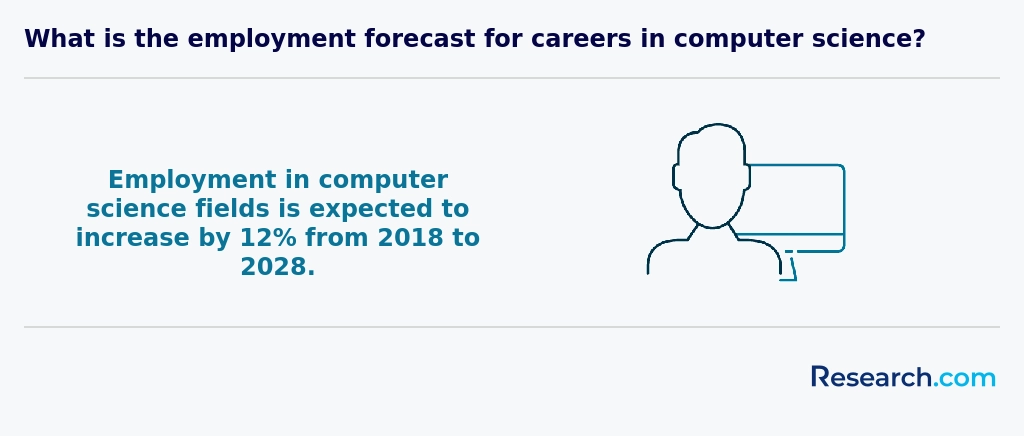
Graduates holding an online information technology degree in the Midwest often find themselves stepping into diverse and rewarding career paths reflective of the region's robust economy. Many have embraced roles as network and computer systems administrators, where they manage complex infrastructures for hospitals or manufacturing firms in cities like Chicago or Detroit. Others thrive as information security analysts, a role that continues to expand as cybersecurity threats grow more sophisticated and prevalent.
Software development is another thriving path, with graduates designing applications that serve both local businesses and larger financial institutions rooted in states such as Ohio and Minnesota. Universities known for strong IT programs, such as those in the University of Illinois or Michigan State systems, provide students not only technical skills but also opportunities to collaborate on real-world projects, better preparing them for challenges ahead.
Many students pursuing online information technology jobs in the Midwest appreciate the balance of practical experience and academic rigor, often finding mentorships in IT project management or database administration. For those eager to explore the fastest technology degree programs online, programs with Midwest connections tend to offer both affordability and quality, making the path forward feel both attainable and promising.
The job market for online information technology degree holders in the Midwest remains encouraging, reflecting a regional economy that embraces both traditional industries and emerging tech sectors. Graduates from universities known for their strong IT programs, such as those in Illinois or Michigan, often find themselves well-prepared to enter roles in cybersecurity, software development, or data analytics. These graduates frequently share positive experiences, especially appreciating the combination of practical skills taught and internship opportunities facilitated by their schools.
For those interested in pursuing an online information technology jobs Midwest offers numerous possibilities. Entry-level roles typically start with a competitive salary between $55,000 and $70,000 annually, with opportunities to advance quickly thanks to growing tech corridors in cities like Chicago and Minneapolis. Success stories often highlight how this region's balance between affordability and career prospects nurtures both confidence and optimism among recent graduates.
Many students consider an online masters degree in information technology from Midwest public universities because tuition costs are lower than in coastal areas, making it a smart investment. The steady demand across healthcare, finance, and manufacturing sectors creates dynamic career paths, giving graduates a distinct edge in the Midwest's evolving IT landscape.
2027 Easiest Online Bachelor's in Information Technology Degree Programs Ranking in the Midwest
Investing in your education is a significant decision that can shape your future, and the Research.com team understands the importance of making informed choices. To assist prospective students in the Midwest, we have meticulously crafted the "2027 Easiest Online Bachelor's in Information Technology Degree Programs Ranking in the Midwest." Our commitment to quality, credibility, and accuracy is reflected in the extensive research and analysis conducted to compile this ranking.
We utilized the following reputable data sources to ensure a comprehensive evaluation of Information Technology programs:
By exploring this ranking, readers will gain valuable insights into the easiest online Information Technology bachelor's degree programs in the Midwest, enabling them to make well-informed decisions aligned with their educational goals. For more details on our methodology, please visit our Research.com methodology page.


# 11 position
Peru State College
Bachelor of Computer Management Information Systems

# 12 position
Fort Hays State University
Bachelor of Information Networking and Telecommunications (Information Systems)


# 15 position
Southwestern College
Bachelor of Computer Science


# 17 position
University of Detroit Mercy
Bachelor of Health Information Management and Technology (HIMT)


Frequently Asked Questions About information technology
Students pursuing online information technology degrees in the Midwest can maximize their learning by actively engaging with course materials and participating in virtual discussions. According to the National Center for Education Statistics, interactive learning boosts retention and comprehension.
Utilizing local tech resources, such as Midwest-based tech meetups or internships, helps bridge theory with real-world experience. The region's growing IT job market, notably in cities like Chicago and Minneapolis, provides ample opportunities for hands-on practice.
Time management and consistent study routines are crucial, as self-discipline directly impacts success in online learning environments. Many Midwest universities also offer academic advising and online tutoring to support students.
The field of information technology continues to evolve rapidly, especially in the Midwest, where advancements in industries fuel new career opportunities. Emerging niches include cybersecurity, which is growing due to increased cyber threats. According to the U.S. Bureau of Labor Statistics, cybersecurity roles in the Midwest are projected to grow faster than the average for all occupations through 2031.
Another key area is data science and analytics, which supports businesses in making informed decisions. The growth of smart manufacturing in states like Michigan and Ohio underscores demand for IT specialists skilled in industrial IoT (Internet of Things).
Cloud computing also remains a vital niche with increasing adoption of remote work technologies. Professionals with expertise in cloud security and architecture are in high demand, particularly in urban Midwest hubs like Chicago and Minneapolis.
Graduates with online information technology degrees in the Midwest should focus on developing practical skills and gaining relevant experience to enter the job market confidently. Employers in cities like Chicago and Minneapolis value certifications such as CompTIA A+, Cisco CCNA, and AWS Certified Solutions Architect, which can enhance resumes significantly. According to the U.S. Bureau of Labor Statistics, the IT sector in the Midwest is expected to grow by 13% through 2031, highlighting strong demand for tech professionals.
Networking plays a crucial role in job placement. Joining local IT groups, attending virtual career fairs, and engaging with alumni associations can open doors. Additionally, internships or part-time roles, even virtual ones, add real-world skills that employers seek.
Developing a tailored resume and preparing for behavioral and technical interviews bolster chances further. Several Midwestern universities provide online career services to graduates, including resume review and mock interviews.
Employers in the Midwest seek information technology graduates with a balanced mix of technical and soft skills. Core technical abilities include proficiency in programming languages such as Python, Java, and SQL, as well as knowledge of cybersecurity principles and cloud computing platforms like AWS or Azure. According to the U.S. Bureau of Labor Statistics, IT job growth in the Midwest is projected to increase by 12% through 2030, emphasizing demand for these skills.
In addition to technical expertise, employers highly value strong problem-solving capabilities and effective communication. Teamwork and adaptability are essential, especially as many IT roles require collaboration across departments. Networking knowledge and experience with data analysis tools also enhance a graduate's employability in this region.
Finding internships in the Midwest for information technology students requires a strategic approach. Start by exploring university career centers, which often maintain partnerships with local companies seeking IT interns. According to the National Association of Colleges and Employers, nearly 60% of internships convert to job offers, highlighting their importance.
Utilize online platforms like Handshake and LinkedIn, filtering searches to Midwest locations such as Chicago, Indianapolis, or Minneapolis, where IT job growth outpaces the national average by 4% (Bureau of Labor Statistics).
Networking through local tech meetups and professional groups can also reveal hidden internship opportunities unique to the region. Local chambers of commerce websites may list relevant postings as well.
An online information technology degree can significantly enhance career mobility and advancement opportunities in the Midwest. According to the U.S. Bureau of Labor Statistics (BLS), IT job growth in the region is projected to grow about 11% through 2031, faster than the average for all occupations. Employers increasingly value degrees from accredited online programs as they demonstrate technical skills and self-discipline.
Midwestern states like Illinois, Ohio, and Michigan have strong tech sectors with growing demand for cybersecurity, software development, and network administration roles. Online degrees allow working professionals to upskill without relocating, supporting career shifts or promotions.
Additionally, many employers in the Midwest partner with regional schools offering online IT degrees, facilitating networking and internship opportunities that encourage career advancement.
Studying for an information technology degree in the Midwest equips students with skills that go beyond traditional IT roles, fostering interdisciplinary expertise. Many regional programs emphasize collaboration with business, healthcare, and engineering fields, reflecting the Midwest's diverse economy. For example, universities often integrate coursework in data analytics, cybersecurity, and project management alongside industry-specific knowledge.
According to the Midwestern Higher Education Compact, nearly 60% of Midwest IT graduates find employment in sectors requiring cross-disciplinary skills. Online degrees here often include practical, real-world projects that prepare students to work in teams across various specialties, making them valuable in roles bridging technology with other domains.
Choosing between a thesis and a non-thesis online information technology degree in the Midwest depends on your career goals and learning preferences. Thesis programs typically require independent research and a formal written project, which may appeal to students interested in pursuing graduate studies or research roles.
Non-thesis tracks focus more on coursework and practical skills, making them suitable for professionals aiming to enter or advance in the IT industry quickly. According to the National Center for Education Statistics, Midwest institutions offering online IT degrees have increased non-thesis options to accommodate working students.
Consider your time availability and whether you prefer research or hands-on experience when making your choice.
Midwestern students interested in studying information technology (IT) abroad have several practical options primarily through partnerships between US institutions and foreign universities. Many universities in the Midwest offer study-abroad programs or dual-degree options with international schools, allowing students to gain global IT perspectives without leaving the region for extended periods.
According to the Institute of International Education, participation in study-abroad programs by Midwestern undergraduates in STEM fields, including IT, has seen steady growth, reflecting increased interest in global tech industries. Students can also consider fully online IT degree programs offered by foreign universities accredited in the US.
Additionally, exchange programs supported by faculty and resources from Midwestern public universities help students navigate visa and credit transfer requirements efficiently, enhancing international IT education accessibility.
Part-time job opportunities in the Midwest that complement information technology degree education are abundant, especially in urban centers like Chicago, Minneapolis, and Indianapolis. Positions such as IT support specialist, help desk technician, and junior web developer are popular among students balancing work and study. According to the U.S. Bureau of Labor Statistics, these roles are projected to grow by 8% from 2022 to 2032 nationwide, with the Midwest reflecting steady demand. These jobs allow practical experience with troubleshooting, coding, and system maintenance, reinforcing online learning.
Internships and freelance roles in cybersecurity and network administration also provide valuable hands-on skills. Local tech hubs and startups frequently seek part-time interns to assist with real-world projects, which enhances resumes and professional networks.
Online information technology students in the Midwest benefit from numerous networking opportunities despite the remote nature of their studies. Many regional universities partner with local tech companies and professional organizations to offer virtual career fairs, webinars, and meetups focused on IT fields.
Groups such as the Midwest Technology Alliance provide online forums and events specifically for IT professionals and students. In addition, LinkedIn and other online platforms help students connect with alumni working at prominent Midwestern firms like Cerner, Garmin, and Motorola Solutions, which have strong IT presences.
According to the U.S. Bureau of Labor Statistics, IT jobs in the Midwest are projected to grow by 15% over the next decade, increasing networking potential for students. Local chapters of associations such as CompTIA and IEEE also host virtual and in-person events accessible to online learners, enhancing professional connections and job prospects.
Alumni networks provide significant benefits to online information technology degree students in the Midwest. These networks offer valuable career connections within local and regional tech industries, which are rapidly growing in cities like Chicago, Indianapolis, and Minneapolis.
Networking through alumni can lead to job opportunities, internships, and mentorship, helping students gain insight into current IT trends and workplace expectations. According to the Midwestern Higher Education Compact, many Midwest universities have alumni active in companies such as Microsoft and Salesforce, increasing students' access to these firms.
Additionally, alumni often share resources about certifications and continuing education, enhancing graduates' skills in cloud computing, cybersecurity, and software development.
In the Midwest, many online information technology degree programs offer customizable options to align with your career goals. You can often choose elective courses that focus on specialized areas such as cybersecurity, data analytics, or software development. Institutions like Illinois State University and the University of Nebraska provide tracks or concentrations within their IT curricula to tailor your learning experience.
Additionally, some programs allow you to engage in hands-on projects or internships remotely, giving practical experience that fits your desired job market. According to data from the National Center for Education Statistics, about 65% of Midwestern IT programs have flexible electives, enhancing customization.
Advisors play a key role in guiding you to select courses relevant to industry trends in the Midwest, where demand for cloud computing and network security skills is growing. Customized degree paths enhance your competitiveness in regional job markets, including Chicago, Minneapolis, and Indianapolis.
Online information technology students in the Midwest often face challenges related to limited local access to high-speed internet. According to the Federal Communications Commission, approximately 17% of rural Midwestern households lack reliable broadband. This can affect synchronous learning and timely submission of assignments.
Additionally, balancing work, family, and study commitments proves difficult for many, as the Midwest has a large proportion of non-traditional students who are working adults. The National Center for Education Statistics reports over 40% of online undergraduates fall into this category.
Students also encounter limited opportunities for in-person networking and hands-on lab experiences, which are crucial in IT education. Finally, navigating various state licensure and credentialing requirements can pose administrative hurdles for some Midwestern learners.
With an online information technology degree, students in the Midwest can pursue a variety of professional certifications that enhance their career prospects. Popular certifications include CompTIA A+, Network+, and Security+, which focus on foundational IT skills and cybersecurity. Many graduates also aim for Cisco's CCNA, emphasizing networking expertise.
More advanced certifications such as Certified Information Systems Security Professional (CISSP) and Microsoft Certified: Azure Administrator Associate are highly regarded in the region's growing tech job market, particularly in states like Illinois and Ohio.
These certifications often require passing exams and gaining practical experience, which can complement your degree effectively. According to the Bureau of Labor Statistics, IT jobs in the Midwest are projected to grow about 13% by 2030, increasing demand for certified professionals.
Applying for an online information technology program in the Midwest requires a clear, well-structured application showcasing your technical skills and passion. Begin by highlighting relevant work experience or certifications such as CompTIA or Cisco, which employers and schools highly value in this region. According to the Bureau of Labor Statistics, IT job growth in the Midwest is projected at 8% through 2031, emphasizing demand in this field. Be sure to tailor your personal statement to reflect how the program aligns with regional industry needs, especially in states like Illinois and Ohio, which host major tech hubs. Strong letters of recommendation and a solid academic record further strengthen your application.
The global perspective on an information technology (IT) career highlights strong demand and growth opportunities worldwide. Within the U.S., and specifically the Midwest, IT professionals are increasingly valued for their skills in cybersecurity, cloud computing, and data analytics. According to the U.S. Bureau of Labor Statistics, employment of IT specialists is projected to grow 15% from 2021 to 2031, faster than the average for all occupations.
Midwestern states like Illinois, Ohio, and Michigan host major tech hubs contributing to this growth, providing diverse career paths. The region also benefits from a concentration of Fortune 500 companies that rely on IT infrastructure and innovation.
Globally, IT careers require adaptability to evolving technologies and cross-cultural collaboration. U.S. online IT degrees emphasize these skills, preparing students for work in international contexts. This worldwide demand encourages Midwest students pursuing online IT degrees to consider careers beyond regional boundaries, supported by remote and hybrid work arrangements.
Gaining practical experience while studying for an online information technology degree in the Midwest is essential for career readiness. Many Midwest universities offer virtual labs and simulation software, allowing students to apply IT concepts in real-time. According to the U.S. Bureau of Labor Statistics, internships in IT fields are increasingly available remotely, making it easier for online students to participate.
Students can also pursue part-time roles or freelance projects with local Midwest businesses, particularly in tech hubs like Chicago and Minneapolis. Joining professional IT groups or attending virtual industry events further expands hands-on learning opportunities. Practical skills gained through these experiences improve employability upon graduation.
Choosing the right concentration within an online information technology degree in the Midwest depends on your career goals and local industry demand. Popular concentrations include cybersecurity, data analytics, software development, and network administration. According to the U.S. Bureau of Labor Statistics, Midwest states like Illinois and Ohio have seen a growth rate of over 10% in IT jobs through 2029, especially in cybersecurity and data roles.
Research the strengths of regional employers and emerging trends. For example, manufacturing hubs in the Midwest increasingly require IT professionals skilled in automation and cybersecurity.
Additionally, consider program flexibility, accreditation, and available resources at Midwestern universities offering online IT degrees to ensure the concentration aligns with your learning style and career aspirations.
- How a Strong Alumni Network Can Benefit Students https://www.pacificu.edu/blog/how-strong-alumni-network-can-benefit-students
- Online Technology Degree Programs | University of Phoenix https://www.phoenix.edu/online-information-technology-degrees.html
- Top 6 Emerging Technologies for Digital Transformation in 2026 https://www.imd.org/blog/digital-transformation/emerging-technologies/
- The 4 Best Online Colleges that Accept FAFSA https://joinjuno.com/financial-literacy/financial-aid/online-colleges-accept-fafsa
- 5 Essential IT Skills Employers Want to See in Candidates https://www.umassglobal.edu/blog-news/5-essential-skills-employers-want-see-candidates
- IT Certification Training & Career Programs | Global IT https://www.global-itech.com/
- Information Technology Assistant Cover Letter Sample https://www.kickresume.com/en/help-center/information-technology-assistant-1-cover-letter-sample/
- How to Get Started in Information Technology https://www.straighterline.com/blog/how-to-get-started-in-information-technology
- Most In-Demand IT Skills Employers Are Hiring For | IT Jobs UK Career Guide https://www.itjobboard.co.uk/blog/310/most-in-demand-it-skills-employers-are-hiring-for-%7C-it-jobs-uk-career-guide/
- Best Online Bachelor's in Information Technology Programs I Computerscience.org https://www.cyberdegrees.org/listings/best-online-bachelors-in-information-technology-programs/