2027 Best Online Master's in Information Technology Degree Programs Ranking in Wisconsin

Co-Founder and Chief Data Scientist
For Wisconsin students eager to advance their careers, choosing the right online master's in information technology degree is crucial. This article introduces the 2027 Best Online Master's in Information Technology Degree Programs Ranking in Wisconsin, carefully crafted by the Research.com team of data scientists. It aims to guide you toward programs that truly stand out.
By exploring this ranking, you'll gain valuable insights to make an informed decision. Earning an IT master's degree can open doors to exciting opportunities and personal growth. Let this guide support your journey to success.
Key benefits of getting online information technology degree in Wisconsin
- Information technology graduates in Wisconsin can expect strong earning potential, with US data showing median salaries around $90,000 per year for roles like network and computer systems administrators.
- Career paths include network administration, cybersecurity, software development, and IT project management, offering diverse opportunities for graduates from schools such as the University of Wisconsin-Madison.
- Completing an online IT degree allows flexible schedules and learning at your own pace, as demonstrated by graduates from online programs at University of Wisconsin Colleges, making it easier to balance work and studies.
- 2027 Best Online Master's in Information Technology Degree Programs Ranking in Wisconsin
- What can I expect from online information technology degree in Wisconsin?
- Where can I work with online information technology degree in Wisconsin?
What can I expect from online information technology degree in Wisconsin?
The average cost of an online information technology degree in Wisconsin typically falls between $12,000 and $25,000, depending on the institution and program level. Graduates from universities such as UW-Milwaukee and UW-Stout often share how this investment felt manageable, especially given the flexibility of online learning that allowed them to maintain full-time jobs while advancing their skills.
Many students appreciate that tuition stays competitive compared to national averages, which makes pursuing IT degrees in Wisconsin both practical and cost-effective. One can imagine a working professional balancing evening virtual labs and real-time projects, benefiting from faculty who bring deep industry experience and regional networking opportunities.
Looking ahead, increasing partnerships between Wisconsin's tech community and academic programs may further enhance value for online IT students through apprenticeships and scholarships. These initiatives could lower out-of-pocket expenses while offering richer, hands-on learning - a win-win scenario encouraging even more aspiring IT specialists to thrive without relocating or breaking the bank.
Where can I work with online information technology degree in Wisconsin?
Graduates with online IT degrees from institutions like the University of Wisconsin-Madison often find themselves stepping into dynamic roles across the state's thriving industries. Many start as IT support specialists or junior developers, quickly advancing as they tackle real-world challenges in manufacturing firms, where automation and supply chain technologies are evolving rapidly. Imagine working alongside seasoned IT professionals to streamline factory operations or protect sensitive data from cyber threats-these experiences fuel both confidence and skill growth.
Others land impactful positions within healthcare systems, enhancing patient care through health information management or data analytics at organizations such as the UW Health System. These roles inspire a sense of purpose, knowing your work supports telemedicine and electronic health records that transform lives.
Graduates also embrace opportunities in Milwaukee's fintech startups or state government agencies, where cybersecurity and software development are vital. The variety of workplaces reflects Wisconsin's expanding tech ecosystem, encouraging graduates to envision careers full of innovation and meaningful impact across their communities.
Graduates with an online information technology degree in Wisconsin can anticipate starting salaries generally ranging from $60,000 to $70,000 annually. For example, those who studied at institutions like the University of Wisconsin-Milwaukee have reported landing entry-level roles such as systems analyst or network administrator within this range. These positions serve as solid launchpads in a thriving tech landscape fueled by growing demand in metropolitan hubs like Milwaukee and Madison.
With experience and skill growth, salaries often rise significantly. Graduates progressing into cybersecurity or cloud computing roles in Wisconsin can earn well above $100,000, mirroring the upward trend seen statewide. The Wisconsin Department of Workforce Development's focus on tech field expansion adds confidence that these career paths lead to meaningful financial gains.
Many graduates find that combining their degree with certifications accelerates earning potential, enabling career transitions into senior management or specialized IT consultancy. The positive trajectory in wages and opportunities reflects Wisconsin's vibrant tech ecosystem, making an online IT degree a rewarding investment for the future.
- Online IT degree programs in Wisconsin offer flexible options, including fully online and hybrid formats covering topics like cybersecurity, software development, and network administration.
- Tuition for a bachelor's online IT degree typically ranges from $9,000 to $12,000 per year for in-state students, while graduate programs cost between $12,000 and $18,000 annually.
- Wisconsin employs over 60,000 IT professionals, with job growth expected to increase by about 8% over the next decade.
- Entry-level IT graduates earn an average of $55,000 per year, with mid-career salaries ranging from $75,000 to $90,000, and specialized roles potentially exceeding $100,000 annually.
- Diverse industries like manufacturing, healthcare, and finance in Wisconsin drive demand for IT skills, and many programs include internships or practicum experiences with local tech firms.
Completing an online information technology degree in Wisconsin typically spans around four years for full-time undergraduates, especially at institutions like the University of Wisconsin System. Many graduates share how this timeframe felt manageable alongside work and family responsibilities, thanks to flexible course scheduling and the option to transfer prior credits.
For master's degrees, online students often finish within 18 to 24 months if studying full-time. Yet, working professionals frequently experience a two to three-year journey, balancing part-time study at colleges such as Marquette University. These flexible pacing options fuel positive experiences by reducing stress and allowing students to tailor their education around life's demands.
Looking ahead, advancements in self-paced learning and accelerated online modules promise even greater customization of degree completion times. Students envision finishing faster without sacrificing depth, making an IT degree in Wisconsin both attainable and rewarding-whether aiming for a bachelor's or a master's credential.
Graduates from the University of Wisconsin System often describe their online IT degree experience as empowering, blending education with life's demands. Online programs provide the freedom to study late at night after work or manage family time without sacrificing progress, a flexibility highly valued by many Wisconsin residents. This contrasts with the hands-on energy of on-campus students at places like Marquette University, who thrive on face-to-face interactions in dynamic computer labs and networking events. The tactile engagement and immediate access to campus resources create a vibrant learning atmosphere that fuels collaboration and real-time problem solving.
Looking ahead, online IT degrees in Wisconsin are evolving through interactive technologies and enhanced virtual labs, narrowing the gap between remote and in-person experiences. Graduates highlight how digital tools allow seamless assignment submissions and live discussions, fostering a practical yet adaptable learning environment. Meanwhile, on-campus programs remain a hub for traditional networking, although online learners are increasingly building professional connections via virtual job fairs and industry webinars linked to Milwaukee's tech scene.
The average cost of an online information technology degree in Wisconsin typically centers around $27,261, reflecting a median total tuition expense for many students pursuing this path. Graduates from well-regarded institutions in Wisconsin often share how these costs, while significant, felt like a worthy investment given the quality of education and flexibility offered. Public universities across the state usually provide more affordable options, appealing to local residents aiming to advance their careers without excessive financial strain.
When considering online information technology degree expenses Wisconsin residents often appreciate that, beyond tuition, some programs minimize extra costs by utilizing digital resources and limiting mandatory fees. For example, many students report satisfaction with how programs at popular colleges in Wisconsin incorporate technology fees and textbook expenses in ways that keep overall costs manageable. This approach helps students focus more on learning and less on financial worries.
Wisconsin learners might also explore opportunities through employer tuition reimbursement or scholarships to offset the median tuition. This can make a noticeable difference just as alumni from state universities often emphasize the value of financial aid. Those looking ahead to careers in IT should consider how investing in a degree, enhanced by supportive financial programs, aligns with career goals and the evolving job market.
Wisconsin's competitive tuition rates and focused programs create a practical foundation for students to enter growth areas within IT. Many graduates find their programs prepared them well for in-demand roles, tuning skills directly toward workplace needs. In fact, students interested in specialized careers can research options such as a mis degree jobs, adding strategic value to their education and future earning potential.
Students pursuing online information technology degrees in Wisconsin often find financial aid options that make their education feel more within reach. Graduates from institutions like the University of Wisconsin-Milwaukee frequently share how accessing FAFSA grants and federal loans provided crucial support during their studies, easing the pressure of tuition costs that can exceed $15,000 annually. Early FAFSA application is encouraged to maximize chances for Pell Grants, especially for Wisconsin residents.
State-specific programs like the Wisconsin Higher Educational Aids Board grants also play a key role. Many students at Marquette University, for example, benefit from state scholarships such as the Wisconsin Tuition Grant or the Academic Excellence Scholarship, which reward both residency and academic merit. These aids often transform the financial experience, allowing students to focus more on coursework than on bills.
Additionally, institutional scholarships and assistantships offered by colleges often create personalized opportunities. Some graduates describe how employer partnerships with universities opened doors for tuition reimbursement, making it possible to advance careers while studying online.
Looking ahead, growing involvement from tech organizations in Wisconsin promises more private scholarships tailored to the IT workforce, encouraging students to balance ambition with practical funding.
Many online information technology programs in Wisconsin expect applicants to have a bachelor's degree, often in computer science or related fields, before enrolling. Graduates from popular institutions like the University of Wisconsin system share how this foundation helped them confidently tackle advanced topics and collaborations in their cohorts. However, programs remain adaptable-some welcome students from diverse academic backgrounds who prove their IT skills through prior coursework or bridge classes. For example, a prospective student without formal IT training might enroll in preparatory classes to build a solid base in programming or networking.
Wisconsin universities increasingly value professional experience, recognizing how hands-on IT roles enrich classroom discussions and real-world projects. Some graduates recall how their practical insights from internships or jobs made engaging with research topics more meaningful and enjoyable. English proficiency tests like TOEFL remain important for international students, while evolving policies may further relax standardized testing like the GRE to widen access without compromising quality.
With rapid technological changes, Wisconsin programs might soon emphasize flexible prerequisites that blend academic readiness with adaptable skills, preparing students for a dynamic IT landscape.

Online information technology degree programs in Wisconsin commonly include courses that build both foundational and advanced expertise, essential for thriving in the region's growing tech scene. Graduates from institutions like the University of Wisconsin have shared how learning programming languages such as Python and Java directly helped them confidently tackle real-world software challenges.
Courses on network administration and cybersecurity are frequently highlighted, preparing students to safeguard local businesses' data against emerging threats. One graduate reflected on applying Agile and Scrum project management techniques learned online to successfully lead remote IT teams, boosting their confidence and efficiency.
Beyond core technical skills, many programs in Wisconsin incorporate evolving topics like cloud computing and data analytics, responding to the increasing demand in local industries. Students find these courses especially motivating, imagining themselves contributing to innovative projects or startups right in their communities.
These programs are designed to fit busy schedules, enabling students to gain practical, regionally relevant skills while balancing work or family life.
Online information technology specializations Wisconsin students pursue are evolving alongside industry demands, with programs at popular colleges like the University of Wisconsin and Milwaukee's tech-focused institutions leading the way. Graduates often describe their experiences diving into Cybersecurity, where they protect real-world networks from emerging threats in sectors like manufacturing. Others embrace Data Analytics and Data Science, using big data projects to predict business trends within Wisconsin's growing economy. Networking Administration and Software Development specializations frequently offer hands-on virtual labs that emulate actual IT environments, building confidence and readiness for local employers.
Health Informatics is gaining momentum as students combine IT skills with Wisconsin's robust healthcare systems, managing electronic health records and ensuring data privacy. Many students appreciate the flexibility to tailor their degrees with electives, reflecting their interests and career goals. Such customizable paths resonate deeply with those seeking meaningful, future-proof careers.
Applicants are encouraged to explore further through resources like the fastest masters in mis online to find accelerated paths aligned with these specializations.
IT degree concentration options Wisconsin continue to grow, empowering learners to stay ahead in a fast-changing digital landscape.
Choosing the best online information technology degree in Wisconsin means anticipating future trends while grounding your decision in practical factors. Graduates from renowned Wisconsin universities often highlight the importance of programs that offer both flexibility and specialization, such as cybersecurity or data analytics, which reflect industry demands. Many students appreciate the affordability of public institutions like those in the University of Wisconsin system, where tuition rates are competitive, making affordable IT master's programs Wisconsin a realistic goal.
Students share how asynchronous courses and part-time formats helped them balance work and family life, proving invaluable for continuing education without sacrificing income. Reputation matters too; programs with strong career support and successful alumni networks can ease the transition into Wisconsin's growing tech job market. For those exploring options, resources like online degree management information systems rankings provide insights that clarify decisions and highlight future-proof paths to success.
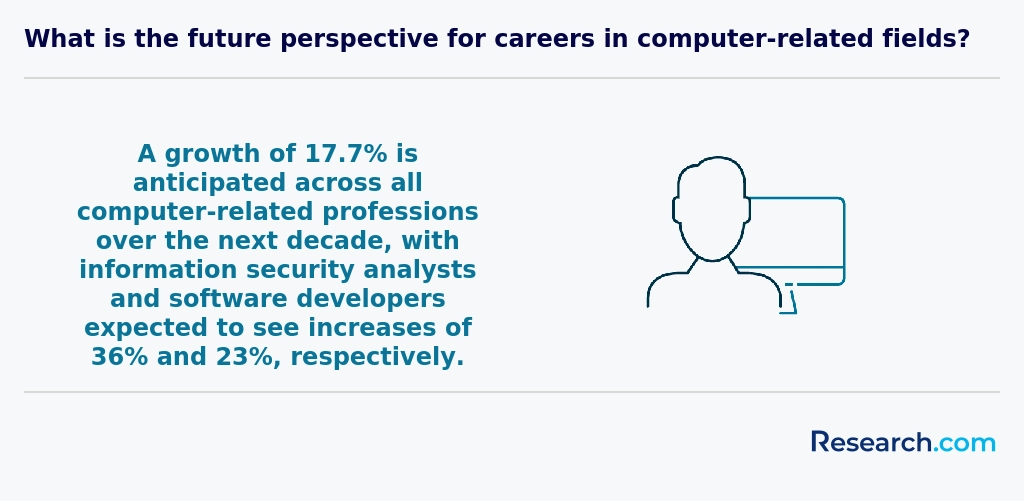
Graduates pursuing an online information technology degree in Wisconsin find a dynamic array of career paths that reflect both current industry demands and future trends. From roles like systems analyst and network administrator to cybersecurity specialist and software developer, opportunities abound in cities such as Milwaukee and Madison, where emerging tech startups and established firms thrive. Students from popular Wisconsin colleges often share their excitement about landing internships that provide hands-on experience, launching careers in fields like data analysis or information security.
With the state's growing emphasis on cybersecurity, there's a forward-looking push for professionals who can safeguard digital infrastructures, an evolution that online graduates are well-positioned to lead. Those exploring online information technology careers in Wisconsin can also leverage the state's manufacturing and healthcare sectors, where technology integration opens new possibilities. Many online learners find that enrolling in an online course in it connects them directly with industry needs, preparing them for a future in innovative IT job opportunities for Wisconsin graduates.
The job market for graduates with an online information technology degree in Wisconsin is vibrant and continues to evolve, fueled by demand across sectors like manufacturing, healthcare, and tech startups. Graduates from well-known institutions such as the University of Wisconsin-Madison often share how the state's growing tech ecosystem has opened doors in cities like Madison and Milwaukee, providing rewarding roles in network administration, cybersecurity, and software development. This dynamic environment creates exciting career opportunities for students pursuing Wisconsin IT degree career opportunities online.
Many recent graduates emphasize the positive impact of workforce development programs that help bridge academic knowledge with real-world application, strengthening their confidence when entering the job market. Salary prospects remain encouraging, with median wages competitive nationally and often higher for those specializing in fields like cybersecurity. For those considering advancement, learning how to be a cto offers insight into upward mobility after graduation.
2027 Best Online Master's in Information Technology Degree Programs Ranking in Wisconsin
Investing in your education is a significant decision that can shape your future, and the Research.com team understands the importance of making informed choices. To assist prospective students in Wisconsin, we have meticulously crafted the "2027 Best Online Master's in Information Technology Degree Programs Ranking." Our commitment to quality, credibility, and accuracy is reflected in the extensive research and analysis conducted to compile this ranking.
We utilized the following reputable data sources to ensure a comprehensive evaluation of information technology programs:
By exploring this ranking, readers will gain valuable insights into the best online IT master's degree programs available in Wisconsin, empowering them to make confident and informed decisions about their educational paths. For more details on our methodology, please visit our Research.com methodology page.


Frequently Asked Questions About information technology
Students pursuing online information technology degrees in Wisconsin can maximize their learning by actively engaging with course materials and seeking practical experience. Given that Wisconsin's IT sector employs over 90,000 professionals as of 2023, connecting with local tech communities and internships can provide valuable real-world insights.
Utilizing university resources such as virtual tutoring, discussion forums, and career services enhances understanding and networking opportunities. Wisconsin students should also consider certifications like CompTIA or Cisco alongside their degree to boost employability, as recommended by the Wisconsin Department of Workforce Development.
Consistent time management and setting clear goals help maintain progress in self-paced online environments.
The information technology field is rapidly evolving, with several emerging niches gaining prominence. In Wisconsin, online IT degree programs now often include specializations in cybersecurity, data analytics, and cloud computing. These areas address growing demands as businesses seek to protect data, harness insights, and migrate operations to the cloud.
Cybersecurity jobs in Wisconsin are expected to grow by over 30% through 2030, according to the U.S. Bureau of Labor Statistics. Data analytics roles are likewise expanding, driven by companies wanting to leverage big data for strategic decisions.
Cloud computing skills, especially in platforms like AWS and Microsoft Azure, are highly sought after as Wisconsin industries embrace digital transformation.
After completing an online information technology degree in Wisconsin, it is important to focus on practical skills and professional networking to enter the job market successfully. Wisconsin's IT sector employed over 50,000 workers in 2023, making it a competitive but promising field (Bureau of Labor Statistics).
Graduates should build a strong portfolio showcasing projects and coding expertise. Certifications like CompTIA, Cisco, or AWS can enhance credibility. Additionally, leveraging internship opportunities and joining local IT groups, such as the Wisconsin Technology Council, helps build connections.
Keeping up with trends such as cybersecurity and cloud computing is crucial. Many Wisconsin employers favor candidates with demonstrated problem-solving and communication skills alongside technical knowledge.
Employers in Wisconsin seek information technology graduates who combine strong technical abilities with critical soft skills. Key technical skills include expertise in cybersecurity, cloud computing, and data management. According to the Wisconsin Department of Workforce Development, demand for IT professionals with cybersecurity knowledge is growing by 9% annually in the state.
Beyond technical skills, employers value problem-solving capabilities, effective communication, and project management. These help graduates adapt to diverse workplace challenges.
Knowledge of programming languages like Python and Java, along with familiarity with networking protocols, remains essential. Certifications such as CompTIA Security+ are also frequently preferred by Wisconsin employers.
Finding internships in Wisconsin for information technology students involves several practical steps. Start by exploring university career centers, as many online IT programs partner with local businesses and tech firms. Wisconsin's tech sector is growing, with Milwaukee and Madison hosting numerous IT companies, making the region promising for internship opportunities.
Utilize online platforms like Handshake and LinkedIn, which often list internships targeted to Wisconsin students. Additionally, check listings from the Wisconsin Department of Workforce Development, which provides job and internship resources statewide.
Networking through local tech meetups and organizations such as the Wisconsin Technology Council can also connect students with potential internships in IT fields.
Obtaining an online information technology degree in Wisconsin can significantly enhance career mobility and advancement. According to the Wisconsin Department of Workforce Development, IT employment in the state is projected to grow by 12% from 2020 to 2030, faster than the average for all occupations. This growth creates new opportunities for IT professionals who hold advanced credentials.
Online IT degrees provide the flexibility needed for working adults to gain updated skills without disrupting their current employment. Many Wisconsin employers recognize accredited online degrees, which can lead to promotions and higher salaries within local technology firms and government agencies.
Completing a master's in IT online also supports networking with local professionals and access to regional job markets in cities such as Milwaukee and Madison, key tech hubs in the state. These connections can be critical for accessing leadership roles and specialized positions.
Online information technology degrees in Wisconsin equip students with skills that cross traditional disciplinary boundaries, preparing them for varied professional roles. Programs often integrate courses in cybersecurity, data management, business analytics, and software development to build a broad technical foundation. This interdisciplinary approach reflects Wisconsin's growing IT job market, which the U.S. Bureau of Labor Statistics expects to expand by 15% through 2031, emphasizing roles requiring diverse expertise.
Additionally, many Wisconsin universities encourage collaboration with industries like manufacturing and healthcare, sectors critical to the state's economy. Exposure to these fields enhances students' ability to apply IT solutions in different contexts. The Wisconsin Economic Development Corporation highlights that demand for IT professionals familiar with multiple industries is increasing statewide.
When choosing between a thesis and a non-thesis online information technology degree program in Wisconsin, consider your career goals carefully. Thesis programs often emphasize research and prepare students for advanced roles or doctoral studies. They typically require conducting original research and writing a substantial paper.
Non-thesis programs focus more on practical skills and coursework, ideal for students aiming to enter or advance in the IT industry quickly. According to the Wisconsin Department of Workforce Development, IT-related jobs are expected to grow 12% by 2030, highlighting demand for applied skills.
Additionally, some Wisconsin universities report higher employer preference for graduates with hands-on experience rather than research alone. Access to faculty mentorship and personal learning style also impact this choice.
Students in Wisconsin looking to study information technology (IT) abroad have several pathways despite most IT programs being based in the U.S. Many Wisconsin universities offer online degrees with international exchange or partnership options, allowing students to gain global perspectives without leaving the country. Programs accredited by agencies like ABET ensure transferability of credits for study abroad.
Additionally, some students opt for dual-enrollment with foreign institutions in technology hubs such as Canada or the UK, known for strong IT curricula. According to the Wisconsin Department of Workforce Development, the state's IT sector grows by 3.5% annually, encouraging students to seek diverse educational experiences globally to remain competitive.
Wisconsin students should consult school study abroad offices and verify credential recognition to maximize their international education in IT fields.
Part-time job opportunities in Wisconsin that complement online information technology degrees are plentiful and diverse. Many students find positions as IT support specialists, which provide hands-on experience troubleshooting hardware and software issues. According to the U.S. Bureau of Labor Statistics, IT support roles are projected to grow about 10% nationally by 2030, reflecting strong demand.
Software development internships and freelance web development projects are also common choices for those balancing study and work. Wisconsin's growing tech sector, particularly in Milwaukee and Madison, offers students chances to collaborate with startups and established firms.
Additionally, roles in cybersecurity and database administration are available, aligning closely with core IT curricula. These positions often provide relevant certifications and skill development, enhancing future career prospects.
Online information technology students in Wisconsin have access to a variety of networking opportunities despite studying remotely. Many universities offer virtual career fairs and industry-specific webinars, enabling students to connect with local and national IT professionals. For example, the Wisconsin Technology Council organizes events that foster connections between students and leading companies in the state's tech sector.
Additionally, students can join professional organizations such as the Wisconsin chapter of the Association for Computing Machinery (ACM) or CompTIA, which provide online meetups, workshops, and forums. According to the Bureau of Labor Statistics, Wisconsin is expected to see a 5% growth in IT jobs by 2030, enhancing opportunities for current students to network with a growing workforce.
Many institutions also facilitate alumni networks and LinkedIn groups focused on Wisconsin's IT community, offering mentorship and job leads exclusively for their online students. These resources help bridge the gap between virtual learning and real-world professional engagement in the state.
Alumni networks play a crucial role for students pursuing online information technology degrees in Wisconsin by providing valuable connections and mentorship opportunities. Graduates from Wisconsin's IT programs often join these networks, where they share job leads and career advice tailored to the local tech industry. According to the Wisconsin Department of Workforce Development, the state's IT sector employed over 85,000 professionals in 2023, highlighting the importance of strong professional ties.
Students benefit from invitations to exclusive workshops and networking events, which help bridge the gap between online learning and real-world applications. These networks also facilitate partnerships with local employers in cities like Madison and Milwaukee, increasing job placement rates for graduates.
Customizing an online information technology degree program in Wisconsin allows students to align education with specific career goals. Many universities offer elective courses in areas like cybersecurity, data analytics, or software development, enabling learners to focus on industries with strong local demand. For example, Wisconsin's IT sector grew by over 5% annually, highlighting opportunities in these specialties, according to the Wisconsin Department of Workforce Development.
Students can also choose project-based learning or internships that match their interests, gaining practical skills relevant to Wisconsin's technology companies. Additionally, some programs allow for certification prep in key areas, increasing employability in a competitive marketplace.
Online information technology students in Wisconsin commonly face challenges related to balancing coursework with professional and personal responsibilities. Many students juggle full-time jobs while adapting to a mostly self-directed learning environment, which demands strong time management skills.
Connectivity issues can pose a problem, especially in rural areas where reliable high-speed internet is not always available. According to the Federal Communications Commission, about 11% of Wisconsin residents lack access to adequate broadband, impacting online learning experiences.
Additionally, some students find limited opportunities for direct interaction with instructors and peers, which may hinder networking and immediate academic support. Navigating evolving IT technologies also requires continuous adaptation beyond the classroom.
With an online information technology degree in Wisconsin, graduates can pursue several valuable professional certifications to boost their careers. Popular certifications include CompTIA A+, Network+, and Security+, which cover essential IT skills and cybersecurity knowledge.
Many professionals also obtain certifications like Cisco's CCNA or Microsoft Certified: Azure Fundamentals to improve networking and cloud computing expertise. These credentials are highly regarded by Wisconsin employers, especially given the state's growing tech industry.
Additionally, certifications such as Certified Information Systems Security Professional (CISSP) and Certified Information Security Manager (CISM) are options for those interested in advanced cybersecurity roles.
The Wisconsin Department of Workforce Development reports that IT-related job openings continue to grow, making these certifications valuable investments for future job security and advancement.
Writing a winning application for an online information technology program in Wisconsin begins with demonstrating your academic preparedness. Highlight your undergraduate degree, relevant coursework, or certifications related to IT. Wisconsin's universities often value applicants with strong backgrounds in computer science or related fields.
Next, emphasize your professional experience. According to the Wisconsin Department of Workforce Development, IT jobs are growing steadily, with over 50,000 tech-related positions statewide. Showcasing practical skills or projects can strengthen your application.
Personal statements should clearly express your career goals and why an online IT degree suits your needs. Tailor your essays to mention specific Wisconsin universities or aspects of their programs.
Lastly, provide strong letters of recommendation from supervisors or professors who can attest to your technical skills and commitment to the field.
The global outlook for information technology careers is strong and growing. In Wisconsin, IT job growth is expected to increase by 11% from 2022 to 2032, reflecting national trends reported by the U.S. Bureau of Labor Statistics. This growth is driven by ongoing digital transformation across industries worldwide.
IT professionals are increasingly valuable as companies expand cloud computing, cybersecurity, and data analytics. Globally, there is high demand for skilled workers to manage complex systems and innovations.
International collaboration in IT is common, offering Wisconsin graduates opportunities to work on global projects. Additionally, online IT degrees in Wisconsin often include coursework aligned with global standards and certifications, enhancing students' competitiveness.
Gaining practical experience while studying online for an information technology degree in Wisconsin is crucial for career readiness. Many programs encourage students to participate in internships with local tech firms, which are abundant in cities like Milwaukee and Madison. According to the Wisconsin Department of Workforce Development, IT job openings in the state are projected to grow by 12% through 2030, highlighting strong demand for hands-on skills.
Online students can also engage in virtual labs and simulation projects integrated into their coursework. Additionally, Wisconsin universities often partner with industries to offer co-op opportunities and capstone projects that address real-world IT problems. These experiences help build essential skills and professional networks while studying remotely.
Choosing the right concentration within an online information technology degree program in Wisconsin requires careful consideration of your career goals and the local job market. Key concentrations often include cybersecurity, data analytics, software development, and network administration. According to the Wisconsin Department of Workforce Development, demand for IT professionals in cybersecurity and data analytics is expected to grow faster than average through 2030.
Evaluate programs that offer practical skills and certifications recognized by employers in Wisconsin's tech industry. Additionally, consider your strengths and interests, pairing them with regional opportunities in Milwaukee, Madison, or Green Bay, where tech hubs are expanding.
- 2027 Best Online Master's in Information Technology Degree Programs Ranking in Illinois
- 2027 Best Online Master's in Information Technology Degree Programs Ranking in Michigan
- 2027 Best Online Master's in Information Technology Degree Programs Ranking in Missouri
- 2027 Best Online Master's in Information Technology Degree Programs Ranking in Ohio
- 2027 Best Online Master's in Information Technology Degree Programs Ranking in Kentucky
- 2027 Best Online Master's in Information Technology Degree Programs Ranking in Kansas
- 2027 Best Online Master's in Information Technology Degree Programs Ranking in West Virginia
- 2027 Best Online Master's in Information Technology Degree Programs Ranking in Pennsylvania
- 2027 Best Online Master's in Information Technology Degree Programs Ranking in Colorado
- 2027 Best Online Master's in Information Technology Degree Programs Ranking in Georgia
- 5 Essential IT Skills Employers Want to See in Candidates https://www.umassglobal.edu/blog-news/5-essential-skills-employers-want-see-candidates
- Information Technology Master's Program (without Thesis) | Eastern Mediterranean University Cyprus https://www.emu.edu.tr/en/programs/information-technology-masters-program-without-thesis/1070
- Best Online Bachelor's in Information Technology Programs I Computerscience.org https://www.cyberdegrees.org/listings/best-online-bachelors-in-information-technology-programs/
- The Key Skills Employers Look for in IT Professionals https://www.upskilled.edu.au/skillstalk/the-key-skills-employers-look-for-in-it-professionals
- IT Cover Letter Examples (Information Technology Jobs) https://zety.com/blog/it-cover-letter-example
- The Top IT Challenges Facing Universities (And How to Tackle Them) | Full Fabric https://www.fullfabric.com/articles/it-challenges-universities-face
- Jobs you can get with an IT degree | Monroe University https://www.monroeu.edu/academics/undergraduate-programs/school-information-technology/jobs-with-degree-in-it
- Computer Science Internships | Programs For Students & Grads https://www.internhq.com/fields/computer-science-and-it/
- How to Network with Alumni | Student Guide to Alumni Networking 2026 https://digitalrecordboard.com/blog/how-to-network-with-alumni/
- Top 10 Technology Challenges for Schools and How to Solve Them | Modern Office Methods https://www.momnet.com/top-10-technology-challenges-for-schools-and-how-to-solve-them/