2027 Best Online Master's in Information Technology Degree Programs Ranking in Georgia

Co-Founder and Chief Data Scientist
Choosing the right online master's program in Information Technology can be a challenge, especially from Georgia. This article introduces the 2027 Best Online Master's in Information Technology Degree Programs Ranking in Georgia, created by the Research.com team of data scientists. It's designed to help you make an informed decision about which programs truly stand out.
By exploring this ranking, you'll discover opportunities that fit your goals and lifestyle. Earning an IT degree opens doors to exciting careers and growth, making your educational journey both rewarding and worthwhile.
Key benefits of getting online information technology degree in Georgia
- Information technology graduates in Georgia can pursue various rewarding careers such as software developers and computer systems analysts, with U.S. median salaries around $120,730 and $93,730 annually, respectively, reflecting strong earning potential.
- Graduates from Georgia Tech's IT programs often find diverse career paths in cybersecurity, network administration, or software engineering, offering flexibility and growth in today's digital economy.
- Online IT degrees from institutions like Georgia Southern University provide flexible learning schedules, allowing students to balance work and studies while gaining practical skills, making education more accessible and convenient.
- 2027 Best Online Master's in Information Technology Degree Programs Ranking in Georgia
- What can I expect from online information technology degree in Georgia?
- Where can I work with online information technology degree in Georgia?
What can I expect from online information technology degree in Georgia?
Students pursuing an online information technology degree in Georgia can typically expect tuition costs ranging from approximately $10,000 to $25,000 for the entire program. For example, graduates from well-known Georgia institutions like the University of Georgia or Georgia Tech often mention how the flexible pricing aligned with their schedules, making the investment feel manageable alongside work and family commitments.
Many online IT programs in Georgia offer competitive rates partly due to state initiatives such as eTuition, which lowers costs for in-state students. This financial accessibility allows students to focus on mastering practical skills like cloud computing or cybersecurity without overwhelming debt concerns. Graduates frequently recall the relief of affordable tuition combined with valuable real-world projects, which boosted their confidence entering Atlanta's thriving tech job market.
Additionally, some veterans and active military members benefit from tuition assistance programs tailored to Georgia's online education system, making IT degrees more attainable. Overall, the cost reflects not just education but a pathway to promising career opportunities supported by Georgia's advancing technology sector.
Where can I work with online information technology degree in Georgia?
Graduates with an online information technology degree from universities like the University of Georgia or Georgia Tech often find themselves stepping confidently into roles within Atlanta's dynamic tech sector. Many share how landing positions in companies such as Delta Air Lines or NCR Corporation felt like natural progressions, supported by the strong hands-on training they received. These roles range from cybersecurity analysts safeguarding company data to cloud computing specialists managing complex systems.
Others discover rewarding careers in public institutions or healthcare organizations across Georgia, managing digital infrastructure that touches daily lives. Graduates recall moments of pride when contributing to telehealth expansions or securing vital communication networks for government agencies, underscoring the meaningful impact their skills provide.
Beyond large corporations and agencies, innovative startups and technology incubators in Georgia offer vibrant environments, encouraging creative problem solving and entrepreneurship. The evolving focus on AI and cloud technology means graduates equipped with these skills continually find new, exciting paths opening up in this growing state.
Graduates with an online information technology degree in Georgia often find themselves positioned in a competitive job market with promising earning potential. While specific Salary Source Data for Georgia IT roles is not available, industry insights suggest that entry-level IT support specialists typically start around $45,000 to $60,000 annually. More experienced roles such as network architects or security analysts can earn between $90,000 and $130,000, especially in tech hubs like Atlanta.
Many graduates from well-regarded Georgia institutions, like Georgia Tech or Kennesaw State University, share stories of quickly securing positions with salaries reflecting these ranges. One graduate's experience working for a large Atlanta-based tech company included not only a solid base salary but also bonuses that significantly boosted overall compensation.
It's also important to consider that pairing your degree with sought-after certifications in cybersecurity or cloud computing can increase earning capacity by 10% to 20%. This real-world combination of education and credentials often opens doors to roles with substantial financial rewards in Georgia's growing technology sector.
- In-state tuition for online IT degrees at Georgia public universities ranges from $8,000 to $15,000 per year, while private institutions charge between $20,000 and $30,000 annually.
- The average starting salary for entry-level IT professionals in Georgia is about $58,000 per year, with mid-career salaries ranging from $85,000 to $100,000.
- Georgia's IT job market is growing, with a projected 15% increase in employment opportunities over the next decade.
- Many Georgia online IT programs have regional accreditation, and some also hold ABET accreditation to meet industry standards.
- Practical learning options such as virtual labs, internships, and capstone projects are commonly included in these programs to enhance skills and employability.
Completing an online information technology degree in Georgia depends greatly on your chosen pace and life circumstances. Graduates from well-known schools like Georgia Tech or Kennesaw State often mention the four-year timeline for a bachelor's degree when studying full-time, which aligns with the standard 120 to 130 credit hours requirement. Yet, many find flexibility in part-time study, stretching their journey to five or even seven years, allowing them to balance work and family without sacrificing quality.
Master's programs, often completed in about two years full-time at institutions such as Mercer University, offer accelerated options too. Some graduates appreciate finishing in as little as 12 to 18 months, taking advantage of year-round courses, which can be both challenging and deeply rewarding.
The freedom of asynchronous online classes helps students personalize their schedules, fitting study moments into evenings or weekends. This balance, often described as empowering by working professionals, illustrates why Georgia's online IT degrees serve diverse learners so well.
Online and on-campus information technology degrees in Georgia offer distinctly different experiences tailored to varied lifestyles. Graduates from Georgia Tech's online program often speak of the freedom to study late at night or between work commitments, appreciating the flexibility to access coursework anytime without commuting. This suits professionals balancing families or jobs, allowing steady progress without sacrificing personal responsibilities.
Conversely, students attending on-campus programs at institutions like Kennesaw State University cherish the hands-on interaction with faculty and peers. They value immediate access to campus labs and libraries, which fosters lively collaboration and real-time problem-solving-an immersion often recalled warmly by alumni as a vital part of their learning journey.
Financially, online degrees typically ease the burden, costing significantly less by eliminating housing and travel expenses-a welcome relief for many in Georgia's growing tech scene. Meanwhile, on-campus learners benefit from close-knit communities, which can spark lasting professional networks.
Both paths prepare Georgia students well for thriving careers, but the choice depends largely on personal rhythm and priorities-whether seeking flexibility or in-person engagement.
The average cost of obtaining an online information technology degree in Georgia reflects a balance between quality and affordability. For many students, especially those attending public institutions like the University of Georgia or Georgia Southern University, tuition typically aligns with the median in-state total cost of around $9,144. Graduates often recall the relief of lower tuition rates combined with the convenience of online learning, which helped them manage expenses while advancing their careers.
Out-of-state students commonly face higher expenses, closer to a median of $32,940 total, which includes tuition and fees. Many graduates who moved to Georgia for education initially felt the pinch of these costs but found that the strong reputation of Georgia's IT programs justified the investment. Private universities tend to charge even more, with tuition rates frequently exceeding $20,000 annually, yet graduates from such programs often highlight valuable networking opportunities and specialized resources as worthwhile benefits.
Additional costs for technology fees, study materials, and online platform access typically add a few hundred dollars to the overall budget but are generally offset by savings on commuting and housing. When planning, prospective students should consider these typical expenses and review available financial aid options to lighten the load.
Those seeking a clear view on online IT degree tuition and fees Georgia should also explore how the degree cost compares nationally. Reflecting on the is management information systems a good degree debate, students find that a Georgia online IT degree offers not only affordability but solid career prospects fueled by state grants and scholarships tailored for high-demand fields.

Georgia students pursuing online information technology degrees often find financial aid to be a crucial support in their educational journey. Many tap into federal aid by completing the FAFSA, unlocking opportunities for loans such as Direct Unsubsidized and PLUS loans. While Pell Grants don't extend to graduate IT students, these loans offer a manageable path that recent graduates frequently reflect on as instrumental to their success.
State programs like the HOPE Scholarship and HOPE Grant also play a pivotal role. For instance, graduate students at Georgia Tech have reported benefitting from the HOPE Scholarship Extension, easing tuition burdens as they deepened their expertise in IT.
Institutionally, scholarships and assistantships at schools such as Kennesaw State University provide hands-on financial relief. Graduates recall assistantships that not only helped with tuition but offered valuable work experience, blending funding with career preparation.
Employer tuition reimbursement is another encouraging avenue-many working professionals in Georgia's tech hubs share stories of their companies investing in their online IT education, reinforcing a sense of motivation and loyalty.
Lastly, private scholarships aimed at IT students, often through organizations like the Georgia Technology Authority, provide added encouragement by recognizing potential in the state's tech workforce.
Aspiring to enroll in an online information technology degree program in Georgia means being prepared with certain foundational requirements that set the stage for success. Graduates from renowned institutions like the Georgia Institute of Technology or Kennesaw State University often reflect on how having a solid high school diploma or a relevant undergraduate degree was essential before tackling their IT courses.
Many found that prior experience with math or computer science basics, such as programming or calculus, made their transition smoother. For example, those with exposure to coding in high school felt more confident engaging with challenging assignments early on.
Master's candidates frequently highlight the value of professional IT experience, which not only strengthened their applications but also enriched their learning by enabling them to relate theory to real-world scenarios encountered in Atlanta's tech industry.
Finally, technical readiness-like having reliable internet and familiarity with virtual platforms-is consistently mentioned as crucial. These tools turned virtual classrooms at Emory University and other online programs into interactive, supportive environments that students looked forward to joining daily.

Graduates from well-known Georgia institutions often reflect on core courses like Introduction to Information Technology, which lays the groundwork by demystifying hardware, software, and basic networking concepts. Many recall how Database Management Systems helped them grasp real-world challenges, such as managing client data efficiently for local businesses. Network Administration classes frequently stood out, especially when graduates worked on configuring networks that simulated Atlanta-based company environments.
System Analysis and Design courses encouraged practical problem-solving, allowing students to translate business needs into workable IT solutions-an experience often highlighted by those who interned at regional firms. Information Security classes brought a sense of empowerment, as students learned how to defend systems against cyber threats, critical in Georgia's growing tech landscape.
Programming in languages like Python or Java coupled with Project Management courses using Agile methodologies equipped students with both technical and leadership skills. This blend prepares graduates to confidently handle IT projects or contribute immediately in roles such as cybersecurity specialists or IT managers within the state's thriving tech sector.
Online information technology specializations in Georgia offer rich options that prepare students to thrive in diverse tech roles. Graduates from universities like Georgia Tech and Kennesaw State often praise the Cybersecurity track, where learning about network defense and ethical hacking feels immediately practical in Atlanta's booming tech sector. Many recall how coursework mirrored real-world scenarios, boosting confidence for roles in protecting critical infrastructure.
Data Analytics and Data Science specializations attract those excited by Georgia's growing data-driven industries. Alumni share stories of using tools learned online to influence decisions in healthcare and finance companies statewide, emphasizing the value of managing big data effectively.
Software development remains a favorite, with graduates highlighting how programming skills gained online enable them to contribute to Atlanta's vibrant startup ecosystem. Others found Cloud Computing and Network Administration specializations equally fulfilling, appreciating hands-on projects that clarified complex systems. Those exploring broad tech leadership might also consider an accelerated masters in management information systems to complement their technical expertise. These concentrations reflect the evolving Georgia IT degree program concentrations, offering pathways tailored to many ambitions.
Choosing the best online information technology degree in Georgia means focusing on programs that balance quality, flexibility, and relevance. Graduates from popular institutions often share how crucial accreditation by bodies like SACSCOC was to ensure their degree held weight with local employers and beyond. Many emphasize that curriculum matters deeply; degrees incorporating up-to-date cybersecurity, cloud computing, or data analytics courses prepared them well for Georgia's growing tech hubs.
Flexibility also plays a significant role. Online students, especially working professionals, appreciate schools offering asynchronous classes so they can juggle work and study without stress. Looking for affordable online IT degrees Georgia offers requires careful attention to tuition differences between in-state and out-of-state rates, plus financial aid availability, which can dramatically ease the journey.
Graduates often highlight how thoughtful student support and clear job placement rates gave them confidence to commit. For those exploring options, exploring a management information systems degree online can also expand career pathways relevant to Georgia's competitive IT market.
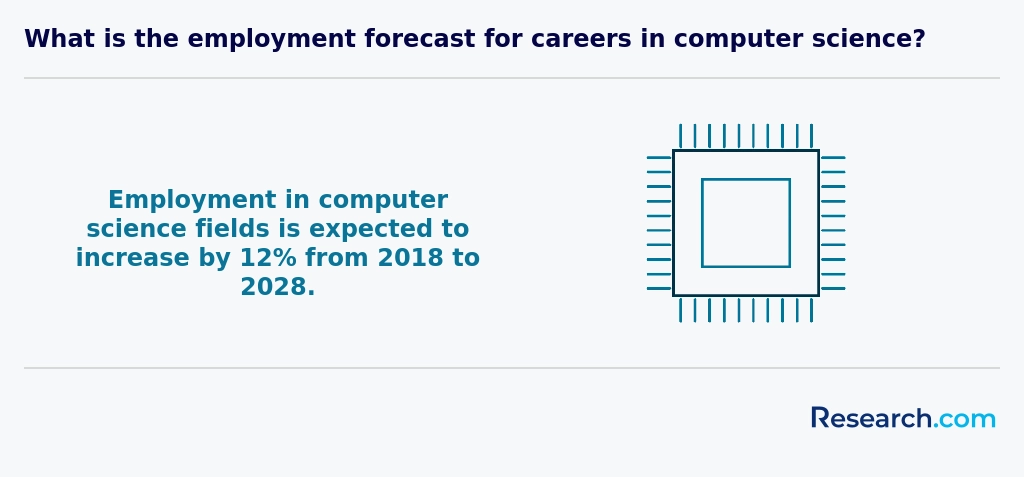
Graduates pursuing online information technology careers in Georgia often find themselves drawn to dynamic roles such as software development, where creativity meets logical thinking. Many graduates from well-known state universities share how their hands-on projects and internships prepared them for this thriving field, where the median salary exceeds $100,000. Others have transitioned smoothly into network and computer systems administration, appreciating the challenge of securing and optimizing complex IT infrastructures in Atlanta's bustling tech scene.
Exploring IT degree job opportunities Georgia has to offer, some graduates emphasize cybersecurity as a rewarding path, especially given the state's concentration of security agencies and firms. The growing demand for information security analysts offers both stability and excitement. Similarly, roles in data analysis and database management draw those who enjoy working with large datasets, often with ties to Georgia's finance and healthcare sectors.
Many alumni also highlight opportunities in IT project management and cloud computing, fields where certifications complement degrees, enhancing career prospects. Those seeking to deepen their knowledge often turn to best online courses it, reflecting on the importance of continual learning to stay competitive in Georgia's evolving technology market.
The job market for online information technology degree graduates in Georgia is strong and expanding, particularly around Atlanta's thriving tech scene. Graduates from well-regarded institutions find opportunities across sectors like finance, healthcare, and telecommunications, which remain hungry for skilled talent. Many online information technology jobs in Georgia reflect this dynamic, offering roles such as software developers and network administrators that align well with the training students receive.
Graduates from popular universities often share stories of quickly landing positions or advancing within companies that recognize the value of online education combined with hands-on skills. The rise of remote work has only broadened horizons, allowing these graduates to compete in a marketplace that values expertise more than location. While salaries start at modest levels, they typically grow with experience and certifications, helping graduates feel confident about their career path.
Those considering leadership roles can explore resources on chief technology officer how to become to understand future possibilities within IT. With tuition support often available from Georgia employers, earning an online IT degree holds both promise and practical appeal for students prioritizing growth and flexibility in their careers.
2027 Best Online Master's in Information Technology Degree Programs Ranking in Georgia
Investing in your education is a significant decision that can greatly impact your career and personal growth, and the Research.com team recognizes the importance of making well-informed choices. To support prospective students in Georgia, we have carefully developed the "2027 Best Online Master's in Information Technology Degree Programs Ranking." Our dedication to quality, credibility, and accuracy is evident in the thorough research and analysis behind this ranking.
We utilized the following reputable data sources to ensure a comprehensive evaluation of online IT master's programs:
By reviewing this ranking, readers will gain essential insights to identify high-quality programs that align with their goals, making their educational investment more confident and effective. For a deeper understanding of our ranking process, please visit our Research.com methodology page.


Frequently Asked Questions About information technology
Online information technology degree students in Georgia can maximize their learning by actively engaging with interactive course materials and participating in virtual discussions. Research shows that students who utilize discussion forums tend to retain information more effectively and develop better problem-solving skills (Educause Review, 2023).
Georgia's strong IT job market offers ample chances for remote internships and networking. Students should seek local tech meetups or online professional groups specific to the Georgia IT community, such as the Georgia Technology Summit.
Additionally, leveraging Georgia's university career services for resume help and interview preparation can provide an advantage. According to the Georgia Department of Labor, IT occupations in the state are projected to grow by 15% through 2030, highlighting the importance of practical skills and connections.
The field of information technology is rapidly evolving, presenting new opportunities for IT professionals in Georgia. Emerging niches include cybersecurity, driven by increasing threats to data security. According to the Georgia Department of Economic Development, cybersecurity job postings in the state grew by over 20% from 2021 to 2023.
Another promising area is artificial intelligence (AI) and machine learning (ML). Businesses are adopting AI to improve operations, creating demand for experts trained in these technologies. Additionally, cloud computing remains critical as more companies move infrastructure online, with Georgia ranking among the top states for cloud-related jobs according to the U.S. Bureau of Labor Statistics.
Data science and analytics also represent strong growth sectors, as organizations in healthcare, finance, and entertainment increasingly rely on big data to inform decision-making.
After completing an online information technology degree in Georgia, it is essential to build a strong professional profile to succeed in the competitive job market. Start by obtaining relevant IT certifications such as CompTIA Security+ or AWS Certified Solutions Architect, which Georgia employers value highly. Joining local tech groups like the Georgia Technology Association can expand your network and expose you to job opportunities.
Gain practical experience through internships or project-based learning to demonstrate your skills. According to the Georgia Department of Economic Development, IT jobs in the state are projected to grow by 12% through 2030, emphasizing the importance of staying current with industry trends.
Additionally, tailor your resume to highlight technical skills and online coursework explicitly, and prepare for technical interviews by practicing coding challenges or system design problems.
Employers in Georgia seeking information technology graduates prioritize a mix of technical and soft skills. Strong programming abilities in languages like Python, Java, and SQL remain essential, supported by knowledge in cybersecurity and cloud computing. According to the Georgia Department of Economic Development, proficiency with cloud platforms such as AWS and Azure is increasingly in demand.
Beyond technical expertise, communication and problem-solving skills are highly valued. IT professionals must collaborate effectively across teams and translate complex data into understandable solutions. Familiarity with data analytics tools also enhances job prospects, as Georgia sees growing investment in tech-driven industries. These competencies equip graduates to meet the evolving needs of Georgia's dynamic IT job market.
Finding internships in Georgia that are relevant to an information technology degree involves leveraging both university resources and local industry connections. Many universities in Georgia, such as Georgia Tech and Kennesaw State University, offer dedicated career services that list IT internships and help students prepare for applications.
Additionally, Georgia's growing tech sector, including hubs in Atlanta, features numerous companies seeking IT interns. Websites like Georgia Career Information System (GCIS) and Georgia Department of Economic Development provide updated listings of technology internships. Networking through professional organizations, such as the Georgia Technology Council, also opens doors to valuable opportunities.
Students should also explore online platforms and local job fairs focused on IT roles, ensuring alignment with their degree focus. Bearing in mind that regularly checking these resources can increase the chances of securing valuable internships.
Obtaining an online information technology degree in Georgia can significantly enhance career mobility and advancement opportunities. Georgia's technology sector is growing rapidly, with organizations increasingly seeking skilled IT professionals. According to the Georgia Department of Labor, employment in computer and information technology occupations is projected to grow by over 15% through 2030, faster than the average for all occupations.
Online degrees offer flexibility, allowing students to gain relevant skills while continuing to work. Graduates often qualify for roles such as systems analysts, network administrators, and cybersecurity experts, positions that typically offer higher salaries and career progression. Employers in Atlanta and other tech hubs in Georgia value accredited online degrees, recognizing their role in workforce development.
Studying for an information technology degree in Georgia equips students with skills that extend beyond traditional IT roles, preparing them for interdisciplinary careers. Many online programs integrate coursework in business, data analysis, cybersecurity, and project management, reflecting the diverse needs of today's job market.
Georgia's growing tech industry demands professionals who can collaborate across sectors like healthcare, finance, and education. According to the Georgia Department of Economic Development, the state's IT employment is expected to grow by 11% from 2020 to 2030, highlighting the need for versatile IT experts.
Through practical projects and real-world case studies, students gain experience working with teams from different disciplines, fostering adaptability and critical thinking.
Choosing between a thesis and a non-thesis online information technology degree program in Georgia depends largely on your career goals and learning preferences. Thesis programs typically require original research and a written thesis, which is ideal for students aiming for roles in research, academia, or advanced technical positions.
Non-thesis programs emphasize coursework and practical skills, appealing to professionals seeking to advance or change jobs without the additional time required for research projects. The Georgia Department of Education notes that the IT sector in Georgia is expected to grow 8% by 2030, highlighting demand for both research-focused and applied skills.
Consider if you prefer structured research or hands-on projects, and how much time you can dedicate while working or managing other responsibilities.
Students based in Georgia who want to study information technology (IT) abroad have limited direct options for fully online international IT degrees, as most foreign institutions require on-campus attendance. However, many U.S. universities offer partnerships with international schools that allow students to earn dual degrees or transfer credits. Georgia Tech, a leading institution, collaborates globally, providing such opportunities. Additionally, several non-U.S. schools have hybrid programs with substantial online components, though these may require short-term study abroad. Prospective students should also consider accredited U.S.-based online IT degrees with global recognition to maximize flexibility and career value.
In Georgia, part-time job opportunities that complement an online Information Technology degree are diverse and growing. Many students find internships or roles in IT support, software development, and network administration. These positions allow students to apply their classroom learning in real-world environments while gaining valuable experience.
The Georgia Department of Labor notes a steady increase in tech-related job openings, especially in Atlanta, a major tech hub with companies like NCR and Global Payments headquartered there. Roles such as help desk technician, junior developer, or cybersecurity assistant are common entry points.
Additionally, remote work options have expanded, allowing students to balance studies with flexible hours. These jobs often provide practical skills that enhance resume value and employability after graduation.
Online information technology students in Georgia have access to a variety of networking opportunities that support their career growth. Many accredited schools offer virtual events, such as webinars, career fairs, and alumni meetups, designed specifically for remote learners.
The Georgia Technology Authority and organizations like the Technology Association of Georgia provide statewide networking platforms where students can connect with industry professionals. According to CompTIA's 2023 IT Industry Outlook, Georgia's tech sector added nearly 20,000 jobs last year, highlighting strong industry presence.
Additionally, local chapters of national groups such as ISACA and IEEE host virtual meetings open to students, offering access to mentors and peer networks. Students should also leverage LinkedIn groups focused on Georgia IT professionals to engage with the community online.
Alumni networks offer valuable support to online information technology degree students in Georgia by connecting them with experienced graduates already working in the field. These networks provide mentoring opportunities, helping students navigate career paths and industry challenges. According to the Georgia Department of Economic Development, the state's IT sector employed over 133,000 professionals in 2023, highlighting a strong professional community to tap into.
Connections through alumni can lead to internships and job referrals, which are critical in the competitive IT job market. Additionally, alumni often share insights on emerging technologies and certifications valued by Georgia employers.
In Georgia, many online information technology degree programs offer customizable options to match your career goals. You can often select from concentrations such as cybersecurity, data analytics, software development, or network administration. These specializations allow you to focus on skills that local employers demand.
Additionally, some universities provide elective courses and project-based learning tailored to specific industries like healthcare or finance. According to Georgia's Department of Labor, IT jobs in the state are projected to grow by 15% through 2030, emphasizing demand for specialized skills.
Many programs also incorporate internship opportunities and industry certifications, helping you build practical experience while studying. Prior experience can sometimes reduce credit requirements, allowing faster degree completion.
Review accredited programs to ensure your degree aligns with Georgia's professional standards and employer expectations.
Online information technology students in Georgia often face challenges related to balancing work, study, and personal responsibilities. Many learners juggle full-time jobs while pursuing their degrees, which can create scheduling conflicts and increase stress. Additionally, access to reliable high-speed internet remains a barrier, especially for students in rural areas where broadband availability is limited.
Another common difficulty is limited hands-on experience. Unlike traditional programs, some online courses struggle to provide practical labs and face-to-face mentorship, crucial for technology skills. According to the Georgia Department of Education, only about 70% of rural households have broadband access, affecting remote learners' ability to engage fully.
Lastly, students report challenges with self-motivation and time management in a virtual setting, as online learning demands strong discipline without in-person accountability.
Graduates of online information technology degrees in Georgia can pursue several respected professional certifications to enhance their careers. Popular options include the CompTIA A+ and Network+ certifications, which validate foundational IT skills sought by Georgia employers. Advanced certifications such as Cisco's CCNA and Certified Information Systems Security Professional (CISSP) are ideal for those focusing on networking and cybersecurity, two rapidly growing fields in the state. According to the Georgia Department of Labor, IT-related jobs requiring certifications are projected to grow by over 15% through 2028, highlighting strong demand for certified professionals.
These certifications complement an online IT degree by providing hands-on expertise and industry recognition. Many institutions in Georgia offer preparatory courses for these exams as part of their curriculum or continuing education programs.
Writing a winning application for an online information technology program in Georgia involves highlighting your relevant skills, education, and professional goals clearly. Start by tailoring your personal statement to explain why you want to pursue IT and how the Georgia program fits your career plans. Emphasize any hands-on experience, certifications, or projects that demonstrate your technical proficiency.
Georgia's growing IT sector offers almost 100,000 jobs, driven largely by Atlanta's tech ecosystem (Georgia Department of Labor, 2023). Mentioning how you aim to contribute to this workforce can strengthen your application. Also, maintain strong academic records and include recommendation letters that reflect your work ethic and commitment.
Ensure you meet all deadlines and submit required documents such as transcripts promptly. Proofread your application carefully to avoid errors. These steps can improve your chances in competitive admissions for Georgia's online IT degrees.
The global outlook for a career in information technology (IT) remains strong, reflecting growing demand across industries. For students in Georgia pursuing online IT degrees, this means access to opportunities both locally and worldwide. According to the Georgia Department of Labor, IT employment in the state is expected to grow 8% through 2030, aligning with national growth projections from the U.S. Bureau of Labor Statistics.
Internationally, IT skills are increasingly essential in sectors such as cybersecurity, artificial intelligence, and cloud computing. Understanding global standards and practices is valuable, as many companies in Georgia collaborate with international partners.
Obtaining a master's degree online allows flexibility while equipping students with knowledge relevant to global IT trends, enhancing their competitiveness in an increasingly interconnected market.
Students pursuing an online information technology degree in Georgia can gain practical experience through internships, cooperative education programs, and project-based courses. Many accredited universities in Georgia partner with local tech companies, offering students opportunities to apply their knowledge in real-world environments. The city of Atlanta, a growing tech hub, hosts numerous IT firms where remote internships are often available.
Additionally, Georgia's commitment to expanding its IT workforce is evident, with IT jobs projected to grow by 15% through 2030 according to the U.S. Bureau of Labor Statistics. Hands-on experience can also be gained through virtual labs and simulation platforms provided by many online programs, helping students develop critical skills alongside theoretical study.
Choosing the right concentration within an online information technology degree in Georgia starts with understanding your career goals. Georgia's IT sector is robust, with Atlanta ranking as a top tech hub ranked by CompTIA in 2023 for tech employment growth. Popular concentrations include cybersecurity, data analytics, and network administration, reflecting local industry demands. Research Georgia-based job openings on sites like Georgia Department of Labor to identify in-demand skills. Also, consider programs accredited by recognized bodies like ABET for quality assurance. Align your choice with both your interests and Georgia's evolving tech landscape to maximize career opportunities in this competitive market.
- 2027 Best Online Master's in Information Technology Degree Programs Ranking in Florida
- 2027 Best Online Master's in Information Technology Degree Programs Ranking in Kentucky
- 2027 Best Online Master's in Information Technology Degree Programs Ranking in Virginia
- 2027 Best Online Master's in Information Technology Degree Programs Ranking in West Virginia
- 2027 Best Online Master's in Information Technology Degree Programs Ranking in Arkansas
- 2027 Best Online Master's in Information Technology Degree Programs Ranking in Missouri
- 2027 Best Online Master's in Information Technology Degree Programs Ranking in Ohio
- 2027 Best Online Master's in Information Technology Degree Programs Ranking in Illinois
- 2027 Best Online Master's in Information Technology Degree Programs Ranking in Pennsylvania
- 2027 Best Online Master's in Information Technology Degree Programs Ranking in Texas
- Top 6 Emerging Technologies for Digital Transformation in 2026 https://www.imd.org/blog/digital-transformation/emerging-technologies/
- How to Start an IT Career: A Beginner's Roadmap | Mindmesh Academy https://www.mindmeshacademy.com/blog/articles/how-to-start-it-career
- How to Network with Alumni | Student Guide to Alumni Networking 2026 https://digitalrecordboard.com/blog/how-to-network-with-alumni/
- Academic experiences of information technology students - JYX https://jyx.jyu.fi/bitstreams/2ecaf277-b7be-416f-8ee4-d35afdf2ab67/download
- IT Schools Online | Information Technology Careers | OEDb https://www.oedb.org/rankings/online-it-programs/
- Top 10 Technology Challenges for Schools and How to Solve Them | Modern Office Methods https://www.momnet.com/top-10-technology-challenges-for-schools-and-how-to-solve-them/
- Careers in IT: Lucrative Fields for Recent Grads https://www.onlinemastersdegrees.org/careers/information-technology-it/
- Standards Satchel https://case.georgiastandards.org/a1215918-318b-4773-9229-26a266e3ad62/b9257a7d-0322-42ef-a9bc-eee7b2304851/978
- Bachelor of Science in Information Technology https://www.gsw.edu/college-of-business-and-computing/information-technology
- How to Get Started in Information Technology https://www.straighterline.com/blog/how-to-get-started-in-information-technology