2027 Most Affordable Online Information Technology Degree Programs Ranking in Pennsylvania

Co-Founder and Chief Data Scientist
Choosing the right information technology degree program can feel overwhelming, especially when considering cost and quality. This article presents the 2027 Most Affordable Online Information Technology Degree Programs Ranking in Pennsylvania, developed by the Research.com team of data scientists to guide you toward the best options.
By exploring this ranking, you'll discover affordable programs designed to fit your lifestyle and goals. Earning an IT degree opens doors to exciting career paths and personal growth. Take a confident step toward your future with trustworthy insights tailored just for you.
Key benefits of getting online information technology degree in Pennsylvania
- Information technology graduates in Pennsylvania often enjoy strong earning potential, with many IT positions nationwide averaging between $60,000 and $90,000 annually, offering a rewarding financial future.
- Graduates from popular Pennsylvania universities, like Pennsylvania State University, pursue diverse careers such as cybersecurity analyst, network administrator, and software developer, providing various exciting opportunities.
- Online IT degrees offer flexibility to balance work and study, allowing graduates from schools like Drexel University to gain valuable skills without relocating, making education more accessible and convenient.
- 2027 Most Affordable Online Information Technology Degree Programs Ranking in Pennsylvania
- What can I expect from online information technology degree in Pennsylvania?
- Where can I work with online information technology degree in Pennsylvania?
What can I expect from online information technology degree in Pennsylvania?
Determining the average cost of an online information technology degree in Pennsylvania can be complex due to varying tuition across institutions. Many public universities and community colleges offer programs with tuition rates that generally fall between $7,000 and $15,000 per year for residents. Graduates from these schools often recall feeling relieved by the affordability compared to private institutions, which can be significantly higher.
For example, a graduate from a well-known state university appreciated how their flexible payment plans and transfer credit options helped reduce financial stress. However, another student noted that the cost can rise if additional fees or extended time to complete the degree occur, which is common for working adults balancing jobs and studies.
While Pennsylvania's regional accreditation ensures educational quality, prospective students should critically evaluate total costs including technology fees, books, and living expenses, even when studying online. Financial aid is frequently available, yet eligibility and amounts differ, so understanding these specifics at popular institutions like community colleges versus major universities is essential for accurate budgeting.
Where can I work with online information technology degree in Pennsylvania?
Graduates with an online information technology degree in Pennsylvania often find themselves employed in dynamic environments such as Philadelphia's financial and healthcare sectors, where IT roles focus on data security and software development. Many students from institutions like Pennsylvania State University report entering careers as network administrators or cybersecurity analysts, drawn by the region's expanding tech demands. Pittsburgh's vibrant tech scene, bolstered by Carnegie Mellon University's reputation, offers opportunities in software engineering and robotics that excite graduates eager to connect academic skills with innovative projects.
However, it's important to recognize that not all IT graduates land roles in these prominent urban centers. Many find rewarding careers supporting smaller government offices or educational institutions throughout the state, managing essential public databases or digital learning systems. Remote work also emerges as a significant pathway, providing flexibility for graduates to collaborate nationally while living in Pennsylvania. This blend of local and remote options reflects a versatile job market where online IT degrees can lead to fulfilling careers in diverse sectors.
Graduates with online information technology degrees in Pennsylvania generally see starting salaries in the $50,000 to $60,000 range, reflecting entry-level positions often pursued by recent alumni from well-regarded programs at universities like Penn State World Campus and Drexel University Online. These figures align with the state's competitive tech job market, where median wages for IT roles typically range from about $60,000 to above $100,000, according to industry reports.
Many graduates highlight how their hands-on experience with cybersecurity and cloud computing projects during their online studies positioned them for roles paying closer to $85,000 or more. For example, former students from local colleges report starting as network administrators or information analysts earning between $80,000 and $90,000, particularly in metropolitan hubs like Philadelphia and Pittsburgh where demand and salaries tend to be higher.
While salary growth depends on experience and certifications, Pennsylvania's growing IT sector-expected to expand by 10% through 2030-supports promising upward mobility. Graduates often emphasize the value of continual skill development to unlock salaries that can exceed $100,000 in specialized roles, providing a motivating career path.
- Online IT degrees in Pennsylvania are available from associate to master's levels, focusing on skills like cybersecurity and network administration.
- Tuition for a bachelor's degree ranges from $20,000 to $35,000 at public schools and can exceed $40,000 at private institutions.
- There are more than 125,000 IT professionals in Pennsylvania, with employment expected to grow by 5% over the next decade.
- Entry-level IT specialists earn around $60,000 annually, with experienced professionals making $90,000 or more within five to ten years.
- Programs often include certifications such as CompTIA, Cisco, and Microsoft to improve job placement opportunities.
- Accreditation by agencies like ABET is important and widely available in Pennsylvania's online IT degree programs.
Completing an online information technology degree in Pennsylvania typically depends on the level of study and individual circumstances. For instance, graduates from community colleges offering associate degrees often finish in about two years when studying full-time, tackling roughly 60 to 65 credit hours. Such programs provide flexibility for working adults balancing jobs and family, allowing them to progress steadily without overwhelming their schedules. One graduate from a well-regarded Pennsylvania community college shared that part-time enrollment extended their studies but offered a manageable pace alongside work commitments.
Bachelor's degrees usually require four years of full-time study, with some students accelerating their progress by taking extra courses per semester at universities known for their IT programs. These degrees cover diverse areas like cybersecurity and programming, which many online learners find engaging and relevant to real-world tech roles in Pennsylvania's growing IT sector.
Graduate-level studies, such as master's degrees, often span 1.5 to 2 years full-time, with some Pennsylvania universities providing accelerated tracks tailored for professionals seeking career advancement without prolonged absences from the workforce. Graduates appreciate this flexibility, making advanced education both achievable and rewarding.
Students pursuing information technology degrees in Pennsylvania often weigh the flexibility of online programs against the immersive experience of on-campus study. Graduates from Penn State's online IT program frequently highlight the freedom to balance work and family commitments, appreciating how asynchronous classes fit their busy schedules without sacrificing educational quality. This flexibility is particularly meaningful for those living in rural regions where commuting to physical campuses is challenging.
Conversely, alumni from Temple University's on-campus IT programs emphasize the value of direct faculty interaction and immediate access to lab facilities. Many attribute their hands-on skills to the intensive, in-person sessions that preparing them for real-world technical challenges, which can be harder to replicate online.
Cost wise, while Pennsylvania's public institutions may align tuition for both formats, online students often report savings on expenses like housing and commuting. Yet some admit that private online programs sometimes feel pricier due to added tech fees. Both formats enjoy employer recognition, but the choice largely hinges on individual learning styles and life circumstances.
The average cost of an online information technology degree in Pennsylvania typically centers around $50,360 for in-state students, with the median total cost rising to about $62,080 when considering all students regardless of residency. Graduates from well-known institutions such as Pennsylvania State University's World Campus often reflect positively on their investment, noting that while tuition may seem substantial, the quality and flexibility of the program made managing both work and study fulfilling. Out-of-state learners can expect higher expenses, with medians near $51,860, reinforcing the importance of residency in cost planning.
Many prospective students seeking affordable online information technology programs PA find community colleges or state universities offer competitive tuition rates, often supplemented by scholarships or employer tuition assistance. One graduate shared their relief in accessing financial aid that notably eased the burden beyond the published tuition costs, which sometimes exclude fees for technology resources, course materials, and exam preparations, potentially adding several hundred dollars annually.
Understanding these nuances is critical, especially given that typical bachelor's IT programs require around 120 credits, frequently priced between $400 and $600 per credit at public universities. Choosing a program that balances cost and outcome is essential, and exploring options like flat-rate tuition models at private online providers can be advantageous.
Students researching this topic may also benefit from insights into whether an online IT degree is a worthwhile investment. For a deeper evaluation of program value, consider whether is a management information systems degree worth it, which covers related IT pathways and career potential.

Online information technology students in Pennsylvania often rely on a combination of financial aid options to make their education manageable. Graduates from well-known Pennsylvania institutions report that completing the FAFSA is a crucial first step, unlocking federal aid like Pell Grants, which can cover up to $7,395 annually without requiring repayment. This aid proves especially valuable for those balancing coursework with personal responsibilities.
State programs, such as the Pennsylvania State Grant, typically reduce tuition costs by around $4,500, providing significant relief. Students pursuing IT degrees at universities like Penn State World Campus or Temple University Online highlight how merit-based scholarships targeting STEM fields can supplement this aid, albeit requiring consistent academic performance.
Many working students appreciate employer tuition assistance programs covering between 50% and 100% of costs, a benefit frequently found in Pennsylvania's tech and healthcare sectors. Additionally, scholarships from organizations like the Pennsylvania Tech Alliance foster diversity, resonating with applicants eager to join a supportive professional community.
While navigating these options can be complex, accessing multiple aid sources has allowed online IT students statewide to pursue their goals with optimism and less financial strain.
In Pennsylvania, enrolling in an online information technology degree often starts with securing a high school diploma or GED, forming a foundation many graduates recall as critical when they began their studies at institutions like Penn State World Campus or Temple University. These schools typically expect students to have completed basic coursework in math and science-think algebra and introductory computer concepts-since these subjects directly relate to everyday IT tasks like coding or troubleshooting networks.
While standardized tests such as the SAT or ACT were once common prerequisites, many Pennsylvania programs have relaxed these requirements, reflecting positive experiences of students who appreciated the reduced pressure and more holistic admissions processes. However, prospective students should still check specific university policies, as some may maintain test expectations.
Transcripts remain vital, offering a transparent record of academic readiness, much like those shared by graduates from Drexel University who valued clear feedback on their preparedness for technical challenges ahead. Additionally, demonstrating technical skills, whether through prior courses or self-taught programming languages, often aligns with university expectations, enhancing success and confidence in difficult coursework.
- High school diploma or GED
- Completion of fundamental math and science coursework
- Standardized test scores if required
- Proof of technical skills or prior relevant coursework
- Official transcripts from previous institutions
- Optional letters of recommendation or personal statements
Letters of recommendation or personal statements, while optional, offer applicants a platform to convey their passion and motivate selection committees-graduates often describe these components as opportunities to share their unique journeys, adding a personal touch beyond grades and numbers. Overall, Pennsylvania's online IT degree prerequisites aim to balance academic rigor with accessibility, reflecting a thoughtful approach to cultivating skilled professionals ready to thrive in a growing job market.
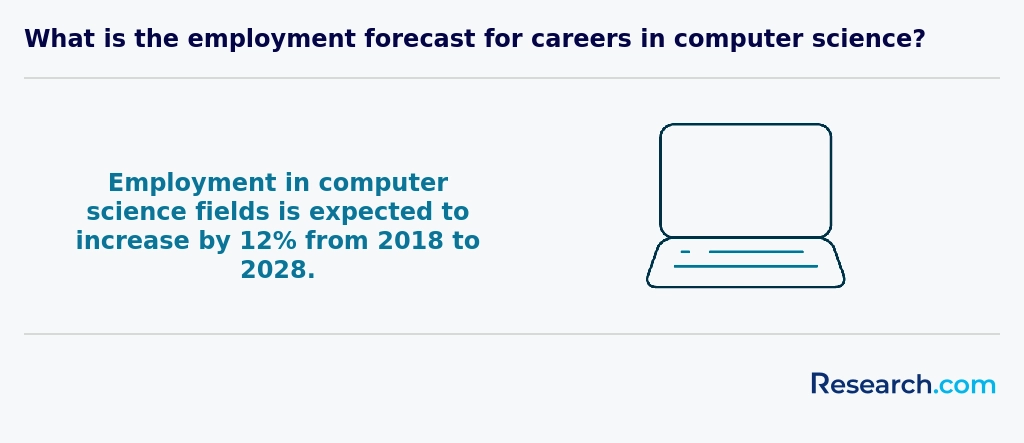
Online information technology degree programs in Pennsylvania commonly include a set of core courses that graduates frequently describe as both challenging and rewarding. These foundational subjects typically cover Introduction to Information Technology, which grounds students in the basics of technology's role in everyday business and society. Programming and Software Development courses teach languages like Python or Java, enabling students to solve real-world problems creatively, a sentiment shared by many learners from Penn State World Campus.
Networking Fundamentals and Cybersecurity Basics are also staples, reflecting the local job market's demand for professionals managing secure networks. Graduates often appreciate how these classes simulate scenarios like troubleshooting network issues or defending systems from cyber threats-skills directly applicable to jobs in Pennsylvania's growing tech sectors.
Additionally, courses in Database Management and Systems Analysis familiarize students with organizing and improving information systems, which many alumni recall as instrumental when collaborating on projects or internships. This blend of theory and practical application, offered at institutions statewide, helps students tailor their studies to specific career goals.
Students pursuing an online information technology degree specializations Pennsylvania often encounter a range of focused options that reflect both industry needs and regional market demands. Popular concentrations include Cybersecurity, Data Science and Analytics, Network Administration, Software Development, and Cloud Computing. Graduates from institutions such as Penn State World Campus and Temple University frequently highlight how these specializations helped them build tangible skills like ethical hacking or cloud architecture, directly applicable to Pennsylvania's job market hubs like Philadelphia and Pittsburgh.
The variety of IT degree concentration options in Pennsylvania allows students to tailor their education to emerging trends, but it's important to weigh these choices critically. For example, while Cybersecurity is in demand, it requires continual learning due to the rapidly evolving threat landscape. Some graduates appreciate programs that combine practical labs with recognized certifications for greater career relevance. Others suggest considering interdisciplinary opportunities, such as an accelerated management information systems masters degree, to expand their skill set in business technology integration.
Choosing the best online information technology degree in Pennsylvania requires verifying accreditation, especially from the Middle States Commission on Higher Education (MSCHE) and program-specific bodies like ABET. Graduates from well-accredited programs at popular Pennsylvania universities often highlight how such credentials gave them confidence when applying for jobs. However, not all students prioritize accreditation equally; some focus more on curriculum flexibility or affordability.
Cost is a frequent concern. While tuition usually falls between $7,000 and $15,000 annually, some students report surprises from additional fees for materials or technology. Comparing these costs with curriculum offerings and career services can clarify value. For those seeking affordable IT degree programs in Pennsylvania, balancing tuition with hands-on opportunities like internships or virtual labs is critical to gaining practical skills employers demand.
Curriculum relevance can vary widely. Students at leading institutions emphasize programs that cover networking, cybersecurity, and database management while offering specializations aligned with Pennsylvania's tech industry needs. Additionally, career support services-ranging from resume workshops to employer networking-often influence graduate outcomes positively. For deeper insights, exploring the best online mis programs can provide comparative benchmarks when choosing your path.

Graduates of an online information technology degree in Pennsylvania often find diverse career paths thanks to the state's expanding tech ecosystem. Many pursue roles in network and systems administration, managing essential IT infrastructure across businesses and educational institutions. Others specialize in cybersecurity, a field growing rapidly as threats increase, especially in metropolitan areas like Philadelphia and Pittsburgh. Some graduates leverage their skills in software development or database management, contributing to innovative projects in finance or healthcare sectors. For instance, a graduate from a well-regarded Pennsylvania university described how their education enabled them to solve real-world IT challenges, boosting their confidence and career prospects. While these career options seem promising, it's important to acknowledge that success often depends on continuous learning and adapting to technological changes. Pennsylvania's variety of universities offering online degree programs strengthens students' readiness, providing flexible education that fits diverse schedules and career goals in online information technology careers Pennsylvania.
Opportunities for IT degree job opportunities Pennsylvania vary greatly by region, reflecting specialized industry clusters. Philadelphia's finance and government sectors demand professionals skilled in cybersecurity and data management, whereas Pittsburgh is known for AI and robotics innovation, appealing to those interested in cutting-edge technology. Graduates report feeling motivated by hands-on projects and internships at local firms, which often lead to full-time employment. However, pursuing these careers also requires balancing technical expertise with soft skills like communication and problem solving. For students considering their options, exploring the best it course online can provide a comprehensive foundation tailored to Pennsylvania's evolving job market.
The job outlook for online information technology degrees in Pennsylvania remains promising, driven by strong demand in key metropolitan areas like Philadelphia and Pittsburgh. Graduates from universities offering flexible online IT programs often find opportunities in startups, large corporations, and government agencies, reflecting the state's diverse economy. Recent graduates report feeling optimistic as they step into roles involving cybersecurity and cloud computing, fields experiencing steady growth. However, competition can be significant, especially for specialized positions.
Employment opportunities for IT graduates in Pennsylvania span sectors including healthcare and finance, where data security and system management are critical. Graduates benefit from starting salaries typically between $55,000 and $75,000, which can increase markedly with experience, especially in cybersecurity or software development. Many students from well-known state institutions appreciate how online programs allow them to balance work and study while preparing for rewarding careers.
For those aiming at leadership roles, understanding pathways such as becoming a cto can offer valuable direction. Overall, investment in an online IT degree in Pennsylvania aligns with positive career trajectories but requires a proactive approach to skill-building and networking.
2027 Most Affordable Online Information Technology Degree Programs Ranking in Pennsylvania
Investing in your education is a significant decision that can shape your future, and the Research.com team understands the importance of making informed choices. To assist prospective students in Pennsylvania, we have meticulously crafted the "2027 Most Affordable Online Information Technology Degree Programs Ranking in Pennsylvania." Our commitment to quality, credibility, and accuracy is reflected in the extensive research and analysis conducted to compile this ranking.
We utilized the following reputable data sources to ensure a comprehensive evaluation of online IT degree programs:
By exploring this ranking, readers will gain valuable insights into the most affordable and high-quality online IT degree options in Pennsylvania, empowering them to make informed educational and financial decisions. For a detailed understanding of how our rankings are developed, please visit our Research.com methodology page.

# 2 position
Penn State University Park
Master of Artificial Intelligence


# 4 position
Penn State University Park
Bachelor of Information Sciences and Technology

Frequently Asked Questions About information technology
Online information technology degree students in Pennsylvania can enhance their learning by actively engaging with digital resources and participating in virtual labs offered by their programs. Leveraging local Pennsylvania tech meetups and online professional networks helps build practical skills and industry connections.
Students should take advantage of internships and cooperative education opportunities available within Pennsylvania's growing IT sector, which employs over 200,000 professionals according to the Pennsylvania Department of Labor & Industry. Additionally, utilizing academic support services and scheduling regular consultations with faculty enhances understanding and retention of complex IT concepts.
Remaining updated on IT trends and certifications relevant in Pennsylvania's job market can give students a competitive edge.
The information technology field is rapidly evolving, with several emerging niches gaining prominence. In Pennsylvania, areas such as cybersecurity, cloud computing, and data analytics show strong growth due to increasing digital threats and demand for data-driven decision-making. According to the Pennsylvania Department of Labor & Industry, cybersecurity jobs are expected to grow by over 30% by 2030, reflecting a nationwide trend.
Another notable niche is artificial intelligence (AI) and machine learning, which are transforming business operations. Additionally, blockchain technology is gaining interest, particularly in sectors like finance and healthcare.
Students pursuing online IT degrees in Pennsylvania can benefit by focusing on these high-demand specializations, aligning their skills with future job market needs.
After completing an online information technology degree in Pennsylvania, job market preparation is essential to succeed. Start by building a strong professional network through platforms like LinkedIn and local IT groups such as the Pennsylvania Technology Council. Pennsylvania's IT sector employs over 200,000 professionals, with a projected growth rate of 11% by 2030 according to the U.S. Bureau of Labor Statistics.
Consider earning industry certifications like CompTIA, Cisco, or Microsoft to enhance your resume. Internships or volunteer projects can provide hands-on experience valued by employers. Finally, polish your soft skills, such as communication and problem-solving, to stand out in interviews and teamwork settings. Staying informed on Pennsylvania's evolving tech trends will also benefit your career development.
Employers in Pennsylvania seek information technology graduates with a strong foundation in technical and problem-solving skills. Key competencies include proficiency in programming languages such as Python and Java, alongside knowledge of cybersecurity principles. According to the Pennsylvania Department of Labor & Industry, 65% of IT job postings emphasize cloud computing and data analysis expertise.
Soft skills like effective communication and teamwork are also highly valued, as IT professionals often collaborate across departments. Additionally, familiarity with project management tools and agile methodologies is increasingly important. These skills help graduates adapt quickly in Pennsylvania's growing tech sector, which reported 8.5% job growth in IT roles from 2019 to 2023, per the U.S. Bureau of Labor Statistics.
Finding internships in Pennsylvania relevant to an information technology degree involves leveraging local resources and industry connections. Many Pennsylvania universities and community colleges offer career services and dedicated internship programs tailored to IT students. According to Pennsylvania Department of Labor & Industry data, the tech sector in Pennsylvania has grown steadily, creating more internship opportunities in cities like Philadelphia, Pittsburgh, and Harrisburg.
Students should explore online platforms such as Handshake and LinkedIn, which list internships specifically targeted to IT roles in Pennsylvania. Joining local professional groups like the Pennsylvania Technology Council can also help connect with employers.
Additionally, some statewide initiatives promote internships in STEM fields, providing paid placements to students enrolled in IT programs. Reaching out directly to regional tech companies and startups often uncovers hidden opportunities, crucial for gaining hands-on experience before graduation.
An online information technology degree in Pennsylvania can significantly enhance career mobility and advancement opportunities. The state has a growing tech sector, particularly in cities like Pittsburgh and Philadelphia, which demand skilled IT professionals. According to the Pennsylvania Department of Labor & Industry, IT jobs in Pennsylvania are projected to grow by 12% from 2020 to 2030, faster than the average for all occupations.
Graduates with online IT degrees can access flexible learning while building credentials valued by employers, such as cybersecurity, data analytics, and software development. These skills often lead to higher earning potential and promotions. Moreover, Pennsylvania's online education programs are frequently aligned with industry needs, strengthening graduates' chances of career growth.
Studying for an information technology degree in Pennsylvania equips students with versatile skills suited for interdisciplinary roles. Many programs emphasize both technical expertise and soft skills like communication and project management, which are essential in collaborative work environments.
Pennsylvania's universities often incorporate coursework linking IT with business, healthcare, and engineering fields, reflecting local industry demands. For example, the state's strong healthcare sector increasingly relies on IT specialists to manage electronic records and cybersecurity.
The Pennsylvania Department of Labor & Industry reports that demand for IT professionals who understand multiple disciplines is growing by over 15% annually. Online degree programs frequently include real-world projects and internships fostering cross-functional knowledge.
This integrated approach prepares graduates to work effectively in diverse teams, bridging gaps between technology and other sectors.
When choosing between a thesis and a non-thesis online information technology degree program in Pennsylvania, consider your career goals first. Thesis programs typically focus on research and prepare students for roles in academia or specialized fields. In Pennsylvania, where tech jobs grew by 8% from 2020 to 2023 (Bureau of Labor Statistics), research skills can be valuable for innovation-driven companies.
Non-thesis tracks emphasize practical skills and coursework, which can suit professionals aiming for immediate industry employment. Pennsylvania's IT employers often prioritize hands-on experience, especially in software development and cybersecurity.
Cost and duration also matter: thesis programs may take longer and sometimes require additional fees for research resources. Always review each school's curriculum, faculty expertise, and opportunities for internships or industry projects to make an informed choice.
Students in Pennsylvania interested in studying information technology abroad have several options, primarily through partnerships and exchange programs offered by local universities. While online IT degrees remain rooted in Pennsylvania institutions, many schools facilitate study abroad experiences in countries known for technology innovation, such as Germany, Canada, and the UK.
Some Pennsylvania universities collaborate with foreign institutions, allowing students to take courses overseas while earning credits toward their online IT degrees. According to the Pennsylvania Department of Education, roughly 15% of students in technology programs participate in international experiences.
Many programs emphasize international perspectives on cybersecurity, software development, and data science, enhancing students' global competitiveness.
Part-time jobs that complement an online information technology degree in Pennsylvania often include roles such as IT support specialist, help desk technician, and junior network administrator. These positions provide practical experience alongside academic learning. According to the U.S. Bureau of Labor Statistics, Pennsylvania's tech sector is steadily growing, with a 5% employment increase expected by 2028.
Many students find opportunities in colleges, healthcare providers, and government agencies, where IT skills are in high demand. Internships and freelance work in cybersecurity and web development are also common, allowing students to build portfolios while earning income.
Online information technology students in Pennsylvania benefit from several networking opportunities that support career development. Many universities offer virtual career fairs, connecting students with local and national IT employers. For example, Pennsylvania State University and Temple University host regular online events tailored for their IT students.
Additionally, organizations like the Pennsylvania Technology Council provide virtual meetups and industry panels. These events allow students to engage with professionals in cybersecurity, software development, and network administration. According to the U.S. Bureau of Labor Statistics, Pennsylvania employs over 100,000 IT professionals, creating strong demand for networking connections.
Professional associations such as the Association for Computing Machinery (ACM) and local meetups also help online students build relationships. These platforms enable Pennsylvania students to participate in discussions, workshops, and volunteer opportunities without geographic constraints.
Alumni networks offer significant advantages to students pursuing online information technology degrees in Pennsylvania. These networks connect current students with experienced graduates working in Pennsylvania's growing IT sector, which employs over 48,000 professionals as reported by the Pennsylvania Department of Labor & Industry (2023).
Through alumni networks, students gain access to mentorship opportunities that help them develop practical skills and navigate the job market effectively. They also benefit from exclusive internships and job postings shared within the community.
Furthermore, networking events and online forums facilitate valuable industry contacts, often leading to higher employment rates for graduates.
Customizing an online information technology degree in Pennsylvania involves selecting electives and concentrations that align with your career goals. Many Pennsylvania institutions offer specializations such as cybersecurity, network administration, or software development. You can also tailor your coursework by choosing certificates or minors relevant to your desired IT field. According to the Pennsylvania Department of Labor & Industry, IT jobs in the state are growing faster than average, especially in cybersecurity and data management.
Advisors at online programs often guide students to focus on skills employers seek locally. This ensures your education matches industry demands in Pennsylvania's tech hubs like Philadelphia and Pittsburgh.
Online information technology students in Pennsylvania often face challenges related to balancing coursework with work and family responsibilities. Since IT programs require hands-on practice and collaboration, students may struggle with limited access to labs or in-person resources.
Connectivity issues and unreliable internet access can also affect participation in live lectures and timely submission of assignments. According to the Pennsylvania Department of Education, about 12% of households in rural areas still lack high-speed internet, creating barriers for some students.
Furthermore, maintaining motivation and engagement in a virtual environment proves difficult for many, especially without direct interaction with peers and instructors. Managing time effectively and finding adequate technical support remain common obstacles.
Graduates with an online information technology degree from Pennsylvania have access to numerous professional certifications that can enhance career prospects. Popular certifications include the CompTIA A+ for entry-level IT roles, and CompTIA Network+ and Security+ for networking and cybersecurity specialties. Many employers in Pennsylvania's growing IT sector value certifications like Cisco's CCNA and Certified Information Systems Security Professional (CISSP).
According to the Pennsylvania Department of Labor, IT occupations are projected to grow by 12% through 2030, underscoring the value of these certifications. Earning certifications helps demonstrate expertise and can improve salary potential within the state's competitive job market.
To write a winning application for an online information technology program in Pennsylvania, start by clearly demonstrating your passion for IT and relevant experience. Highlight any technical skills such as programming languages, network management, or cybersecurity certifications. Pennsylvania schools value applicants who show both practical knowledge and eagerness to learn.
Include a well-structured personal statement explaining your career goals and why you chose that specific program. Mention Pennsylvania's growing tech industry, where IT jobs are expected to increase by 15% over the next decade, according to the Pennsylvania Department of Labor & Industry.
Strong letters of recommendation, ideally from employers or educators familiar with IT, can further strengthen your application. Finally, ensure all transcripts and test scores meet the school's requirements and are submitted on time.
The global perspective on an information technology (IT) career highlights strong demand and promising growth in many regions, including the United States. According to the U.S. Bureau of Labor Statistics, IT occupations are projected to grow 15% from 2021 to 2031, much faster than average for all jobs. In Pennsylvania, the tech sector contributes significantly to the economy, with over 250,000 IT-related jobs reported by the Pennsylvania Department of Labor as of 2023.
IT professionals worldwide are valued for their adaptability and problem-solving skills, essential in various industries. Pennsylvania's emphasis on online IT degrees aligns with this global need, enabling students to gain relevant skills from anywhere while connecting to a growing job market locally and internationally.
Gaining practical experience while studying for an online information technology degree in Pennsylvania is essential for career readiness. Many Pennsylvania institutions offer virtual labs and simulation software that allow students to practice coding, network management, and cybersecurity tasks remotely. According to the Pennsylvania Department of Education, over 60% of IT programs incorporate hands-on projects in their curricula.
Internships are also widely accessible. Many local businesses, especially in Philadelphia and Pittsburgh, provide remote internship opportunities to online students, which can be arranged through career services at your university. Additionally, students can engage with Pennsylvania-based tech meetups and online hackathons to build real-world skills.
Choosing the right concentration within an online information technology degree in Pennsylvania involves understanding your career goals and local industry demands. Pennsylvania's IT job market, projected to grow by 15% through 2030 according to the U.S. Bureau of Labor Statistics, favors specialties like cybersecurity, data analytics, and software development.
Evaluate concentrations based on skills alignment, such as network security protocols or cloud computing, which are highly sought after by Pennsylvania employers like Comcast and PNC Financial Services. Additionally, consider accreditation and curriculum flexibility offered by the program.
Researching salary data and job placement rates specific to Pennsylvania can also guide your decision to ensure a strong return on investment.
- 2027 Most Affordable Online Information Technology Degree Programs Ranking in New Jersey
- 2027 Most Affordable Online Information Technology Degree Programs Ranking in Maryland
- 2027 Most Affordable Online Information Technology Degree Programs Ranking in New York
- 2027 Most Affordable Online Information Technology Degree Programs Ranking in West Virginia
- 2027 Most Affordable Online Information Technology Degree Programs Ranking in Ohio
- 2027 Most Affordable Online Information Technology Degree Programs Ranking in Virginia
- 2027 Most Affordable Online Information Technology Degree Programs Ranking in Connecticut
- 2027 Most Affordable Online Information Technology Degree Programs Ranking in Massachusetts
- 2027 Most Affordable Online Information Technology Degree Programs Ranking in Kentucky
- 2027 Most Affordable Online Information Technology Degree Programs Ranking in Tennessee
- Best Online Bachelor's Degrees in Information Technology ... https://www.cyberdegrees.org/listings/best-online-bachelors-in-information-technology-programs/
- Information Technology Bachelor's Degree https://www.centralpenn.edu/academics/information-technology/
- Computer Information Systems Programming https://www.tchspennocks.org/our-programs/computer-information
- Best Information Technology Degree Programs in Pennsylvania https://hakia.com/degrees/information-technology/pennsylvania/
- 2. How to Chart Your Connections https://ohioemploymentfirst.org/expanding-your-opportunities-through-networking-pre-ets/activity-2
- Explore a Degree in Computer Science in Pennsylvania https://www.computerscience.org/online-degrees/pennsylvania/
- How long does it take to complete an IT program? https://wcc.ca/blog/how-long-does-it-take-to-complete-an-it-program/
- Networking for a Career in Tech https://www.comptia.org/en/blog/networking-for-a-career-in-tech/
- Information Technology Degree Jobs: 5 In-Demand ... https://www.umassglobal.edu/blog-news/information-technology-degree-jobs-5-demand-careers-consider
- Master of Computer and Information Technology at Penn https://www.careers360.com/university/university-of-pennsylvania-philadelphia/master-of-computer-and-information-technology-online-course-odgc