2027 Easiest Online Master's in Information Technology Degree Programs Ranking in Colorado

Co-Founder and Chief Data Scientist
Choosing the right online master's program in information technology can feel overwhelming, especially with so many options available in Colorado. This article features the 2027 Easiest Online Master's in Information Technology Degree Programs Ranking in Colorado, created by the Research.com team of data scientists to guide you.
By exploring this ranking, you'll discover programs that fit your goals and lifestyle, helping you make an informed decision. Earning a degree in information technology opens doors to exciting career opportunities and personal growth, making your educational journey both rewarding and achievable.
Key benefits of getting online information technology degree in Colorado
- Information technology graduates in Colorado can expect competitive salaries; for example, IT specialists nationwide earn an average hourly wage around $42, offering strong financial rewards.
- Graduates from Colorado universities often pursue diverse careers in cybersecurity, software development, or network administration, providing many exciting and growing job opportunities.
- Online IT degrees offer flexibility to balance work or family while studying, as seen with graduates from Colorado State University's online programs, making education more accessible and convenient.
- 2027 Easiest Online Master's in Information Technology Degree Programs Ranking in Colorado
- What can I expect from online information technology degree in Colorado?
- Where can I work with online information technology degree in Colorado?
What can I expect from online information technology degree in Colorado?
The average cost of an online information technology degree in Colorado typically ranges between $350 and $600 per credit hour at public universities, with private institutions often charging more. Graduates from well-known schools like the University of Colorado and Colorado State University frequently mention managing tuition alongside work commitments, appreciating the flexibility but noting that costs can accumulate quickly depending on the credit load and program length. One graduate recalled balancing evening coursework with a full-time job, finding that the asynchronous learning model helped make education affordable without sacrificing income, although scholarships were crucial in easing financial burdens.
It's important to consider that prices vary by institution and program specifics. For instance, some technical certifications included in the curriculum might add incidental expenses. Still, many students value the practical skills and networking opportunities available through these programs, which can justify tuition when viewed as an investment. Alternatives like technical colleges or shorter certificate programs may provide more cost-effective routes but don't always offer the same depth or recognized credentials.
Where can I work with online information technology degree in Colorado?
Graduates with an online information technology degree in Colorado often find themselves entering diverse and dynamic job markets. For example, many graduates from institutions like the University of Colorado Boulder share how they moved directly into roles within Denver's growing tech sector, taking on positions in software engineering or network administration. These opportunities reflect Colorado's emphasis on technology-driven companies and startups.
Alternatively, graduates report satisfaction working for public agencies, including state and local government IT departments, where they engage in cybersecurity and systems management. This pathway aligns with many students' interests in community impact and job stability.
Healthcare IT is another promising avenue. Graduates from Colorado State University highlight roles supporting electronic health records and telemedicine systems in health networks like UCHealth. Such positions require combining technical skills with a sensitivity to patient data privacy, a challenge many find rewarding.
Education institutions also absorb IT talent, where graduates maintain digital infrastructure for online learning platforms. While each sector offers unique professional environments, the common theme is a strong demand for adaptable, skilled IT professionals across Colorado's economy.
Graduates from online information technology programs in Colorado often find strong earning potential, reflecting the state's expanding tech industry. While specific salary data from the U.S. Bureau of Labor Statistics for all IT roles in Colorado is limited, general trends offer useful insights. For instance, many entry-level positions in IT start with salaries between $60,000 and $75,000, which aligns with experiences shared by graduates from popular institutions like the University of Colorado Denver and Colorado State University Global.
These graduates often emphasize the value of hands-on projects and certifications, such as in cybersecurity or cloud computing, which boost their pay quickly. Mid-career professionals, particularly in roles like software development or network administration, typically report earnings between $85,000 and $110,000 annually, consistent with regional market trends.
Graduates pursuing advanced roles such as IT managers or security analysts frequently surpass $120,000, especially when combined with leadership skills gained through on-campus and online collaboration opportunities. These success stories illustrate the varied but promising financial outlook for Colorado's online IT degree holders.
- Online IT degrees in Colorado offer associate, bachelor's, and master's programs fully online for flexible learning.
- In-state tuition costs range from $300 to $450 per credit hour, totaling about $36,000 to $54,000 for a bachelor's degree.
- The Denver metro area employs over 35,000 IT professionals with an 11% job growth projection from 2022 to 2032.
- Entry-level IT jobs start around $65,000 per year, with mid-career salaries between $90,000 and $110,000 annually.
- Senior IT roles, especially in cybersecurity and cloud computing, can earn over $130,000 yearly.
- Most online IT programs in Colorado are regionally accredited and focus on practical skills and certifications.
The time to complete an online information technology degree in Colorado varies widely based on individual circumstances and program choices. For example, students enrolled full-time in a bachelor's program at institutions like Colorado State University-Global Campus typically finish in about four years. However, graduates who balance work or family commitments often opt for part-time study, extending their timeframe to five or six years.
The flexibility of online programs allows some learners to accelerate their studies through transfer credits or competency-based models, which focus on skill mastery rather than traditional coursework. This can significantly shorten completion time, as seen in accelerated master's degree pathways offered by Colorado Community Colleges Online, where motivated students can finish in as little as one year.
Some graduates recall that although internships or capstone projects added months to their plans, these experiences provided invaluable hands-on skills, increasing their confidence and job readiness. Thus, while the standard timeline is useful for planning, the actual duration depends heavily on how learners navigate their unique academic and personal challenges in Colorado's dynamic tech education environment.
Choosing between an online and an on-campus IT degree in Colorado often hinges on how students prefer to engage with their education. Graduates from the University of Colorado Boulder frequently highlight the energizing experience of attending in-person classes, collaborating on group projects, and tapping into campus resources like career fairs and labs. This hands-on approach helps build strong professional networks and provides immediate access to faculty support.
Conversely, those who have completed online programs at Colorado State University Global Campus appreciate the flexible pace afforded by asynchronous classes. Balancing work and family responsibilities while advancing their IT skills remotely brings a sense of empowerment and control over their learning journey. Reliable technology and self-discipline become crucial, but the trade-off often results in stress reduction from avoiding commutes or relocation.
Cost considerations vary little between formats, yet the lifestyle impacts differ significantly. Students must weigh whether the structured environment and community feel of on-campus study align better with their goals than the autonomy and convenience typical of online programs in Colorado.
The average cost of an online information technology degree in Colorado varies significantly depending on residency status and institution type. For in-state students, the median total tuition cost is approximately $15,180, which aligns with the affordability many graduates appreciate when attending well-known public universities like the University of Colorado. These students often highlight how manageable tuition fees combined with flexible online program schedules make pursuing IT degrees less stressful financially and logistically.
Out-of-state students typically face higher costs, with median total expenses nearing $36,840. This difference reflects the out-of-state tuition premiums that many popular Colorado institutions apply. Nevertheless, some graduates remark that this investment is justified by the strong networking opportunities and quality education offered in these programs, especially when compared to the national average.
Many students seeking affordable online information technology programs Colorado-wide find community colleges or state schools particularly appealing. These institutions often provide associate degrees or foundational courses at lower prices, which serve as cost-effective stepping stones toward bachelor's degrees. Careful consideration of these options can lead to significant savings without sacrificing educational quality.
Graduates from programs such as those at Colorado State University or Metropolitan State University often mention additional costs beyond tuition, including technology fees and supplies. Despite these added expenses, most emphasize the value of the overall education and the potential return on investment. For those interested in career prospects and salary potential, exploring resources about mis salary can provide helpful insights into long-term benefits.
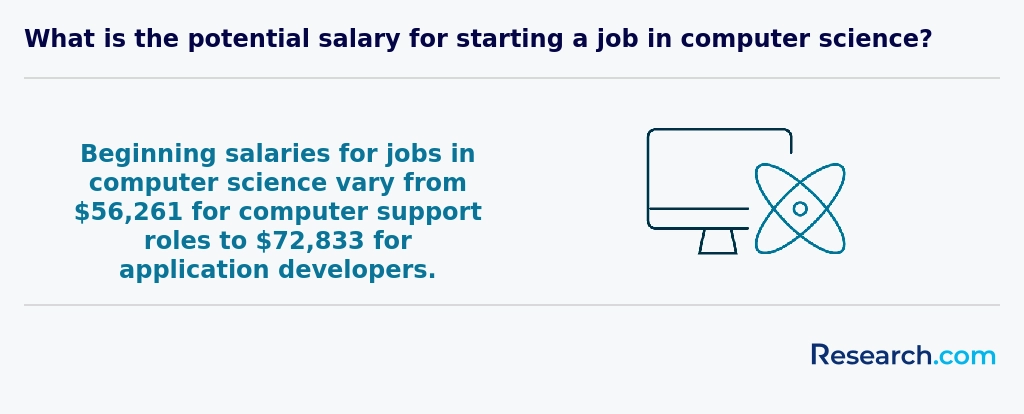
Students pursuing online information technology degrees in Colorado often rely on multiple financial aid sources to manage tuition costs that typically range from $15,000 to $30,000 per year. Many graduates from universities like the University of Colorado Denver have found that completing the Free Application for Federal Student Aid (FAFSA) unlocks access to federal grants, loans, and work-study programs, which can substantially reduce upfront expenses.
State-specific aid, such as the Colorado Graduate Grant program, also plays a valuable role for in-state students attending colleges like Colorado State University Global. These grants, alongside local workforce initiatives targeting tech skills, offer targeted financial relief but vary widely depending on eligibility and changing state policies.
Institutional scholarships up to $5,000, often merit- or need-based, are accessible at several Colorado institutions focusing on STEM, providing significant help to cost-conscious learners. Additionally, many students juggling jobs in Colorado's expanding tech sector benefit from employer tuition reimbursement programs, easing the financial strain while gaining practical experience.
National private scholarships from organizations like CompTIA offer another avenue, but competition is fierce. Overall, blending these options thoughtfully is crucial to making an online IT education financially viable in Colorado's evolving educational landscape.
Enrolling in an online information technology program in Colorado often requires a bachelor's degree, typically in fields like computer science or engineering, but this isn't always a strict rule. Some graduates from schools such as Colorado State University or the University of Colorado have found that bridge courses helped them transition smoothly, even when their original degrees were unrelated. This flexibility allows students with diverse academic backgrounds to feel confident about their readiness.
Maintaining a GPA around 2.5 to 3.0 is commonly expected, yet real-world IT experience can sometimes outweigh academic scores. Students who have worked in technology roles often share how their hands-on skills made admissions committees more receptive, demonstrating that practical knowledge is valued alongside formal education.
Though standardized tests like the GRE are becoming less necessary, some programs still ask for programming proficiency or math coursework to ensure students are prepared for the curriculum. Graduates often appreciate these prerequisites as they build a foundation that carries them through challenging projects and collaborative assignments online.

Online information technology degree programs in Colorado commonly include core courses that build a solid technical foundation while addressing industry needs. Graduates from universities such as the University of Colorado and Colorado State University often reflect positively on courses in network architecture and management, which simulate real-world tasks like designing secure office networks or troubleshooting connectivity issues for businesses.
Database management is another key subject, where students learn to create and maintain systems critical for data-driven decision-making. Cybersecurity principles stand out as especially relevant given today's rise in digital threats, with students appreciating hands-on labs that mimic cyberattack scenarios, making abstract concepts tangible and engaging.
Software development methodologies often bring together programming skills and project management, helping students at Colorado technical colleges understand how teams build applications in professional settings. Systems analysis and design courses challenge students to evaluate business problems and craft custom technology solutions, experiences that many alumni describe as directly applicable to their current roles.
These foundational classes are often complemented by electives in cloud computing or data analytics, helping students adapt to rapid industry changes-a flexibility valued in Colorado's evolving tech job market.
Online information technology specializations Colorado programs typically include areas such as cybersecurity, data analytics, and software development. Graduates from universities like the University of Colorado often share how the cybersecurity track helped them confidently address real-world network threats. In contrast, those focusing on data analytics emphasize how their skills in managing and interpreting large datasets seamlessly aligned with Colorado's growing finance and healthcare sectors. Some students appreciate the flexibility of IT degree concentration options Colorado online, exploring cloud computing and network administration, given the state's robust tech industry and cloud service providers.
Other specializations, including artificial intelligence and IT project management, reflect emerging market needs but can vary in availability and depth depending on the institution. While many report satisfaction with these options, it is essential to critically evaluate how well a program's specialization matches local job trends. For those balancing work and study, programs at public universities in Colorado provide competitive tuition, enhancing accessibility. Exploring offerings like the fastest online masters in management information systems may also complement traditional IT tracks for broader career pathways.
Choosing the best online information technology degree in Colorado requires careful consideration of factors like accreditation and curriculum quality. Graduates from well-known Colorado institutions often emphasize how regional accreditation, such as from the Higher Learning Commission, lent credibility to their degrees and helped them access federal aid. However, accreditation alone isn't enough; the curriculum should include relevant specializations like cybersecurity or cloud computing, which many students found essential for landing competitive jobs in Colorado's tech sector.
Flexibility is another practical concern. For example, students balancing jobs and family responsibilities appreciated programs offering asynchronous formats, enabling study on their own schedules. Before committing, compare tuition costs, which for affordable IT master's programs Colorado typically range between $15,000 and $35,000, with local workforce salary expectations to assess return on investment.
Some graduates highlighted the value of strong student support services, including career counseling and internships, which enhanced their transition into rewarding IT careers. For those exploring options beyond Colorado, it's worth reviewing online management information systems programs as complementary paths.
Graduates of online information technology degrees in Colorado find diverse career paths shaped by a booming local tech industry. Popular universities such as the University of Colorado Boulder and Colorado State University offer programs that prepare students for roles in network administration, cybersecurity, and software development. Many graduates describe the excitement of joining startups or established companies in Denver's tech hubs, where managing IT infrastructure or developing innovative applications offers daily challenges and growth.
However, it is important to recognize the variability in job roles depending on the specific skills acquired. Some graduates pursue cybersecurity positions, motivated by Colorado's expanding security sector, particularly around federal agencies, while others lean towards IT project management or database administration. The blend of practical experience from online programs with local industry demands often leads to rewarding careers. For those exploring options, considering an online information technology course focused on Colorado's market can enhance alignment with in-state job opportunities.
In conversations with recent graduates, the positive sentiment around the state's career prospects is clear, yet many advise a proactive approach to gaining certifications and internships. This reflects the competitive but promising landscape for online information technology careers in Colorado, where adaptability and continued learning are as vital as formal education.
The job market for those with an online information technology degree in Colorado remains promising, yet nuanced. Graduates from universities well-known for their IT programs, such as those in Denver and Boulder, report solid employment prospects, particularly in a state with a rapidly growing tech sector. The Colorado IT degree employment opportunities span roles like systems analysts, cybersecurity analysts, and software developers, providing diverse paths depending on individual skills and specialization.
Denver-Aurora-Lakewood's projected 15% industry growth supports optimism, but the competition keeps many graduates striving to stand out through internships or hands-on projects. Stories from recent alumni reveal how connecting with local tech firms and startups often leads to rewarding positions in network architecture or database administration. Although average starting salaries hover around $91,000, staying informed about evolving technologies is key for sustained advancement.
Those considering further advancement might explore useful resources detailing steps to becoming a cto, reflecting real-world pathways to leadership. Colorado's dynamic environment challenges graduates to adapt and continually enhance their skills in order to fully benefit from the strong job outlook for online information technology degree holders in Colorado.
2027 Easiest Online Master's in Information Technology Degree Programs Ranking in Colorado
Investing in your education is a significant decision that can shape your future, and the Research.com team understands the importance of making informed choices. To assist prospective students in Colorado, we have meticulously crafted the "2027 Easiest Online Master's in Information Technology Degree Programs Ranking." Our commitment to quality, credibility, and accuracy is reflected in the extensive research and analysis conducted to compile this ranking.
We utilized the following reputable data sources to ensure a comprehensive evaluation of these programs:
By exploring this ranking, readers will gain valuable insights into the most accessible online master's programs in IT in Colorado, helping them make smart decisions tailored to their educational and career goals. For more information on our approach, please visit our Research.com methodology page.


# 3 position
Colorado Technical University-Colorado Springs
Master of Information Technology


Frequently Asked Questions About information technology
Online information technology degree students in Colorado can maximize their learning by actively engaging with their coursework and utilizing local resources. Participating in virtual study groups and networking with peers helps deepen understanding and build professional connections.
Leveraging Colorado's growing tech industry, students should seek internships or cooperative education programs offered by companies such as Oracle and Lockheed Martin, which have significant operations in the state. According to the Colorado Office of Economic Development, IT employment grew by 4.5% in 2023, highlighting expanding opportunities for hands-on experience.
Students are also encouraged to connect with local IT professional organizations like the Colorado Technology Association to access workshops and mentorship. Finally, ensuring consistent communication with faculty can provide personalized support and career guidance throughout the degree program.
Emerging niches within the information technology field are rapidly evolving, especially in Colorado, which has become a growing tech hub. Areas such as cybersecurity are in high demand, with the Bureau of Labor Statistics projecting a 31% growth rate nationally through 2030. Colorado's thriving aerospace and defense industries further fuel this demand for IT security experts.
Data science and analytics also present expanding opportunities, driven by businesses seeking to leverage big data for strategic advantage. Cloud computing is another critical area, as many Colorado companies adopt cloud-based solutions for scalability and remote work support. Additionally, artificial intelligence and machine learning are gaining traction, led by local startups and tech incubators. These niches provide promising paths for online IT degree students in Colorado.
Graduates with online information technology degrees in Colorado should build a strong professional network to enter the job market successfully. The state's IT sector is growing steadily, with Denver and Boulder recognized as key technology hubs, according to the Colorado Technology Association. Internships and hands-on projects enhance practical skills, making candidates more competitive. Additionally, certifications such as CompTIA, Cisco, or AWS complement online degrees and improve employability.
Colorado's unemployment rate for IT professionals is below the national average, but continuous learning is essential to keep pace with evolving technologies. Engaging with local tech meetups and job fairs can provide valuable connections and job leads.
Employers in Colorado's information technology sector prioritize several key skills in graduates holding IT degrees. Technical proficiency, especially in cloud computing, cybersecurity, and data analytics, ranks highly due to the state's expanding tech industry. According to the Colorado Department of Labor and Employment, job postings for IT roles increased by around 8% between 2021 and 2023, highlighting strong demand.
Problem-solving and critical thinking are essential soft skills, as they enable graduates to handle complex system issues effectively. Communication skills also matter because IT professionals often collaborate across departments. Familiarity with programming languages such as Python, Java, and SQL remains a consistent requirement among Colorado employers.
Finding internships in Colorado relevant to an information technology degree requires strategic planning and leveraging local resources. Many universities, including the University of Colorado system, offer career services and internship placement support tailored to IT students. Additionally, Colorado's tech industry is growing rapidly, with Denver and Boulder being major hubs hosting numerous IT companies.
Students should explore job boards like the Colorado Department of Labor and Employment's website, which lists internship opportunities with local employers. Networking through professional organizations such as the Colorado Technology Association can also be valuable. According to recent data, Colorado's IT sector employs over 96,000 professionals, highlighting strong internship potential.
Engaging with virtual career fairs and online platforms focused on internships can increase the chances of finding remote or hybrid roles suited to online degree students. Building skills through certifications and hands-on projects enhances internship competitiveness.
Obtaining an online information technology degree can significantly enhance career mobility and advancement opportunities in Colorado's growing tech sector. The state's IT employment is expected to grow by 15% from 2020 to 2030, according to the U.S. Bureau of Labor Statistics, indicating rising demand for skilled professionals.
Online degrees provide flexibility, allowing working professionals in Colorado to gain updated skills without disrupting their current jobs. Many employers in the Denver metro area value accredited online degrees, especially those aligned with industry certifications and practical experience.
Career advancement often requires specialized knowledge; an online IT degree helps candidates qualify for mid- to senior-level positions in areas such as cybersecurity, software development, and data analysis. According to the Colorado Department of Labor, IT roles in the state offer median salaries above $90,000, reflecting strong prospects for degree holders.
Studying for an information technology degree in Colorado offers strong preparation for interdisciplinary roles by combining technical knowledge with skills in management, communication, and problem-solving. Many online programs emphasize collaboration across fields such as business, healthcare, and engineering, reflecting Colorado's diverse economy. According to the Colorado Department of Labor and Employment, IT occupations in the state are projected to grow faster than the national average through 2028. This growth requires professionals who can integrate technology solutions across various industries. Online degrees often include courses in data analytics, cybersecurity, and project management, enabling students to adapt in multiple professional environments.
When choosing between a thesis and a non-thesis online information technology degree program in Colorado, consider your career goals and learning preferences. Thesis programs emphasize in-depth research and are ideal for those considering doctoral studies or careers in research and development. Non-thesis options focus more on practical skills through coursework and projects, which can expedite entry into the IT workforce.
Colorado's tech industry is growing rapidly, with a 20% increase in IT jobs projected through 2030 by the Colorado Department of Labor. This suggests strong demand for hands-on expertise.
Accreditation and program flexibility are also key factors when making your choice.
Students in Colorado seeking to study information technology abroad through online programs have several credible options within the US higher education system. Many universities offer online IT degrees with international curricula or partnerships enabling global exposure without leaving home. For example, some institutions provide virtual internships or collaborative projects with international companies, enhancing real-world experience.
Additionally, Colorado residents can access programs accredited by recognized US bodies that align with global IT standards, ensuring their degrees hold value worldwide. According to the National Center for Education Statistics, nearly 14% of US higher education students enroll in online courses, reflecting growing acceptance of these pathways. Choosing an accredited online program with global perspectives allows Colorado students to prepare competitively for international IT careers.
Students pursuing online information technology degrees in Colorado can benefit from several part-time job opportunities that enhance their education and resume. Positions such as IT support technician, help desk analyst, and junior network administrator are common roles available in Colorado's growing tech sector. According to the Colorado Department of Labor and Employment, IT support-related jobs are expected to grow by 12% through 2030, driven by demand in cities like Denver and Boulder.
These roles allow students to apply classroom learning to real-world problems, gaining experience with networking, troubleshooting, and cybersecurity. Additionally, many companies in Colorado offer remote internships and contract positions suitable for part-time schedules, providing flexibility alongside study commitments.
Online information technology students in Colorado have several networking opportunities despite their remote learning format. Many universities offer virtual career fairs, webinars, and online mentoring programs connecting students with local industry professionals. Colorado hosts a strong IT job market, with the Denver metro area employing over 80,000 IT specialists as of 2023, according to the Colorado Department of Labor and Employment.
Professional organizations such as the Colorado Technology Association provide student memberships and host events that encourage networking. Additionally, platforms like LinkedIn enable students to join Colorado-specific IT groups, fostering connections with peers and employers statewide. These resources help students build valuable professional relationships while studying online.
Alumni networks play a crucial role for online information technology degree students in Colorado by providing valuable connections within the local tech industry. These networks often include graduates working in Denver's growing tech sector, which employs over 70,000 IT professionals as of recent Labor Market Information reports. Through alumni events and online platforms, students gain access to mentorship opportunities that can guide career decisions.
Networking with alumni increases job prospects, since many Colorado IT companies prefer candidates recommended through trusted sources. Additionally, alumni can share insights on local certifications and industry trends, keeping students better prepared for competitive roles.
Such connections may also lead to internships and collaborative projects, enhancing practical experience essential in the IT field.
Online information technology degree programs in Colorado offer several ways to customize your education to match your career goals. Many universities provide elective courses and specialization tracks such as cybersecurity, data analytics, or network management. This flexibility allows you to gain expertise aligned with industry demand in Colorado, where IT jobs are projected to grow significantly through 2030 according to the U.S. Bureau of Labor Statistics.
Students can also tailor their programs by choosing capstone projects or internships with local tech firms, giving practical experience relevant to Colorado's growing technology sector. Additionally, part-time and accelerated options help balance education with work commitments.
Careful program selection based on course offerings and industry connections is key to customizing your degree effectively.
Online information technology (IT) students in Colorado often face challenges related to balancing coursework with professional and personal responsibilities. Many students juggle full-time jobs or family care while managing demanding IT programs. Connectivity can also be an issue, especially for those in rural areas where reliable high-speed internet is limited. According to the Colorado Broadband Office, approximately 87% of urban residents have access to high-speed internet, but rural access remains below 65%, affecting online learning quality.
Additionally, some students struggle with the lack of hands-on lab experiences, crucial in IT education. Though virtual labs are improving, they may not fully replicate in-person environments. Time management, self-motivation, and limited face-to-face interaction with instructors and peers also commonly impact student success.
Graduates with an online information technology degree in Colorado have access to numerous professional certifications that enhance their career prospects. Popular certifications include CompTIA A+, Network+, and Security+, which cover essential IT skills valued by employers statewide. For more specialized roles, certifications like Cisco's CCNA or Microsoft Certified: Azure Fundamentals are strong choices, reflecting Colorado's growing tech industry demands.
Advanced certifications such as Certified Information Systems Security Professional (CISSP) appeal to those targeting cybersecurity jobs. According to the Colorado Department of Labor and Employment, IT fields in Colorado are expected to grow by over 15% through 2030, increasing the value of such certifications.
Many local employers prefer candidates with these credentials combined with a degree due to the rigorous technical skills required.
To write a winning application for an online information technology program in Colorado, start by clearly showcasing your academic background and relevant work experience. Colorado's tech industry has grown by 7.9% annually, highlighting the demand for skilled IT professionals, so emphasize skills aligning with current technological trends such as cybersecurity, cloud computing, and data analytics (Colorado Office of Economic Development & International Trade).
Include a well-crafted personal statement explaining your career goals and how the program fits them. Highlight motivation and readiness for online learning. Strong letters of recommendation from IT supervisors or professors can boost your profile substantially.
Be sure to meet all academic prerequisites and submit official transcripts promptly. Finally, proofread your application carefully to avoid errors that could undermine your professionalism.
The information technology (IT) field is recognized globally as a dynamic and rapidly growing sector. In the United States, and particularly in Colorado, IT careers are in high demand due to the state's expanding tech industry. According to the U.S. Bureau of Labor Statistics, IT occupations are projected to grow 15% from 2021 to 2031, faster than the average for all occupations.
Globally, IT professionals are essential in supporting digital transformation across industries. Skills gained through online IT degrees in Colorado align well with international standards, allowing graduates to compete in a worldwide job market. Colorado's tech hubs, like Denver and Boulder, attract companies that operate internationally, providing local graduates access to global career opportunities.
Understanding global IT trends, including cybersecurity, cloud computing, and data science, is crucial for career advancement. Colorado's educational institutions emphasize these areas in their curricula to prepare students for both national and global challenges in technology.
Students pursuing an online information technology degree in Colorado can gain practical experience through several methods. Many Colorado institutions encourage internships or cooperative education programs with local tech companies, which are abundant in the Denver and Boulder areas. According to the Colorado Office of Economic Development, the IT sector in Colorado grows annually by 3.5%, increasing opportunities for hands-on work.
Additionally, students can participate in virtual labs and simulations offered by their universities, replicating real-world IT challenges. Professional IT organizations in Colorado, such as ISACA Denver Chapter, provide networking and project opportunities. Engaging in open-source projects and freelance work can also build practical skills valuable for employment.
Choosing the right concentration within an online information technology degree program in Colorado starts with assessing local industry demands. Colorado's tech sector, especially in Denver and Boulder, shows strong growth in cybersecurity, data analytics, and cloud computing, according to the Colorado Office of Economic Development and International Trade. Selecting a concentration aligned with these areas can improve job prospects.
Prospective students should also consider the curriculum's flexibility and specialization options offered by schools. Programs accredited by recognized bodies like ABET ensure quality education standards. Additionally, evaluating career services and industry partnerships can provide practical advantages.
Lastly, reflecting on personal interests and strengths helps match your passion with market needs, guiding a well-informed concentration choice.
- 2027 Easiest Online Master's in Information Technology Degree Programs Ranking in Kansas
- 2027 Easiest Online Master's in Information Technology Degree Programs Ranking in Texas
- 2027 Easiest Online Master's in Information Technology Degree Programs Ranking in Missouri
- 2027 Easiest Online Master's in Information Technology Degree Programs Ranking in California
- 2027 Easiest Online Master's in Information Technology Degree Programs Ranking in Illinois
- 2027 Easiest Online Master's in Information Technology Degree Programs Ranking in Wisconsin
- 2027 Easiest Online Master's in Information Technology Degree Programs Ranking in Kentucky
- 2027 Easiest Online Master's in Information Technology Degree Programs Ranking in Michigan
- 2027 Easiest Online Master's in Information Technology Degree Programs Ranking in Georgia
- 2027 Easiest Online Master's in Information Technology Degree Programs Ranking in Florida
- Online Information Technology (IT) Degree | CTU Online https://www.coloradotech.edu/degrees/bachelors/information-technology
- Computer Science Programs in Colorado https://www.computerscience.org/online-degrees/colorado/
- How to Network with Alumni | Student Guide to Alumni Networking 2026 https://digitalrecordboard.com/blog/how-to-network-with-alumni/
- What Is an Information Technology Degree? Everything You Need to Know https://www.cw.edu/news/what-is-an-information-technology-degree-everything-future-students-should-know/
- Best Entry-Level IT Certifications for Beginners - ONLC https://www.onlc.com/blog/best-beginners-entry-level-it-certifications/
- IT Cover Letter Examples (Information Technology Jobs) https://zety.com/blog/it-cover-letter-example
- Information Technology | Community College of Denver https://www.ccd.edu/program/information-technology
- Academic experiences of information technology students - JYX https://jyx.jyu.fi/bitstreams/2ecaf277-b7be-416f-8ee4-d35afdf2ab67/download
- How to Start an IT Career: A Beginner's Roadmap | Mindmesh Academy https://www.mindmeshacademy.com/blog/articles/how-to-start-it-career
- Information Technology Assistant Cover Letter Sample https://www.kickresume.com/en/help-center/information-technology-assistant-1-cover-letter-sample/