2027 Easiest Online Information Technology Degree Programs Ranking in New Jersey

Co-Founder and Chief Data Scientist
Choosing the right information technology degree program can be overwhelming, especially with so many options available online. This article introduces the 2027 Easiest Online Information Technology Degree Programs Ranking in New Jersey, created by the Research.com team of data scientists to guide students in making smart decisions.
By exploring this ranking, you'll discover programs that balance accessibility and quality, helping you advance your career with confidence. Earning an IT degree opens doors to exciting opportunities and growth, making this a valuable step toward your future.
Key benefits of getting online information technology degree in New Jersey
- Information technology graduates in New Jersey can expect competitive salaries, with the national average for IT-related jobs ranging from $60,000 to $100,000 annually, depending on specialization and experience.
- Graduates from New Jersey universities often find diverse career paths in cybersecurity, software development, and network administration, offering exciting opportunities in both established companies and startups.
- Online IT degrees from reputable New Jersey institutions provide flexibility and convenience, allowing students to balance work and study while gaining skills that employers highly value in today's remote-friendly job market.
- 2027 Easiest Online Information Technology Degree Programs Ranking in New Jersey
- What can I expect from online information technology degree in New Jersey?
- Where can I work with online information technology degree in New Jersey?
What can I expect from online information technology degree in New Jersey?
The average cost of an online information technology degree in New Jersey varies depending on the institution and degree level, but typically ranges from about $10,000 to $25,000 for an associate's degree and $30,000 to $60,000 for a bachelor's degree. For example, graduates from the New Jersey Institute of Technology (NJIT) often share how their investment felt worthwhile given the practical skills gained, which directly helped them secure jobs faster in the tech industry.
Choosing programs at well-known schools like Rutgers University gives students access to quality education paired with career services, which many graduates find valuable for internship and job placement in New Jersey's growing tech market. The tuition costs reflect this state-level advantage along with flexible class schedules that fit around work or family commitments.
It's practical to compare costs by looking at tuition per credit hour and any additional fees. Many students report that leveraging employer tuition assistance or state grants made these programs affordable. Expect some variation depending on whether you enroll full- or part-time and which degree level you choose.
Where can I work with online information technology degree in New Jersey?
Graduates with online information technology degrees from institutions like Rutgers University and New Jersey Institute of Technology find a variety of practical job opportunities across the state. Many start their careers in cities such as Newark or Jersey City, where IT roles at financial firms like Prudential Financial offer hands-on experience in cybersecurity and software development. One graduate shared how an internship at a local healthcare provider led to a full-time position managing secure patient data systems, showing how healthcare and pharmaceutical companies actively seek IT skills.
Another common path is network administration or systems analysis for manufacturing companies or government agencies in New Jersey, especially as digital services expand. Working for state or local government allows graduates to apply their degree toward maintaining critical public information infrastructure. Entry-level salaries typically range from $60,000 to $80,000, providing solid financial steps early in one's career.
Graduates often emphasize the advantage of combining technical coursework from their online programs with real-world projects, which makes them competitive candidates in New Jersey's growing IT job market.
Graduates with an online information technology degree in New Jersey typically start with salaries ranging from $55,000 to $70,000 per year. This aligns well with entry-level roles like IT support specialists or help desk technicians, common career paths for recent graduates from institutions such as Rutgers University or New Jersey Institute of Technology. Those who quickly build experience and earn certifications often see salaries climb into the $80,000 to $120,000 range, especially in positions like systems analysts or cybersecurity specialists.
Living near metropolitan areas like Newark or Jersey City brings added advantage, as employers often match neighboring New York City salary standards. For example, IT project leaders or senior managers can earn $130,000 or more annually. Many graduates find this lucrative given the state's active sectors in finance and healthcare, which frequently offer salary bonuses and benefits.
Successful graduates emphasize the value of practical skills gained online, citing how internships and certifications boosted their confidence and starting salaries. Choosing a program that combines theory with industry-driven projects helps maximize earning potential in New Jersey's competitive tech market.
- Online IT degrees in New Jersey include associate, bachelor's, and master's programs with a focus on cybersecurity, software development, and network administration.
- Bachelor's degree tuition costs range from $10,000 to $20,000 per year at public universities for in-state students, while private schools may charge over $30,000 annually.
- Entry-level IT positions in New Jersey typically start around $60,000 per year, with mid-career salaries exceeding $100,000 for specialized roles like cybersecurity analysts and IT managers.
- IT job growth in New Jersey is expected to increase by about 5% annually over the next decade, driven by industries such as finance, healthcare, telecommunications, and government services.
- Many universities offer internships, career support, and emphasize industry certifications to help online IT students improve job placement and employer readiness.
Completing an online information technology degree in New Jersey typically takes between two to four years, largely depending on whether you enroll full-time or part-time. For example, graduates from well-known institutions like Rutgers and NJIT often report finishing their bachelor's degrees in about four years when studying full-time. However, if you're motivated and choose an accelerated program offered by some colleges, completing the degree in as little as three years is possible.
Associate degrees usually take around two years of full-time study, which is ideal if you want quicker access to the workforce or plan to transfer into a bachelor's program later. Graduate degrees, such as master's programs from New Jersey's universities, tend to range from one to two years and often provide flexible scheduling to balance work and studies.
Many students share how transfer credits or accelerated course formats helped them reduce their timeframe, making the process feel manageable and worthwhile. Deciding between full-time or part-time enrollment and actively using available resources from colleges like Stevens Institute or Montclair State can greatly influence your completion time.
Choosing between an online and on-campus IT degree in New Jersey often comes down to how you prefer to learn and manage your time. On-campus students at places like Rutgers University enjoy hands-on lab sessions and face-to-face collaboration, which helps build strong teamwork skills and immediate mentorship. Graduates often recall how these experiences boosted their confidence and networking opportunities within local tech communities.
In contrast, online students at Rowan University benefit from flexible scheduling, fitting coursework around jobs or family commitments without commuting. They rely on virtual tools like discussion boards and video calls, cultivating independence and time-management skills. Many find this format empowering, as it allows them to balance personal life and education without sacrificing quality.
Tuition costs also differ; online programs typically reduce housing and transport expenses, making IT degrees more affordable for New Jersey residents. Ultimately, the choice hinges on your daily routine and learning style rather than the degree's value, which remains consistent across formats.
When calculating the average cost of an online information technology degree in New Jersey, it's important to note the median in-state total cost is around $32,460. Public universities like Rutgers and New Jersey Institute of Technology tend to offer more affordable online IT degree programs New Jersey residents appreciate, especially compared to private institutions where tuition can be significantly higher. Graduates from these schools often reflect on how budgeting carefully for tuition and associated fees made their education feel attainable, even while balancing work and family.
These costs usually cover tuition, mandatory fees, and access to online course materials, but additional expenses such as specialized software or updated hardware can add up. Many students find that state financial aid resources combined with scholarships help ease these burdens. For instance, students interviewed from popular New Jersey colleges highlight how employing employer tuition reimbursement programs was a game changer, reducing their net expenses while pursuing their degrees.
Prospective students should strategically plan their educational budget by comparing public and private options, factoring in fees and potential aid. A practical next step is to research the specific requirements and costs for online IT programs at their targeted schools. Also, gaining experience that aligns with it manager skills needed during their degree can accelerate career growth and return on investment.

When pursuing an online information technology degree in New Jersey, start by completing the FAFSA to unlock federal aid options like Pell Grants, which can provide up to $7,395 without repayment. Many graduates from institutions such as Rutgers-Newark or New Jersey Institute of Technology have relied on these grants to ease upfront costs, making their education feel more manageable from day one.
Next, explore state-specific support like the Tuition Aid Grant (TAG), designed for New Jersey residents attending approved colleges. TAG's financial assistance has been a game-changer for countless students, reducing tuition burdens significantly and helping them stay focused on their studies without worrying constantly about finances.
Institutional scholarships offered by popular online IT programs often reward strong academic performance or diversity in tech fields. Checking school websites regularly, such as those of Montclair State University, reveals up-to-date scholarship opportunities specifically for IT students.
Finally, if you're working, investigate employer tuition reimbursement programs. This practical support can drastically lower your expenses and allow you to advance your career while studying, just like many professionals in New Jersey's booming tech sector have successfully done.
To enroll in an online information technology degree program in New Jersey, you must first secure a high school diploma or GED. This fundamental step is non-negotiable at institutions like Rutgers University or NJIT, where graduates recall how this prerequisite laid a solid base for their studies. Next, expect to prove your competence in basic math and computer science-skills often verified through prior coursework or placement tests.
Many students share how submitting official transcripts from high school or prior colleges helped schools gauge their readiness. While some New Jersey schools still ask for SAT or ACT scores, test-optional policies have simplified the process, reducing stress for many applicants.
Having reliable access to a computer and high-speed internet is vital, as online labs and software tools require steady connectivity. Graduates from Widener University's IT program emphasize how this tech access enabled them to smoothly complete programming assignments and group projects without hiccups.
When pursuing an online information technology degree in New Jersey, expect a mix of core courses that build foundational skills with practical applications. Many graduates from popular institutions in the state highlight classes like Introduction to Information Technology, which helped them grasp the basics quickly, and Programming Fundamentals, where they learned languages such as Python or Java through hands-on projects.
Courses in Data Structures and Algorithms teach problem-solving strategies crucial for real-world coding challenges, while Networking classes provide insights into setting up and managing secure systems-skills graduates have found valuable during internships.
Students also engage with Database Management Systems and Cybersecurity, preparing them to handle data securely in professional settings. Systems Analysis and Design courses mirror workplace project planning, giving a real sense of managing IT initiatives efficiently.
Many appreciate Web Development and Cloud Computing classes for their up-to-date tech trends, which directly apply to current industry roles in New Jersey's vibrant tech market.
Online information technology specializations New Jersey programs commonly feature cybersecurity, network administration, software development, data analytics, and information systems management. Graduates from Rutgers or Stevens Institute share that focusing on cybersecurity opens doors in protecting critical infrastructure, an area with growing state demand. Network administration training covers managing cloud services and virtual environments-essential as many NJ companies shift to remote operations.
Software development remains highly practical, with students building real-world applications, benefiting from proximity to NYC's tech market. Data analytics prepares students to interpret big data, a crucial skill in New Jersey's finance and healthcare sectors. Information systems management blends IT skills with business leadership, a top pick for those aiming at project and team oversight roles.
For those wondering what career paths are possible, online degree coursework at NJ colleges provides clarity and practical skills. Many graduates note that choosing a specialization aligned with regional employers gives a competitive edge. Learn more about what can you do with an it degree to plan your path effectively.
IT degree focus areas New Jersey online programs emphasize are designed to meet evolving industry needs, making your education investment strategic and rewarding.
Start by confirming the program's accreditation from respected agencies like ABET or Middle States, as graduates from popular New Jersey colleges often emphasize how this ensures their degree holds weight with employers. Focus on curriculum relevance to your personal career goals-whether that's cybersecurity, software development, or network management. Many students choosing the best online IT degree programs New Jersey offers appreciate when courses include hands-on projects and internships, which build real-world skills.
Costs can vary widely, so calculate total tuition and fees carefully. Public institutions tend to be more affordable than private ones. Some graduates report that exploring financial aid and employer tuition assistance made a significant difference. If budget is a primary factor, you might want to check out options like the cheapest mba it online programs, which provide flexible and reasonably priced alternatives.
Reputation matters-graduates from New Jersey's top online IT programs often highlight strong connections with local employers and dedicated career support services. These factors markedly improve job placement in a dynamic market with a predicted 12% IT job growth. Also, ensure the online platform is reliable and user-friendly; firsthand student reviews can reveal whether tech support matches expectations.
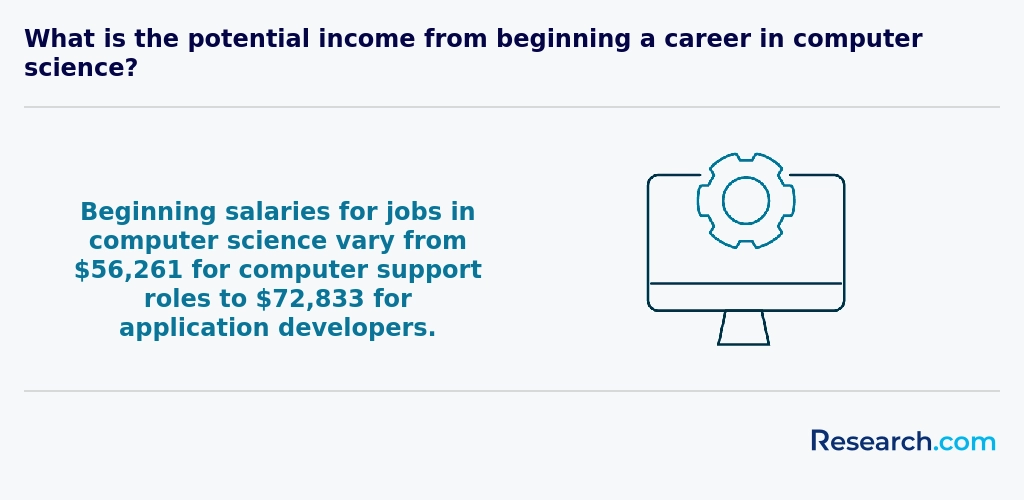
Graduates with an online information technology degree in New Jersey often pursue roles like network and computer systems administrators, who manage and support an organization's digital infrastructure. Many graduates from prominent New Jersey universities share that working in this role has given them practical challenges and steady career growth, especially in New Jersey's thriving finance and healthcare sectors. For those drawn to security, becoming a cybersecurity specialist is a smart choice, as demand is high due to the state's proximity to major financial hubs.
Others leverage their degree to become software developers, creating applications tailored for local industries. Graduates appreciate programs at New Jersey colleges that emphasize hands-on experience, making this path both engaging and rewarding. Early-career options like help desk technician or technical support specialist roles help new professionals build useful skills and earn between $45,000 and $60,000 annually, easing their transition into the tech field.
For those interested in leadership, IT project management is a practical route. Familiarity with managing team efforts gained through online coursework translates into competitive salaries and strong job opportunities. Finding the right program that fits your pace is key; many choose the fastest technology degree online to accelerate their career in this dynamic environment of online information technology jobs in New Jersey.
Graduates holding online information technology degrees in New Jersey find a promising job market with growing opportunities. The state's proximity to New York City and Philadelphia benefits job seekers by expanding access to employers in finance, healthcare, and government sectors. Many graduates from New Jersey's popular universities report starting roles as help desk technicians or junior developers with salaries ranging from $55,000 to $70,000, rising steadily with experience. Skills in cybersecurity, cloud computing, and data management are highly sought after, reflecting regional employer priorities.
New Jersey's online IT job market outlook is further strengthened by the state's economic vitality, where median wages exceed national averages at about $99,000. Several graduates highlight that pursuing flexible programs offered by local institutions allows balancing work while enhancing qualifications. Exploring career advancement alongside certifications maximizes long-term potential.
For those considering advanced education, looking into an online master of information technology can open further doors in management and specialized technical roles, making the investment worthwhile for ambitious New Jersey residents.
2027 Easiest Online Information Technology Degree Programs Ranking in New Jersey
Investing in your education is a significant decision that can shape your professional future, and the Research.com team is committed to supporting you in making well-informed choices. To aid prospective students interested in online Information Technology degrees in New Jersey, we have carefully developed the "2027 Easiest Online Information Technology Degree Programs Ranking in New Jersey." Our dedication to quality, credibility, and accuracy drives the in-depth research and analysis behind this ranking.
We utilized the following reputable data sources to ensure a comprehensive and trustworthy evaluation:
By reviewing this ranking, readers will gain valuable insights into the easiest online IT degree programs available in New Jersey, empowering them to choose the right academic path with confidence. For more information on how this ranking was created, please visit our Research.com methodology page.


# 3 position
Thomas Edison State University
Bachelor of Computer Information Systems


Frequently Asked Questions About information technology
Online information technology degree students in New Jersey can enhance their learning by actively engaging with course materials and participating in virtual discussions. Utilizing local resources such as New Jersey's libraries and technology hubs can deepen understanding and provide practical experience. According to the New Jersey Department of Labor, the state expects a 15% growth in IT jobs by 2030, highlighting the importance of staying current with industry trends.
Networking with local IT professionals through virtual meetups or internships can offer valuable real-world insights. Additionally, students should take advantage of online certifications aligned with their degree to boost their employability within New Jersey's competitive tech market.
The field of information technology (IT) is rapidly evolving, and several niches are emerging that promise strong career prospects. In New Jersey, areas like cybersecurity, data analytics, cloud computing, and artificial intelligence (AI) are gaining significant traction. According to the New Jersey Department of Labor, employment in cybersecurity roles is expected to grow by 31% through 2030, reflecting high demand statewide.
Cloud computing specialists are sought after due to the increasing move toward remote work and online services. Similarly, data analytics professionals help businesses make informed decisions by interpreting complex data. AI and machine learning also play a growing role in sectors like finance and healthcare across New Jersey.
Online IT degree programs in New Jersey are adapting to include these specialties, preparing students for these promising niches.
After completing an online information technology degree in New Jersey, preparing for the job market involves strategic steps. Graduates should focus on developing strong technical skills such as cybersecurity, cloud computing, and programming languages, which are highly sought after in New Jersey's growing tech sector.
Networking is crucial; joining local IT groups like NJTech Council can provide job leads and professional connections. Internships or part-time roles during study also improve employability. According to the New Jersey Department of Labor, IT jobs in the state are expected to grow by 15% through 2028, indicating strong demand.
Additionally, obtaining industry certifications like CompTIA or Cisco enhances resumes and demonstrates practical expertise to employers.
Employers hiring information technology graduates in New Jersey prioritize a mix of technical and soft skills. Key technical abilities include proficiency in cybersecurity, cloud computing, and data analytics, reflecting the growing demand in local industries such as finance and healthcare. According to the New Jersey Department of Labor, IT roles are expected to grow by 12% through 2030, highlighting the importance of current, in-demand skills.
Problem-solving and effective communication are essential soft skills. Employers value candidates who can collaborate in teams and explain complex technical concepts clearly. Familiarity with programming languages like Python and Java also remains important.
Finding internships in New Jersey relevant to an information technology degree involves leveraging local resources and industry connections. Start by exploring career services offered through your online college, as many have partnerships with New Jersey tech companies. The New Jersey Technology Council reports that the state hosts over 8,000 tech businesses, increasing internship opportunities. Utilize job search platforms like Handshake and LinkedIn, filtering for New Jersey IT internships.
Networking plays a crucial role; attending virtual and in-person tech meetups or conferences in New Jersey can connect you to potential employers. Also, check resources like the New Jersey Department of Labor and Workforce Development for internship listings specific to the IT sector.
An online information technology (IT) degree in New Jersey significantly enhances career mobility and advancement opportunities. With the state's growing technology sector, professionals holding IT degrees are better positioned for roles in cybersecurity, software development, and network administration. According to the New Jersey Department of Labor, IT jobs are projected to grow by 10% through 2030, faster than the average for all occupations.
Online degrees offer flexibility for working adults, enabling skill development without pausing employment. Employers in New Jersey increasingly value accredited online IT degrees, recognizing them as equivalent to traditional programs, thus supporting promotions and salary increases. Additionally, certifications paired with degrees further boost professional standing in this competitive market.
Studying for an information technology degree in New Jersey equips students with skills that cross traditional discipline boundaries. Many programs emphasize collaboration between IT, business, healthcare, and engineering fields, reflecting New Jersey's diverse economy. For example, institutions often integrate coursework in data management, cybersecurity, and project management alongside communication and problem-solving skills.
According to the New Jersey Department of Labor, IT roles requiring interdisciplinary knowledge are growing faster than average, reflecting demand in finance, pharmaceuticals, and logistics sectors. This growth encourages programs to prepare graduates for roles that blend technical expertise with strategic thinking and industry-specific knowledge.
Online degree options in the state frequently include internships or capstone projects facilitating real-world, cross-sector experience. Such exposure helps students adapt to interdisciplinary teams and roles in environments like healthcare IT or supply chain analytics.
When choosing between a thesis and a non-thesis online information technology degree program in New Jersey, students should consider their career goals carefully. Thesis programs are research-focused and ideal for those planning to pursue a PhD or roles in research and development. Completing a thesis involves conducting original research under faculty supervision.
Non-thesis programs typically emphasize practical skills and coursework, suitable for students aiming to enter the workforce immediately or enhance professional expertise. According to the New Jersey Department of Labor, IT jobs in the state grew by 5% annually, signaling strong demand for hands-on skills.
Cost, program length, and faculty expertise are also important factors to weigh before deciding.
Students in New Jersey seeking online information technology degrees with an international focus have several practical options. Many U.S. institutions partner with foreign universities, offering joint programs or study-abroad credits that can be completed partially online. The New Jersey Office of the Secretary of Higher Education highlights collaborations that allow students to gain global IT perspectives without relocating.
Additionally, some New Jersey students pursue accredited online IT programs from international universities recognized by U.S. credential evaluators. This broadens access to diverse curriculums and global IT trends.
The demand for IT professionals in New Jersey, where technology jobs grew 8% from 2019 to 2022 according to the New Jersey Department of Labor, makes international exposure valuable for competitive graduates.
Studying abroad or through international online programs enhances cultural competence and technical skills, which are crucial in today's interconnected IT industry.
Part-time job opportunities in New Jersey that complement an information technology degree are abundant due to the state's thriving tech industry. Many students find roles as IT support specialists, network technicians, or junior software developers, which allow them to apply classroom knowledge directly. According to the New Jersey Department of Labor, IT support roles are expected to grow by 8% through 2030, indicating strong future demand.
Additionally, remote freelance positions in web development and cybersecurity consulting offer flexibility. Employers in Newark, Jersey City, and Princeton actively seek IT interns and part-time assistants, providing valuable experience. These jobs enhance technical skills and improve employability upon graduation.
Online information technology students in New Jersey have several opportunities to build professional networks despite studying remotely. Many universities offer virtual career fairs and online student organizations focused on technology, which encourage interaction with peers and industry experts. The New Jersey Technology Council, a leading industry association, hosts events and webinars that students can join for free or at a reduced cost. Additionally, the state's thriving IT sector, with hubs in cities like Newark and Jersey City, offers numerous meetups and workshops accessible online. According to the New Jersey Department of Labor, the IT sector employs over 90,000 workers statewide, providing strong local networking potential.
Alumni networks offer valuable support for online information technology degree students in New Jersey by connecting current students with graduates working in the local IT industry. These networks facilitate mentorship opportunities, helping students gain insights into career paths within New Jersey's growing tech sector, which employed over 200,000 IT professionals as of 2023 according to the New Jersey Technology Council.
Through alumni events and platforms, students can access job listings, internships, and referrals, often leading to higher employment rates after graduation. Networking with alumni also helps students stay informed about technological trends and regional employers, enhancing their practical knowledge and professional readiness.
Customizing an online information technology degree in New Jersey allows students to align their education with specific career goals. Many New Jersey institutions offer flexible course selections, including specializations in cybersecurity, data analytics, and software development. This approach helps students build skills directly relevant to in-demand IT jobs in the state, where the tech sector is expected to grow by 15% through 2030, according to the New Jersey Department of Labor.
Students can often choose electives to gain expertise in emerging technologies or pursue internships with local tech companies remotely. Additionally, some programs provide options for certifications integration, such as CompTIA or Cisco, enhancing professional credentials.
Online information technology students in New Jersey often face challenges related to balancing coursework with work and family responsibilities. Since IT programs require understanding complex technical subjects, time management becomes critical. Additionally, the quality of internet access can be a barrier; rural areas of New Jersey sometimes report slower connections, hindering smooth participation in live sessions. Another common issue is limited hands-on experience with hardware and software, which can affect practical learning. According to the New Jersey Department of Labor, IT roles in the state are growing steadily, increasing competition among graduates. Students must stay current with evolving technologies while managing study demands.
With an online information technology degree in New Jersey, students can pursue several key professional certifications to boost their careers. Popular certifications include CompTIA A+, Network+, and Security+, which validate foundational IT, networking, and cybersecurity skills. The Certified Information Systems Security Professional (CISSP) is ideal for advanced security roles and is recognized nationwide.
Many New Jersey employers value certifications like Cisco's CCNA for networking and Microsoft Certified: Azure Fundamentals for cloud expertise. According to the New Jersey Department of Labor, IT jobs requiring certifications often offer salaries 10-20% higher than average.
These credentials can enhance job prospects in tech hubs like Jersey City and Newark, making them a strategic choice for degree holders.
Writing a winning application for an online information technology program in New Jersey requires clarity and relevance. Start by clearly stating your career goals and how the program aligns with them. Highlight any technical skills or certifications, such as CompTIA or Cisco, which are valued in New Jersey's tech sector. According to the New Jersey Department of Labor, IT jobs are projected to grow by 10% through 2030, emphasizing demand for digital skills.
Include relevant work experience or projects demonstrating your problem-solving abilities. Strong letters of recommendation supporting your aptitude in IT improve your chances. Finally, ensure your personal statement reflects your motivation and commitment to succeed in an online learning environment.
The field of information technology (IT) continues to expand globally, offering diverse career opportunities. In the United States, including New Jersey, IT jobs are growing by about 13% annually, faster than the average for other occupations, according to the U.S. Bureau of Labor Statistics.
New Jersey's strategic location near major tech hubs like New York City and Philadelphia enhances local IT career prospects. The state's demand for professionals in cybersecurity, cloud computing, and software development reflects global industry trends emphasizing digital transformation.
Worldwide, IT roles increasingly require adaptability to evolving technologies and cross-cultural collaboration, skills emphasized in many U.S. online degree programs.
Gaining practical experience while pursuing an online information technology degree in New Jersey is essential for career readiness. Students can participate in virtual internships offered by New Jersey-based companies, which provide real-world IT challenges. Many institutions collaborate with local firms in sectors like finance and healthcare, which are prominent in the state. According to the New Jersey Business & Industry Association, IT job growth in the state is expected to rise by 9% through 2030, highlighting available opportunities.
Additionally, students can engage in online lab simulations and project-based coursework to build hands-on skills. Professional IT organizations in New Jersey also offer networking and volunteer tech support events.
Choosing the right concentration within an online information technology degree program in New Jersey depends on your career goals and local industry demands. The state's IT sector is strong in cybersecurity, software development, and data management, reflecting a national trend toward these high-growth areas, according to the New Jersey Department of Labor.
Research the concentrations offered by programs to find one that matches your interests and skills. For example, cybersecurity is critical due to increasing cyber threats, while software development remains essential as many companies in New Jersey seek application developers.
Consider job placement rates and internships tied to specific concentrations, as practical experience is valued by employers. Additionally, look for programs aligned with industry certifications common in New Jersey's IT job market.
- 2027 Easiest Online Information Technology Degree Programs Ranking in Pennsylvania
- 2027 Easiest Online Information Technology Degree Programs Ranking in New York
- 2027 Easiest Online Information Technology Degree Programs Ranking in Maryland
- 2027 Easiest Online Information Technology Degree Programs Ranking in Connecticut
- 2027 Easiest Online Information Technology Degree Programs Ranking in Virginia
- 2027 Easiest Online Information Technology Degree Programs Ranking in Massachusetts
- 2027 Easiest Online Information Technology Degree Programs Ranking in West Virginia
- 2027 Easiest Online Information Technology Degree Programs Ranking in Ohio
- 2027 Easiest Online Information Technology Degree Programs Ranking in Kentucky
- 2027 Easiest Online Information Technology Degree Programs Ranking in South Carolina
- How to Network with Alumni | Student Guide to Alumni Networking 2026 https://digitalrecordboard.com/blog/how-to-network-with-alumni/
- The Top Information Technology Skills Employers Want | AIU https://www.aiuniv.edu/degrees/information-technology/articles/top-information-technology-skills-employers-want
- (apply for a place in the Bachelor of Information Technology) Letter of Motivation https://essayforum.com/letters/apply-place-bachelor-information-technology-39720/
- Best Computer Sciene Certifications to Boost Your Career https://www.computerscience.org/resources/top-it-certifications/
- Online Technology Degree Programs | University of Phoenix https://www.phoenix.edu/online-information-technology-degrees.html
- Online Degree vs. Traditional: Choosing the Right Path https://beal.edu/online-degree-vs-traditional/
- Exploring 7 of the Hottest Niche Skillsets Within Tech https://www.dice.com/career-advice/exploring-7-of-the-hottest-niche-skillsets-within-tech
- IT Schools Online | Information Technology Careers | OEDb https://www.oedb.org/rankings/online-it-programs/
- Information Technology Degrees: Everything You Need to Know - University of the Potomac https://potomac.edu/it-degree-guide/
- Jobs you can get with an IT degree | Monroe University https://www.monroeu.edu/academics/undergraduate-programs/school-information-technology/jobs-with-degree-in-it