2027 Most Affordable Online Bachelor's in Information Technology Degree Programs Ranking in the South

Co-Founder and Chief Data Scientist
Choosing the right online bachelor's degree in Information Technology can feel overwhelming, especially with so many options available. To make this easier, the Research.com team of data scientists has created the 2027 Most Affordable Online Bachelor's in Information Technology Degree Programs Ranking in the South.
This article will help you confidently explore affordable, quality programs tailored for students in the South. Earning an IT degree opens doors to exciting careers and personal growth, and this guide supports your journey to a brighter future.
Discover programs worth considering and take the next step toward your goals.
Key benefits of getting online information technology degree in the South
- Information technology graduates in the South can expect competitive salaries, with roles like software developers earning a median annual wage of around $110,000 nationwide, reflecting strong earning potential.
- Career paths are diverse, including IT management, cybersecurity, and software development, as demonstrated by graduates from universities like the University of Florida thriving in various tech roles.
- Online IT degrees offer flexibility and accessibility, allowing students like those from Georgia Tech's online program to balance work and study while gaining the same respected credentials as on-campus learners.
- 2027 Most Affordable Online Bachelor's in Information Technology Degree Programs Ranking in the South
- What can I expect from online information technology degree in the South?
- Where can I work with online information technology degree in the South?
What can I expect from online information technology degree in the South?
The average annual tuition cost for an online information technology degree in the Southern United States is approximately $6,500. This figure, significantly lower than the national average of $9,400, reflects the competitive pricing offered by public universities across the region. Many students pursuing online IT degrees at well-known Southern institutions appreciate this affordability, which enables them to balance education with personal and professional commitments without excessive financial strain.
Graduates from these programs often recall how the reasonable costs made it possible to invest in additional resources, such as certification exam preparation or specialized software, enhancing their career prospects. For example, students enrolled in popular universities in Texas or Florida frequently mention the value of in-state tuition rates extended to online learners, which contributes to overall savings.
These cost benefits, combined with flexible course delivery and strong faculty support, create an encouraging environment for Southern students seeking quality IT education that aligns with their financial realities and career ambitions.
Where can I work with online information technology degree in the South?
Graduates with an online information technology degree in the South find diverse employment opportunities across thriving sectors such as healthcare, finance, government, and education. For example, many graduates from universities like the University of Georgia or North Carolina State University secure roles in healthcare IT, managing digital patient records and cybersecurity at expanding hospital networks.
In urban technology hubs like Atlanta and Raleigh, graduates often begin careers in network administration, software development, or information security with fast-growing startups and established companies. Alumni from these programs frequently share how internships facilitated by their schools connect them to local employers, leading to satisfying positions with competitive salaries.
State and local government agencies also recruit IT professionals to oversee cyber defense and infrastructure projects, offering graduates from Southern institutions opportunities as systems engineers, IT analysts, and cybersecurity specialists. Such careers provide both stability and meaningful impact by safeguarding public information.
Community colleges and universities in the region foster strong relationships with employers, enabling students to transition seamlessly into roles in cloud computing, IT support, and database management, often within businesses close to campus. These real-life connections highlight the positive experiences of Southern IT graduates and their smooth entry into rewarding careers.
Graduates with an online information technology degree in the South can anticipate varied earnings depending on their role, experience, and location. While specific official salary data from the US Bureau of Labor Statistics is unavailable for many Southern IT occupations, general regional trends and real-world reports suggest entry-level IT support specialists typically start with salaries between $45,000 and $60,000. Those advancing to positions like systems analysts or network administrators often see salaries ranging from $70,000 to $90,000 annually.
For instance, graduates from well-known Southern universities with strong IT programs often find themselves earning closer to the upper end of these scales in cities like Atlanta or Raleigh, where tech hubs foster competitive wages. These realistic earnings reflect the growing demand for skilled IT professionals in the South and show encouraging prospects for new graduates.
Moreover, specialization in fields such as cybersecurity, cloud computing, or data analytics-areas emphasized in programs at universities throughout the region-can push salaries beyond $100,000 for mid-career professionals, inspiring many students to pursue certifications alongside their online degrees to accelerate career growth and income potential.
- Tuition for online IT degrees at Southern public universities ranges from $7,000 to $12,000 per year for in-state students, while private colleges may cost over $20,000 annually.
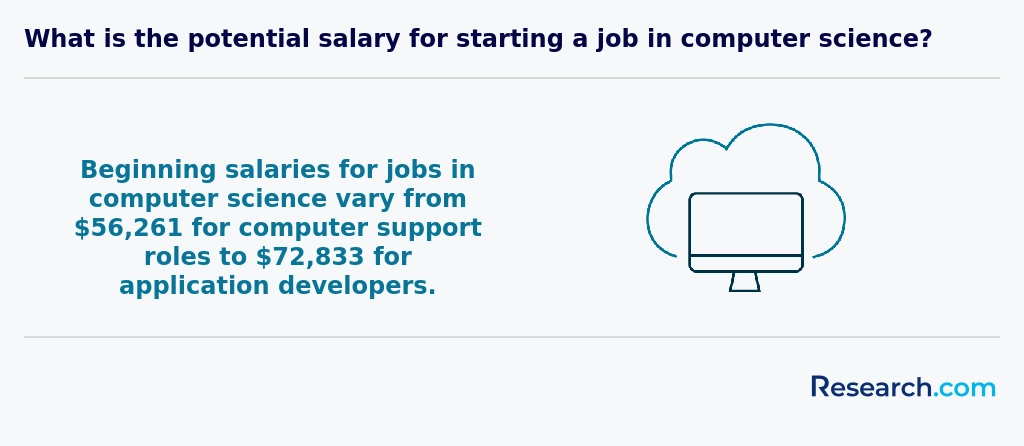
- Graduates typically earn between $55,000 and $65,000 per year initially, with potential salaries surpassing $90,000 in major Southern cities over time.
- Job demand in the South for IT roles is expected to grow nearly 15% in the next decade, faster than the national average.
- Popular IT sectors hiring in the region include cybersecurity, software development, network administration, and cloud computing.
- Many Southern universities have strong ties with local tech companies, helping students access internships and job opportunities.
- Programs often meet Computing Accreditation Commission standards and prepare students for certifications such as CompTIA and Cisco.
Completing an online information technology degree in the South generally takes two to four years, depending on the student's enrollment status and program choice. Full-time students pursuing a bachelor's degree often finish in about four years, mirroring traditional on-campus timelines. For example, graduates from the University of Florida's online IT program frequently share how flexible scheduling enabled them to balance work and study, maintaining steady progress through their coursework.
Associate degrees typically require around two years and provide a quicker path into the tech workforce or a foundation to transfer into a bachelor's program. Part-time students or those managing family and job commitments may take five to six years but appreciate the ability to tailor their pace.
Many Southern institutions, such as Georgia Southern University, offer accelerated options that allow motivated students to complete degrees in three years or less by taking additional credits per term, creating an encouraging experience of rapid advancement.
Online and on-campus information technology (IT) degrees in the South differ mainly in delivery, flexibility, and learning experience. Online programs, offered by universities such as the University of Florida and Georgia Tech, allow students to access coursework asynchronously, fitting studies around work or family commitments. Graduates often express appreciation for this flexibility, citing the ability to balance professional responsibilities while progressing through their degree at a personalized pace.
In contrast, on-campus IT degrees at institutions like North Carolina State University provide immersive, hands-on experiences through in-person labs, group projects, and direct faculty interaction. Many students value this face-to-face engagement for building stronger networks and immediate feedback, which can enhance practical skills and career readiness.
Cost-wise, public universities in the South typically charge between $4,000 and $8,000 annually for undergraduate IT degrees. Online students benefit further by avoiding expenses such as commuting and housing. Despite differences in format, both online and traditional programs maintain regional accreditation, ensuring diploma value remains consistent.
The average cost of obtaining an online information technology degree in the South varies significantly depending on residency status and the institution type. For in-state students, the median total cost is approximately $15,000, reflecting the more affordable online information technology programs in Southern US public universities. These institutions, including well-known universities in Texas, Florida, and Georgia, often offer competitive tuition rates combined with flexible online formats, allowing students to balance study with work or family commitments effectively.
Out-of-state students typically face higher expenses, with median costs around $48,840, which may still be reasonable compared to private institutions charging substantially more. Graduates from these programs often recall feeling financially relieved by the clear tuition structure, especially when combined with scholarships or employer tuition reimbursement. Many find that the investment is worthwhile given the strong job market for IT professionals in the region.
Beyond tuition, additional fees such as technology charges and course materials can affect overall costs. It is valuable to explore financial aid options and state-specific scholarships tailored for STEM fields to reduce expenses. For prospective students keen on understanding long-term value and career prospects, resources like the management information systems job outlook provide essential insight into the demand in this sector.
Students pursuing online information technology degrees in the South commonly access federal financial aid through the Free Application for Federal Student Aid (FAFSA), which opens the door to Pell Grants that can provide up to $7,395 annually without repayment. For example, online IT students at the University of Florida often rely on these grants to balance coursework with family and jobs, easing financial pressures.
State-specific grants also play a vital role. Texas residents attending Texas A&M's online IT program may benefit from the TEXAS Grant, while those enrolled in the University of North Carolina's distance IT courses often secure scholarships modeled after similar state initiatives. These awards enhance affordability, reflecting each state's commitment to supporting resident learners.
Institutional aid frequently supplements external funding. Many Southern universities, like Georgia Tech, offer scholarships targeting IT majors who demonstrate academic excellence or financial need, alongside flexible payment plans designed for remote learners. Graduates commonly highlight how such tailored support helped them persist and succeed.
Moreover, private scholarships from organizations like CompTIA and employer tuition assistance are important supplementary sources. In tech hubs such as Atlanta and Charlotte, online students report feeling encouraged and motivated knowing their employers actively invest in their education, fostering both professional growth and financial stability.
Enrolling in an online information technology degree in Southern universities typically requires a high school diploma or equivalent, such as a GED, to establish foundational readiness. Graduates from well-known Southern institutions often recall submitting official transcripts that reflected their academic histories, ensuring admissions committees could accurately assess preparedness for rigorous IT coursework. Many schools expect a minimum GPA around 2.5 to demonstrate capability in managing college-level studies.
Prospective students should be prepared to complete prerequisite courses, often including algebra, statistics, and introductory programming, which some universities like those in Texas or Florida mandate before full program entry. These requirements help students build confidence and skill early, fostering a sense of achievement as they progress. Though some schools may request SAT or ACT scores, many Southern online programs have embraced test-optional policies, reducing obstacles and encouraging diverse enrollment.
For non-native English speakers, proof of language proficiency through TOEFL or IELTS is essential to participate actively in discussions and assignments. Many graduates appreciate how these prerequisites align with real-world demands, preparing them effectively for successful careers in IT across Southern industries.

Online information technology degree programs in the Southern United States typically encompass a comprehensive curriculum designed to build practical and theoretical expertise tailored to the region's growing tech landscape. Graduates from well-known Southern universities often recount how core courses in programming languages like Python, Java, or C++ provided them with essential problem-solving skills applicable to real-world software development projects.
Students engage deeply with foundational topics such as computer systems and operating systems, with an emphasis on Windows and Linux environments that reflect industry standards in Southern IT firms. Networking courses cover TCP/IP protocols and network administration, equipping learners to manage infrastructure critical to many local businesses.
- Database management and SQL empower students to efficiently handle data storage and retrieval needs prevalent in regional companies
- Cybersecurity classes prepare graduates to confront evolving threats to digital assets effectively
- Information systems analysis and design foster a strategic mindset for developing IT solutions tailored to business demands
- Project management techniques, including Agile and PMP principles, align academic knowledge with workplace expectations
- Web development skills in HTML, CSS, and JavaScript open pathways to both front-end and back-end roles
Electives in cloud computing and mobile app development further enable students to customize their studies to match the dynamic Southern IT job market, enhancing their confidence and employability upon graduation.
Online information technology degree specializations in the South offer students tailored pathways in vital IT domains. Graduates from prominent Southern universities often mention their focus areas like cybersecurity, which equips them to defend against rising cyber threats common in the region's expanding tech hubs. Many students choose network administration and infrastructure to manage and secure corporate IT environments effectively, reflecting the demand in cities such as Atlanta and Dallas.
Others find success specializing in software development and programming, developing applications that support growing industries throughout Southern states. Data management and database administration remain popular, especially given the healthcare and finance sectors' reliance on precise data handling. Cloud computing specialization is also increasingly sought after due to the rapid adoption of cloud technologies in Southern enterprises.
Students balancing coursework and career advancement sometimes complement their IT degrees with programs like an accelerated online masters in management information systems, enriching their expertise and job prospects within the IT sector of the South.
Southern states IT degree concentration options online consistently respond to the regional job market, providing practical, in-demand skills that graduates recognize as transformative in their professional journeys.
When choosing the best online information technology degree in the South, accreditation is paramount. Graduates from well-known institutions such as the University of Florida or Georgia Tech report that programs accredited by SACSCOC or ABET ensure their degrees hold value in competitive Southern job markets. These programs emphasize current, relevant curricula covering cybersecurity, cloud computing, and data analytics, enabling students to stay ahead in a rapidly evolving industry.
Affordability is another critical factor, with many affordable online information technology degree programs South offering scholarships or in-state tuition adjustments. Graduates from universities in Texas and Florida often praise the flexibility that fully online courses provide, allowing them to balance work and studies effectively.
Employment prospects also shape decisions. Southern IT graduates frequently mention that programs providing strong career services, internships, and ties to regional employers enhance job placement rates in tech hubs like Atlanta and Miami. For those exploring program options, exploring management information systems online programs can complement their IT education and career objectives.
Graduates with an online information technology degree in the South find a diverse array of career opportunities, reflecting the dynamic job market in this region. Popular universities and colleges favored by students pursuing online IT degrees often highlight pathways into software development, cybersecurity, network administration, and systems analysis. These roles align well with the growing demand across sectors such as healthcare, finance, and government, particularly in metropolitan hubs like Atlanta and Dallas.
Real-life experiences from graduates illustrate a smooth transition into roles like IT project management or database administration, where their education from Southern institutions equips them with practical skills and industry insights. The appeal of online IT degree job opportunities Southern US lies not only in the variety but in the competitive salary potential and local employer demand, encouraging many students to pursue these stable, well-compensated careers.
For those considering program options, exploring it courses online offered by reputable Southern schools helps align academic goals with regional career prospects, adding flexibility and affordability to their educational journey.
The job market for graduates holding an online IT degree in the South remains robust, buoyed by expanding industries such as healthcare IT, cybersecurity, and software development. Graduates from well-known Southern institutions often find rewarding roles because employers highly value practical skills in cloud computing, information security, and network administration. These skills frequently align with the curriculum of accredited online programs offered by universities in Texas, Georgia, and North Carolina. This positive outlook reflects the broader growth of technology sectors in regional hubs like Austin and Atlanta.
Students pursuing online IT degrees report strong career prospects in the Southern US, particularly in fields such as cybersecurity, where median salaries can reach $90,000 annually in Texas. This range demonstrates the attractiveness of information technology career opportunities Southern US offers to working professionals and recent graduates seeking flexibility. Many appreciate the affordability of online programs with tuition often between $10,000 and $25,000 total.
For those aiming to advance into leadership, understanding cto requirements can be an important step, as online IT degrees provide foundational knowledge to support career growth.
2027 Most Affordable Online Bachelor's in Information Technology Degree Programs Ranking in the South
Investing in your education is a significant decision that can shape your future, and the Research.com team understands the importance of making informed choices. To assist prospective students in the South, we have meticulously developed the "2027 Most Affordable Online Bachelor's in Information Technology Degree Programs Ranking in the South." Our dedication to quality, credibility, and accuracy is demonstrated through rigorous research and analysis conducted to compile this ranking.
We utilized the following reputable data sources to ensure a comprehensive evaluation of programs:
By exploring this ranking, readers will gain valuable insights into affordable and high-quality online Information Technology degree programs tailored to their region, enabling them to make sound educational investments. For more details on our methodology, please visit our Research.com methodology page.

# 2 position
East Carolina University
Bachelor of Industrial Technology, Information and Computer Technology


# 4 position
Amridge University
Bachelor of Information Systems Management

# 5 position
Seminole State College of Florida
Bachelor of Information Systems Technology

# 6 position
Florida State College at Jacksonville
Bachelor of Information Systems Technology


# 8 position
Midland College
Bachelor of Health Services Management


# 11 position
South Texas College
Bachelor of Computer and Information Technologies


# 14 position
Middle Tennessee State University
Bachelor of Professional Studies, Information Technology





# 19 position
University of Maryland Global Campus
Bachelor of Cyber Operations

# 20 position
University of Arkansas Grantham
Bachelor of Information Systems

Frequently Asked Questions About information technology
Online information technology degree students in the South can maximize their learning by actively participating in virtual labs and hands-on projects, which enhance practical skills crucial in IT careers. Engaging with professors during office hours and discussion boards helps clarify complex concepts and builds academic relationships. According to the Southern Regional Education Board, Southern states have seen a 12% growth in IT job openings, making networking through online university events valuable.
Utilizing regional internship opportunities, even virtually, connects students with local employers like those in Austin or Atlanta. Additionally, staying current with certifications such as CompTIA or Cisco alongside their degree fosters competitiveness in the Southern job market.
The field of information technology is rapidly evolving, with several emerging niches gaining significance in the South. Cybersecurity remains a top priority as cyber threats increase, prompting universities to develop specialized online degrees focused on protecting digital infrastructure. Another growing area is cloud computing, driven by the widespread adoption of cloud services among Southern businesses, including healthcare and finance.
Data science and analytics also stand out, as organizations seek experts to interpret vast amounts of data for better decision-making. Additionally, artificial intelligence (AI) and machine learning are becoming key disciplines offered in online IT programs, supporting the region's expanding tech industry. According to the Southern Regional Education Board, these specializations align with job market demands expected to grow 15% by 2028.
Graduates with online information technology degrees in the South should focus on building practical skills to meet regional job market demands. According to the U.S. Bureau of Labor Statistics, IT jobs in southern states like Texas, Georgia, and Florida are projected to grow by over 15% from 2022 to 2032. Enhancing technical proficiency with certifications such as CompTIA Security+ or Cisco's CCNA can improve employability. Networking through local chapters of professional organizations like the Southern IT Alliance also helps. Additionally, internships and virtual projects give valuable hands-on experience, which employers in the South prioritize when hiring IT specialists.
Employers in the Southern United States consistently emphasize a combination of technical proficiency and soft skills when hiring information technology graduates. Key technical skills include cybersecurity expertise, cloud computing, and proficiency in programming languages such as Python and Java. According to the U.S. Bureau of Labor Statistics and regional surveys, cloud computing roles in the South are projected to grow 15% faster than the national average through 2030.
Additionally, employers value strong problem-solving abilities and effective communication. IT professionals must explain complex technical concepts clearly to diverse teams. Project management skills also rank highly, given the collaborative nature of modern IT projects.
Understanding regional IT infrastructure and data privacy laws specific to Southern states further enhances graduates' employment prospects.
Finding internships in the South that relate to an information technology degree requires a focused approach. Start by exploring regional tech hubs like Atlanta, Raleigh, and Austin, where many IT companies and startups offer practical experience. According to the Southern Growth Policies Board, the tech sector in the South grew by 7% annually over the past five years, increasing internship opportunities.
Utilize university career services, which often partner with local businesses to place students. Online platforms such as Handshake and Internships.com also list opportunities specific to Southern states. Networking through professional groups like the Southern IT Alliance or local meetups can connect you with employers seeking interns.
An online information technology (IT) degree increasingly supports career mobility and advancement in the Southern United States. The South's growing technology sector, including hubs in Atlanta, Dallas, and Raleigh, demands a skilled IT workforce. According to the U.S. Bureau of Labor Statistics, IT jobs in Southern states are projected to grow 11% from 2021 to 2031, outpacing many other regions.
Online IT degrees offer flexible access to education for working professionals, enabling them to upskill without relocating. Employers in the South recognize accredited online degrees, which can lead to promotions and higher salaries. Additionally, certifications often complement these degrees, enhancing job prospects in cybersecurity, networking, and software development.
Studying for an information technology degree online in the South equips students with skills that extend beyond traditional IT roles. Southern universities emphasize interdisciplinary education by integrating business, healthcare, and cybersecurity courses within IT programs. This approach reflects the region's growing tech-driven industries, such as healthcare technology and fintech, which demand cross-disciplinary expertise.
According to the Southern Regional Education Board, over 30% of IT graduates in the South pursue careers blending IT with other fields. Online programs focus on practical experiences and collaborative projects, preparing students to adapt and innovate in diverse work environments. This makes graduates valuable assets across sectors.
Choosing between a thesis and a non-thesis online Information Technology (IT) degree in the South requires understanding your academic and career goals. Thesis programs emphasize research and developing a significant project, ideal for students considering graduate school or roles in research and development. Non-thesis options focus more on practical skills and coursework, suiting those aiming for immediate IT industry work.
In Southern states, online IT degrees often adapt to regional tech growth, with non-thesis formats popular due to faster completion times. According to the Southern Regional Education Board, nearly 60% of online IT degrees offered in the South are non-thesis, reflecting market demands for applied skills.
Evaluate if you prefer research-intensive study or direct application to IT trends like cybersecurity or data analysis common in the Southern job market.
Students based in the Southern United States seeking to study information technology abroad have several practical options through online and hybrid degree programs. Many Southern universities partner with international institutions to offer exchange opportunities or dual degrees, allowing students to experience global IT education without leaving the region.
Additionally, some accredited Southern schools participate in consortiums that provide access to virtual classrooms led by international faculty. This model supports exposure to diverse IT methodologies while maintaining affordable tuition aligned with Southern state standards.
Data from the National Center for Education Statistics shows over 30% of Southern institutions now offer online IT degrees with some international collaboration components, reflecting growing global engagement.
These options are ideal for students wanting global insights while benefiting from the Southern education ecosystem.
Students pursuing online information technology degrees in the South can benefit from various part-time job opportunities that complement their studies. Common roles include help desk technicians, IT support specialists, and junior network administrators, where practical skills in troubleshooting and system management are highly valued.
According to the U.S. Bureau of Labor Statistics, the Southern states experienced about a 10% growth in IT support positions between 2020 and 2023, reflecting rising demand in sectors such as healthcare and finance. These roles not only provide income but also hands-on experience with real-world technology systems.
Additionally, freelance web development and coding jobs offer flexible schedules that suit students' coursework. Technical internships through local businesses or tech startups can also deepen understanding while expanding professional networks.
Online information technology students in the South have diverse networking opportunities despite the virtual format. Many Southern universities offering online IT degrees provide virtual career fairs, webinars, and exclusive online student groups. These platforms allow students to connect with peers, faculty, and industry professionals. For example, Georgia Tech and University of North Carolina system schools host active LinkedIn groups for their online students.
Additionally, the Southern states feature several regional tech conferences and meetups, such as those organized by the Southern IT Alumni Network and local chapters of the Association for Computing Machinery (ACM).
According to a 2023 report by CompTIA, Southern states like Texas and Florida are among the fastest-growing tech job markets, offering strong avenues for internships and employment connections.
Students are encouraged to leverage university career centers and statewide professional networks to build contacts that can aid in job placement and career growth.
Alumni networks play a significant role in supporting online information technology degree students in the South. These networks offer valuable opportunities for mentorship, connecting current students with graduates who have industry experience. This connection can lead to internships and job placements, especially since the South's IT sector is growing rapidly, with companies like IBM and Infosys expanding their presence.
According to the Southern Regional Education Board, nearly 70% of graduates find employment through alumni referrals. Networking events and online platforms also enable students to stay updated on regional technology trends and certifications, enhancing their career readiness. Overall, alumni networks provide a critical support system in the competitive IT field.
Students pursuing online information technology degrees in the South often have opportunities to tailor their programs through elective courses, specializations, or certificates. Many Southern universities offer tracks in cybersecurity, network administration, or software development, allowing students to focus on specific IT fields aligned with their career goals. For instance, the Southern Regional Education Board highlights that approximately 60% of Southern institutions provide online concentrations, enhancing degree customization.
Additionally, flexible scheduling and part-time options help working professionals balance education with employment. Some programs incorporate industry partnerships in states like Georgia and Texas, offering practical experience and networking aligned with regional IT job markets, which are projected to grow by 15% through 2030 according to the U.S. Bureau of Labor Statistics.
Advising services in Southern online programs also support students in selecting courses matching career paths, ensuring relevant skill development. This approach helps graduates meet local employer demands in the fast-evolving technology sector.
Online information technology students in the South often face several challenges that can impact their academic success. One primary issue is limited access to high-speed internet in rural areas; according to the Federal Communications Commission, about 22% of Southern rural residents lack broadband access, complicating participation in live lectures and timely submission of assignments. Additionally, balancing work, family, and studies is a notable hurdle, as many IT students are adult learners managing multiple responsibilities.
Technical support can also be inconsistent, with some institutions lacking dedicated resources for online IT students. Furthermore, the practical, hands-on nature of IT programs often requires effective virtual labs, which not all programs provide adequately. These challenges can affect engagement and learning outcomes for Southern students pursuing online IT degrees.
Graduates with an online information technology degree in the South can pursue a variety of professional certifications to enhance their career opportunities. Popular certifications include the CompTIA A+, which verifies fundamental IT skills, and Certified Information Systems Security Professional (CISSP), critical for cybersecurity roles. The Microsoft Certified: Azure Fundamentals is also in demand as cloud computing grows in Southern industries.
According to the Bureau of Labor Statistics, IT fields in Southern states are projected to grow by 13% through 2030, increasing demand for certified professionals. Certifications like Certified Ethical Hacker (CEH) and Project Management Professional (PMP) also provide competitive advantages when applying for jobs in the region. These certificates signal specialized knowledge beyond a degree, which many employers value highly.
Applying to an online information technology program in the South requires a clear, focused approach. Start by highlighting your relevant experience and skills, such as programming or network management. Southern universities often value practical knowledge alongside academic achievements.
Ensure your application includes a strong personal statement explaining your motivation to study IT online, especially emphasizing your commitment to balance work and study. According to the Southern Regional Education Board, many Southern schools look for applicants who demonstrate both technical aptitude and adaptability to online learning.
Include any certifications like CompTIA or Cisco, as these can strengthen your profile. Lastly, tailor your application to meet each program's specific requirements.
The global demand for information technology (IT) professionals continues to grow rapidly, with countries worldwide investing heavily in digital infrastructure and cybersecurity. In the United States, especially in the South, IT careers are expanding due to a thriving tech industry and increasing reliance on digital services. According to the U.S. Bureau of Labor Statistics, IT job growth in Southern states like Texas, Georgia, and North Carolina is projected to be 15% or higher through 2031, outpacing average national growth.
Internationally, IT roles emphasize skills in cloud computing, data analytics, and artificial intelligence, reflecting global business trends. For Southern students earning online IT degrees, this means developed competencies align well with worldwide opportunities. Furthermore, Southern universities often tailor online programs to match these evolving industry needs, enhancing graduates' competitiveness abroad and in local markets.
Gaining practical experience while studying for an online information technology degree in the South is essential to enhance job readiness. Many Southern universities partner with local tech companies to offer virtual internships and cooperative education programs. For example, schools in Texas and Georgia often connect students with businesses in booming IT sectors, such as cybersecurity and software development.
Students can also participate in virtual labs and simulation projects provided by their programs. These hands-on tools mimic real-world IT challenges, helping develop valuable technical skills. According to the Southern Regional Education Board, about 60% of IT students in the South secure internships before graduation.
Additionally, students are encouraged to join regional tech meetups and online professional groups to network and learn industry trends.
Choosing the right concentration within an online information technology degree program in the South depends on your career goals and the regional job market. Popular concentrations include cybersecurity, software development, data analytics, and network administration.
The Southern region has seen a 12% growth in IT jobs over the last five years, with cybersecurity roles growing twice as fast, according to the U.S. Bureau of Labor Statistics.
Evaluate the curriculum to ensure it covers skills relevant to local employers, such as cloud computing or health IT in states like Texas and Florida, where tech ecosystems are expanding rapidly.
Consider programs with industry certifications and strong internship or co-op opportunities to boost job prospects.
- Academic experiences of information technology students - JYX https://jyx.jyu.fi/bitstreams/2ecaf277-b7be-416f-8ee4-d35afdf2ab67/download
- Information Technology https://catalog.southuniversity.edu/information-technology/bachelor-of-science-bs/information-technology
- Top 10 Technology Challenges for Schools and How to Solve Them | Modern Office Methods https://www.momnet.com/top-10-technology-challenges-for-schools-and-how-to-solve-them/
- Information Technology Assistant Cover Letter Sample https://www.kickresume.com/en/help-center/information-technology-assistant-1-cover-letter-sample/
- Online Degree vs. Traditional: Choosing the Right Path https://beal.edu/online-degree-vs-traditional/
- Jobs you can get with an IT degree | Monroe University https://www.monroeu.edu/academics/undergraduate-programs/school-information-technology/jobs-with-degree-in-it
- How to Get Started in Information Technology https://www.straighterline.com/blog/how-to-get-started-in-information-technology
- How to Maximize the Impact of Alumni Networks https://www.careeros.com/resources/how-to-maximize-the-impact-of-alumni-networks
- Paying for a Computer Science Degree | Scholarships, Grants, Loans https://www.computerscience.org/resources/how-to-pay-for-a-degree/
- How to Gain Real-World Experience While Studying Online | American National University https://an.edu/how-to-gain-real-world-experience-while-studying-online/