2027 Most Affordable Online Bachelor's in Information Technology Degree Programs Ranking in Virginia

Co-Founder and Chief Data Scientist
Considering a career in information technology can open many doors, especially in Virginia's growing tech landscape. This article introduces the 2027 Most Affordable Online Bachelor's in Information Technology Degree Programs Ranking in Virginia, created by the Research.com team of data scientists. It's designed to help you make an informed choice about which programs offer real value.
By exploring these affordable options, you can find a program that fits your budget without sacrificing quality. Earning an IT degree is a smart step toward a rewarding and flexible career.
Key benefits of getting online information technology degree in Virginia
- Information technology graduates in Virginia often pursue high-demand roles such as software developers or network administrators, with average U.S. salaries around $90,000 to $110,000, offering strong financial rewards.
- Career paths include cybersecurity, system analysis, and IT management, as demonstrated by graduates from Virginia Tech who have diverse and promising job opportunities.
- Completing an IT degree online from schools like Old Dominion University provides flexibility to balance work and study, making it easier to gain experience while earning your degree.
- 2027 Most Affordable Online Bachelor's in Information Technology Degree Programs Ranking in Virginia
- What can I expect from online information technology degree in Virginia?
- Where can I work with online information technology degree in Virginia?
What can I expect from online information technology degree in Virginia?
The average cost of an online information technology degree in Virginia typically ranges from $25,000 to $40,000 for the entire program, depending on the institution. For example, many graduates from universities like George Mason University or Old Dominion University have found that their tuition investment offered great value when balanced against quality education and career outcomes. These programs usually charge per credit hour, with costs influenced by factors such as residency status and available financial aid.
Many students appreciate the flexibility that online IT degrees in Virginia provide, allowing them to balance work, family, and study without sacrificing quality. One graduate shared how taking courses on networking and cybersecurity through online labs helped them secure a job in government contracting within months of finishing their degree. Scholarships and state financial aid programs can significantly reduce the burden of tuition, making these degrees both accessible and affordable.
Where can I work with online information technology degree in Virginia?
Graduates with an online information technology degree from Virginia institutions like George Mason University or Virginia Tech often find themselves thriving in Northern Virginia's vibrant tech corridor. Many land roles at big names like Amazon Web Services or Booz Allen Hamilton, where they apply skills in cybersecurity and cloud computing every day, helping safeguard important systems and innovate solutions.
Others step into government positions, joining agencies such as the Virginia Information Technologies Agency or federal organizations like the Department of Defense. These roles offer rewarding challenges in systems management and data analysis that directly contribute to national security, a career path many find deeply fulfilling.
Healthcare and finance sectors in Virginia also eagerly welcome IT professionals. Graduates working with Carilion Clinic or Freddie Mac build and maintain complex health informatics and financial systems, expanding their expertise and impact. Online programs prepare students with hands-on experience and certifications, making the transition to these dynamic workplaces smoother and more inspiring.
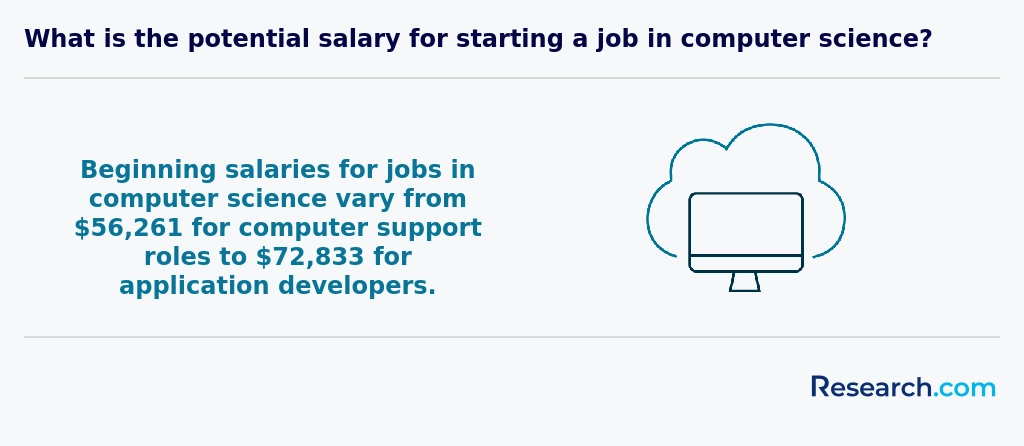
Graduates from Virginia's well-regarded online information technology programs, such as those offered by Northern Virginia Community College and George Mason University, often find themselves stepping into roles that start with salaries around $60,000 to $70,000. These entry-level opportunities typically include positions like help desk analysts or junior network administrators, which provide practical experience and a valuable foothold in the IT industry.
As you gain experience and specialize, your earning potential climbs. Many mid-career professionals working as software developers, systems analysts, or cybersecurity specialists in Virginia report salaries between $90,000 and $120,000, reflecting the region's strong tech demand. For example, students from George Mason's IT programs have shared how training aligned with Northern Virginia's tech corridor opened doors to cybersecurity roles exceeding $110,000 annually.
The state's unique advantage lies in its proximity to federal agencies and defense contractors, fueling salary growth in cybersecurity and IT project management. This growth, combined with Virginia's expanding IT sector, makes pursuing an online IT degree a wise choice for motivated learners aiming for rewarding and well-paid careers.
- The average total cost for an online IT bachelor's degree at public Virginia universities ranges from $25,000 to $40,000 for in-state students, while private schools often charge over $50,000.
- Starting salaries for IT graduates in Virginia average around $62,000 per year, with mid-career salaries rising to approximately $90,000 or more.
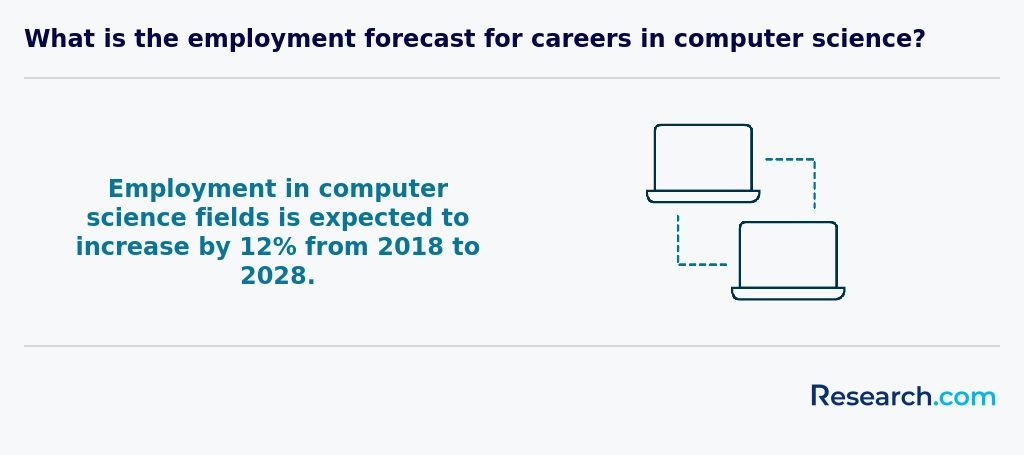
- Virginia's IT job market is growing, with a projected 10% increase in IT-related positions over the next decade, exceeding the national average growth rate.
- Key industries hiring IT professionals include government contracting, defense, data analytics, and cloud computing.
- Online IT programs in Virginia often offer career services, internships, and networking opportunities, and some hold regional or national accreditation.
- In-state residency significantly lowers tuition costs, and financial aid options like scholarships and grants are available for IT students.
Completing an online information technology degree in Virginia typically takes about four years when studying full-time, much like at well-known institutions such as Virginia Tech or George Mason University. Many graduates share how sticking to a steady pace of 15 credits per semester helped them maintain focus and finish on schedule. However, flexibility is a hallmark of online programs here, so if you're balancing work or family commitments, it's common to extend the timeline to six years or more by taking fewer courses each term.
Some students find joy in accelerated programs or year-round classes offered by universities like Old Dominion University, which let them dive deeper and move faster, sometimes finishing in just two to three years. Others benefit from transferring previous college credits or IT certifications, trimming down the path to graduation.
Remember, your unique pace is all about designing your journey to fit your life, ensuring not just completion but a meaningful and manageable experience.
Choosing between online and on-campus information technology degrees in Virginia depends largely on your lifestyle and learning style. Graduates from George Mason University often praise the vibrant campus life, where hands-on lab sessions and face-to-face teamwork spark creativity and build real-world communication skills. Imagine collaborating on a cybersecurity project with peers in a high-tech lab-those moments create lasting connections and immediate feedback.
On the other hand, many students balancing work or family commitments find Virginia's online IT programs a perfect fit. They appreciate the flexibility to study anytime without giving up career or home responsibilities. For instance, virtual labs at Virginia Tech replicate practical experience, letting you engage deeply with complex software while setting your own pace.
Both paths carry strong accreditation through bodies like SACSCOC, ensuring your degree holds value. As you consider your options, envision a learning environment that not only fits your schedule but inspires your passion for technology and growth.
The average cost of an online information technology degree in Virginia is quite manageable for many students, especially when attending public universities. Graduates from programs at schools like Old Dominion University and George Mason University report that in-state tuition fees usually bring the total cost to around $43,200. This makes Virginia a strong choice for affordable education, especially considering the high value these programs offer. Out-of-state students can expect to pay slightly more, with median costs near $48,840, but the investment often reflects the quality and flexibility of the program.
Virginia affordable online information technology tuition means you can focus more on gaining skills and less on overwhelming debt. Many students appreciate that online learning eliminates commuting and housing costs, allowing for a clearer path toward their career goals. For example, those who have completed their degrees online at these universities often share how the financial accessibility combined with well-designed courses eased their journey into the tech field.
When planning your path, consider exploring available scholarships and employer tuition assistance programs to further reduce expenses. The median total cost of around $48,120 still represents great value, especially when you think about the doors an IT degree can open. For aspiring IT professionals, understanding the required skills for an information systems manager is part of making an informed decision about your education and costs involved.
When pursuing an online information technology degree in Virginia, numerous financial aid options can make your educational journey more affordable and less stressful. Federal aid through FAFSA is a gateway to benefits like the Pell Grant-a powerful, no-repayment-needed resource-and low-interest Stafford Loans. Many graduates from universities such as Virginia Tech and George Mason University have successfully leveraged these programs to ease tuition burdens.
State-specific aid, like the Virginia Tuition Assistance Grant (TAG), provides substantial help for students attending private institutions within Virginia, while public university students often tap into the Virginia Commonwealth Award for need-based scholarships. These opportunities have sparked hope and confidence in countless IT students, knowing that financial support aligns closely with their ambitions.
Beyond federal and state aid, many schools offer dedicated scholarships for IT students-recognizing the demand for tech talent. Former Virginian IT students often share how employer tuition reimbursement programs also played a key role in funding their degrees, making career advancement feel achievable and rewarding.
To begin your journey in an online information technology degree in Virginia, you'll first need a high school diploma or GED certificate. Graduates from institutions like George Mason University have often emphasized how this foundational step opened doors to advanced learning and real-world tech problem-solving.
Many programs also ask for proof of basic skills in math and English, sometimes through standardized test scores such as the SAT or ACT. However, if you've taken college courses before, these may be waived, especially if you're transferring credits from local community colleges.
Access to a reliable computer and internet is non-negotiable. Imagine joining a virtual lab at Virginia Tech-without steady connectivity, hands-on coding and interactive assignments would be nearly impossible to complete successfully.
Some programs even encourage submitting personal statements or letters of recommendation. Alumni often share how these helped showcase their passion and proved invaluable for competitive admissions.
- High school diploma or GED certificate
- Proficiency in basic math and English, sometimes evidenced by standardized test scores
- Prior college coursework for transfer students
- Access to a computer and reliable internet connection
- Occasional submission of personal statements or letters of recommendation
Online IT degree programs in Virginia typically immerse you in a strong mix of foundational and specialized courses that prepare you for the real world. Many students from popular schools like Virginia Tech or George Mason University share how mastering programming languages such as Python, Java, or C++ felt like unlocking a new toolkit for building everything from web apps to complex software.
You'll also dive deep into networking fundamentals, learning how data travels securely across systems-an essential skill given Virginia's thriving tech environment. Courses in cybersecurity stand out here; graduates often speak about how hands-on lessons in ethical hacking and risk assessment gave them the confidence to tackle real threats faced by government agencies and contractors based in the state.
Beyond that, expect to study cloud computing, IT project management, and mobile app development. Online labs and capstone projects frequently simulate workplace challenges, letting you apply theory directly. This practical approach, especially common at Virginia's top online programs, helps students feel ready and excited to join the workforce with marketable, in-demand skills.
When exploring online information technology specializations Virginia offers, you'll find diverse paths to match your passion and career goals. Graduates from prominent universities often highlight cybersecurity for its vital role in protecting government and defense data, a field Virginia thrives in. Another popular concentration is network administration, where students learn to design and maintain complex computer networks-a skill in high demand among Virginia's expanding businesses. Many students also opt for software development, focusing on coding and app deployment, especially appealing due to opportunities in the Northern Virginia tech corridor.
Data management and analytics is gaining momentum as technology-driven sectors, like healthcare and finance, seek professionals who can interpret large datasets to guide strategic decisions. Systems analysis trains students to enhance organizational productivity, making it a favorite for those drawn to project management and IT consulting. These options within IT degree concentrations Virginia online allow you to tailor your studies toward thriving industries, much like graduates who have successfully transitioned into rewarding roles.
With these specializations, you can build a strong foundation, supported by the beneficial tuition rates in the state. For deeper insights, consider the masters in information systems salary to understand your future potential earnings and career trajectory.
Choosing the best online information technology degree in Virginia means focusing on programs with strong regional accreditation, particularly those recognized by SACSCOC. Graduates from universities like the University of Virginia's online division or Virginia Tech often share how this accreditation gave their degrees credibility and opened doors in competitive job markets.
Look for programs that offer a curriculum aligned with current IT demands, including cybersecurity, network administration, and programming. Many students have praised the comprehensive courses at popular Virginia colleges for preparing them to confidently tackle real-world tech challenges. When you explore affordable IT bachelor programs Virginia offers, consider tuition alongside financial aid options to keep debt manageable.
Flexibility is key for online learning-choose programs that provide asynchronous classes if you need to balance work and study, or synchronous options to engage live with instructors. Support services like online tutoring and career advising have made a big difference for graduates who transitioned smoothly into Virginia's evolving tech sector.
The promise of strong graduate outcomes is essential. The state's growing IT sector benefits those who study at institutions connecting students with internships or local employers. You can deepen your understanding of this information systems job market to ensure your degree aligns with promising career paths.

Graduates with an online information technology degree in Virginia find themselves stepping into diverse and rewarding career paths. From becoming network administrators who ensure seamless connectivity for businesses to information security analysts defending vital systems against cyber threats, the opportunities are vast. Many have advanced to roles like software developers, shaping innovative applications, or database administrators managing critical data-all crucial in Virginia's thriving tech landscape.
Students from universities such as George Mason or Virginia Tech often share how their degree unlocked doors to IT project management and technical support specialist roles, balancing leadership with hands-on problem solving. These careers reflect the real demand for IT professionals across government agencies and defense contractors in the state. Those exploring post-graduate advancement sometimes consider an online mba degree in information systems management to boost their leadership potential.
Exploring online information technology careers in Virginia means tapping into a workforce landscape where skills are highly valued and growth is steady. Graduates consistently highlight the excitement of working in such a vibrant sector with a sense of purpose and stability.
The job market for graduates holding online information technology degrees in Virginia is thriving and full of promise. With its proximity to Washington, D.C., Virginia attracts numerous technology firms, government agencies, and defense contractors, creating a hotbed of opportunity for those skilled in IT disciplines. Many graduates from well-regarded institutions like George Mason University and Virginia Tech find rewarding roles managing cloud infrastructure, cybersecurity, or software development in this fast-paced environment.
Students who have pursued an online information technology degree in Virginia often share how the practical skills they gained helped them secure positions in cybersecurity hubs or tech startups. The Virginia IT degree employment outlook is especially strong in cybersecurity, boosted by federal contracts and initiatives that emphasize protecting national digital assets. This environment fosters a sense of purpose and excitement for graduates ready to tackle real-world challenges.
For those exploring more specialized fields, programs offering an online bachelors degree database management open pathways to roles in data handling and systems design, expanding the career landscape even further. The dynamic tech ecosystem in Virginia ensures that students motivated to grow will find meaningful and stable employment after graduation.
2027 Most Affordable Online Bachelor's in Information Technology Degree Programs Ranking in Virginia
Investing in your education is a significant decision that can shape your future, and the Research.com team understands the importance of making informed choices. To assist prospective students in Virginia, we have meticulously crafted the "2027 Most Affordable Online Bachelor's in Information Technology Degree Programs Ranking in Virginia." Our commitment to quality, credibility, and accuracy is reflected in the extensive research and analysis conducted to compile this ranking.
We utilized the following reputable data sources to ensure a comprehensive evaluation of information technology programs:
By exploring this ranking, readers will gain valuable insights into the most affordable and credible online IT degree options in Virginia, enabling them to make well-informed decisions about their educational investments. For more details on our methodology, please visit our Research.com methodology page.



# 4 position
University of Management and Technology
Bachelor of Computer Science, Information Technology


Frequently Asked Questions About information technology
Online information technology degree students in Virginia can enhance their learning by leveraging the state's strong tech industry connections. Virginia is home to the largest concentration of IT companies on the East Coast, including government contractors and cybersecurity firms, which offer numerous virtual internships and networking opportunities.
Students should take advantage of online platforms provided by their universities, such as virtual labs and discussion forums, to deepen practical skills. According to the Virginia Economic Development Partnership, IT employment in the state grew by 4.6% in 2023, signaling robust job prospects for graduates who actively engage with these resources.
Joining online student organizations and local IT chapters can also help build professional networks. Additionally, regularly updating certifications aligned with industry standards like CompTIA and Cisco can complement degree studies and boost employability in Virginia's dynamic tech market.
The field of information technology is expanding rapidly, especially in Virginia, where the demand for skilled professionals continues to grow. Emerging niches within IT include cybersecurity, cloud computing, and data science. Virginia hosts one of the largest concentrations of cybersecurity jobs in the United States, driven by government agencies and contractors in Northern Virginia, according to the Virginia Employment Commission.
Cloud computing specialists are also in high demand as more businesses adopt cloud services for flexibility and cost efficiency. Data science and analytics roles are growing, fueled by the increasing need to manage and interpret large datasets.
Other areas gaining attention are artificial intelligence, machine learning, and Internet of Things (IoT) technologies, which offer promising career paths for students pursuing online IT degrees in Virginia.
After earning an online information technology degree in Virginia, graduates should focus on building practical skills and professional connections to enter the job market effectively. Gaining relevant certifications, such as CompTIA Security+ or Cisco's CCNA, can boost employability in the state's competitive IT sector.
Virginia's proximity to technology hubs and federal agencies offers unique networking opportunities through local IT organizations like the Northern Virginia Technology Council. Internships and virtual job fairs specific to Virginia's IT industry can also enhance real-world experience.
Additionally, graduates should tailor their resumes to highlight Virginia's in-demand skills, such as cybersecurity and cloud computing, supported by data from the Bureau of Labor Statistics.
Employers in Virginia seeking graduates with online information technology degrees prioritize strong technical skills such as cybersecurity, cloud computing, and data analytics. According to the Virginia Employment Commission, jobs requiring these competencies are expected to grow by 15% through 2028.
Beyond technical expertise, employers value problem-solving abilities and effective communication, which are essential for IT project management and collaboration in diverse teams.
Knowledge of programming languages like Python, Java, and SQL remains in high demand, while familiarity with emerging technologies such as AI enhances job prospects.
Overall, Virginia's IT sector favors graduates who combine technical proficiency with real-world application skills.
Finding internships in Virginia relevant to an information technology degree involves leveraging multiple local resources. Students should explore internship opportunities at tech hubs like Northern Virginia, home to many IT firms and government contractors. According to the Virginia Economic Development Partnership, IT jobs in the state are projected to grow by 6% through 2030, increasing demand for interns.
University career centers in Virginia often partner with regional employers to provide internships tailored to IT students. Websites such as Handshake and LinkedIn allow students to filter internships by location and field. Additionally, networking through professional organizations like the Virginia IT Association can help uncover hidden opportunities.
An online information technology degree in Virginia can significantly enhance career mobility and advancement. The state's IT sector is growing, with the Virginia Economic Development Partnership reporting over 60,000 IT jobs as of 2023. Earning a degree online offers flexible access to education, allowing professionals to upskill without interrupting their employment.
Graduates gain up-to-date technical knowledge and industry-relevant skills, which are highly valued by Virginia employers in government, cybersecurity, and software development fields. According to the U.S. Bureau of Labor Statistics, IT-related jobs in Virginia are projected to grow by 13% between 2022 and 2032, faster than the national average.
Additionally, many online programs hold regional accreditation recognized by Virginia employers, supporting applicants' credibility. This can open doors to higher-paying positions and leadership roles, enhancing long-term career progression.
Studying for an information technology degree online in Virginia equips students with skills that span multiple disciplines. Virginia's programs often combine IT coursework with business, cybersecurity, and data analytics, reflecting the growing demand for versatile professionals.
According to the Virginia Economic Development Partnership, the state's tech sector employs over 300,000 workers, many requiring interdisciplinary knowledge. Online IT degrees emphasize problem-solving, communication, and project management skills, preparing students for roles beyond traditional IT tasks.
This approach helps graduates work effectively in healthcare, finance, and government sectors, where IT integrates closely with other fields. By combining technical and soft skills, Virginia's online IT degrees foster adaptability in diverse professional environments.
When choosing between a thesis and a non-thesis online information technology degree in Virginia, consider your career goals and learning preferences. A thesis option typically involves conducting original research and writing a detailed paper, which can benefit students aiming for research roles or graduate studies.
Non-thesis programs usually focus on coursework and practical skills, appealing to those seeking direct entry into IT professions. Virginia's technology sector, notably centered in Northern Virginia, continues to grow rapidly, with an expected 11% job increase by 2030 according to the U.S. Bureau of Labor Statistics.
Assess how much time you can dedicate and whether you prefer hands-on projects or academic research. Many Virginia institutions offer flexible options online, allowing students to match their choice to career objectives and personal circumstances.
Students based in Virginia seeking to study information technology abroad have several options through US institutions that offer online international study programs. Many Virginia colleges partner with foreign universities, enabling students to complete internships or study modules overseas as part of their online IT degrees. Programs accredited in Virginia often include opportunities for global collaboration, especially in countries with strong IT industries like Germany, Ireland, or Singapore. According to Virginia's State Council of Higher Education, about 15% of tech programs provide such exchanges or dual-degree options, allowing students to gain international experience without relocating full-time.
Online degrees from Virginia institutions also integrate global IT trends and standards, helping students stay competitive worldwide. This approach suits working professionals and graduates aiming to understand international tech markets while studying locally. Virginia's IT sector growth-which supports over 200,000 jobs statewide according to the Virginia Employment Commission-creates a foundation for such cross-border learning initiatives in online education.
In Virginia, part-time job opportunities that complement an online information technology degree often include roles such as help desk technician, IT support specialist, and junior web developer. These positions allow students to apply foundational IT skills in real-world settings while managing their academic workload.
Many local businesses and government agencies seek IT interns or contractors, offering valuable experience in cybersecurity, network administration, and software troubleshooting. According to the Virginia Employment Commission, IT job growth is projected at 13% through 2030, creating steady opportunities for students.
Additionally, freelance work in areas like coding or tech support can provide flexible hours and relevant experience that reinforce academic learning.
Online information technology students in Virginia have access to diverse networking opportunities that bridge virtual learning with professional engagement. Many Virginia universities offering IT degrees encourage participation in online student organizations and local chapters of national tech groups, such as the Association for Computing Machinery (ACM) and the IEEE Computer Society.
The state's strong tech industry, with companies like Amazon and Capital One hosting offices, provides frequent virtual career fairs and webinars tailored to IT students. The Virginia Career Works network also supports online students by connecting them to internships and job placements in the technology sector.
Additionally, regional tech meetups and workshops often welcome remote learners, promoting collaboration and mentorship. The Virginia Economic Development Partnership reports that IT jobs in Virginia are projected to grow faster than the national average, further enhancing networking prospects for students.
Alumni networks play a key role in supporting online information technology degree students in Virginia. Graduates from Virginia's universities often join these networks to access job leads, mentorships, and professional development opportunities. A strong network can help students connect with IT employers in the state's growing tech sectors, such as Northern Virginia's data center corridor.
According to the Virginia Economic Development Partnership, IT jobs in Virginia are projected to grow 15% through 2030, creating a demand for skilled professionals. Alumni networks provide valuable connections that ease entry into this competitive market.
Moreover, these networks often host career fairs, workshops, and webinars tailored to information technology fields, enhancing student learning beyond the classroom.
In Virginia, many online information technology degree programs allow students to tailor their coursework to align with specific career goals. Students can often choose specializations such as cybersecurity, software development, or network management. This flexibility helps meet the state's growing demand for IT professionals; for example, the Virginia Employment Commission projects a 15% growth in computer and IT jobs through 2030.
Additionally, students may tailor their studies by selecting electives and participating in internships or capstone projects that match their interests. Virginia's proximity to federal agencies also offers unique opportunities for students aiming at cybersecurity roles, a field expanding rapidly in the region. Seeking programs with strong industry connections and certification preparation can further enhance career readiness.
Online information technology students in Virginia often face challenges related to balancing coursework with personal and professional responsibilities. Many learners are working adults who juggle jobs and family while striving to complete their degree. Time management becomes crucial for success in these programs.
Access to reliable technology and high-speed internet can also be an obstacle, especially in rural areas of Virginia where broadband is less available. According to the Federal Communications Commission, 21.3% of rural Virginia residents lack broadband access compared to 3.8% in urban areas.
Additionally, some students report difficulty engaging in practical, hands-on experiences remotely, which are vital in IT education. Finding meaningful virtual lab opportunities or internships adapted for online study may be limited.
Finally, navigating financial aid and understanding state-specific education resources can pose challenges to prospective students unfamiliar with Virginia's system.
Graduates with an online information technology degree in Virginia can pursue a variety of professional certifications that enhance employability and expertise. Popular certifications include CompTIA A+, Network+, and Security+, which are widely recognized in IT support and cybersecurity fields. The Certified Information Systems Security Professional (CISSP) is another valuable credential for advanced security roles.
Many employers in Virginia's growing tech industry, such as those in Northern Virginia's data centers and government contractors, value certifications like Cisco's CCNA for networking and Microsoft Certified: Azure Fundamentals for cloud technologies. According to the Virginia Economic Development Partnership, IT jobs requiring certifications are growing faster than average, making credentials a smart investment.
Online IT degree holders should consider these certifications to demonstrate practical skills and boost career prospects across Virginia's competitive job market.
To write a winning application for an online information technology program in Virginia, start by clearly demonstrating your interest and relevant skills in IT. Highlight any prior coursework, certifications, or professional experience, especially in areas like cybersecurity or software development, which are in high demand in Virginia's tech job market, according to the Virginia Employment Commission.
Ensure your personal statement explains why an online format fits your goals, showing motivation and time management skills. Include specific career objectives aligned with Virginia's expanding IT sector. Strong letters of recommendation from professionals or educators familiar with technology can boost your application. Finally, carefully follow each school's instructions and submit all required documents before deadlines.
Information technology (IT) careers have a broad global impact, reflecting rapid digital transformation across industries. The U.S., including Virginia, remains a leader in IT innovation and workforce demand. According to the U.S. Bureau of Labor Statistics, employment in computer and IT occupations is projected to grow 15% from 2021 to 2031, much faster than the average for all occupations.
Virginia's strategic location in the Washington D.C. metro area means many IT roles support government, defense, and cybersecurity sectors. This global demand highlights the value of acquiring IT degrees, especially through flexible online programs.
Globally, IT professionals work on advancing technologies like cloud computing, AI, and cybersecurity. The ability to collaborate remotely across borders increases opportunities for graduates who pursue recognized U.S.-based degrees.
These trends ensure a competitive and evolving career landscape for IT professionals educated in Virginia's online degree programs.
Gaining practical experience while studying for an online information technology degree in Virginia involves combining coursework with real-world applications. Many Virginia universities encourage students to participate in internships, which provide hands-on experience and valuable industry connections. According to the Virginia Employment Commission, IT internships in the state have grown by over 10% in recent years, reflecting high demand for skilled professionals.
Additionally, students can join virtual labs and simulation projects offered by their programs. These tools help develop technical skills in a controlled environment.
Online learners are also advised to seek part-time roles or volunteer opportunities in local IT firms, which can complement academic knowledge with practical skills.
Choosing the right concentration within an online information technology degree in Virginia starts with understanding your career goals. Common concentrations include cybersecurity, network administration, data analytics, and software development. Each area addresses different skill sets and job markets.
Virginia's tech sector is booming, driven by government agencies and private firms, particularly in Northern Virginia. According to the Virginia Economic Development Partnership, cybersecurity specialists are in high demand, with a 15% job growth projection through 2029.
Consider concentrations aligned with local industry needs and your interests. Research each concentration's curriculum, job placement rates, and certifications offered, such as CISSP for cybersecurity or Cisco certifications for networking. This informed approach helps ensure your degree matches Virginia's job market realities.
- 2027 Most Affordable Online Bachelor's in Information Technology Degree Programs Ranking in Tennessee
- 2027 Most Affordable Online Bachelor's in Information Technology Degree Programs Ranking in Kentucky
- 2027 Most Affordable Online Bachelor's in Information Technology Degree Programs Ranking in Pennsylvania
- 2027 Most Affordable Online Bachelor's in Information Technology Degree Programs Ranking in Georgia
- 2027 Most Affordable Online Bachelor's in Information Technology Degree Programs Ranking in Florida
- 2027 Most Affordable Online Bachelor's in Information Technology Degree Programs Ranking in Alabama
- 2027 Most Affordable Online Bachelor's in Information Technology Degree Programs Ranking in Missouri
- 2027 Most Affordable Online Bachelor's in Information Technology Degree Programs Ranking in Illinois
- 2027 Most Affordable Online Bachelor's in Information Technology Degree Programs Ranking in Michigan
- 2027 Most Affordable Online Bachelor's in Information Technology Degree Programs Ranking in Wisconsin
- INFORMATION TECHNOLOGIES (THESIS / NON-THESIS) - Lisansüstü Eğitim Enstitüsü https://lee.nisantasi.edu.tr/en/information-technologies-thesis-non-thesis/
- Computer Science/Information Technology Department | New River Community College https://www.nr.edu/it/it-aas.php
- Jobs you can get with an IT degree | Monroe University https://www.monroeu.edu/academics/undergraduate-programs/school-information-technology/jobs-with-degree-in-it
- How long does it take to complete an IT program? | WCC - Western Community College https://wcc.ca/blog/how-long-does-it-take-to-complete-an-it-program/
- 5 Essential IT Skills Employers Want to See in Candidates https://www.umassglobal.edu/blog-news/5-essential-skills-employers-want-see-candidates
- How Technology Enhances Career Development Strategies | Manpower Ireland https://www.manpower.ie/blog/2024/02/how-technology-can-enhance-your-career-development-strategy
- Exploring 7 of the Hottest Niche Skillsets Within Tech https://www.dice.com/career-advice/exploring-7-of-the-hottest-niche-skillsets-within-tech
- Best Computer Sciene Certifications to Boost Your Career https://www.computerscience.org/resources/top-it-certifications/
- How to Learn About Information Technology on Your Own | CompTIA Blog https://www.comptia.org/en/blog/how-to-learn-about-information-technology-on-your-own/
- IT Schools Online | Information Technology Careers | OEDb https://www.oedb.org/rankings/online-it-programs/