2027 Most Valuable Online Information Technology Degree Programs Ranking in Massachusetts

Co-Founder and Chief Data Scientist
Choosing the right online information technology degree program can shape your future career and open doors to exciting opportunities. To help Massachusetts students navigate these choices, this article introduces the 2027 Most Valuable Online Information Technology Degree Programs Ranking in Massachusetts. Created by the Research.com team of data scientists, the ranking offers data-driven insights on the best programs worth considering.
By exploring this article, you'll gain valuable guidance on programs that balance quality, value, and outcomes. Pursuing an IT degree is a rewarding step toward achieving your professional goals and personal growth.
Key benefits of getting online information technology degree in Massachusetts
- Information technology graduates in Massachusetts can expect competitive salaries, with related IT roles nationwide typically earning between $60,000 and $100,000 annually, reflecting strong financial growth potential.
- Graduates from popular Massachusetts schools often pursue careers in software development, cybersecurity, or systems analysis, offering diverse and rewarding paths in a thriving tech industry.
- Online IT degrees provide flexibility and convenience, allowing students from anywhere in Massachusetts to balance work and study while gaining the same quality education as traditional programs.
- 2027 Most Valuable Online Information Technology Degree Programs Ranking in Massachusetts
- What can I expect from online information technology degree in Massachusetts?
- Where can I work with online information technology degree in Massachusetts?
What can I expect from online information technology degree in Massachusetts?
The average cost of an online information technology degree in Massachusetts varies depending on the institution, but students typically find tuition ranges between $15,000 and $30,000 for a full bachelor's program. Graduates from well-regarded colleges such as Northeastern University or Worcester Polytechnic Institute often remark on the value of flexible payment options and tuition discounts available for Massachusetts residents, factors that significantly alleviate financial concerns.
Many online learners appreciate the balance of affordability and quality, allowing them to pursue degrees without sacrificing work or family commitments. For example, some students report funding part of their education through a combination of federal financial aid and state scholarships, which helps reduce the overall financial burden.
This cost efficiency, combined with access to accredited programs featuring hands-on virtual labs and projects, creates a rewarding educational experience. The investment is often seen as worthwhile, considering the job opportunities in Massachusetts' thriving tech sector and the practical skills graduates gain throughout their studies.
Where can I work with online information technology degree in Massachusetts?
Graduates with an online information technology degree in Massachusetts can find abundant career opportunities across multiple sectors. Many secure positions in the Greater Boston area, a nationally recognized tech hub where companies like IBM and Akamai Technologies actively recruit IT talent. Graduates from institutions such as Northeastern University and the University of Massachusetts have reported rewarding experiences working in software development, cybersecurity, and data analysis, seamlessly applying their online education in these dynamic roles.
Public sector roles are also prevalent, with state and local government agencies seeking skilled IT professionals to enhance cybersecurity, maintain information systems, and support digital service initiatives. Graduates often land positions in healthcare and educational organizations, reflecting Massachusetts' strong emphasis on medical research and academia, where institutions like Boston University provide vital connections.
Emerging fields including cloud computing and artificial intelligence offer exciting, fast-growing career paths. Many online IT students appreciate the flexibility of remote or hybrid work options, enabling them to engage in cutting-edge projects while balancing personal commitments within Massachusetts.
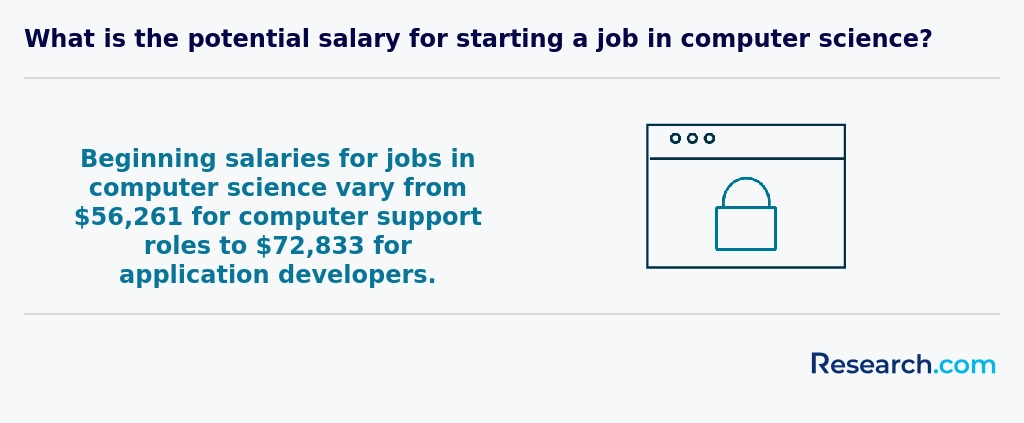
Graduates with an online information technology degree in Massachusetts typically enter the workforce with salaries ranging from $60,000 to $75,000 per year, depending on their chosen roles and employers. For instance, entry-level help desk technicians or network administrators often find these starting wages common, reflecting the strong local demand in Boston and Cambridge, hubs of technological innovation and entrepreneurship. Many graduates from universities such as Northeastern or UMass Dartmouth report satisfaction with their initial compensation as they begin their careers.
As professionals gain experience, salaries increase significantly. Mid-career specialists like systems analysts, cybersecurity experts, or software developers commonly earn between $90,000 and $120,000 annually. Graduates specializing in cybersecurity or cloud computing sectors can expect particularly robust wage growth due to the high demand in Massachusetts's financial and healthcare industries.
Senior IT managers and seasoned professionals, often with advanced skills and leadership roles, command salaries exceeding $130,000, augmented by bonuses and stock options available at major companies and startups across the state. Real-world experiences from alumni of local tech programs underscore the rewarding earning potential tied directly to Massachusetts's vibrant job market.
- Tuition for online IT bachelor's programs in Massachusetts ranges from $15,000 to $35,000 per year, with public in-state programs generally being more affordable than private ones.
- Entry-level IT jobs in Massachusetts offer an average starting salary of about $65,000 annually, which is higher than the national average.
- Experienced IT professionals in Massachusetts can earn salaries around $100,000 or more, reflecting strong demand for skilled workers.
- Massachusetts hosts major technology companies, providing diverse job opportunities in fields like network administration, software engineering, and information security.
- Many online IT programs are designed to prepare students for industry certifications, supporting career advancement.
- State financial aid and employer tuition reimbursement programs are available to help reduce education costs.
Completing an online information technology degree in Massachusetts typically varies between two to four years, depending on the level of study and enrollment status. For example, graduates from institutions such as the University of Massachusetts Amherst often report finishing their associate degrees in about two years when studying full-time, while bachelor's degree students usually take around four years.
Many students balance work and study by opting for part-time enrollment, which can extend completion to three years or more for associate degrees and up to six years for bachelor's programs. Graduates from Northeastern University's online IT programs appreciate this flexibility, as it allows them to maintain careers while progressing steadily toward their degrees.
Some motivated students choose accelerated pathways offered by schools like Wentworth Institute of Technology, completing associate degrees in as little as 18 months or bachelor's degrees in three years. These options demand a heavy course load but reward students eager to enter the workforce sooner with substantial skills and confidence.
Online and on-campus information technology degree programs in Massachusetts differ primarily in delivery and student experience. Online programs offer unmatched flexibility, allowing students to access lectures and coursework from anywhere. This suits those juggling work or family commitments, a benefit noted by many graduates from institutions like Northeastern University's online IT program. They appreciate the ability to study on their own schedule without sacrificing quality.
Conversely, on-campus degrees, such as those at the University of Massachusetts Amherst, emphasize in-person collaboration through face-to-face interactions, hands-on labs, and group projects. Graduates often highlight the value of immediate access to campus resources and networking opportunities, which enhance learning and career prospects.
Cost differences also influence choice; while Massachusetts public universities average around $15,000 annually for in-state students, online learners often save on housing and commuting expenses. Technical requirements vary, too: online students rely on stable internet and personal devices, whereas on-campus students benefit from university-provided equipment essential for software development and cybersecurity courses.
Ultimately, Massachusetts IT students must weigh these factors based on their personal learning preferences and life circumstances.
The average cost of an online information technology degree in Massachusetts reflects the state's reputation for quality higher education, though it can present a significant investment. Graduates from well-known public universities offering online IT programs generally report total degree expenses averaging around $17,700. This is considerably more affordable than private institutions, where tuition and fees can reach $30,000 to $45,000 annually, translating into a total cost approaching or exceeding $90,000 for the full program.
Students pursuing an online IT degree through Massachusetts public schools appreciate the balance between cost and quality, especially as many programs provide flexible scheduling, allowing learners to accelerate their studies and reduce overall expenses. For instance, some graduates from state universities have highlighted how per-credit pricing-typically between $500 and $800 per credit hour-enables cost-effective management of their tuition budgets while gaining valuable expertise in information technology.
Private colleges in Massachusetts, known for smaller class sizes and specialized IT courses, come with higher tuition but often deliver enhanced personal attention and resources. These features resonate well with students aiming to deepen their technical skills, even if it demands a greater financial commitment. Many prospective students also research mis degree jobs to understand the return on investment from various IT-related degrees offered across Massachusetts campuses.
When considering the average cost of online information technology degree Massachusetts options, it's essential to account for additional expenses such as technology fees, textbooks, and necessary software, which can add thousands to the total. Many students find reassurance in financial aid, scholarships, and employer tuition assistance, which can significantly lighten the financial burden of these reputable programs.
Online information technology students in Massachusetts have access to several financial aid options that alleviate the cost of their education. Federal aid through the Free Application for Federal Student Aid (FAFSA) opens doors to Pell Grants, offering up to $7,395 annually for eligible students, which many graduates found instrumental in reducing their tuition expenses at institutions like the University of Massachusetts Amherst.
State-specific grants, such as the Massachusetts State Student Incentive Grant (SISG), provide additional need-based funding, supplementing federal assistance. Numerous public universities across Massachusetts also award scholarships specifically for online IT students, often recognizing both academic merit and financial need. For instance, graduates from online IT programs at Northeastern University have reported significant relief thanks to such institutional scholarships.
Private scholarships from organizations like the Massachusetts Technology Leadership Council further support students pursuing technology careers. Additionally, federal student loans, including Direct Unsubsidized and PLUS Loans, remain accessible with flexible repayment options, helping many graduates manage their finances confidently while advancing their IT education.
Applicants to online information technology degree programs in Massachusetts must first possess a high school diploma or an equivalent credential such as a GED. Graduates from institutions like Northeastern University often recall the reassurance of meeting this foundational requirement, which establishes a baseline for academic readiness in technology disciplines. Many programs request standardized test scores such as the SAT or ACT, though an increasing number of Massachusetts colleges, including Boston University, have embraced test-optional policies, easing access for many hopeful candidates.
A solid background in math and science is essential, reflecting the technical rigor these programs demand. Transfer students who have attended colleges like UMass Amherst frequently share how submitting official transcripts and meeting GPA thresholds-typically between 2.0 and 3.0-helped them transition smoothly into advanced coursework.
Technical readiness is critical: students must have reliable internet and suitable computing equipment to handle specialized software integral to the curriculum. This practical requirement aligns with positive student experiences, who appreciate seamless engagement with course materials and live sessions offered by schools such as Wentworth Institute of Technology.
Online information technology degree programs in Massachusetts typically include a robust curriculum designed to prepare students for dynamic IT careers. Graduates from well-regarded institutions appreciate how foundational courses such as Introduction to Computer Science and Programming-often emphasizing Python or Java-build essential coding skills applicable in real-world tech environments.
Core subjects like Data Structures and Algorithms help students develop problem-solving techniques critical for software development roles, while Networking Fundamentals provide practical knowledge about configuring secure networks, a top priority in Massachusetts' vibrant tech industry.
Other key courses include Database Management, with hands-on SQL training relevant to various sectors, and Cybersecurity Principles, addressing the growing need to protect digital infrastructure. Students at recognized Massachusetts colleges find Systems Analysis and Design particularly valuable, as it ties directly to planning IT solutions for businesses, reflecting local employer demands.
Courses on Operating Systems and Cloud Computing prepare students to manage hardware resources and leverage remote services, skills highly sought after in this innovation hub. Many programs also offer electives in AI or machine learning, enabling students to engage with cutting-edge technologies shaping Massachusetts' future workforce.
Online information technology specializations Massachusetts programs commonly include Cybersecurity, Data Analytics and Data Science, Software Development, Network Administration, and Cloud Computing. Graduates from renowned institutions in Massachusetts often share how Cybersecurity courses empowered them to confidently tackle real-world threats and secure corporate networks, reflecting the state's surging demand for these skills. Others value Data Analytics and Data Science tracks, which equip students with tools like SQL and Python, highly relevant in Boston's healthcare and finance sectors, making complex data actionable and career opportunities abundant.
Software Development specializations enable students to master languages such as Java and C#, translating classroom knowledge into designing impactful applications for local tech companies. Network Administration offerings focus on enterprise network management and cloud infrastructure, resonating with many graduates who found themselves immediately valuable in IT operations roles. Cloud Computing specialization is increasingly popular, arming students with cloud architecture skills essential to Massachusetts' evolving tech ecosystem. For those aiming to accelerate their IT education, programs like the fastest masters in mis online offer practical pathways that complement these specialization options.
When choosing the best online information technology degree Massachusetts offers, accreditation is paramount. Graduates from renowned Massachusetts institutions often emphasize the confidence gained from programs accredited regionally and by specialized bodies such as ABET. This ensures the curriculum meets rigorous academic and industry standards, an essential factor that employers appreciate statewide. Programs at universities known for their tech focus provide courses aligned with real-world applications, including cybersecurity, cloud computing, and data analytics.
Affordability also plays a crucial role. Many students at popular Massachusetts colleges have found success balancing cost and quality by selecting affordable IT degree programs in Massachusetts online, which typically mirror state tuition averages and include transparent fee structures. These students appreciate programs offering flexible schedules and substantial career support services, enhancing employability in the local job market.
For those seeking specialized knowledge, consider exploring options such as an online degree management information systems, which complement foundational IT skills with business insight, often highlighted by Massachusetts graduates as a career booster.

Graduates with an online information technology degree in Massachusetts find themselves well-positioned for diverse career paths that match the state's dynamic tech environment. Popular pursuits include network administration and systems management, where professionals develop skills in maintaining secure enterprise networks essential for organizations across Boston's bustling business districts. Others thrive in cybersecurity, a particularly robust field fueled by regional financial institutions and healthcare providers demanding advanced protection against cyber threats. Software development roles remain prevalent, with many graduates contributing to innovative projects at renowned universities and tech startups. Data analysis and database management offer paths for those who enjoy transforming raw data into strategic business insights, a skill highly sought after in Massachusetts' technology firms. Many alumni appreciate the practical, career-focused training received through online programs at local colleges, often enhancing employability through certifications such as CompTIA Security+ or Cisco's CCNA. Prospective students eager to explore these opportunities can consider enrolling in a reputable online course in it that aligns with the state's growing demand for skilled IT professionals.
Information technology careers Massachusetts graduates pursue typically include entry-level support roles as well as advanced positions, offering a clear professional development trajectory. Those who studied at Massachusetts colleges report positive emotions tied to their career growth, often highlighting the state's supportive tech scene and collaborative learning environments. This feedback resonates especially well with candidates seeking flexible, affordable education pathways that still hold strong industry recognition. Overall, the breadth of IT degree job opportunities Massachusetts offers ensures a rewarding career outlook for motivated individuals ready to innovate and lead in a thriving sector.
The job market for graduates with online information technology degrees in Massachusetts is notably strong, driven by the state's vibrant technology sector centered around Boston and Cambridge. Graduates from popular institutions like Northeastern University and the University of Massachusetts benefit from numerous job opportunities for information technology graduates in Massachusetts, especially in roles such as software development, cybersecurity, and data science. Many report securing positions quickly, supported by competitive salaries that exceed national averages, with starting pay ranging from $60,000 to $85,000 annually.
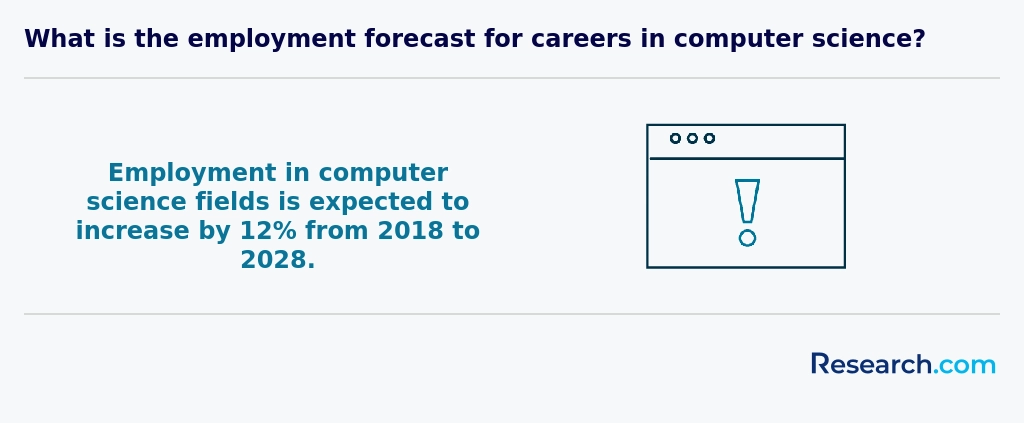
Massachusetts online IT degree job outlook remains positive, with a projected 12% growth in IT occupations through 2032. This growth is fueled by expanding fields like artificial intelligence and cloud computing, where practical skills gained through hands-on virtual labs in online programs are highly valued. These programs prepare graduates to meet local employers' demands effectively.
Many graduates also emphasize the importance of career advancement strategies, including pursuing certifications and understanding industry leadership paths such as how to be a cto, which further enhance their professional prospects in this competitive market.
2027 Most Valuable Online Information Technology Degree Programs Ranking in Massachusetts
Investing in your education is a significant decision that can shape your future, and the Research.com team fully recognizes the importance of making well-informed choices. To assist prospective students interested in information technology degrees in Massachusetts, we have carefully developed the "2027 Most Valuable Online Information Technology Degree Programs Ranking in Massachusetts." Our dedication to quality, credibility, and accuracy is demonstrated through thorough research and analysis.
We utilized the following reputable data sources to ensure a comprehensive evaluation of these programs:
By exploring this ranking, readers will gain valuable insights into the most valuable online information technology degree programs in Massachusetts, enabling them to make informed and confident decisions about their educational futures. For further information about our methodology, please visit our Research.com methodology page.


# 4 position
UMassOnline
Bachelor of Information Technology
Frequently Asked Questions About information technology
Online information technology degree students in Massachusetts can maximize their learning by actively engaging with course materials and participating in virtual discussions. Massachusetts hosts a robust tech industry, with over 260,000 IT jobs as of 2023 according to Lightcast data, making hands-on experience vital. Students should leverage internships and remote project opportunities offered through local companies and universities to apply their skills in real-world settings.
Utilizing resources like Massachusetts' public library systems and online tech workshops can further enhance understanding. Additionally, networking through virtual tech meetups and joining professional organizations such as the Massachusetts Technology Leadership Council strengthens connections within the industry, facilitating career growth and continued education.
Emerging niches within the information technology field reflect the rapid evolution of digital technology and growing market demands. In Massachusetts, areas such as cybersecurity, artificial intelligence (AI), and cloud computing are experiencing significant growth. The Massachusetts Technology Collaborative reported a 20% increase in cybersecurity jobs over the past three years, driven by the need to protect critical infrastructure and sensitive data.
AI and machine learning applications are rapidly expanding in healthcare and finance, sectors prominent in Massachusetts. Professionals skilled in data analytics and automation are highly sought after.
Additionally, cloud computing expertise is vital as companies migrate operations online, supported by strong tech hubs in Boston and Cambridge.
After completing an online information technology degree in Massachusetts, preparing for the job market involves multiple key steps. First, building practical experience through internships or entry-level IT roles is essential. Massachusetts hosts a growing tech sector, especially around Boston and Cambridge, offering many opportunities in software development, cybersecurity, and data analysis. According to the Massachusetts Executive Office of Labor and Workforce Development, IT jobs are expected to grow by 11% by 2030, signaling strong demand.
Networking is crucial; joining local professional groups like the Massachusetts Technology Leadership Council can open doors. Additionally, earning industry certifications such as CompTIA or Cisco can boost employability. Finally, tailoring your resume to highlight problem-solving and technical skills preferred by Massachusetts employers increases your chances of success.
Employers in Massachusetts highly value information technology graduates who possess strong technical skills such as programming languages, cybersecurity expertise, and cloud computing knowledge. According to the U.S. Bureau of Labor Statistics, demand for IT professionals in Massachusetts is projected to grow 15% by 2030, which highlights the importance of up-to-date technical abilities.
In addition to technical skills, employers seek problem-solving capabilities and effective communication. The Massachusetts Technology Collaborative emphasizes teamwork and adaptability as key traits for IT graduates entering the competitive tech industry.
Data analytics and project management skills also stand out, reflecting current industry trends across Boston and surrounding tech hubs.
Finding internships in Massachusetts relevant to an information technology (IT) degree starts with exploring local tech hubs such as Boston and Cambridge. These areas host numerous companies in software development, cybersecurity, and data analytics.
Students should leverage their university's career services since many colleges have partnerships with regional employers offering internships. For example, institutions like Northeastern University and UMass offer strong employer connections and co-op programs.
Online platforms like Handshake and LinkedIn specialize in internship listings and often highlight opportunities in Massachusetts. Additionally, the Massachusetts Technology Collaborative provides resources supporting tech workforce development, including internships.
According to the Bureau of Labor Statistics, Massachusetts is a top state for employment in computer and IT occupations, increasing internship availability.
An online information technology degree in Massachusetts significantly enhances career mobility by providing flexible access to quality education aligned with regional industry needs. With Boston and Cambridge hosting numerous tech companies, graduates benefit from strong local demand for IT skills. According to the Massachusetts Technology Leadership Council, the state's tech sector employs over 300,000 people, with expected growth of 11% by 2030.
Online degrees equip students with up-to-date expertise in cybersecurity, data analytics, and software development, which are critical for advancement. Many employers in Massachusetts prioritize accredited online programs, recognizing them as valid credentials for promotions and leadership roles.
Additionally, flexible online learning allows professionals to upskill without leaving their jobs, supporting continuous career development while balancing responsibilities.
Studying for an online information technology degree in Massachusetts offers strong preparation for interdisciplinary roles by combining technical skills with knowledge from fields like business, healthcare, and data science. Many Massachusetts institutions align their curricula with industry needs, integrating courses in programming, cybersecurity, and project management alongside communication and critical thinking.
Because Massachusetts hosts a booming tech sector, the state emphasizes practical experience and collaboration across domains. According to the Massachusetts Executive Office of Labor and Workforce Development, IT employment is expected to grow 10% through 2030, often requiring coordination with diverse teams.
This educational approach helps graduates adapt to varied roles bridging technology and other disciplines, enhancing their versatility in the workforce.
When choosing between a thesis and a non-thesis online information technology degree program in Massachusetts, consider your career goals and learning preferences. Thesis programs typically involve independent research and a significant writing project, which is ideal for students interested in advanced research roles or pursuing a PhD.
Non-thesis programs focus more on practical skills and coursework, catering to professionals aiming for immediate industry work or certification. According to the Massachusetts Department of Higher Education, IT employment is expected to grow by 12% through 2028, emphasizing hands-on skills.
Assess program requirements, faculty expertise, and available resources to make an informed decision.
Students in Massachusetts interested in studying information technology abroad have several pathways to consider. While enrolling directly in foreign universities is an option, many Massachusetts institutions offer study abroad programs focused on IT disciplines. For example, partnerships between local universities and international schools enable students to spend a semester or year gaining global experience.
Additionally, some online IT degrees in Massachusetts feature international internship opportunities or virtual collaboration with global peers. According to the Massachusetts Workforce Skills Cabinet, the state's strong IT sector encourages programs integrating global competencies to prepare students for competitive careers.
These options provide Massachusetts students flexible ways to gain international exposure without compromising their degree progress at home.
Massachusetts offers diverse part-time job opportunities that align well with online information technology (IT) degree programs. Students can gain valuable experience through roles such as IT support specialists, network technicians, or junior web developers. These positions often provide hands-on experience with systems troubleshooting, coding, and network management.
Tech hubs like Boston and Cambridge host numerous startups and established firms seeking part-time IT workers. According to the Massachusetts Technology Collaborative, the state's tech sector employed over 250,000 workers in 2023, showing steady growth and opportunities for students.
Additionally, positions in data entry, software testing, and cybersecurity assistance can complement coursework by reinforcing practical IT skills. Local colleges and career centers frequently list internships and part-time roles tailored for IT students.
Online information technology students in Massachusetts have various networking opportunities despite not attending campus physically. Many universities offering online IT degrees host virtual career fairs, webinars, and alumni meetups. These events allow students to connect with industry professionals and peers across the state.
Massachusetts is home to a thriving tech sector, including over 7,600 information technology firms, according to the Massachusetts Technology Collaborative (MassTech). This vibrant ecosystem expands opportunities for internships and mentorships, often promoted through school partnerships.
Professional organizations like Massachusetts Technology Leadership Council (MassTLC) offer networking events accessible to online students, helping them access local IT communities and employers.
Alumni networks provide valuable support for online information technology degree students in Massachusetts. These networks connect current students with graduates who work in the state's robust IT sector, including hubs like Boston and Cambridge. Engaging with alumni can lead to mentorship opportunities, helping students navigate career paths and develop professional skills.
Massachusetts hosts a significant concentration of technology firms, with over 90,000 IT jobs as reported by the Massachusetts Technology Collaborative. Alumni networks often share job leads exclusive to their communities, enhancing students' chances of securing positions after graduation.
Moreover, alumni events and online platforms facilitate networking that can lead to internships and collaborations, providing practical experience crucial for graduates entering competitive local markets.
Customizing an online information technology degree program in Massachusetts allows students to align their education with specific career goals. Many Massachusetts institutions offer flexible curricula with elective courses in areas like cybersecurity, data analytics, and software development. By choosing specialized tracks or certificates within the degree, students can develop skills tailored to industry demands.
Massachusetts is home to a thriving tech sector, with Boston ranked among the top U.S. cities for tech job growth, according to the Bureau of Labor Statistics (2023). This makes focusing on in-demand skills beneficial for employment prospects.
Additionally, some programs provide opportunities for internships and projects with local companies, enhancing practical experience. Consulting academic advisors helps in selecting the right courses and experiences to fit individual career paths.
Online information technology students in Massachusetts often face challenges related to balancing rigorous coursework with work or family commitments. According to the National Center for Education Statistics, time management is a primary barrier for many adult learners in online degrees nationwide, including IT majors.
Additionally, access to reliable high-speed internet can be an issue, especially for students in rural parts of Massachusetts. The state boasts some of the fastest internet speeds overall, but gaps persist in less urbanized areas.
Another common difficulty involves keeping up with rapidly changing IT technologies. Students must proactively engage with evolving software and hardware trends to remain competitive. Support services, such as tutoring and technical help, may also be less accessible online compared to on-campus programs.
Graduates of online information technology degrees in Massachusetts can pursue a variety of professional certifications to enhance their career prospects. Popular certifications include CompTIA's Security+, Network+, and A+ credentials, which validate foundational IT skills. For advanced security roles, the Certified Information Systems Security Professional (CISSP) is highly regarded. Cloud computing certifications like AWS Certified Solutions Architect are also in demand due to Massachusetts's growing tech sector, with over 90,000 tech jobs reported by MassTech.
The Certified Information Systems Auditor (CISA) is valued for those interested in IT auditing and compliance. Additionally, Microsoft Certified: Azure Fundamentals is relevant given Massachusetts businesses increasingly adopt cloud services. These certifications complement an online IT degree by demonstrating employer-verified expertise in specialized areas.
To write a winning application for an online information technology program in Massachusetts, start by carefully reviewing each school's specific admission requirements. Many Massachusetts institutions value applicants who highlight practical experience, such as internships or relevant certifications like CompTIA or Cisco.
Emphasize your problem-solving skills and commitment to continuous learning in your personal statement. Data from the Massachusetts Department of Higher Education shows IT positions are growing by 15% annually, making motivation key to acceptance. Additionally, maintain a strong GPA, especially in math and science courses, as competitive programs may require a minimum 3.0 GPA.
Request letters of recommendation that specifically address your technical aptitude and teamwork skills. Finally, submit standardized test scores where required, though many programs are test-optional, reflecting recent trends across U.S. higher education.
The field of information technology (IT) is recognized globally as a dynamic and essential career path. In the United States, including Massachusetts, IT professionals are in high demand due to rapid digital transformation across industries. According to the Massachusetts Executive Office of Labor and Workforce Development, employment in computer and information technology occupations grew by 9% from 2018 to 2028, faster than average for all fields.
Internationally, IT careers are valued for enabling innovation and economic growth. A degree earned online from Massachusetts institutions can offer students a competitive edge by combining localized industry knowledge with global technological trends. Many companies seek professionals who understand cybersecurity, data analysis, and cloud computing-skills that Massachusetts' IT programs emphasize strongly.
Massachusetts, as a technology hub, benefits from partnerships between universities and major tech firms, further enhancing graduates' career prospects worldwide. This integration reflects the global perspective that IT careers foster mobility and cross-border collaboration in a connected economy.
Gaining practical experience while studying for an online information technology degree in Massachusetts is vital for career readiness. Many accredited Massachusetts institutions offer virtual labs and simulation tools that replicate real-world IT environments. This hands-on approach helps students develop essential skills without being on campus.
Internships are another key avenue. According to MassHire, the state's workforce agency, Massachusetts' IT sector grew by 5.3% in 2023, boosting internship opportunities particularly in Boston and Cambridge tech hubs. Students should seek remote or hybrid internships through university partnerships or local tech companies.
Volunteering for IT projects or contributing to open-source software can also build experience and portfolios. Professional organizations like the Massachusetts Technology Leadership Council provide networking chances and events ideal for students.
Choosing the right concentration within an online information technology degree program in Massachusetts requires understanding your career goals and the state's job market. Massachusetts is a leading tech hub, with strong demand for skills in cybersecurity, data analytics, and software development, according to the Massachusetts Technology Collaborative. Assess concentrations that align with these growth areas to enhance your employability.
Consider your interests and existing skills. If problem-solving with code excites you, software engineering might be best. For those focused on protecting data, cybersecurity concentrations are ideal, especially as Massachusetts reported a 15% increase in related IT jobs from 2019 to 2023 (Bureau of Labor Statistics).
Investigate each program's curriculum and faculty expertise to ensure quality education. Also, check if programs offer certifications recognized by Massachusetts employers. Access to internships or industry partnerships in the state can be crucial for practical experience.
- 2027 Most Valuable Online Information Technology Degree Programs Ranking in Connecticut
- 2027 Most Valuable Online Information Technology Degree Programs Ranking in New York
- 2027 Most Valuable Online Information Technology Degree Programs Ranking in New Jersey
- 2027 Most Valuable Online Information Technology Degree Programs Ranking in Pennsylvania
- 2027 Most Valuable Online Information Technology Degree Programs Ranking in Maryland
- 2027 Most Valuable Online Information Technology Degree Programs Ranking in Virginia
- 2027 Most Valuable Online Information Technology Degree Programs Ranking in Ohio
- 2027 Most Valuable Online Information Technology Degree Programs Ranking in West Virginia
- 2027 Most Valuable Online Information Technology Degree Programs Ranking in Kentucky
- 2027 Most Valuable Online Information Technology Degree Programs Ranking in South Carolina
- IT Certification Training & Career Programs | Global IT https://www.global-itech.com/
- BS in Information Technology (Info Tech General) *self-paced https://www.umassglobal.edu/academic-programs/bs-in-information-technology-self-paced
- Top 10 Emerging Business Niches of 2026 & How to Plan for Them https://prometai.app/blog/emerging-niches-business-planning
- Explore a Degree in Computer Science in Massachusetts | ComputerScience.org https://www.computerscience.org/online-degrees/massachusetts/
- Information Technology Internships Job Search | Higherin https://higherin.com/search-jobs/internships/information-technology
- Online Colleges in Massachusetts https://www.onlineschools.org/guides/massachusetts/
- Information Technology Master's Program (without Thesis) | Eastern Mediterranean University Cyprus https://www.emu.edu.tr/en/programs/information-technology-masters-program-without-thesis/1070
- Computer Science Internships | Programs For Students & Grads https://www.internhq.com/fields/computer-science-and-it/
- 7 Proven Ways Classroom Technology Improves Student Learning Outcomes | Explorance https://www.explorance.com/blog/7-ways-technology-in-the-classroom-enhances-student-success/
- Top 10 Technology Challenges for Schools and How to Solve Them | Modern Office Methods https://www.momnet.com/top-10-technology-challenges-for-schools-and-how-to-solve-them/