2027 Most Valuable Online Information Technology Degree Programs Ranking in Connecticut

Co-Founder and Chief Data Scientist
Choosing the right online information technology degree program can shape your future, especially if you're in Connecticut. This article introduces the 2027 Most Valuable Online Information Technology Degree Programs Ranking in Connecticut, created by the Research.com team of data scientists to guide you in making a smart, informed decision.
By exploring this ranking, you'll discover valuable insights about programs that offer quality education and strong career potential. Taking the first step toward earning an IT degree can open many doors and bring exciting opportunities your way.
Key benefits of getting online information technology degree in Connecticut
- Information technology graduates in Connecticut can expect competitive salaries nationally, with US average earnings often ranging from $60,000 to over $100,000 annually depending on the specific IT role, reflecting strong demand in the field.
- Graduates from universities like the University of Connecticut often pursue diverse careers such as cybersecurity, network administration, or software development, highlighting the versatility of an IT degree in shaping a promising career path.
- Online IT degrees offer flexibility and convenience, allowing students to balance work and studies effectively, as many online graduates from popular Connecticut programs report increased job opportunities while earning their degrees.
- 2027 Most Valuable Online Information Technology Degree Programs Ranking in Connecticut
- What can I expect from online information technology degree in Connecticut?
- Where can I work with online information technology degree in Connecticut?
What can I expect from online information technology degree in Connecticut?
The average cost of an online information technology degree in Connecticut varies significantly depending on the institution and level of study. Graduates from well-known Connecticut universities report paying anywhere between $15,000 and $40,000 for a bachelor's program completed online. This range reflects differences in tuition rates, fees, and whether the institution is public or private. Some students find value in public universities due to lower tuition, while others appreciate private college programs for their specialized curricula and career support.
One graduate described balancing the cost with quality by choosing a program offering strong virtual labs and certification alignment, essential for cybersecurity roles. Others pointed out that scholarships and employer tuition reimbursement options helped make their degree more affordable. These financial dynamics are crucial when considering a program, as cost alone doesn't always correlate with post-graduation outcomes.
Students often weigh the investment against flexible scheduling and support services available in Connecticut's online IT programs, which can offer emotional reassurance that they're gaining solid skills without sacrificing family or work commitments. Each student's experience underscores the importance of researching both cost and return on investment when selecting a program.
Where can I work with online information technology degree in Connecticut?
Graduates with an online information technology degree from Connecticut institutions like the University of Connecticut or Central Connecticut State University often find diverse career paths across the state's key industries. Many alumni share a sense of excitement entering sectors such as insurance and finance, where companies headquartered in Hartford and Stamford depend heavily on IT professionals for roles in cybersecurity, software engineering, and data management.
However, it is important to acknowledge that competition is strong in these urban centers, requiring graduates to continuously update their skills. Some find rewarding opportunities in manufacturing, especially as factories adopt automation and IoT technologies, creating demand for IT specialists who enjoy hands-on technical problem-solving.
Healthcare systems across Connecticut also employ IT graduates to support electronic health records and telemedicine platforms, blending technology with improving patient care. Those who studied online often express satisfaction in contributing to public service roles at government or educational institutions, where safeguarding data and networks remains crucial.
While prospects are promising, the variety of available jobs reflects a need for adaptability, with each sector valuing different IT skill sets, allowing graduates to tailor their careers according to personal strengths and interests.
Graduates with an online information technology degree in Connecticut can generally expect competitive salaries due to the state's robust tech industry. While specific salary data from the Bureau of Labor Statistics for many IT roles is unavailable, local reports and graduate experiences from institutions like the University of Connecticut and Central Connecticut State University highlight entry-level earnings often ranging from $50,000 to $65,000. Many graduates start as support specialists or junior network administrators, building essential skills on the job.
With experience and certifications-such as CompTIA Security+ or Cisco's CCNA-IT professionals often see salaries rise substantially. Mid-career specialists in cybersecurity or cloud computing report earnings between $80,000 and $110,000, reflecting the demand in Connecticut's finance and manufacturing sectors. Graduates working in Hartford or Stamford note higher wages aligned with the urban cost of living, while rural positions tend to pay less. Such variation underscores the importance of location and specialization when gauging earning potential with an online IT degree in Connecticut.
- Tuition for online IT bachelor's degrees in Connecticut ranges from $12,000 to $25,000 per year, with public universities offering lower rates for in-state students.
- Entry-level IT professionals in Connecticut earn about $65,000 annually, with experienced workers making between $90,000 and $110,000 depending on their role.
- The job market for IT in Connecticut is growing, with a projected 12% increase in IT-related employment over the next decade.
- Online IT programs in Connecticut have regional accreditation and state approval, often including internships with local businesses.
- Connecticut's cost of living is moderate compared to other Northeastern states, making online IT degrees more affordable.
- The state's proximity to major tech hubs like New York City and Boston offers expanded job opportunities for IT graduates.
The time required to complete an online information technology degree in Connecticut varies notably depending on the degree level and individual circumstances. For example, graduates from popular institutions like the University of Connecticut or Central Connecticut State University often report that associate degrees typically take around two years of full-time study, offering a quick but solid foundation in IT.
Bachelor's degrees usually demand about four years, aligning with traditional semester schedules. However, some students appreciate accelerated paths available at schools such as Southern Connecticut State University, completing their degrees in approximately three years. These programs appeal especially to those balancing work and study, as part-time options naturally extend the timeline but provide essential flexibility.
Master's degree students often complete their programs within 18 to 24 months, although some have positively highlighted one-year accelerated tracks, citing a strong sense of achievement and practical readiness. These varied durations reflect the balance between personal goals, prior credits, and program structures at online-friendly Connecticut universities.
Online and on-campus information technology degrees in Connecticut differ mainly in flexibility and learning environment. Online students often appreciate the ability to study on their own schedules, which works well for those balancing jobs or family life. For example, graduates from the University of Connecticut's online IT program highlight how this helped them stay engaged while managing other responsibilities.
Conversely, on-campus students at institutions like Central Connecticut State University benefit from hands-on labs and face-to-face interaction. This direct access to campus resources, especially in areas like cybersecurity, can foster stronger practical skills and networking opportunities.
Cost is another factor; some online programs have tuition comparable to on-campus courses, typically ranging from $12,000 to $16,000 annually at state schools, but they may save money on fees related to campus facilities.
Ultimately, success in either format depends on the student's learning style-self-motivation is crucial online, while on-campus environments provide more immediate support and social engagement.
The average cost of an online information technology degree in Connecticut typically centers around a median total of $21,450, reflecting a balance between various types of institutions. Residents considering online IT degrees often find that public universities in Connecticut charge between $12,000 and $18,000 annually, which includes tuition and fees suited for in-state students. Graduates from such programs frequently mention the affordability compared to private university rates, which can exceed $30,000 a year but offer more extensive resources and networking opportunities.
Many students pursuing the average cost of online information technology degree Connecticut appreciate community colleges and regional public universities for their more accessible pricing. Community colleges often offer associate degrees for as low as $5,000 to $8,000 yearly for in-state students, serving as an ideal stepping stone for those seeking to manage expenses while gaining valuable skills. Meanwhile, regional universities provide bachelor's completion programs priced between $12,000 and $20,000 annually, accommodating learners who want to continue their education without relocating.
In conversations with graduates, the actual cost can fluctuate based on additional expenses like technology fees and materials, though some schools bundle these, easing financial burdens. Despite the higher average costs in Connecticut compared to national averages, these students often cite strong financial aid programs and employer tuition assistance, which effectively reduce their net costs.
For those exploring career paths post-degree, understanding Connecticut online IT degree tuition and fees is crucial when weighing return on investment. Resources that explain career trajectories such as how to be an information systems manager help underline the potential benefits of this investment, adding motivation and hope for future success.

Students pursuing online information technology degrees in Connecticut often find federal financial aid indispensable. Completing the FAFSA opens doors to Pell Grants, which can provide up to $7,000 yearly without repayment, easing the burden significantly. Many graduates from the University of Connecticut recall how these grants made their online studies manageable alongside part-time jobs.
State aid also plays a vital role. The Roberta B. Willis Scholarship and Charles H. Kaman Memorial Scholarship are notable examples targeting STEM students, including IT majors. Recipients from Central Connecticut State University report these awards effectively lowered their tuition expenses, making education feel more attainable.
Institutional aid enhances affordability as well. Universities such as Western Connecticut State offer need-based grants and merit scholarships specific to online learners, often designed to support veterans or working adults. One graduate appreciated how these funds eased the financial pressure during career transitions.
Employer tuition reimbursement further supplements aid. Graduates balancing full-time IT jobs often leverage employer programs, which help fund continuing education crucial for upskilling in rapidly evolving tech fields.
Enrolling in an online information technology degree in Connecticut generally requires a high school diploma or equivalent, such as a GED, which graduates from universities like the University of Connecticut often mention as the foundational step. Many programs also expect a minimum GPA near 2.5 to demonstrate academic readiness, something that several recent graduates found reassuring during their application process.
Competency in math and English plays a crucial role. For instance, students at Central Connecticut State University commonly needed algebra and geometry basics to keep up with programming and networking coursework. Some were glad their schools waived standardized test requirements like the SAT, reflecting the evolving admissions landscape statewide, though this varies by institution.
Technical readiness is essential too. Graduates describe how having reliable computers and internet connections made a positive difference, especially when online platforms demanded smooth software operation. For advanced IT degrees, applicants often bring prior tech experience or a related bachelor's degree to meet rigorous expectations, preparing them effectively for specialized study.
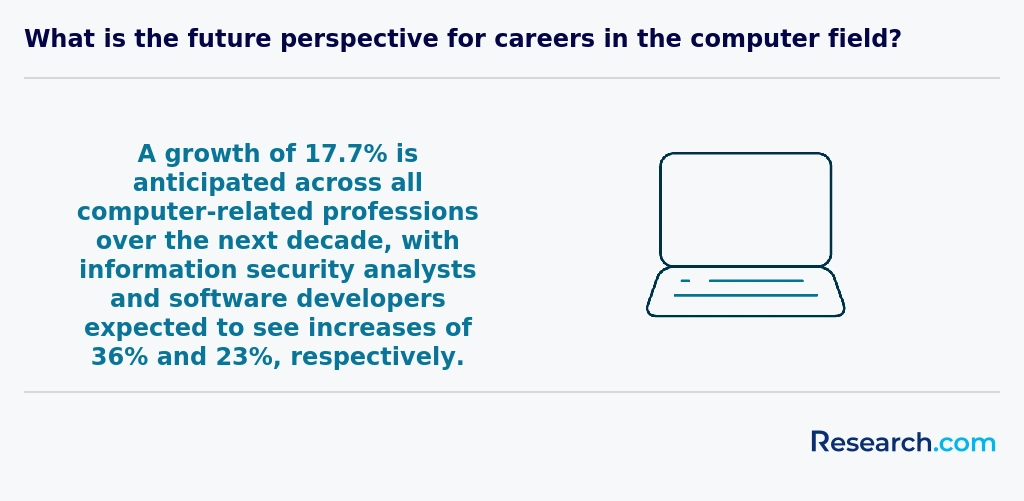
Online information technology degree programs in Connecticut commonly include foundational courses such as computer programming, data structures, and systems analysis, which are crucial for understanding software behavior and IT system design. Graduates from popular state institutions often recall how these foundational classes helped them confidently troubleshoot real workplace problems, like debugging code or optimizing workflows.
Beyond basics, students frequently engage in network administration and security courses. This focus reflects Connecticut's growing emphasis on cybersecurity, where understanding how to protect digital infrastructures is increasingly indispensable. One graduate shared how learning network protocols at a Stamford-based college directly prepared them for their role securing local business systems.
Other central courses often include database management, web development, operating systems, cloud computing fundamentals, and project management. These topics align with practical, day-to-day IT operations that students will face after graduation. Electives such as artificial intelligence or IT ethics provide opportunities to tailor studies to emerging tech trends, which Connecticut's tech firms value.
Online information technology degree specializations Connecticut programs typically cover a range of focused areas tailored to the state's evolving tech landscape. Common tracks include cybersecurity, where students learn to safeguard systems amid rising digital threats, reflecting Connecticut's projected 10% job growth in technology fields. Network administration and data science appeal to graduates drawn to managing and interpreting complex systems, supporting sectors like healthcare and finance prevalent in the region. Software development and information systems management are also popular, with graduates from respected colleges sharing positive experiences about gaining practical skills that translate directly into job readiness.
A notable benefit some graduates emphasize is the flexibility to explore electives or certificates in AI and cloud computing, allowing them to customize their education to future industry demands. While many appreciate this adaptability, it's worth considering how well a program balances specialization depth with broad IT knowledge to prepare for varied career paths. Students seeking insights on career outcomes might find value in researching jobs with a master's degree in information systems to align their studies with realistic opportunities.
Exploring the best IT specialization options in Connecticut online programs requires weighing each field's relevance to local employment trends and personal interests, as graduates highlight the importance of practical experience paired with theoretical grounding in finding meaningful, engaging roles.
Selecting the best online information technology degree in Connecticut requires a careful balance of factors rather than relying on assumptions. Accreditation from recognized bodies like ABET or NECHE is crucial, as graduates from well-accredited local universities often report greater employer respect for their credentials. However, accreditation alone doesn't guarantee relevance; curricula should cover emerging fields such as cybersecurity and cloud computing, which reflect Connecticut's growing tech market. For example, some graduates from popular Connecticut institutions highlight how hands-on projects in data analytics boosted both their confidence and job-readiness.
Cost considerations are equally important. While public universities may charge between $10,000 and $15,000 annually for online programs, private schools sometimes offer attractive financial aid, making an affordable IT degree online Connecticut options more accessible. Students balancing work and family value programs offering strong online support, advising, and career services. Investigating graduate outcomes through local internships and alumni networks can reveal practical advantages, aligning with Connecticut's expanding information technology sector. For deeper career insights, prospective students could explore resources on an information system career.

Graduates of online information technology degree programs in Connecticut find a variety of career paths available, reflecting the state's dynamic tech economy. Common roles include network and computer systems administrators, cybersecurity analysts, software developers, and IT project managers. For example, graduates from popular universities in Hartford or Stamford often share how their hands-on experience prepared them for tackling real-time cybersecurity challenges in nearby financial institutions. These roles are appealing in part because Connecticut's demand for IT professionals in sectors like healthcare and manufacturing remains steady, allowing graduates to feel confident in their job prospects. However, some graduates note navigating the job market requires balancing technical skills with strong communication abilities, especially when working in collaborative, multi-disciplinary environments.
Exploring online information technology careers in Connecticut also reveals opportunities in specialized areas such as database administration and IT support. Graduates frequently mention the satisfaction of solving complex problems and supporting end-users, which makes their roles both impactful and rewarding. For those considering further specialization, it can be helpful to compare options like an information systems management mba degree programs, which open different leadership avenues and strategic IT roles. Overall, while the breadth of IT degree job opportunities Connecticut offers is promising, individual pathways often depend on aligning skills with evolving industry needs.
The job market for online information technology jobs Connecticut offers is robust, reflecting the state's diverse economy and focus on technology innovation. Graduates from popular universities and colleges in Connecticut often find opportunities in finance, insurance, and manufacturing sectors, which increasingly rely on IT solutions. Many graduates report landing roles as software developers or cybersecurity analysts shortly after completing their degrees, attributing their success to the alignment between online curricula and employer expectations.
Connecticut's job outlook for IT degree holders is strengthened by business digitization trends and proximity to major hubs like New York City, enhancing networking and job placements. However, competition remains steady, so graduates benefit from practical experience and specialized skills often gained through programs tailored to regional demands. For those exploring specialization, programs recognized as the best online bachelor's degree in database management stand out as promising pathways within Connecticut's growing IT scene.
Overall, the balance of favorable salaries-with entry-level positions typically starting between $60,000 and $70,000-and expanding roles makes pursuing an online IT degree in Connecticut an encouraging prospect for prospective students.
2027 Most Valuable Online Information Technology Degree Programs Ranking in Connecticut
Investing in your education is a significant decision that can shape your professional future, and the Research.com team is fully aware of the importance of making well-informed choices. To support prospective students in Connecticut, we have carefully developed the "2027 Most Valuable Online Information Technology Degree Programs Ranking in Connecticut." Our commitment to quality, credibility, and accuracy is demonstrated through thorough research and detailed analysis conducted throughout the ranking process.
We utilized the following reputable data sources to ensure a comprehensive evaluation of online IT degree programs:
By consulting this ranking, readers will gain clear and actionable insights into the most valuable online IT degree programs in Connecticut, enabling them to make informed decisions about their educational investments and career advancement. For more information on how this ranking was created, please visit our Research.com methodology page.


# 3 position
Post University
Bachelor of Computer Information Systems

Frequently Asked Questions About information technology
Online information technology degree students in Connecticut can maximize their learning by actively engaging with course materials and participating in virtual discussions. Building relationships with professors and peers enhances understanding and networking opportunities. Taking advantage of local internships is also key; Connecticut hosts many IT companies, especially in Hartford and Stamford, where students can gain practical experience.
Utilizing campus resources remotely, such as library databases and tutoring services, supports deeper learning. According to the Connecticut Office of Workforce Strategy, IT jobs are projected to grow by 12% through 2030, indicating strong demand for skilled graduates. Staying current with industry trends through webinars and certifications can further boost career prospects.
Emerging niches within the information technology field reflect rapid technological advancements and growing industry needs. In Connecticut, areas such as cybersecurity, artificial intelligence (AI), and data analytics are gaining significant traction. According to the Connecticut Department of Labor, demand for cybersecurity specialists is projected to grow by 15% over the next decade.
AI development, including machine learning and automation, is transforming businesses statewide. Companies increasingly seek IT professionals skilled in these technologies to improve efficiency and decision-making.
Data analytics is another key niche, enabling organizations to extract actionable insights from large datasets. Online IT degrees in Connecticut often incorporate these cutting-edge topics to prepare students for evolving job markets.
After completing an online information technology degree in Connecticut, graduates should focus on building practical skills and professional networks to enter the job market effectively. The state's tech sector is growing, with IT job openings expected to increase by 8% through 2030, according to the Connecticut Department of Labor.
Engaging in internships or cooperative education programs, even remotely, helps develop real-world experience. Joining local professional groups like the Connecticut Technology Council can provide networking opportunities and job leads.
Additionally, obtaining industry certifications such as CompTIA or Cisco can improve employability in competitive IT roles.
Employers in Connecticut prioritize a mix of technical and soft skills when hiring information technology degree graduates. Key technical skills include proficiency in cybersecurity, cloud computing, and software development. According to the Connecticut Department of Labor, local demand for cybersecurity specialists grew 18% from 2020 to 2023, highlighting the importance of this expertise.
Beyond technical abilities, employers value critical thinking, communication, and teamwork. These soft skills help graduates adapt and solve complex problems efficiently in dynamic IT environments. Effective collaboration is especially vital in Connecticut's growing technology sector, which includes finance, healthcare, and manufacturing industries.
Understanding data management and programming languages like Python, Java, and SQL also enhances job prospects. Continuous learning and certifications remain crucial as technologies evolve rapidly in the state and nationwide.
Finding IT internships in Connecticut offers valuable hands-on experience for online information technology students. Start by exploring career services at Connecticut-based universities like the University of Connecticut or Central Connecticut State University, as they often partner with local tech firms for internship programs.
Connecticut's growing technology sector includes companies in cybersecurity, software development, and fintech, particularly around Hartford and New Haven. Websites such as Handshake and LinkedIn can help identify internships specifically in IT fields.
The Connecticut Department of Economic and Community Development reports steady growth in tech jobs, increasing internship opportunities. Additionally, reaching out to professional organizations like the Connecticut Technology Council can provide networking events and internship leads.
Obtaining an online information technology (IT) degree in Connecticut can significantly enhance career mobility and advancement within the state's growing tech sector. Connecticut's IT job market is projected to grow by 8% from 2022 to 2032, according to the U.S. Bureau of Labor Statistics. This growth increases demand for professionals with formal IT education and skills.
Employers in Connecticut often prioritize candidates with accredited IT degrees for roles in cybersecurity, software development, and network administration. An online degree offers flexibility, allowing working professionals to upskill without career interruption.
Furthermore, many Connecticut companies recognize degrees from regionally accredited institutions, supporting promotion opportunities and salary increases for graduates.
Studying for an online information technology degree in Connecticut equips students with skills spanning multiple disciplines. Programs often include coursework in cybersecurity, data analytics, and project management, fostering a broad knowledge base. This interdisciplinary approach prepares graduates to navigate complex problems involving technology and business processes.
Connecticut's strong tech industry, including firms in finance and healthcare, encourages degree programs to focus on applicable skills that integrate IT with other fields. According to the Connecticut Department of Labor, IT roles are growing at 15% annually, highlighting the demand for versatile professionals.
Online degrees emphasize collaboration, critical thinking, and communication, crucial for roles that cross traditional departmental boundaries. This blend of technical and soft skills helps graduates adapt to evolving workplace needs across sectors.
Choosing between a thesis and a non-thesis information technology degree program in Connecticut depends largely on your career goals and learning preferences. Thesis programs typically require original research and a formal paper, appealing to those interested in academic or research careers.
Non-thesis programs often focus on practical skills and coursework, suitable for professionals aiming for immediate industry application. According to the Connecticut Department of Labor, the state's IT sector grew by 7% from 2020 to 2023, highlighting demand for hands-on skills.
Consider also the time commitment: thesis programs may take longer due to research, while non-thesis pathways can be completed more quickly.
Students based in Connecticut who wish to study information technology abroad have several pathways through US universities offering international online programs. Many Connecticut institutions partner with foreign universities to provide dual-degree or exchange options in IT, allowing students to gain global exposure without relocating.
The University of Connecticut, for example, supports virtual study abroad initiatives that include IT-focused courses delivered collaboratively with international partners. Such programs often blend asynchronous online learning with optional short-term travel to partner campuses.
Additionally, several accredited US universities outside Connecticut offer fully online IT degrees with global perspectives accessible to Connecticut residents. These programs emphasize international cybersecurity, software development, and data science, reflecting the global nature of the IT industry.
According to the National Center for Education Statistics, approximately 15% of IT bachelor's students in Connecticut engage in some form of international study, indicating growing interest in cross-border education within the state.
Part-time job opportunities in Connecticut that complement online information technology degrees are diverse and growing. Many students find roles in IT support help desks, which provide practical experience in troubleshooting and customer service. According to the Connecticut Department of Labor, employment in computer and IT occupations is projected to grow 10% between 2020 and 2030, reflecting strong demand.
Internships with local tech companies or educational institutions offer hands-on exposure to software development, cybersecurity, and network administration. Freelance web development and technical consulting are also viable options, allowing students to apply coding and system knowledge while managing flexible schedules.
These opportunities not only reinforce academic learning but also enhance resumes, increasing employability in Connecticut's competitive technology sector.
Online information technology students in Connecticut benefit from a variety of networking opportunities that enhance their academic and professional growth. Many universities encourage participation in virtual career fairs and IT-focused webinars, connecting students with local tech employers. Connecticut's IT sector employs over 40,000 professionals, creating a strong demand for networking within this community, according to the Connecticut Department of Labor.
Student involvement in organizations such as the Connecticut Technology Council offers access to industry events, mentorship programs, and cooperative projects, even for remote learners. Additionally, online students can join specialized online forums and LinkedIn groups centered on Connecticut's tech ecosystem to foster professional relationships.
Alumni networks provide significant advantages for online information technology degree students in Connecticut. These networks offer valuable professional connections that can lead to internships, job opportunities, and mentorship. Given Connecticut's growing tech sector, particularly in cities like Hartford and Stamford, access to experienced alumni can open doors within key local industries such as cybersecurity and software development. According to the Connecticut Department of Labor, technology-related employment is projected to grow faster than average through 2030, highlighting the importance of networking.
Alumni also share industry insights and advice, helping students stay informed about evolving IT trends and certifications. This support system enhances career readiness, especially for those completing their degrees remotely.
Customizing an online information technology degree in Connecticut allows students to align their education with specific career goals. Many accredited universities offer flexible curricula where you can choose electives in areas like cybersecurity, data analytics, or software development, tailoring your skills to in-demand sectors. According to the Connecticut Department of Labor, IT jobs grew by 12.5% over five years, especially in cybersecurity and cloud computing. Some programs also provide opportunities for internships or project-based learning with local employers, helping you gain practical experience. Additionally, faculty advisors often assist in selecting courses that match your aspirations within the technology landscape.
Online information technology students in Connecticut face several challenges that can impact their learning experience. A significant issue is balancing coursework with full-time employment, as many students pursue degrees while working. According to the Connecticut Department of Labor, the IT sector is growing rapidly, increasing job demands that affect study time.
Another challenge is limited access to in-person networking opportunities. Although Connecticut offers strong tech hubs in cities like Stamford and Hartford, online students may miss out on face-to-face collaboration and mentorship.
Technical difficulties and adapting to virtual learning platforms also pose obstacles, especially for students without reliable high-speed internet.
An online information technology degree from a Connecticut institution equips students to pursue various professional certifications, enhancing career prospects in this competitive field. Popular certifications include the CompTIA A+, which validates foundational IT skills, and the Certified Information Systems Security Professional (CISSP), ideal for those focusing on cybersecurity. Networking certifications such as Cisco's CCNA are also widely recognized. According to the Connecticut Department of Labor, employment in computer and information technology occupations is projected to grow 12% by 2030, highlighting the value of such credentials.
Certifications often complement practical learning provided in online programs and can be pivotal for job advancement in Connecticut's growing tech sector.
To write a winning application for an online information technology program in Connecticut, start by clearly demonstrating your interest and experience in IT. Highlight any relevant coursework, certifications, or work history related to technology. Connecticut is home to a growing tech industry, with Hartford and Stamford hosting many IT firms, so emphasizing local engagement or career goals can strengthen your application.
Include a well-written personal statement that outlines your motivation for pursuing the degree online and your long-term plans within the IT sector. Many programs consider a strong statement of purpose crucial for admission.
Be sure to provide all required documents, such as transcripts and letters of recommendation, showcasing your academic ability. According to the Connecticut Office of Higher Education, maintaining a GPA above 3.0 enhances acceptance chances in competitive programs.
Information technology (IT) careers are increasingly viewed through a global lens, reflecting the interconnected nature of today's economy. For students in Connecticut, pursuing an online IT degree means preparing for roles that can impact businesses worldwide.
U.S. Bureau of Labor Statistics projects a 15% growth in IT jobs nationally from 2021 to 2031, signaling strong demand. Connecticut's tech sector supports this, with firms investing heavily in cybersecurity and cloud computing. According to DataHaven (2023), Connecticut ranks in the top 10 states for technology concentration, reinforcing strong local and global opportunities.
Globally, IT professionals must understand international cybersecurity standards and emerging technologies to stay competitive.
Gaining practical experience while pursuing an online information technology degree in Connecticut is essential for career readiness. Many programs incorporate virtual labs and simulation tools, allowing students to apply skills in real-time. Additionally, Connecticut offers multiple internship opportunities with its growing tech sector, including companies in Hartford and Stamford. According to the Connecticut Department of Labor, IT jobs in the state are projected to grow by 11% through 2030, increasing demand for hands-on experience. Students can also participate in local tech meetups and online project collaborations to build portfolios while studying remotely.
When choosing a concentration within an online information technology degree in Connecticut, consider the local job market demands. For example, cybersecurity and data analytics are growing fields in Connecticut, where the Bureau of Labor Statistics projects a 12% growth in IT jobs through 2031. Focus on concentrations aligned with industries prominent in the state, such as finance, healthcare, and manufacturing. Reviewing curriculum compatibility with your career goals is essential, as some programs emphasize networking, software development, or systems administration more than others. Additionally, verify that the program is accredited and offers practical experiences like virtual labs or internships to enhance skills.
- 2027 Most Valuable Online Information Technology Degree Programs Ranking in New York
- 2027 Most Valuable Online Information Technology Degree Programs Ranking in Massachusetts
- 2027 Most Valuable Online Information Technology Degree Programs Ranking in New Jersey
- 2027 Most Valuable Online Information Technology Degree Programs Ranking in Pennsylvania
- 2027 Most Valuable Online Information Technology Degree Programs Ranking in Maryland
- 2027 Most Valuable Online Information Technology Degree Programs Ranking in Virginia
- 2027 Most Valuable Online Information Technology Degree Programs Ranking in Ohio
- 2027 Most Valuable Online Information Technology Degree Programs Ranking in West Virginia
- 2027 Most Valuable Online Information Technology Degree Programs Ranking in Kentucky
- 2027 Most Valuable Online Information Technology Degree Programs Ranking in South Carolina
- How long does it take to complete an IT program? | WCC - Western Community College https://wcc.ca/blog/how-long-does-it-take-to-complete-an-it-program/
- The Key Skills Employers Look for in IT Professionals https://www.upskilled.edu.au/skillstalk/the-key-skills-employers-look-for-in-it-professionals
- Best Online Bachelor's in Information Technology Programs I Computerscience.org https://www.cyberdegrees.org/listings/best-online-bachelors-in-information-technology-programs/
- 2023 Most Popular Online Information Technology Bachelor's Degree Schools in Connecticut - Course Advisor https://courseadvisor.com/majors/computer-and-information-sciences/information-technology/rankings/most-popular-online/bachelors-degrees/new-england/connecticut/
- 7 Proven Ways Classroom Technology Improves Student Learning Outcomes | Explorance https://www.explorance.com/blog/7-ways-technology-in-the-classroom-enhances-student-success/
- Non-Credit Lecturer-Information Technology - Connecticut State Community College - Career Page https://ctstatecommunitycollege.applytojob.com/apply/fE5VQ1olYG/NonCredit-LecturerInformation-Technology
- Why You Should Start Networking as a Student – and How to Do It https://amplifyme.com/blog/why-you-should-start-networking-as-a-student
- IT Cover Letter Examples (Information Technology Jobs) https://zety.com/blog/it-cover-letter-example
- How to Network with Alumni | Student Guide to Alumni Networking 2026 https://digitalrecordboard.com/blog/how-to-network-with-alumni/
- Academic experiences of information technology students - JYX https://jyx.jyu.fi/bitstreams/2ecaf277-b7be-416f-8ee4-d35afdf2ab67/download