2027 Most Affordable Online Bachelor's in Information Technology Degree Programs Ranking in Georgia

Co-Founder and Chief Data Scientist
Choosing the right online bachelor's degree in Information Technology can feel overwhelming, especially with so many options available in Georgia. This article introduces the 2027 Most Affordable Online Bachelor's in Information Technology Degree Programs Ranking in Georgia, developed by the Research.com team of data scientists.
Our ranking helps you identify quality programs that fit your budget, making your decision easier. Earning an Information Technology degree can open doors to exciting career opportunities and personal growth. Reading this guide will empower you to take confident steps toward your educational goals.
Key benefits of getting online information technology degree in Georgia
- Information technology graduates in Georgia can expect competitive salaries, with the US average hourly wage for IT roles typically around $40 to $50, translating to a solid annual income that supports a comfortable lifestyle.
- Graduates from popular Georgia universities often pursue careers in software development, network administration, and cybersecurity, offering diverse opportunities to work in dynamic and growing technology fields.
- Online IT degrees provide flexibility and convenience, allowing you to balance work and study while gaining skills from institutions like the University of Georgia, making it easier to advance your career without relocating.
- 2027 Most Affordable Online Bachelor's in Information Technology Degree Programs Ranking in Georgia
- What can I expect from online information technology degree in Georgia?
- Where can I work with online information technology degree in Georgia?
What can I expect from online information technology degree in Georgia?
On average, an online information technology degree in Georgia costs between $15,000 and $30,000 for the entire program, depending on whether you attend a public or private institution. Graduates from well-known schools like Kennesaw State or Georgia Southern often mention how competitive in-state tuition rates made their degrees affordable without sacrificing quality.
Many public universities charge around $300 to $400 per credit hour for in-state students. Out-of-state rates tend to be higher but still competitive compared to other states. Private colleges can push total costs closer to $30,000-$40,000, but scholarships and financial aid often help bridge that gap.
Students appreciate how flexible payment plans and reduced out-of-pocket expenses allow them to balance work and study. For example, a graduate recalled stretching their budget comfortably while accessing virtual labs and certification prep included with tuition.
Choosing programs that combine degree coursework with industry certifications like CompTIA or Cisco can add value without escalating costs. Many find this approach boosts employability immediately after graduation while keeping overall expenses manageable.
Where can I work with online information technology degree in Georgia?
Graduates with an online information technology degree in Georgia find job opportunities in diverse settings-tech companies in Atlanta, healthcare organizations, finance firms, and government agencies all actively seek their skills. For example, many graduates from Georgia Tech and Kennesaw State University have secured roles as software developers and cybersecurity analysts in Atlanta's bustling tech scene, contributing to projects that protect data and build innovative software solutions.
IT professionals also find rewarding careers with local governments or state agencies like the Georgia Technology Authority, where their work ensures public services run smoothly and safely. Graduates from institutions such as Georgia Southern University report satisfaction working remotely or in hybrid roles supporting education platforms and nonprofits, developing digital tools to enhance user experience.
By focusing your job search on Atlanta, Augusta, or Savannah, you tap into hubs with increasing demand for IT skills. Whether you want hands-on work in systems administration or technical support, the growing tech environment in Georgia supports numerous career paths that align with the flexibility and knowledge gained from an online degree.
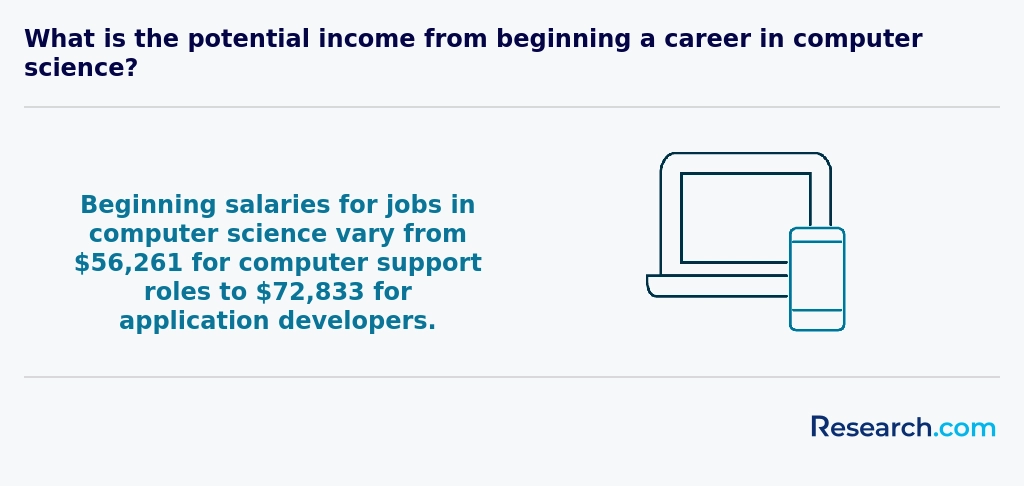
Graduates with an online information technology degree in Georgia typically start earning between $50,000 and $60,000 annually, especially in roles like IT support specialists or network administrators. For example, those who studied at well-known institutions such as the University of Georgia or Georgia Tech have shared how they transitioned smoothly into entry-level jobs with these salaries.
As you gain experience and add certifications like CompTIA Security+ or Cisco's CCNA, your earning potential rises. Many graduates who continued their education online while working report salaries climbing to $85,000 or more within a few years, especially if they focus on in-demand areas like cybersecurity or cloud computing.
Location also matters. Graduates working in metro Atlanta often see higher pay, with IT managers earning up to $130,000 annually. This urban advantage is significant compared to rural areas, where salaries tend to be lower but job competition may be less intense.
Holding an accredited online degree from recognized Georgia schools opens doors by combining education with practical skills and certifications, boosting long-term salary growth and career opportunities.
- Online IT degrees in Georgia are offered fully online by both public and private institutions, covering areas like networking, cybersecurity, programming, and systems administration.
- Tuition for in-state online undergraduate students at public universities ranges from $3,500 to $5,500 per year, while private colleges can charge over $15,000 annually.
- Entry-level IT jobs in Georgia pay between $50,000 and $60,000 per year, with mid-level and senior roles earning $90,000 or more.
- Georgia has a strong technology job market, especially around Atlanta, with steady growth projected in IT positions across industries like finance, healthcare, telecommunications, and government.
- Job placement rates for online IT degree graduates are comparable to those of on-campus students when programs are accredited.
Completing an online information technology degree in Georgia typically takes about four years for full-time students. This matches the usual timeline at institutions like Kennesaw State University or Georgia Southern University, where online programs require around 120 to 130 credit hours, generally spread over eight semesters.
Many graduates share that the program's flexibility allowed them to maintain jobs or family commitments while steadily progressing. If you enroll part-time, expect your degree to take longer-often up to six years-depending on your course load and schedule. Some students accelerate their timeline by enrolling in extra classes during summer terms or selecting schools with year-round course offerings, like Georgia Institute of Technology's online options, which help speed up completion without sacrificing quality.
Additionally, several schools recognize prior professional experience, granting credits that trim your degree time. This approach proved rewarding for graduates who had IT certifications or related work experience before starting their degrees, letting them jump ahead confidently.
Online and on-campus information technology degrees in Georgia differ mainly in how you access your education. On-campus programs at schools like Georgia Tech offer hands-on labs and face-to-face interactions, which many graduates say helped them build strong networks and get immediate help when stuck on tough coding projects. This structure suits students who thrive with scheduled classes and real-time accountability.
In contrast, online programs provide flexibility ideal for those balancing jobs or family. Graduates from the University of Georgia's online IT courses appreciate being able to study late at night or between work shifts, accessing lectures and assignments on their own schedule. However, online learners must be self-disciplined and comfortable with virtual labs and digital support-a big shift from traditional campus resources but increasing in quality with Georgia's investment in advanced learning platforms.
Cost-wise, online IT degrees from Georgia's Technical College System often reduce extra fees and commuting costs, making them a practical choice. Both formats hold accreditation, ensuring that whether you choose in-person or online, employers in Georgia's tech industry recognize your degree's value.
The average cost of an online information technology degree in Georgia typically centers around a median total cost of about $39,465. Many students who choose public universities in Georgia find themselves paying between $6,000 and $8,000 per year for in-state tuition, which adds up to roughly $24,000 to $32,000 for the entire program. This can make affordable online IT degree programs in Georgia an appealing choice for those balancing quality education with budget constraints.
Graduates from popular colleges in Georgia often share how the relative affordability allowed them to focus more on learning and building practical skills instead of stressing over financial burdens. For example, attending a public institution is a common strategy to keep costs manageable while gaining access to well-regarded online IT curricula. However, those opting for private colleges in Georgia should expect higher yearly costs ranging from $20,000 to $35,000, pushing the total cost beyond $80,000, though scholarships and financial aid can help lower that figure significantly.
When planning your investment in an online IT degree, consider not just tuition but also smaller expenses like technology fees and course materials. Many students find these manageable, particularly when compared to tuition rates. Additionally, exploring financial aid options geared to IT students or specific to Georgia universities can further reduce net expenses.
It's also practical to research career outcomes as you plan your education. Many graduates emphasize how their degree affordability paired with career readiness made the journey rewarding. If you want guidance on career paths, you can check this resource on how to be an information systems manager to understand where an IT degree can take you in Georgia's growing tech environment.

Students pursuing an online information technology degree in Georgia often rely first on federal aid, starting by completing the FAFSA form. This opens the door to Pell Grants awarding up to $7,395 annually for those with financial need, along with low-interest federal loans that many graduates have used to balance tuition costs at institutions like Georgia Tech or Kennesaw State University.
State programs such as the HOPE Scholarship and HOPE Grant provide vital support for residents attending public colleges. Graduates sharing their experiences from Georgia Southern University note how HOPE helped cover a sizeable portion of their tuition, lightening their financial burden significantly. The HOPE Grant also benefits students in certificate or diploma IT tracks, ideal for those seeking specific technical skills quickly.
Many universities offer merit-based or need-based scholarships targeted at IT students. For example, some graduates from Augusta University recall how institutional scholarships made pursuing their degrees online not only feasible but encouraging. Additionally, workforce development grants from the Technical College System of Georgia assist adult learners upskilling in IT fields.
Employer tuition reimbursement is another practical aid source. Graduates working in Georgia's booming tech sector often combine work and studies, supported financially by companies eager to retain skilled employees. Early FAFSA completion, researching HOPE benefits, and consulting university aid offices remain key practical steps to securing these funds.
To enroll in an online information technology degree in Georgia, you'll first need a high school diploma or GED, which is the baseline requirement across most programs. Graduates from universities like Kennesaw State and the University of West Georgia have often noted that a minimum GPA around 2.0 to 2.5 is important to secure admission, especially in competitive courses.
Standardized tests such as the SAT or ACT are generally less emphasized now, as many colleges have adopted test-optional policies. Instead, your overall academic record and other elements like letters of recommendation or a personal statement can play a stronger role in the application process.
Practical skills in math and basic computing are essential. For instance, many students succeed by demonstrating proficiency in algebra or introductory programming, which helps them handle foundational IT coursework without stress. Some programs may verify these skills through placement tests or ask you to complete prerequisites beforehand.
Affordable tuition is a consideration too-online IT courses in Georgia typically cost between $150 and $300 per credit hour, making in-state options attractive. Reliable internet access and a computer setup are non-negotiable; successful graduates often credit their smooth learning experiences to having steady technology and connectivity that supported active participation in classes.
Students enrolling in online Information Technology programs at popular Georgia institutions often start with foundational courses like Introduction to Information Technology, Computer Networking and Security, and Programming Fundamentals in languages such as Java or Python. One graduate recalled how mastering these basics at a well-known Georgia college made troubleshooting home networks feel approachable and rewarding.
Next, expect to dive into advanced topics such as Cybersecurity Principles, Cloud Computing, and Systems Analysis and Design. These courses mirror real-world challenges graduates face when managing secure company data or migrating business services to cloud platforms. This hands-on approach boosts confidence and employability.
Many online programs also include practical courses in Web Development and IT Project Management, connecting technical skills with leadership and organizational abilities. Graduates from Georgia state schools often highlight how these classes prepared them to lead tech projects with clarity and ethical responsibility in fast-paced environments.
Overall, the curriculum reflects Georgia's growing tech market needs, blending technical knowledge with practical application to help students thrive locally and beyond.
Online information technology degree specializations in Georgia typically include Cybersecurity, Network Administration, Software Development, and Data Management. Graduates from popular programs at institutions like Georgia Tech and Kennesaw State report gaining hands-on skills that prepare them for immediate roles in cybersecurity or network engineering, where protecting data and managing digital infrastructure are everyday tasks. These specializations align well with Georgia's growing tech hubs like Atlanta, where companies seek professionals skilled in cloud computing and IT support.
Many students appreciate the practical approach offered by these programs, especially in areas such as software development, which covers essential programming languages like Java and Python. This focus ensures that graduates can create and maintain software solutions in real business environments. If you're considering the best IT degree focus areas in Georgia online, choosing a specialization tied to in-demand skills will increase your job prospects in the local market.
For students curious about potential career paths, researching jobs with a master's degree in information systems can provide valuable insight into how specialization choices translate into roles and salaries after graduation.
Start by confirming the program's accreditation, ideally from the Southern Association of Colleges and Schools Commission on Colleges, to ensure your degree holds value with employers and schools. Consider cost carefully; many graduates found affordable IT bachelor's programs in Georgia, especially online, helped them balance quality and budget, saving thousands compared to traditional on-campus tuition. A strong curriculum is vital-look for programs covering cybersecurity, networking, and cloud computing with hands-on projects or internships, like those at Georgia Tech, where applied learning connects students to real industries.
Faculty expertise shapes your learning, so choose schools like Kennesaw State University that highlight instructors' industry experience and provide mentoring. Flexibility matters too; asynchronous courses allow you to manage work and family while progressing on your schedule.
Also evaluate career support services to boost job prospects in Georgia's growing tech market. Many graduates credit their success to programs with solid employer partnerships and practical career guidance. To better understand career paths, explore this information system career resource.

Graduates with an online information technology degree in Georgia often find opportunities across multiple promising career paths. Many start as network and computer systems administrators, managing the day-to-day operations of corporate networks, especially in Atlanta's bustling tech scene. Others move into information security analyst roles, defending organizations from increasing cyber threats-a field where several Georgia colleges have noted high graduate success rates. Computer support specialists provide hands-on technical assistance, a practical step for those entering the workforce quickly.
Software developers and programmers are also in demand, creating applications tailored to local businesses and startups. Database administrators, a role well-represented among alumni from popular Georgia universities, handle critical data management and accessibility with rewarding salaries. For students seeking advancement, combining their online IT degree with an information systems management mba degree programs greatly expands leadership options in Georgia's expanding market.
These career paths reflect the strong Georgia IT degree career opportunities, providing graduates practical routes from entry-level tech roles to strategic leadership positions in a thriving, high-demand local industry.
The job market for information technology graduates in Georgia is strong and expanding, especially for those completing their degrees online. Graduates from popular schools like Georgia Tech or Kennesaw State University share that flexible online programs helped them balance work and study while gaining in-demand skills. Employers in Atlanta and surrounding tech hubs actively seek professionals in software development, cybersecurity, and database management, creating steady openings across multiple industries.
Internships and entry-level roles often begin with competitive salaries, with median wages around $88,000 annually for IT occupations statewide. Many graduates quickly move up in roles due to hands-on experience gained during online courses tailored to current tech trends. The job market for online IT degree employment opportunities in Georgia benefits further from diverse sectors like healthcare and government investing in technological upgrades.
For students considering specialization, there are options like pursuing the best online bachelor's degree in database management, which aligns closely with high-demand skills and local employer needs. These practical programs prepare graduates to meet evolving technology challenges with confidence and adaptability.
2027 Most Affordable Online Bachelor's in Information Technology Degree Programs Ranking in Georgia
Investing in your education is a significant decision that can shape your future, and the Research.com team recognizes the importance of making well-informed choices. To support prospective students seeking affordable online bachelor's degrees in Information Technology in Georgia, we have diligently developed the "2027 Most Affordable Online Bachelor's in Information Technology Degree Programs Ranking in Georgia." Our dedication to quality, credibility, and accuracy is demonstrated through thorough research and analysis.
We utilized the following reputable data sources to create this ranking:
By exploring this ranking, readers will gain valuable insights into affordable, high-quality online programs tailored to their needs, ultimately aiding them in making confident educational decisions. For more information on how this ranking was compiled, please visit our
Research.com methodology page
.


Frequently Asked Questions About information technology
Students pursuing online information technology degrees in Georgia can enhance their learning by actively engaging with interactive course materials and participating in virtual labs. Georgia is home to several accredited institutions offering IT programs aligned with industry standards, which is critical for gaining relevant skills.
Networking through online student groups and professional associations such as the Georgia Technology Authority can provide valuable connections and insights into state technology initiatives. Additionally, utilizing resources like the Georgia Department of Economic Development's tech workforce data-showing IT jobs growing 12% annually-helps students focus on in-demand skills.
Time management and setting a structured study routine are essential when balancing online classes with other commitments.
The information technology field is rapidly evolving, with new niches emerging that shape the future of work. In Georgia, growing sectors include cybersecurity, cloud computing, and data science. According to the Georgia Department of Economic Development, demand for cybersecurity professionals is expected to grow by over 30% through 2028.
Cloud computing specialists are also in high demand as businesses increasingly adopt remote and hybrid work models. Data science roles, which involve analyzing large datasets to inform decisions, are expanding across various industries in Georgia, including healthcare and finance.
Artificial intelligence and machine learning are additional niches gaining ground in Georgia's IT job market. Staying current with these areas can enhance career prospects for graduates of online IT programs.
After completing an online information technology degree in Georgia, preparing for the job market involves strategic steps to increase employability. First, gaining industry certifications like CompTIA A+, Cisco's CCNA, or Microsoft Certified: Azure Fundamentals can boost your resume and reflect current tech proficiencies.
Networking is crucial; join local IT organizations such as the Georgia Technology Professionals Association to connect with employers and peers. Internships and entry-level positions in Georgia's growing IT sector, projected to add over 8,000 jobs by 2028 (Georgia Department of Labor), offer practical experience.
Finally, tailoring your resume to highlight technical skills, completed projects, and remote work readiness will help meet Georgia employers' expectations.
Employers in Georgia highly value technical proficiency in programming languages such as Python, Java, and SQL for information technology graduates. According to the Georgia Department of Economic Development, skills in cybersecurity and cloud computing rank among the top demands in local IT job markets.
Beyond technical abilities, problem-solving skills and effective communication are essential. Georgia Tech's career surveys highlight that nearly 70% of employers seek graduates who can collaborate in diverse teams.
Familiarity with data analytics and understanding network infrastructure are also prized. The growing tech hubs in Atlanta emphasize adaptability and continuous learning due to rapid industry changes.
Finding internships in Georgia related to an information technology degree involves several practical steps. Start by exploring resources offered through your online college or university, as many institutions maintain partnerships with local tech companies. Organizations like the Georgia Technology Authority and the Metro Atlanta Chamber provide internship listings specific to IT fields.
Additionally, tech hubs such as Atlanta host numerous IT firms seeking interns, with sectors like cybersecurity and software development in high demand. According to the Georgia Department of Labor, IT employment in the state grew 7% from 2019 to 2023, increasing internship opportunities.
Networking events, job fairs, and platforms like Handshake and LinkedIn are vital to connect with employers. Applying directly to companies recognized in Georgia's IT landscape, including those highlighted in Georgia Technology Summit reports, will improve your chances of securing relevant internships.
Obtaining an online information technology degree in Georgia significantly enhances career mobility and advancement opportunities. The state's growing tech sector employs over 78,000 IT professionals, with a projected 8% increase in job openings through 2030, according to the Georgia Department of Labor. Online degrees offer flexible access to accredited programs, allowing students to gain skills in coding, cybersecurity, and network management without disrupting their current employment.
Employers in Georgia often prioritize candidates with formal IT education for roles such as systems analysts and software developers. Additionally, many positions require certifications that online degree programs incorporate, boosting employability.
Overall, an online IT degree aligns with regional workforce demands, helping graduates transition into higher-paying, specialized roles.
Studying for an information technology degree in Georgia equips students with skills that cross traditional disciplinary boundaries. Many programs incorporate courses in business, healthcare, and cybersecurity, reflecting the state's growing tech industries. This interdisciplinary approach prepares graduates to collaborate effectively across various fields, enhancing their adaptability in diverse work environments.
Georgia has a strong tech job market, with IT occupations projected to grow 12% by 2030, according to the U.S. Bureau of Labor Statistics. Online degrees often include projects and internships that simulate real-world problems, encouraging critical thinking beyond just coding or system management.
Such preparation helps graduates work in roles combining IT with fields like finance or healthcare, which dominate Georgia's economy.
When choosing between a thesis and a non-thesis online information technology degree in Georgia, students should consider their career goals. Thesis programs often emphasize research and critical thinking, ideal for those planning to pursue graduate studies or R&D roles.
Non-thesis programs focus more on practical skills and coursework, which suits professionals aiming for immediate entry into IT roles such as cybersecurity, software development, or network administration. According to the Georgia Department of Labor, fields like cybersecurity and software engineering are growing rapidly, with an expected job growth rate of over 15% through 2030.
Cost and time commitment also differ: thesis options may require more time to complete, while non-thesis paths are often faster and may fit working professionals better.
Students based in Georgia seeking online information technology degrees with an international focus have several options to consider. Many US colleges and universities offer online IT programs with global curricula or study abroad components. While fully studying abroad online is less common, institutions often provide virtual exchange programs, international internships, or courses taught by faculty with global expertise.
Georgia-based students can also explore partnerships between US universities and foreign institutions, enabling access to diverse perspectives within an online format. According to the Georgia Department of Economic Development, IT remains a growing sector in the state, highlighting the relevance of programs blending local and international knowledge.
Moreover, accreditation through bodies recognized in the US, such as ABET or regional accreditors, ensures that online IT degrees maintain high standards regardless of international involvement.
Students pursuing online information technology degrees in Georgia can benefit greatly from part-time jobs that align with their studies. Common roles include IT support specialist positions, which offer practical experience troubleshooting hardware and software issues. According to the U.S. Bureau of Labor Statistics (BLS), IT support jobs in Georgia grew by 12% from 2021 to 2023, reflecting strong demand.
Other valuable opportunities include internships in cybersecurity firms or roles in network administration. These positions help students develop technical skills while managing flexible work schedules. Additionally, Georgia's growing tech hubs, especially in Atlanta, create freelance opportunities in web development and digital services. These part-time jobs not only enhance resumes but also provide networking within Georgia's vibrant IT industry.
Online information technology students in Georgia have access to diverse networking opportunities that can enhance their educational and professional growth. Many Georgia universities offering online IT degrees host virtual career fairs and industry-specific webinars, connecting students with local tech employers. Organizations such as the Georgia Technology Association provide members with events and online forums ideal for networking. According to the Georgia Department of Economic Development, the state's IT sector employs over 330,000 professionals, offering a robust community for students to engage with.
Local chapters of national groups like CompTIA and the Association of Information Technology Professionals also facilitate online meetings and mentoring for students.
Alumni networks offer significant benefits for students pursuing online information technology degrees in Georgia. These networks provide valuable opportunities for mentorship, allowing current students to connect with graduates experienced in the rapidly evolving IT sector. Through these connections, students gain insights into industry trends and practical career advice.
Moreover, alumni networks often share job leads and internship opportunities exclusive to their members. Georgia's IT job market is growing, with the state expecting a 15% increase in demand for IT professionals over the next decade, according to the Georgia Department of Labor. Alumni involvement helps students tap into this expanding market.
Networking events, both virtual and in-person, hosted by alumni groups, also foster professional relationships and peer support.
Customizing an online information technology degree program in Georgia allows students to align their education with specific career goals. Many universities offer electives or concentration tracks such as cybersecurity, network administration, or software development. These options enable learners to develop specialized skills tailored to high-demand sectors in Georgia's IT job market.
Additionally, some programs provide opportunities for internships or capstone projects in partnership with local businesses and tech companies. According to the Georgia Department of Labor, IT occupations in the state are projected to grow by 12% through 2030, emphasizing the value of targeted skills.
Students should explore program flexibility, ensuring coursework matches both personal interests and regional industry needs. Choosing accredited programs with industry-relevant certifications can further enhance job prospects in Georgia's competitive IT field.
Online information technology students in Georgia often face challenges related to balancing coursework with personal and professional responsibilities. Many students juggle full-time jobs while pursuing their degrees, which can lead to time management difficulties. Additionally, access to reliable high-speed internet remains a barrier for some, especially in rural areas where broadband penetration is lower.
Technical support and interaction with faculty can also be limited in online programs compared to traditional settings. According to the Georgia Department of Education, only about 75% of students in rural regions have adequate internet access, which affects their learning experience.
Furthermore, staying motivated without the structure of on-campus classes poses a challenge for many online IT students.
With an online information technology degree, students in Georgia can pursue several key professional certifications to boost their career prospects. Popular options include the CompTIA A+ and Network+, valued for foundational IT skills and supported by many Georgia employers.
Advancing further, certifications like Certified Information Systems Security Professional (CISSP) and Certified Information Security Manager (CISM) focus on cybersecurity, a growing field in Georgia as reported by the Georgia Department of Economic Development.
Other notable certifications include Microsoft Certified: Azure Fundamentals and Amazon Web Services (AWS) Certified Solutions Architect, reflecting the rise of cloud computing jobs in the Atlanta metropolitan area.
These certifications often require passing exams and provide industry-recognized validation of skills, increasing employability in Georgia's competitive IT market.
To write a winning application for an online information technology program in Georgia, start by clearly demonstrating your interest and relevant experience in IT. Highlight any prior coursework, certifications, or professional work related to technology.
Many Georgia schools value strong academic records, so include your GPA and emphasize any STEM-related classes. According to the Georgia Board of Regents, programs typically require a minimum 2.5 GPA for admission.
Craft a focused personal statement explaining why you want to study IT online and how the degree aligns with your career goals. Use specific examples from Georgia's growing tech sector, which employed over 300,000 IT professionals in 2023 (Georgia Tech Workforce Report).
Finally, gather strong letters of recommendation from educators or employers who can attest to your skills and commitment. Meeting application deadlines carefully and submitting all required documents is essential for consideration.
The global outlook on an information technology (IT) career highlights strong and growing demand. In the U.S., including Georgia, IT roles are expanding faster than the average for all occupations. According to the U.S. Bureau of Labor Statistics, employment in computer and information technology jobs is projected to increase by about 15% from 2021 to 2031.
Georgia's burgeoning tech industry, particularly in Atlanta, makes it a strategic location for IT professionals. The state supports over 33,000 IT jobs with an average salary above the national mean, evidence of solid local opportunities.
Worldwide, IT skills are prized for adaptability across sectors such as healthcare, finance, and manufacturing. This global demand means that skills gained through an online IT degree in Georgia can lead to opportunities both within the state and internationally.
Students pursuing an online information technology degree in Georgia can gain practical experience through internships, cooperative education programs, and project-based learning. Many Georgia universities partner with local tech companies in cities like Atlanta, which is home to over 12,000 IT firms, providing valuable internship opportunities.
Some programs incorporate virtual labs or capstone projects that simulate real-world IT environments. These experiences help students apply theories to solve practical problems, a key skill sought by employers according to the Georgia Department of Economic Development.
Additionally, students can join professional organizations such as the Georgia Tech Student IT Association to network and access workshops that emphasize hands-on skills.
Choosing the right concentration within an online information technology degree program in Georgia begins with assessing your career goals and interests. Georgia's IT market is diverse, including cybersecurity, software development, network administration, and data analytics. According to Georgia Department of Labor, cybersecurity roles are expected to grow by 15% through 2030, indicating strong demand in this field.
Consider also the curriculum offered by Georgia-based schools. Many universities provide specialized tracks aligned with industry needs. Research whether programs include hands-on labs, certifications, or partnerships with local tech firms. This practical experience boosts employability in Georgia's competitive tech sector.
Finally, review job placement rates and alumni success in Georgia's IT industry. This data, often published by schools or state agencies, helps gauge which concentrations have higher returns on investment locally.
- 2027 Most Affordable Online Bachelor's in Information Technology Degree Programs Ranking in Florida
- 2027 Most Affordable Online Bachelor's in Information Technology Degree Programs Ranking in Alabama
- 2027 Most Affordable Online Bachelor's in Information Technology Degree Programs Ranking in Tennessee
- 2027 Most Affordable Online Bachelor's in Information Technology Degree Programs Ranking in Kentucky
- 2027 Most Affordable Online Bachelor's in Information Technology Degree Programs Ranking in Virginia
- 2027 Most Affordable Online Bachelor's in Information Technology Degree Programs Ranking in Missouri
- 2027 Most Affordable Online Bachelor's in Information Technology Degree Programs Ranking in Illinois
- 2027 Most Affordable Online Bachelor's in Information Technology Degree Programs Ranking in Pennsylvania
- 2027 Most Affordable Online Bachelor's in Information Technology Degree Programs Ranking in Texas
- 2027 Most Affordable Online Bachelor's in Information Technology Degree Programs Ranking in Kansas
- How to Start an IT Career: A Beginner's Roadmap | Mindmesh Academy https://www.mindmeshacademy.com/blog/articles/how-to-start-it-career
- Study Information Technology - Experience, Job Opportunities, Salary + Survey https://jobtensor.com/uk/Studies/IT
- The Key Skills Employers Look for in IT Professionals https://www.upskilled.edu.au/skillstalk/the-key-skills-employers-look-for-in-it-professionals
- Top 10 Technology Challenges for Schools and How to Solve Them | Modern Office Methods https://www.momnet.com/top-10-technology-challenges-for-schools-and-how-to-solve-them/
- Study Information Technology Abroad | Go Overseas https://www.gooverseas.com/study-abroad/information-technology
- Academic experiences of information technology students - JYX https://jyx.jyu.fi/bitstreams/2ecaf277-b7be-416f-8ee4-d35afdf2ab67/download
- Top 5 Best Online Colleges in Georgia – 2026 Comparison https://www.nexford.edu/insights/top-5-best-online-colleges-in-georgia
- How Technology Enhances Career Development Strategies | Manpower Ireland https://www.manpower.ie/blog/2024/02/how-technology-can-enhance-your-career-development-strategy
- Standards Satchel https://case.georgiastandards.org/a1215918-318b-4773-9229-26a266e3ad62/b9257a7d-0322-42ef-a9bc-eee7b2304851/978
- Discover On Campus and Online Computer Science Degrees in Georgia https://www.computerscience.org/online-degrees/georgia/