2027 Best Online Information Technology Degree Programs Ranking in Florida

Co-Founder and Chief Data Scientist
Choosing the right online information technology degree program in Florida can feel overwhelming. To help, the Research.com team of data scientists has created the 2027 Best Online Information Technology Degree Programs Ranking in Florida. This guide highlights programs that stand out in quality and value.
Reading this article will provide clarity and confidence in your decision-making process. Pursuing an IT degree opens opportunities for growth, innovation, and a rewarding career. We're here to support your journey toward success in the fast-evolving tech world.
Key benefits of getting online information technology degree in Florida
- Information technology graduates in Florida can pursue careers such as software developers or systems analysts, with national average salaries around $110,000 per year, offering strong financial rewards.
- Popular Florida universities like the University of Florida show graduates entering diverse IT roles including cybersecurity, network administration, and software engineering, highlighting versatile career opportunities.
- Online IT degrees from schools like Florida State University offer flexibility to balance work and study, making it easier to gain skills without disrupting daily life, which can accelerate career growth.
- 2027 Best Online Information Technology Degree Programs Ranking in Florida
- What can I expect from online information technology degree in Florida?
- Where can I work with online information technology degree in Florida?
What can I expect from online information technology degree in Florida?
The average cost of an online information technology degree in Florida generally ranges from $15,000 to $35,000, depending on the institution and program length. Graduates from schools such as the University of Central Florida often recall balancing affordability with quality education, appreciating how scholarships and financial aid helped manage expenses. Others from Florida International University highlight the value found in flexible payment plans and reduced fees for in-state students, making pursuing an IT degree financially attainable while working part-time.
Many students report that the investment in an online IT degree paid off quickly due to strong job placement support and access to industry internships within Florida's expanding tech sector. This has created a positive outlook where the cost feels justified because of immediate practical skills and local employer connections.
Looking forward, as online learning technologies improve and competition among Florida's universities grows, prospective students might expect even more affordable tuition options and innovative funding models. This could make pursuing an IT degree less of a financial burden and more of an exciting, achievable step toward a rewarding technology career.
Where can I work with online information technology degree in Florida?
Graduates with an online information technology degree in Florida often find themselves stepping into dynamic roles across thriving metropolitan hubs like Miami, Tampa, and Orlando. Many alumni from well-known institutions such as the University of Florida and Florida International University report beginning their careers in cybersecurity-an area rapidly expanding due to increasing digital threats. They describe engaging in real-world projects protecting healthcare data or strengthening financial systems against cyberattacks, which fosters a strong sense of purpose and professional growth.
Others transition into cloud computing and software development roles within Florida's burgeoning tech startup ecosystem, experiencing firsthand the excitement of innovation and collaboration. For example, graduates recall supporting software rollouts at government agencies or educational institutions, where their contributions directly impact public service efficiency.
With Florida's industries embracing digital transformation, IT students can anticipate career paths involving data analysis, network management, and IT project leadership. These opportunities are reinforced by strong state demand and university programs that integrate practical experience, making graduates feel confident and optimistic about their futures.
Graduates with an online information technology degree in Florida often find rewarding salary prospects that grow with experience and specialization. Starting salaries typically range from $55,000 to $65,000 for entry-level roles like IT support specialists, reflecting steady demand in cities such as Miami and Tampa where university alumni have shared excitement about early career opportunities.
As graduates from programs at institutions like the University of Central Florida gain certifications in areas like cybersecurity or cloud computing, their earning potential significantly increases. Mid-career professionals can expect salaries between $80,000 and $95,000, especially when working in expanding tech hubs like Orlando.
Senior IT roles-including managers and software engineers-often surpass $100,000 annually. Florida graduates frequently highlight the advantage of a slightly lower cost of living combined with these competitive wages, allowing them to enjoy both financial security and lifestyle benefits. Cybersecurity analysts, in particular, find themselves in lucrative positions with median salaries near $90,000, fueling optimism among recent online IT degree completers.
Considering Florida's dynamic tech environment, pursuing an online IT degree here feels like stepping into a promising future rich with opportunities for growth and meaningful work.
- Online IT degrees in Florida cover programming, networking, cybersecurity, and database management.
- Public universities typically charge between $6,000 and $15,000 per year for online undergraduate IT programs, while private schools range from $20,000 to $35,000.
- Entry-level IT graduates in Florida earn around $55,000 to $65,000 annually, with mid-career salaries between $85,000 and $100,000.
- Florida's IT job market is growing, with high demand for roles like software developers, network administrators, and cybersecurity specialists.
- Accreditation by ABET or regional bodies like SACS is important for program quality and recognition.
- Many programs offer internships or partnerships with companies in Florida to help students gain work experience and improve job prospects.
Graduates from Florida State University often share how part-time enrollment allowed them to gain hands-on experience in tech roles, stretching their degree duration but enhancing their career readiness. As universities integrate AI-driven personalized learning, future students could tailor their pace more precisely, completing courses efficiently without sacrificing depth.
Institutions like the University of Central Florida already offer transfer credits, enabling motivated students to shorten their path. Fla.'s embrace of online IT degrees, alongside affordable tuition and support systems, inspires optimism for those eager to enter Florida's dynamic technology sector sooner than ever before.
Graduates from the University of Florida often reflect on the freedom that online IT programs provide, allowing them to balance work and family while progressing at their own pace. This flexibility is a game-changer for many Florida residents who juggle multiple commitments and prefer learning through virtual lectures and digital labs.
Meanwhile, those attending Florida State University on campus cherish the hands-on experience of collaborating in computer labs and networking face-to-face with professors and peers. This traditional setup fosters a strong sense of community, which many find crucial for motivation and real-time problem-solving skills.
Looking ahead, it's likely that hybrid models blending Florida's popular online offerings with occasional on-campus interactions will become the norm, combining the best of both worlds. Imagine a student accessing cutting-edge virtual simulations developed by university research teams while also attending local meetups and workshops for deeper engagement.
Costs also play a role; while online degrees from Florida public universities average around $6,360 annually, savings on commuting and housing enhance affordability for many. Yet, the importance of choosing regionally accredited programs with reliable tech support remains clear to every successful Florida IT graduate.
The average cost of an online information technology degree in Florida varies notably, reflecting factors like residency and institution type. For in-state residents, public universities typically offer a much more affordable tuition, with median total costs around $12,061. Graduates from popular institutions, such as those attending state universities known for their IT programs, often recount feeling relieved by the balance between quality education and cost. These graduates express optimism about their investment, especially when considering their future in the technology sector.
Out-of-state students face higher tuition, with median total costs near $33,591, reflecting the premium charged for non-residents. Private or specialized online programs in Florida easily push the cost closer to or above this range, as they often provide accelerated paths and specialized curricula tailored for working professionals. Many students find the extra expense worthwhile because of the flexible schedules and deeper knowledge these programs offer, especially when juggling employment or family.
Such a wide range prompts potential students to carefully review Florida online IT degree tuition and fees along with extra expenses like technology fees and materials. Understanding these costs helps in planning finances realistically. Reflecting on personal stories, many students found that accessing scholarships and employer tuition reimbursement programs made their studies manageable, transforming financial stress into confidence and motivation. For those wondering what degree do you need to be an information systems manager, investing wisely in an accredited Florida online program can position them well for growth in this expanding field.

Financial aid for online information technology students in Florida is evolving, blending traditional resources with new opportunities. Graduates from institutions like the University of Central Florida or Florida State University often recall how Pell Grants, capped at $7,395 for 2023-2024, provided crucial initial support without repayment pressures. Many describe the FAFSA process as a gateway to unlocking these benefits, empowering them to focus more on mastering IT skills and less on financial worries.
Beyond federal aid, state programs such as the Bright Futures Scholarship and the Florida Student Assistance Grant create bright prospects for committed learners, rewarding academic achievement and financial need. Students at Miami Dade College have shared how these aids felt like personalized investments in their potential.
Looking ahead, scholarships from professional groups like the Florida Technology Council and SHPE are increasingly integrating mentorship and networking perks, crafting a support system that extends beyond tuition payment. Institutional scholarships tied to internships also inspire students at Florida International University to engage deeply in the tech community, turning financial aid into stepping stones for career success.
Enrolling in an online information technology degree in Florida usually starts with a high school diploma or GED, laying the groundwork for future success. Many students from institutions like the University of Central Florida share how having a solid grasp of algebra and logical reasoning made their transition smoother, especially as these skills are vital for IT coursework.
Florida colleges often ask for SAT or ACT scores, though many are moving toward flexible, test-optional policies, reflecting an evolving admissions landscape. Graduates from Miami Dade College highlight how this shift made applying less stressful while maintaining academic rigor. Maintaining a GPA around 2.0 to 2.5 is commonly expected, ensuring students are ready for college-level challenges.
Looking ahead, prospective students will likely need access to reliable technology-laptops and fast internet-to engage fully with virtual labs and group projects as remote learning becomes increasingly interactive. Some graduate programs may require related work experience, emphasizing real-world skills alongside academic credentials in Florida's competitive tech market.

Online information technology degree programs in Florida commonly include courses that build both foundational knowledge and practical skills essential for the fast-evolving tech landscape. Graduates from popular institutions like the University of Central Florida and Florida International University often share how courses such as Programming Fundamentals offered hands-on coding experience in languages like Python and Java, enabling them to confidently develop real-world applications.
Core classes like Cybersecurity Essentials resonate deeply, with students appreciating the opportunity to simulate threat detection and response scenarios, preparing them for roles safeguarding Florida's growing digital infrastructure. Others mention how Network Administration courses allowed them to manage virtual networks, mirroring systems used by Tampa's bustling tech companies.
Electives in cloud computing and mobile app development frequently spark excitement, as students envision creating innovative solutions tailored for Florida's diverse industries. The ability to customize coursework online means working professionals can balance learning with career demands, fueling a sense of achievement and readiness for the state's expanding IT job market.
Online information technology specializations Florida students encounter include dynamic fields that respond directly to the state's growing tech landscape. Graduates from universities known for IT programs often reflect on the rewarding challenge of specializing in cybersecurity, where they use cutting-edge skills to safeguard digital assets-especially relevant given Florida's increased investment in cyber defense. Network administration and management also attract students eager to design and maintain the complex infrastructures powering major metropolitan hubs like Miami and Tampa.
Florida IT degree concentration options extend into data analytics and big data, areas that graduates appreciate for their direct impact on industries like healthcare and tourism. Many recall transforming raw datasets into powerful insights that drive business decisions, fueling excitement about future career potential. Software development and cloud computing are additional popular paths. Graduates often express enthusiasm for projects involving app creation and cloud solutions, enjoying how these skills are valued by Florida's innovative tech startups.
Students pursuing these specializations benefit from programs integrating certifications such as CompTIA Security+ or Cisco's CCNA, truly enhancing readiness for the competitive job market. For those curious about broader career trajectories, exploring ms in information systems jobs offers valuable insight.
When selecting the best online information technology degree in Florida, graduates often emphasize the value of accredited programs offered by reputable institutions known for their rigorous curriculum and hands-on experiences. For example, students from well-regarded Florida universities appreciate degrees that include practical virtual labs and internships tailored to emerging fields like cybersecurity and data science, which keep pace with the fast-evolving tech landscape.
Affordability is another crucial factor. Many look for affordable IT degree programs Florida online that balance cost with quality, factoring in potential hidden fees and available financial aid. Graduates frequently share how investing in programs with clear tuition structures helped them focus more on learning and less on financial stress.
Furthermore, graduates often highlight the importance of strong faculty mentorship and supportive online platforms that facilitate smooth access to resources and technical assistance. A robust connection to local employers can significantly boost job prospects in Florida's expanding tech sector, with plenty of opportunities for students to explore information systems jobs after graduation.
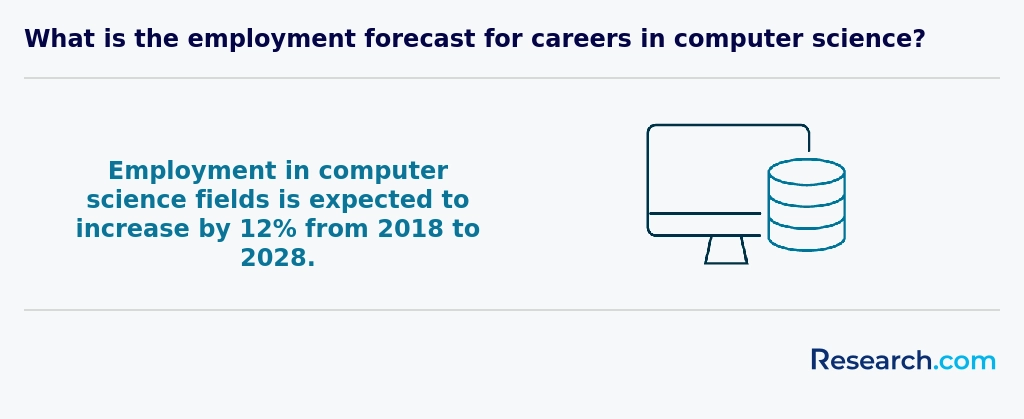
Graduates with an online information technology degree in Florida find diverse career paths that reflect the state's dynamic tech landscape. Popular universities and colleges across Miami, Tampa, and Orlando equip students for roles like network administration, where maintaining robust digital infrastructures is crucial for Florida's booming businesses. Many graduates relish the challenge of cybersecurity, defending organizations against escalating cyber threats, creating a sense of pride in protecting critical information.
Online information technology careers in Florida also extend into innovative fields such as cloud computing and artificial intelligence, where forward-thinking graduates from well-known programs apply their skills to real-world problems. For instance, a graduate from a leading Florida university might develop smart healthcare applications improving patient outcomes or optimize logistics for a growing startup in Tampa.
Some alumni pursue software development or IT support roles, enjoying the fast-paced, problem-solving environment that larger employers provide. Others explore advanced education options, such as an online mba program in information systems management, to broaden their strategic impact in tech-driven companies. Job opportunities in Florida's IT sector continue to expand, fueled by innovation and a strong local economy.
The job market for online information technology degree Florida graduates is exceptionally promising, driven by rapid growth in tech sectors across Miami, Tampa, and Orlando. Graduates from well-known Florida institutions often share stories of quickly landing positions as cybersecurity analysts or software developers, benefiting from local companies valuing familiarity with Florida's regulatory landscape. Many find their education directly applicable in roles supporting healthcare and finance industries, which are major employers of IT talent.
Florida IT degree career opportunities also extend into network administration and database management, where demand shows no signs of slowing. For instance, graduates from public universities report that their ability to balance studies and work through online programs has made them confident and adaptable in competitive job markets. With salaries averaging near $89,000 and the relatively low cost of living, many find financial stability early on.
Students exploring options often consult resources detailing online database management bachelor's programs to target their studies toward in-demand specialties, ensuring a foothold in Florida's expanding tech economy.
2027 Best Online Information Technology Degree Programs Ranking in Florida
Investing in your education is a significant decision that can shape your future, and the Research.com team understands the importance of making informed choices. To assist prospective students in Florida, we have meticulously crafted the "2027 Best Online Information Technology Degree Programs Ranking in Florida." Our commitment to quality, credibility, and accuracy is reflected in the extensive research and analysis conducted to compile this ranking.
We utilized the following reputable data sources to ensure a comprehensive evaluation of information technology programs:
By exploring this ranking, readers will gain valuable insights into the top online IT degree programs in Florida, enabling them to make well-informed decisions about their educational and professional futures. For a detailed understanding of how this ranking was developed, please visit our Research.com methodology page.


# 7 position
Florida State College at Jacksonville
Bachelor of Information Systems Technology

# 8 position
Seminole State College of Florida
Bachelor of Information Systems Technology


Frequently Asked Questions About information technology
Online information technology degree students in Florida can maximize their learning experience by actively engaging with course materials and utilizing available resources. Florida's higher education system offers robust online platforms that include interactive lectures, discussion boards, and virtual labs, which help deepen practical skills.
Students should also seek internships or virtual work experiences with Florida's growing IT sector, which features over 200,000 technology jobs statewide as reported by the Florida Department of Economic Opportunity (2023). These experiences complement academic learning with real-world application.
Furthermore, collaboration with peers through study groups and networking in professional Florida-based IT organizations can enhance understanding and career opportunities.
Emerging niches within the information technology field are rapidly evolving, creating new opportunities for Florida students pursuing online IT degrees. One prominent area is cybersecurity, driven by increasing digital threats. Florida's growing tech sector has a rising demand for professionals skilled in protecting data and systems, supported by state initiatives like the Florida Cybersecurity Task Force.
Another expanding niche is cloud computing, with organizations moving operations online. Knowledge of platforms such as AWS or Microsoft Azure is highly sought after. Additionally, data analytics and artificial intelligence are gaining prominence as businesses leverage big data to improve decision-making and automate processes.
Florida's job market reflects these trends; the U.S. Bureau of Labor Statistics notes a projected 15% growth in computer and information technology roles in the state from 2021 to 2031, faster than average for all occupations.
After completing an online information technology degree in Florida, graduates should focus on sharpening practical skills to stand out in the competitive job market. Florida's IT sector is growing rapidly, with an estimated 100,000 technology jobs projected by 2028 according to the Florida Department of Economic Opportunity.
Building a strong portfolio showcasing projects such as software development or cybersecurity tasks is essential. Internships and certifications like CompTIA or Cisco also enhance employability and demonstrate expertise to recruiters.
Networking plays a critical role; joining professional groups such as the Florida Technology Council or attending local tech meetups can open doors. Additionally, aligning skills with in-demand specialties like cloud computing or data analytics increases job prospects.
Employers in Florida seek several key skills in graduates holding online information technology degrees. Technical proficiency in programming languages such as Python, Java, and SQL remains essential. According to the Florida Department of Economic Opportunity, cybersecurity knowledge is increasingly valued, given the state's growth in technology sectors.
Problem-solving and critical thinking skills are also prioritized, enabling graduates to address complex IT challenges effectively. Communication skills are important too, as IT professionals must collaborate with non-technical teams.
Familiarity with cloud computing platforms like AWS and Microsoft Azure can enhance job prospects, reflecting current industry demands in Florida's expanding tech market.
Finding internships in Florida relevant to an information technology degree requires strategic planning and resourcefulness. Start by utilizing your college's career services, as many Florida universities have partnerships with local tech companies offering internships. Networking through professional organizations such as the Florida Technology Council can also provide valuable contacts.
Online job boards like Handshake and Indeed list numerous IT internship opportunities across Florida, particularly in tech hubs like Miami and Orlando. According to the Florida Department of Economic Opportunity, IT-related jobs are expected to grow 11% by 2030, increasing internship availability.
Additionally, attending local tech meetups and industry events can help you connect with potential employers. Remember to tailor your resume to highlight relevant coursework and projects, demonstrating practical skills to internship providers.
Online information technology degrees in Florida significantly enhance career mobility and advancement. The state's growing tech industry demands skilled IT professionals, with employment in computer and information technology roles projected to increase by 15% through 2030, according to the U.S. Bureau of Labor Statistics. Earning an online IT degree allows flexibility for working adults to gain relevant skills while maintaining employment, positioning them well for promotions or career shifts.
Florida employers often value accredited online degrees from state institutions, which emphasize practical skills in cybersecurity, networking, and software development. This alignment with job market needs helps graduates secure higher-level roles or specialized positions.
Additionally, Florida's growing sectors, such as healthcare IT and financial technology, offer strong opportunities for graduates to advance their careers through certifications and continuing education linked to their degrees, according to the Florida Department of Economic Opportunity.
Studying for an information technology degree online in Florida equips students with skills that cross multiple disciplines. Many programs incorporate coursework in business, cybersecurity, data analysis, and communication, reflecting the growing need for IT professionals who understand diverse organizational functions.
Florida's IT sector is expanding rapidly, with an expected 11% growth by 2030 according to the Florida Department of Economic Opportunity. This growth emphasizes interdisciplinary roles, where IT expertise is combined with management, healthcare, or engineering knowledge.
Online programs often include project-based learning and internships, helping students apply technical skills in real-world, cross-industry contexts.
When choosing between a thesis and a non-thesis information technology (IT) degree program in Florida, students should consider their career goals and learning preferences. Thesis programs typically appeal to those interested in research or pursuing a PhD, as they require in-depth projects and original research. Non-thesis options focus more on practical skills and coursework, preparing students for immediate employment in Florida's expanding IT sector.
Florida's IT job market grew by 9.5% from 2017 to 2022, according to the Florida Department of Economic Opportunity. This demand favors applied knowledge attained in non-thesis programs.
Cost and time commitment also differ; thesis programs often take longer and require close faculty mentorship, while non-thesis degrees may be faster and more flexible for working professionals.
Students based in Florida who wish to study information technology abroad have several options primarily through exchange programs and international partnerships offered by Florida universities. Many institutions, such as the University of Florida and Florida State University, maintain collaborations with universities worldwide, allowing students to complete portions of their IT degrees overseas while earning credits toward their Florida degree. These programs often involve virtual mobility or hybrid formats, reflecting the increasing digitalization in education.
Additionally, Florida's robust IT industry, which employs over 250,000 professionals according to the Florida Department of Economic Opportunity, encourages experiential learning abroad. Students can engage in global internships and research projects, gaining international exposure while pursuing a US-accredited degree.
It is important to check for specific articulation agreements and verify credit transfer policies when considering studying abroad in IT.
Florida offers several part-time job opportunities that complement an information technology degree, especially for students pursuing online education. Jobs like IT help desk technician, network support specialist, and junior software developer are common roles that provide practical experience while studying.
According to the U.S. Bureau of Labor Statistics, Florida's tech sector is growing faster than the national average, creating demand for skilled IT workers. Internships and part-time roles in local businesses, healthcare systems, and educational institutions often accommodate online students' schedules.
These positions help students develop problem-solving skills, gain familiarity with industry tools, and build professional networks critical for post-graduation employment.
Online information technology students in Florida benefit from a variety of networking opportunities despite studying remotely. Many universities offer virtual career fairs and online alumni networks, connecting students with IT professionals statewide. For instance, the Florida College System and State University System maintain strong ties with local tech companies and government agencies, facilitating internships and job placements.
Additionally, students can join statewide professional organizations such as the Florida chapter of CompTIA or the Florida Technology Council. These groups frequently host webinars, workshops, and events that are accessible online. According to the Florida Department of Economic Opportunity, the IT sector in Florida is projected to grow by 20% from 2022 to 2032, making networking essential for job placement and career advancement.
Alumni networks significantly benefit online information technology degree students in Florida by providing valuable career connections. Many Florida universities, such as the University of Central Florida and Florida International University, boast extensive alumni groups in the IT sector. These networks offer mentorship opportunities, job referrals, and access to exclusive industry events.
According to the Florida Department of Economic Opportunity, Florida's IT employment is expected to grow by over 10% through 2028, making networking crucial for job seekers. Alumni connections can help students tap into this expanding job market faster and more effectively.
Furthermore, alumni often share insights about emerging technologies and certifications, aiding students in staying current with industry trends.
Florida offers many online information technology degree programs that allow students to tailor their studies based on career goals. Typically, these programs include core courses in programming, networking, and cybersecurity, alongside electives. Students can choose specializations like data analytics, software development, or cloud computing to align with job market demands.
Many Florida universities provide flexible credit options, including transfer credits and certificates, helping students accelerate completion. According to the Florida Department of Education, IT jobs in Florida are projected to grow 13% between 2021 and 2031, emphasizing skills in cybersecurity and software development.
Advisors and online resources aid students in selecting courses and internships, supporting a personalized degree path.
Online information technology students in Florida often face challenges related to balancing coursework with personal and professional responsibilities. Many learners juggle full-time jobs while attending virtual classes, which can create time-management difficulties. Additionally, reliable internet access and technology resources can be inconsistent, especially in rural parts of Florida.
Another common obstacle is limited direct interaction with instructors and peers, impacting students' ability to collaborate and receive instant feedback. According to the Florida Department of Education, retention rates for online programs are generally lower compared to in-person settings, highlighting these engagement issues.
Lastly, adapting to rapidly evolving IT curricula requires continuous self-motivation and adaptability from students, as the field demands current skills to stay competitive in Florida's growing tech job market.
Graduates with an online information technology degree in Florida can pursue a variety of professional certifications that enhance their career prospects. Popular certifications include CompTIA A+, which validates foundational IT skills, and Certified Information Systems Security Professional (CISSP), critical for cybersecurity roles. The Project Management Professional (PMP) certification is also valuable for those aiming to manage IT projects. The demand for certified IT professionals in Florida is increasing, supported by the state's growing tech sector. According to Cyberseek, Florida has over 32,000 cybersecurity job openings as of 2024, many requiring certification. These credentials improve employability and salary potential in a competitive market.
Writing a winning application for an online information technology program in Florida requires clear focus and preparation. Start by thoroughly researching accredited institutions, as Florida has over 40 colleges offering IT degrees, including public universities like the University of Florida and private options.
Highlight your technical skills and relevant experience in your personal statement, emphasizing any certifications or projects. According to the Florida Department of Education, IT jobs in the state are expected to grow 16% by 2030, so demonstrating awareness of industry trends strengthens your application.
Ensure your transcripts meet admission requirements and request strong letters of recommendation. Lastly, submit your application well before deadlines to show commitment.
Information technology (IT) careers are increasingly valued worldwide for their role in driving innovation and digital transformation. In the U.S., and specifically Florida, the demand for IT professionals is high due to the rapid growth of technology sectors such as cybersecurity, software development, and data management. The Florida Department of Economic Opportunity reports a projected 15% growth in IT jobs in the state through 2030, exceeding national averages.
Globally, IT skills are transferable, allowing professionals to work in diverse international markets. Many employers seek candidates with strong technical knowledge combined with cultural adaptability. Online IT degrees, especially those offered by Florida institutions, equip students with current skills aligned with industry standards.
Additionally, global companies collaborate with Florida's tech workforce, enhancing cross-cultural exchanges and perspectives. This international approach broadens career opportunities for graduates, reflecting the interconnected nature of modern IT industries.
Gaining practical experience while pursuing an online information technology degree in Florida can be achieved through several methods. Many Florida colleges encourage students to participate in internships, which provide hands-on work in IT environments. According to the Florida Department of Education, internships boost job placement rates by 15% in the tech sector.
Additionally, students can engage in virtual labs and simulation projects offered within their coursework. These tools help develop technical skills in real-world scenarios.
Networking with local tech organizations, such as the Florida Technology Council, offers opportunities for mentorship and project collaboration.
Finally, certifications like CompTIA or Cisco can complement academic studies and improve practical knowledge.
Choosing the right concentration within an online information technology degree program in Florida depends on your career goals and the state's job market. Florida's IT sector is growing, with cybersecurity, data analytics, and network administration showing strong demand, according to the U.S. Bureau of Labor Statistics and Florida's Department of Economic Opportunity.
Consider concentrations that align with these trends to improve job prospects. Research each program's curriculum to ensure it covers skills employers seek, such as cloud computing or ethical hacking. You should also evaluate course flexibility, certification preparation, and internship opportunities offered by Florida institutions.
Networking with Florida IT professionals and reviewing local job listings can provide valuable insights into which concentrations are most promising in the state's dynamic technology landscape.
- 2027 Best Online Information Technology Degree Programs Ranking in Georgia
- 2027 Best Online Information Technology Degree Programs Ranking in Alabama
- 2027 Best Online Information Technology Degree Programs Ranking in South Carolina
- 2027 Best Online Information Technology Degree Programs Ranking in Kentucky
- 2027 Best Online Information Technology Degree Programs Ranking in Arkansas
- 2027 Best Online Information Technology Degree Programs Ranking in West Virginia
- 2027 Best Online Information Technology Degree Programs Ranking in Missouri
- 2027 Best Online Information Technology Degree Programs Ranking in Ohio
- 2027 Best Online Information Technology Degree Programs Ranking in Illinois
- 2027 Best Online Information Technology Degree Programs Ranking in Maryland
- The Top Information Technology Skills Employers Want | AIU https://www.aiuniv.edu/degrees/information-technology/articles/top-information-technology-skills-employers-want
- Top 10 Emerging Business Niches of 2026 & How to Plan for Them https://prometai.app/blog/emerging-niches-business-planning
- INFORMATION TECHNOLOGIES (THESIS / NON-THESIS) - Lisansüstü Eğitim Enstitüsü https://lee.nisantasi.edu.tr/en/information-technologies-thesis-non-thesis/
- Computer Science Internships | Programs For Students & Grads https://www.internhq.com/fields/computer-science-and-it/
- gradireland https://gradireland.com/careers-advice/information-technology/what-skills-are-employers-seeking-it-graduates
- How to Get Started in Information Technology https://www.straighterline.com/blog/how-to-get-started-in-information-technology
- Online Technology Degree Programs | University of Phoenix https://www.phoenix.edu/online-information-technology-degrees.html
- The Top IT Challenges Facing Universities (And How to Tackle Them) | Full Fabric https://www.fullfabric.com/articles/it-challenges-universities-face
- Exploring 7 of the Hottest Niche Skillsets Within Tech https://www.dice.com/career-advice/exploring-7-of-the-hottest-niche-skillsets-within-tech
- IT Certification Training & Career Programs | Global IT https://www.global-itech.com/