2027 Best Online Information Technology Degree Programs Ranking in Maryland

Co-Founder and Chief Data Scientist
Choosing the right online information technology degree program can feel overwhelming, especially with so many options available in Maryland. This article features the 2027 Best Online Information Technology Degree Programs Ranking in Maryland, created by the Research.com team of data scientists to guide you in making an informed decision.
Exploring these top programs can open doors to rewarding careers and personal growth. Whether you're starting fresh or advancing your skills, this ranking highlights quality choices that fit your goals and lifestyle.
Investing in your education is a step toward a brighter, more confident future in the tech field.
Key benefits of getting online information technology degree in Maryland
- Information technology degree graduates often find rewarding salaries nationally, with many IT jobs in the US typically offering competitive wages above average, making it a smart investment for your future.
- Graduates from Maryland universities in IT frequently pursue careers in software development, cybersecurity, and network administration, offering diverse paths that match various interests and skills.
- Online IT degrees provide flexibility and convenience, allowing Maryland students to balance work, life, and study effectively while gaining the same quality education as traditional on-campus programs.
- 2027 Best Online Information Technology Degree Programs Ranking in Maryland
- What can I expect from online information technology degree in Maryland?
- Where can I work with online information technology degree in Maryland?
What can I expect from online information technology degree in Maryland?
Online information technology degrees in Maryland are designed to be both affordable and accessible, making them an excellent choice for students balancing work and family life. On average, tuition costs at institutions like the University of Maryland Global Campus are competitively priced, often ranging from $300 to $500 per credit for in-state students. This means graduates have saved significantly compared to traditional programs, allowing them to invest in their future without overwhelming debt. Many find that scholarships and employer tuition reimbursement programs further lighten the financial load, turning aspirations into achievements.
Graduates often share how the manageable tuition combined with flexible online scheduling gave them the freedom to grow their skills while maintaining steady employment. One graduate recounted completing hands-on labs and real-world projects late at night after work, highlighting how the tailored programs respect their busy lives. This balance fosters confidence and excitement, empowering students across Maryland to thrive in the fast-paced tech industry without compromising financial stability.
Where can I work with online information technology degree in Maryland?
Graduates with an online information technology degree in Maryland step into a world bursting with exciting career opportunities. Many find themselves working for powerful government agencies near Washington D.C., such as the NSA or the Department of Defense, where they protect vital national security systems. Imagine being at the forefront of cybersecurity, defending against cyber threats every day-this is the reality for many Maryland IT graduates.
Others thrive in Maryland's buzzing tech hubs like Baltimore and Montgomery County, where startups and innovative companies crave talented IT professionals. Graduates from universities such as the University of Maryland bring fresh skills in cloud computing and data analytics, landing roles with salaries between $75,000 and $110,000. This creates an inspiring path for those eager to make an impact in technology.
Healthcare IT is another vibrant field, with renowned institutions like Johns Hopkins providing graduates opportunities to manage cutting-edge medical data systems, enabling life-saving advancements. Many also join local colleges, supporting digital learning environments or enhancing campus cybersecurity, blending their passion for tech with educational growth.
Finance and business sectors in Maryland offer creative IT roles too, where graduates help build secure payment platforms and maintain vital databases, contributing to the state's thriving economy. With around 10,000 IT positions statewide, Maryland's online IT degree opens doors to a fulfilling and diverse career journey.
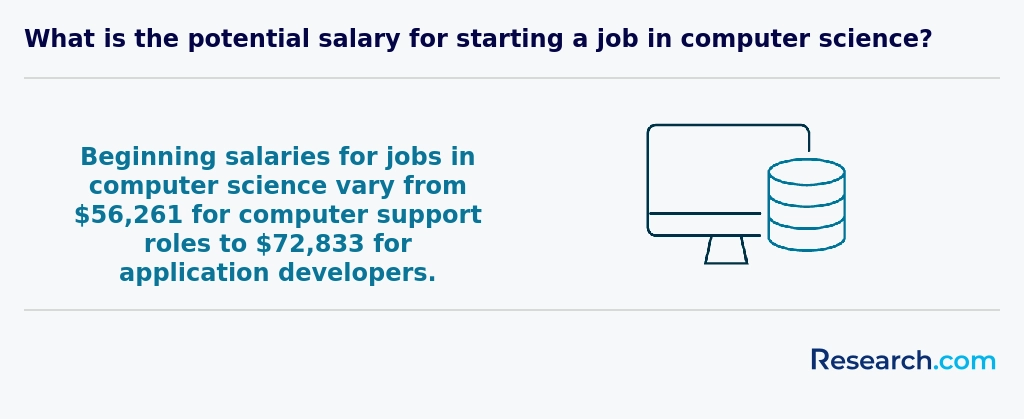
Graduates from online information technology programs in Maryland often find themselves stepping into a thriving job market with salaries that reflect the state's booming tech industry. For example, entry-level professionals typically start with annual salaries ranging from $55,000 to $75,000, notably in vibrant tech hubs like Baltimore or around the Washington D.C. metropolitan area. These starting salaries offer a solid foundation for new graduates launching their careers.
Many graduates from well-known Maryland institutions report quickly advancing into specialized roles such as cybersecurity analysts or data specialists, earning between $90,000 and $130,000 annually. The presence of federal agencies and contractors in Maryland significantly boosts these opportunities, making the salary prospects even more exciting and motivating.
Those pursuing leadership positions, like IT managers or systems directors, can expect to earn upwards of $140,000. Graduates often share stories of how earning their degree online from Maryland's respected colleges empowered them to achieve impressive career growth and financial rewards, fueling their confidence and passion for technology.
- Online IT degrees in Maryland cost between $15,000 and $35,000 at public universities, with private schools sometimes charging $40,000 or more.
- Maryland offers in-state tuition discounts that can significantly lower costs for residents attending public universities.
- The Maryland IT job market is growing at about 11% over the next decade, faster than the national average.
- Entry-level IT graduates in Maryland earn around $60,000 annually, with median salaries rising to about $95,000 within five to ten years.
- Professionals with certifications in cybersecurity, network administration, and software development are highly valued in the Maryland job market.
- Various certification programs and industry partnerships help online IT students gain practical skills and improve job prospects.
Completing an online information technology degree in Maryland is a dynamic journey tailored to your unique pace and lifestyle. Many students from the University of Maryland Global Campus find themselves graduating in about four years when studying full-time, balancing work, family, and coursework with inspiring dedication. With options to accelerate or transfer credits, some reach their goals in as little as two and a half years, fueling their excitement and confidence.
Associate degrees often take around two years, making them a perfect launchpad for working professionals or those starting fresh. Master's students at institutions like Towson University benefit from flexible programs, completing their advanced studies in one to two years full-time, or extending to up to four years part-time while managing other commitments.
This flexibility empowers Maryland online IT students to create education paths that fit their lives, encouraging a positive, motivated mindset to keep moving forward toward success.
Choosing between online and on-campus IT degrees in Maryland means embracing different but equally valuable learning journeys. Online programs, like those from University of Maryland Global Campus, offer incredible flexibility for busy professionals balancing work and family. Imagine completing your cybersecurity courses from home, fitting classes around your schedule without commuting stress. Graduates often share how this flexibility empowered them to advance without pausing life's momentum.
On-campus degrees at institutions like Towson University provide vibrant environments where hands-on labs and face-to-face interactions spark creativity and collaboration. Students find motivation in engaging directly with faculty and peers, gaining access to state-of-the-art equipment and real-time support. One graduate recalls how lively discussions in the classroom ignited their passion for programming and problem-solving.
Both paths cover core IT skills crucial for Maryland's booming tech market, but your choice depends on how you learn best. Whether embracing the freedom of online study or the enriching community of campus life, Maryland's IT programs open doors to exciting careers fueled by your dedication and ambition.
The average cost of an online information technology degree in Maryland varies depending on residency and institution choice, but it remains an accessible investment for many determined students. For Maryland residents attending public universities, the typical total tuition is about $37,440, reflecting a reasonable cost for a comprehensive IT education. Out-of-state students can expect an average total cost near $59,880, which still opens doors to valuable learning experiences and career opportunities.
Graduates from well-known Maryland institutions such as the University of Maryland Global Campus often share how these programs offered flexibility and high-quality resources while maintaining affordable tuition. This balance empowers students to manage work, family, and education seamlessly without compromising on their ambition. The median total cost data confirms that online IT degrees in Maryland provide both quality and value, truly worth the investment for those eager to advance in technology fields.
While considering your budget, remember that Maryland online IT degree tuition and fees typically include not only tuition but also potential additional expenses like textbooks and technology tools-factors thoughtfully designed to prepare students for real-world success. Many find that financial aid and scholarships significantly ease the burden, making the vision of earning an IT degree a motivating and achievable goal.
For those wondering is mis a good major, many Maryland students have found the program's blend of technical skill development and management knowledge attractive, contributing to their personal and professional growth on rewarding career paths.
Many online information technology students in Maryland feel empowered by the wide range of financial aid options available to support their journey. Graduates from institutions like the University of Maryland Global Campus often highlight how federal Pell Grants significantly eased their financial burden, providing up to $7,395 in aid without repayment. This makes pursuing an IT degree more accessible and less stressful.
State programs are another beacon of hope. Maryland's Guaranteed Access Grant has enabled low-income students to attend schools such as Towson University, covering full tuition and fueling dreams that once seemed out of reach. Merit-based scholarships from the Maryland Higher Education Commission have also been pivotal for many tech students, rewarding hard work and academic excellence while reinforcing a strong sense of community.
On top of grants and scholarships, many students work with employers offering tuition reimbursement, turning real-world job experiences into educational opportunities. Part-time work-study programs provide flexible ways to earn while learning, nurturing both financial independence and career growth within the vibrant Maryland tech landscape.
To enroll in an online information technology degree program in Maryland, you typically need a high school diploma or equivalent, like a GED. Many graduates from well-known Maryland institutions share how this foundational step opened doors to mastering impressive IT skills.
Admissions often look for strong backgrounds in math, science, and computer studies, which give students a confident start. While some programs may still ask for SAT or ACT scores, most embrace test-optional policies, welcoming diverse applicants eager to pursue their dreams.
If English isn't your first language, demonstrating proficiency through tests like TOEFL can boost your readiness, ensuring smooth communication and success in classes. Many Maryland students find that basic computer literacy-knowing how to navigate software and operating systems-helps them quickly adapt to coursework and thrive.
For advanced degrees, holding a bachelor's and showcasing relevant experience or coursework is key. Prospective online IT students at Maryland's top colleges appreciate that these prerequisites support their journey toward building rewarding tech careers with confidence and enthusiasm.
Online information technology degree programs in Maryland offer an exciting blend of courses that prepare students to excel in dynamic tech careers. Graduates from well-known Maryland universities often share how foundational courses like Introduction to Information Technology gave them a clear understanding of IT's role in everyday life and business, igniting their passion from day one.
Programming Fundamentals courses help students translate ideas into real software, using languages like Python and Java-skills celebrated by those who've launched apps or automated tasks during their studies. Database Management and Networking Basics dive into hands-on learning, enabling students to build and protect vital information systems just as professionals in Maryland's tech hubs do daily.
Many describe the thrill of mastering Cybersecurity and Cloud Computing, learning to safeguard data and use platforms like AWS, essential talents in Maryland's growing digital economy. These programs connect theory to action, inspiring students to tackle real-world challenges confidently while completing capstone projects or internships at top Maryland colleges.
Online information technology specializations Maryland students pursue offer exciting pathways to shape the future of technology. Graduates from popular colleges in the state often share how specializing in cybersecurity empowered them to protect critical infrastructures around government agencies. This specialization is especially impactful in Maryland's unique environment, where defending against cyber threats is a vital mission.
Many students also choose network administration, gaining hands-on experience configuring networks and mastering cloud platforms that drive today's businesses. Such skills open doors to dynamic careers in local industries and beyond, reflecting strong demand for IT degree concentration options Maryland institutions provide.
Software development is another inspiring path. Graduates celebrate how designing applications and coding projects at Maryland universities primed them to join tech startups or established firms. The rewarding salaries and job satisfaction highlight a bright future for those skilled in programming.
Additional options include data science, information systems management, and cloud computing, all catering to learners eager to innovate. For those eager to accelerate their career, an accelerated masters of management information systems adds even more flexibility and specialization.
Choosing the best online information technology degree in Maryland starts with focusing on accredited programs that shine in the local tech community. Graduates from well-known Maryland universities often mention how regional accreditation and ABET recognition boosted their confidence knowing their degrees are valued by employers. Affordability also matters; many find affordable IT degrees Maryland online in public institutions, making it easier to invest in their future while balancing life's demands.
Look for curricula that excite you-whether it's cybersecurity, network administration, or software development. Graduates rave about programs offering real-world experience through virtual labs and internships with Maryland tech companies. Student support services and flexible online options empower busy professionals to thrive without missing a beat in their careers. Exploring options like a management information systems online degree can also open new doors.
With Maryland's IT job market offering competitive salaries, making the right choice today fuels your career success tomorrow.

Graduates with an online information technology degree in Maryland step into a world filled with exciting career opportunities in one of the nation's most vibrant tech hubs. From network and computer systems administrators who keep organizations connected, to information security analysts who protect critical data-roles that are especially prominent given Maryland's reputation as a cybersecurity leader. Graduates from popular institutions like the University of Maryland and Towson University often share how their education prepared them for impactful careers supporting federal agencies and innovative tech companies.
Many find rewarding positions as software developers, creating cutting-edge applications that drive business success, or as IT project managers guiding teams to deliver technology solutions on time and budget. This vibrant state's tech environment encourages dynamic growth in online information technology careers Maryland, offering pathways in data management, cybersecurity, and beyond. For those seeking to explore top programs, an information technology course online can offer flexibility while connecting students to Maryland's expanding tech community.
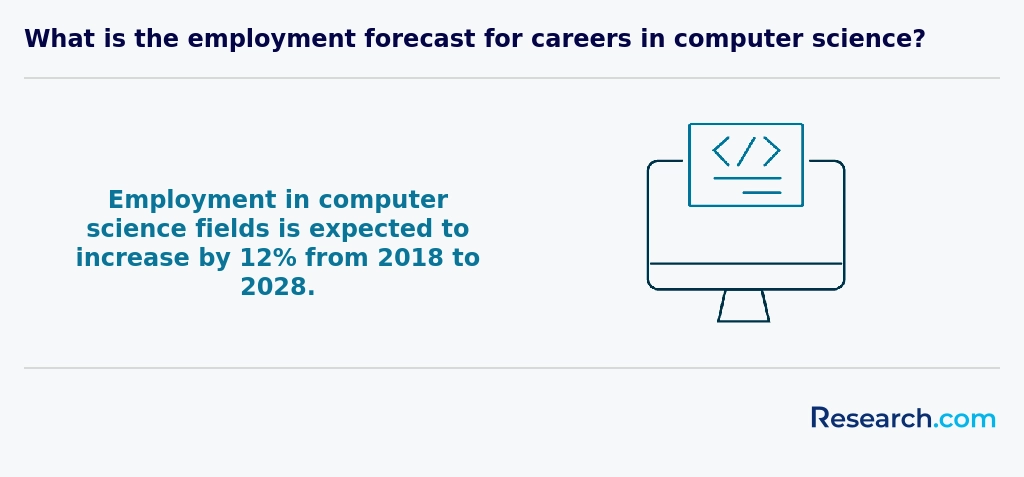
The job market for graduates holding an online information technology degree in Maryland is thriving, with the state's growing tech sector providing abundant opportunities. Graduates from popular institutions like the University of Maryland and Towson University share stories of landing roles quickly in cybersecurity firms and software companies concentrated in the Baltimore-Washington area. The strong demand is reflected in a 15% projected employment growth in computer and mathematical occupations from 2020 to 2030, emphasizing the positive job outlook for online IT degree Maryland.
Many graduates find their skills highly valued by major employers such as Lockheed Martin and the National Security Agency. The region's focus on cybersecurity, hosting the highest concentration of firms in the U.S., further enhances career prospects. Those pursuing information technology careers in Maryland enjoy attractive salaries, with median wages around $103,000 and starting salaries often above $60,000, making online IT programs a smart investment.
Flexible online studies allow students to build skills that meet today's market needs, and for those interested in advancing their expertise, programs covering cto certificate requirements provide a clear path to leadership roles.
2027 Best Online Information Technology Degree Programs Ranking in Maryland
Investing in your education is a significant decision that can shape your future, and the Research.com team understands the importance of making informed choices. To support prospective students in Maryland, we have carefully developed the "2027 Best Online Information Technology Degree Programs Ranking in Maryland." Our dedication to quality, credibility, and accuracy is demonstrated through extensive research and analysis behind this ranking.
We utilized the following reputable data sources to ensure a comprehensive evaluation of online IT programs:
By consulting this ranking, readers will gain valuable insights into the best online IT degree programs in Maryland, enabling them to make confident and informed decisions about their educational journeys. For more details on our methodology, please visit our Research.com methodology page.

# 2 position
University of Maryland Global Campus
Master of Cybersecurity Technology

# 3 position
University of Maryland Global Campus
Bachelor of Cyber Operations
Frequently Asked Questions About information technology
Online information technology degree students in Maryland can maximize their learning by actively engaging with their coursework and utilizing available resources. Many Maryland institutions offer access to virtual labs and software, critical for hands-on IT practice. Students should also take advantage of Maryland's strong tech community, connecting with local professional groups such as the Maryland Technology Council for networking and internships.
Time management and disciplined study habits are essential; statistics show that 62% of online IT students in the US who schedule regular study periods report higher success rates. Maryland's demand for IT professionals is projected to grow by 13% through 2030, according to the U.S. Bureau of Labor Statistics, emphasizing the importance of practical skills aligned with local industry needs.
Engaging with professors and peers via online forums and group projects further enhances understanding and career readiness. Maryland-based students should also explore certification opportunities, such as CompTIA or Cisco, which complement degree credentials and improve job prospects within the state's competitive IT sector.
The information technology field is rapidly evolving, with several emerging niches gaining prominence. In Maryland, areas like cybersecurity, data science, and cloud computing are particularly significant due to the state's strong federal government presence and tech industry growth. According to the Maryland Department of Labor, cybersecurity roles have grown by nearly 15% in recent years, driven by demand from agencies like NSA and companies in Baltimore.
Additionally, artificial intelligence (AI) and machine learning are expanding fields offering innovative opportunities, especially in healthcare IT and defense sectors common in Maryland. Online IT degree programs increasingly focus on these specialties to meet market demands.
Preparing for the job market after earning an online Information Technology degree in Maryland involves several strategic steps. First, graduates should leverage Maryland's strong tech ecosystem, which includes federal agencies and cybersecurity firms, to seek internships and networking opportunities. According to the Maryland Department of Labor, the IT sector in the state is expected to grow by 8% through 2030, offering promising job prospects.
Building practical skills through certifications like CompTIA Security+ or Cisco's CCNA can enhance employability. Additionally, engaging with local professional groups such as MDTech Council helps graduates connect with employers and stay updated on industry trends. Finally, tailoring resumes to highlight Maryland-relevant IT experiences and skills is crucial for standing out in the competitive job market.
Employers in Maryland highly value a blend of technical and interpersonal skills in information technology graduates. According to the Maryland Department of Labor, proficiency in cybersecurity, cloud computing, and data analysis ranks among the top technical competencies sought. These areas reflect the state's growing tech sector, including government and healthcare IT demands.
Additionally, strong problem-solving abilities and communication skills are critical. Employers emphasize teamwork and adaptability, reflecting project-based work environments common in IT roles. Knowledge of programming languages like Python, Java, and SQL also remains important.
Industry reports highlight that 75% of Maryland IT employers prefer candidates with hands-on experience from internships or projects, underlining practical skills alongside theoretical knowledge.
Finding internships in Maryland relevant to an information technology degree involves a strategic approach combining online research and direct networking. Maryland hosts a growing tech industry, with the Baltimore-Washington metro area ranked among the top U.S. regions for IT job growth, according to the U.S. Bureau of Labor Statistics. Students should utilize Maryland-specific resources like the Maryland Department of Labor's apprenticeships and internship listings. Universities often partner with local businesses, offering students exclusive internship opportunities through their career centers.
Online platforms such as Handshake and LinkedIn allow students to search Maryland internships filtered by IT roles. Additionally, attending virtual career fairs tailored to Maryland students can connect you with employers actively looking for IT interns. Engaging with Maryland-based technology organizations and professional groups can further increase internship prospects, as networking remains vital in landing positions within the competitive IT sector.
In Maryland, earning an online information technology degree can significantly enhance career mobility and advancement. The state's strong tech industry, especially in cybersecurity and government contracting, demands skilled IT professionals.
According to the U.S. Bureau of Labor Statistics, Maryland's information technology sector is projected to grow by 10% from 2022 to 2032, faster than the national average. This growth facilitates new job openings and promotional opportunities.
Online IT degrees offer flexibility for working professionals, allowing them to update skills without career interruptions. Employers in Maryland increasingly recognize accredited online programs, valuing technical expertise and practical experience equally.
Completing an online degree can qualify graduates for higher-paying roles, such as network architects or cybersecurity analysts, with Maryland median salaries well above the national median, as reported by Maryland Department of Labor.
Studying for an information technology degree in Maryland equips students with skills relevant to many fields, encouraging interdisciplinary collaboration. Maryland's IT programs often integrate coursework in cybersecurity, data analytics, and business management, reflecting the state's strong ties to government agencies and tech firms. This diverse curriculum prepares graduates to work alongside professionals in healthcare, finance, and engineering sectors.
According to the Maryland Department of Labor, by 2028, IT occupations are expected to grow by 13%, often requiring knowledge beyond technology alone. Online programs emphasize practical problem-solving and communication, critical for interdisciplinary roles.
Maryland's proximity to federal agencies like NSA and NIH further supports tailored learning experiences for cross-sector expertise.
When choosing between a thesis and a non-thesis online information technology degree program in Maryland, consider your career goals first. Thesis programs typically involve research and a significant writing project, ideal for students aiming for careers in research, development, or pursuing a PhD.
Non-thesis options usually focus more on coursework and practical skills, fitting those who want to enter IT management or technical roles quickly. According to Maryland's higher education statistics, about 60% of IT graduates enter the workforce directly, favoring non-thesis pathways.
Cost and time commitment also differ. Thesis degrees often require more time and resources, as research projects can last several semesters. Non-thesis programs are generally faster and might better suit working professionals.
Check if Maryland institutions offering these options align with your specialization interests and career plans.
Students based in Maryland seeking to study information technology abroad have several pathways. While Maryland offers strong in-state online IT programs, many institutions provide international exchange or dual-degree options. Partnerships between Maryland universities and foreign schools allow students to complete part of their studies overseas.
Additionally, fully online global IT programs from accredited universities enable Maryland residents to learn from international faculty without relocating. According to the Maryland Department of Labor, IT jobs in Maryland are expected to grow 15% through 2030, highlighting the importance of global IT education.
Students should explore programs with recognized regional accreditation to ensure transferability and recognition within the US job market.
Maryland offers several part-time job opportunities that align well with online information technology degree pursuits. Popular options include IT support specialist roles, where students assist with troubleshooting and system maintenance. These jobs provide hands-on experience with real-world technology systems.
Another common position is web developer assistant, involving coding and website management tasks. This role helps students build practical skills in programming languages like HTML, CSS, and JavaScript.
Maryland's growing cybersecurity sector also opens roles like junior security analyst, supporting network protection efforts. According to the Maryland Department of Labor, the IT sector in Maryland is expected to grow by about 12% from 2022 to 2032, increasing part-time job availability.
Additionally, internships with government agencies and private tech firms provide valuable exposure and flexibility for students balancing studies and work.
Online information technology students in Maryland have multiple networking opportunities to enhance their careers. Many universities offer virtual career fairs, workshops, and alumni meetups that connect students with local IT professionals and employers. Maryland's proximity to tech hubs like Washington, D.C., and Baltimore also provides access to industry events and professional organizations such as the Chesapeake Regional Tech Council.
Additionally, students can join statewide IT groups and attend conferences like the Maryland Cybersecurity Council events, promoting connections with experts in cybersecurity and IT management. The Maryland Department of Commerce reports that the state's tech sector has grown by over 10% in recent years, increasing these valuable networking chances.
Alumni networks provide significant benefits to online information technology degree students in Maryland. These networks create connections between current students and graduates working in Maryland's growing IT sector, which includes over 200,000 tech workers statewide according to the Maryland Department of Commerce. Such connections can lead to internships, job referrals, and mentorship opportunities.
Moreover, alumni often share insights about industry trends and certifications relevant to Maryland employers, helping students stay competitive. Many universities in Maryland host virtual networking events, making it easier for online students to participate regardless of location.
These networks also foster a sense of community, which can improve student engagement and career confidence.
Students pursuing online information technology degrees in Maryland have several options to tailor their studies to specific career goals. Many accredited Maryland institutions offer specializations such as cybersecurity, data analytics, software development, and network administration. This flexibility lets students focus on areas in high demand within Maryland's tech sector, which employs over 100,000 IT professionals as reported by the Maryland Department of Labor.
Additionally, students can often choose electives aligned with emerging trends like cloud computing or artificial intelligence. Some programs also provide opportunities for internships with Baltimore and Washington, D.C.-area tech companies, enhancing practical experience. Academic advisors play a key role in aligning coursework with industry certifications, improving job market readiness in Maryland's growing IT industry.
Online information technology students in Maryland often face several challenges unique to remote learning environments. One major obstacle is maintaining consistent access to reliable high-speed internet, which is essential for participating in interactive classes and accessing large software tools commonly used in IT studies. According to the Maryland Broadband Expansion Program, around 6% of households still lack adequate internet coverage, impacting some students' learning experiences.
Time management also poses difficulties, as balancing coursework with work or family responsibilities can be demanding. Additionally, students sometimes report limited opportunities for hands-on experience and networking compared to traditional campus programs, which are crucial in the IT field.
With an online information technology degree from Maryland, graduates can pursue various professional certifications to enhance their careers. Popular certifications include CompTIA A+, Network+, and Security+, which are widely recognized in the IT industry. These credentials validate foundational skills in hardware, networking, and cybersecurity.
Maryland's growing tech sector, highlighted by the Department of Commerce, shows a 7% annual growth in IT jobs, increasing demand for certified professionals. Certifications like Cisco's CCNA and Microsoft Certified: Azure Fundamentals also align well with local employer needs, particularly in government and defense sectors prevalent in Maryland.
Pursuing these certifications after your degree can improve job prospects and salary potential within the state.
To write a winning application for an online information technology program in Maryland, start by clearly demonstrating your passion for IT and relevant skills. Highlight any technical experience and certifications like CompTIA or Cisco, which are valued in Maryland's tech job market. Research shows Maryland tech employment grew over 10% in recent years, emphasizing demand for skilled graduates (Maryland Department of Labor, 2023).
Tailor your personal statement to the program's curriculum and career support services. Be specific about your professional goals and how the program will help you achieve them. Providing strong letters of recommendation from IT professionals can boost your application.
Information technology (IT) careers increasingly reflect a globalized economy where skills gained in Maryland are valuable worldwide. Maryland benefits from proximity to major technology hubs like Washington, D.C., and a 12% projected IT job growth from 2022 to 2032 according to the U.S. Bureau of Labor Statistics, highlighting strong local demand. Globally, the IT sector emphasizes cybersecurity, cloud computing, and data analytics, areas where Maryland's education and government institutions excel.
Online IT degrees in Maryland connect students with curricula that meet international standards, preparing graduates for diverse roles. Many employers now seek candidates familiar with global IT trends, including compliance with international data standards and cross-cultural project management skills.
Industry reports from CompTIA note that 67% of IT jobs in the U.S. could be impacted by global tech trends, underscoring the importance of staying current. For Maryland students, this means that earning an online IT degree offers pathways not only in local markets but also in multinational firms with global reach.
Gaining practical experience while pursuing an online information technology degree in Maryland is essential for career readiness. Many Maryland institutions collaborate with local tech companies in Baltimore and the Washington D.C. metro area to offer virtual internships and cooperative education programs. These opportunities allow students to apply classroom knowledge to real-world IT projects while studying remotely.
Additionally, students can participate in online labs and simulations provided by accredited programs, which often include cybersecurity exercises and network management tasks. According to the Maryland Department of Labor, the IT sector in Maryland is expected to grow by over 10% by 2028, increasing demand for skilled professionals with hands-on experience.
Students are also encouraged to join regional tech groups and attend virtual industry conferences to expand their professional networks. These combined experiences help online learners build competitive resumes in Maryland's dynamic IT job market.
Choosing the right concentration within an online information technology degree program in Maryland requires understanding both your career goals and the local job market. Maryland's IT sector is robust, with strong opportunities in cybersecurity, data analytics, and software development, according to the Maryland Department of Labor. Researching industries prominent in Maryland, like government contracting and biotech, can guide your decision.
Consider your strengths and interests: cybersecurity demands a focus on network security and risk management, while data analytics requires skills in programming and statistics. Reviewing course offerings and certification options within concentrations helps ensure the program aligns with in-demand skills. Additionally, internships and partnerships with Maryland employers can enhance practical experience.
- 2027 Best Online Information Technology Degree Programs Ranking in Virginia
- 2027 Best Online Information Technology Degree Programs Ranking in West Virginia
- 2027 Best Online Information Technology Degree Programs Ranking in Pennsylvania
- 2027 Best Online Information Technology Degree Programs Ranking in New Jersey
- 2027 Best Online Information Technology Degree Programs Ranking in New York
- 2027 Best Online Information Technology Degree Programs Ranking in Ohio
- 2027 Best Online Information Technology Degree Programs Ranking in Kentucky
- 2027 Best Online Information Technology Degree Programs Ranking in Connecticut
- 2027 Best Online Information Technology Degree Programs Ranking in Tennessee
- 2027 Best Online Information Technology Degree Programs Ranking in South Carolina
- Online Bachelor's Degree: Computer Information Systems https://www.umgc.edu/online-degrees/bachelors/computer-information-systems
- Best Online Bachelor's in Information Technology Programs I Computerscience.org https://www.cyberdegrees.org/listings/best-online-bachelors-in-information-technology-programs/
- Online Technology Degree Programs | University of Phoenix https://www.phoenix.edu/online-information-technology-degrees.html
- 5 Essential IT Skills Employers Want to See in Candidates https://www.umassglobal.edu/blog-news/5-essential-skills-employers-want-see-candidates
- Best Information Technology Degree Programs in Maryland, 2026 Rankings https://hakia.com/degrees/information-technology/maryland/
- Computer Science Internships | Programs For Students & Grads https://www.internhq.com/fields/computer-science-and-it/
- Most In-Demand IT Skills Employers Are Hiring For | IT Jobs UK Career Guide https://www.itjobboard.co.uk/blog/310/most-in-demand-it-skills-employers-are-hiring-for-%7C-it-jobs-uk-career-guide/
- What certifications should I get for computer science? | edX https://www.edx.org/resources/certifications-computer-science
- IT Cover Letter Examples (Information Technology Jobs) https://zety.com/blog/it-cover-letter-example
- Online Colleges in Maryland | OEDb.org https://www.oedb.org/maryland/