2027 Best Online Information Technology Degree Programs Ranking in Virginia

Co-Founder and Chief Data Scientist
Choosing the right online information technology degree program can be overwhelming, especially with so many options available in Virginia. This article introduces the 2027 Best Online Information Technology Degree Programs Ranking in Virginia, developed by Research.com's team of data scientists.
Designed to help you make an informed decision, the ranking highlights programs that offer quality education and real career benefits. Pursuing a degree in information technology can open doors to exciting job opportunities and long-term growth. Reading this article will guide you toward the programs most worth considering for your future success.
Key benefits of getting online information technology degree in Virginia
- Information technology graduates in Virginia can expect competitive salaries, with roles like software developers earning a median annual wage around $120,000 nationally, highlighting strong earning potential.
- Graduates from Virginia's institutions, such as Virginia Tech, often pursue diverse careers in cybersecurity, network administration, or software engineering, offering exciting pathways to grow and specialize.
- Online IT degrees provide flexible learning schedules and accessibility, allowing students to balance work and study effectively, as seen in graduates from the University of Virginia's online programs.
- 2027 Best Online Information Technology Degree Programs Ranking in Virginia
- What can I expect from online information technology degree in Virginia?
- Where can I work with online information technology degree in Virginia?
What can I expect from online information technology degree in Virginia?
The average cost of an online information technology degree in Virginia typically ranges between $20,000 and $40,000 for the entire program, depending on the institution and degree level. Graduates from well-known schools like George Mason University or Virginia Tech often report that their investment was justified by the flexible schedules and comprehensive curricula that aligned with workplace demands.
These programs offer affordable tuition compared to traditional on-campus options, especially when considering savings on commuting and housing. Many students appreciate how state grants and scholarships tailored for Virginia residents reduce their financial burden significantly. One graduate shared how access to financial aid made earning a cybersecurity concentration practical while balancing full-time work.
Institutions frequently include hands-on virtual labs and career services as part of their offerings, adding value beyond classroom instruction. This real-world applicability and affordability create a positive and achievable pathway for aspiring IT professionals in the state's growing technology market.
Where can I work with online information technology degree in Virginia?
Graduates with online information technology degrees in Virginia frequently secure roles across diverse sectors such as cybersecurity, network administration, and software development. Many find employment in Northern Virginia's thriving tech hubs, home to over 2,000 technology companies like Amazon Web Services and Booz Allen Hamilton, where demand for IT professionals in cloud computing and information security remains high.
Graduates from popular institutions like Virginia Tech and George Mason University report positive outcomes working as systems analysts or data managers in these regions. The Richmond and Virginia Beach areas also provide growing opportunities in finance, healthcare, and government contracting sectors, sectors actively seeking IT skills to support expanding digital infrastructures.
Additionally, public sector jobs with state and federal agencies, including the Department of Defense, offer openings in network security and project management. Small businesses and nonprofits around the state rely heavily on IT graduates to maintain digital operations, enhancing the practical value of a Virginia-based online IT education.
Graduates with an online information technology degree in Virginia often find themselves well-positioned to earn competitive salaries due to the state's strong tech industry. While specific salary figures for certain IT roles may not be detailed in available labor statistics, general trends show entry-level IT positions starting around $50,000 to $65,000 annually. For many, especially those who studied at Virginia Tech or George Mason University online, this starting range quickly improves after gaining experience.
More specialized roles such as software developers, systems analysts, or cybersecurity specialists typically earn between $85,000 and $120,000 per year. Many graduates in Northern Virginia report securing positions with government agencies or defense contractors, benefiting from salaries above the national average thanks to high demand and specialized skill sets.
Students balancing online coursework while working gain valuable experience that often translates into higher salary offers upon graduation. Certifications like CompTIA Security+ or Cisco CCNA, combined with their degree, enable these graduates to command even greater income, reinforcing the positive financial outlook for IT professionals in Virginia.
- Tuition for online IT degree programs in Virginia ranges from $7,000 to $15,000 per year at public institutions.
- Virginia's tech sector, especially in Northern Virginia, is one of the fastest-growing regions for IT jobs in the U.S.
- Entry-level IT positions in Virginia typically pay between $55,000 and $70,000 annually, with mid-career salaries ranging from $85,000 to $110,000.
- Common IT specializations include cybersecurity, data analysis, network administration, and software development, often with certifications offered alongside degrees.
- Virginia's online IT programs are generally regionally accredited, which supports credit transfer and eligibility for federal financial aid.
Completing an online information technology degree in Virginia generally requires about two years for an associate degree and around four years for a bachelor's degree when attending full-time. Many graduates from Virginia Tech and Old Dominion University have appreciated the flexible pacing options offered, such as accelerated programs and competency-based learning, which allowed them to finish sooner by leveraging prior knowledge or increasing their course load.
Part-time students juggling work or family commitments often experience longer timelines, reflecting the adaptability needed for varied life circumstances. Several students have taken advantage of year-round classes and summer courses available at these institutions to shorten their degree completion.
Transfer credits from prior college coursework or industry certifications further help students reduce time to graduation. With a tech sector employing roughly 220,000 professionals statewide, timely degree completion remains crucial for entering Virginia's workforce efficiently and confidently.
Online IT degrees in Virginia provide students with significant flexibility, allowing them to manage coursework around jobs or family commitments. Graduates from programs at institutions like Virginia Tech often highlight the convenience of accessing lectures and submitting assignments remotely, which is invaluable for those living in rural areas or balancing non-traditional schedules. Studies show that about 30% of U.S. postsecondary students take at least one distance education course, emphasizing how online formats grow in popularity.
Conversely, on-campus IT students at universities such as George Mason enjoy direct interaction with professors and peers through hands-on labs and real-time workshops. These experiences foster a collaborative atmosphere and offer networking events tailored to the Virginia tech industry, which many graduates cite as invaluable for launching their careers.
Cost differences also factor in, as in-state tuition at Virginia public schools ranges from $8,000 to $14,000 annually. Online learners frequently save on housing and commuting expenses, making education more affordable without sacrificing quality or accreditation, which remains consistent across both formats.
The average cost of an online information technology degree in Virginia varies significantly based on residency status and the type of institution. Median total costs for in-state students tend to be around $29,865, making public universities in Virginia a more affordable option for local students pursuing an online IT degree. Out-of-state students typically face higher tuition expenses, with median totals near $33,345 due to non-resident fees.
Graduates from institutions such as Virginia Tech and Old Dominion University often report paying between $16,000 and $22,000 for their entire online bachelor's degree in information technology when they qualify for in-state tuition. These students appreciate the manageable financial commitment coupled with the flexibility of online learning, which allows them to balance work and studies more effectively. Virginia's online IT degree tuition and fees are generally structured per credit hour, averaging $400 to $600, which aligns with typical credit requirements for a complete bachelor's program.
Private universities in Virginia may charge substantially more, frequently exceeding $30,000 for the full program. Those who have graduated from private schools highlight the value of specialized courses and accelerated timelines, which can justify the higher cost depending on individual career goals and timelines. Students looking into these options should also consider additional expenses such as textbooks and software, though many programs bundle these into tuition or offer financial aid support.
For those comparing career prospects and expenses, exploring related financial data such as mis salary trends can provide additional guidance on return on investment when choosing an online IT degree in Virginia.

Students pursuing online information technology degrees in Virginia benefit from multiple financial aid sources that significantly offset tuition costs, which range from around $10,000 at public institutions to $25,000 at private colleges annually. Federal aid through the FAFSA enables eligibility for Pell Grants, awarding up to $7,395 per year for low-income students, and Federal Supplemental Educational Opportunity Grants providing up to $4,000 for exceptional financial need.
Virginia residents attending institutions like George Mason University or Old Dominion University report meaningful savings thanks to in-state tuition rates for online IT programs. The Virginia Tuition Assistance Grant (VTAG) further assists those at private nonprofit colleges by supplementing tuition expenses. Additionally, the Virginia Education Savings Trust (VEST) offers scholarships that many IT students use to reduce reliance on loans.
Graduates often highlight how combining federal and state aid with private scholarships-offered by groups such as the Virginia Society of Certified Public Accountants-creates an achievable funding plan. Employer tuition reimbursement programs in Virginia's expanding tech sector also provide practical support, enabling students to balance work and study effectively while minimizing debt.
To enroll in online information technology degree programs in Virginia, students typically need a high school diploma or equivalent, such as a GED. For example, graduates from well-known institutions like George Mason University often recall submitting transcripts showing a GPA around 2.5 to 3.0, demonstrating their readiness for advanced coursework. Bachelor's programs frequently ask for standardized test scores, though many universities now offer test-optional policies, easing the entry process for applicants.
Graduate-level programs usually require a bachelor's degree, preferably in IT or related fields, with some schools valuing professional experience or certifications to strengthen applications. Letters of recommendation and personal statements can also play a critical role by allowing students to share their passion for technology and future goals, making the admission process feel more personalized.
Applicants might also need to prove foundational skills in programming or networking, which reflects the strong tech demands in Virginia's job market. Many students appreciate how universities like Virginia Tech integrate these prerequisites to prepare them thoroughly for the challenges ahead, fostering confidence and excitement as they begin their studies.
Online information technology degree programs in Virginia typically include foundational courses such as Introduction to Information Technology, where students develop a clear understanding of modern IT systems essential for real-world applications. Graduates from popular institutions like George Mason University describe this course as pivotal in framing their career paths.
Programming languages like Python, Java, and C++ are standard, preparing students for software development scenarios often encountered in Virginia's growing tech sector. Courses in Database Management teach practical skills for maintaining business-critical data systems, a strength highlighted by alumni from universities such as Virginia Tech.
Networking Fundamentals and Operating Systems provide hands-on knowledge of network protocols and platform management, which graduates find directly applicable when working with government contractors or tech firms around Northern Virginia.
Cybersecurity courses focusing on risk management and ethical hacking receive high praise for their relevance, particularly in protecting sensitive information in local industries. Electives including cloud computing and IT project management enable students to tailor their degrees to emerging regional demands.
Online information technology specializations Virginia students frequently encounter include cybersecurity, network administration, software development, data analytics and database management, and information systems management. Cybersecurity is a top focus due to the region's growing tech hubs, like Northern Virginia, where demand for skills protecting networks and data is very high. Graduates often share how this specialization directly led to roles in government contracting and private sector security firms.
Network administration programs, common at Virginia's leading colleges, teach students to design and maintain complex communication networks, often incorporating cloud technologies. Likewise, software development tracks align well with Virginia's expanding software and game development industries, providing students with practical coding and engineering experience.
Many universities offer data analytics and database management specializations, equipping students to handle large data sets that businesses rely on. Furthermore, information systems management blends IT expertise with leadership skills, preparing graduates for managerial roles where technology underpins organizational success. Students seeking degree focus areas Virginia online find these options provide clear career pathways, sometimes enhanced by certifications integrated into coursework.
For those interested in accelerating their credentials, the fastest online masters in management information systems is a strategic choice to deepen managerial IT expertise while maintaining pace with technology's growth.
Choosing the best online information technology degree in Virginia requires careful evaluation of accreditation and curriculum relevance. Graduates from well-known universities in the state emphasize the value of regional accreditation, such as SACSCOC, as it assures degree recognition by employers. Programs offering specialties like cybersecurity or data analytics, coupled with hands-on labs or virtual internships, align more closely with the current demands of the IT job market. Cost plays a significant role when selecting affordable online IT degrees Virginia, with public institutions typically charging between $7,000 and $15,000 annually for residents. Students often report satisfaction when tuition fees are balanced against financial aid and the program's career support services.
Faculty expertise and accessible remote support greatly enhance student success, a fact noted by alumni from prominent Virginia colleges. Practical scheduling options, including asynchronous classes, allow working professionals to maintain flexibility while studying. Additionally, representatives commonly suggest investigating graduation and job placement rates as key indicators of program quality. Researching partnerships with local employers or industry certifications further increases employment opportunities. For more specialized guidance, prospective students may consult resources on online management information systems programs to compare related degree offerings.
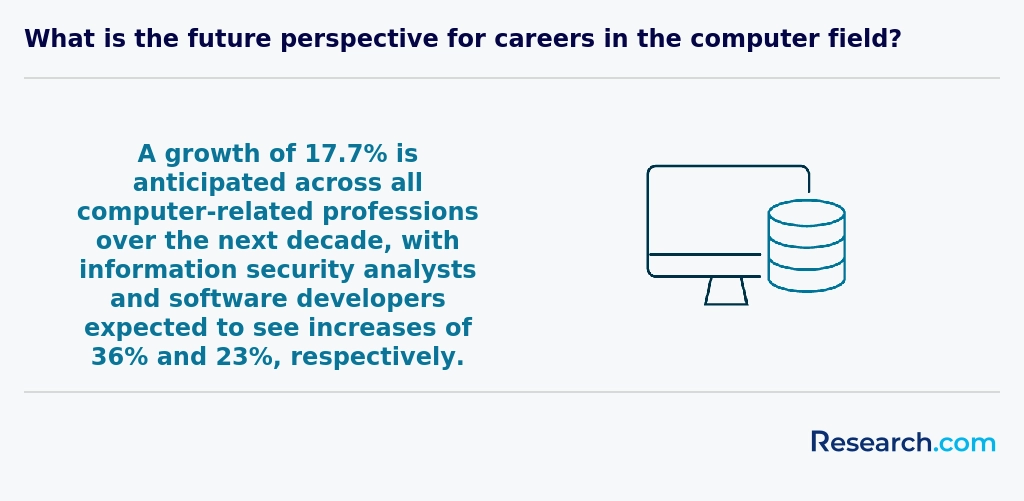
Graduates holding an online information technology degree in Virginia can pursue various in-demand career paths fueled by the state's expanding tech ecosystem. Positions in cybersecurity, network administration, software development, systems analysis, and IT project management are common due to the large presence of government agencies and technology firms in the region. For example, graduates from prominent Virginia colleges emphasize the practical advantage of their degrees when securing roles as Information Security Analysts or Software Developers, citing local industry connections and internship opportunities.
The demand for IT expertise in Virginia supports fast job growth, with computer and information technology occupations projected to increase by 16% from 2021 to 2031, exceeding national averages. Students considering online IT programs benefit from flexible coursework paired with industry-recognized certifications, improving employability across sectors such as defense contracting and public administration. Those exploring online information technology careers in Virginia can find resources and program options through offerings like the online information technology course rankings to identify institutions best aligned with their goals.
The job market for online information technology jobs in Virginia is notably strong, driven by a 15% projected growth in IT occupations from 2020 to 2030, well above the national average. Graduates from popular programs at institutions like Virginia Tech and George Mason University often find positions in Northern Virginia and Richmond, where the convergence of tech companies and federal agencies fuels demand.
Virginia's IT degree employment opportunities are especially abundant in cybersecurity and software development, fields supported by agencies such as the Department of Defense and NSA. Graduates report that hands-on experience with cloud platforms like AWS and certifications such as CISSP significantly improve hiring prospects. The average salaries for roles like computer network architects near $125,000, reflecting the market's high valuation of IT skills.
Many students pursuing online IT degrees in Virginia appreciate the affordability, with average in-state tuition around $11,000 per year, coupled with flexible schedules that accommodate working professionals. For those aiming to advance quickly, exploring steps to becoming a cto offers valuable insight into career progression beyond entry-level roles.
2027 Best Online Information Technology Degree Programs Ranking in Virginia
Investing in your education is a significant decision that can profoundly impact your future, and the Research.com team is dedicated to helping you make well-informed choices. To support prospective students in Virginia, we have carefully developed the "2027 Best Online Information Technology Degree Programs Ranking in Virginia." Our commitment to quality, credibility, and accuracy is demonstrated by the rigorous analysis and extensive research involved in creating this ranking.
We utilized the following reputable data sources to ensure a comprehensive evaluation of information technology programs:
By consulting this ranking, readers will gain valuable insights into the highest-quality online IT degree programs available in Virginia, enabling them to confidently select the program that best aligns with their career goals. For a detailed explanation of how our rankings are developed, please visit our Research.com methodology page.




Frequently Asked Questions About information technology
Online information technology degree students in Virginia can maximize their learning by actively engaging with course materials and instructors. Utilizing Virginia's strong tech industry connections, students should seek virtual internships and networking opportunities through state organizations like the Virginia Chamber of Commerce. According to the U.S. Bureau of Labor Statistics, Virginia is expected to see a 15% growth in IT jobs from 2020 to 2030, highlighting potential career benefits. Students should also participate in online study groups and leverage tools such as Virginia's Virtual Library for research support. Prioritizing time management and setting clear goals increases success in online IT degree programs.
The information technology field is rapidly evolving, with several emerging niches gaining prominence. One key area is cybersecurity, driven by increasing cyber threats and the need to protect sensitive data. Virginia, home to numerous government agencies and defense contractors, has seen strong demand for cybersecurity professionals.
Another growing niche is cloud computing, where experts design and manage scalable cloud infrastructures. The state's tech hubs, like Northern Virginia, are notable centers for cloud service providers.
Additionally, data science and artificial intelligence (AI) are transforming how organizations analyze information and automate tasks. Virginia's universities are expanding online IT programs to include these specialties, reflecting workforce trends reported by the Virginia Economic Development Partnership.
After earning an online information technology degree in Virginia, graduates should focus on practical experience and networking to prepare for the job market. Virginia hosts a growing tech industry, including companies in Northern Virginia that contribute to over 70,000 IT jobs, according to the Virginia Employment Commission. Internships and cooperative education programs provide hands-on experience and can often lead to full-time positions. Additionally, obtaining industry certifications such as CompTIA Security+ or Cisco's CCNA enhances employability. Joining professional organizations like the Virginia Technology Alliance helps build connections and access job listings. Staying updated on local labor market trends is key for career success.
Employers in Virginia seek several key skills in graduates of online information technology (IT) degree programs. Strong technical abilities in cybersecurity, cloud computing, and data management are highly valued, reflecting the state's growing tech industry. According to the Virginia Employment Commission, demand for IT professionals with expertise in network administration and software development is rising rapidly.
Beyond technical skills, employers emphasize problem-solving, communication, and teamwork abilities. These soft skills enable graduates to collaborate effectively in diverse work environments. Familiarity with programming languages such as Python and Java is also important for many positions.
Overall, a balanced combination of hands-on technical knowledge and interpersonal skills is essential for success in Virginia's IT job market.
Finding internships in Virginia related to information technology involves leveraging both university resources and regional industry connections. Many Virginia colleges with online IT degrees offer dedicated career services to assist students in internship placement. Utilizing platforms like Handshake, widely used by Virginia universities, can connect students with local tech employers.
Virginia's tech sector is robust, especially in Northern Virginia, home to over 6,500 tech firms and a large concentration of data centers, creating abundant internship opportunities. According to the Virginia Economic Development Partnership, the IT industry employs over 180,000 people statewide, signaling strong demand for skilled interns.
Additionally, networking through professional associations such as the Northern Virginia Technology Council can expose students to internship openings. Students should also check federal internship programs due to the government's strong presence in the region.
An online information technology degree in Virginia can significantly enhance career mobility and advancement opportunities. Virginia's growing tech sector, particularly in Northern Virginia and the Greater Richmond area, demands skilled IT professionals. According to the Virginia Employment Commission, IT jobs are projected to grow 12% through 2030, outpacing many other fields. An accredited online degree provides the necessary technical knowledge and credentials that employers recognize, increasing competitiveness for promotions or new roles.
Such degrees also offer flexible learning suited to working professionals, allowing career advancement without career interruption. Many Virginia-based companies value degrees from in-state accredited programs because they align with local industry standards and certifications. Overall, earning an online IT degree in Virginia supports upward career trajectories by meeting the state's evolving workforce needs.
Studying for an information technology degree online in Virginia equips students with skills that extend beyond traditional IT roles. Virginia's programs emphasize interdisciplinary knowledge, combining IT with business, healthcare, and cybersecurity fields. This approach reflects the state's diverse economy, where technology integrates with sectors like government, finance, and defense. According to the Virginia Economic Development Partnership, the IT sector in Virginia employs over 150,000 professionals, many in roles requiring cross-functional expertise.
Online curricula often include project management, data analysis, and communication courses, preparing students for varied workplace demands. Additionally, partnerships between Virginia universities and local industries offer real-world experience bridging multiple disciplines.
Choosing between a thesis and a non-thesis online information technology degree in Virginia depends largely on your career goals and learning preferences. A thesis program emphasizes research and analytical skills through an extended project, ideal for students considering doctoral studies or research roles in IT. In contrast, non-thesis programs focus more on practical skills and coursework, preparing graduates for immediate technical or managerial positions in the workforce.
According to the Virginia Community College System, demand for IT professionals with applied skills continues to grow at 8% annually, favoring non-thesis graduates seeking swift employment. However, universities like Virginia Tech highlight that thesis options provide a strong foundation for innovation and advanced study.
Assessing your long-term plan, time commitment, and learning style will help guide your choice between these two paths in Virginia's evolving tech landscape.
Students in Virginia seeking online information technology degrees with an international focus have several options. Many Virginia institutions offer study abroad partnerships, enabling students to earn credit while gaining global experience. For example, Virginia Tech and George Mason University provide exchange programs with universities in Europe and Asia known for strong IT curricula. Additionally, some programs integrate virtual collaboration with international peers, which broadens cultural understanding without requiring travel.
Virginia consistently ranks among the top states for IT employment, with over 250,000 tech jobs as of 2023, according to the Virginia Technology Alliance. This demand encourages programs to prepare students for a global workforce.
While fully abroad online IT degrees are rare, dual-degree or certificate options combining Virginia education with international modules are growing.
Virginia offers several part-time job opportunities that align well with online information technology degree studies. Common roles include IT support specialists, network technicians, and help desk analysts. These positions provide hands-on experience with system management and troubleshooting, which are crucial for IT students. According to the U.S. Bureau of Labor Statistics (2023), Virginia has a growing IT sector with a projected 15% employment increase through 2030.
Additionally, many tech companies around Northern Virginia, a major IT hub, often seek interns or part-time workers for cybersecurity and software testing roles. These jobs foster practical skills and industry connections valuable for IT students.
Online information technology students in Virginia have access to a variety of networking opportunities despite studying remotely. Many Virginia universities offer virtual career fairs and alumni networking events that connect students with IT professionals across the state. Organizations such as the Virginia Technology Council provide online forums and webinars to foster industry connections.
According to the Virginia Economic Development Partnership, the state hosts over 50,000 IT-related jobs, indicating a strong local market. Students can also join national groups like CompTIA's online communities, which often include Virginia-based members and events.
Local meetups and professional chapters in cities like Richmond and Northern Virginia often welcome remote students to participate online, enhancing networking possibilities.
Alumni networks offer significant advantages for online information technology degree students in Virginia. Graduates from Virginia's IT programs often join active alumni groups that facilitate professional networking, mentorship, and job referrals. According to the Virginia Higher Education Data report (2023), over 75% of IT graduates reported that alumni connections helped them secure internships or job opportunities within six months of graduation.
These networks provide access to industry events and workshops, fostering ongoing skill development crucial in the fast-evolving IT sector. Students can connect with experienced professionals across Virginia's tech hubs like Northern Virginia and Richmond.
Furthermore, alumni often share insights on career trends and emerging technologies, keeping current students informed and better prepared. Such resources enhance both academic and career outcomes for online IT students in Virginia.
Customizing an online information technology degree in Virginia often involves selecting specialized courses that align with your career goals. Many Virginia colleges offer concentrations such as cybersecurity, network administration, or software development, allowing students to tailor their studies to high-demand IT fields. According to the Virginia Employment Commission, cybersecurity roles are expected to grow by over 15% by 2030, making this a promising focus area.
Students can also take advantage of internship opportunities and capstone projects offered through online programs, providing practical experience. Additionally, certifications like CompTIA or Cisco can sometimes be integrated to enhance your resume while completing your degree. Always review the curriculum options carefully to match your intended career path in Virginia's dynamic IT job market.
Online information technology students in Virginia often face challenges related to balancing coursework with personal and professional responsibilities. Many students are working adults who struggle to manage time effectively while meeting rigorous program demands.
Technical issues can also impede progress, as reliable internet and access to specific software are critical for completing assignments. According to the Virginia Department of Education, approximately 10% of rural areas in Virginia still experience limited broadband access, impacting some students' learning experiences.
Additionally, students report feeling isolated due to limited in-person interaction, which can affect motivation and networking opportunities. Academic advising and career support tailored to online learners remain inconsistent across institutions.
With an online information technology degree in Virginia, students can pursue several professional certifications that enhance career prospects. Popular certifications include the CompTIA A+, which validates foundational IT skills widely recognized by employers.
Additionally, advanced certifications such as Cisco's CCNA focus on networking expertise, a field with growing job demand in Virginia's expanding tech hubs. Cybersecurity certifications like Certified Information Systems Security Professional (CISSP) are also highly valued, especially given Virginia's prominence in cybersecurity roles.
According to the Virginia Employment Commission, IT-related jobs grew by 8% between 2018 and 2023, reflecting strong market relevance for these certifications.
To write a winning application for an online information technology program in Virginia, start by carefully researching the specific program requirements. Virginia hosts several reputable universities offering accredited IT degrees online, and many look for applicants with strong academic records and relevant experience.
Highlight any prior coursework, certifications, or work in IT fields, as Virginia employers and programs value practical skills alongside theory. According to the Virginia Employment Commission, IT jobs in the state are projected to grow 13% through 2028, so showcasing your commitment can make a big difference.
Also, write a clear personal statement explaining your career goals and how this degree aligns with Virginia's growing tech sector. Finally, ensure letters of recommendation underscore your technical aptitude and work ethic.
The global outlook on a career in information technology (IT) remains highly positive, driven by rapid technological advancements and increasing digital transformation. In the United States, and specifically in Virginia, IT careers are projected to grow 15% from 2021 to 2031, much faster than the average for all occupations, according to the U.S. Bureau of Labor Statistics.
Virginia's strong technology sector, including government and defense industries, offers diverse opportunities for IT professionals. Globally, demand for IT skills emphasizes cybersecurity, data analysis, and cloud computing, reflecting a connected, digital economy.
Students pursuing online IT degrees in Virginia benefit from this growth, preparing for careers that are competitive worldwide yet grounded in local industry needs.
Students pursuing online information technology degrees in Virginia can gain practical experience through several key opportunities. Many Virginia universities have partnerships with local tech companies, offering internships that provide real-world exposure. For example, the Virginia Economic Development Partnership highlights Northern Virginia as a major tech hub, with over 600,000 IT workers statewide, creating abundant internship options.
Additionally, virtual labs and simulation platforms are often integrated into online IT programs. These tools allow students to practice coding, cybersecurity, and network management skills remotely. Joining student clubs or regional IT organizations can further enhance hands-on learning through projects and events.
Lastly, part-time IT jobs or freelance work, including remote roles, enable students to apply their knowledge while studying.
Choosing the right concentration within an online information technology degree program in Virginia requires understanding both your career goals and regional job market trends. Virginia's IT sector is growing rapidly, especially around Northern Virginia, where data centers and cybersecurity firms thrive, according to the Virginia Economic Development Partnership.
Concentrations like cybersecurity, network administration, and software development are popular choices linked to local employer demand. Researching which skills are sought after by Virginia-based employers can guide your decision. Additionally, consider program curriculum alignment with certifications valued in the industry, such as CompTIA Security+ for cybersecurity.
Reflect on your strengths and interests, and seek programs offering flexible options for your chosen concentration, ensuring relevance to Virginia's evolving information technology landscape.
- 2027 Best Online Information Technology Degree Programs Ranking in West Virginia
- 2027 Best Online Information Technology Degree Programs Ranking in Maryland
- 2027 Best Online Information Technology Degree Programs Ranking in Tennessee
- 2027 Best Online Information Technology Degree Programs Ranking in Kentucky
- 2027 Best Online Information Technology Degree Programs Ranking in Pennsylvania
- 2027 Best Online Information Technology Degree Programs Ranking in South Carolina
- 2027 Best Online Information Technology Degree Programs Ranking in Ohio
- 2027 Best Online Information Technology Degree Programs Ranking in New Jersey
- 2027 Best Online Information Technology Degree Programs Ranking in Georgia
- 2027 Best Online Information Technology Degree Programs Ranking in Indiana
- Online IT Degree: How to Choose the Right Program in 2026 https://cybersecurityusa.org/blog/online-it-degree
- IT Schools Online | Information Technology Careers https://www.oedb.org/rankings/online-it-programs/
- Tech Jobs in Virginia | Information Technology https://workinffxnova.com/industries/information-technology/
- Explore a Degree in Computer Science in Virginia https://www.computerscience.org/online-degrees/virginia/
- Information Technology Degrees https://www.nr.edu/it/it.php
- Best Information Technology Degree Programs in Virginia ... https://hakia.com/degrees/information-technology/virginia/
- BS in Information Technology in Richmond https://www.southuniversity.edu/richmond/information-technology-bs
- Computer & Information Technology - Programs & Training ... https://www.virginiawestern.edu/academics/it/
- How long does it take to complete an IT program? https://wcc.ca/blog/how-long-does-it-take-to-complete-an-it-program/
- Using Technology to Transform Higher Education https://upcea.edu/using-technology-to-transform-higher-education/