2027 Best Online Doctorate in Information Technology Degree Programs Ranking in the USA

Co-Founder and Chief Data Scientist
Choosing the right online doctorate in information technology can shape your future career and open new opportunities. Our 2027 Best Online Doctorate in Information Technology Degree Programs Ranking in the USA, created by the Research.com team of data scientists, is designed to help you make an informed decision.
This article highlights top programs that combine quality, flexibility, and value, ideal for busy professionals and ambitious students alike. Exploring these options can bring you closer to advancing your expertise and standing out in the tech industry.
Investing in your education is a meaningful step toward long-term success and personal growth.
Key benefits of getting online information technology degree in America
- Information technology degree graduates in the US can expect competitive salaries, with roles like software developers earning over $110,000 annually on average, highlighting the financial value of this career path.
- Graduates from popular universities often find diverse career opportunities ranging from cybersecurity to network administration, allowing for growth and specialization based on individual interests.
- Online IT degrees offer flexible schedules and reduced expenses, enabling students to balance work and study effectively while gaining the same respected credentials as traditional programs.
- 2027 Best Online Doctorate in Information Technology Degree Programs Ranking in the USA
- What can I expect from online information technology degree in America?
- Where can I work with online information technology degree in America?
What can I expect from online information technology degree in America?
Online information technology degree costs vary widely depending on the institution and program format. On average, public universities offering online IT degrees charge between $10,000 and $20,000 per year for in-state students, while out-of-state or private universities may range from $20,000 to over $40,000 annually. For example, graduates from well-known public universities in states like California or Texas often report tuition around $12,000 to $15,000 per year, benefiting from in-state rates and financial aid.
Many students find these costs manageable by combining federal financial aid, scholarships, and employer tuition reimbursement programs. The flexibility of asynchronous classes at popular online colleges allows working professionals to maintain income while studying, easing financial pressure.
Graduates frequently mention that investing in an accredited program, such as those recognized by ABET, adds value to their resume and accelerates career advancement. Real-life experiences from alumni emphasize that strategic budgeting and leveraging financial resources can make earning an IT degree online accessible without overwhelming debt.
Where can I work with online information technology degree in America?
Graduates with an online information technology degree from well-known American colleges often find themselves working at software development firms, cloud service providers, or cybersecurity companies. For example, many graduates from institutions like Arizona State University or University of Florida quickly land roles as cybersecurity analysts, a job sector growing at 35% over the next decade. This growth means solid job security and opportunities to build skills on the job.
Others take their skills into finance or healthcare, managing complex data systems or electronic medical records. Imagine working for a major bank maintaining secure transactions or supporting telehealth platforms in a hospital setting-these are common paths for grads from online programs at schools like Penn State World Campus.
Government agencies also actively recruit IT grads to handle cybersecurity, data analysis, and system support. Graduates from American public universities often report rewarding work supporting organizations such as the Department of Defense or NASA, feeling proud to contribute to national security.
Finally, many find work as network administrators, database managers, or IT project managers in various industries, leveraging certifications earned during their online studies. These practical roles provide steady incomes and chances for advancement across nearly every sector in America.
Graduates with an online information technology degree in America typically see starting salaries between $55,000 and $70,000 in entry-level roles such as IT support specialists or network administrators. Those holding a bachelor's degree often find positions like systems analysts or computer programmers, earning between $75,000 and $100,000, reflecting steady growth after completing programs from institutions like Arizona State University or the University of Florida.
Moving beyond entry-level roles, many graduates report that pursuing certifications in cloud computing or cybersecurity alongside their degree significantly boosts their paycheck. For instance, IT managers-often requiring an advanced degree or years of experience-earned a median wage of about $159,010 in 2023, according to BLS data.
Online degree holders from reputable programs like Penn State World Campus often share how their remote studies paired with hands-on internships open doors to high-paying roles, especially in tech hubs such as California and Texas. Experience, specialization, and location together shape these positive earning outcomes for online IT graduates nationwide.
- Online IT bachelor's degrees in the U.S. typically cost between $10,000 and $20,000 per year at public universities and over $30,000 at private schools.
- Graduate IT programs usually range from $15,000 to $40,000 in total tuition costs.
- The IT job market is expected to grow 15% from 2021 to 2031, driven by fields like cybersecurity and cloud computing.
- Entry-level IT graduates earn about $60,000 to $70,000 annually, with mid-career salaries rising to $90,000-$110,000 and senior roles surpassing $130,000.
- Regional and specialized accreditation are important for program recognition and financial aid eligibility.
- Many programs offer practical training through virtual labs and internships, with bachelor's degrees taking about four years to complete and master's degrees roughly 18 to 24 months.
Completing an online information technology degree in America typically spans from two to six years, depending on the degree level and study pace. For example, graduates from well-known schools like Arizona State University often complete their associate degree in about two years full-time, covering essentials like networking and programming. Taking the same path part-time extends the process to three or four years, offering more balance for those working or managing family obligations.
Bachelor's degrees usually require around four years full-time, though some graduates from institutions such as Southern New Hampshire University have accelerated this to three years by leveraging transfer credits and heavier course loads. Part-time students should expect five or more years, integrating studies with work and life.
Master's degree seekers, especially at schools like Drexel University, commonly finish in 1.5 to 3 years while balancing career and study commitments. Doctorate programs demand the most time-three to six years-often stretching for part-time learners managing research and dissertation milestones.
Understanding your schedule, credit transfers, and school pacing options will help tailor a realistic timeline that fits your life and ambitions.
Online and on-campus IT degrees in America primarily differ in how you access the learning experience. Graduates from universities like the University of Florida often praise online programs for their flexibility-letting them balance work, family, and study without relocating. They schedule lectures around their day, accessing courses from anywhere, which suits busy professionals.
Meanwhile, graduates from schools such as Georgia Tech highlight the on-campus experience for hands-on labs and direct collaboration with professors and peers. Being physically present on campus enables immediate feedback during coding sessions or cybersecurity workshops, creating a dynamic learning environment that some find motivating.
Cost is another factor: public university on-campus tuition typically ranges from $9,000 to $12,000 yearly for in-state students, while private colleges may charge $30,000 or more. Some online programs reduce tuition or waive campus fees, offering savings, but it varies. Both formats cover core IT skills like networking and programming, and accreditation ensures employers value the degree equally.
The average cost of an online information technology degree in America varies considerably depending on residency status and type of institution. Median total expenses hover around $28,725, but for in-state students attending public universities, this cost can drop to roughly $9,520. Conversely, out-of-state learners typically face higher tuition, averaging near $25,720. Graduates from popular universities like Arizona State or University of Florida often share how careful planning around residency status and choosing accredited public programs saves them thousands, making their IT degrees more affordable.
Pragmatic students know that while tuition represents the largest expense, additional fees for technology, textbooks, and materials can add $1,000 to $2,000 yearly. Many successful online IT students leverage scholarships, financial aid, and flexible payment plans to ease these costs. Bachelor's degrees tend to be the most cost-effective path; master's and doctoral programs command higher prices but offer greater specialization and career payoffs.
A realistic budgeting approach involves assessing the total expenses for online IT doctorate programs in the USA versus bachelor's programs, choosing accredited schools with reasonable credit requirements, and factoring in residency benefits. Graduates often highlight that affordable programs from institutions like Oregon State University enable them to balance quality education without overwhelming debt.
For career-oriented students interested in the intersection of business and technology, exploring pathways linked to the mba technology management salary can inspire smarter investment in education, blending management skills with IT proficiency for higher returns.

Many online IT students at universities like Arizona State and the University of Florida have found federal financial aid key in managing costs. Completing the FAFSA early unlocks eligibility for Pell Grants, which can provide up to $7,395 annually without repayment. This support often makes a significant difference for students balancing work and study. Federal loans with reasonable interest rates and flexible repayment options also make tuition manageable, especially when combined with scholarships.
State-specific grants are valuable as well-students from California, Texas, or New York report receiving additional funding focused on online learners through their state programs. Private scholarships from organizations like the Computing Research Association or tech companies such as Microsoft often focus on encouraging diversity and support for IT students, easing financial strain further.
Working professionals at institutions such as Purdue University find employer tuition assistance programs particularly helpful, covering part or all of their tuition costs. These combined options paint a realistic picture: by actively pursuing available aid, many graduates successfully navigate the financial hurdles of earning an online IT degree in America.
To enroll in an online information technology degree in America, you first need a high school diploma or an equivalent like a GED. Graduates from institutions such as Arizona State University and University of Florida often share how meeting this minimum academic entry point gave them confidence to start strong. Most programs require a GPA around 2.5 to 3.0, ensuring you're prepared for college-level work. If you lack background in math or computing, many students take prerequisite courses-often algebra or introductory programming-before or during their early semesters at schools like Penn State World Campus.
For graduate IT degrees, expect to submit transcripts and sometimes GRE scores, alongside a relevant bachelor's degree in computer science or IT. This step was a pivotal moment for many graduates from Georgia Tech, reassuring them they were ready for advanced studies.
Technical readiness is essential. Reliable internet and a decent computer are non-negotiable; graduates often note how upfront technical preparation helped them avoid frustrating interruptions. Planning ahead to meet these prerequisites makes your online IT journey in America smoother and more rewarding.
Online information technology degrees in America typically include core courses like Introduction to Information Technology, Programming Languages, Database Management, and Network Security. Graduates from well-known schools such as Arizona State University and University of Florida often highlight how mastering programming languages like Python and Java empowered them to build real-world applications during their studies.
These foundational classes offer practical skills, such as setting up secure networks or managing large data systems, that directly relate to everyday business needs. More advanced courses like Cloud Computing and Systems Analysis prepare students for challenges faced by companies migrating to the cloud or optimizing IT infrastructure.
Many students appreciate the IT project management courses, where they learn leadership and strategic planning by managing simulated tech projects, simulating real workplace environments. This hands-on experience makes transitioning to professional roles smoother and boosts confidence.
Finally, capstone projects help students apply what they've learned by solving actual business problems, a highlight often mentioned by graduates from public and private universities alike across the U.S.
Online information technology degrees in America typically offer a range of practical specializations tailored to meet career demands. Popular tracks include cybersecurity, which prepares graduates to defend networks against growing cyber threats-a specialization praised by many students at leading universities for its real-world relevance. Network administration teaches students how to manage complex computer systems, an essential skill for companies relying on robust infrastructure.
Other notable specializations involve data analytics and big data, where students learn to extract business insights from large datasets, a favorite among graduates entering the tech industry. Software development focuses on coding and application creation, often highlighted by college alumni who have moved quickly into software roles post-graduation. Cloud computing is another vital area, as shifting company infrastructures require experts in cloud services and security.
Programs such as those at top American colleges also emphasize information systems management, combining IT with business leadership skills that graduates find valuable in managerial positions. When choosing your path, consider how these online information technology specializations USA options align with your career goals. For those weighing online options, exploring easy information technology online degrees can provide a practical starting point.
Start by verifying regional accreditation to ensure your degree holds weight nationwide, just like many graduates from top American colleges have emphasized. Consider programmatic accreditation like ABET, which confirms curricula meet industry standards. Many students pursuing the best online information technology doctorate programs USA found this crucial for both rigor and recognition.
Budget realistically. Public universities offer affordable online IT doctorate degrees America, typically between $7,000 and $20,000 annually, plus expenses for materials and tech. Graduates often recommend factoring in financial aid options such as FAFSA or scholarships to ease costs without sacrificing quality.
Look for curricula tailored to your career goals-whether cybersecurity or cloud computing. Popular universities provide hands-on labs and capstone projects that boost job readiness. Graduates attest that selecting programs with strong faculty expertise and industry ties simplifies securing internships and networking.
Flexibility is key for balancing work and study. Choose between asynchronous, synchronous, or hybrid formats based on your lifestyle. Also, explore resources like advising and career services to support your journey. Understanding the difference between information technology and other fields can help, and the it vs cs distinction is worth reviewing early on.
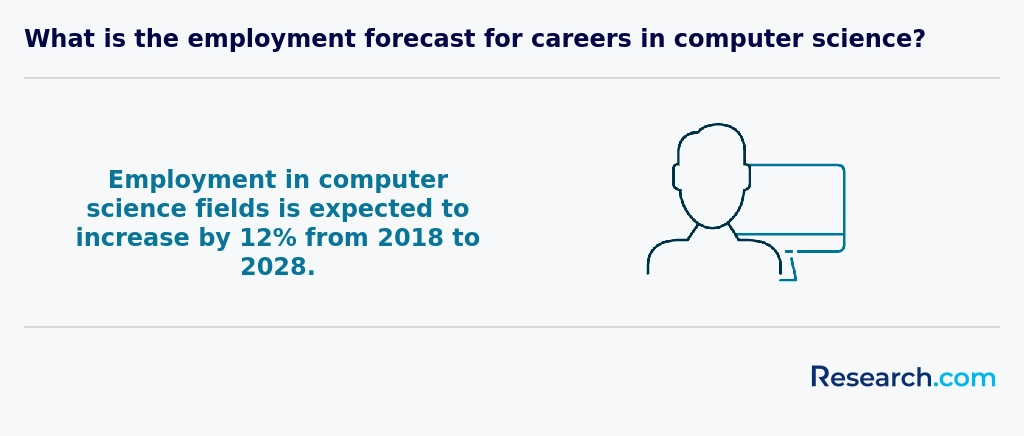
Graduates with an online information technology degree in America find a variety of career paths that align with their skills and interests. Many start as network and systems administrators, where they manage and secure an organization's IT infrastructure-a role that graduates from public universities often praise for its stability and clear advancement routes. Others pursue cybersecurity specialist positions, a rapidly expanding field fueled by constant cyber threats, offering satisfying challenges and excellent pay. Software developer and programmer roles appeal to graduates who enjoy building innovative applications and problem-solving daily.
Experienced graduates from colleges known for versatile technology programs share how becoming data analysts or database administrators helps companies turn raw data into actionable insights, making their work both impactful and rewarding. Some leverage their degree to become IT project managers, coordinating teams through complex projects, a role requiring strong organization and communication.
Students seeking practical options should compare costs carefully; many find that exploring most affordable online it degree programs in America allows them to balance quality and budget efficiently while preparing for diverse online information technology careers in the USA.
The job market for online information technology jobs in USA remains robust and promising. Graduates from recognized programs at universities like Arizona State University or the University of Florida consistently report strong hiring interest from employers seeking skills in cybersecurity, software development, and network administration. Employers especially appreciate the discipline and adaptability demonstrated by online learners who are prepared for remote or hybrid work environments, which are increasingly common in the tech sector.
Graduates find that combining their online degree with internships or certifications significantly improves their job prospects. For example, some who completed degrees through well-regarded public universities have leveraged these advantages to secure positions as IT project managers or cybersecurity analysts with competitive salaries. According to U.S. labor projections, this field is expected to grow much faster than average, supporting a positive IT career outlook in America.
Cost considerations are crucial, and many students explore options to find affordable programs. Those interested might consider examining the cheapest mba information systems programs as a way to balance quality education with expenses while building strong career credentials.
2027 Best Online Doctorate in Information Technology Degree Programs Ranking in the USA
Investing in your education is a significant decision that can shape your future, and the Research.com team understands the importance of making informed choices. To assist prospective students seeking advanced expertise, we have meticulously crafted the "2027 Best Online Doctorate in Information Technology Degree Programs Ranking in the USA." Our commitment to quality, credibility, and accuracy is reflected in the thorough research and analysis conducted to compile this ranking.
We utilized the following reputable data sources to ensure a comprehensive evaluation of programs:
By exploring this ranking, readers will gain valuable insights into the top online doctorate programs in Information Technology, enabling them to make informed decisions tailored to their career and learning goals. For more details on how we created this ranking, please visit our Research.com methodology page.

# 2 position
Walden University
Doctor of Information Technology

# 3 position
Capella University
Doctor of Information Technology

Frequently Asked Questions About information technology
To maximize their learning experience, online information technology degree students in America should actively engage with course materials and participate in virtual discussions. Studies show that American IT graduates with high engagement report better job placement, according to the National Center for Education Statistics (NCES, 2023).
Utilizing additional resources like coding labs, simulations, and open-source projects enhances practical skills. Students benefit from joining professional organizations such as the Association for Computing Machinery (ACM) to network and access industry updates.
Time management is critical; setting a consistent study schedule helps balance coursework with professional responsibilities. Many accredited US programs offer support services like tutoring and career advising, which students should leverage to improve outcomes.
Emerging niches in the information technology field are shaping the demand for specialized skills in the USA. Areas such as cybersecurity continue to grow rapidly, with the U.S. Bureau of Labor Statistics projecting a 35% increase in cybersecurity jobs from 2021 to 2031. Cloud computing is another expanding field, driven by businesses shifting to remote operations and digital infrastructures. Additionally, data science and artificial intelligence (AI) have become critical, with AI-related job openings increasing by 119% from 2015 to 2020, according to the LinkedIn Emerging Jobs Report. These niches offer promising career opportunities for graduates of online IT programs.
After completing an online information technology (IT) degree in America, preparing for the job market involves several key steps. First, building a strong professional network is essential. According to the U.S. Bureau of Labor Statistics, networking can significantly increase job prospects in IT fields. Graduates should join relevant organizations, attend virtual career fairs, and engage on platforms like LinkedIn.
Technical skills must be continually updated. Employers often seek candidates with certifications such as CompTIA Security+, Cisco's CCNA, or AWS Certified Solutions Architect. These credentials complement degrees and demonstrate job readiness.
Finally, gaining practical experience through internships, freelance projects, or contributing to open-source software improves employability.
Employers in the U.S. highly value technical proficiency and practical experience in information technology graduates. Key skills include expertise in cloud computing, cybersecurity, data analysis, and programming languages like Python and Java. According to the U.S. Bureau of Labor Statistics, demand for IT-related roles is growing by 13% annually through 2031.
Strong problem-solving abilities and familiarity with emerging technologies are also essential. Communication skills matter because IT professionals often collaborate across departments. Certifications such as CompTIA Security+ and AWS Certified Solutions Architect can enhance job prospects.
Graduates from accredited online programs gain competitive advantages by mastering both theory and hands-on applications relevant to the American tech industry.
Finding internships in America relevant to an information technology degree involves several strategic steps. Start by using university career centers, which often provide exclusive internship listings and resources tailored to IT students. According to the National Association of Colleges and Employers (NACE), over 60% of internships are secured through school-based services or networking events.
Online platforms such as Handshake and LinkedIn are valuable for discovering internships in IT, offering filters for location, field, and experience levels. Additionally, major tech companies like Google, Microsoft, and Amazon often post structured internship programs aimed at IT students.
Networking is crucial: engaging in virtual career fairs, industry conferences, and professional IT organizations strengthens connections that can lead to internships. The U.S. Bureau of Labor Statistics notes that internships significantly improve job prospects after graduation in IT fields.
Online information technology degrees in America significantly enhance career mobility by providing flexible access to advanced skills needed in a rapidly evolving job market. According to the U.S. Bureau of Labor Statistics, employment in computer and information technology occupations is projected to grow 15% from 2021 to 2031, much faster than average.
The convenience of online programs allows professionals to balance work, study, and personal commitments, facilitating continuous skill development without career interruption. This flexibility is especially valuable in IT fields where new technologies emerge frequently.
Graduates with online IT degrees often qualify for higher-level positions, including management and specialized technical roles, boosting advancement potential. Employers increasingly recognize accredited online degrees, expanding opportunities across industries.
Studying for an information technology degree in America equips students with skills that extend beyond traditional IT roles. Curricula often integrate courses in business, management, cybersecurity, data analytics, and communication, fostering an interdisciplinary approach. According to the National Center for Education Statistics, over 70% of IT programs include technical and non-technical subjects to prepare students for diverse workplace challenges.
Employers increasingly seek professionals who can bridge technology with fields such as healthcare, finance, and engineering. Online IT degrees in the U.S. emphasize problem-solving, critical thinking, and collaboration, all essential for interdisciplinary roles.
Choosing between a thesis and a non-thesis online information technology degree in America depends on your career goals and learning preferences. Thesis programs require students to conduct original research and write a detailed paper, which benefits those interested in academic roles or research-intensive jobs. The non-thesis option typically emphasizes coursework and practical skills, suitable for students aiming to enter or advance in industry positions.
According to the National Center for Education Statistics, about 40% of graduate IT students in the US opt for thesis options, reflecting growing interest in research. Consider workload, time commitment, and your interest in research when making your decision.
Students based in America who wish to study information technology (IT) abroad have several options through online degree programs offered by international universities. Many foreign institutions provide fully accredited online IT degrees accessible worldwide, allowing US students to gain global perspectives without relocating.
Some American universities maintain partnerships with overseas schools, enabling students to enroll in joint or dual-degree programs. These collaborations can enrich curriculum diversity and enhance a student's resume.
While less common, hybrid programs combine online coursework with short-term residencies abroad, giving hands-on international experience alongside remote study.
According to the National Center for Education Statistics, about 14% of US students enrolled in postsecondary online programs consider international components valuable for career advancement in IT fields.
Part-time jobs that align with an online information technology degree in America often include roles like help desk technician, IT support specialist, and web developer. These positions offer practical experience while students complete their studies. According to the U.S. Bureau of Labor Statistics, IT support roles are expected to grow 8% through 2031, highlighting strong demand. Gaining hands-on experience in troubleshooting, software installation, or coding enhances a student's resume and technical skills. Many employers offer flexible schedules ideal for students. Additionally, freelance opportunities in programming or cybersecurity allow for skill development and income generation, complementing academic learning in IT fields.
Online information technology students in America benefit from a variety of networking opportunities designed to connect them with professionals and peers. Many accredited programs partner with industry groups such as the Association for Computing Machinery (ACM) and the Information Systems Security Association (ISSA), offering virtual events and conferences. Additionally, students often gain access to exclusive online forums and alumni networks, enabling collaboration and mentorship across states.
Universities also host webinars and career fairs that attract IT employers nationwide. According to the U.S. Bureau of Labor Statistics, the demand for IT professionals is projected to grow 15% from 2021 to 2031, increasing these networking channels' importance. Online platforms like LinkedIn further enhance connections for graduates in the field.
Alumni networks play a crucial role for students pursuing online information technology degrees in America. These networks connect current students with graduates who have firsthand experience in the IT sector, offering guidance on career paths and industry trends. According to a 2023 report by the Computing Technology Industry Association (CompTIA), 70% of IT professionals found their jobs through connections built in educational or professional networks.
Being part of a strong alumni network provides access to exclusive job postings and internships, which is vital since the U.S. Bureau of Labor Statistics projects a 15% growth in IT jobs from 2021 to 2031. Furthermore, alumni frequently offer mentorship, helping students develop practical skills alongside theoretical knowledge. These connections also facilitate collaboration on projects and research, enriching the online learning experience and fostering long-term professional relationships.
Customizing an online information technology degree program in America allows students to align their education with specific career goals. Many universities offer specialized tracks or concentrations such as cybersecurity, data analytics, or software development, which help tailor the curriculum. According to the National Center for Education Statistics, flexibility in course selection and electives is common in IT programs.
Students can often choose from a range of project topics, internships, or research opportunities to build relevant skills. Additionally, some programs enable learners to balance technical coursework with management or business classes, which is valuable for leadership roles in IT.
Engaging with faculty advisors early in the program helps ensure course choices support desired career paths. This approach helps graduates enter high-demand fields; the U.S. Bureau of Labor Statistics projects 15% growth in computer and IT jobs through 2031, highlighting the importance of degree customization to remain competitive.
Online information technology students in America often face challenges related to balancing rigorous coursework with personal and professional responsibilities. Many enrollees are working professionals who must manage demanding jobs alongside study commitments. According to the National Center for Education Statistics, nearly 40% of online students report time management as a major hurdle.
Technical difficulties also pose obstacles, as students require reliable internet access and compatible hardware to complete assignments and participate in virtual labs. Additionally, limited in-person interaction can affect motivation and networking opportunities.
Access to timely academic support is crucial, with 30% of online IT students citing difficulties reaching instructors promptly. Understanding complex IT concepts without hands-on guidance can further complicate learning experiences.
With an online information technology degree in America, graduates can pursue a variety of respected professional certifications that enhance career prospects. Popular certifications include the CompTIA A+ for foundational IT skills and Certified Information Systems Security Professional (CISSP) for cybersecurity expertise.
Other notable options are Microsoft Certified: Azure Fundamentals for cloud computing and Project Management Professional (PMP) to demonstrate leadership in IT projects. According to the U.S. Bureau of Labor Statistics, demand for IT professionals with certifications is projected to grow 15% from 2021 to 2031, faster than the average for all occupations.
These certifications complement an online IT degree by validating practical knowledge and improving employability across sectors like healthcare, finance, and government.
Writing a winning application for an online information technology program in America requires clear focus and preparation. Start with a strong personal statement explaining your passion for IT and your career goals. Highlight relevant work experience and technical skills, such as programming languages or cybersecurity expertise.
Most programs expect a minimum GPA of 3.0, but competitive applicants often exceed this. Submit official transcripts from accredited institutions, ensuring any prior IT coursework is emphasized.
Many schools require letters of recommendation from professional or academic sources familiar with your IT abilities. Additionally, some programs may request GRE scores, though this requirement is becoming less common.
Research from the National Center for Education Statistics shows that over 50% of IT degrees awarded online come from accredited US institutions, emphasizing the importance of choosing recognized programs. Including certifications like CompTIA or Cisco can strengthen your application further.
Information technology (IT) careers are increasingly recognized worldwide for their vital role in economic growth and innovation. In the United States, the Bureau of Labor Statistics projects a 15% growth in IT jobs from 2021 to 2031, much faster than average for all occupations. This reflects a strong global demand for IT professionals with skills in cybersecurity, data analysis, and cloud computing.
Globally, IT experts impact industries like finance, healthcare, and manufacturing, highlighting the sector's cross-border importance. American online IT degree programs prepare graduates to compete internationally by emphasizing both technical expertise and soft skills.
For US students, understanding these global trends can enhance career planning, as many multinational companies seek candidates with knowledge of evolving technologies and global markets.
Gaining practical experience while studying for an online information technology degree in America is essential for career readiness. Many programs incorporate virtual labs, allowing students to practice coding, networking, and cybersecurity tasks in simulated environments. According to the National Center for Education Statistics, about 70% of IT graduates participate in internships or cooperative education during their studies.
Students can also seek paid internships or part-time roles in tech companies, often facilitated by university career services. Professional certifications, such as CompTIA or Cisco, further enhance hands-on expertise and are valued by employers. Participating in online hackathons and open-source projects offers valuable real-world experience and networking opportunities.
Choosing the right concentration within an online information technology degree program in America requires a clear understanding of your career goals and interests. The U.S. Bureau of Labor Statistics projects a 15% growth in IT jobs between 2021 and 2031, emphasizing areas like cybersecurity, data analytics, and software development.
First, review concentrations that align with high-demand specializations. Cybersecurity, for example, responds to increasing threats and offers competitive salaries, with a median wage of $102,600 as of 2022, according to BLS data.
Evaluate each program's curriculum, faculty expertise, and industry connections. Accreditation by organizations like ABET ensures quality education. Consider also flexible learning options and opportunities for certifications.
Online program reviews and graduate outcomes can provide insight into whether the concentration prepares students for roles in sectors like healthcare, finance, or government IT.
- Study Information Technology Abroad | Go Overseas https://www.gooverseas.com/study-abroad/information-technology
- Online Technology Degree Programs | University of Phoenix https://www.phoenix.edu/online-information-technology-degrees.html
- 5 Essential IT Skills Employers Want to See in Candidates https://www.umassglobal.edu/blog-news/5-essential-skills-employers-want-see-candidates
- Computing/Technology Placements/Internships | Gradcracker - Careers for STEM Students https://www.gradcracker.com/search/computing-technology/work-placements-internships
- The 4 Best Online Colleges that Accept FAFSA https://joinjuno.com/financial-literacy/financial-aid/online-colleges-accept-fafsa
- How to Start an IT Career: A Beginner's Roadmap | Mindmesh Academy https://www.mindmeshacademy.com/blog/articles/how-to-start-it-career
- Best Online Bachelor's in Information Technology Programs I Computerscience.org https://www.cyberdegrees.org/listings/best-online-bachelors-in-information-technology-programs/
- Online Bachelor's Degree in Information Technology (IT) | CSU Global | Accredited https://csuglobal.edu/academic-programs/undergraduate-degrees/bachelors-degree-information-technology
- Study Information Technology Abroad: Top Colleges and Careers https://www.aeccglobal.com/study-abroad/courses/information-technology
- How to Network with Alumni | Student Guide to Alumni Networking 2026 https://digitalrecordboard.com/blog/how-to-network-with-alumni/