2027 Fastest Online Doctorate in Information Technology Degree Programs Ranking in the USA

Co-Founder and Chief Data Scientist
Choosing the right online doctorate program in information technology can feel overwhelming. To help, this article introduces the 2027 Fastest Online Doctorate in Information Technology Degree Programs Ranking in the USA, created by the Research.com team of data scientists. This ranking sheds light on top programs that combine speed, quality, and flexibility.
Reading this article will empower you with clear insights, making it easier to find a program that fits your goals and lifestyle. Earning an information technology degree opens doors to exciting career opportunities and personal growth.
Key benefits of getting online information technology degree in America
- Graduates with information technology degrees can expect competitive salaries, often ranging from $60,000 to $90,000 annually, depending on the specific role and location, providing a strong return on investment.
- Potential career paths include roles such as software developer, network administrator, and cybersecurity analyst, offering diverse opportunities to grow and specialize in a dynamic tech industry.
- Online IT degrees offer flexibility and convenience, allowing students to balance work and study while gaining the same valuable skills and credentials as traditional programs from respected universities.
- 2027 Fastest Online Doctorate in Information Technology Degree Programs Ranking in the USA
- What can I expect from online information technology degree in America?
- Where can I work with online information technology degree in America?
What can I expect from online information technology degree in America?
The average cost of an online information technology degree in America typically ranges from $300 to $700 per credit hour, depending on the institution and residency status. Graduates from popular universities such as Arizona State University or the University of Florida often report manageable tuition expenses, reflecting this broad price spectrum. For example, a bachelor's degree requiring around 120 credit hours could cost between $36,000 and $84,000 in total tuition, which many find worth the investment given the career opportunities.
Many students appreciate the flexibility these programs offer, allowing them to balance work and study without relocating. Accelerated formats commonly available enable completion within 18 to 24 months, reducing overall cost and time. This affordability and adaptability are key factors driving positive student experiences, as they can gain marketable skills in cybersecurity, cloud computing, and software development while controlling financial commitments.
The practical, hands-on approaches, including virtual labs and industry-relevant projects, enhance confidence among graduates, who recognize the return on investment when entering a growing job market with an average IT professional salary near $97,000 annually.
Where can I work with online information technology degree in America?
Graduates with an online information technology degree from well-known American institutions like Arizona State University and University of Florida frequently secure roles in diverse industries, reflecting robust career opportunities. The U.S. Bureau of Labor Statistics reports a 15% growth rate for IT occupations from 2021 to 2031, indicating high demand across sectors.
Many alumni find rewarding positions in leading technology companies such as Microsoft and Amazon, working in cybersecurity, network administration, or software engineering. These roles leverage the practical skills gained during their studies, allowing graduates to contribute meaningfully from day one.
Healthcare employers also value IT professionals for managing electronic health records and securing patient data, a trend noted by the Healthcare Information and Management Systems Society. Graduates often express satisfaction when supporting telemedicine initiatives that impact patient care.
Financial institutions and government agencies provide stable and impactful career paths. Graduates report enthusiasm in developing fintech solutions or enhancing digital government services, directly influencing infrastructure security.
This wide-ranging employability highlights the versatility of an online IT degree in America, opening doors to both technical and managerial roles tailored to graduates' skills and aspirations.
Graduates with an online information technology degree from well-known American institutions often report starting salaries between $55,000 and $70,000. These figures align with early-career IT roles such as support specialists or junior network administrators. For example, graduates from popular programs at universities like Arizona State University or the University of Florida frequently secure entry-level jobs offering competitive pay in this range.
As graduates gain experience and skills, such as earning certifications in cloud computing or cybersecurity, their earnings typically increase to between $80,000 and $110,000 annually. Mid-career professionals from online IT programs commonly move into roles like systems analysts or cybersecurity analysts, which are highly sought after in the American job market.
Senior IT graduates, especially those with advanced degrees or extensive industry experience, can earn over $120,000 per year. Many alumni from schools like Penn State or the University of Illinois report satisfaction not only with their salaries but also with the career growth and remote work flexibility that their degrees afford within tech hubs or nationwide.
- Many accredited universities offer fully online IT degrees, including associate, bachelor's, master's, and doctorate programs.
- Bachelor's degree tuition typically ranges from $15,000 to $40,000, while graduate programs can cost between $20,000 and $60,000 or more.
- The average starting salary for IT graduates is around $60,000 per year, with mid-career salaries ranging from $90,000 to $110,000.
- Computer and IT jobs are expected to grow by 15% from 2021 to 2031, faster than the average for all occupations.
- Programs should be accredited by agencies like ABET or regional accreditors to ensure degree quality and recognition.
Online information technology degree completion times in America vary significantly by degree type and student pace. Associate degrees generally take about two years, with students at community colleges like Northern Virginia Community College appreciating flexible online options that fit their work schedules. Graduates from these programs often express satisfaction with balancing studies and life commitments.
Bachelor's degrees typically require four years of full-time study. Universities such as Arizona State University offer competency-based pathways, enabling some students to finish in as few as three years by leveraging prior credits and accelerated courses. This flexibility boosts motivation and reduces the burden of lengthy enrollment.
Master's programs usually span one to two years for full-time learners and can extend to three or more years for part-time students. Institutions like the University of Southern California provide accelerated tracks that many students find energizing and well-suited to their career goals.
Doctorate degrees in IT require three to six years, heavily dependent on research progress. Graduates from schools like Purdue University highlight the program's flexibility, allowing them to progress at a pace compatible with demanding professional roles.
Online and on-campus IT degree programs in America differ notably in structure, cost, and learning experience. Online degrees, like those offered by the University of Florida or Arizona State University, provide flexibility that suits working professionals or parents balancing family duties. One graduate shared how attending virtual classes while maintaining a full-time job made completing their degree manageable without relocating. In contrast, on-campus programs at institutions such as Georgia Tech or the University of Illinois involve direct interaction, hands-on lab work, and access to campus resources, creating an immersive learning environment prized by many students.
The cost factor also plays a significant role. Online public IT degrees average $7,000 to $15,000 annually, generally less than the $10,000 to $25,000 for on-campus costs including room and board. Graduates from on-campus programs often highlight the value of in-person internships and recruiting fairs that accelerate job placement, a benefit harder to replicate online despite virtual labs. Both formats maintain accreditation standards, ensuring graduates from schools like Purdue University attain respected qualifications recognized by industry employers.
The average cost of an online information technology degree in America varies notably depending on residency status and institution type. Data indicates that the median total tuition and fees for such a degree amount to approximately $28,725. In-state students studying at public universities often benefit from significantly lower costs, with median in-state total expenses around $9,520, making these programs more accessible for many learners. Conversely, out-of-state students typically face median total costs near $25,720, reflecting the premium for non-resident tuition rates.
Graduates from popular American universities frequently report manageable financial commitments when leveraging in-state tuition benefits. Many share that attending renowned institutions with strong online setups offers valuable educational resources and network opportunities while maintaining relative affordability. These lower costs can alleviate the financial stress commonly associated with pursuing higher education, allowing students to focus on skill acquisition and career advancement.
When evaluating the average cost of online information technology degree USA programs, it is crucial to consider additional factors such as technology and materials fees that may raise expenses beyond listed tuition. Many programs also provide flexible payment plans, scholarships, and employer tuition assistance to reduce the net financial burden. Understanding these variables helps prospective students accurately anticipate total costs.
Potential students should also explore how their chosen program aligns with specific career goals. For instance, examining potential mis jobs can provide insight into the long-term value of different IT specializations relative to cost.
Students pursuing online information technology degrees in America typically rely on a combination of financial aid sources to manage tuition costs that average between $10,000 and $30,000 annually. Federal financial aid, initiated through the FAFSA, remains the primary resource. Eligible students at institutions like the University of Illinois Urbana-Champaign or Arizona State University often receive Pell Grants up to $7,395 per year, which do not require repayment, alleviating financial stress significantly.
State-specific grants further assist online IT students, especially those attending regional public universities such as the University of Florida or Georgia Tech. These grants vary but can substantially reduce expenses, making remote education feasible for residents.
Scholarships from professional IT organizations like CompTIA provide critical support for academically strong or need-based students, often celebrated by graduates who balanced work and study.
Employer tuition reimbursement programs also play a key role, particularly for working professionals enrolled in schools like Northeastern University, easing financial burdens while fostering skill development.
When other aid falls short, private loans fill gaps; however, graduates consistently emphasize the importance of responsible borrowing to avoid excessive debt.
Enrolling in an online information technology degree in America typically requires a high school diploma or equivalent, with strong emphasis on math and science coursework. Graduates from universities like Arizona State University or the University of Florida often recall how their solid background in calculus and programming eased their transition into IT studies.
For master's programs, an undergraduate degree in a related field such as computer science or engineering is generally necessary, though some schools accept candidates with diverse backgrounds if they demonstrate quantitative and technical skills. Many successful graduates highlight the value of professional IT experience, which some institutions consider a substitute for certain academic prerequisites.
Standardized tests like the SAT or ACT have become optional in most undergraduate online IT admissions, but GRE scores may still be required by competitive graduate programs. Additional requirements include basic computer literacy, letters of recommendation, and personal statements describing career goals, which students at institutions like Colorado State University found motivating in their application process.
Applicants must also verify program accreditation by bodies like ABET to ensure quality and industry recognition, a factor graduates emphasize when choosing affordable, credible online options.

Online information technology degree programs in America typically include core courses such as programming languages like Python, Java, and C++. Students from well-known universities often share that mastering these languages provided a strong foundation for software development roles. Networking courses are essential, focusing on configuring and managing computer systems, a skill projected to grow by 12% through 2031 according to the U.S. Department of Labor.
Cybersecurity classes equip graduates to defend against cyber threats, a top priority for sectors ranging from finance to government. Further, students study systems analysis and design, applying strategies to improve IT business processes-skills that recent graduates from prominent colleges found immediately useful in their tech careers.
Data analytics and cloud computing courses reflect current industry trends, helping students manage large datasets and remote infrastructure. Many programs, especially at respected institutions, include practical labs and capstone projects, fostering hands-on experience that graduates report boosted their confidence entering the workforce.
Online information technology specializations USA commonly include Cybersecurity, Data Science and Analytics, Network Administration and Cloud Computing, and Software Development. Cybersecurity stands out amid rising cybercrime, training graduates to secure systems against attacks-a skill sought by many employers. Data Science and Analytics appeals to students who excel in interpreting big data, aligning with demand projected by the U.S. Bureau of Labor Statistics for research scientists. Cloud Computing expertise is also essential, with 94% of enterprises adopting cloud services, making network management skills valuable for graduates from institutions known for robust online IT programs.
Other graduates from top American colleges pursuing IT doctorate degree concentrations in America highlight artificial intelligence, machine learning, information systems management, and database management as key specializations that prepare them for advanced technical leadership roles. These focused tracks enable students to align studies with evolving job markets in the U.S. Many report positive experiences balancing work and study through online formats, especially in popular programs that offer financial aid options like scholarships and employer tuition assistance.
Students aiming for management roles often explore degrees with a focus on information systems, sometimes pursuing the fastest masters of information systems management, allowing quicker entry into leadership tracks within IT organizations.
Choosing the best online information technology degree in America involves assessing accreditation as a foundational step. Graduates from institutions with regional accreditation and ABET certification report smoother job placements, reflecting employer trust in these credentials. Programs at popular universities often showcase curricula aligned with industry demands such as cybersecurity, AI, and cloud computing, which increases graduates' confidence and relevance in the job market.
Cost-effectiveness is another decisive factor. Many students find affordable online IT degree programs America-wide through public universities offering reduced tuition for in-state learners. Budget-conscious students who balanced work and study appreciated the flexibility of asynchronous classes and comprehensive support services like career counseling and tutoring, which boost success rates.
Examining program outcomes is vital; graduates from top-ranked schools consistently cite strong networking opportunities and employer partnerships as key benefits. For those interested in management-oriented paths, exploring online management information systems degrees enhances understanding of leadership roles in IT environments.
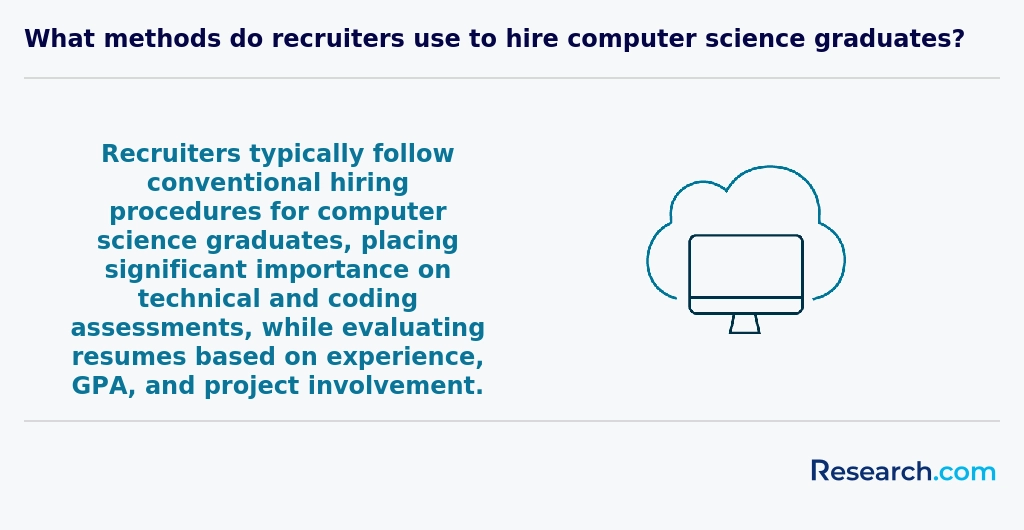
Graduates holding an online information technology degree in America pursue diverse career paths reflecting the sector's expansion. Many enter roles such as Network and Systems Administrators, Information Security Analysts, Software Developers, Database Administrators, and IT Support Specialists. These positions emphasize hands-on technical skills learned in programs offered by well-known institutions popular for IT studies, enabling graduates to confidently manage real-world challenges like securing organizational data or developing new software. This variety exemplifies the broad opportunities accessible through online information technology careers in the USA.
Beyond technical functions, some graduates advance into managerial roles like IT Project Managers or Chief Information Officers, integrating leadership with technical expertise. Alumni from reputed colleges often report positive experiences transitioning into these positions due to strong curricula and networking opportunities. Specializations in cybersecurity or cloud computing further increase job prospects, supported by certifications that enhance employability.
For those exploring options before enrollment, reviewing online courses information technology can clarify suitable paths aligned with their goals. The data-driven nature of IT degree job opportunities in America ensures candidates can find roles matching their skills and aspirations.
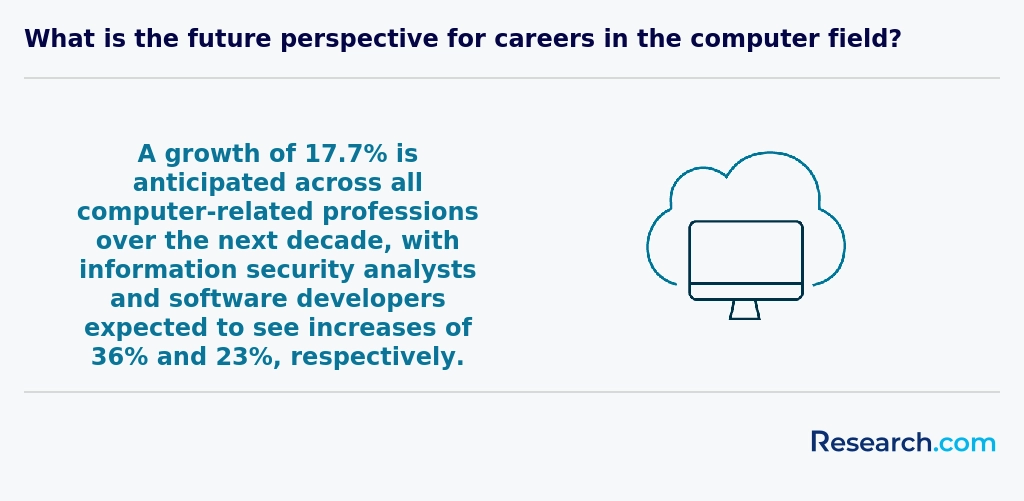
The job market for graduates with an online information technology degree in America remains strong, driven by a consistent 13% projected growth in IT occupations from 2022 to 2032. Graduates from well-known institutions like Arizona State University and the University of Illinois often share positive experiences balancing coursework with part-time jobs, leveraging their online studies to advance in roles such as software development or network administration.
Many online IT degree holders benefit from competitive wages, with the median annual income near $97,430, and certain roles like information security analysts earning approximately $102,600 annually. This favorable landscape creates promising prospects for anyone exploring online information technology jobs in USA.
Employers increasingly value practical experience alongside degrees, encouraging graduates to pursue certifications and stay technically current. Those interested in leadership roles also explore pathways such as how to become chief technology officer, highlighting career growth opportunities within the sector.
2027 Fastest Online Doctorate in Information Technology Degree Programs Ranking in the USA
Investing in your education is a significant decision that can shape your future, and the Research.com team understands the importance of making informed choices. To assist prospective students seeking the quickest paths to advanced expertise, we have meticulously developed the "2027 Fastest Online Doctorate in Information Technology Degree Programs Ranking in the USA." Our dedication to quality, credibility, and accuracy is reflected in the thorough research and analysis behind this ranking.
We utilized the following reputable data sources to ensure a comprehensive evaluation of programs:
By exploring this ranking, readers will obtain valuable insights into the fastest online doctoral IT programs available nationwide, enabling informed decisions that align with career goals and time constraints. For more information on how this ranking was created, please visit our Research.com methodology page.

# 2 position
Walden University
Doctor of Information Technology

# 3 position
Capella University
Doctor of Information Technology

Frequently Asked Questions About information technology
Online information technology degree students in America can maximize their learning experience by actively engaging with interactive course materials and virtual labs that simulate real-world IT environments. According to the National Center for Education Statistics, approximately 30% of all postsecondary students in the U.S. take at least one online course, highlighting the importance of finding programs with strong digital resources.
Participating in online forums and study groups helps build a professional network and facilitates knowledge exchange. Additionally, seeking internships or remote work opportunities during study supports practical skill development, which employers in the U.S. highly value.
Utilizing academic support services offered by universities, such as tutoring and career counseling, further enhances success rates. Staying updated on emerging IT trends through reputable U.S.-based sources like CompTIA and the Bureau of Labor Statistics also prepares students to meet industry demands effectively.
The information technology field in America is rapidly evolving, with several emerging niches gaining significant attention. Cybersecurity remains a top priority, driven by the growing number of cyberattacks on businesses and government agencies. According to the U.S. Bureau of Labor Statistics, employment in cybersecurity jobs is projected to grow 35% from 2021 to 2031, much faster than the average for all occupations.
Another niche is artificial intelligence (AI) and machine learning, where experts develop systems that simulate human intelligence. The demand for AI specialists is rising across industries like healthcare and finance.
Cloud computing also continues to expand, as many organizations shift to cloud-based infrastructures for scalability and cost efficiency.
After earning an online information technology degree in America, graduates should focus on building practical skills that employers demand. According to the U.S. Bureau of Labor Statistics, IT occupations are expected to grow 15% from 2021 to 2031, much faster than average. This makes gaining experience through internships or freelance projects essential. Networking is equally important; joining professional organizations like the Association for Computing Machinery (ACM) can connect students to job leads and mentors. Additionally, earning industry-recognized certifications like CompTIA or Cisco can boost employability by validating technical expertise. Continuous learning and adapting to new technologies remain critical in this evolving field.
Employers in America highly value technical proficiency in information technology graduates, especially skills in cybersecurity, cloud computing, and data analytics. According to the U.S. Bureau of Labor Statistics, IT jobs related to cloud services are projected to grow 22% from 2020 to 2030, highlighting the demand for expertise in this area. Coding languages like Python, Java, and SQL also rank top as foundational skills.
Beyond technical know-how, strong problem-solving abilities and effective communication are critical. Employers seek graduates who can translate complex IT concepts for non-technical teams and collaborate across departments.
Practical experience through internships or projects further boosts employability in a competitive U.S. job market.
Finding internships relevant to an online information technology degree in America starts with leveraging university career services. Many institutions partner with tech companies to offer remote or local internship opportunities that align with IT skills. According to the National Association of Colleges and Employers (NACE), over 60% of IT internships convert into full-time jobs, making them critical for career advancement.
Students should also use online job platforms such as Handshake and LinkedIn, which specialize in internships and entry-level roles in technology. Networking through professional organizations like the Association for Computing Machinery (ACM) can provide valuable connections and industry insights.
Additionally, applying early and tailoring resumes to highlight IT-specific skills, such as programming or cybersecurity, increases chances of success. Engaging in virtual career fairs hosted by universities also opens doors to internships nationwide without geographic constraints.
An online information technology degree can significantly enhance career mobility and advancement in the United States. According to the Bureau of Labor Statistics, IT occupations are projected to grow 15% from 2021 to 2031, much faster than the average for all jobs. Earning a degree online provides flexibility, allowing working professionals to upskill without interrupting their careers.
Employers increasingly recognize online degrees, especially when earned from accredited institutions. This acceptance helps graduates qualify for higher-level roles, including IT management and cybersecurity leadership.
Online programs also often offer access to current technologies and certifications, aligning graduates with evolving industry demands.
Studying for an information technology (IT) degree in America equips students with skills that bridge multiple disciplines. American IT programs emphasize not only technical expertise but also critical thinking, communication, and project management. These skills are crucial for interdisciplinary roles that require collaboration across fields such as healthcare, business, and engineering. For example, the National Center for Education Statistics reports that over 70% of IT graduates take jobs involving cross-departmental teamwork within two years of graduation. Online IT degrees often include courses in data analysis, cybersecurity, and systems integration, preparing students to work in diverse sectors where technology underpins core functions.
Choosing between a thesis and a non-thesis information technology (IT) degree program in America largely depends on your career goals and learning style. Thesis programs require original research and a formal written document, preparing students for roles in academia or research-intensive positions. According to the National Center for Education Statistics, about 40% of IT doctoral candidates in the U.S. opt for thesis tracks.
Non-thesis programs typically focus on practical skills through coursework and projects, appealing to professionals targeting leadership or technical roles in industry. They often require fewer credit hours and can be completed faster, which suits working adults balancing education and career. Understanding this distinction helps you align your education with your professional aspirations effectively.
American students seeking to study information technology (IT) abroad have several viable options. Many U.S. universities offer partnerships with foreign institutions, enabling students to earn credits overseas while receiving American-accredited degrees. Some programs are fully online but include short-term study abroad experiences, blending global exposure with flexible learning.
Popular countries for IT studies among American students include the United Kingdom, Singapore, and Germany, known for strong tech sectors and English-taught programs. According to the Institute of International Education, over 40,000 American students studied in the UK in 2022, with technology and engineering fields gaining popularity.
Additionally, global online IT degrees provide curriculum aligned with U.S. industry standards, ensuring relevance and career readiness. Accreditation by recognized bodies such as ABET also supports quality assurance for international and domestic employers alike.
Part-time jobs that complement an online information technology degree in America often include roles such as IT support specialists, help desk technicians, and junior web developers. According to the U.S. Bureau of Labor Statistics, these positions offer valuable hands-on experience and typically require less than a full-time commitment, making them ideal for students.
Many students also find internships with tech firms or university IT departments beneficial. These opportunities provide practical skills in networking, cybersecurity, or software development, which directly enhance academic knowledge.
Remote freelance work in coding, system maintenance, and database management is growing rapidly, supported by platforms like Upwork and Freelancer.
Online information technology students in America have access to a wide range of networking opportunities designed to enhance their professional growth. Many accredited universities offer virtual career fairs, alumni networks, and discussion forums that connect students with industry professionals. According to the National Center for Education Statistics, nearly 60% of online learners in IT programs participate in such events. Additionally, organizations like the Association for Computing Machinery (ACM) and the Information Systems Security Association (ISSA) provide student memberships, webinars, and local chapter meetings. These platforms allow students to build valuable connections despite studying remotely, supporting career advancement in the competitive US IT sector.
Alumni networks play a crucial role for students pursuing online information technology degrees in America. These networks connect current students with graduates who work in diverse IT fields, enhancing career opportunities. According to a 2023 survey by the National Association of Colleges and Employers, 85% of IT graduates found their first job through networking.
Online IT programs often include digital platforms for alumni interaction, mentorship, and job referrals. This access helps students stay updated on industry trends, certifications, and emerging technologies. Graduates from accredited American universities benefit from strong alumni communities that foster professional development and collaboration.
Customizing an online information technology degree in America allows students to align their education with specific career objectives. Many universities offer elective courses or specialization tracks such as cybersecurity, data analytics, or software development. This flexibility helps tailor skills toward in-demand roles in the IT sector, which is projected to grow 15% from 2021 to 2031 according to the U.S. Bureau of Labor Statistics.
Students can also engage in capstone projects or internships remotely, providing practical experience relevant to their target industries. Additionally, some programs support dual degrees or certifications to further enhance career readiness.
Online information technology (IT) students in America often face several significant challenges. One common issue is maintaining motivation and self-discipline due to the absence of traditional classroom environments. According to the National Center for Education Statistics, about 15% of online students in the U.S. cite time management as their biggest hurdle. Additionally, some students struggle with limited access to hands-on labs and real-time technical support, critical for mastering IT skills.
Networking opportunities can be harder to build virtually, affecting peer and professional connections that support career growth. Technical difficulties, such as unreliable internet or outdated hardware, also frequently impact online learners in IT programs.
With an online information technology degree in America, graduates can pursue a variety of professional certifications to enhance their career prospects. Popular certifications include the Certified Information Systems Security Professional (CISSP), which is highly regarded in cybersecurity roles and requires relevant work experience and passing a rigorous exam, according to (ISC)². Another common choice is the Project Management Professional (PMP) certification from the Project Management Institute, valued across IT project roles.
Other sought-after certifications are the CompTIA A+ and Network+ for foundational IT skills, and the Certified Ethical Hacker (CEH) for those interested in network security. These credentials often lead to higher salaries and job growth, as reported by the U.S. Bureau of Labor Statistics, which projects 15% growth in computer and information technology jobs through 2031.
Writing a winning application for an online information technology program in America requires clear communication of your goals and qualifications. Start with a strong personal statement that highlights your passion for IT and relevant experience. According to the National Center for Education Statistics, technology-related fields are growing rapidly; demonstrate awareness of industry trends to show commitment.
Include detailed descriptions of your academic background, especially in math, science, or computer-related subjects. Many programs expect a minimum GPA of 3.0, so emphasize relevant coursework and achievements. Highlight any certifications like CompTIA or Cisco when applicable.
Letters of recommendation should come from professionals or professors familiar with your IT skills. Also, meet all application deadlines carefully, as competition is increasing. Preparing a polished resume and ensuring all documents adhere to the school's specific guidelines can significantly strengthen your submission.
The global demand for information technology (IT) professionals continues to rise, with the United States recognized as a key leader in technology innovation and education. According to the U.S. Bureau of Labor Statistics, IT occupations are projected to grow 15% from 2021 to 2031, much faster than the average for all jobs.
Many countries look to the U.S. for IT education standards and research developments, making American online IT degrees highly respected worldwide. Graduates with these degrees often find opportunities in multinational companies and international projects.
Moreover, the U.S. emphasis on cybersecurity, data science, and software development addresses pressing global challenges, positioning IT careers as vital for economic growth. Institutions such as the National Science Foundation regularly report on U.S. investments in IT research and workforce development, highlighting strong government support.
Gaining practical experience while studying for an online information technology degree in America is essential to boost job readiness. Many programs incorporate hands-on labs and virtual simulations, allowing students to practice real-world IT skills remotely. Internships remain a valuable option; according to the National Association of Colleges and Employers (NACE), 60% of employers prefer candidates with internship experience. Students can seek remote internships with tech companies or government agencies to gain relevant exposure.
Additionally, joining student IT organizations and contributing to open-source projects can enhance practical understanding. Certifications like CompTIA or Cisco also complement online degrees by validating skills.
Choosing the right concentration within an online information technology degree in America depends on your career goals and interests. Popular concentrations include cybersecurity, data analytics, software development, and network administration. The U.S. Bureau of Labor Statistics projects a 13% growth in IT jobs from 2022 to 2032, particularly in cybersecurity and data science fields.
It is important to research how each concentration aligns with industry demands and salary expectations. For example, cybersecurity specialists earn a median wage of $103,590 annually, according to BLS data. Accredited programs often provide specialized tracks tailored to current technology trends and employer needs.
Considering your prior experience and local job market can help identify the most practical concentration. Online programs accredited by agencies recognized by the U.S. Department of Education ensure quality and relevance in curricula.
- Why You Should Start Networking as a Student – and How to Do It https://amplifyme.com/blog/why-you-should-start-networking-as-a-student
- gradireland https://gradireland.com/careers-advice/information-technology/what-skills-are-employers-seeking-it-graduates
- 5 Essential IT Skills Employers Want to See in Candidates https://www.umassglobal.edu/blog-news/5-essential-skills-employers-want-see-candidates
- International Careers and Global Opportunities https://www.teachforlife.com/post/how-international-opportunities-shape-future-careers
- Study Information Technology Abroad: Top Colleges and Careers https://www.aeccglobal.com/study-abroad/courses/information-technology
- Most In-Demand IT Skills Employers Are Hiring For | IT Jobs UK Career Guide https://www.itjobboard.co.uk/blog/310/most-in-demand-it-skills-employers-are-hiring-for-%7C-it-jobs-uk-career-guide/
- The Top Information Technology Skills Employers Want | AIU https://www.aiuniv.edu/degrees/information-technology/articles/top-information-technology-skills-employers-want
- How to Maximize the Impact of Alumni Networks https://www.careeros.com/resources/how-to-maximize-the-impact-of-alumni-networks
- Information Technology Assistant Cover Letter Sample https://www.kickresume.com/en/help-center/information-technology-assistant-1-cover-letter-sample/
- Careers in IT: Lucrative Fields for Recent Grads https://www.onlinemastersdegrees.org/careers/information-technology-it/