2027 Most Valuable Online Bachelor's in Information Technology Degree Programs Ranking in the Northeast

Co-Founder and Chief Data Scientist
Choosing the right online bachelor's degree in Information Technology can feel overwhelming, especially with so many options available across the Northeast. This article introduces the 2027 Most Valuable Online Bachelor's in Information Technology Degree Programs Ranking in the Northeast, developed by the Research.com team of data scientists. It aims to guide you toward programs that offer strong value and opportunities.
By exploring this ranking, you'll gain insights to make an informed decision about your education and career path. Pursuing an IT degree opens doors to exciting tech roles and growth in a digital world.
Key benefits of getting online information technology degree in the Northeast
- Information technology degree graduates in the Northeast often earn competitive salaries, with many entry and mid-level IT roles averaging between $60,000 and $90,000 annually, providing financial stability and growth potential.
- Graduates from popular Northeastern universities pursue diverse career paths like cybersecurity, software development, and network administration, offering exciting opportunities to work in innovative and expanding tech fields.
- Completing an online IT degree from respected institutions in the Northeast offers flexible scheduling and the ability to balance work or family, making education more accessible and tailored to your lifestyle.
- 2027 Most Valuable Online Bachelor's in Information Technology Degree Programs Ranking in the Northeast
- What can I expect from online information technology degree in the Northeast?
- Where can I work with online information technology degree in the Northeast?
What can I expect from online information technology degree in the Northeast?
The average cost of an online information technology degree in the Northeast typically ranges from $10,000 to $30,000 for a bachelor's program, influenced by factors such as residency status and institution type. Graduates from schools like Northeastern University or the University of Massachusetts at Lowell often reflect on the value of their investment, noting how flexible payment options and financial aid help ease the financial burden.
Many students appreciate how institutions in the Northeast balance affordability with quality, offering accredited programs recognized by bodies like the Middle States Commission on Higher Education. This ensures that tuition is not just an expense but an investment in a future-proof skill set aligned with rapidly evolving tech industries.
One graduate recall managing work and family while attending Rochester Institute of Technology's online program, finding the cost manageable through scholarships earmarked for IT students. This access enhances confidence and motivation, underscoring the Northeastern region's commitment to making IT education reachable and rewarding.
Where can I work with online information technology degree in the Northeast?
Graduates with an online information technology degree in the Northeast often find themselves thriving in dynamic environments like New York City's banking sector or Boston's healthcare systems. Many alumni from institutions such as Northeastern University and Rensselaer Polytechnic Institute report landing roles where they manage cybersecurity defenses or optimize electronic health records, directly impacting critical industries.
Picture a recent graduate remotely securing financial data for a Wall Street firm or enhancing patient data privacy at a major Massachusetts hospital. These real-world opportunities bring not only technical growth but also a sense of meaningful contribution that motivates continued learning.
Emerging fields like artificial intelligence and data science offer graduates at schools like Carnegie Mellon University a chance to work on innovative projects-from machine learning models to cutting-edge cloud computing solutions-that position them at the forefront of technology. With the region's rich network of universities and tech companies, online IT degree holders can confidently explore career paths that blend creativity and technical skill with promising futures.
Graduates holding an online information technology degree from well-regarded institutions like Northeastern University or Boston University frequently step into entry-level roles with salaries ranging from $60,000 to $70,000 annually. Imagine starting as a network administrator in Boston, enjoying the vibrant tech scene while earning a solid income that grows as you gain experience.
With just a few years of experience and certifications such as Cisco's CCNA, many mid-career professionals see their earnings rise to between $85,000 and $110,000. Roles like software developer or cybersecurity analyst in New York City exemplify this lucrative progression, reflecting the region's high demand and competitive wages.
Senior-level positions, such as IT project managers in Massachusetts' thriving tech hubs, can surpass $120,000 yearly, supported by continuous industry growth. The option to work remotely further expands opportunities, enabling graduates across the Northeast to find rewarding jobs without relocating, while enjoying the excitement of leading-edge technology environments.
- The total tuition cost for an online IT bachelor's degree in the Northeast ranges from $15,000 to $40,000, with public universities generally offering lower prices for in-state students.
- The average starting salary for IT graduates in the region is around $60,000 per year, rising to $90,000 to $110,000 with mid-career experience.
- Key cities like New York City, Boston, and Philadelphia have strong demand for IT roles such as cybersecurity, software development, and network administration.
- Many Northeastern institutions offering online IT degrees are accredited by recognized bodies like ABET, ensuring curriculum quality.
- Flexible payment plans and financial aid options are commonly available to help manage tuition costs.
Completing an online information technology degree in the Northeast typically takes around four years for full-time students, aligning with traditional bachelor's timelines. Graduates from well-known institutions like Northeastern University and Boston University often describe balancing coursework with internships at local tech firms as a rewarding challenge that occasionally extends their study time to five or six years. This flexible pace allows them to gain real-world skills while maintaining steady progress toward their degrees.
Emerging trends suggest that accelerated programs, increasingly offered by Northeastern colleges, can reduce completion time to as little as three years. These options, combined with transfer credits and year-round course availability, create opportunities for motivated students to finish faster without sacrificing the quality of education.
Looking ahead, hybrid experiential learning models-integrating virtual labs, capstone projects, and cooperative education experiences-may further reshape timelines. Many students express enthusiasm about these immersive formats, which while sometimes lengthening the degree path, ultimately boost career readiness and job satisfaction.
Online and on-campus IT degrees in the Northeast differ largely in how students engage with their coursework and campus life. Graduates from Northeastern University often recall the energizing buzz of collaborating face-to-face on coding projects and sharing ideas in tech labs, a dynamic that on-campus settings uniquely foster. Meanwhile, those who pursued online IT degrees appreciate the freedom to balance demanding jobs or family care with their studies, tuning into lectures from anywhere in Boston or across New York State.
Looking ahead, online programs are evolving with immersive virtual labs and AI-driven tutoring that mimic hands-on experiences once only possible on campus. Rutgers University graduates who studied remotely report feeling connected through innovative digital platforms, which combine real-time discussions with flexible pacing.
Cost and convenience continue to encourage many Northeastern students to opt for online programs, especially given the high living expenses in cities like Boston. Both paths maintain rigorous curricula but offer distinct environments that shape career-ready skills in unique, complementary ways.
The average cost of an online information technology degree in the Northeast typically hovers around $53,840, reflecting the region's premium on education. Graduates from well-known institutions report investing between $38,000 and $44,000 depending on whether they qualified for in-state or out-of-state tuition rates. Many students find that while the total tuition and fees for IT degree online Northeast seem significant, the value comes through flexible schedules and the ability to balance work alongside studies, directly boosting career prospects.
At popular universities and colleges in the Northeast, many online information technology learners share how breaking down expenses per credit hour helped manage their budget without sacrificing quality education. This model, combined with technology fees and course material costs, frames the typical financial commitment. Benefits such as scholarships and employer tuition reimbursements often ease these costs, making the journey more accessible even for busy professionals. The careful consideration of these expenses aligns with many students' goals, fueled by an optimistic outlook on the professional advantages gained.
Looking ahead, innovations in online teaching and collaborative project platforms may shift the cost dynamics, encouraging broader access and affordability. Proven success stories make it clear that pursuing an online IT degree in this region is a worthwhile investment. For those evaluating the path, resources like is management information systems a good degree help clarify how program quality ties directly to cost, enabling smarter financial decisions when planning your education.
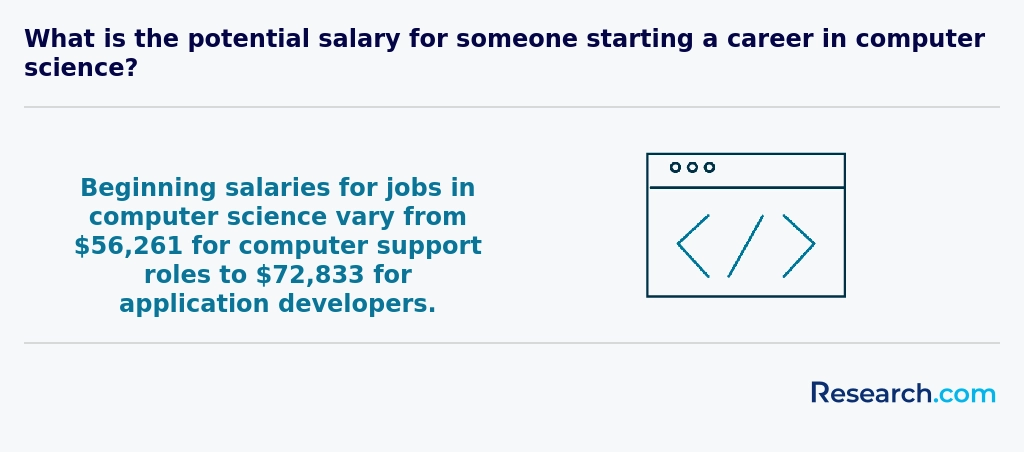
Graduates from well-known institutions in the Northeast often share how federal aid programs like the Pell Grant have made pursuing online information technology degrees feel within reach despite high tuition costs. Imagine a student at a prominent New York university using the Free Application for Federal Student Aid (FAFSA) to unlock grants and low-interest federal loans, easing the financial pressure while focusing on mastering cyber security or software development.
State programs such as New York's Tuition Assistance Program (TAP) or Massachusetts' MassGrant continue to evolve, with hopeful indications they will increasingly support online IT learners in high-demand specialties. For example, an online IT student at a Boston college might combine these state grants with merit scholarships offered directly by the school, significantly lowering their overall expenses.
Looking ahead, employer tuition reimbursement programs in the tech sector are expected to expand across the Northeast, empowering working professionals to upskill without financial strain. As workforce demand intensifies, more companies may partner with local universities to sponsor tuition for employees pursuing online IT degrees, creating a win-win scenario for learners balancing work and study.
Enrolling in an online information technology degree program in the Northeast commonly starts with having a high school diploma or GED, laying the essential foundation for success. Graduates of programs at institutions like Northeastern University often recall how submitting official transcripts helped smooth their entry, confirming their solid academic background. Increasingly, schools such as the University of Massachusetts embrace test-optional policies, putting less emphasis on SAT or ACT scores and widening access for diverse applicants.
Prospective students typically need some prerequisite coursework in mathematics, basic computer science, and English communication. This preparation mirrors real-world scenarios where understanding algebra or programming basics becomes vital when tackling challenging IT curriculums online. Many graduates share how early exposure to these subjects boosted their confidence and readiness for advanced topics.
Additionally, certifications like CompTIA or practical experience in IT fields enhance applications, spotlighting a student's enthusiasm and dedication. Financial readiness is another key prerequisite, with costs at public and private Northeast colleges varying significantly, but most students feel motivated after securing financial aid or scholarships. Reliable digital tools and internet access also play a crucial role, enabling seamless participation from anywhere in the region's busy urban or rural environments.
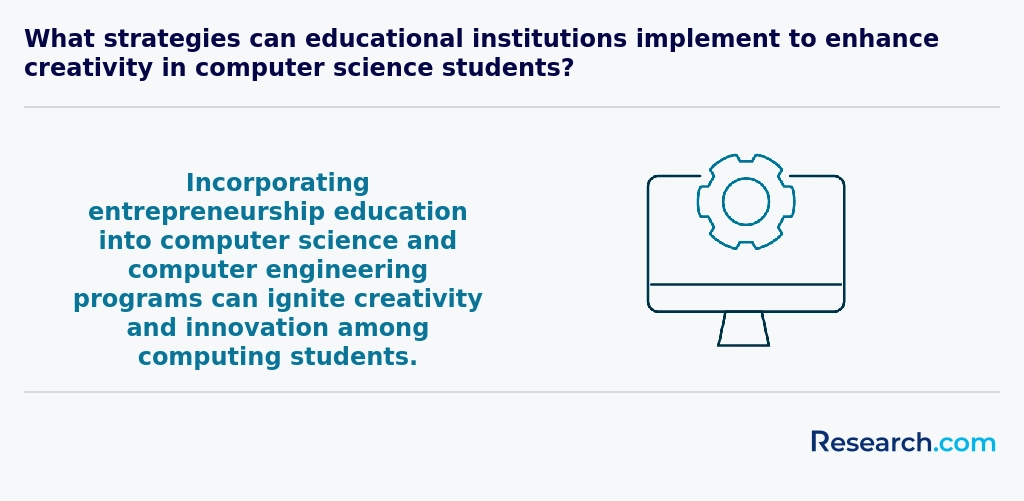
Many graduates appreciate electives in cloud computing and AI, reflecting how their courses anticipate emerging industry trends. As IT demands evolve in the Northeast's competitive markets, students feel confident that their education equips them with both foundational and advanced skills to navigate and shape the future technology landscape.
Online information technology specializations Northeast programs commonly include cybersecurity, data science, software development, network administration, and cloud computing. Graduates from popular institutions in New York or Massachusetts often reflect on how cybersecurity courses have empowered them to safeguard sensitive data amid rising cyber threats, making them feel confident about entering the workforce. Data science specializations, thriving in urban hubs like Boston, offer practical experience analyzing complex datasets, enabling graduates to embrace innovations in machine learning and business intelligence.
For students focusing on network administration, the ability to manage real-world IT infrastructure remotely has been transformative, especially when paired with internships offered by local companies. Cloud computing, increasingly vital across the Northeast, prepares learners for booming job markets by teaching advanced cloud security and architecture, aligning with nationwide trends.
Those exploring information technology degree focus areas Northeast benefit from engaging projects that mirror challenges in finance and healthcare sectors. Some even choose to accelerate their learning through an accelerated masters in management information systems, blending technical skills with leadership-a smart pathway for future-ready professionals.
Choosing the best online information technology degree in the Northeast means focusing on programs that combine flexibility with strong, practical skill-building. Graduates from institutions like Northeastern University and Binghamton University often share how hands-on labs and real-world projects gave them confidence navigating cybersecurity or network administration challenges. With the Northeast's evolving tech landscape, programs offering up-to-date curriculum and specialization options really stand out, especially when they incorporate emerging fields like data analytics and cloud computing.
Many students seek affordable IT bachelor's programs Northeast to balance cost and quality, often finding value in public universities with regional accreditation recognized by employers. Flexibility also plays a huge role-students juggling careers or family appreciate asynchronous classes and accessible faculty support, which enhances learning without rigid schedules.
For those unsure about the best fit, exploring resources like management information systems degree online can provide insight on top-ranked programs that blend IT knowledge with business acumen, boosting job prospects in competitive cities like Boston or Philadelphia.

Graduates with an online information technology degree in the Northeast often discover diverse career paths fueled by the region's dynamic tech ecosystem. Roles such as Systems Analyst, Network Administrator, and Information Security Analyst are particularly attractive, with many alumni from popular colleges like Northeastern University and Rutgers sharing excitement about the real-world impact they create, from safeguarding data to streamlining corporate networks. This variety reflects strong demand for skilled professionals in the Northeast, where IT degree job opportunities Northeast region remain robust and ever-expanding.
Emerging fields like cloud computing and artificial intelligence further enrich possibilities, drawing graduates eager to innovate in Boston's tech hubs or New York City's bustling digital landscape. Graduates frequently highlight how their online studies prepared them to adapt quickly, positioning them to thrive even as technology evolves. Those seeking to deepen their knowledge often turn to the best online courses IT to enhance their skills and future-proof their careers.
The job market for online information technology degree holders in the Northeast is notably robust and continues to evolve as the region embraces digital transformation. Graduates from popular programs at institutions like the State University of New York (SUNY) system often share how their degree opened doors to roles in software development, network management, and especially cybersecurity-a field experiencing rapid growth due to heightened demand for cyber defenses. This dynamic landscape makes the IT degree job outlook Northeast region particularly promising.
Many graduates describe the excitement of landing positions in major hubs such as New York City and Boston, where competitive salaries and a concentration of technology firms foster a vibrant professional community. Employers here highly value accredited online degrees combined with certifications like CompTIA and Cisco, enhancing career prospects. Students balancing studies with work find the flexibility of online programs ideal, while early-career professionals appreciate how these degrees prepare them for leadership roles, as highlighted in discussions about the chief technology officer how to become pathways.
2027 Most Valuable Online Bachelor's in Information Technology Degree Programs Ranking in the Northeast
Investing in one's education is a significant decision that requires careful consideration, and the Research.com team recognizes the importance of providing trustworthy and accurate information to support this process. To help prospective students in the Northeast find the best online Bachelor's in Information Technology programs, we have carefully developed the "2027 Most Valuable Online Bachelor's in Information Technology Degree Programs Ranking in the Northeast." Our dedication to quality, credibility, and precision is reflected in the thorough research and analysis behind this ranking.
We utilized the following reputable data sources to ensure a comprehensive evaluation:
By reviewing this ranking, readers will obtain valuable insights into the most valuable online IT bachelor's programs in the Northeast, empowering them to make well-informed decisions about their educational futures. For further details on how the ranking was created, please visit our Research.com methodology page.
# 1 position
Penn State University Park
Bachelor of Information Sciences and Technology

# 2 position
Peirce College
Bachelor of Information Technology, Networking, Administration, and Security


# 9 position
Thomas Edison State University
Bachelor of Computer Information Systems

# 10 position
UMassOnline
Bachelor of Information Technology
Frequently Asked Questions About information technology
Students pursuing online information technology degrees in the Northeast can maximize their learning by actively engaging with interactive course materials and participating in virtual labs. According to the National Center for Education Statistics, institutions in this region often provide access to up-to-date software and real-world IT scenarios, which are crucial for skill development. Networking through regional professional groups such as the Northeast Information Security Group can also enhance learning and job prospects.
Time management is essential due to the rigorous nature of IT programs. Students should balance coursework with practical projects to reinforce concepts. Utilizing career resources offered by Northeast universities can align skills with the tech market demands, where IT employment is projected to grow by 8% through 2030 (Bureau of Labor Statistics).
The information technology field is rapidly evolving, with several emerging niches gaining significant attention. In the Northeast, areas like cybersecurity, data analytics, and cloud computing are in high demand due to the region's concentration of financial institutions and tech startups. According to Cybersecurity Ventures, the cybersecurity market in the U.S. is expected to grow by 31% through 2028, reflecting strong job prospects for IT graduates.
Another growing niche is artificial intelligence (AI) and machine learning, supported by research initiatives at universities like MIT and Carnegie Mellon. Additionally, healthcare IT is expanding as hospitals adopt advanced digital systems, creating more career opportunities in this specialized sector.
After earning an online information technology degree in the Northeast, graduates should focus on building practical skills through internships and certifications relevant to local tech industries. The Northeast, home to hubs like Boston and New York City, offers many opportunities in cybersecurity, software development, and data analytics. According to CompTIA's 2023 report, 67% of IT employers in this region prioritize certifications such as CompTIA Security+ and Cisco's CCNA.
Networking is also crucial; joining groups like the New England Tech Alliance can connect graduates with employers. Additionally, leveraging career services from universities can help tailor resumes for IT roles in competitive Northeastern markets.
Employers in the Northeast seek information technology graduates with strong technical and soft skills. Key technical skills include proficiency in cybersecurity, cloud computing, and data analytics, reflecting growing regional demand. According to the Boston Job Market Report 2023, 68% of IT job postings require knowledge of cloud platforms like AWS or Azure. Additionally, programming abilities in languages such as Python and Java remain essential.
Soft skills like problem-solving, communication, and teamwork are equally important. A 2022 survey by the New York Tech Council found that over 70% of employers prioritize adaptability and collaboration in IT roles. These combined skills prepare graduates to meet the competitive demands across Northeast states' evolving tech sectors.
Finding internships in the Northeast relevant to an information technology degree often begins with leveraging regional resources. States like New York, Massachusetts, and Pennsylvania host numerous tech hubs, offering abundant internship opportunities with companies ranging from startups to Fortune 500 firms. According to the New England Board of Higher Education, over 60% of IT students secure internships through university career centers and job fairs.
Networking is crucial; joining local tech groups and attending virtual and in-person events can open doors. Platforms like Handshake and LinkedIn also list many region-specific internships specifically targeting IT fields.
Applying early and tailoring resumes to highlight relevant IT skills increases chances. Many employers in the Northeast prefer candidates familiar with technologies like cloud computing, cybersecurity, and data analytics, reflecting current industry demands reported by the U.S. Bureau of Labor Statistics.
An online information technology degree significantly improves career mobility in the Northeast, where tech industries are rapidly growing. According to the U.S. Bureau of Labor Statistics, employment for computer and IT occupations in this region is projected to grow by over 13% from 2022 to 2032, outpacing many other sectors. Earning a degree online allows professionals to gain up-to-date skills without interrupting their current work, making career advancement more accessible.
Employers in Northeastern tech hubs such as Boston and New York increasingly value online degrees from accredited institutions. Graduates often see improved job prospects, higher salaries, and access to leadership roles. Additionally, online IT programs frequently focus on practical skills aligned with industry needs, enhancing graduates' competitiveness in the local job market.
Studying for an information technology degree in the Northeast prepares students for interdisciplinary roles by combining strong technical training with exposure to fields like business, healthcare, and engineering. Many programs emphasize collaborative projects that mirror real-world IT challenges, requiring knowledge across multiple domains. The region hosts a high concentration of tech companies, hospitals, and financial firms, creating opportunities for internships that blend IT skills with industry-specific expertise.
According to the U.S. Bureau of Labor Statistics, technology employment in metropolitan areas such as Boston and New York is growing at rates above the national average, reflecting demand for professionals comfortable working across disciplines. Programs often include courses in data analytics, cybersecurity, and project management, providing versatile skills valued in multiple industries.
Choosing between a thesis and a non-thesis online information technology degree in the Northeast depends on your career goals and learning preferences. Thesis programs emphasize original research, ideal for students aiming for graduate study or research roles. Non-thesis tracks focus on practical skills, preparing graduates for immediate employment in IT fields such as cybersecurity or software development.
In the Northeast, institutions like Rutgers and Northeastern University offer both formats, aligning with regional industry demands. According to the National Center for Education Statistics, over 60% of IT bachelor's degree students in this region opt for non-thesis programs for faster completion and workforce entry.
Consider your time commitment, interest in research, and career aspirations when deciding.
Students in the Northeast interested in pursuing information technology degrees abroad have limited direct options through U.S.-based online programs. Most accredited online IT degrees from Northeast institutions focus on domestic delivery rather than international campuses. However, some universities offer global exchange programs or partnerships, enabling students to study abroad temporarily while enrolled online. For example, Northeastern University has various international ties, though these are often hybrid rather than fully online overseas degrees.
Data from the National Center for Education Statistics (NCES) shows that only about 3% of online IT students in the region participate in study-abroad programs, indicating limited availability. Students seeking international experience typically combine online study with short-term travel rather than full online degrees offered abroad.
Part-time job opportunities in the Northeast that complement information technology degree education include roles such as IT support specialist, web developer, and cybersecurity assistant. These positions provide practical experience while students pursue online degrees. According to the U.S. Bureau of Labor Statistics, the Northeast region is expected to see a 12% growth in computer and IT occupations from 2020 to 2030, reflecting strong demand for tech skills.
Companies in major cities like Boston and New York often seek interns and part-time workers with evolving IT knowledge, especially in areas like software development and network administration. Gaining hands-on experience through these roles enhances learning and employability after graduation.
Online information technology students in the Northeast benefit from numerous networking opportunities. Several universities offer virtual career fairs and industry webinars tailored to IT fields. For example, the New York Tech Alliance hosts annual online events attracting over 500 tech professionals regionally. Additionally, organizations like the Boston IT Council provide virtual meetups and mentorship programs.
Students can also connect via LinkedIn groups specific to Northeast IT communities. According to CompTIA's 2023 IT Industry Outlook, the Northeast comprises about 25% of the nation's tech workforce, making it a vibrant area for professional connections. These resources help students build meaningful relationships despite studying remotely.
Alumni networks play a crucial role for online information technology degree students in the Northeast by providing valuable professional connections. In this region, where tech hubs like Boston and New York City thrive, these networks offer access to industry events, job openings, and mentorship opportunities. According to the National Association of Colleges and Employers, 85% of jobs are filled through networking, highlighting the importance of these connections.
Students benefit from alumni who have direct experience navigating local IT markets and can offer guidance on certifications, internships, and career advancement strategies. Many Northeastern institutions actively engage their graduates through online platforms, creating supportive communities that extend beyond graduation.
Online information technology degree programs in the Northeast often allow students to tailor their studies through elective courses and specializations. Many institutions offer concentrations such as cybersecurity, data analytics, or software development, enabling students to align their education with specific career paths.
Students can also benefit from internships, capstone projects, or partnerships with regional tech companies, particularly prominent in states like New York and Massachusetts. According to the Bureau of Labor Statistics, the Northeast has a growing demand for IT professionals, with projected IT job growth rates exceeding the national average by 10% through 2030.
Choosing a program that supports flexible scheduling and hands-on learning can further support individual career objectives in this competitive market.
Online information technology students in the Northeast often face challenges related to balancing coursework with professional and personal responsibilities. Many students juggle full-time jobs while pursuing degrees, which can affect their study time and performance. According to a 2023 report from the National Center for Education Statistics, about 60% of online students nationally work while studying, a trend common in the Northeast's urban centers.
Technical issues, such as unreliable internet connectivity in rural parts of states like Maine or New York's Adirondacks, can disrupt learning. Additionally, some students report limited access to local IT internships and hands-on experiences, which are crucial for practical skills development. Navigating state-specific accreditation and transfer policies also adds complexity for students who relocate within the region.
Graduates with an online information technology degree in the Northeast can pursue various professional certifications that enhance career prospects. Popular certifications include CompTIA A+ for foundational IT skills and Cisco's CCNA for networking expertise. These certifications are highly regarded by employers in tech hubs like Boston and New York City.
Other valuable credentials are Certified Information Systems Security Professional (CISSP) and Certified Information Security Manager (CISM), both vital for cybersecurity roles. The demand for IT security professionals in the Northeast has grown by over 15% in recent years, according to the Bureau of Labor Statistics.
Many institutions in the region incorporate certification training within their online degree programs, helping students prepare directly for these exams.
Writing a winning application for an online information technology (IT) program in the Northeast starts with a clear focus on your academic background and career goals. Admissions committees often look for candidates who demonstrate strong problem-solving skills and technical aptitude. Highlight any relevant experience, such as internships, certifications, or work in IT-related roles.
Be sure to tailor your personal statement to emphasize your interest in technology and explain why studying online suits your lifestyle and learning preferences. According to the National Center for Education Statistics, Northeast institutions report rising online enrollment, showing demand for flexible programs.
Lastly, ensure your application is complete, error-free, and meets all deadlines. Including letters of recommendation from supervisors or professors familiar with your technical abilities can strengthen your candidacy significantly.
Information technology (IT) careers are increasingly valued worldwide, with strong demand for skilled professionals across many industries. Globally, IT roles often focus on software development, cybersecurity, data analytics, and cloud computing, reflecting rapid digital transformation. For students in the Northeast, this trend aligns with the region's growing tech hubs, including Boston and New York City. According to the U.S. Bureau of Labor Statistics, IT employment in the Northeast is projected to grow by about 15% from 2021 to 2031, faster than the national average.
The global emphasis on data security and innovation means IT graduates in the Northeast can access diverse opportunities both domestically and internationally. In fact, many companies seek professionals familiar with global compliance standards and emerging technologies.
According to CompTIA's 2023 IT Industry Outlook, firms worldwide prioritize cybersecurity and cloud services, areas well-covered by Northeast IT programs. Online degrees from regionally accredited colleges in the Northeast provide flexible pathways for students aiming to meet global industry needs while remaining locally connected.
Gaining practical experience while pursuing an online information technology degree in the Northeast is essential for career readiness. Many universities encourage students to participate in virtual internships, which provide hands-on experience with real-world IT projects. Some schools partner with local tech firms in cities like Boston and New York, offering remote work opportunities tailored for online learners.
Students can also join regional hackathons and coding competitions, often hosted virtually. According to the Bureau of Labor Statistics, the Northeast region hosts over 20% of the nation's IT job market, creating ample opportunities for networking and collaboration.
Additionally, engaging in open-source projects or freelancing platforms can build a professional portfolio, demonstrating skills to potential employers. Leveraging university career centers and alumni networks further enhances practical learning and job placement chances.
Choosing the right concentration within an online information technology degree in the Northeast begins with understanding regional industry demands. For example, cybersecurity and data analytics are in high demand, reflecting the Northeast's strong finance and healthcare sectors. According to the Bureau of Labor Statistics, IT employment in this region is expected to grow by 11% through 2031, notably in software development and network management.
Students should also consider personal interests and strengths in areas like programming, database management, or cloud computing. Researching program curricula and speaking with advisors can clarify which concentrations align best with career goals. Accreditation and faculty expertise at Northeast institutions matter for quality education and employer recognition.
- Information Technology | Master's Degree Program | NEIT https://www.neit.edu/academics/graduate-degrees/information-technology-ms
- How to Maximize the Impact of Alumni Networks https://www.careeros.com/resources/how-to-maximize-the-impact-of-alumni-networks
- Jobs you can get with an IT degree | Monroe University https://www.monroeu.edu/academics/undergraduate-programs/school-information-technology/jobs-with-degree-in-it
- Information Technology Degree Jobs: 5 In-Demand Careers to Consider https://www.umassglobal.edu/blog-news/information-technology-degree-jobs-5-demand-careers-consider
- Best Computer Sciene Certifications to Boost Your Career https://www.computerscience.org/resources/top-it-certifications/
- Study Information Technology Abroad: Top Colleges and Careers https://www.aeccglobal.com/study-abroad/courses/information-technology
- Top 10 Emerging Business Niches of 2026 & How to Plan for Them https://prometai.app/blog/emerging-niches-business-planning
- How a Strong Alumni Network Can Benefit Students https://www.pacificu.edu/blog/how-strong-alumni-network-can-benefit-students
- Most In-Demand IT Skills Employers Are Hiring For | IT Jobs UK Career Guide https://www.itjobboard.co.uk/blog/310/most-in-demand-it-skills-employers-are-hiring-for-%7C-it-jobs-uk-career-guide/
- Why You Should Start Networking as a Student – and How to Do It https://amplifyme.com/blog/why-you-should-start-networking-as-a-student