2027 Best Online Information Technology Degree Programs Ranking in Minnesota

Co-Founder and Chief Data Scientist
Choosing the right online information technology degree program can feel overwhelming. This article features the 2027 Best Online Information Technology Degree Programs Ranking in Minnesota, carefully created by the Research.com team of data scientists. It's designed to help you make an informed decision about which programs truly stand out.
With technology advancing rapidly, earning a degree in IT can open doors to exciting career opportunities. Reading this ranking gives you clear insights so you can confidently invest in your future and embrace the possibilities ahead.
Key benefits of getting online information technology degree in Minnesota
- Information technology graduates in Minnesota can pursue rewarding careers such as software developers and network administrators, roles that generally offer strong median salaries in the US, often ranging from $70,000 to over $100,000 annually.
- Many graduates from well-known Minnesota universities, like the University of Minnesota, find opportunities in diverse IT fields including cybersecurity, database management, and IT consulting, ensuring a flexible and promising career path.
- Obtaining an IT degree online from a respected Minnesota institution offers the convenience of flexible schedules and the ability to balance work and study, making it easier to gain experience while earning a valuable credential.
- 2027 Best Online Information Technology Degree Programs Ranking in Minnesota
- What can I expect from online information technology degree in Minnesota?
- Where can I work with online information technology degree in Minnesota?
What can I expect from online information technology degree in Minnesota?
When considering the average cost of an online information technology degree in Minnesota, it helps to look at the variety of options available. Many students choose public universities like Minnesota State University, where tuition tends to be more affordable, often ranging from $7,000 to $12,000 per year for online IT programs. This makes it accessible while maintaining quality education recognized by employers.
Graduates from these programs often highlight how financial aid, scholarships, and employer tuition reimbursement made pursuing their degrees manageable and motivated them to excel. Private institutions, though more expensive, offer robust resources and networking opportunities, but you can often find cost-effective alternatives at public schools without sacrificing educational value.
Imagine balancing your studies while working a part-time job or internship in the Twin Cities, with affordable tuition easing your financial stress. This realistic approach empowers you to focus on mastering skills like cybersecurity or cloud computing without being overwhelmed by cost-a common experience shared by many successful graduates in Minnesota's growing IT community.
Where can I work with online information technology degree in Minnesota?
Graduates with an online information technology degree from schools like the University of Minnesota or St. Cloud State University often find themselves welcomed by the vibrant tech scene across Minnesota. Imagine starting your career at large companies such as Target or Best Buy in Minneapolis, where your skills in cybersecurity or software development directly impact millions of customers every day. Many of these graduates recall the thrill of working on real-world projects that support secure transactions or improve network systems.
Others step into public sector roles at local government agencies, contributing to digital transformation efforts that enhance community services. These positions offer fulfilling, stable career paths with opportunities to lead IT projects or strengthen cybersecurity infrastructure.
Healthcare employers like the Mayo Clinic rely on IT professionals to innovate in electronic health records and telemedicine, creating a meaningful connection between technology and patient care. Graduates entering this field often express pride in how their work supports health advancements in their communities.
Finally, entrepreneurial graduates join Minnesota's growing startup ecosystem, where agility and creativity drive software-as-a-service and fintech innovations. Whether securing networks or analyzing data, your online IT degree opens doors to diverse roles that shape Minnesota's future.
Graduates with an online information technology degree in Minnesota often find themselves stepping into rewarding career opportunities with salaries ranging from $55,000 to over $120,000 annually. For example, recent graduates from well-regarded programs at institutions like the University of Minnesota or Minnesota State University share stories of starting in roles such as IT support specialists earning around $60,000, which provides a solid foundation for building their careers.
As they gain hands-on experience and earn certifications like CompTIA Security+ or Cisco's CCNA, these professionals report moving into mid-level roles where salaries climb impressively to between $80,000 and $110,000. Many alumni recall advancing into network engineering or systems analyst positions, where demand in Minnesota's growing tech landscape fuels their financial growth.
Those who aspire to specialized or leadership roles notice salaries often surpassing $120,000. Graduates from Twin Cities-based colleges highlight how the thriving tech hub there offers significant salary boosts, especially when combining technical skills with project management or cybersecurity expertise-a testament to the strong career path an online IT degree can unlock within Minnesota.
- Online IT degrees in Minnesota are offered by accredited institutions and include fully online and hybrid programs covering topics like network security and systems analysis.
- Tuition for public universities ranges from about $13,000 to $18,000 per year for in-state online students, while private schools may charge over $25,000 annually.
- Entry-level IT professionals in Minnesota earn between $55,000 and $65,000 annually, with mid-career salaries reaching $90,000 to $110,000.
- The IT job market in Minnesota is growing rapidly, with projected job growth rates often exceeding 10% in areas like cybersecurity and software development.
- Programs align curricula with industry standards such as CompTIA certifications and emphasize practical skills through capstone projects and virtual labs.
Completing an online information technology degree in Minnesota typically depends on whether you're pursuing an associate, bachelor's, or master's level program. For example, graduates from programs at institutions like the University of Minnesota or Minnesota State University often share that an associate degree takes about two years full-time, making it a practical step for those eager to enter the IT workforce quickly or transfer later on.
Bachelor's degrees usually require around four years of steady commitment, though some students have accelerated their studies to three years by balancing a heavier course load or enrolling year-round. Many who attend well-regarded schools like Metropolitan State University appreciate the program's flexibility, helping them juggle work, family, and education without feeling overwhelmed.
Master's degree seekers, especially those working full-time, often complete their programs in one to two years. Graduates emphasize how part-time options and competency-based learning models offered in Minnesota make it possible to progress at a comfortable, personalized pace.
The key is embracing your own rhythm, taking advantage of transfer credits, and leaning on the support systems these universities provide to keep your goals within reach.
Choosing between an online and on-campus IT degree in Minnesota truly comes down to how you want to experience your education. Graduates from online programs at schools like the University of Minnesota often praise the flexibility to balance work, family, and studies, logging into lectures whenever their schedule allows. Imagine finishing a coding assignment after putting your kids to bed-this adaptability helps many thrive without sacrificing other parts of life.
On the other hand, graduates from institutions such as Minnesota State University share how the on-campus environment boosted their confidence and skills through hands-on lab sessions and face-to-face collaboration. Being able to ask questions in real time and network at career fairs on campus gave them an edge in landing internships and jobs.
Both paths offer strong academic foundations, but consider whether you value the independence of remote learning or the energized community feel of campus life. Remember, some Minnesota colleges charge similar tuition for both formats, so factor in what kind of support and interaction will truly help you succeed.
The average cost of an online information technology degree in Minnesota can be a defining factor for many students, yet it remains manageable for those who plan carefully. Typically, pursuing a bachelor's degree online from well-known institutions like the University of Minnesota system results in a total tuition that hovers around $48,240. Many graduates recall feeling reassured because the tuition stays competitive compared to on-campus options, allowing them to focus on their studies without the added stress of relocation or exorbitant costs.
For Minnesota residents, total tuition and fees for IT degree Minnesota programs usually fall between $10,000 and $25,000 at public universities, depending on credit requirements and any additional fees. Community colleges offering associate degrees or certificates often have significantly lower tuition, sometimes under $5,000, which has been a practical gateway for many to launch their IT careers affordably. One graduate shared how affordable online education made their dream of working in IT a reality without compromising quality.
Many online learners benefit from financial aid options such as the Minnesota State Grant, easing the financial burden. Additionally, it's essential to consider opportunities for tuition assistance through partnerships with employers and tech firms. This support complements an online degree's value, especially for students aiming to master the required skills for an information systems manager, making their investment in education worthwhile and inspiring.

When pursuing an online information technology degree in Minnesota, numerous financial aid options can make your educational journey more affordable and uplifting. For instance, graduates from the University of Minnesota often share how Pell Grants, which can provide up to $7,395 annually, significantly eased their tuition burdens. Completing the FAFSA is your first step to unlocking these federal opportunities.
Beyond federal aid, the Minnesota State Grant program offers valuable need-based support, averaging around $3,600 a year for residents attending public institutions like Minnesota State University. Many students also tap into school-specific scholarships aimed at IT and STEM majors, which can celebrate your achievements and dedication.
Imagine working at a local tech company that offers tuition reimbursement-this practical support helps many advance their skills without sacrificing income. While private loans are available, remember to explore all federal, state, and institutional resources first, as these often come with better terms and less stress.
To begin your journey in an online information technology degree program in Minnesota, you'll first need a high school diploma or GED-this is the key that opens the door. Many graduates from well-known schools like the University of Minnesota Duluth mention how this foundational step set them up for success. If you have prior college credits or professional IT experience, these can also strengthen your application, making your path smoother.
Official transcripts are crucial. They show your academic story. Some programs request a minimum GPA, often around 2.0 to 2.5, so aiming to keep your grades steady early on pays off. While standardized tests like the SAT or ACT are becoming optional, checking each school's requirements is wise-this flexibility has helped many current students avoid stress.
Technical skills matter too. Picture starting with basic computer literacy and fundamental IT concepts-it's common to need familiarity with networking or programming. Many Minnesota colleges encourage introductory courses in computer science or math to build confidence before diving deeper.
If you're aiming for graduate programs, holding a bachelor's degree in a related area or having solid work experience makes a big difference. This approach has empowered many graduate students across Minnesota's IT schools to thrive in specialized fields.
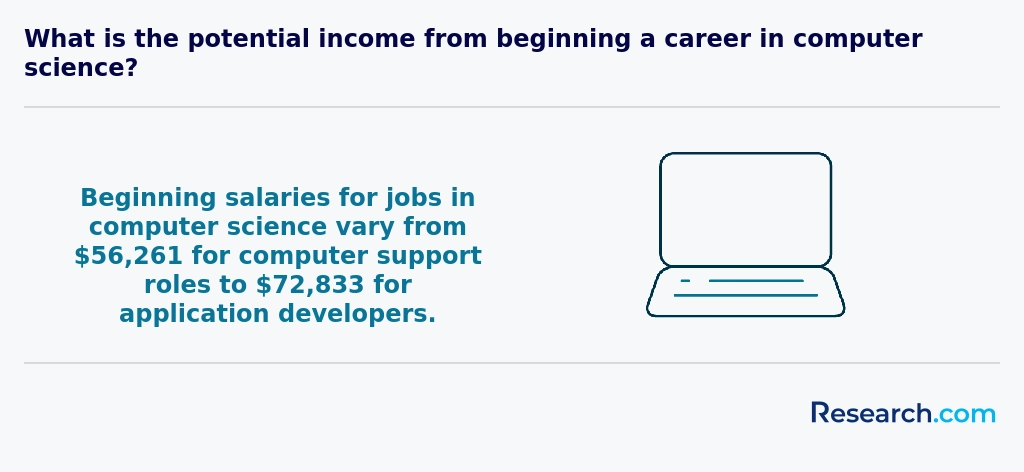
When you enroll in an online information technology degree in Minnesota, expect a curriculum that builds a strong foundation with courses like Introduction to Information Technology, Networking Fundamentals, and Programming Languages such as Python or Java. Many graduates from well-known Minnesota institutions find these core classes essential for understanding how systems connect and communicate-skills they apply directly during internships and entry-level roles.
Database Management and Cybersecurity Basics are also key parts of the program, helping you confidently handle data and protect systems from threats. I've seen graduates from colleges around Minnesota thrive when they dig into these subjects, often recalling hands-on projects where they built small networks or secured mock databases.
Beyond the basics, advanced courses in Cloud Computing, Data Analytics, and Information Security Management allow you to tailor your expertise. For example, students specializing through the University of Minnesota's online programs often describe excitement as they solve real-world problems using data analytics tools or manage software development projects remotely, which prepares them for the fast-evolving IT landscape right here in Minnesota.
When exploring online information technology specializations Minnesota offers, you'll find several paths tailored to fit your career ambitions. Graduates from well-known schools like the University of Minnesota often share how focusing on Cybersecurity empowered them to safeguard critical data against evolving threats, especially within government and corporate sectors demanding strong defense strategies. Another popular choice is Data Management and Analytics, where students learn to transform vast datasets into actionable insights-ideal in Minnesota's data-driven business landscape.
Other students pursuing IT degree concentration options Minnesota appreciate include Networking and Systems Administration, preparing them to keep complex infrastructures running smoothly, and Software Development, which equips aspiring developers with coding and design skills. IT Project Management also stands out, blending technology with leadership to guide projects to success, reflecting Minnesota's vibrant business ecosystems.
Students often remark how these specializations open doors to meaningful careers. For those curious about the financial side of advanced IT roles, exploring the masters in information systems salary can provide valuable insights.
Choosing the best online information technology degree Minnesota means focusing on programs that offer strong regional accreditation and practical, up-to-date curriculum. Graduates from popular colleges in the state often praise flexible learning options that let them balance full-time jobs and family life through asynchronous classes and mobile-friendly platforms. These features boost confidence and help maintain motivation throughout their studies.
Affordable IT degrees online Minnesota frequently come with financial aid packages or employer tuition reimbursement, making the investment manageable. Many students find programs tailored to local industry demands-such as cybersecurity or networking-providing a direct path to in-demand roles. Knowing Minnesota's IT job market is projected to grow 15.2% from 2020 to 2030 creates enthusiasm and hope for a rewarding career.
Look beyond the syllabus and consider schools with strong connections to businesses offering internships and networking chances. Graduates often share how instructors with real-world IT experience and access to virtual labs prepared them best for tomorrow's challenges. To grasp the scope of the information systems job market, seek programs that emphasize current technology trends and outcomes.

Graduates holding an online information technology degree in Minnesota find themselves stepping into a vibrant landscape filled with diverse career paths. Many alumni from well-known institutions such as the University of Minnesota and Minnesota State University share how their training prepared them for roles in software development, working alongside thriving tech companies in the Twin Cities metro. These positions allow them to create and optimize applications that impact daily lives and local businesses.
Others have embraced careers in network and systems administration, using skills gained through their programs to support essential infrastructure in sectors like healthcare and finance. This flexibility is one of the key advantages of pursuing an online information technology career in Minnesota, where demand for these professionals remains strong.
Information security is another compelling path, with graduates developing strategies to protect organizations against cyber threats - a vital role in today's digital world. Minnesota's expanding need for IT expertise means opportunities abound not just in tech firms but also in government and manufacturing industries.
Some graduates move into database administration or project management, where they organize critical data and lead teams to successful project completions. For those interested in advanced roles, considering an online mba degree in information systems management provides a practical next step to boost leadership prospects in the IT field.
The journey from earning a degree online to building a fulfilling career in Minnesota's competitive IT market offers encouragement to anyone ready to embrace these rewarding challenges.
The online information technology job market in Minnesota is thriving, offering a wealth of opportunities for graduates ready to step into growing roles. Many graduates from popular institutions like the University of Minnesota and St. Cloud State University share stories of landing positions quickly, thanks to the strong demand fueled by industries such as healthcare, finance, and retail. This steady stream of openings makes Minnesota an exciting place to build a career in IT.
Graduates find themselves well-prepared for roles in network administration, cybersecurity, and software development, benefiting from connections to major employers like Target and 3M. The Twin Cities metro area stands out as a dynamic tech hub where innovative startups and established companies alike seek skilled professionals. If you're considering which program to pursue, exploring an online bachelors degree database management can also open doors in this vibrant market.
For anyone weighing their options, the information technology career opportunities Minnesota offers combine strong growth with competitive salaries, making it a smart investment in your future.
2027 Best Online Information Technology Degree Programs Ranking in Minnesota
Investing in your education is a significant decision that can shape your future, and the Research.com team understands the importance of making informed choices. To assist prospective students in Minnesota, we have meticulously crafted the "2027 Best Online Information Technology Degree Programs Ranking in Minnesota." Our commitment to quality, credibility, and accuracy is reflected in the extensive research and analysis conducted to compile this ranking.
We utilized the following reputable data sources to ensure a comprehensive evaluation of information technology programs:
By exploring this ranking, readers will gain valuable insights into the best online IT degree programs available in Minnesota, helping them make well-informed decisions about their educational paths. For more details on our methodology, please visit our Research.com methodology page.
# 1 position
Walden University
Master of Information Technology

# 2 position
Walden University
Doctor of Information Technology

# 4 position
Capella University
Doctor of Information Technology

# 5 position
Capella University
Bachelor of Information Technology
Frequently Asked Questions About information technology
Online information technology degree students in Minnesota can enhance their learning by actively engaging with course materials and participating in virtual discussions. Utilizing resources offered by accredited Minnesota institutions ensures access to up-to-date technology and curriculum aligned with industry standards.
Networking with local IT professionals through Minnesota-based organizations, such as the Minnesota High Tech Association, helps students stay informed about regional job trends. According to the Minnesota Department of Employment and Economic Development, IT jobs in Minnesota are expected to grow by 8% through 2030, emphasizing the importance of practical skills.
Balancing coursework with hands-on projects and internships in Minnesota's robust tech sector provides valuable experience. Taking advantage of university career services and local tech events can further maximize career opportunities.
The field of information technology is rapidly evolving, and several emerging niches are gaining traction, especially for students pursuing online IT degrees in Minnesota. Cybersecurity remains a critical area due to increasing digital threats, with Minnesota reporting a consistent rise in demand for security professionals according to the Minnesota Department of Employment and Economic Development.
Another growing niche is data science and analytics, driven by the state's expanding healthcare and finance sectors. Professionals skilled in managing big data are highly sought after to interpret complex information for better decision-making. Cloud computing is also prominent, fueled by businesses shifting to cloud-based infrastructures.
Lastly, artificial intelligence (AI) and machine learning are emerging fields, with Minnesota investing in tech innovation hubs that emphasize these technologies. These specializations offer promising career paths for students seeking relevant expertise in today's IT job market.
After completing an online information technology degree in Minnesota, graduates should focus on building practical experience and professional networks to enhance employability. Internships and cooperative education programs offered by Minnesota institutions provide hands-on learning and can lead to job offers.
Certification in areas such as cybersecurity, cloud computing, or network administration is highly valued. Organizations like CompTIA and Cisco offer certifications that align with industry demands.
According to the Minnesota Department of Employment and Economic Development, IT occupations are projected to grow by 11% through 2032, indicating strong job prospects. Joining local professional groups, such as Minnetwork, also helps with job leads and mentorship opportunities.
Staying updated on the latest technologies through workshops and online courses is essential in this fast-evolving field.
Employers in Minnesota highly value technical proficiency and practical skills in information technology graduates. Key skills include strong programming abilities, particularly in languages like Python, Java, and SQL, which are frequently required across state businesses. Knowledge of cybersecurity practices is increasingly critical due to rising threats reported by the Minnesota Department of Public Safety.
Beyond coding, employers seek graduates with expertise in cloud computing and data management because Minnesota's IT sector is rapidly adopting cloud-based solutions. According to the Minnesota Department of Employment and Economic Development, demand for IT professionals skilled in Amazon Web Services (AWS) and Microsoft Azure has grown by over 15% in recent years.
Soft skills also matter. Communication, problem-solving, and teamwork are essential as IT roles often involve collaboration across departments. Employers prefer graduates who can translate technical concepts into business value clearly. Hands-on experience through internships or projects significantly improves job prospects in Minnesota's competitive IT market.
Finding internships in Minnesota related to an information technology degree involves leveraging multiple resources. Start by exploring university career services, many of which maintain strong local employer connections in the Twin Cities tech scene. Companies like Optum and 3M often offer IT internships and hire locally.
Additionally, websites like MinnesotaWorks.net and Handshake provide listings tailored to Minnesota students. According to the Minnesota Department of Employment and Economic Development, technology jobs in the state are expected to grow by 11% through 2030, increasing internship opportunities.
Networking through local tech meetups or organizations such as MN Tech can also uncover hidden positions. Students should proactively prepare resumes and practice interviews to improve their chances.
An online information technology degree can significantly enhance career mobility and advancement in Minnesota. The state's growing IT sector, including major employers in the Twin Cities metro area, values technical skills and formal education. According to the Minnesota Department of Employment and Economic Development, IT-related jobs are expected to grow by about 11% through 2030, faster than the average for all occupations.
Holding an online IT degree provides flexibility for working professionals to acquire updated skills without interrupting their current jobs. This credential often opens doors to higher-paying roles like systems analyst, network administrator, or cybersecurity specialist. Employers increasingly prioritize candidates with degrees from accredited programs, reinforcing the degree's value within the local job market.
Moreover, Minnesota's strong tech community supports continuous learning, making online degrees a practical step for those seeking advancement or transitioning into IT from other fields.
Studying for an information technology degree in Minnesota equips students with skills that cross traditional boundaries, preparing them for interdisciplinary roles. Many Minnesota programs integrate coursework in business, healthcare, and data analytics, offering a broad knowledge base beyond core IT skills. This approach reflects the state's diverse economy, where IT professionals often collaborate with sectors like manufacturing and health services.
According to the Minnesota Department of Employment and Economic Development, tech jobs are expected to grow by 13% through 2030, emphasizing the need for adaptable professionals. Online programs also promote teamwork and project management, crucial for working across disciplines. This prepares graduates to effectively communicate and solve problems in varied organizational contexts, enhancing their flexibility in the workforce.
Choosing between a thesis and a non-thesis online information technology degree in Minnesota depends on your career goals and learning preferences. A thesis program usually requires conducting original research and writing a substantial paper, which can be valuable if you plan to pursue a PhD or a research-based role.
Non-thesis programs often emphasize practical skills through coursework and projects, appealing to students aiming for immediate employment in IT fields like cybersecurity or network administration. According to Minnesota State University data, about 60% of IT graduates enter technical roles requiring applied skills rather than research.
Consider your time availability: thesis tracks typically take longer due to research demands. Also, check specific Minnesota universities' offerings, as some may provide hybrid options suitable for working professionals.
Students based in Minnesota who seek to study information technology abroad while enrolled in online degree programs have several pathways. Many Minnesota institutions partner with foreign universities to offer exchange or dual-degree options, enabling students to gain international experience without relocating permanently.
Additionally, accredited online IT programs in Minnesota often incorporate global case studies and virtual collaborations with peers worldwide to broaden cultural and professional perspectives. According to the Minnesota Office of Higher Education, about 15% of technology students engage in some form of international learning experience during their studies.
This approach allows learners to remain in Minnesota while accessing global IT insights, preparing them for the increasingly interconnected tech industry.
Students pursuing online information technology degrees in Minnesota have access to various part-time job opportunities that enhance their learning and professional experience. Roles such as IT support technician, help desk analyst, and junior network administrator are common and provide practical skills aligned with degree coursework.
According to the Minnesota Department of Employment and Economic Development, the state expects a 12% growth in computer and IT occupations from 2022 to 2032, reflecting robust demand for entry-level IT positions. These roles often allow flexible hours suitable for students.
Internships and freelance work in software testing or cybersecurity can also complement studies while building valuable portfolios. Many Minnesota employers seek candidates with hands-on experience alongside academic credentials, improving employment prospects after graduation.
Online information technology students in Minnesota have several valuable networking opportunities despite studying remotely. Many universities offer virtual career fairs, connecting students with local tech companies in the Twin Cities and beyond.
The Minnesota High Tech Association (MHTA) is a key resource, providing students with access to industry events, mentorship programs, and networking mixers, both virtually and in-person. This helps students build connections with employers in fields like cybersecurity, software development, and data analytics.
Furthermore, LinkedIn groups and local chapters of organizations such as CompTIA and ISACA are active, offering online forums and meetups to engage with IT professionals across the state.
Alumni networks provide crucial benefits for online information technology degree students in Minnesota. Engaging with a network of graduates helps current students access professional connections that can lead to internships and job opportunities in the Twin Cities' growing IT sector. According to the Minnesota Department of Employment and Economic Development, IT occupations are projected to grow by 8.2% through 2030, increasing demand for skilled professionals.
Through alumni events and online platforms, students gain mentorship and career advice directly from experienced IT professionals who understand the local job market. These connections often lead to enhanced job placement rates and industry insights.
Furthermore, alumni networks foster collaboration and knowledge sharing, which is vital in the ever-evolving field of technology. This support system strengthens students' career readiness and professional development while studying remotely.
Many online information technology degree programs in Minnesota offer customizable options to align with your career goals. Students can often choose electives from areas such as cybersecurity, data analytics, software development, or network administration. This specialization helps build skills relevant to the state's growing IT job market, which includes over 79,000 technology professionals according to the Minnesota IT Services report (2023).
Additionally, some programs allow you to complete internships or capstone projects remotely, providing practical experience tailored to your interests. Consultation with academic advisors ensures course choices meet both graduation requirements and industry demands, supporting career advancement in Minnesota's diverse tech sectors.
Online information technology students in Minnesota often face challenges related to balancing coursework with work and family responsibilities. Many students are juggling full-time jobs while pursuing their degrees, which can affect study time and stress levels. Connectivity issues can also be a barrier, especially in rural areas where high-speed internet access remains limited. According to the Minnesota State Demographic Center, about 10% of residents in rural areas lack adequate broadband access, impacting online learning quality.
Another challenge is staying engaged and motivated without direct in-person interaction. IT programs require collaboration and hands-on practice, which can be harder to replicate online. Finally, navigating financial aid and understanding transfer credits specific to Minnesota institutions adds complexity for many students.
With an online information technology degree in Minnesota, graduates can pursue various professional certifications to enhance their career prospects. Popular certifications include CompTIA A+, which validates foundational IT skills, and Network+ for networking expertise. Many also aim for Certified Information Systems Security Professional (CISSP) to strengthen cybersecurity credentials.
Other valuable certifications include Cisco's CCNA and Microsoft's Azure Fundamentals, reflecting growing demand in network management and cloud computing.
According to the Minnesota Department of Employment and Economic Development, IT jobs requiring certification often offer higher wages and better advancement opportunities.
To write a winning application for an online information technology program in Minnesota, start by clearly demonstrating your passion for IT and relevant experience. Highlight any technical skills, certifications, or projects that showcase your proficiency. Minnesota's tech job market is growing, with a 5% increase in IT roles reported by the Minnesota Department of Employment and Economic Development in 2023, so emphasize your readiness to meet this demand.
Tailor your personal statement to reflect how the program aligns with your career goals, referencing Minnesota's evolving IT industry. Include strong letters of recommendation from supervisors or instructors familiar with your technical abilities. Lastly, ensure your resume is concise and highlights quantifiable achievements in IT or related fields.
The field of information technology (IT) is increasingly global, reflecting how digital innovation connects industries worldwide. Careers in IT often involve collaboration across borders, requiring professionals to understand diverse markets and technologies.
In Minnesota, the demand for IT specialists aligns with national trends. According to the U.S. Bureau of Labor Statistics, employment of computer and information technology occupations is projected to grow 15% from 2021 to 2031, faster than the average for all occupations. This growth highlights opportunities both locally and globally.
Completing an online IT degree in Minnesota can prepare students for roles that support international businesses and digital infrastructure critical to the interconnected global economy. Employers value skills in cybersecurity, cloud computing, and data analytics, which are prominent worldwide.
Gaining practical experience while studying online for an information technology degree in Minnesota is essential for career readiness. Many Minnesota institutions incorporate virtual labs, simulation software, and project-based assignments into their online curricula. This hands-on approach helps students apply theoretical knowledge in real-world scenarios.
Internships and cooperative education (co-op) programs are also valuable opportunities. According to the Minnesota Department of Employment and Economic Development, the tech sector in Minnesota is growing rapidly, offering numerous internship openings each year. Students can engage in remote internships with local tech firms or national companies with Minnesota operations.
Additionally, joining Minnesota-based professional IT organizations or tech meetups can provide networking chances and practical insights.
Choosing the right concentration within an online information technology degree in Minnesota depends on your career goals and local industry demands. Minnesota's tech sector is strong in software development, cybersecurity, and data analytics, offering diverse opportunities. According to the Minnesota Department of Employment and Economic Development, IT jobs are expected to grow by 12% through 2030. Specializations like cybersecurity are critical due to rising cyber threats nationwide. Consider concentrations aligned with skills in demand, such as cloud computing or network administration. Exploring curriculum details and certification opportunities can also help ensure your focus meets both your interests and Minnesota's job market needs.
- 2027 Best Online Information Technology Degree Programs Ranking in Wisconsin
- 2027 Best Online Information Technology Degree Programs Ranking in North Dakota
- 2027 Best Online Information Technology Degree Programs Ranking in Illinois
- 2027 Best Online Information Technology Degree Programs Ranking in Missouri
- 2027 Best Online Information Technology Degree Programs Ranking in Michigan
- 2027 Best Online Information Technology Degree Programs Ranking in Kansas
- 2027 Best Online Information Technology Degree Programs Ranking in Indiana
- 2027 Best Online Information Technology Degree Programs Ranking in Ohio
- 2027 Best Online Information Technology Degree Programs Ranking in Colorado
- 2027 Best Online Information Technology Degree Programs Ranking in Kentucky
- IT Cover Letter Examples (Information Technology Jobs) https://zety.com/blog/it-cover-letter-example
- Top 10 Technology Challenges for Schools and How to Solve Them | Modern Office Methods https://www.momnet.com/top-10-technology-challenges-for-schools-and-how-to-solve-them/
- How to Get Started in Information Technology https://www.straighterline.com/blog/how-to-get-started-in-information-technology
- Academic experiences of information technology students - JYX https://jyx.jyu.fi/bitstreams/2ecaf277-b7be-416f-8ee4-d35afdf2ab67/download
- IT Support - Diploma https://www.southeastmn.edu/major/IT-Support-Diploma/
- 7 Proven Ways Classroom Technology Improves Student Learning Outcomes | Explorance https://www.explorance.com/blog/7-ways-technology-in-the-classroom-enhances-student-success/
- Computer Science Programs in Minnesota https://www.computerscience.org/online-degrees/minnesota/
- Computer Science Internships | Programs For Students & Grads https://www.internhq.com/fields/computer-science-and-it/
- Online Colleges in Minnesota | 25 Best Online Schools in MN https://www.onlinecolleges.net/minnesota/
- Computing/Technology Placements/Internships | Gradcracker - Careers for STEM Students https://www.gradcracker.com/search/computing-technology/work-placements-internships