2027 Best Online Information Technology Degree Programs Ranking in Colorado

Co-Founder and Chief Data Scientist
Choosing the right online information technology degree program can be overwhelming, especially with so many options available. This article introduces the 2027 Best Online Information Technology Degree Programs Ranking in Colorado, created by the Research.com team of data scientists.
Designed to help you make an informed choice, this ranking highlights programs that stand out in quality and value. Whether you are starting your education journey or looking to advance your career, earning a degree in information technology opens doors to exciting opportunities and growth.
Explore the ranking to find programs that suit your goals and lifestyle.
Key benefits of getting online information technology degree in Colorado
- Information technology graduates in Colorado can expect competitive salaries, with the national average for IT-related roles often exceeding $80,000 annually, offering strong financial stability.
- Graduates from institutions like the University of Colorado have diverse career paths available, including roles in cybersecurity, software development, and network administration, which remain in high demand.
- Online IT degrees offer flexibility and convenience, allowing students to balance work and study effectively, as seen with graduates from Colorado State University's online programs who appreciate learning at their own pace.
- 2027 Best Online Information Technology Degree Programs Ranking in Colorado
- What can I expect from online information technology degree in Colorado?
- Where can I work with online information technology degree in Colorado?
What can I expect from online information technology degree in Colorado?
The average cost of an online information technology degree in Colorado usually ranges between $15,000 and $40,000 depending on the institution and degree level. For example, graduates from well-known Colorado colleges appreciate how programs balance affordability with quality education, especially when compared to traditional on-campus expenses.
Many students find that online programs at schools like Metropolitan State University of Denver or Colorado State University Global offer flexible tuition rates and financial aid options. These programs help reduce costs by eliminating commuting and housing, easing the financial burden significantly for working adults or those with families.
Graduates often share how practical coursework, combined with affordable pricing, leads to strong career preparation without overwhelming debt. Additionally, partnering with local employers and state aid programs can further lower financial barriers, making an online IT degree a smart investment in Colorado's growing tech job market.
Where can I work with online information technology degree in Colorado?
Graduates with an online information technology degree in Colorado often find themselves working in diverse, high-demand sectors such as aerospace, telecommunications, finance, and healthcare. For example, graduates from the University of Colorado Boulder and Colorado State University report securing roles managing network security and IT infrastructures at companies like Lockheed Martin and CenturyLink.
Many graduates appreciate the flexibility of remote work, allowing them to live anywhere in Colorado-whether Denver's bustling tech scene or the quieter suburbs near Colorado Springs-while supporting national or multinational companies. This flexibility helps maintain a balanced lifestyle without sacrificing career growth.
Entry-level roles often include software development, network administration, and cybersecurity positions. Graduates quickly realize that enhancing their qualifications with certifications in cloud computing or data science, which are highly valued locally, significantly boosts their employment prospects.
Graduates express confidence and optimism as they apply their skills to real-world challenges, knowing the growing tech ecosystem in Colorado supports ongoing career advancement and stability.
Graduates with an online information technology degree in Colorado can expect starting salaries typically ranging from $55,000 to $70,000, depending on their chosen specialization. For example, entry-level IT support specialists in the state earn around $60,000 annually, a solid foundation for recent graduates from institutions like the University of Colorado Denver or Colorado State University Global.
As graduates gain experience, roles such as network administrators and software developers see salaries climb to between $80,000 and $110,000. Those working in cybersecurity-a high-demand field in Colorado's tech hubs like Boulder-often reach average salaries near $115,000, with strong potential for further growth.
Geographic location within Colorado matters: Denver and Boulder offer the most lucrative positions due to their concentration of tech companies and startups. Graduates from local online programs often share how proximity to these cities helped them secure well-paying roles early.
Focusing on certifications and in-demand skills in cloud computing or data science alongside an online IT degree can push earnings over $120,000 for senior professionals and managers, making the investment worthwhile.
- Colorado's IT sector is growing rapidly, with strong job markets in Denver and Boulder supporting high demand for IT professionals.
- The cost for a bachelor's IT degree ranges from $25,000 to $40,000 for in-state students, with some online programs offering similar tuition rates to on-campus options.
- Starting salaries for IT graduates average about $60,000 per year, while mid-career professionals earn between $90,000 and $110,000 annually.
- Employment in Colorado's IT field is projected to grow by approximately 15% over the next decade, driven by software development, cybersecurity, and cloud computing jobs.
- Online IT programs in Colorado often include internships or project-based learning, and regional accreditation is important for quality and credit transfer.
Completing an online information technology degree in Colorado typically depends on your chosen pace and program. For example, graduates from community colleges like Arapahoe Community College often finish their associate degrees in about two years if studying full-time. This timeline suits those eager to quickly enter the IT workforce with solid foundational skills.
At the bachelor's level, full-time students at institutions like Colorado State University-Global Campus usually take around four years. However, many find motivation in flexible accelerated options, sometimes cutting that down to three years, especially when transferring prior credits. These paths have helped graduates balance work and study effectively, creating a manageable yet rewarding journey.
Part-time study is a popular choice for working adults in Colorado, often extending the degree completion to three to six years. Graduates appreciate this flexibility, allowing them to maintain employment and family life while progressing steadily. Many also leverage previous certifications or work experience, shortening the overall timeframe.
When choosing between online and on-campus IT degrees in Colorado, the key difference lies in flexibility versus direct engagement. For example, online students at institutions like the University of Colorado benefit from setting their own study schedules, which helps those balancing work or family in rural areas outside Denver. They complete assignments asynchronously, avoiding daily commutes and campus housing costs.
On the other hand, graduates of on-campus programs at schools such as Colorado State University often highlight the value of face-to-face interactions with professors and peers. Being physically present fosters networking opportunities within Boulder's tech community and access to cutting-edge labs, which many find essential for hands-on learning.
Cost is also a practical consideration. Online options may lower expenses related to transportation and campus fees, though some programs add technology surcharges. Regardless, both formats meet accreditation standards, ensuring your IT degree holds weight in Colorado's job market.
The average cost of earning an online information technology degree in Colorado is approximately $36,840, with notable differences depending on whether you are an in-state or out-of-state student. For residents of Colorado, the median in-state total tuition averages around $15,180, which makes pursuing your degree through local public universities a practical and affordable choice. Graduates from popular institutions offering online IT programs often mention that this affordable pricing helped them stay motivated and focused, knowing their investment was manageable.
Many students find that choosing widely recognized Colorado colleges-those known for strong IT curricula-offers a balanced package of quality education and cost-effectiveness. For example, graduates from online programs at schools like Colorado State University Global highlight that the combination of competency-based learning and reasonable tuition kept their expenses predictable and often lower than traditional models. This fits perfectly within the broader picture of understanding the total tuition and fees for IT degree Colorado online, which can vary widely but tends to favor residents financially.
When planning your education budget, remember to factor in additional costs such as technology fees, textbooks, and software licenses that are common in IT studies. Students report that these might add several hundred extra dollars per year. It's wise to explore financial aid opportunities, scholarships, or employer tuition reimbursement to offset these expenses. Doing so will help you optimize your investment and progress steadily toward your career goals.
By selecting affordable in-state programs and leveraging financial resources, technology graduates in Colorado successfully navigate tuition challenges without compromising educational quality. For those who want to become an it manager or pursue other IT roles, this pragmatic approach to costs offers the clearest path forward.
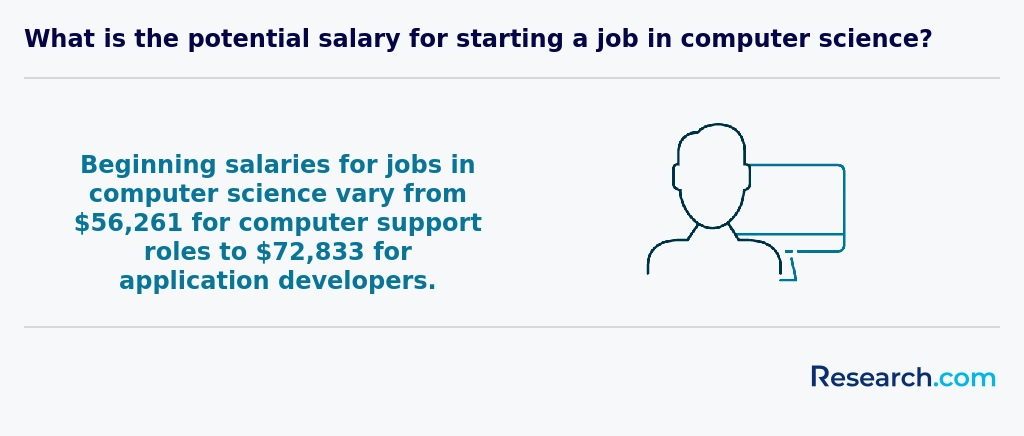
Online information technology students in Colorado often rely on federal aid like Pell Grants and Federal Direct Loans to help cover tuition costs. For instance, a graduate from Colorado State University-Global Campus recalls how the Pell Grant, worth up to $7,395, made enrolling in the program feel financially feasible. Students with exceptional need can also apply for Federal Supplemental Educational Opportunity Grants, which provide extra support without repayment pressures.
State aid options are equally important. The Colorado Opportunity Scholarship Initiative (COSI) targets IT students demonstrating financial need, helping reduce expenses for those attending institutions such as Metropolitan State University of Denver. Many graduates emphasize how this scholarship motivated them to stay committed while managing work and study.
Institutional scholarships at these universities provide additional merit- or need-based funds, boosting affordability. Plus, employer tuition assistance is common in Colorado's tech hubs like Denver, where companies promote ongoing education by helping employees offset costs.
Veterans benefit from the GI Bill, which can cover tuition and housing, making IT studies accessible for active military and former service members.
To enroll in an online information technology degree in Colorado, start by securing a high school diploma or GED. This basic credential is accepted across programs at universities like the University of Colorado and Colorado State University. Graduates often recall that having strong skills in algebra or geometry made a big difference during admission and coursework. If you're unsure about your math background, many schools offer placement tests to demonstrate your proficiency.
Online IT programs here may also ask for familiarity with programming basics or networking concepts, reflecting real-world tech demands. For example, graduates from Colorado Community College system found that prior experience with coding languages eased their transition into complex classes.
If you have past college credits, submitting them can help; institutions typically expect a minimum GPA of 2.0 or 2.5. Many programs require SAT or ACT scores, but test-optional policies are increasingly common, especially for online applicants, removing a common source of stress.
Reliable internet and a capable computer are practical must-haves-students frequently mention how seamless video lectures and interactive labs depend on stable technology. Being self-motivated and managing your time well are crucial, as online learning thrives on your discipline and commitment.
Online IT degree programs in Colorado typically include practical courses designed to build strong technical foundations and career-ready skills. Graduates from universities like the University of Colorado and Colorado State University often praise courses such as Introduction to Information Technology, where they gained a clear understanding of computing systems and software essential for any IT role.
Programming Fundamentals is another core course, teaching languages like Python and Java, which students say helped them confidently solve real-world problems and build tangible projects. Networking and Security courses prepare students to defend against cyber threats, a skill highly valued in Colorado's expanding tech industry.
Students frequently highlight Database Management classes that cover SQL and data storage, providing skills to manage enterprise-level information efficiently. Systems Analysis and Design rounds out the curriculum, offering hands-on experience to improve IT systems, directly reflecting tasks they performed during internships.
Hands-on labs and electives like cloud computing allow students to apply their knowledge practically, making the Colorado online IT degree both accessible and relevant to today's fast-evolving tech landscape.
Online information technology specializations Colorado students frequently choose reflect the state's dynamic tech industry. Graduates from universities like the University of Colorado or Colorado State University report programs focusing on cybersecurity, which prepares them to protect against cyber threats-a critical skill in Colorado's expanding tech hubs. Others opt for network administration, learning how to manage complex systems, a foundational role in many local companies.
IT degree focus areas Colorado online also include data analytics, where students develop expertise in interpreting large datasets-a fast-growing need given the state's data-driven businesses. Software development programs teach practical programming skills; many graduates feel empowered to join startups flourishing around Denver and Boulder. Cloud computing specialization, focusing on AWS and Azure platforms, aligns well with Colorado's growing cloud services sector. Lastly, information systems management readies students for leadership by combining IT knowledge with business management.
To explore these paths in detail, consider checking the degree in information technology jobs available through Colorado's online programs, which perfectly fit the career-driven student's goals.
To choose the best online information technology degree in Colorado, start by verifying program accreditation from recognized agencies like the Higher Learning Commission. Graduates from popular Colorado institutions often praise how accreditation enhanced their resume credibility and employer trust. Next, evaluate the curriculum for current, practical content covering cybersecurity, programming, and cloud computing-key areas favored in Colorado's thriving tech hubs such as Denver and Boulder.
Consider affordability carefully. In-state tuition typically runs between $10,000 and $12,000 annually, but online programs sometimes offer more affordable IT degree options in Colorado, along with scholarships or employer tuition reimbursement. Many students have found success by selecting programs with flexible scheduling and strong technical support to balance work and study.
Finally, assess career support services and local connections. Graduates often highlight how internships and job placement efforts in Colorado's tech industry helped them secure promising roles. For those balancing cost and quality, exploring resources like the affordable information technology mba listings can also reveal worthwhile, budget-conscious paths that build practical skills and industry certifications.
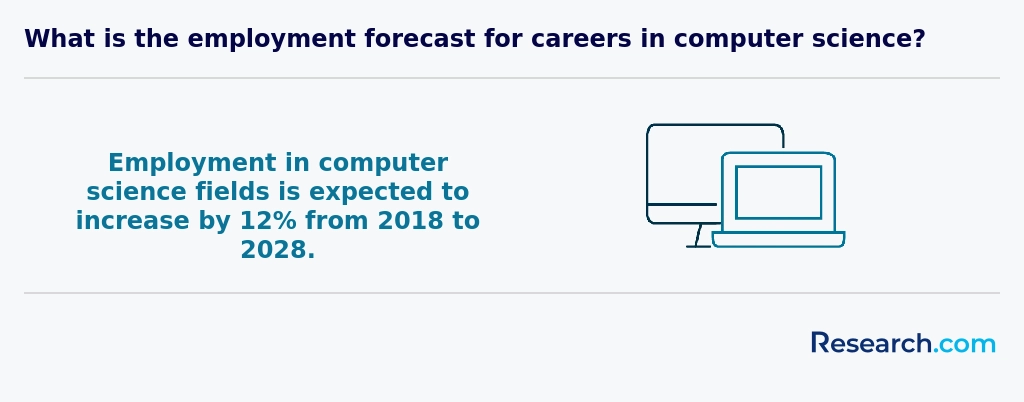
Graduates with an online information technology degree in Colorado have several practical career paths to consider, each offering strong employment prospects within the state's vibrant tech scene. Roles like Network and Systems Administrator are key for managing complex IT infrastructures across industries, while graduates skilled in cybersecurity find opportunities protecting companies from increasing cyber threats. Software Developer positions suit those who enjoy building applications, with many Colorado-based firms actively hiring talent from universities known for their IT programs.
Others may pursue careers as Database Administrators or IT Support Specialists, fitting roles that ensure businesses run smoothly and users stay connected. For graduates looking toward the future, becoming a Cloud Solutions Architect aligns with adopting cutting-edge cloud technologies. Graduates from institutions such as Colorado State University or the University of Colorado often share positive experiences about leveraging their degrees into these roles, highlighting the balance between flexibility from online study and direct local job opportunities. For those seeking accelerated options, exploring accelerated online tech degrees can be a smart step to enter these careers sooner.
Colorado's growing demand clearly supports online information technology careers in Colorado, making these pathways not only accessible but also rewarding in terms of salary and job satisfaction.
The job market for graduates with online information technology degrees in Colorado is strong and expanding. Graduates from universities like the University of Colorado Boulder and Colorado State University often find roles such as network administrators, cybersecurity analysts, and software developers, thanks to the vibrant tech hubs in Denver and Boulder. These areas experience steady demand, with over 10,000 annual openings statewide for IT professionals. Many graduates appreciate the flexibility of balancing online studies with their current jobs, preparing them for local employment or remote positions.
Colorado's IT degree career opportunities are especially promising when considering the competitive salaries, with many roles paying above $90,000 annually and specialized jobs exceeding $110,000. Graduates commonly share how earning an accredited online degree from a recognized institution leads directly to rewarding job offers. For practical guidance on selecting the right program, students often consult resources like the best masters degree for information technology.
2027 Best Online Information Technology Degree Programs Ranking in Colorado
Investing in your education is a significant decision that can shape your career and future, and the Research.com team recognizes the importance of providing trustworthy information to support this choice. To assist prospective students in Colorado, we have carefully developed the "2027 Best Online Information Technology Degree Programs Ranking in Colorado." Our dedication to quality, credibility, and accuracy is evident in the thorough research and evaluation involved in producing this ranking.
We utilized the following reputable data sources to ensure a comprehensive and reliable assessment of online IT degree programs:
By reviewing this ranking, readers will gain valuable insights into top online IT degree programs in Colorado, enabling them to make well-informed decisions tailored to their educational goals. For further information about how this ranking was created, please visit our Research.com methodology page.


# 3 position
Colorado Christian University
Bachelor of Information Systems Management


# 5 position
Colorado Technical University-Colorado Springs
Master of Information Technology

Frequently Asked Questions About information technology
Online information technology degree students in Colorado can maximize their learning by actively engaging with their coursework and utilizing available resources. Colorado boasts several accredited institutions offering IT programs, many of which provide access to virtual labs and industry-standard software. Students should take advantage of these to gain practical skills.
Joining online study groups or local tech meetups can foster networking and collaborative learning, which is essential in IT careers. According to the Colorado Technology Association, the state's IT sector grew by 5.4% annually, indicating strong job prospects for graduates.
Additionally, internships and certifications, such as CompTIA or Cisco, complement academic learning. Regular communication with faculty and participation in discussion forums also enhance understanding and retention.
The information technology field is rapidly evolving, with several emerging niches gaining prominence. In Colorado, areas like cybersecurity, artificial intelligence (AI), and cloud computing are particularly in demand due to the state's growing tech industry, as reported by the Colorado Department of Labor and Employment.
Cybersecurity stands out, driven by increasing threats that require skilled professionals. AI and machine learning are also growing fields, especially within Denver's expanding tech startups. Additionally, cloud computing expertise is critical as many companies shift to remote data management.
Data analytics and Internet of Things (IoT) technologies are further niches offering strong career prospects in Colorado's tech sector.
After completing an online information technology degree in Colorado, preparing for the job market requires strategic steps. Start by engaging with local tech hubs like Denver and Boulder, where many IT companies are headquartered. According to the Colorado Department of Labor and Employment, IT jobs in the state are projected to grow by 15% by 2030, making networking crucial.
Gaining certifications such as CompTIA, Cisco, or Microsoft can strengthen your resume and demonstrate practical skills. Colorado's strong cybersecurity and software development sectors value these certifications.
Additionally, consider internships or volunteering to build experience. Utilize online platforms and Colorado's workforce centers for job placement assistance and career fairs.
Employers in Colorado increasingly seek information technology graduates with strong technical and soft skills. Key technical abilities include proficiency in cybersecurity, cloud computing, and data analysis, reflecting Colorado's growing tech industry, especially in Denver and Boulder. According to the Colorado Department of Labor and Employment, jobs requiring cybersecurity skills are projected to grow by 15% through 2030.
Beyond technical expertise, employers value problem-solving, effective communication, and teamwork. These skills help graduates adapt to diverse projects and fast-changing technologies. Familiarity with programming languages like Python and Java also enhances job prospects. Many Colorado companies prefer candidates who can integrate IT knowledge with business understanding.
Finding internships in Colorado related to an information technology degree involves leveraging several key resources. Many universities, such as the University of Colorado and Colorado State University, offer career services that connect students to local IT companies. Students should also explore statewide programs like the Colorado Technology Association's internship portal, which lists opportunities with tech firms across the state.
Additionally, sites like Handshake and LinkedIn are widely used platforms where Colorado employers post IT internships. Networking at local tech events and meetups can uncover hidden opportunities. According to Colorado's Department of Labor, the IT sector in the state grew by over 5% in 2023, increasing available internship positions.
Applying early and tailoring resumes to specific IT skills, such as cybersecurity or software development, greatly improves chances of securing internships. Engaging with online degree programs often offers connections to industry partners focused on Colorado's growing tech hub.
An online information technology degree in Colorado significantly enhances career mobility and advancement opportunities. The state's IT sector is growing, with the Colorado Office of Economic Development reporting a 5% annual increase in tech-related jobs. This growth fuels demand for skilled professionals, making online degrees attractive for flexible learning without disrupting work.
Employers in Colorado increasingly value accredited online IT degrees, recognizing them as valid preparation for roles like network administration, cybersecurity, and software development. Online programs often emphasize up-to-date skills aligned with industry certifications, boosting employability.
Furthermore, earning a degree online enables professionals to expand their qualifications while remaining in their current positions, promoting quicker advancement and salary growth within Colorado's competitive tech market.
Studying for an information technology degree in Colorado equips students with skills that intersect with various disciplines such as business, healthcare, and engineering. Colorado's strong tech industry, including hubs like Denver and Boulder, offers students exposure to real-world scenarios where IT solutions support diverse fields.
The curriculum often integrates courses in cybersecurity, data management, and software development alongside project management and communication, preparing graduates for collaborative roles. According to the Colorado Department of Labor, employment in IT-related occupations is projected to grow by 15% from 2020 to 2030, reflecting the demand for versatile professionals.
Online programs in Colorado also emphasize critical thinking and adaptability, essential for interdisciplinary teamwork across sectors.
When choosing between a thesis and a non-thesis online information technology degree in Colorado, consider your career goals. A thesis program typically suits students interested in research or pursuing a PhD. It requires conducting original research and writing a substantial paper, which can be valuable for academic or specialized roles.
Non-thesis programs focus more on practical skills and coursework. They often appeal to professionals seeking to advance in IT management or technical fields without a research emphasis. Colorado's growing IT sector, which employs over 100,000 professionals as per the Colorado Department of Labor and Employment, values both paths depending on the job.
Time commitment is another factor; thesis options usually demand more months of study and closer faculty mentorship. Meanwhile, non-thesis degrees may be completed faster, aiding those balancing work and study.
Students in Colorado interested in studying information technology (IT) abroad have several pathways facilitated by US-accredited institutions with global partnerships. Many Colorado universities offer exchange programs or dual-degree options with international schools, allowing students to gain IT experience internationally while maintaining degree progress.
Online IT programs often include study abroad components in countries known for their tech industries, such as Germany, Canada, or the United Kingdom. According to the Colorado Department of Higher Education, around 15% of IT students participate in such exchange programs.
These opportunities enable exposure to diverse IT systems and global networking, which are valuable in today's interconnected tech markets. Students should verify accreditation and credit transfer policies before enrolling in any program involving study abroad.
Part-time job opportunities in Colorado that complement an information technology degree are diverse and growing. Students can find roles such as IT support specialists, junior network administrators, or help desk technicians. These positions offer hands-on experience with systems and troubleshooting, essential for IT careers.
According to the Colorado Department of Labor and Employment, IT support roles in the state are projected to grow by 15% from 2022 to 2032, reflecting strong demand. Cities like Denver and Boulder host many tech startups and established companies seeking part-time IT workers.
Internships at local government agencies and tech firms also provide practical knowledge alongside studies.
Online information technology students in Colorado benefit from several notable networking opportunities that connect them with industry professionals and peers. Many universities offer virtual career fairs and online workshops specifically for IT students, fostering direct interaction with local employers.
Statewide organizations, such as the Colorado Technology Association, host regular events that are accessible to online students, providing valuable chances to expand professional networks. Additionally, Colorado's thriving tech sector includes over 30,000 IT jobs as reported by the Colorado Department of Labor and Employment, increasing opportunities for internships and mentorships even for remote learners.
Students can also engage with online communities and alumni networks to access job leads and collaboration possibilities within the state's tech ecosystem.
Alumni networks provide significant advantages for students pursuing online information technology degrees in Colorado. These networks offer valuable connections to industry professionals across the state, helping graduates navigate Colorado's competitive IT job market.
With Colorado ranked among the top states for tech job growth-growing at nearly 3% annually according to the Colorado Office of Economic Development-access to a strong alumni community can improve job placement opportunities. Alumni often share job leads, offer mentorship, and provide insights into local employers' expectations.
Additionally, these networks facilitate continuous professional development through events and workshops, which are especially helpful for online students who may lack in-person campus interaction. Research from the National Association of Colleges and Employers shows that strong alumni ties can increase employment prospects within six months after graduation.
Students seeking online information technology degrees in Colorado can customize their programs by selecting specialized tracks such as cybersecurity, software development, or network administration. Many institutions offer elective courses, allowing learners to align studies with specific career goals.
Additionally, Colorado's growing IT sector-projected to add over 13,000 jobs by 2030 according to the Colorado Office of Economic Development and International Trade-supports practical experience through virtual labs and internships. This helps students gain skills in emerging technologies like cloud computing and data analytics.
By choosing accredited schools with flexible curricula, learners can tailor their education while meeting industry standards and local workforce needs.
Online information technology students in Colorado often face challenges related to balancing coursework with work and family obligations. According to data from the Colorado Department of Higher Education, about 60% of online students juggle full-time jobs while studying, which can impact timely completion of degree requirements.
Technical difficulties also present a notable hurdle. Reliable internet access is essential, yet rural areas in Colorado report lower broadband availability, which may disrupt participation in online classes and labs.
Additionally, some students experience limited interaction with instructors and peers, potentially affecting their engagement and networking opportunities vital in the IT field. Support services tailored to online learners remain inconsistent across institutions.
With an online information technology degree in Colorado, graduates can pursue several valuable professional certifications to enhance their careers. Popular certifications include CompTIA A+, Network+, and Security+, which cover essential IT skills widely recognized by employers. Cisco's CCNA certification is also highly respected for networking professionals.
For those interested in cybersecurity-a growing field in Colorado-certifications like Certified Information Systems Security Professional (CISSP) and Certified Ethical Hacker (CEH) are beneficial. According to the Colorado Department of Labor & Employment, IT jobs requiring these credentials are growing faster than the state average.
Cloud certifications, such as AWS Certified Solutions Architect, are in demand due to Colorado's expanding tech industry. Earning these credentials demonstrates expertise and can improve job prospects significantly.
To write a winning application for an online information technology program in Colorado, start by clearly highlighting your relevant academic background and professional experience. Many Colorado institutions value candidates who demonstrate practical skills alongside theoretical knowledge. Be sure to tailor your personal statement to reflect how the program aligns with your career goals in tech fields such as cybersecurity or software development.
Colorado's IT sector is growing rapidly, with a 7.1% increase in tech jobs from 2021 to 2023 according to the Colorado Office of Economic Development, making a focused application vital. Highlight any certifications or projects that showcase your technical abilities.
Finally, maintain professionalism and attention to detail, ensuring your application is error-free and submitted before deadlines.
Information technology (IT) careers are increasingly viewed through a global lens, reflecting worldwide demand for skilled professionals. The U.S. Bureau of Labor Statistics projects a 13% growth in computer and information technology jobs from 2021 to 2031, emphasizing strong opportunities in states like Colorado, where the tech sector grew by 6.3% in 2022.
Globally, IT skills enable professionals to work with international companies or remotely, expanding their career options. Many U.S. employers, including in Colorado, value global certifications and experience with diverse technologies.
According to CompTIA, Colorado ranks among the top states for tech job growth thanks to vibrant urban centers like Denver and Boulder. Understanding global IT trends helps students prepare for competitive fields involving cybersecurity, cloud computing, and software development.
Gaining practical experience while pursuing an online information technology degree in Colorado is essential for career readiness. Many programs incorporate virtual labs, simulations, and project-based coursework to develop hands-on skills remotely. Additionally, Colorado's growing tech industry, including Denver and Boulder, offers ample internship and co-op opportunities, some of which can be completed virtually. According to the Colorado Department of Labor, IT jobs in the state are expected to grow by 12% through 2030, emphasizing the importance of real-world experience.
Students should also seek certification programs like CompTIA or Cisco alongside their degree, as these are highly valued by employers. Networking through virtual career fairs and local IT professional groups further enhances practical learning and job prospects.
Choosing the right concentration within an online information technology degree in Colorado depends on your career goals and the state's industry demands. Colorado's IT sector is growing rapidly, especially in cybersecurity, software development, and data analytics, according to the Colorado Office of Economic Development and International Trade. Understanding which skills are in high demand can guide your choice.
Consider specializations like cybersecurity if you aim to work in protecting digital assets, since Colorado ranks above the national average for cybersecurity job growth. Alternatively, focus on data science or cloud computing to align with the needs of Denver's expanding tech startups.
Also, evaluate how flexible the program is to balance studies with your current job, and whether it includes hands-on projects or internships offered in partnership with local companies. Researching faculty expertise and alumni outcomes can provide valuable insight into each concentration's strengths within Colorado.
- 2027 Best Online Information Technology Degree Programs Ranking in Kansas
- 2027 Best Online Information Technology Degree Programs Ranking in Arizona
- 2027 Best Online Information Technology Degree Programs Ranking in Texas
- 2027 Best Online Information Technology Degree Programs Ranking in Missouri
- 2027 Best Online Information Technology Degree Programs Ranking in Arkansas
- 2027 Best Online Information Technology Degree Programs Ranking in California
- 2027 Best Online Information Technology Degree Programs Ranking in Illinois
- 2027 Best Online Information Technology Degree Programs Ranking in Wisconsin
- 2027 Best Online Information Technology Degree Programs Ranking in Kentucky
- 2027 Best Online Information Technology Degree Programs Ranking in Alabama
- Online Bachelor's Degree in Information Technology (IT) https://csuglobal.edu/academic-programs/undergraduate-degrees/bachelors-degree-information-technology
- Information Technology https://www.ccd.edu/program/information-technology
- Computer Science Programs in Colorado https://www.computerscience.org/online-degrees/colorado/
- Online & On-Campus Degree Programs | CTU Online https://www.coloradotech.edu/degrees/studies/information-systems-and-technology
- Information Technology Degree https://coloradomtn.edu/programs/information-technology/
- Using Technology to Transform Higher Education https://upcea.edu/using-technology-to-transform-higher-education/
- Information Technology Career Pathways https://www.mycoloradojourney.gov/industries/technology
- Bachelor's Degree in Computer Information Technology https://www.ccu.edu/ccu/computerinformationtechnology/
- 4 Ways to Leverage Technology to Enhance the Learning ... https://blog.definedlearning.com/leveraging-technology-in-the-classroom/
- How long does it take to complete an IT program? https://wcc.ca/blog/how-long-does-it-take-to-complete-an-it-program/