2027 Most Valuable Online Master's in Information Technology Degree Programs Ranking in the South

Co-Founder and Chief Data Scientist
Choosing the right online master's program in information technology can be overwhelming, especially with so many options in the South. This article presents the 2027 Most Valuable Online Master's in Information Technology Degree Programs Ranking in the South, carefully developed by the Research.com team of data scientists to guide you through your decision.
By exploring this ranking, you'll discover programs that truly deliver value, helping you advance your career with confidence. Earning your degree in IT can open doors to exciting opportunities and personal growth, and this guide is here to support your journey every step of the way.
Key benefits of getting online information technology degree in the South
- Information technology graduates in the South can expect competitive salaries, with many entry-level IT jobs in the US starting around $60,000 annually, offering strong financial stability and growth potential.
- Graduates often explore diverse career paths such as cybersecurity analyst, network administrator, or software developer, with many successful examples from universities like the University of North Carolina shaping vibrant tech careers.
- Completing an online IT degree from schools like Georgia Tech provides flexibility to balance work and study, often accelerating career advancement without sacrificing personal commitments.
- 2027 Most Valuable Online Master's in Information Technology Degree Programs Ranking in the South
- What can I expect from online information technology degree in the South?
- Where can I work with online information technology degree in the South?
What can I expect from online information technology degree in the South?
The average cost of an online information technology degree in the South is notably affordable, making it an accessible option for many aspiring tech professionals. Graduates from Southern universities, such as those part of the University of North Carolina system or Georgia Tech, often share how the balance of reasonable tuition and lower living expenses helped them pursue their goals without overwhelming debt. Many programs offer tuition rates significantly below the national average, reflecting the South's commitment to affordable, quality education.
Students commonly benefit from scholarships and financial aid targeted at STEM fields, easing the financial journey even further. This affordability allows students to focus more on mastering skills like cybersecurity, network administration, and software development, rather than financial hardship.
Imagine completing your coursework from a Southern city like Raleigh or Austin, where thriving tech communities inspire and support learners. The combined flexibility, quality instruction, and manageable costs create a motivating and hopeful pathway for future IT leaders.
Where can I work with online information technology degree in the South?
With an online information technology degree from renowned Southern institutions like Georgia Tech or the University of North Carolina, graduates step confidently into a vibrant job market. They find exciting roles in thriving tech hubs such as Atlanta's financial district or Austin's booming startup scene, where innovation drives daily breakthroughs. Imagine supporting cybersecurity for a major healthcare provider in Raleigh, protecting sensitive patient data while advancing telemedicine solutions.
Graduates often celebrate their ability to transition easily into positions like network administration, software development, or IT project management within dynamic companies across Texas and Georgia. Many gain rewarding experience working remotely for firms nationwide, all while enjoying Southern living. The blend of government jobs near research parks in Virginia or North Carolina offers another inspiring path, where graduates contribute to national security and infrastructure modernization.
Whether it's helping a Dallas manufacturing company automate processes or joining a healthcare system's digital transformation team in Atlanta, the opportunities foster a sense of purpose and growth. Southern graduates feel empowered by a diverse career landscape that embraces innovation and meaningful impact every day.
Graduates with online information technology degrees in the South can anticipate rewarding salary opportunities that reflect the region's economic growth and demand for skilled professionals. Entry-level IT support specialists often start with salaries ranging from $45,000 to $60,000, providing a strong foundation for career growth. For example, graduates from popular Southern institutions like the University of Texas at Austin or Georgia Tech have reported confidently stepping into these roles while balancing studies with family life and work.
Mid-level positions, such as network and systems administrators, generally earn between $70,000 and $90,000, offering financial stability and career momentum. Many graduates from Southern colleges experience firsthand how their online education equips them with practical, in-demand skills employers in places like Atlanta or Raleigh value highly.
More advanced roles, including information security analysts and software developers, often exceed $100,000 annually. In tech-growing cities like Austin and Raleigh, median salaries reach $110,000 and $105,000 respectively, illuminating the potential for success when you invest in your education online. Graduates often share the joy of leveraging flexible online programs to earn impressive salaries while living in their hometowns across the South.
- Online IT bachelor's degrees in Southern states generally cost between $20,000 and $40,000, making them more affordable than the national average.
- Starting salaries for IT graduates in the South range from $55,000 to $65,000 annually, increasing to $80,000-$95,000 within five to ten years.
- IT-related jobs in the South are projected to grow about 15% from 2022 to 2032, faster than the national average.
- Many Southern universities offer ABET-accredited online IT programs that cover cybersecurity, software development, and data management.
- Online learning in the South is flexible and connected to local tech businesses, enhancing internship and job placement opportunities.
Completing an online information technology degree in the South can be a highly rewarding journey tailored to fit your lifestyle and ambitions. Many students at renowned institutions like the University of Florida or Georgia Tech find that a full-time bachelor's degree typically takes about four years. Yet, these programs often include options to accelerate your studies, allowing you to finish earlier by taking extra courses or studying year-round.
For those balancing careers or family, pursuing a part-time bachelor's degree extends the timeframe to five or six years but provides the invaluable flexibility needed to succeed. Graduates from schools such as Texas A&M highlight how this flexibility made earning their degree alongside professional commitments not just possible but empowering.
Associate degrees, often completed in around two years full-time, offer a quick and efficient path into the IT workforce. For advanced learners, online master's programs from Southern universities typically range from 18 months to three years, with many formats supporting evening and weekend classes.
This adaptable structure in the South helps many turn their IT aspirations into accomplishments while managing their personal and work lives with confidence and pride.
Choosing between online and on-campus information technology degrees in the South offers exciting opportunities tailored to your lifestyle and goals. Imagine a student at a renowned Southern university who thrives in a dynamic classroom, collaborating face-to-face with peers and professors while utilizing state-of-the-art labs. This hands-on environment sparks creativity and connection, fueling their passion for IT through vibrant campus events and networking.
On the other hand, consider a graduate pursuing their degree remotely from a rural town in the South, balancing work and family with flexibility. They dive into virtual labs, engage in lively discussion boards, and access expert advising online-all from the comfort of home. Their online program removes commuting barriers, proving that dedication knows no boundaries.
Both paths lead to respected degrees accredited by Southern institutions, recognized equally by employers. Whether you cherish the energy of campus life or the freedom of online study, Southern IT programs empower you to build skills and confidence that open doors in this ever-evolving field.
The average cost of an online information technology degree in the South offers an encouraging balance between quality and affordability. Southern students often find that in-state tuition averages around $16,530, making it easier for local learners to invest in their futures without overwhelming debt. Out-of-state students typically face a median cost near $22,074, which still remains competitive compared to many other parts of the country. Graduates from popular universities in Texas, Florida, and North Carolina often share how these costs, combined with flexible online schedules, helped them manage work and family responsibilities effectively while advancing their IT careers.
For those seeking affordable online information technology master's degrees southern US institutions provide a variety of options designed to fit diverse budgets. Many programs require 30 to 36 credit hours, with tuition carefully structured to support working professionals. Students recount how the overall investment feels worthwhile when considering career growth and the ability to access scholarships, employer tuition reimbursement, and federal aid. Universities encourage learners to explore these opportunities to achieve a rewarding education without financial strain.
Moving beyond tuition, additional costs like technology fees and course materials are thoughtfully addressed by many schools through digital resources and support services. Those passionate about pursuing their dreams in IT often cite these manageable expenses as part of a larger, positive learning experience.
Exploring career paths linked to an online IT education, graduates often turn to resources such as mba in information technology management jobs to find inspiration and direction post-degree, highlighting the practical value of their Southern education.
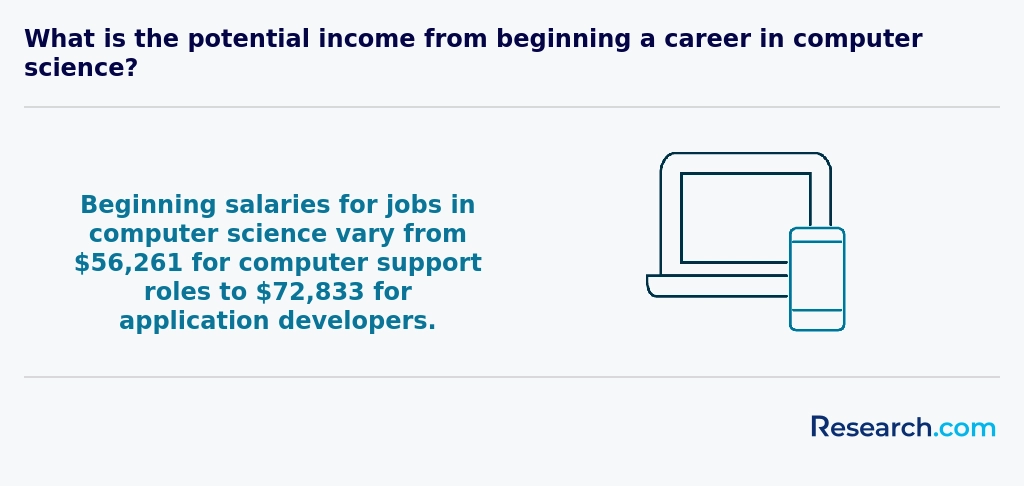
Many online information technology students in the South find tremendous support through federal aid like the FAFSA, opening doors to Pell Grants that can cover thousands of dollars without the worry of repayment. Imagine attending a well-known Southern university while feeling confident your education is financially within reach.
State programs add another powerful layer of assistance. For example, students pursuing IT degrees online in Texas might benefit from the TEXAS Grant, easing the burden for those balancing work and studies. In Georgia and Florida, residents enjoy state scholarships designed to keep technology education accessible, empowering them to focus on building rewarding careers.
Graduates often share how institutional scholarships and fellowships from colleges like Georgia Tech or the University of Florida dramatically improved their ability to invest in their future. These awards recognize both merit and need, fueling dreams in a way that feels genuinely achievable.
Private scholarships and employer tuition reimbursements also boost confidence. When an IT professional's company steps in to help cover costs, it creates a motivating partnership that turns ambition into reality. Knowing that a community of support surrounds you makes all the difference on the journey.
Enrolling in an online information technology degree in the South is an exciting step toward a rewarding career, with clear prerequisites that set students up for success. Graduates from renowned Southern universities often reflect on how their solid foundation began with a high school diploma or a bachelor's degree, depending on the program level.
Many found that proficiency in math and core computer skills helped them thrive from the start. For instance, those attending popular colleges in North Carolina and Georgia embraced placement tests or submitted ACT scores as part of their application, which built confidence in their readiness. Others boosted their applications with certifications like CompTIA A+ or Cisco's CCNA, showcasing their commitment and hands-on experience.
Financial readiness also plays a key role. Students shared how applying for aid through FAFSA ensured they could focus on their studies without stress. Access to reliable internet and a computer made online learning smooth, while familiarity with digital platforms like Blackboard empowered them to engage fully with interactive coursework.
Online information technology degree programs in the South offer students a vibrant blend of core and specialized courses that truly empower their futures. Graduates from well-known Southern universities often describe their experience mastering foundational subjects like Programming Fundamentals and Networking Concepts, which paved the way for exciting career opportunities. Imagine confidently designing secure networks after excelling in Cybersecurity Principles and Ethical Hacking courses tailored to meet regional industry needs.
Many budding IT professionals appreciate how their curriculum includes real-world skills like Database Management Systems and Systems Analysis and Design, essential for thriving in business and tech roles. Schools in Texas and Georgia, for example, integrate cutting-edge electives in cloud computing and data analytics, reflecting the booming tech hubs in these states. These courses don't just teach theory-they ignite passion, preparing students for meaningful work in dynamic Southern industries where innovation lives.
Online information technology degree programs in the South offer vibrant specializations designed to empower students with the skills needed for today's dynamic tech landscape. Graduates from renowned universities in the region often highlight how concentrations like cybersecurity prepare them to safeguard crucial data against evolving threats, a priority for growing industries and government agencies here. Others find their passion in network administration, managing complex computer systems vital to Southern businesses.
Exploring IT degree concentration options in Southern US, students discover exciting paths in data science and analytics, unlocking insights for healthcare or finance sectors thriving in this region. Software development tracks spark creativity, with graduates developing innovative applications that fuel startup ecosystems in cities like Atlanta. Many also pursue information systems management, blending technology and leadership for impactful roles. Those seeking flexibility can find the easiest online degree in information technology to match their busy schedules, making this journey accessible and rewarding.
Choosing an online information technology degree in the South means focusing on accredited programs that provide real value and opportunity. Graduates from top universities in Georgia and Texas often highlight how regional accreditation and ABET certification gave their degrees a respected edge in competitive job markets. Affordable online IT degrees in the South make higher education accessible without sacrificing quality, allowing students to pursue their passions while managing financial commitments.
Look for programs offering hands-on experience and specialties like cybersecurity or cloud computing, which empower you to thrive in growing sectors. Many graduates from southern colleges share stories of balancing family, work, and study thanks to flexible course schedules and engaging virtual labs. States like Florida and Georgia present strong career prospects in IT, making the right choice a gateway to fulfilling, well-paid roles.
Understanding the difference between comp sci and it can further clarify your path, helping you select the perfect program. Embrace this exciting journey by focusing on top accredited information technology programs southern states proudly offer.

The South offers a vibrant array of online information technology careers, where graduates thrive in dynamic roles tailored to their passions and skills. Many students from universities popular in the region discover opportunities as network and computer systems administrators, ensuring that essential infrastructure runs smoothly across industries like healthcare and government. Others find excitement as information security analysts, protecting companies from cyber threats-a growing field with an urgent need for expertise.
Software development attracts creative problem solvers who design innovative applications, with graduates from Southern colleges joining tech hubs such as Atlanta and Austin to contribute to cutting-edge projects. Database administrators, often trained through online IT degree programs, enjoy the challenge of organizing and securing vital data for businesses across the finance sector. These diverse pathways showcase how an IT degree job opportunities Southern states provides can transform passions into rewarding, impactful careers.
Many students have found that pursuing a cheap it degree online from respected Southern institutions enables them to balance life commitments while stepping into these exciting roles, inspiring others to follow their lead.
The job market for graduates holding online information technology degrees in the South is vibrant and full of promise. Cities such as Atlanta, Raleigh, and Austin are blossoming into tech hotspots where demand for skilled IT professionals is strong and expanding. Graduates from renowned regional institutions often find themselves stepping confidently into roles in cybersecurity, cloud computing, or software development, where organizations depend heavily on innovative problem-solving.
Many students pursuing online information technology jobs in the South report feeling energized by the robust opportunities available post-graduation. Universities known for their IT programs equip learners with both practical skills and theoretical knowledge, helping them meet the growing needs of local tech firms and startups. The competitive salaries in states like Texas and Georgia, combined with an attractive cost of living, encourage graduates to build long-lasting careers close to home.
For those balancing work and study, affordability remains a key factor. Colleges across the South offer competitive pricing for online master's degrees, often ranging between $15,000 and $30,000. These costs, alongside the strong job outlook for IT degrees in Southern states, create an exciting pathway to success. Students interested in further specialization might explore an affordable mba with a concentration in information systems to enhance their career trajectory.
2027 Most Valuable Online Master's in Information Technology Degree Programs Ranking in the South
Investing in your education is a significant decision that can shape your future, and the Research.com team is fully aware of the importance of making well-informed choices. To support prospective students in the South, we have diligently developed the "2027 Most Valuable Online Master's in Information Technology Degree Programs Ranking in the South." Our dedication to quality, credibility, and accuracy is demonstrated through thorough research and careful analysis performed during the ranking process.
We utilized the following reputable data sources to ensure a comprehensive evaluation of online IT master's programs:
By exploring this ranking, readers will gain valuable insights into the most valuable online IT master's programs in the South, empowering them to make smart educational investments that align with their career goals. For more information on how this ranking was created, please visit our Research.com methodology page.


Frequently Asked Questions About information technology
Online information technology degree students in the South can enhance their learning by actively engaging with course materials and participating in virtual discussions. Many Southern universities provide access to cutting-edge labs and software, which students should fully utilize to gain practical experience. Networking with peers and faculty through online forums or regional tech groups can open doors to internships and job opportunities.
According to the Southern Regional Education Board, the IT sector in the South is growing by about 3.5% annually, highlighting the demand for skilled professionals.
Students should also pursue certifications, such as CompTIA or Cisco, alongside their degree to boost employability.
Time management and setting a disciplined study schedule are crucial to balance work, study, and life commitments effectively.
Emerging niches within the information technology field are rapidly shaping career opportunities, especially for students pursuing online IT degrees in the South. Cybersecurity remains a top priority, with the U.S. Bureau of Labor Statistics projecting a 35% growth rate nationwide through 2031, driven in part by increased cyber threats. In the Southern states, sectors like healthcare and finance amplify demand for security experts.
Another significant area is data science and analytics, where universities such as Georgia Tech offer specialized online programs to meet regional industry needs. Additionally, cloud computing is expanding, supported by Southern tech hubs like Austin and Research Triangle Park.
Artificial intelligence and machine learning are also gaining traction, presenting new job roles focused on automation and AI-driven solutions. These niches reflect the evolving IT landscape and can guide prospective Southern students in selecting focused online degrees.
Graduates with an online information technology degree in the South should focus on building practical skills through internships and certifications. According to the Bureau of Labor Statistics, IT jobs in Southern states like Texas and Georgia are expected to grow faster than the national average. Employers value experience in cloud computing, cybersecurity, and data analysis, so gaining credentials like AWS Certified Solutions Architect or CompTIA Security+ can improve employability.
Networking with local tech groups and attending regional conferences supports job placement. Utilizing university career services and job portals tailored to Southern markets increases access to relevant opportunities.
Soft skills such as communication and teamwork remain critical alongside technical expertise.
Employers in the Southern United States prioritize practical technical skills when hiring information technology graduates. Key competencies include proficiency in cybersecurity, cloud computing, and data analytics. According to a 2023 report by CompTIA, 62% of Southern IT employers seek graduates with cloud experience, reflecting rapid regional growth in cloud services.
Soft skills such as problem-solving, teamwork, and effective communication are also highly valued. The Economic Development Partnership of Alabama highlights collaboration as critical in tech roles across Southern states. Additionally, familiarity with coding languages like Python and Java remains essential for software development and IT management positions.
The demand for IT professionals who can manage complex systems and adapt to evolving technologies underscores the importance of continuous learning in the field.
Finding internships in the South for information technology (IT) students involves a strategic approach. Start by exploring opportunities through your online degree program's career services, as many Southern universities partner with local tech firms. According to the Bureau of Labor Statistics, IT jobs in Southern states like Texas and Georgia are growing faster than the national average, creating more internship openings.
Networking is crucial. Join regional IT groups and attend virtual job fairs targeting Southern companies. Websites like Handshake and local chambers of commerce often list internships specific to Southern markets. Internships with industry leaders like IBM and Cisco, which have strong Southern footprints, are especially valuable.
Engage professors and advisors who have local connections; universities frequently collaborate with businesses seeking IT interns. Start your search early and tailor your applications to companies emphasizing IT innovation in the South.
In the Southern United States, earning an online information technology degree significantly enhances career mobility. The region's growing tech industry, particularly in cities like Atlanta and Austin, demands a skilled IT workforce. According to CompTIA, nearly 45,000 new tech jobs were created in the South in 2023 alone, underscoring a robust market for IT professionals.
An online degree allows professionals to update skills and earn certifications while working, enabling faster promotions and access to specialized roles. Universities accredited by the Southern Association of Colleges and Schools Commission on Colleges (SACSCOC) provide quality online IT programs recognized by employers.
Many Southern companies prioritize candidates with bachelor's or master's degrees in IT for leadership roles, which improves salary prospects and career advancement opportunities. This flexibility makes online IT degrees valuable for regional professionals seeking to climb the corporate ladder.
Studying for an information technology degree in the South equips students with skills that cross traditional disciplinary boundaries. Many Southern universities emphasize combining IT knowledge with business, healthcare, or engineering principles. This approach reflects regional economic demands, where industries like healthcare technology and logistics are rapidly growing.
According to the Southern Regional Education Board, over 35% of IT graduates in Southern states gain employment in interdisciplinary roles within two years of graduation. Curricula often include project-based learning that integrates cybersecurity, data analysis, and management strategies, preparing students to collaborate across multiple sectors.
Such programs leverage partnerships with local industries, offering internships that allow hands-on experience solving real-world challenges beyond pure technology.
When choosing between a thesis and a non-thesis online information technology degree in the South, consider your career goals and learning preferences. Thesis programs typically focus on research and require a substantial final project, ideal for students interested in academic or research careers.
Non-thesis options emphasize practical skills and often include internships or capstone projects, which suit professionals aiming for direct industry application. Southern universities, such as those in Texas and Georgia, often offer both, reflecting the region's growing IT job market, projected to grow 15% by 2030 according to the U.S. Bureau of Labor Statistics.
Cost and time commitment also differ; thesis paths may take longer due to research demands. Choose based on whether you prefer hands-on experience or academic investigation.
Students in the Southern United States seeking to study information technology abroad have several options that combine international exposure with flexible learning. Many Southern universities offer partnerships with global institutions, allowing students to complete part of their IT degrees overseas through online or hybrid programs. For example, Georgia Tech and the University of South Carolina have exchange agreements with European and Asian universities, giving Southern students access to diverse IT curricula.
Additionally, accredited U.S. online IT degree programs often include international case studies and project collaborations with peers worldwide, simulating global IT environments without the need to relocate. Organizations like the Southern Regional Education Board report a rising trend of Southern students enrolling in these programs, highlighting their growing appeal.
Part-time job opportunities in the South that complement online information technology degrees often include roles in technical support, web development, and cybersecurity assistance. Local businesses and startups frequently seek part-time IT help, providing practical experience alongside academic studies.
According to the U.S. Bureau of Labor Statistics, the Southern states are projected to see a 12% growth in computer and information technology occupations through 2030, indicating a healthy job market. Positions like help desk technician or junior network administrator offer students hands-on skills applicable to their coursework.
Additionally, remote freelance roles in coding and system analysis have grown, supported by South-based firms embracing flexible work models. Gaining such experience while studying online can enhance career prospects.
Online information technology students in the South benefit from robust networking opportunities despite the virtual format. Many Southern universities collaborate with local tech hubs in cities like Atlanta, Raleigh, and Austin, offering virtual career fairs and workshops. Organizations such as the Southern IT Alliance connect students to regional employers, promoting internships and job placements.
Moreover, participation in national IT associations like CompTIA and local chapters of groups like ACM provides access to conferences and webinars. According to the U.S. Bureau of Labor Statistics, Southern states show steady IT job growth, highlighting a strong professional environment for networking and career advancement.
Alumni networks provide significant benefits to online information technology degree students in the South by offering valuable connections and career opportunities. Through these networks, students gain access to mentorship programs, industry events, and job referrals tailored to the region's growing tech markets, such as Atlanta, Austin, and Raleigh.
According to the Southern Regional Education Board, Southern states have seen a 20% increase in IT employment since 2020, amplifying the importance of strong professional ties.
Alumni often share advice on navigating local job markets and can introduce students to companies actively hiring graduates with IT skills.
This community support helps students transition smoothly from online education to the workforce in the Southern United States.
Customizing an online information technology degree program in the South allows students to align their education with specific career goals. Many Southern universities offer specialized tracks such as cybersecurity, data analytics, or software development within their IT curricula. This helps students build skills directly relevant to in-demand fields.
Additionally, elective courses enable learners to explore areas like cloud computing or network administration. Flexible scheduling and part-time options support working professionals balancing education with career growth.
According to the Southern Regional Education Board, schools in the South increasingly partner with local tech industries, providing practical experiences that enhance job readiness. This regional collaboration can offer targeted internships or projects aligned with emerging Southern job markets.
Online information technology students in the South often face challenges related to internet access. According to the Federal Communications Commission, about 18% of rural Southern households lack high-speed internet, which can hinder participation in interactive coursework. Additionally, balancing work, family, and study commitments remains difficult for many students, as the South has a higher percentage of part-time learners compared to other regions.
Technical support and access to up-to-date software can also be limited, especially for those farther from urban centers. Finally, navigating financial aid and understanding accreditation are common hurdles, with some Southern states having fewer accredited online IT programs, impacting degree recognition.
Graduates with an online information technology degree in the South can pursue several valuable professional certifications to enhance their careers. Popular options include the CompTIA Security+ and Certified Information Systems Security Professional (CISSP), which are highly regarded in cybersecurity roles. The Certified Information Technology Professional (CITP) credential is also relevant for those seeking IT auditing and consulting positions.
Additionally, certifications like Project Management Professional (PMP) and Certified ScrumMaster (CSM) help IT professionals lead projects effectively.
According to the Southern Regional Education Board, IT jobs in the South have grown 8% annually, increasing demand for these certifications.
Writing a winning application for an online information technology program in the South requires clear focus and preparation. First, highlight your relevant experience and technical skills, including programming languages, cybersecurity, or networking expertise. Southern institutions value candidates who demonstrate practical knowledge alongside academic achievements.
Make sure to tailor your personal statement to reflect how the program aligns with your career goals in fast-growing IT hubs such as Atlanta or Austin. According to the U.S. Bureau of Labor Statistics, IT jobs in the South are projected to grow by 13% through 2030, emphasizing the region's expanding tech market.
Include strong letters of recommendation from professional or academic contacts familiar with your abilities. Lastly, verify all application requirements, as schools may ask for transcripts, standardized test scores, or proof of residency specific to southern states.
The global demand for information technology (IT) professionals remains strong, driven by rapid digital transformation and innovation. In the U.S., and notably in the South, IT careers offer competitive salaries and growth opportunities, with the Bureau of Labor Statistics projecting a 15% employment growth for computer and information technology occupations from 2021 to 2031.
Southern states like Texas and Georgia host many tech hubs, attracting global companies that rely on skilled IT workers. Online IT degrees provide access to these evolving markets, connecting students to worldwide career possibilities while offering flexible education tailored to regional industry needs.
Internationally, IT roles often emphasize similar core skills such as cybersecurity, data analytics, and software development. However, U.S. education standards and certifications typically hold strong global recognition, benefiting graduates seeking international job mobility.
Gaining practical experience while pursuing an online information technology degree in the South is vital for career readiness. Many Southern universities partner with local tech companies to offer remote internships, allowing students to apply classroom knowledge to real-world projects. According to the Southern Regional Education Board, over 60% of IT students in the region participate in internships before graduation.
Students can also join virtual hackathons and coding competitions sponsored by organizations like the Technology Association of Georgia or the Research Triangle Regional Partnership in North Carolina. These events build skills and improve resumes.
Additionally, some programs provide capstone projects developed in collaboration with industry leaders, delivering hands-on experience aligned with Southern market needs.
Choosing the right concentration within an online information technology degree in the South begins with assessing your career goals. Common concentrations include cybersecurity, data analytics, software development, and network management. Each offers unique skill sets aligned with specific industry demands.
According to the U.S. Bureau of Labor Statistics, IT roles related to cybersecurity and data analytics are among the fastest-growing in Southern states like Texas and Georgia, with job growth rates over 15% through 2030. Researching regional employment trends can help you target concentrations with strong local opportunities.
Also, consider accredited programs recognized by organizations such as ABET or CAHME, which ensure curriculum quality. Review course content and alignment with industry certifications to maximize your career readiness.
- Start Your Tech Journey with a BSIT Degree at South U https://www.southuniversity.edu/degree-programs/business-and-technology/information-technology-bs
- Top 6 Emerging Technologies for Digital Transformation in 2026 https://www.imd.org/blog/digital-transformation/emerging-technologies/
- 7 Proven Ways Classroom Technology Improves Student Learning Outcomes | Explorance https://www.explorance.com/blog/7-ways-technology-in-the-classroom-enhances-student-success/
- (apply for a place in the Bachelor of Information Technology) Letter of Motivation https://essayforum.com/letters/apply-place-bachelor-information-technology-39720/
- 4 Ways Technology Improves Student Learning and Higher Education https://nttdata-solutions.com/fr/blog/4-ways-technology-improves-student-learning-and-higher-education/
- IT Certification Training & Career Programs | Global IT https://www.global-itech.com/
- Online Degree vs. Traditional: Choosing the Right Path https://beal.edu/online-degree-vs-traditional/
- Study Information Technology Abroad: Top Colleges and Careers https://www.aeccglobal.com/study-abroad/courses/information-technology
- 5 Essential IT Skills Employers Want to See in Candidates https://www.umassglobal.edu/blog-news/5-essential-skills-employers-want-see-candidates
- How long does it take to complete an IT program? | WCC - Western Community College https://wcc.ca/blog/how-long-does-it-take-to-complete-an-it-program/