2027 Most Valuable Online Bachelor's in Information Technology Degree Programs Ranking in Tennessee

Co-Founder and Chief Data Scientist
Choosing the right online bachelor's degree in Information Technology can feel overwhelming, especially with so many options available in Tennessee. This article introduces the 2027 Most Valuable Online Bachelor's in Information Technology Degree Programs Ranking in Tennessee, carefully crafted by the Research.com team of data scientists to guide you.
By exploring this ranking, you'll gain clear insights into programs that offer strong value and future opportunities. Pursuing an IT degree opens doors to exciting careers and personal growth, making this guide a helpful step toward your success.
Key benefits of getting online information technology degree in Tennessee
- Information technology graduates in Tennessee can expect competitive salaries with many nationwide IT roles offering median wages around $90,000 to $110,000 annually, reflecting strong earning potential even if local specific data is limited.
- Graduates from Tennessee tech programs often pursue careers such as systems analysts, network administrators, and cybersecurity specialists, showcasing diverse and growing opportunities in the state's tech industry.
- Completing an IT degree online in Tennessee provides flexible scheduling and the chance to learn while working, making it easier to balance life and career goals compared to traditional in-person programs.
- 2027 Most Valuable Online Bachelor's in Information Technology Degree Programs Ranking in Tennessee
- What can I expect from online information technology degree in Tennessee?
- Where can I work with online information technology degree in Tennessee?
What can I expect from online information technology degree in Tennessee?
The average cost of an online information technology degree in Tennessee varies notably between public and private institutions, with public universities generally offering more affordable tuition. Graduates from popular Tennessee schools report that in-state tuition rates for online IT programs commonly range from approximately $8,000 to $15,000 per year. For example, students studying at well-regarded public universities often find the cost manageable due to state support and programs like Tennessee Promise and Tennessee Reconnect, which help reduce financial burdens.
Many students appreciate the value of investing in online IT degrees at these institutions, especially when balancing work and family commitments. They describe the experience as rewarding, highlighting how asynchronous classes and practical virtual labs allowed them to gain technical skills on their own schedules without sacrificing income. For working adults seeking career advancement, the combination of reasonable tuition, flexible course delivery, and targeted career services creates an accessible pathway to enter Tennessee's expanding tech sector.
Private colleges tend to have higher tuition, sometimes exceeding $20,000 annually, but offer specialized resources or smaller class sizes that some students find beneficial. Overall, affordability paired with quality education at Tennessee public universities makes an online IT degree a practical and attainable goal for many local learners.
Where can I work with online information technology degree in Tennessee?
Graduates with an online information technology degree in Tennessee frequently find rewarding employment in diverse sectors such as healthcare, finance, government, and manufacturing. Many graduates from institutions like the University of Tennessee and Middle Tennessee State University secure roles in metropolitan areas including Nashville, Memphis, and Knoxville, where the demand for IT professionals is robust and growing.
Typical career paths include positions as cybersecurity analysts protecting sensitive health data in Nashville's expanding healthcare industry or systems administrators managing cloud infrastructure for government agencies. Others step into software development roles supporting entertainment and finance firms, reflecting the state's economic diversity and technological growth.
Graduates often share positive experiences about quickly integrating into dynamic work environments, appreciating the real-world skills gained during their studies. They find satisfaction in contributing to innovative projects like smart city initiatives or IoT solutions, which are increasingly prominent in Tennessee.
Practical knowledge in network management and information security is highly valued, facilitating employment across both urban and rural areas, especially as remote work options expand. This flexibility allows graduates to shape their careers in ways that align with their professional goals and personal lives.
Graduates from online information technology programs in Tennessee often find starting salaries around $50,000 annually. Many entry-level roles, such as IT support specialists or junior network administrators, provide a solid foundation with steady growth potential. For example, graduates from well-regarded institutions like the University of Tennessee or Middle Tennessee State University report gaining hands-on experience that positions them well for these jobs.
As IT professionals gain experience and certifications-such as CompTIA Security+ or Cisco's CCNA-their earnings typically rise to between $70,000 and $90,000. Mid-career roles like systems analysts or database administrators are especially in demand in Tennessee's healthcare and manufacturing sectors, offering graduates opportunities to increase their incomes meaningfully.
Senior positions, including IT project managers or cybersecurity managers, frequently exceed $100,000 in the Nashville or Chattanooga tech hubs. Graduates often express excitement about the blend of competitive salaries and the state's lower cost of living, which together provide a strong quality of life advantage after completing their online IT degree in Tennessee.
- Tennessee offers online IT degrees ranging from associate to bachelor's levels, covering skills like networking, cybersecurity, and software development.
- In-state tuition for online undergraduate IT programs typically ranges from $8,000 to $15,000 per year, while private institutions may charge over $20,000 annually.
- Entry-level IT graduates in Tennessee earn an average starting salary of about $55,000, with mid-career salaries reaching around $85,000 or more.
- Major technology hubs in Tennessee include Nashville, Knoxville, and Chattanooga, with key industries hiring IT professionals such as healthcare, finance, manufacturing, and government.
- Many programs offer hands-on labs, virtual simulations, and internships to build practical skills and meet employer expectations.
- Regional accreditation is common among Tennessee online IT programs, ensuring quality education and easier credit transfers.
Completing an online information technology degree in Tennessee generally requires about four years for full-time students following a traditional schedule. This timeframe corresponds with programs at well-regarded institutions such as the University of Tennessee and Middle Tennessee State University, where many graduates appreciate the balance between academic rigor and flexibility. For students managing work or family responsibilities, part-time enrollment offers a more adaptable pace, often extending completion beyond four years without sacrificing quality or career readiness.
Graduates often highlight the advantage of transfer credits accepted by Tennessee colleges, which can significantly shorten degree time-sometimes enabling completion in as little as two years when students enter with prior coursework or an associate degree. Additionally, accelerated online programs enable motivated students to finish in three years or less by engaging in year-round, condensed courses, including summer sessions, fostering a quicker transition into IT careers.
Tennessee's focus on tech workforce development and responsive program structures supports students in navigating their individual timelines while maintaining momentum toward their professional goals.
Online and on-campus information technology degree programs in Tennessee differ primarily in delivery and student experience. Online students at institutions like Tennessee Tech benefit from the flexibility to study around work or family commitments through virtual classrooms and on-demand lectures. Graduates often express satisfaction with balancing their education while maintaining professional and personal responsibilities.
Conversely, on-campus students at the University of Tennessee experience immersive, face-to-face learning with direct access to hands-on labs and peer collaboration. Alumni frequently highlight the advantage of spontaneous interactions with faculty and classmates, which foster deeper networking opportunities and practical skills development.
Financial factors also play a role. Online degrees may offer lower tuition fees due to reduced facility costs, appealing to those seeking affordability without compromising accreditation. Both formats hold equal academic recognition, with employers in Tennessee's growing tech sector valuing credentials from reputable universities regardless of delivery method.
Students choosing between these paths weigh convenience against in-person engagement, reflecting diverse learning styles and professional goals within Tennessee's vibrant IT education landscape.
The average cost of an online information technology degree in Tennessee varies notably based on residency status and institution type. According to recent data, the median total cost for in-state students pursuing an online IT bachelor's degree is approximately $40,440. Out-of-state students encounter a significantly higher median total cost nearing $128,640, reflecting additional non-resident tuition fees. These figures relate closely to popular public universities in Tennessee, such as the University of Tennessee system and Tennessee Tech University, where graduates often report that the affordability combined with program quality contributed to a rewarding educational experience that prepared them well for the tech workforce.
Private institutions offering online IT programs generally command higher tuition, influencing the median total cost upward. Students appreciate these private schools for their specialized course offerings and personalized academic support, which enhance learning outcomes, albeit at increased expense. When researching the cost of online IT bachelor's degree programs Tennessee residents should consider both the tuition and supplementary expenses like technology fees and textbooks, which typically add $500 to $1,000 annually.
Many students successfully leverage state-specific scholarships and federal financial aid to reduce the financial burden. The availability of such support makes these degrees more accessible, fostering confidence among graduates as they enter competitive technology fields. Those curious about career alignment may explore information systems manager degree requirements to understand how an IT degree from Tennessee institutions matches professional aspirations.

Students pursuing an online information technology degree in Tennessee have access to diverse financial aid options that significantly ease the cost burden. Completing the Free Application for Federal Student Aid (FAFSA) is essential to qualify for federal grants, loans, and work-study programs. For example, Pell Grants provide non-repayable aid based on financial need, often covering a considerable share of tuition expenses for eligible students.
State-specific scholarships like the Tennessee Education Lottery Scholarship (TELS) and the HOPE Scholarship also support online IT students, contingent on meeting academic standards and program eligibility. Graduates from universities such as Tennessee Tech University frequently share how these awards were instrumental in making their education affordable.
Merit- and need-based scholarships offered directly by Tennessee institutions, including Middle Tennessee State University's technology-focused grants, offer additional relief. Many working professionals benefit from employer tuition assistance programs, reflecting Tennessee's robust IT job market and employers' commitment to workforce development.
Responsible use of federal Direct Subsidized and Unsubsidized Loans rounds out the financial aid landscape, making an online IT degree in Tennessee accessible and financially viable.
Enrolling in an online information technology degree program in Tennessee generally requires a high school diploma or its equivalent, such as a GED. Graduates from state universities often recall that maintaining a minimum GPA between 2.5 and 3.0 was essential to demonstrate their academic commitment and preparedness for the rigors of IT coursework. Many applicants must also submit official transcripts, which provide an academic record crucial for admission committees evaluating readiness for technical study.
Standardized test scores like the SAT or ACT may be requested, although numerous Tennessee institutions have adopted test-optional policies, reflecting evolving admissions trends. Prospective students often appreciate this flexibility, making the application process less stressful. Basic computer literacy, along with solid math skills-especially in algebra-are commonly expected to ensure students can keep pace with programming and systems courses.
Graduates from popular Tennessee colleges remember how prior experience or placement tests helped them confirm their aptitude early on. Letters of recommendation or personal statements are less frequently required but can strengthen applications by highlighting candidates' motivation and fit for technology careers in the state's growing tech sector.
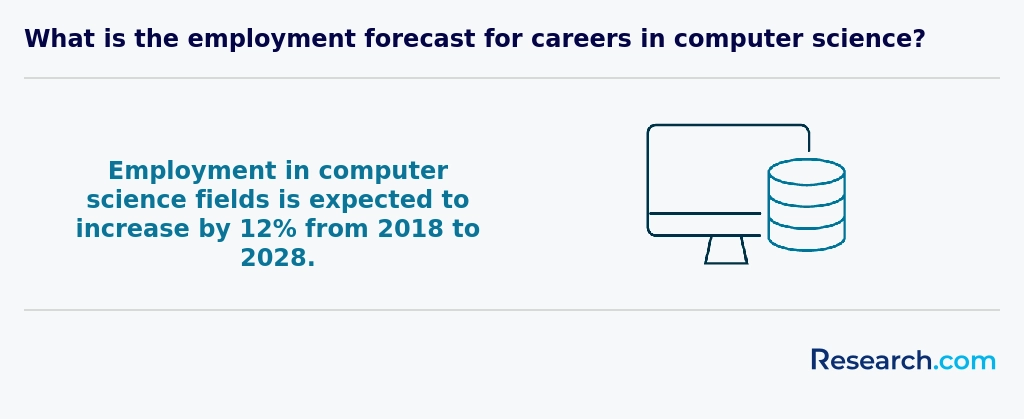
Online information technology degree programs in Tennessee offer a comprehensive curriculum that equips students with essential skills applicable to real-world IT environments. Graduates from prominent institutions across the state often recall how foundational courses like Introduction to Information Technology established their understanding of computing basics and the strategic role of IT in business contexts.
Core programming classes, commonly focusing on languages such as Python and Java, hone coding abilities that graduates leverage in software development roles. Data management expertise is reinforced through courses in Database Management Systems, where students learn SQL and effective data handling techniques.
Security remains a vital topic, with classes on Network Security and Administration and Cybersecurity Principles teaching how to safeguard networks from rising cyber threats, a critical skill praised by recent online learners. Practical exposure through Systems Analysis and Design and Web Development enables students to design and implement IT systems confidently, reflecting the demands of Tennessee's expanding tech sector.
Many graduates express satisfaction with the curriculum's balance of theory and hands-on projects, highlighting how electives like cloud computing and ethical hacking bolster their preparedness for rapidly evolving IT careers.
Tennessee's online information technology degree programs commonly offer specializations that cater to distinct career paths. Graduates frequently choose Cybersecurity, reflecting the state's strong 15% job growth projection in this field. This specialization equips students with skills to defend against cyber threats-knowledge highly valued by employers from Nashville to Chattanooga. Networking Administration and Management is another critical focus, where learners master the upkeep and troubleshooting of complex network systems, aligning with Tennessee's consistent demand for network administrators who earn competitive salaries.
Software Development remains a popular specialization, offering hands-on expertise in programming and application design, which resonates with graduates excited about contributing to Tennessee's booming tech hubs. Additionally, specializations in Data Analytics and Cloud Computing prepare students for roles that involve interpreting big data or managing cloud infrastructure-skills that match market trends and enhance employability. Those seeking a comprehensive perspective on career options may explore master's in information systems career paths, which complement these degree focus areas Tennessee.
Accreditation is fundamental when choosing the best online information technology degree Tennessee offers. Graduates from well-accredited universities report smoother credit transfers and better recognition from employers across the state. Many students highlight the advantage of attending schools with regional accreditation recognized by the U.S. Department of Education, which often translates into access to scholarships and financial aid, critical for affordable IT bachelor's programs Tennessee.
Curriculum flexibility is another decisive factor. Programs offering specializations in cybersecurity or network administration align closely with Tennessee's booming healthcare and manufacturing sectors, enabling students to apply skills directly in local job markets. Graduates frequently praise institutions that integrate internships or partnerships with Tennessee companies, enhancing real-world experience and improving job prospects immediately after graduation.
Support services tailored to online students greatly impact success rates. Those who utilized dedicated academic advising and technical support found an easier transition into demanding IT roles. Prospective students should also explore industry insights and career guidance to position themselves effectively in an information systems career, accessible via information systems career resources.

Graduates with an online information technology degree in Tennessee find diverse career paths tailored to the state's expanding technology sectors. Popular roles include cybersecurity analysts safeguarding digital assets, network administrators ensuring seamless connectivity, software developers driving innovation, data analysts interpreting complex datasets, and IT project managers coordinating critical technology initiatives. Those pursuing an IT degree from respected institutions like the University of Tennessee or Middle Tennessee State University often share how practical coursework and real-world projects prepared them to excel swiftly in these roles.
Such programs emphasize hands-on experience and certifications, which are highly valued by Tennessee employers. Many graduates report rapid career advancement and rewarding challenges, especially in Nashville's healthcare IT market. Individuals seeking to broaden their expertise in areas like information systems management can explore advanced credentials, including an mba information systems management, which complements technical skills with leadership training.
Online information technology careers Tennessee offer promise for professionals eager to engage in technology-driven growth industries with competitive salaries and ongoing development opportunities.
The job market for online information technology degree holders in Tennessee is exceptionally promising, supported by the state's expanding technology industry. Graduates from institutions such as the University of Tennessee and Tennessee Tech report smooth transitions into roles like network administration and cybersecurity specialists in thriving urban tech hubs like Nashville and Chattanooga. These cities offer robust opportunities reflecting the broader information technology career outlook Tennessee, where high demand for IT professionals fuels competitive salaries ranging from $65,000 to $95,000 annually.
IT graduates in Tennessee benefit from a diverse array of positions, including cloud computing and system analysis, making degree holders highly adaptable in the workforce. Many find that their online degrees allow flexibility to pursue remote positions, broadening their employment options beyond state borders. For students focused on specialization, programs aligned with database management bachelor programs online provide practical pathways to lucrative and stable careers. Experiences shared by recent graduates highlight a positive alignment between affordable education costs and the rewarding return on investment in Tennessee's IT sector.
2027 Most Valuable Online Bachelor's in Information Technology Degree Programs Ranking in Tennessee
Investing in your education is a significant decision that can greatly impact your future, and the Research.com team recognizes the importance of making well-informed choices. To support prospective students in Tennessee, we have carefully developed the "2027 Most Valuable Online Bachelor's in Information Technology Degree Programs Ranking in Tennessee." Our dedication to quality, credibility, and accuracy is demonstrated through rigorous research and thorough analysis.
We utilized the following reputable data sources to ensure a comprehensive evaluation of online IT degree programs:
By consulting this ranking, readers will gain valuable insights into the most valuable online IT bachelor's programs in Tennessee, enabling them to make confident and informed decisions about their education. For more information on how this ranking was created, please visit our Research.com methodology page.

# 2 position
Middle Tennessee State University
Bachelor of Professional Studies, Information Technology


Frequently Asked Questions About information technology
Students pursuing online information technology degrees in Tennessee can maximize their learning by actively engaging with their coursework and peers. Utilizing virtual labs and simulation tools offered by many programs helps build practical skills essential in the IT field. According to the Tennessee Board of Regents, students who participate in these hands-on experiences tend to have higher job placement rates.
Networking through online forums and local technology groups in Tennessee, such as the Tennessee Technology Council, can also boost real-world understanding and career opportunities. Additionally, leveraging Tennessee's growing IT job market-with a 7.2% employment growth projected through 2031 by the U.S. Bureau of Labor Statistics-motivates students to focus on in-demand skills like cybersecurity and data analytics.
The information technology field is rapidly evolving, and several emerging niches are gaining prominence, especially for students pursuing online IT degrees in Tennessee. Cybersecurity remains a critical area, driven by increasing cyber threats and Tennessee's growing tech industry. Data science and big data analytics are also expanding, as businesses seek professionals who can manage and interpret large datasets efficiently.
Cloud computing is becoming a foundational skill, with many companies moving operations to cloud platforms. Additionally, artificial intelligence (AI) and machine learning are emerging niches that offer exciting opportunities, particularly as Tennessee invests in technology startups and innovation hubs. According to the Tennessee Department of Labor, IT employment in these specialties is projected to grow faster than average through 2030.
After completing an online information technology degree in Tennessee, preparing for the job market involves several key steps. Tennessee's IT sector is growing steadily, with a 7.2% job growth rate projected through 2030 according to the U.S. Bureau of Labor Statistics. Graduates should build a strong professional network by engaging with local organizations like the Tennessee Technology Industry Council.
Technical certifications such as CompTIA, Cisco, or AWS can boost employability, complementing your degree. Internships or part-time roles during study increase practical experience, which Tennessee employers highly value. Additionally, tailoring resumes and practicing interview skills to reflect Tennessee's industry demands improves job prospects.
Staying updated on local market trends and joining Tennessee-specific job portals will enhance successful job placement.
Employers in Tennessee increasingly seek information technology graduates with strong technical and soft skills. Key technical abilities include proficiency in cybersecurity, cloud computing, and data management, reflecting Tennessee's growing tech sectors like healthcare and logistics. Knowledge of programming languages such as Python and Java remains vital.
Beyond technical expertise, employers value critical thinking, problem-solving, and effective communication. According to the Tennessee Department of Labor and Workforce Development, these skills directly impact job performance in IT roles statewide.
Understanding industry certifications, like CompTIA Security+ or Cisco CCNA, can also enhance a graduate's employment prospects in Tennessee's competitive IT job market.
Finding internships in Tennessee for information technology students involves targeted research and active networking. Start by exploring career services offered by your online degree provider, many of which partner with local businesses. Tennessee's growing tech sector, especially in cities like Nashville and Chattanooga, hosts numerous IT companies seeking interns. According to the Tennessee Department of Labor and Workforce Development, the state added over 5,000 technology jobs in recent years, demonstrating strong demand for IT skills.
Utilize online platforms such as Handshake and LinkedIn to find IT internship openings in Tennessee. Joining professional groups like the Tennessee Technology Council can also connect students to employers. Additionally, check out Tennessee's university systems that often have public listings accessible to all students, including those enrolled online.
An online information technology degree can significantly enhance career mobility and advancement opportunities in Tennessee's growing tech sector. The state's IT industry is expanding rapidly, with Tennessee ranking among the top 10 states for tech job growth, according to CompTIA's 2023 IT Industry Outlook. Employers value the flexibility and up-to-date skills gained through accredited online programs, which can lead to higher salaries and leadership roles.
Graduates often qualify for diverse positions such as systems analysts, network administrators, and cybersecurity specialists. The Tennessee Department of Labor reports a projected 15% increase in IT-related jobs by 2030, demonstrating strong industry demand.
Online degrees also allow professionals to balance work and study, facilitating continuous skill development without geographic restrictions.
Studying for an online information technology degree in Tennessee equips students with skills applicable across multiple fields. Programs often combine IT fundamentals with business, healthcare, and cybersecurity courses, reflecting the interdisciplinary nature of modern workplaces. Tennessee's growing tech industry, which added over 15,000 IT jobs between 2018 and 2023 according to the U.S. Bureau of Labor Statistics, demands professionals capable of bridging technical and sector-specific knowledge.
Many Tennessee universities partner with local industries to offer practical experiences, strengthening students' ability to work in diverse teams. This approach prepares graduates for roles that require collaboration between IT and other departments, enhancing their versatility in the job market.
When choosing between a thesis and a non-thesis online information technology degree program in Tennessee, consider your career goals and learning style. A thesis program requires original research, ideal for students aiming for advanced study or research roles. It develops critical thinking and in-depth expertise.
Non-thesis programs typically focus on practical skills and coursework, suited for those seeking immediate employment or professional advancement in IT fields. Tennessee's growing tech sector, highlighted by a 12% job growth in IT roles from 2021 to 2031 (Bureau of Labor Statistics), values both applied skills and research abilities.
Additionally, thesis tracks may require more time and self-discipline. Review university requirements and available faculty support to ensure a good fit.
Students based in Tennessee interested in studying information technology abroad typically explore online degree programs offered by accredited U.S. institutions with global learning opportunities. Many Tennessee universities partner with international organizations or provide virtual exchange programs to facilitate global exposure without leaving home.
Options include enrolling in accredited online IT degrees that incorporate international case studies, collaborative projects, or internships with global companies. Tennessee's strong IT job market, projected to grow by 19% through 2030 according to the U.S. Bureau of Labor Statistics, encourages students to seek globally relevant education.
Additionally, some students participate in study-abroad short-term visits or fully remote programs accredited in both the U.S. and foreign countries, ensuring transferable credits.
Students pursuing online information technology degrees in Tennessee can benefit from various part-time job opportunities that enhance their practical skills. Common roles include IT support technician, help desk analyst, and junior network administrator. These jobs offer hands-on experience with hardware, software, and network troubleshooting.
Tennessee's growing technology sector provides a favorable environment for such positions. According to the Tennessee Department of Labor and Workforce Development, IT occupations in the state are projected to grow by 15% from 2022 to 2032, faster than the national average.
Positions in local government and healthcare facilities also frequently seek part-time IT staff, supporting the development of cybersecurity and data management skills. These roles complement academic studies, making online education more practical and career-focused.
Online information technology students in Tennessee have access to diverse networking opportunities despite their remote learning environment. Many Tennessee universities supporting online IT programs encourage participation in virtual career fairs, professional workshops, and tech-focused webinars. These events often feature local employers and industry leaders based in tech hubs like Nashville and Chattanooga.
Tennessee is home to several local chapters of national IT organizations such as the Association for Computing Machinery (ACM) and CompTIA. These groups frequently host virtual meetups and provide online forums for students to connect with professionals and peers.
Additionally, Tennessee's growing IT sector, which employed over 100,000 tech workers as of 2023 according to the Tennessee Department of Labor, offers strong internship and job placement programs affiliated with state universities. These collaborations help online students build practical connections within the industry.
Alumni networks are a valuable resource for online information technology degree students in Tennessee. These networks connect current students with graduates who have real-world experience in the IT industry. Through alumni events, mentoring programs, and online platforms, students gain access to job opportunities and professional advice.
Tennessee has a growing IT sector, employing over 120,000 professionals statewide, according to the Tennessee Department of Labor. Alumni connections can provide local industry insights that are especially helpful for remote students seeking in-state employment.
Moreover, alumni often share internships and entry-level job leads exclusive to their networks, increasing chances for career advancement. This support can be crucial for navigating the competitive tech job market in Tennessee.
Students pursuing an online information technology degree in Tennessee can tailor their programs by selecting specialized courses that align with their career goals. Many Tennessee institutions offer electives in cybersecurity, data analytics, software development, or network administration. This flexibility helps students focus on in-demand skills in the state's growing tech sector, which employs over 100,000 IT professionals according to the Tennessee Department of Labor.
Additionally, some programs include capstone projects or internships with local tech companies, providing practical experience. Tennessee's availability of multiple reputable accredited universities online further supports diverse customization options based on individual interests and industry needs.
Online information technology students in Tennessee often face challenges related to balancing coursework with work and family commitments. Many students juggle full-time jobs while studying, which can limit the time available for complex IT projects and hands-on learning.
Technical difficulties also pose obstacles; stable internet access is essential, yet some rural areas in Tennessee still experience connectivity issues, affecting students' ability to participate fully in online classes.
Additionally, networking opportunities can be limited in online settings. Since information technology relies heavily on collaboration, remote learners may find fewer chances for peer interaction and professional mentoring.
According to the Tennessee Higher Education Commission, about 30% of college students attend online courses, highlighting the growing importance of addressing these challenges effectively.
With an online information technology degree in Tennessee, graduates can pursue several well-recognized professional certifications to enhance their career prospects. Common certifications include CompTIA A+, which validates foundational IT skills, and Cisco's CCNA for networking professionals. These certifications are widely respected in Tennessee's growing tech job market.
Additionally, certifications like Certified Information Systems Security Professional (CISSP) are valuable for those focusing on cybersecurity. According to the Tennessee Department of Labor, demand for IT professionals with cybersecurity expertise has increased by over 8% in recent years.
Other popular credentials include Microsoft Certified: Azure Fundamentals and AWS Certified Solutions Architect, reflecting industry shifts toward cloud computing.
To write a winning application for an online information technology program in Tennessee, start by clearly demonstrating your interest and understanding of IT concepts. Highlight relevant work experience, certifications, or projects that showcase your technical skills.
Include a strong personal statement explaining why you want to study IT and how this degree fits your career goals. According to the Tennessee Department of Labor and Workforce Development, IT jobs in Tennessee are expected to grow by 15% over the next decade, making this a promising field.
Ensure your academic records meet program requirements and provide letters of recommendation if requested. Proofread your application carefully for clarity and professionalism.
Information technology (IT) careers are increasingly recognized as vital worldwide, driven by rapid digital transformation. Globally, IT skills are in high demand across industries, from healthcare to finance. In the US, Tennessee reflects this trend with a growing technology sector, particularly in Nashville and Chattanooga, where tech job growth outpaces national averages according to the Bureau of Labor Statistics.
For Tennessee students pursuing online IT degrees, this means access to careers with global relevance. Employers value certifications and degrees that demonstrate current knowledge of cybersecurity, cloud computing, and data analytics. The state's commitment to expanding IT education supports this demand by aligning programs with industry standards.
The global perspective emphasizes adaptability and continuous learning, vital for navigating technological advancements. Tennessee's online IT programs offer flexible options, enabling students to compete in an international job market with strong foundational skills and practical experience.
Gaining practical experience while studying for an online information technology degree in Tennessee is essential for career readiness. Many Tennessee universities encourage students to participate in internships, which offer hands-on experience with local tech companies. According to the Tennessee Department of Labor, the state's IT sector grew by 6% in 2023, increasing opportunities for student internships and cooperative education programs.
Additionally, virtual labs and coding projects are often integrated into online courses. Students can also engage with Tennessee-based tech communities and hackathons to develop skills collaboratively. These experiences complement theoretical learning, enhancing employability in a competitive job market.
Choosing the right concentration in an online information technology degree program in Tennessee starts with understanding your career goals. IT fields are diverse, including cybersecurity, network administration, and software development. According to the Tennessee Department of Labor and Workforce Development, demand for cybersecurity specialists is growing faster than other IT roles, reflecting national trends.
Consider local industry needs as well. Tennessee's expanding technology sector, particularly in cities like Nashville and Chattanooga, emphasizes skills in cloud computing and data management. Reviewing curricula and asking about hands-on projects can clarify which concentration matches your interests and market opportunities.
Additionally, verifying if your program is accredited ensures quality education recognized by employers in Tennessee and beyond.
- 2027 Most Valuable Online Bachelor's in Information Technology Degree Programs Ranking in Kentucky
- 2027 Most Valuable Online Bachelor's in Information Technology Degree Programs Ranking in Alabama
- 2027 Most Valuable Online Bachelor's in Information Technology Degree Programs Ranking in Georgia
- 2027 Most Valuable Online Bachelor's in Information Technology Degree Programs Ranking in Missouri
- 2027 Most Valuable Online Bachelor's in Information Technology Degree Programs Ranking in Virginia
- 2027 Most Valuable Online Bachelor's in Information Technology Degree Programs Ranking in Illinois
- 2027 Most Valuable Online Bachelor's in Information Technology Degree Programs Ranking in Florida
- 2027 Most Valuable Online Bachelor's in Information Technology Degree Programs Ranking in Pennsylvania
- 2027 Most Valuable Online Bachelor's in Information Technology Degree Programs Ranking in Michigan
- 2027 Most Valuable Online Bachelor's in Information Technology Degree Programs Ranking in Wisconsin
- Study Information Technology Abroad | Go Overseas https://www.gooverseas.com/study-abroad/information-technology
- How to Get an IT Job without Experience | Goodwill Industries of Middle Tennessee, Inc. https://giveit2goodwill.org/how-to-get-a-job-in-it/
- How to Maximize the Impact of Alumni Networks https://www.careeros.com/resources/how-to-maximize-the-impact-of-alumni-networks
- Best Entry-Level IT Certifications for Beginners - ONLC https://www.onlc.com/blog/best-beginners-entry-level-it-certifications/
- IT Certification Training & Career Programs | Global IT https://www.global-itech.com/
- The Key Skills Employers Look for in IT Professionals https://www.upskilled.edu.au/skillstalk/the-key-skills-employers-look-for-in-it-professionals
- Jobs you can get with an IT degree | Monroe University https://www.monroeu.edu/academics/undergraduate-programs/school-information-technology/jobs-with-degree-in-it
- Online Degree vs. Traditional: Choosing the Right Path https://beal.edu/online-degree-vs-traditional/
- 2025 Best Online Colleges in Tennessee https://www.onlineu.com/best-online-colleges/tennessee
- How to Start an IT Career: A Beginner's Roadmap | Mindmesh Academy https://www.mindmeshacademy.com/blog/articles/how-to-start-it-career