2027 Most Valuable Online Bachelor's in Information Technology Degree Programs Ranking in Wisconsin

Co-Founder and Chief Data Scientist
Choosing the right online bachelor's degree in Information Technology can shape your future career and open doors to exciting opportunities. This article introduces the 2027 Most Valuable Online Bachelor's in Information Technology Degree Programs Ranking in Wisconsin, created by the Research.com team of data scientists.
Designed to help you make informed decisions, the ranking highlights quality programs worth considering. Reading this guide will give you confidence in selecting a program that fits your goals and supports your success in the ever-evolving tech field.
Key benefits of getting online information technology degree in Wisconsin
- Information technology graduates in Wisconsin often start with competitive salaries averaging around $85,000 annually in related roles nationwide, giving a strong financial foundation for your career.
- A graduate from the University of Wisconsin-Madison can explore diverse paths such as cybersecurity, network administration, or software development, reflecting the flexible job opportunities this degree offers.
- Completing an online IT degree from a school like the University of Wisconsin-Platteville allows for flexible scheduling and learning at your own pace, making it easier to balance work, family, and studies.
- 2027 Most Valuable Online Bachelor's in Information Technology Degree Programs Ranking in Wisconsin
- What can I expect from online information technology degree in Wisconsin?
- Where can I work with online information technology degree in Wisconsin?
What can I expect from online information technology degree in Wisconsin?
The average cost of earning an online information technology degree in Wisconsin often surprises prospective students who expect sky-high tuition fees. Graduates from institutions like the University of Wisconsin Colleges or Milwaukee School of Engineering recall manageable costs that balance affordability with quality education. Typically, tuition ranges from $10,000 to $25,000 for a full bachelor's degree, depending on the school and residency status. This investment feels justified when students reflect on the hands-on experience gained through virtual labs and internship opportunities integrated into their programs.
One graduate described how juggling work and study was smoother because asynchronous courses allowed flexibility without sacrificing the depth of learning-especially important when balancing family or job commitments.
Herzing University students emphasize appreciation for programs aligned with industry certifications, which boosts confidence when entering Wisconsin's competitive tech job market. This practical edge means tuition dollars translate directly into skills that employers demand today.
Where can I work with online information technology degree in Wisconsin?
Graduates with an online information technology degree in Wisconsin find themselves at a unique crossroads where technology meets opportunity. Many alumni from institutions like the University of Wisconsin and Marquette University describe landing roles not only in Milwaukee's bustling IT departments but also within state agencies that secure critical digital infrastructure. One graduate shares how starting as a cybersecurity analyst for the Wisconsin Department of Administration aligned perfectly with their passion for public service and innovation.
Others leverage their degrees to join Madison's startup scene, thriving in environments demanding agile software development and data analysis. Imagine collaborating with teams driving health technology advancements or integrating cloud computing in manufacturing firms-common paths for graduates eager to merge tech skills with real-world impact.
The diverse landscape-from large corporations like American Family Insurance to academic institutions-means graduates can tailor their careers around their interests. This flexibility generates excitement and confidence, fueling a sense of belonging in Wisconsin's evolving digital ecosystem.
Graduates from online information technology programs in Wisconsin often discover their earning potential exceeds initial expectations. Many alumni from institutions such as the University of Wisconsin-Madison or Milwaukee School of Engineering report starting salaries around $50,000 to $65,000, aligning with entry-level roles like IT support specialists. However, this is just the beginning.
As graduates gain experience and certifications, their compensation frequently climbs toward the state's median for IT roles, hovering near $87,000 annually. Some mid-career professionals working in Madison's booming tech scene or Milwaukee's expanding cybersecurity firms share stories of salaries reaching $95,000 or more. These figures illustrate how practical skills combined with an online degree can translate into rewarding financial growth.
This trajectory highlights a broader reality: online IT degrees in Wisconsin not only open doors but also enable graduates to remain competitive amid evolving technologies. The flexibility to earn while learning often accelerates salary increases, confirming that investing in an online IT education in Wisconsin can be both professionally and financially satisfying.
- The average tuition for an online bachelor's degree in IT in Wisconsin ranges from $9,000 to $15,000 per year at public universities, with private schools generally charging more.
- Entry-level IT professionals earn about $55,000 annually, and salaries can exceed $90,000 within five to ten years with experience and certifications.
- Wisconsin's IT job market is growing at about 8% over the next decade, which is faster than the national average for all occupations.
- Online IT programs in Wisconsin often include courses in cybersecurity, network administration, and software development, with access to internships and virtual labs for practical experience.
- Most online IT degrees in Wisconsin are accredited by the Higher Learning Commission, ensuring education quality recognized by employers.
- Graduates are well-positioned for industry certifications such as CompTIA, Cisco, or Microsoft, which can improve job prospects and salary potential.
Finishing an online information technology degree in Wisconsin often takes about four years for full-time students, especially at popular institutions like the University of Wisconsin-Madison or Marquette University. However, many graduates recount how the flexibility of online programs lets them balance demanding jobs and family life, sometimes stretching their studies to five or six years part-time. This reality challenges the usual expectation that a degree takes a strict four-year timeline.
Some graduates share how accelerated paths helped them shave off a year by taking summer courses or heavier loads, pushing them toward a three-year finish. Yet others found value in pacing themselves more slowly, savoring the mastery of complex IT concepts without rushing. Transfer credits or prior learning through AP exams also sparked positive surprises, allowing students at schools like UW-Milwaukee to move ahead faster than anticipated.
Ultimately, the journey reflects personal priorities-whether driven by career urgency or a desire to learn deeply-highlighting how Wisconsin's online IT degrees adapt to diverse life rhythms, inviting you to rethink what on-time really means.
Choosing between online and on-campus IT degrees in Wisconsin often comes down to how you envision your learning journey. Imagine juggling a job and family while earning your degree-online programs offered by institutions like the University of Wisconsin's online branches provide the flexibility to study anytime, anywhere. Graduates frequently praise this freedom, highlighting how it enabled them to manage their time without sacrificing quality.
On the other hand, attending on-campus programs at schools like the Milwaukee School of Engineering means immersing yourself in hands-on labs and face-to-face collaboration. Many find that the vibrant campus energy and immediate access to resources spark creativity and boost motivation in ways online formats can't fully replicate.
Moreover, cost differences in Wisconsin add another layer to consider. While online students avoid commuting and housing costs, traditional students benefit from extensive campus support and networking, which many graduates credit for opening career doors. The real question is: do you thrive better with structure and social interaction, or does self-driven flexibility fuel your success?
The average cost of an online information technology degree in Wisconsin typically centers around $47,160, reflecting the varied tuition rates across state institutions. Public universities in Wisconsin often provide a more affordable pathway, with many in-state students benefiting from costs significantly lower than the median when compared to private or out-of-state options. Graduates from popular programs at these public universities frequently describe feeling relieved about their financial investment, noting the value of comprehensive education without overwhelming debt.
In contrast, some private colleges in Wisconsin, known for their specialized IT tracks, present tuition fees much higher than the average, yet students often emphasize the personalized attention and networking opportunities that justify the cost. The decision to pursue an online information technology degree tuition Wisconsin residents pay is not just about price-it's about aligning financial reality with educational impact and career goals.
Technical colleges also remain an appealing option, especially for those starting with associate degrees or transfer credits, demonstrating that a tailored route can mean substantial savings. In these environments, students report gaining practical skills rapidly, fueling optimism and motivation for future career steps. Understanding these cost distinctions helps clarify the true investment behind an IT degree in Wisconsin.
Financial aid and scholarships frequently tip the scale in favor of affordability, allowing students to better manage expenses beyond just tuition. To explore how to turn this investment into a successful career, students can consider resources explaining how do you pursue a career in information systems management, connecting education costs to career trajectories.
By evaluating these factors thoughtfully, prospective IT students in Wisconsin can find a balance between cost and quality, crafting their educational journeys to fit both their ambitions and budgets.
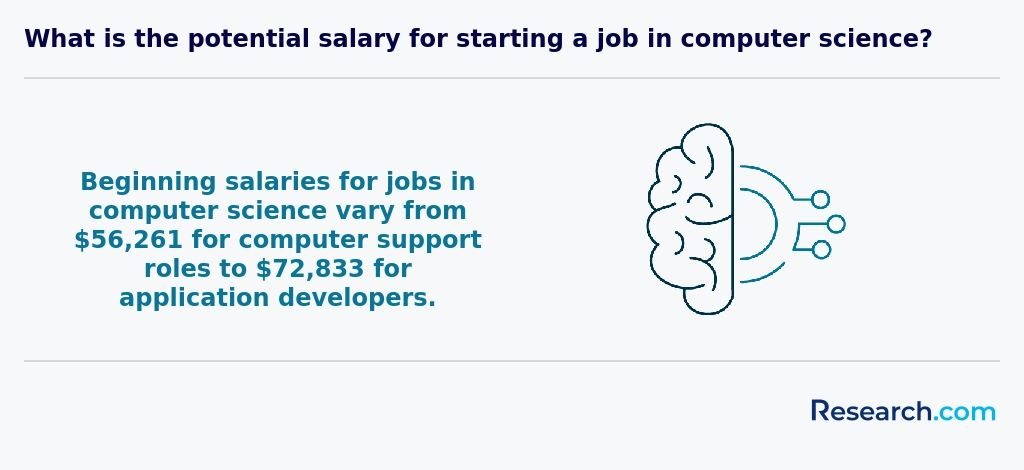
Many online information technology students in Wisconsin discover that financial aid is far more accessible than they initially believed. Pell Grants provide a foundational boost, offering up to $7,395 annually for undergraduates, which a graduate from a well-known Wisconsin college described as "a game-changer" for managing tuition expenses. Beyond that, Federal Supplemental Educational Opportunity Grants reach those with significant financial need, while work-study opportunities offer practical, income-generating experience integrated with their studies.
State-level aid like the Wisconsin Grant Program further eases the burden, granting an average of $2,100 to thousands of students enrolled in IT programs at both public and private nonprofit institutions. Graduates recall leveraging these funds to focus more on mastering technology concepts rather than stressing over bills. Scholarships targeted for IT students, often backed by local tech firms and nonprofits, foster encouragement especially for underrepresented groups, turning dreams into tangible achievements.
Veterans find additional relief from GI Bill benefits and Wisconsin's Tuition Grant, helping transform online education into an attainable pathway. Institutional aid, including flexible payment options and emergency grants, completes a comprehensive safety net, ensuring Wisconsin's IT learners feel supported throughout their journey.
To enroll in an online information technology degree in Wisconsin, simply having a high school diploma or GED isn't enough to guarantee smooth entry. Graduates from UW-Madison and Marquette University often share how demonstrating math proficiency, especially in algebra, transformed their grasp of programming and system design. This foundational skill shapes much of the coursework and can't be overlooked.
Many Wisconsin programs expect official transcripts to verify academic history, ensuring students arrive prepared for analytical challenges. While standardized tests like the ACT are optional, submitting scores can be a game changer for those with less traditional backgrounds, as some graduates have found when navigating competitive admissions.
Technical readiness also matters-leading students from Milwaukee School of Engineering to highlight the importance of reliable hardware and internet for virtual labs. These prerequisites create a real-world foundation for success, helping students feel confident rather than overwhelmed in their online journey. Such requirements push beyond paperwork-they build the mindset needed for a thriving IT career in Wisconsin's evolving tech landscape.

Students pursuing online IT degrees in Wisconsin often find themselves immersed in courses that blend foundational theory with hands-on application. At well-known institutions like the University of Wisconsin-Milwaukee, graduates recall starting with programming languages such as Python and Java, which gave them the confidence to build real-world apps early on. These basics extend naturally into data structures, algorithms, and cybersecurity principles-critical areas when safeguarding businesses in Wisconsin's growing tech landscape.
Many learners appreciate how database management and operating systems classes translate directly to skills they use daily in internships or jobs. For example, managing cloud environments and developing mobile applications are no longer just academic exercises but vital problem-solving experiences, especially at colleges like Marquette University, where electives adapt to industry shifts.
The inclusion of professional development topics like technical communication and ethics strengthens graduates' ability to collaborate effectively and make responsible decisions-a must-have mindset in Wisconsin's evolving IT sector.
Exploring online information technology specializations in Wisconsin reveals a diverse array of paths that challenge the notion of a one-size-fits-all IT education. Graduates from prominent Wisconsin colleges often share how specializing in Cybersecurity transformed their careers, equipping them to combat real-world cyber threats and safeguard vital digital infrastructures in Milwaukee's bustling corporate sector. Others focusing on Network Administration recount hands-on experiences managing cloud-based systems that power Madison's growing tech startups, illustrating how theoretical knowledge translates into essential business competencies.
For those drawn to creation and innovation, Software Development tracks at well-known state universities deliver practical language skills and engineering principles, fostering a creative problem-solving mindset prized by Wisconsin's healthcare and manufacturing industries. Meanwhile, the rising field of Data Analytics taps into Wisconsin's agriculture and finance sectors, reflecting the growing demand for data-driven decision makers who turn raw numbers into strategic insights.
Students seeking broader leadership roles often pursue concentrations like Information Systems Management, blending IT know-how with business acumen to prepare for tomorrow's executive challenges. For a deeper look at career trajectories stemming from such programs, one might explore information systems masters degree career options. These varied opportunities illustrate why Wisconsin IT degree program concentrations remain relevant and deeply connected to the state's economic pulse.
You might assume the best online information technology degree in Wisconsin is simply the one with the lowest tuition or the shortest program length, but graduates from well-known schools in the University of Wisconsin system often find that the value lies in accreditation and employer recognition. One grad shared how choosing a regionally accredited program with a strong focus on cybersecurity helped her land a high-paying role locally, where employers respect practical certifications alongside the degree. Consider programs that integrate certifications like CompTIA or Cisco, which reflect current industry demands rather than outdated course lists.
Students pursuing the best online information technology degree programs Wisconsin-wide also praise institutions offering tailored student support, from academic advising to tech help, which helps maintain motivation during remote study. Graduates frequently mention how schools with strong reputations connect them directly to vibrant local tech markets, a connection essential not only for employment but for career growth. Exploring resources about careers in information systems can also provide clarity on how your degree choice aligns with real-world opportunities.
The emphasis on affordability can blind some to the importance of curriculum relevance and institutional support. For many, balancing cost with the quality of education and clear specialization tracks-whether software development or network management-defines their ultimate satisfaction and success in Wisconsin's competitive IT job market.
Graduates pursuing online information technology careers in Wisconsin often find a spectrum of dynamic roles waiting for them, ranging from systems analysts who optimize enterprise workflows to information security analysts defending against rising cyber threats. Students from prominent institutions like the University of Wisconsin-Madison share how hands-on projects prepared them for roles as network and computer systems administrators, demonstrating the practical value of Wisconsin's online IT degree offerings.
Exploring IT degree job opportunities Wisconsin graduates report success not only in traditional tech roles but also as software developers crafting innovative applications that serve industries such as healthcare and manufacturing. The vibrant tech scene, bolstered by firms like Epic Systems and Fiserv, ensures pathways extend from classroom learning directly into meaningful internships and jobs. For those drawn to technology and management convergence, programs such as the information systems management mba offer advanced career shifts.
The job market for graduates holding an online information technology degree in Wisconsin is impressively vibrant, especially as the state's economy integrates technology deeply into sectors like manufacturing and healthcare. Graduates from popular institutions such as the University of Wisconsin-Milwaukee and Madison often share stories of quickly landing roles in Milwaukee's tech consulting firms or Green Bay's health systems, where their skills are directly applied to real-world challenges. This optimism is fueled by a projected 15% growth in IT employment statewide, far surpassing overall job market increases.
Many Wisconsin students pursuing an online IT degree appreciate the affordability compared to national averages, which enhances the value of their educational investment as they enter a competitive job scene. Those researching paths often explore options like the best database management bachelor degree online programs to better align with industry demands. For anyone eyeing online information technology jobs Wisconsin holds tangible promise for a rewarding career with strong wage potential and diverse opportunities.
2027 Most Valuable Online Bachelor's in Information Technology Degree Programs Ranking in Wisconsin
Investing in your education is a significant decision that can shape your future, and the Research.com team understands the importance of making informed choices. To assist prospective students in Wisconsin, we have meticulously crafted the "2027 Most Valuable Online Bachelor's in Information Technology Degree Programs Ranking in Wisconsin." Our commitment to quality, credibility, and accuracy is reflected in the extensive research and analysis conducted to compile this ranking.
We utilized the following reputable data sources to ensure a comprehensive evaluation of online Information Technology programs:
By exploring this ranking, readers will gain valuable insights into the most valuable online IT bachelor's programs in Wisconsin, helping them make informed decisions about their educational paths. For more details on our methodology, please visit our Research.com methodology page.


Frequently Asked Questions About information technology
Online information technology degree students in Wisconsin can maximize their learning experience by actively engaging with virtual labs and simulation tools. These resources provide hands-on practice essential for IT skills development, bridging the gap between theory and real-world application. Students should also participate in online discussion forums and group projects to enhance collaboration and problem-solving abilities.
Leveraging Wisconsin's growing IT job market is another key strategy. According to the Wisconsin Department of Workforce Development, IT occupations in the state are projected to grow by 8% through 2030, underscoring the importance of gaining practical experience.
Internships and networking with local tech professionals through platforms like LinkedIn also enrich learning and career prospects.
The information technology field is rapidly evolving with new specializations gaining popularity, especially for students pursuing online IT degrees in Wisconsin. One emerging niche is cybersecurity, driven by a statewide increase in cyberattacks and supported by initiatives such as Wisconsin's Cybersecurity Education and Workforce Development program. This sector offers strong job growth, with a 15% projected increase nationally through 2031 according to the U.S. Bureau of Labor Statistics (BLS).
Another key area is data science and analytics. Wisconsin businesses are increasingly relying on data-driven decisions, fueling demand for professionals skilled in big data and machine learning.
Additionally, cloud computing remains vital, with local employers adopting cloud services to enhance scalability and security. Familiarity with platforms like AWS and Azure is becoming essential.
These evolving niches reflect both national trends and regional workforce needs, making them promising paths for Wisconsin IT students.
After completing an online information technology degree in Wisconsin, preparing for the job market requires focused effort on both technical and soft skills. Many graduates benefit from pursuing industry-recognized certifications such as CompTIA, Cisco, or Microsoft, which enhance employability in a competitive market. Wisconsin's IT sector is growing, with the state ranking among the top 20 for tech jobs nationally, according to the U.S. Bureau of Labor Statistics.
Networking is crucial. Alumni groups and local organizations like the Wisconsin Technology Council offer valuable connections and job leads. Internships or part-time roles provide real-world experience that employers value highly.
Developing strong communication and problem-solving abilities also helps graduates stand out. Being familiar with state-specific business needs, such as manufacturing or healthcare IT, can further increase job prospects in Wisconsin's diverse economy.
Employers in Wisconsin seeking information technology graduates prioritize a mix of technical and soft skills. Key technical abilities include proficiency in programming languages such as Python, Java, and SQL, alongside cybersecurity knowledge. Data analysis and cloud computing skills are increasingly important due to Wisconsin's growing tech sector.
According to the Wisconsin Department of Workforce Development, demand for IT professionals with skills in system administration and network security is expected to grow 15% by 2030. Employers also highly value problem-solving, effective communication, and teamwork capabilities.
Strong project management and adaptability to new technologies are essential, reflecting the fast-evolving IT landscape in Wisconsin's businesses.
Finding internships in Wisconsin related to information technology begins with leveraging university career centers, which often maintain partnerships with local tech companies. Many institutions provide dedicated online portals where students can search for opportunities specifically tailored to IT fields. Wisconsin's strong tech sector, particularly in cities like Milwaukee and Madison, offers numerous internships in software development, cybersecurity, and IT management.
Networking is crucial; joining state or regional professional organizations such as the Wisconsin Technology Council can connect students with employers. National job sites like Handshake and LinkedIn also list Wisconsin IT internships. According to the Wisconsin Department of Workforce Development, IT jobs grew 8% from 2019 to 2023, indicating strong internship demand in the state.
An online information technology degree in Wisconsin significantly enhances career mobility by providing flexible access to accredited programs recognized by employers statewide. Graduates gain essential skills in areas such as cybersecurity, network administration, and software development, which are in high demand across the state's growing tech sector.
According to the Wisconsin Department of Workforce Development, IT jobs in the state are expected to grow by 11% between 2020 and 2030, offering diverse opportunities for advancement. Holding a degree also increases eligibility for higher-level roles and certifications, which can lead to increased salaries and leadership positions.
Furthermore, many Wisconsin employers value practical experience combined with formal education, making online degrees paired with internships or project work especially valuable for career advancement.
Studying for an information technology degree in Wisconsin equips students with skills that cross multiple disciplines, crucial for today's collaborative work environments. Many programs integrate courses in business, healthcare, and cybersecurity, reflecting the state's diverse economy. According to the Wisconsin Department of Workforce Development, IT-related job growth is strong in sectors such as manufacturing and finance, requiring graduates to understand both technical and industry-specific knowledge.
Online degrees offer flexibility, allowing students to engage with real-world case studies from different industries. Project-based learning encourages problem-solving skills that apply to various fields, helping graduates adapt to roles that blend technology with other expertise.
By focusing on both technical proficiency and soft skills like communication and project management, Wisconsin's online IT programs prepare students for interdisciplinary roles demanded by employers statewide.
When deciding between a thesis and a non-thesis online information technology degree in Wisconsin, students should consider their career goals and learning preferences. Thesis programs typically require original research and are suited for those interested in advanced study or roles involving significant problem-solving and innovation. Non-thesis programs focus more on coursework and practical skills, appealing to students seeking immediate entry into IT professions.
According to the Wisconsin Department of Workforce Development, IT jobs in the state grew by 12% over the last decade, emphasizing skills over research for many roles. Students aiming for employment in companies like Fiserv or Epic Systems might prefer non-thesis paths, while those targeting graduate school or IT research roles may benefit from thesis work.
Students based in Wisconsin seeking to study information technology abroad have a variety of options through online degree programs offered by U.S. institutions with international reach. While direct enrollment in foreign universities may be limited by visa and residency requirements, many Wisconsin colleges partner with global campuses or provide fully online IT degrees accessible worldwide.
The University of Wisconsin System, for example, offers online IT degrees recognized nationally, allowing students to study remotely and gain skills applicable in global markets. According to the Wisconsin Department of Workforce Development, the tech sector in the state is growing steadily, underscoring the value of accredited online IT programs.
Additional pathways include study-abroad programs combined with online coursework, enabling students to gain international exposure while completing their degree. Consulting with academic advisors can help align these options with career goals in information technology.
Students pursuing online information technology degrees in Wisconsin have several part-time job options that enhance their academic experience. Roles such as IT help desk support, technical support specialist, and junior web developer are common and provide practical skills.
According to the Wisconsin Department of Workforce Development, IT support positions in the state are projected to grow by 12% from 2020 to 2030, reflecting strong demand.
Many companies in Milwaukee and Madison seek part-time interns or contractors for cybersecurity monitoring and software testing, which align well with IT coursework.
Engaging in these roles offers hands-on experience, helping students apply theory while earning income.
Online information technology students in Wisconsin have access to a variety of networking opportunities despite studying remotely. Many universities offer virtual career fairs and alumni networking events tailored for IT students. For example, the Wisconsin Technology Council regularly hosts industry conferences and webinars that encourage interaction between students and local tech professionals.
The state's vibrant tech sector employs over 110,000 workers, creating strong demand for networking through professional organizations like the Wisconsin Association of Computer Professionals. Additionally, online platforms such as LinkedIn are widely utilized by Wisconsin IT students to connect with employers and peers. These resources help mitigate the lack of physical campus interaction.
Alumni networks offer significant benefits for online information technology degree students in Wisconsin. These networks provide access to a community of professionals who often share job leads, internship opportunities, and career advice tailored to the state's IT industry. According to the Wisconsin Department of Workforce Development, the IT sector in Wisconsin is expected to grow by over 7% through 2028, increasing demand for skilled graduates.
Through alumni connections, students can engage in mentorship programs, gaining insights that help with academic and professional development. Networking events, both virtual and local, encourage collaboration and knowledge sharing specific to Wisconsin's tech landscape. This support enhances job placement rates and career advancement within the region.
Students pursuing online information technology degrees in Wisconsin can tailor their programs to align with specific career goals. Many universities offer elective courses or specializations such as cybersecurity, network administration, or software development. This flexibility allows learners to build skills in high-demand areas relevant to Wisconsin's growing IT sector, which, according to the Wisconsin Department of Workforce Development, expects a 15% increase in IT jobs through 2030.
Advising services and career counseling are often available to help students select courses matching industry needs. Additionally, some programs allow integration of internships or project-based learning with local businesses, enhancing practical experience tailored to individual objectives.
Online information technology students in Wisconsin often face challenges related to balancing coursework with personal and professional responsibilities. Many learners juggle employment alongside their studies, which can lead to time management difficulties. Additionally, limited access to reliable high-speed internet in some rural areas of Wisconsin can hinder seamless participation in online classes, as reported by the Wisconsin Broadband Office.
Another common issue involves hands-on experience. IT programs require practical skills, and remote students may struggle to engage with labs or real-world projects without on-campus resources. Furthermore, despite growing employer demand for IT roles in Wisconsin, students sometimes find networking and internship opportunities more limited compared to in-person students, according to Wisconsin Department of Workforce Development data.
With an online information technology degree in Wisconsin, you can pursue several professional certifications that enhance your career prospects. Popular certifications include CompTIA A+, Network+, and Security+, which validate foundational IT skills and cybersecurity knowledge. Cisco's CCNA is ideal for those interested in networking careers.
The state's technology sector values certifications from organizations like (ISC)², particularly the Certified Information Systems Security Professional (CISSP). According to the Wisconsin Department of Workforce Development, IT jobs requiring certifications often offer higher salaries and better job security.
Many Wisconsin employers also recognize Microsoft Certified: Azure Fundamentals and AWS Certified Solutions Architect, reflecting the growing cloud computing demand locally.
To write a winning application for an online information technology program in Wisconsin, start by carefully reviewing each school's admission requirements. Most programs request a clear statement of purpose explaining your interest in IT and your career goals. Highlight any relevant experience, certifications, or technical skills, as Wisconsin's tech sector values practical knowledge.
Include academic transcripts showing strong performance in math and science courses, as these foundational subjects are vital for IT success. According to the Wisconsin Department of Workforce Development, IT jobs in the state are expected to grow 12% by 2030, so emphasizing your commitment to this field is key.
Finally, tailor your application to each program, demonstrating how your goals align with their curriculum and online learning approach.
The global perspective on an information technology (IT) career highlights growing demand and diverse opportunities. IT professionals increasingly work in interconnected environments, supporting businesses worldwide. In Wisconsin, the IT sector grew by 12% from 2018 to 2023, according to TechHire Wisconsin.
U.S. Bureau of Labor Statistics projects a 15% employment growth for computer and IT occupations nationally through 2030, driven by digital transformation worldwide. This reflects a global trend toward reliance on cloud computing, cybersecurity, and data analytics.
Professionals with online IT degrees from Wisconsin gain skills valued in international markets and organizations. These programs emphasize adaptability needed to collaborate across cultures and time zones, preparing graduates for careers both locally and abroad.
Gaining practical experience while pursuing an online information technology degree in Wisconsin is essential for career readiness. Many programs encourage internships, which can be completed remotely or locally, offering real-world IT exposure. According to the Wisconsin Economic Development Corporation, sectors like software development and cybersecurity are growing rapidly, creating internships in these fields.
Online students may also participate in virtual labs and simulation projects designed to mimic workplace challenges. Additionally, joining professional organizations such as the Wisconsin Technology Council helps students network and access mentorship opportunities. Collaborating on open-source projects or freelance IT tasks can further develop hands-on skills, complementing academic learning.
Choosing the right concentration within an online information technology degree in Wisconsin begins with understanding your career goals and interests. Popular concentrations include cybersecurity, network administration, software development, and data analytics. Each area offers unique skills relevant to Wisconsin's growing IT job market.
Data from the Wisconsin Department of Workforce Development shows IT roles are expected to grow by 15% through 2030, with cybersecurity specialists and software developers in high demand. Consider concentrations that align with these trends to increase employability.
Also evaluate the curriculum and faculty expertise of programs offered by Wisconsin institutions. Look for accreditation and internship opportunities that provide practical experience. This ensures your degree holds value in the competitive IT sector.
Ultimately, aligning your choice with industry needs and personal strengths enhances your chances of success in Wisconsin's dynamic IT field.
- 2027 Most Valuable Online Bachelor's in Information Technology Degree Programs Ranking in Illinois
- 2027 Most Valuable Online Bachelor's in Information Technology Degree Programs Ranking in Michigan
- 2027 Most Valuable Online Bachelor's in Information Technology Degree Programs Ranking in Missouri
- 2027 Most Valuable Online Bachelor's in Information Technology Degree Programs Ranking in Kentucky
- 2027 Most Valuable Online Bachelor's in Information Technology Degree Programs Ranking in Kansas
- 2027 Most Valuable Online Bachelor's in Information Technology Degree Programs Ranking in Tennessee
- 2027 Most Valuable Online Bachelor's in Information Technology Degree Programs Ranking in Pennsylvania
- 2027 Most Valuable Online Bachelor's in Information Technology Degree Programs Ranking in Virginia
- 2027 Most Valuable Online Bachelor's in Information Technology Degree Programs Ranking in Alabama
- 2027 Most Valuable Online Bachelor's in Information Technology Degree Programs Ranking in Georgia
- Top 10 Technology Challenges for Schools and How to Solve Them | Modern Office Methods https://www.momnet.com/top-10-technology-challenges-for-schools-and-how-to-solve-them/
- Information Technology Degrees: Everything You Need to Know - University of the Potomac https://potomac.edu/it-degree-guide/
- The Top Information Technology Skills Employers Want | AIU https://www.aiuniv.edu/degrees/information-technology/articles/top-information-technology-skills-employers-want
- The Crucial Role of Networking for Computer Science Students https://dev.to/thisisaayush/the-crucial-role-of-networking-for-computer-science-students-4k2i
- How to Gain Real-World Experience While Studying Online | American National University https://an.edu/how-to-gain-real-world-experience-while-studying-online/
- How long does it take to complete an IT program? | WCC - Western Community College https://wcc.ca/blog/how-long-does-it-take-to-complete-an-it-program/
- gradireland https://gradireland.com/careers-advice/information-technology/what-skills-are-employers-seeking-it-graduates
- Top 6 Emerging Technologies for Digital Transformation in 2026 https://www.imd.org/blog/digital-transformation/emerging-technologies/
- 7 Proven Ways Classroom Technology Improves Student Learning Outcomes | Explorance https://www.explorance.com/blog/7-ways-technology-in-the-classroom-enhances-student-success/
- Study Information Technology Abroad | Go Overseas https://www.gooverseas.com/study-abroad/information-technology